


Ausangate Mountain
Ausangate Mountain is one of the most searched high-adventure destinations in Peru—and for good reason. Towering at 6,384 m (20,945 ft), it is the highest peak in the Cusco region and the heart of the legendary Ausangate Trek, often ranked among the best multi-day treks in South America.
What Is Ausangate Mountain?
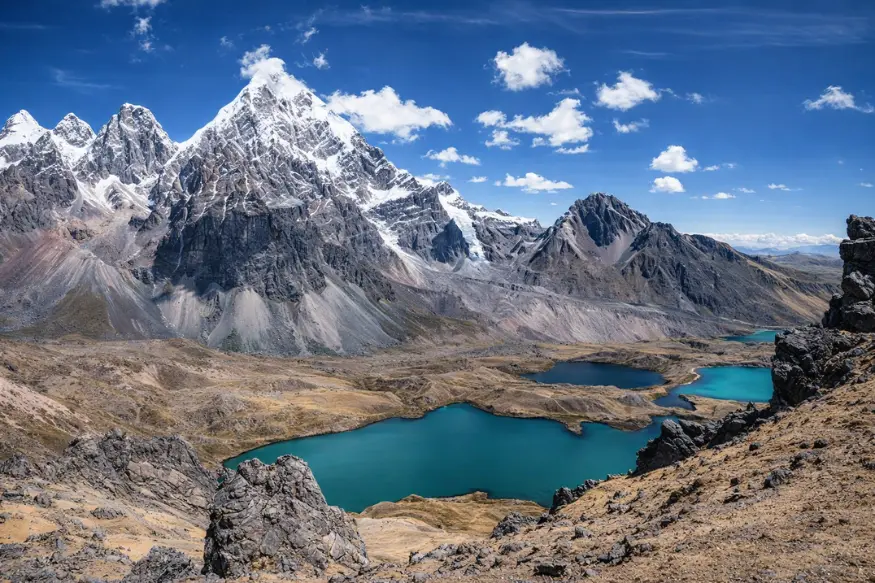
Ausangate Mountain—also called Nevado Ausangate—is a massive glaciated peak located in southern Peru. Beyond its size, Ausangate is revered as a sacred Apu (mountain spirit) in Andean culture and is one of the most powerful spiritual landmarks in the region.
Unlike Machu Picchu or the Inca Trail, Ausangate remains remote, uncrowded, and raw, attracting hikers who want extreme landscapes, solitude, and cultural authenticity.
Where Is Ausangate Mountain Located?
Ausangate Mountain is located in the Vilcanota Mountain Range, about 100 km southeast of Cusco.
How to get there:
Cusco → Tinki village (3.5–4 hours by road)
Tinki → trailheads such as Upis or Pacchanta
Most travelers access Ausangate as part of an organized multi-day trek, which includes transport, a guide, meals, horses, and camping equipment.
Ausangate Mountain Altitude and Geography
Summit altitude: 6,384 m / 20,945 ft
Trek altitude range: 4,200 m – 5,200+ m
Highest pass: Abra Palomani (~5,200 m / 17,060 ft)
The mountain is surrounded by:
Towering glaciers
Sharp alpine ridges
High-altitude valleys
Mineral-rich lagoons in turquoise, red, and deep blue tones
Ausangate’s glacial system is one of the most important water sources in southern Peru.
Why Is Ausangate Considered Sacred?
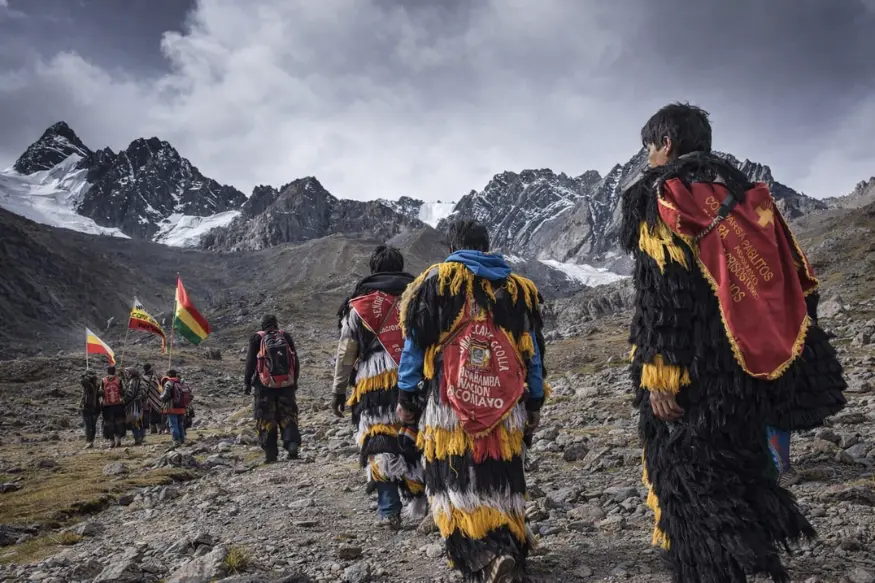
In the Andean worldview, mountains are living beings known as Apus. Ausangate is considered a protector spirit responsible for water, fertility, and balance.
The area is closely linked to the Qoyllur Rit’i pilgrimage, one of the largest indigenous religious festivals in the Andes, blending Inca traditions with Catholic symbolism.
Travelers often describe the Ausangate region as deeply spiritual and transformative.
Ausangate Weather: Best Time to Visit
Dry Season (May–September)
Clear skies and excellent mountain views
Cold nights (often below -10°C / 14°F)
Peak trekking season
Rainy Season (November–March)
Frequent rain and snow
Cloudy conditions
January–February are least recommended
Shoulder Season (April & October)
Fewer trekkers
Mixed weather
Green landscapes and good visibility
Ausangate Trek Overview (Difficulty, Distance & Duration)
The Ausangate Trek is considered challenging to strenuous.
Key facts:
Duration: 4, 5, 6, or 7 days
Daily hiking: 6–8 hours
Total distance: ~60–75 km (depending on route)
Max altitude: 5,200+ m
This trek is recommended for:
Experienced hikers
Travelers well acclimatized to altitude
Adventurers seeking a remote alternative to the Inca Trail
Ausangate Trek Itineraries (4 and 7 Days)
4-Day Ausangate Trek
Fast-paced and intense
Fewer lagoons
Ideal for limited time
[tour_ad id=”5997″]
7-Day Ausangate Trek
Extended exploration
Additional remote valleys
Ideal for photographers and slow trekkers.
[tour_ad id=”5833″]
Ausangate Lagoons: Natural Color Phenomenon
Top lagoons include:
Yahuarcocha (Red Lagoon)
Alqacocha (Deep Blue Lagoon)
Multiple turquoise and emerald lakes
The colors come from glacial minerals and sediment, creating some of the most photographed landscapes in Peru.
[tour_ad id=”12710″]
Pacchanta Hot Springs (Must-See)
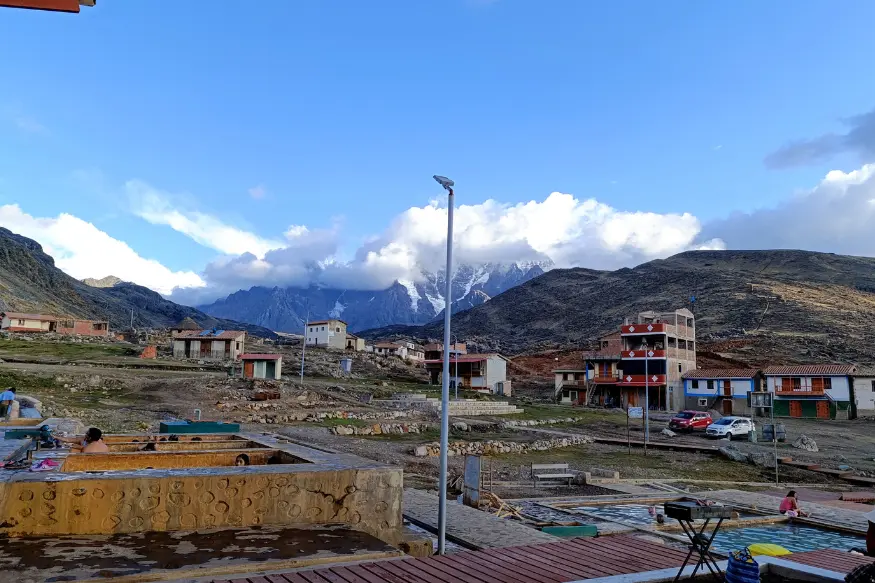
Located in Pacchanta village, these natural hot springs sit directly below Ausangate Mountain.
Why they matter:
Perfect recovery after trekking
Open-air pools with glacier views
One of the most iconic moments of the trek
More Info About: Pacchanta Hot Springs
Ausangate Trek + Rainbow Mountain (Vinicunca)
Many Ausangate routes connect to Rainbow Mountain, allowing hikers to:
Visit Vinicunca early
Avoid crowds
See it from higher, panoramic viewpoints
This combination is considered superior to the standard 1-day Rainbow Mountain tour.
What to Pack for Ausangate Trek (Essential List)
Mandatory
Thermal base layers
Waterproof jacket & pants
Trekking boots (broken in)
Trekking poles
Sunglasses and high-SPF sunscreen
Sleeping bag rated to -10°C or colder
Recommended
Swimsuit (Pacchanta)
Headlamp
Power bank
Energy snacks
Is Ausangate Mountain Worth Visiting?
100% yes—if you are prepared.
Ausangate offers:
One of the most dramatic mountain landscapes in Peru
Deep cultural and spiritual significance
True wilderness with minimal crowds
A life-changing trekking experience
For many hikers, Ausangate is more powerful and memorable than Machu Picchu.
Frequently Asked Questions About Ausangate Mountain
Is the Ausangate Trek Safe?
Yes, when done with proper preparation and a professional guide.
Do I need previous trekking experience to do Ausangate?
Previous trekking experience is highly recommended, but not mandatory. If you are fit, have done long hikes before, and acclimatize properly in Cusco, you can complete the trek successfully. Absolute beginners may find it overwhelming.
How many days should I acclimatize before the Ausangate Trek?
You should spend at least 2–3 full days in Cusco or the Sacred Valley before starting the trek. This significantly reduces the risk of altitude sickness and makes the experience much more enjoyable.
What is the best month to visit Ausangate Mountain?
The best months are June, July, and August, when skies are usually clear and conditions are stable.
May and September are also excellent options with fewer trekkers. Avoid January and February due to heavy rains.
Is Ausangate colder than the Inca Trail?
Yes—much colder. Ausangate is higher, more exposed, and less sheltered. Night temperatures can drop below -10°C (14°F), so a proper cold-weather sleeping bag and layered clothing are essential.
Can I do the Ausangate Trek without a guide?
Technically yes, but it is not recommended unless you are very experienced in high-altitude trekking. The route is remote, weather changes quickly, and there is limited emergency support. Most travelers choose a guided trek for safety, logistics, and local knowledge.
Are there bathrooms or facilities along the Ausangate Trek?
Facilities are very limited. Some campsites near villages may have basic toilets, but most of the trek is completely remote. Tour operators usually set up portable toilets at camps.
Is altitude sickness common on the Ausangate Trek?
Mild altitude symptoms are common (headache, shortness of breath), especially during the first days. Serious altitude sickness is not common when travelers acclimatize properly and follow a gradual itinerary.
Does the Ausangate Trek include Rainbow Mountain?
Some routes do, some don’t. Many 5–7 day itineraries include Rainbow Mountain (Vinicunca) as the final highlight, often visiting it very early in the morning before crowds arrive. This is considered one of the best ways to see Rainbow Mountain.
Are the Pacchanta Hot Springs included in all treks?
Not all, but many itineraries start or end in Pacchanta, where the hot springs are located. If this is important to you, always confirm it before booking—it’s one of the most rewarding parts of the experience.
Is Ausangate worth it compared to Machu Picchu or the Inca Trail?
They offer very different experiences. Machu Picchu is cultural and iconic; Ausangate is wild, spiritual, and physically demanding. Many travelers say Ausangate feels more powerful and authentic, especially if you love mountains and solitude.