Ausangate Trek

Apu Ausangate Trek – Ausangate Tour

Tour Overview

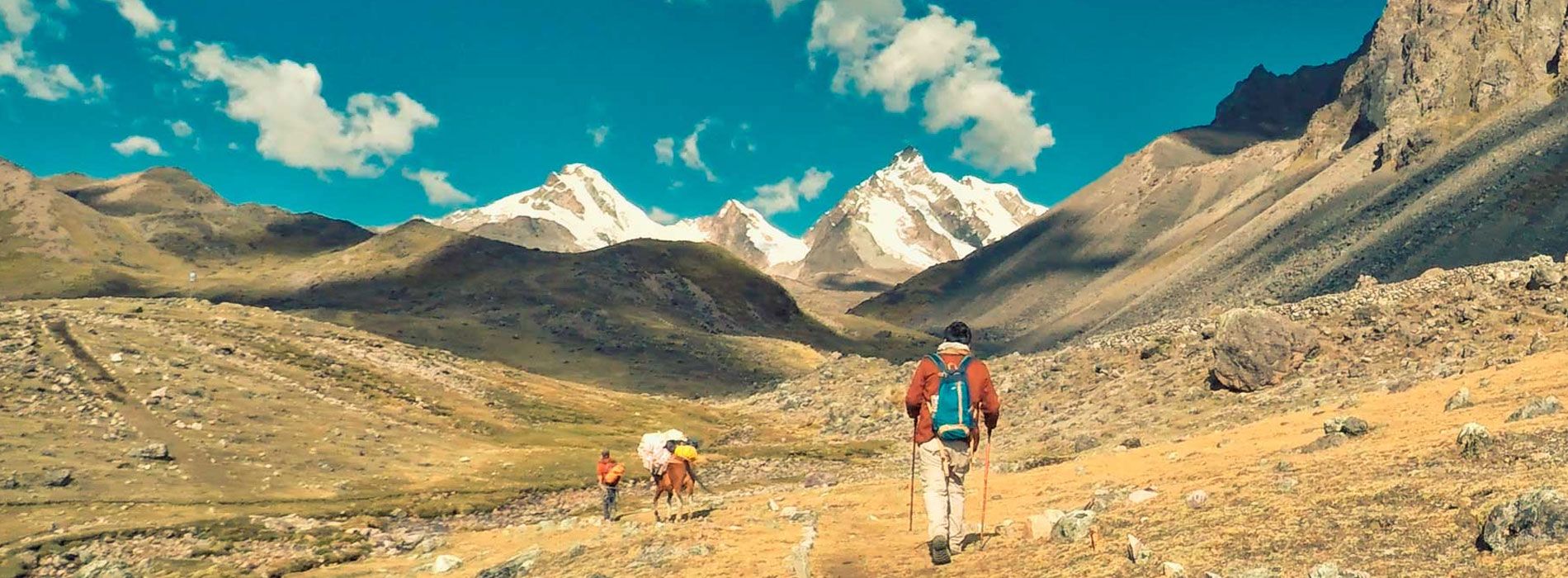
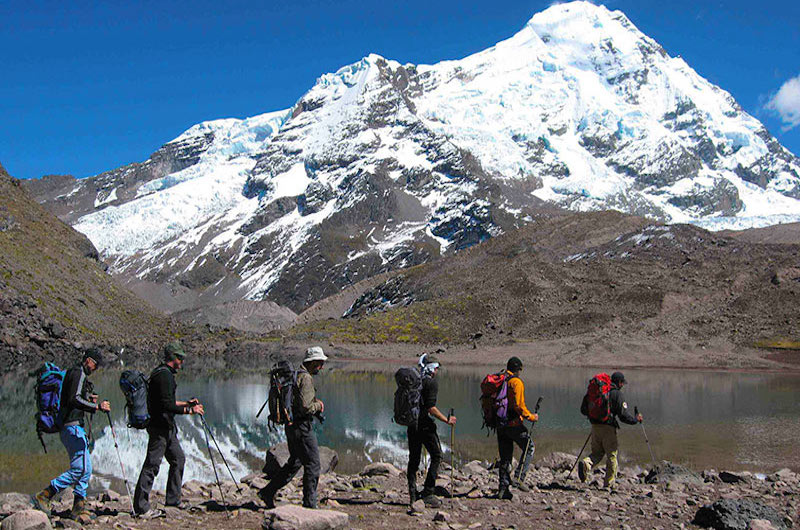
Apu Ausangate Trek or Ausangate Tour is a popular activity in Cusco. It takes you around the sacred and the highest peak of Southern Peru.  

The mountain is a part of the Vilcanota mountain range in the Andes of Peru. With an elevation of 6,384 m - 20,944 ft. It is situated around 100 kilometers southeast of Cusco.

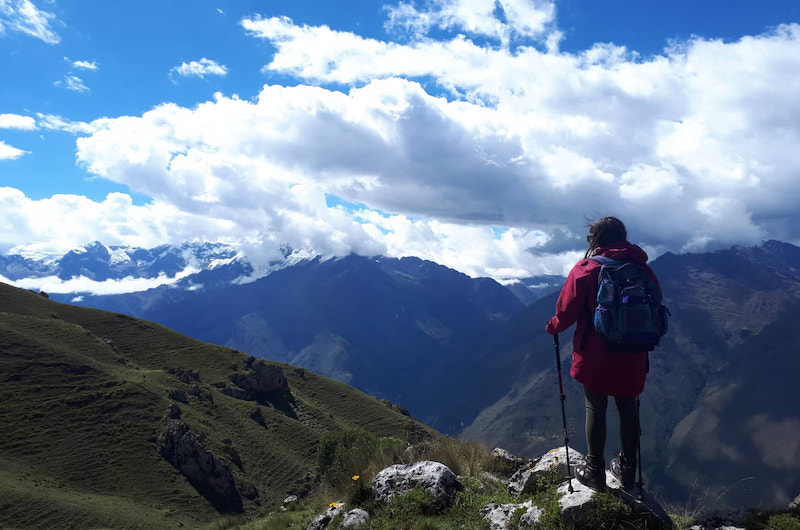
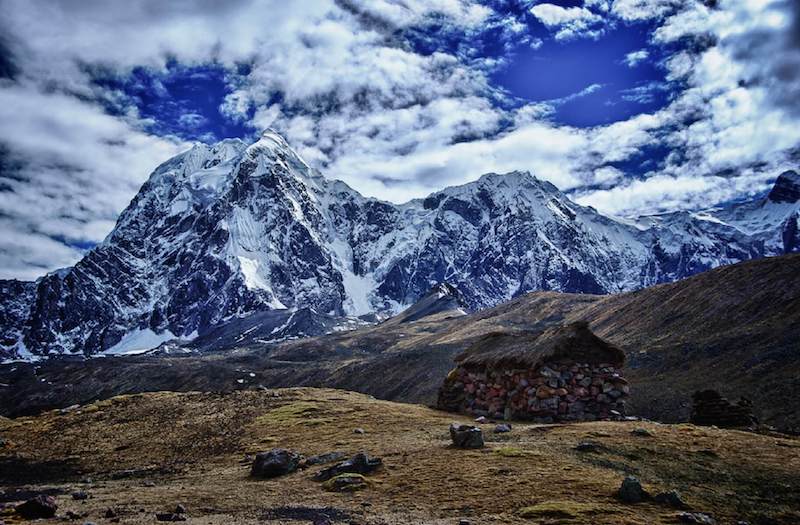
Ausangate mountain is an amazing snow-capped peak. This 7 Day Trek is one of the most spectacular adventures for nature lovers. You will be witnessing the beauty of the Peruvian highland at every turn. 

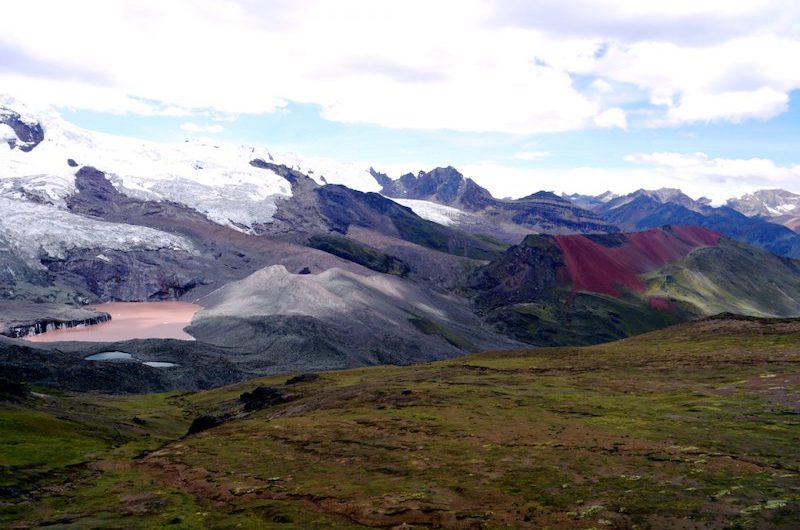
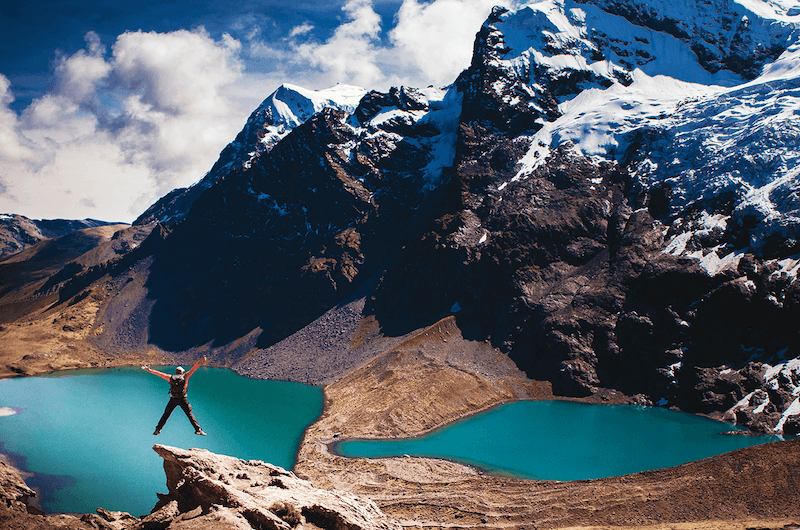
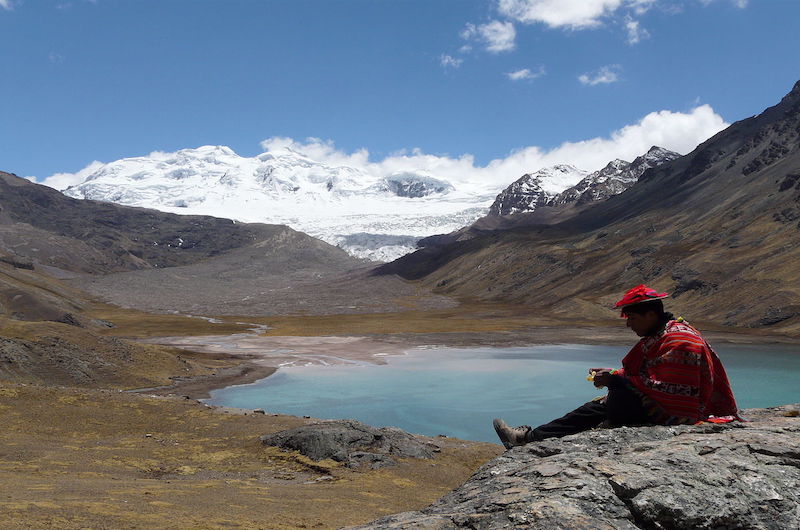
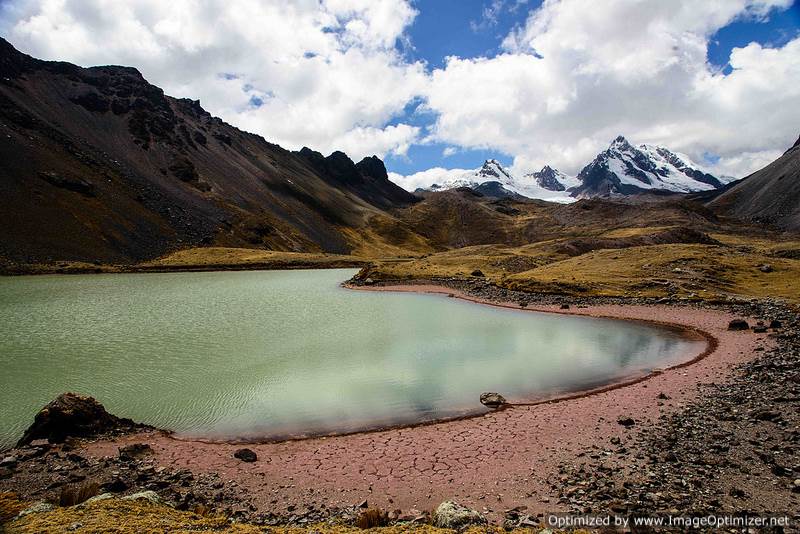
The trek rewards you with views of stunning turquoise lakes, glaciers, Andean farms and more. What's more? You will also be visiting the iconic Rainbow Mountains of Peru on this seven day hike. 

Please note that this is a high altitude hike. The highest point of the trek is Palomani pass at 5200 m - 17,056ft. We highly recommend you to spend at least four days in Cusco before the trek to avoid altitude sickness.

Why Happy Gringo Tours?

By booking the Ausangate travel with Happy Gringo Tours, you are picking out the best local trek operator. Hike the Peruvian Andes with organic Peruvian food and support the local economy!.

If you feel tired whilst trekking, you will have the option to jump on a horse back. We always send an emergency horse on our treks. Safety of our clients is really important.

Our Apu Ausangate trek route is a little different from the rest. Hence, you can enjoy most parts of the trek in complete solitude.  

On this Ausangate Tour with our local guide, you will not just witness the beauty of the Sacred Peak of Cusco but also get an insight to the life of the locals who live here and maintain their age-old traditions. 

Ausangate Peru trek awaits you - explore with the local and direct tour operator of the region.

[tour_wetravel_mobile]

At 0500 in the morning, we will be leaving from Cusco City in our private transport. We will be driving you to Tinqui. This small Andean village is the gateway to Ausangate. 

Here we will be serving you breakfast before beginning the trek. The first two hours of the trek offers a beautiful introduction to what you can expect on the following days. 

We will be hiking with a view of many impressive snow capped peaks. For lunch, we will be serving our exclusive organic meal. 

After lunch, we will be continuing the Apu Ausangate Trek through some remote communities. You will have the opportunity to meet and interact with locals here. You will also be able to spot Llamas and Alpacas before reaching our campsite in 

Optional to visit the hot springs and the night is spectacular.

We will be serving a traditional breakfast in the morning. Then we will be hiking for four hours through scenic landscapes. For lunch, we will be stopping at Pucca Moqo site. 

After lunch, we will be hiking to the first mountain pass of the trek, Qampa. You will be able to spot Vicuñas and Condors on your way. 

From the Qampa pass, we will be descending for two hours to our campsite. 

After a delicious breakfast, we will be hiking through stunning views of the valley, waterfalls and Crystalline streams. We will be hiking for some five hours and will be reaching a beautiful viewpoint of Pampa Cahuana. Here we will be serving lunch. 

We will then have the opportunity to stop for fishing at a small river. From here, we will be entering a Llama valley. As the name suggests, the valley is full of Alpacas and Llamas. 

From here, we will be reaching the Yanamayo campsite where we will be camping for the night. 

We will begin the fourth day of the Apu Ausangate Trek with a delicious breakfast. Then we will be hiking for two hours to the highest point of the trek. From the top of the Palomani pass you will be able to witness the enchanting beauty and the enormity of the valley below. 

We will then hike down to our lunch camp that is near some beautiful waterfalls and a copper coloured lagoon. 

After lunch, we will be hiking for two more hours to Sibinacocha Lake. 

You will be waking up to the enchanting views of the lake and glacier peak. Then we will continue hiking along the shores of the lake. On our way, we will have several stops to spot some native birds and fish in the lake. 

Then we will get to the lunch camp after 3 hours of hiking. After lunch we will hike for two more hours to Vicuña mountain.  At this point, the weather changes very quickly. 

We will begin to descend gradually to our campsite at Cascara. Here we can meet local people.

You will be waking up to a spectacular sunrise. After breakfast, we will visit a traditional family house.  Our guide will give you an insight to their traditions and culture.

After spending some time we will gradually descend for three hours. We will be reaching the lunch camp. 

After lunch we will be hiking further down the hill for two more hours to our campsite in Pinayana Andean village. You will have the afternoon to yourself to relax and enjoy the Andean vibes.

After breakfast, we will be hiking up to the small viewpoint to see the beauty of the valley. At lunch, we will be doing a farewell treat to our team of chef, porters and muleteers.

We will then embark on a journey back to Cusco city. 

Included

Includes

  • Orientation
  • Pick up from your hotel on your departure day.
  • Private transportation with a nice views to Tinki (Trail head)
  • The first breakfast on the way, at the beginning of the trek.
  • English speaking tour guide.
  • One professional chef who will prepare delicious food in the whole hike.
  • The chefs assistance and some porters.
  • Horse men and their assistants.
  • Horses to carry all hiking gears
  • One emergency horse
  • 4 people tent for two
  • Three main course meals per day (very nutritional and organic) including a happy hour every evening (tea time)
  • Kitchen tent, dining tent, table, chairs and a gas lamp to enjoy the evenings.
  • Boiled water is provided in the morning, at lunch time, tea time, and dinner time, there is even hot water to keep your bed warm.
  • Extra warm water for washing proposes every meal time.
  • First aid kit including emergency oxygen bottle.
  • Visit to traditional houses at Cascara camp.
  • Bonfire in some nights with hot wine sangria.
  • Foam mat
  • Vegetarian/special diet options available
  • 8 kgs = 16 pounds of your stuff is taken by horses
  • Some help for the local people and the kids.
  • Local transportation to Sicuani and back to Cusco.
  • Taxes included
Not included

Excludes

  • Sleeping bag (rentals available from Happy Gringo Tours)
  • Inflatable sleeping pads for extra comfort (3 inches/8 cm thick) (rentals available from Happy Gringo Tours)
  • Walking sticks (rentals available from Happy Gringo Tours)
  • Entrance to the hot spring 10 Soles
  • Extra drinks like beer etc
  • Tips for your guide, chef, horsemen and the porters are optional according your satisfaction of the service

Explore Cusco through Our Eyes

Stories, tips & travel guides from our team on the ground

Cordillera Vilcanota
Uncategorized
April 29, 2026

Cordillera Vilcanota

The Cordillera Vilcanota is one of the most dramatic, sacred, and least-explored mountain ranges in the Peruvian Andes.…

Galapagos Islands: Explore a Natural Wonder
Uncategorized
April 29, 2026

Galapagos Islands: Explore a Natural Wonder

The Galapagos Islands, a remote archipelago in the Pacific Ocean, are a mesmerizing natural wonder that captivates the imagination. Known for their unique biodiversity and as a pivotal location in Charles Darwin’s formulation of the theory of evolution, these islands offer a unique glimpse into the power of nature and time. Journey with me as we explore the unparalleled beauty and significance of the Galapagos Islands, uncovering the rich tapestry of life that calls this place home. The Galapagos Islands are not merely a destination; they are a living laboratory of evolution. This volcanic archipelago consists of 13 main islands and numerous smaller islets, each offering a distinct array of species and landscapes. From the moment you set foot on these shores, you’ll encounter an astonishing array of wildlife, from the famous Galapagos tortoises to the elusive Galapagos shark. Galapagos: Cradle of Evolution and Living Laboratory of Nature The islands’ isolation and unique environmental conditions have given rise to a plethora of endemic species found nowhere else on Earth. It was here that Charles Darwin, aboard the HMS Beagle in 1835, was inspired to develop his groundbreaking theory of natural selection. The Galapagos remain a testament to the power of adaptation and evolution, providing an invaluable window into the processes that shape life on our planet. Darwin’s observations of finches and other animals led him to consider how species adapt to their environments. This insight was revolutionary, challenging the prevailing thought of the time. The Galapagos finches, with their varied beak shapes, demonstrated how species could evolve to exploit different ecological niches. These islands continue to be a focal point for research, offering scientists a natural laboratory to study evolution in real-time. While the natural wonders of the Galapagos are undoubtedly the main draw, the islands also boast a rich cultural and historical heritage. The islands were initially discovered by Bishop Tomás de Berlanga in 1535, and their name, “Galapagos,” is derived from the Spanish word for tortoise, reflecting the abundant population of these majestic creatures. The human history of the Galapagos adds layers of intrigue to their natural allure. Early visitors included pirates and whalers, who left their mark on the islands. The Galapagos played a strategic role during World War II as a base for the United States, further entwining their history with global events. Today, the islands are a UNESCO World Heritage site, recognized for their natural and cultural significance. Conservation efforts: Conservation…

What is Machu Picchu?
Uncategorized
April 29, 2026

What is Machu Picchu?

Machu Picchu, often hailed as the “Lost City of the Incas,” is an awe-inspiring historical sanctuary located high in the rugged Andes Mountains of Peru. This ancient city is not only an architectural marvel but also a testament to the ingenuity and sophistication of the Inca civilization.  As one of the most iconic and well-preserved archaeological sites in the world, Machu Picchu captures the imagination of travelers, historians, and adventurers from all corners of the globe. In this expanded article, we delve into the rich history, profound significance, and unforgettable visitor experience of Machu Picchu, offering you a comprehensive understanding and appreciation of this extraordinary destination. Machu Picchu Unveiled: Secrets of a Lost Inca Citadel The story of Machu Picchu begins in the 15th century during the reign of the illustrious Inca emperor Pachacuti. This period marked a time of great expansion and prosperity for the Inca Empire, and the construction of Machu Picchu was a monumental project that reflected their architectural prowess. Machu Picchu’s construction is a prime example of classical Inca architectural styles, which are renowned for their precision and durability. The city was built using a technique known as ashlar, where stones are cut to fit together without the use of mortar. This method not only ensured stability but also allowed the structures to withstand the region’s frequent earthquakes. The site’s design incorporates terraces and water channels, showcasing the Incas’ advanced understanding of engineering and agriculture. The exact purpose of Machu Picchu remains a subject of debate among historians and archaeologists. While it is widely believed to have been a royal estate or sacred religious site, some theories suggest it may have served multiple functions, including as a ceremonial center and a hub for astronomical observations. The strategic location of Machu Picchu, nestled between the Andes and the Amazon Basin, further underscores its significance as a place of spiritual and cultural convergence. Despite its grandeur, Machu Picchu was abandoned in the 16th century during the Spanish Conquest and remained hidden from the outside world for centuries. It was not until 1911 that American historian Hiram Bingham brought international attention to the site. Since its rediscovery, Machu Picchu has become a symbol of the Incan civilization’s ingenuity and resilience. In 1983, it was designated as a UNESCO World Heritage Site, solidifying its status as one of the world’s most treasured cultural landmarks. Where Mountains Meet Genius: The Sustainable Marvel of Machu Picchu Machu Picchu is more than just an archaeological site; it is a cultural and historical treasure that offers a profound insight into the Inca Empire’s sophisticated understanding of various disciplines. The engineering marvels of Machu Picchu are evident in its intricate network of terraces, stairways, and aqueducts. These structures demonstrate the Incas’ mastery of land management and their ability to adapt to the challenging mountainous terrain. The precision with which the stones were cut and assembled has left modern architects and engineers in awe, as these structures have withstood the test of time. The location of Machu Picchu provided the Incas with access to diverse ecological zones, enabling them to cultivate a variety of crops. The terraces were ingeniously designed to optimize water distribution and prevent soil erosion, showcasing the Incas’ advanced agricultural techniques. This sustainable approach to farming ensured the city’s self-sufficiency and contributed to the prosperity of the Inca Empire. Machu Picchu’s alignment with celestial events highlights the Incas’ deep understanding of astronomy. Structures such as the Intihuatana Stone served as ancient astronomical clocks, allowing the Incas to track solstices and equinoxes. This connection to the cosmos was integral to their spiritual beliefs, as they revered celestial bodies as deities and used astronomical observations to guide agricultural practices and religious ceremonies. From Valley to Citadel: The Sacred Bond Between Machu Picchu and the Andes The Sacred Valley, or “Valle Sagrado” in Spanish, is a critical component in understanding Machu Picchu’s significance. This fertile region was the heart of the Incan Empire, serving as an agricultural powerhouse and spiritual center. The interconnectedness of the Sacred Valley and Machu Picchu underscores the Incas’ reverence for nature and their ability to harmonize with their environment. The proximity of the two sites highlights the seamless integration of the Inca society’s agricultural, spiritual, and cultural aspects. Machu Picchu’s breathtaking location is one of its defining characteristics, offering visitors an unparalleled view of the majestic Andes Mountains and the lush Urubamba River Valley below. Perched at an elevation of approximately 2,430 meters (7,970 feet) above sea level, Machu Picchu’s location presents both challenges and rewards for visitors. The high altitude can cause altitude sickness, which is why acclimatization is essential. Spending a few days in Cusco or the Sacred Valley, which are at slightly lower altitudes, can help travelers adjust to the thinner air and enhance their overall experience. The site is situated on a mountain ridge, providing panoramic vistas of the surrounding peaks and the verdant valley. The dramatic landscape is not only visually stunning but also served a strategic purpose for the Incas, offering natural protection and a vantage point for observing the surrounding environment. The diverse flora and fauna of the region add to its ecological richness, making it a haven for nature enthusiasts and photographers alike. Machu Picchu Unshaken: Earthquakes, Architecture, and Andean Adventure…