CORDILLERA HUAYHUASH CLASSIC TREK 8 DAYS & 7 NIGHTS (4)

⁠Cordillera Huayhuash Classic Trek 8 Days & 7 Nights

Tour Overview

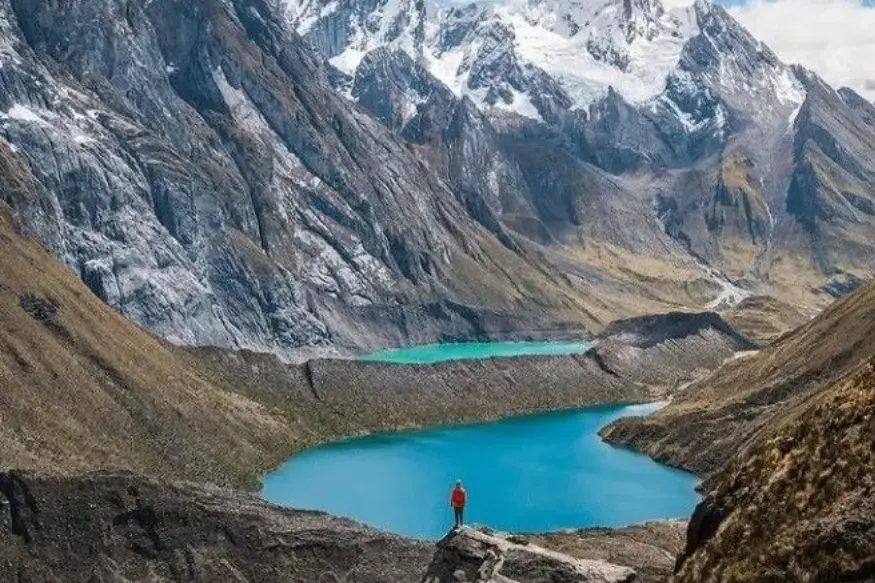
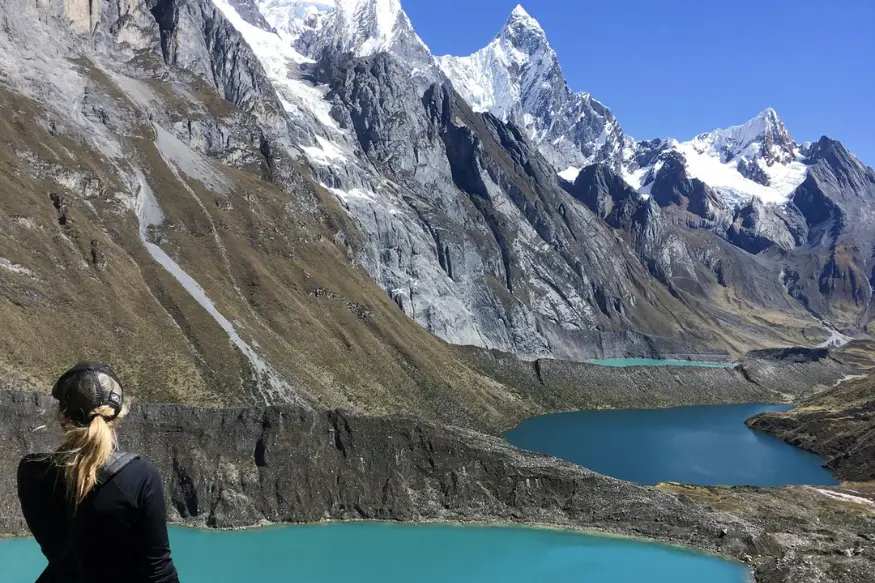
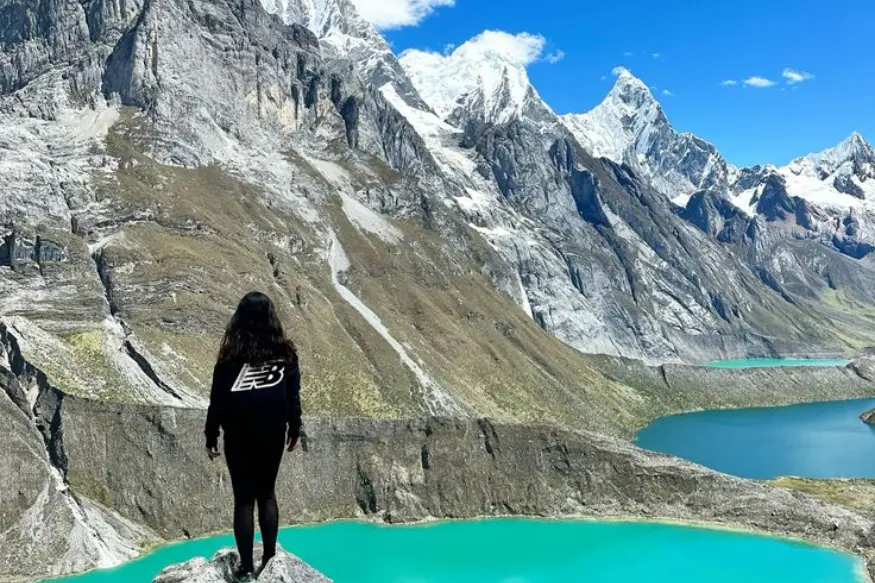
The Cordillera Huayhuash Classic Trek 8 Days & 7 Nights is one of the most breathtaking high-altitude adventures in Peru. Starting from Huaraz, this full circuit takes you deep into the heart of the Huayhuash range, crossing mountain passes above 4,700 to 5,000 meters and camping beside some of the most spectacular alpine lakes in the Andes.

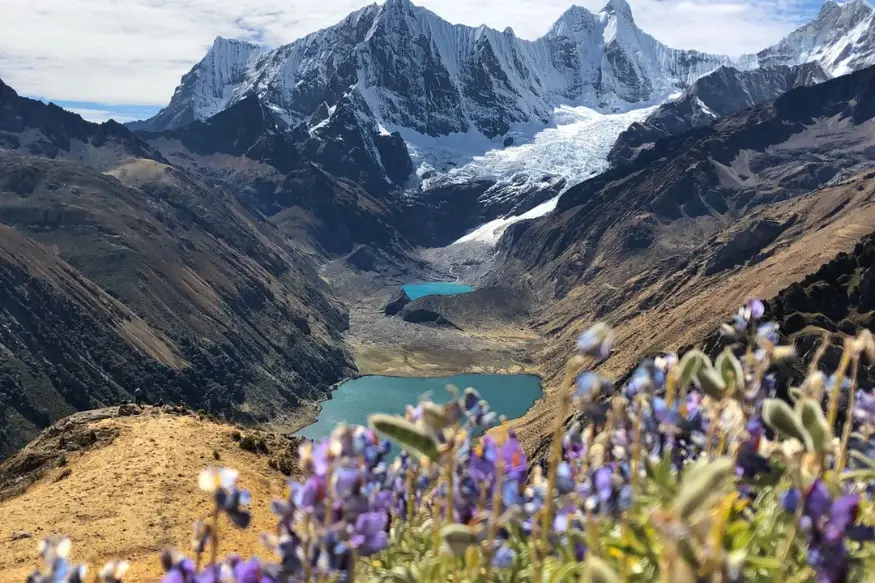
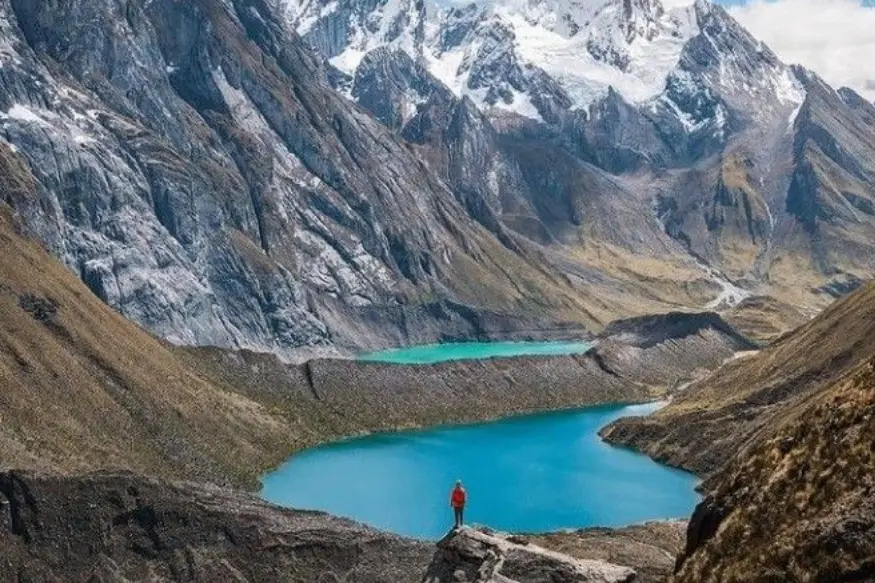
During the trek, you will hike beneath towering peaks such as Yerupajá (6,634 m), the second highest mountain in Peru, as well as Siula Grande, Jirishanca, Rondoy, and Diablo Mudo. Each day offers a new highlight: colorful lagoons, panoramic viewpoints considered among the most beautiful in the Andes, remote valleys, and traditional Andean villages.

This trek is designed for experienced hikers seeking a true mountain expedition. Expect challenging ascents, high-altitude terrain, and unforgettable landscapes from beginning to end. With professional guides, a dedicated cook, and full camping logistics, you can fully enjoy one of South America’s most iconic trekking routes.

We depart from Huaraz early in the morning, driving through Chiquián, Llamac, and Pocpa until reaching Matacancha (Cuartelwain). After organizing our gear, we begin our first hike ascending toward Cacananpunta Pass, where we enjoy wide panoramic views and the striking red waters of Laguna Pucacocha. After taking in the scenery, we descend to Janca Camp. This first day allows us to gradually adapt to the altitude while enjoying beautiful Andean landscapes.

After breakfast, we hike toward Carhuac Pass on a steady and manageable ascent. From the top, we descend to Laguna Carhuacocha, considered one of the most spectacular campsites in the entire Huayhuash circuit. From here, we admire towering peaks such as Yerupajá, Siula Grande, and Jirishanca rising dramatically above the turquoise waters.

Today is one of the most scenic days of the trek. We pass by the beautiful lagoons of Gangrajanca and Siula before reaching the famous Three Lagoons Viewpoint, offering unforgettable panoramic views of the surrounding snowcapped peaks. Afterward, we cross Siula Pass and descend past Carnicerococha Lake before arriving at Huayhuash Camp.

This is a challenging yet rewarding day. We ascend to Trapecio Pass, where we enjoy dramatic views of Mount Trapecio and the surrounding glacial landscape. After taking photos and resting at the viewpoint, we descend along rocky terrain to reach Pampacuyoc or Elefante Pampa Camp.

After breakfast, we hike toward the famous San Antonio Viewpoint, widely considered the most impressive panorama of the Huayhuash range. From here, we can see much of the mountain chain stretching across the horizon. We then descend through the Calinca Valley to the remote Andean village of Huayllapa.

We begin with a steady ascent toward Tapush Pass, where we enjoy views of Diablo Mudo and the surrounding mountains. The scenery opens up toward the Cordillera Blanca in the distance. After crossing the pass, we descend to Gashpapampa Camp.

After breakfast, we hike toward Yaucha Pass, where we enjoy spectacular western views of the Huayhuash range, including iconic peaks such as Yerupajá, Jirishanca, Rondoy, and Rasac. We continue to the Jahuacocha Viewpoint, offering breathtaking views of Laguna Jahuacocha and Laguna Solteracocha. After enjoying the panorama, we descend to our campsite near the lake.

On our final day, we hike toward the village of Pocpa, crossing a final pass before descending to the town where our trek concludes. After a final lunch prepared by our expedition cook, we return by private transport to Huaraz, bringing this unforgettable adventure to an end.

Included

Includes

  • Private round-trip transportation from Huaraz (minimum 6 participants required)
  • Pickup from your hotel or hostel in Huaraz
  • All meals during the trek: breakfast, picnic snack, lunch, afternoon tea, and dinner
  • Reusable cloth picnic bag (complimentary gift from the company)
  • Professional bilingual guide (English or Spanish – English service with minimum 6 participants)
  • Experienced cook and full kitchen equipment
  • Muleteers and pack animals for transporting expedition equipment
  • Emergency horse (minimum 6 participants)
  • Complete camping equipment: shared tents, sleeping bags rated to -15°C extreme, sleeping pads, and sheets
  • Kitchen tent, dining tent, tables, and chairs
  • Duffle bags (approximately 6 kg per person), carried by pack animals
  • First aid kit and emergency oxygen
  • Two-way radios for communication
  • Boiled and cooled drinking water (2 liters per person per day)
  • Pre-trip advice on how to reach Huaraz and preparation tips before departure
  • Special birthday discount if you celebrate your birthday during the expedition
  • 3 additional tours: Laguna 69, Laguna Parón, and Laguna Rocotuyoc
Not included

Excludes

  • Entrance fees to local communities (S/. 280.00 per person for the 8 days – cash payment required)
  • Trekking poles (mandatory for the trek)
  • Travel or accident insurance
  • Breakfast on the first day
  • Personal expenses
  • Additional costs if you leave the trek early due to altitude sickness or emergency
  • Tips for the guide and expedition staff
No. This is a demanding high-altitude trek recommended for experienced hikers with good physical fitness and prior trekking experience.
Most days involve between 4 to 8 hours of hiking, depending on the route, weather, and group pace.
The highest passes reach approximately 5,000 meters above sea level.
Yes. We strongly recommend spending at least 2–3 days in Huaraz before starting the expedition to adjust to the altitude.
Yes. Trekking poles are required due to steep ascents, rocky terrain, and long descents.
All nights are spent camping in tents at designated campsites along the Huayhuash circuit.
Fresh, hot meals are prepared daily by our expedition cook. Vegetarian and special dietary options are available with prior notice.
Yes. We provide boiled and cooled water daily. You should bring a reusable bottle or hydration system.
No. Community entrance fees must be paid in cash during the trek.
No. Most of the trek takes place in remote areas without phone signal or internet access.
Our guides are trained in high-altitude response and carry oxygen and a first aid kit. In serious cases, evacuation procedures will be activated.
The dry season from May to September offers the most stable weather conditions and clearer mountain views.

Explore Cusco through Our Eyes

Stories, tips & travel guides from our team on the ground

What is Machu Picchu?
Uncategorized
April 29, 2026

What is Machu Picchu?

Machu Picchu, often hailed as the “Lost City of the Incas,” is an awe-inspiring historical sanctuary located high in the rugged Andes Mountains of Peru. This ancient city is not only an architectural marvel but also a testament to the ingenuity and sophistication of the Inca civilization.  As one of the most iconic and well-preserved archaeological sites in the world, Machu Picchu captures the imagination of travelers, historians, and adventurers from all corners of the globe. In this expanded article, we delve into the rich history, profound significance, and unforgettable visitor experience of Machu Picchu, offering you a comprehensive understanding and appreciation of this extraordinary destination. Machu Picchu Unveiled: Secrets of a Lost Inca Citadel The story of Machu Picchu begins in the 15th century during the reign of the illustrious Inca emperor Pachacuti. This period marked a time of great expansion and prosperity for the Inca Empire, and the construction of Machu Picchu was a monumental project that reflected their architectural prowess. Machu Picchu’s construction is a prime example of classical Inca architectural styles, which are renowned for their precision and durability. The city was built using a technique known as ashlar, where stones are cut to fit together without the use of mortar. This method not only ensured stability but also allowed the structures to withstand the region’s frequent earthquakes. The site’s design incorporates terraces and water channels, showcasing the Incas’ advanced understanding of engineering and agriculture. The exact purpose of Machu Picchu remains a subject of debate among historians and archaeologists. While it is widely believed to have been a royal estate or sacred religious site, some theories suggest it may have served multiple functions, including as a ceremonial center and a hub for astronomical observations. The strategic location of Machu Picchu, nestled between the Andes and the Amazon Basin, further underscores its significance as a place of spiritual and cultural convergence. Despite its grandeur, Machu Picchu was abandoned in the 16th century during the Spanish Conquest and remained hidden from the outside world for centuries. It was not until 1911 that American historian Hiram Bingham brought international attention to the site. Since its rediscovery, Machu Picchu has become a symbol of the Incan civilization’s ingenuity and resilience. In 1983, it was designated as a UNESCO World Heritage Site, solidifying its status as one of the world’s most treasured cultural landmarks. Where Mountains Meet Genius: The Sustainable Marvel of Machu Picchu Machu Picchu is more than just an archaeological site; it is a cultural and historical treasure that offers a profound insight into the Inca Empire’s sophisticated understanding of various disciplines. The engineering marvels of Machu Picchu are evident in its intricate network of terraces, stairways, and aqueducts. These structures demonstrate the Incas’ mastery of land management and their ability to adapt to the challenging mountainous terrain. The precision with which the stones were cut and assembled has left modern architects and engineers in awe, as these structures have withstood the test of time. The location of Machu Picchu provided the Incas with access to diverse ecological zones, enabling them to cultivate a variety of crops. The terraces were ingeniously designed to optimize water distribution and prevent soil erosion, showcasing the Incas’ advanced agricultural techniques. This sustainable approach to farming ensured the city’s self-sufficiency and contributed to the prosperity of the Inca Empire. Machu Picchu’s alignment with celestial events highlights the Incas’ deep understanding of astronomy. Structures such as the Intihuatana Stone served as ancient astronomical clocks, allowing the Incas to track solstices and equinoxes. This connection to the cosmos was integral to their spiritual beliefs, as they revered celestial bodies as deities and used astronomical observations to guide agricultural practices and religious ceremonies. From Valley to Citadel: The Sacred Bond Between Machu Picchu and the Andes The Sacred Valley, or “Valle Sagrado” in Spanish, is a critical component in understanding Machu Picchu’s significance. This fertile region was the heart of the Incan Empire, serving as an agricultural powerhouse and spiritual center. The interconnectedness of the Sacred Valley and Machu Picchu underscores the Incas’ reverence for nature and their ability to harmonize with their environment. The proximity of the two sites highlights the seamless integration of the Inca society’s agricultural, spiritual, and cultural aspects. Machu Picchu’s breathtaking location is one of its defining characteristics, offering visitors an unparalleled view of the majestic Andes Mountains and the lush Urubamba River Valley below. Perched at an elevation of approximately 2,430 meters (7,970 feet) above sea level, Machu Picchu’s location presents both challenges and rewards for visitors. The high altitude can cause altitude sickness, which is why acclimatization is essential. Spending a few days in Cusco or the Sacred Valley, which are at slightly lower altitudes, can help travelers adjust to the thinner air and enhance their overall experience. The site is situated on a mountain ridge, providing panoramic vistas of the surrounding peaks and the verdant valley. The dramatic landscape is not only visually stunning but also served a strategic purpose for the Incas, offering natural protection and a vantage point for observing the surrounding environment. The diverse flora and fauna of the region add to its ecological richness, making it a haven for nature enthusiasts and photographers alike. Machu Picchu Unshaken: Earthquakes, Architecture, and Andean Adventure…