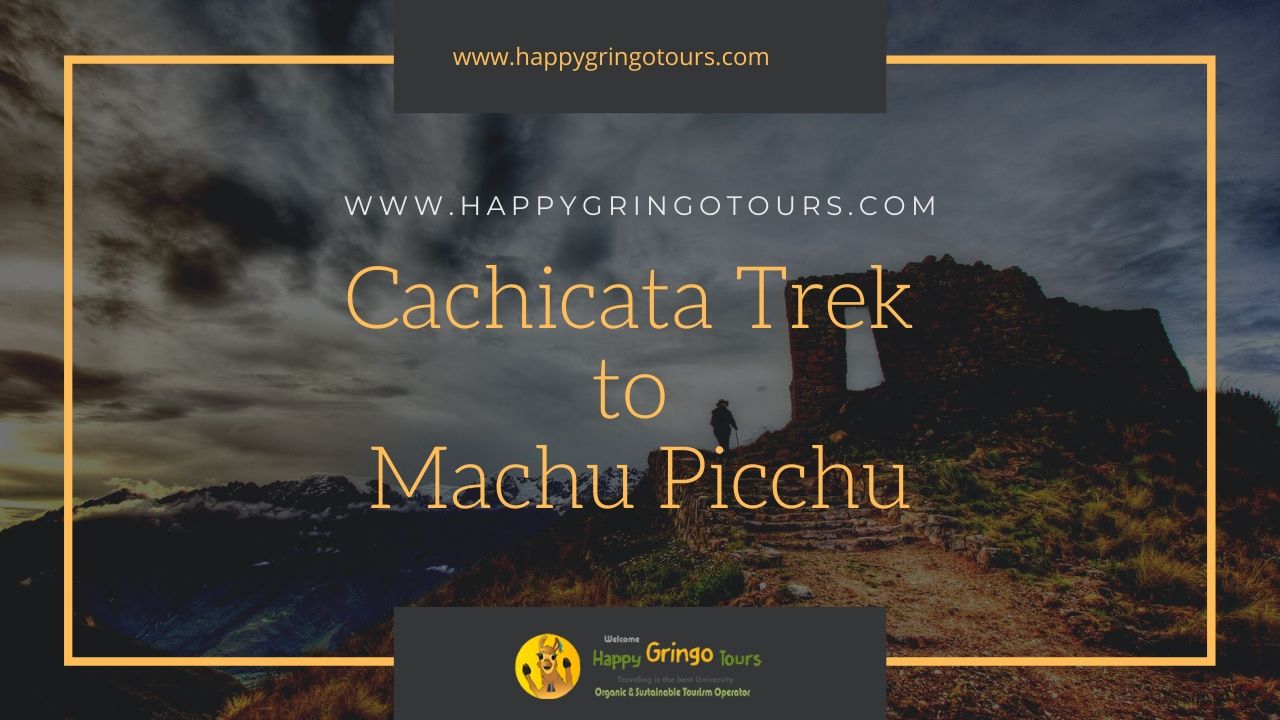
Experience the best of the remains of the Ancient Inca stone quarry on this full day Cachicata Trail popularly known as Inca Quarry Trek.

Cachicata Trail – Inca Quarry Trek

Group size Max 10
Tour Overview

Experience the best of the remains of the Ancient Inca stone quarry on this full day Cachicata Trail popularly known as Inca Quarry Trek. 

Cusco, the former capital of the Inca Empire in South America, saw rapid development during the rule of Pachacutec. He built many notable sites including Machu Picchu and Choquequirao. Ollantaytambo was the administrative capital of Incas. The Incas built many sites here.  

Cachicata Stone Quarry is located near the village of Ollantaytambo in the Sacred Valley of the Incas. During the Inca civilization, they planned a massive construction work which was never completed due to Spanish invasion. All stones were cut and carved in the Cachicata stone quarry. 

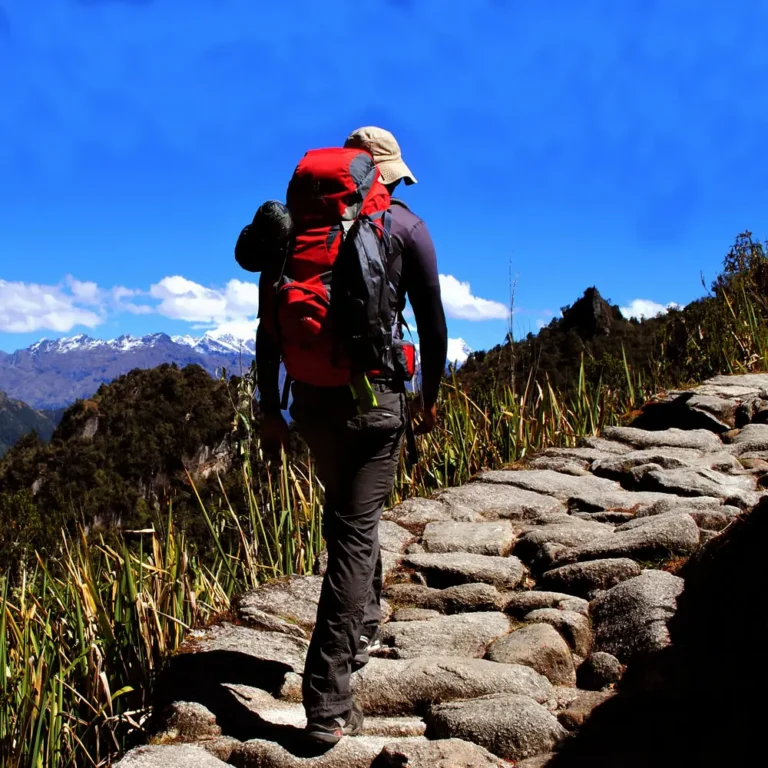
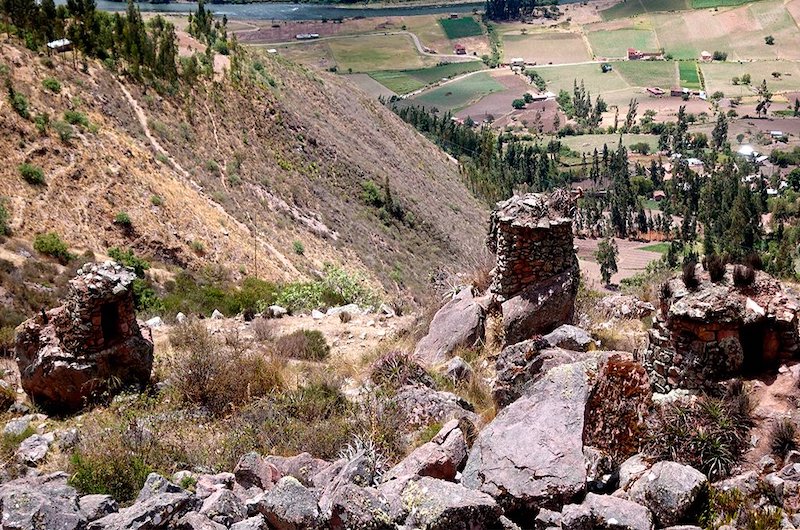
On this Cachicata Trail, accompanied by a local tour guide, you will be visiting the remains of the house of the architects who worked in Cachicata. You will also visit the Inca ruins of stone quarry where you will get to see remains of the finely carved pink marble stones scattered around. 

Cachicata Trail is not as popular as the Salkantay Trek to Machu Picchu or Inca Trail. It however, has a lot to offer. On the Inca Quarry Trail, you will be retracing the footsteps of Incas on the way through which they transported stones from the stone quarry to Ollantaytambo.

Ollantaytambo is now a popular place among travellers to board a train to Aguas Calientes town. It is also the gateway to the emblematic Inca Trail 4 Days to Machu Picchu.

Why Happy Gringo Tours?

Happy Gringo Tours is a fully locally owned tour operating company in Cusco. We have state of the art campsites and camping and cooking equipment. We operate all the treks under the guidance of a local tour guide. 

Our tour guides, as locals, have an extensive knowledge about the Inca Sites,  culture and history. Most of them are mountaineers and have plenty of knowledge and experience on high altitude treks and dealing with altitude sickness. 

Check out our reviews on TripAdvisor.

Please note it is best to hike Cachicata Trail during the dry season – between March and November. 

If you want to combine your Cachicata Trail with a visit to Machu Picchu, then do take a look at our Cachicata Trek to Machu Picchu itinerary. 

[tour_wetravel_mobile]

We will be picking you up from your hotel in Cusco. Then in our private transport, we will be driving through the Sacred Valley of the Incas to Ollantaytambo. This is the starting point of his full day hike. 

We will be crossing a small bridge that connects the two towns on both sides of Urubamba River. Then we will be hiking from Ollantaytambo (2792 metres above sea level) to Cachicata (3900 metres). 

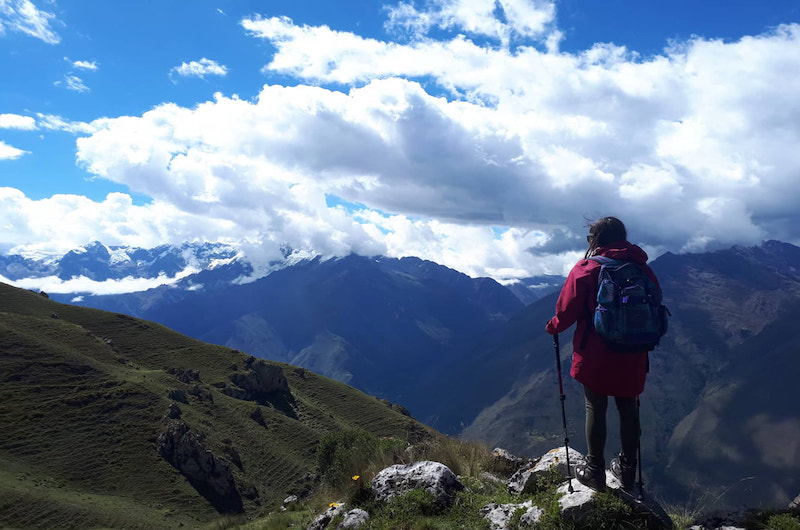
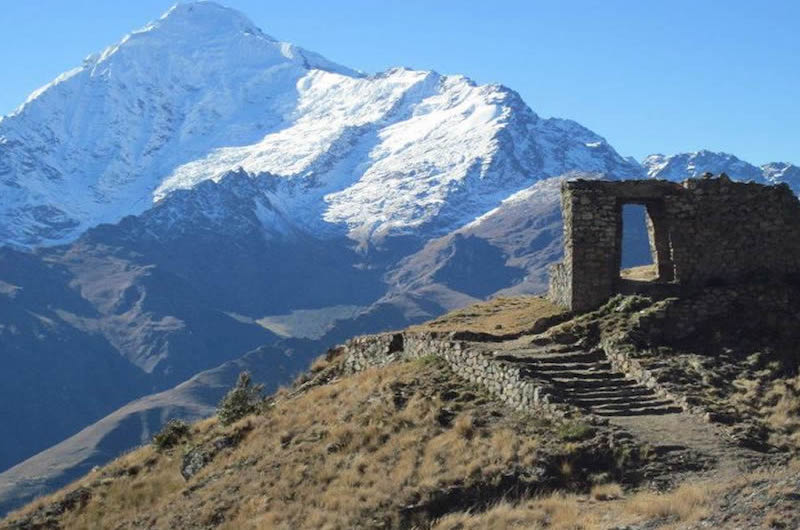
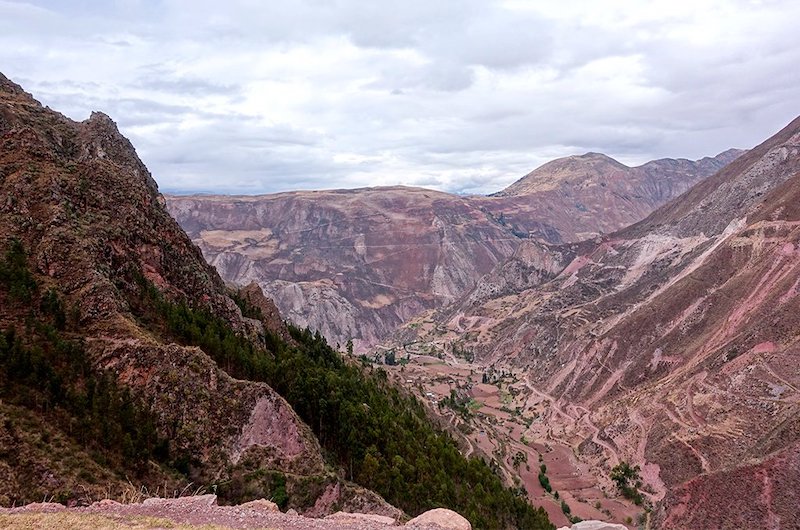
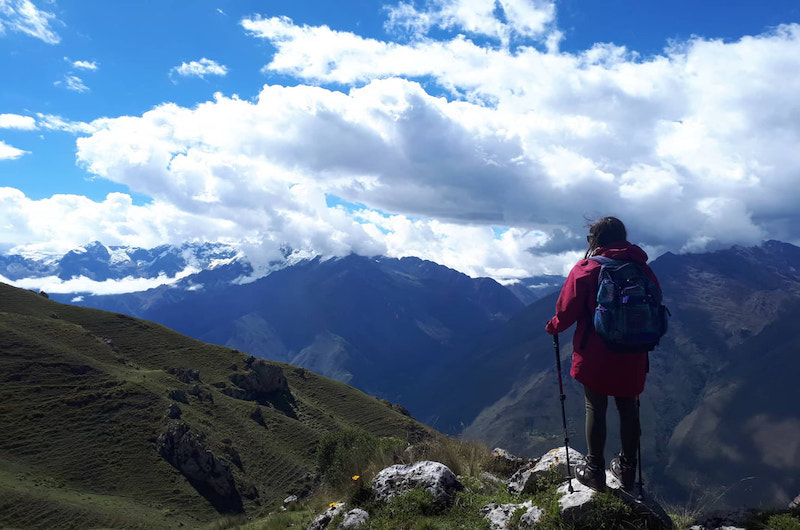
The hike normally takes about two and a half hours. Although mostly up the hill, you will get pristine views of the Sacred Valley of the Incas dotted with snow capped Andean peaks. 

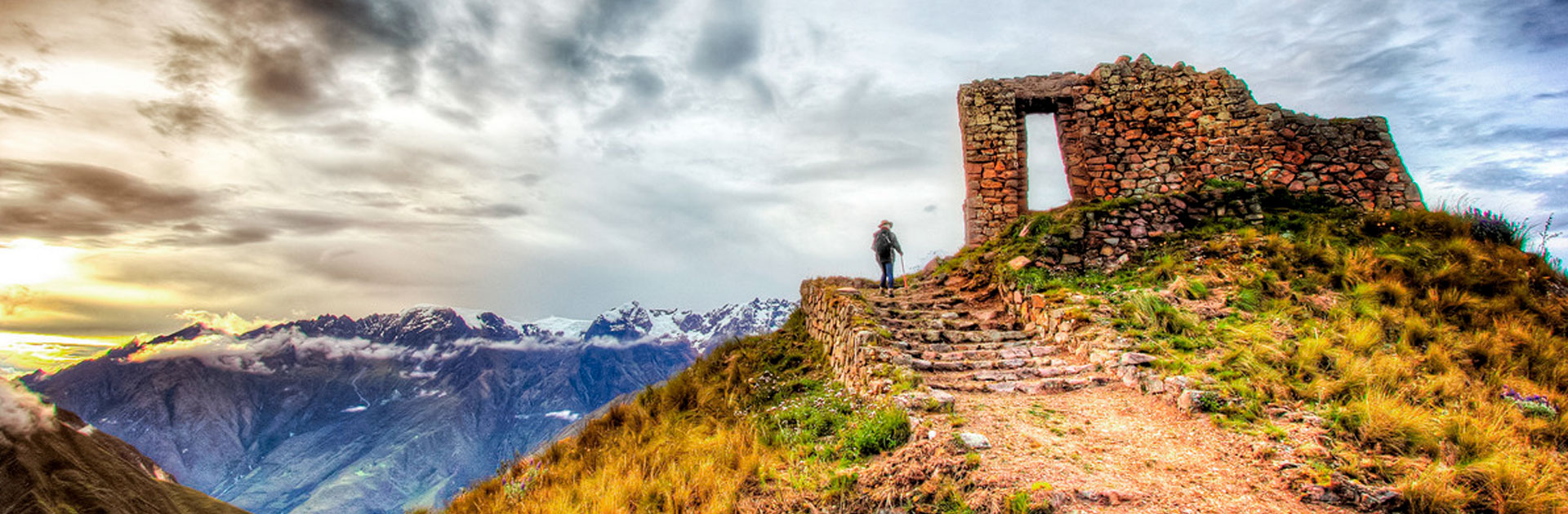
We will then give you a guided tour of the complex. Once you have had your fill and if desired we can hike further 450 metres high to the Sun Gate (Intipunku). The Incas used this place to worship their Sun God (Inti). 

You will also get a panoramic view of the snow capped peak of Veronica from here. 

Once you have had your fill of this, we will hike back down to Ollantaytambo. Here we will be meeting our transport for a drive back to the city of Cusco. 

Included

Includes

  • Round trip transport
  • Entrance Fees
  • Tour Guide
  • Lunch
Not included

Excludes

  • Breakfast
  • Any Private Expenses

The Inca Quarry Trail, also known as the Cachicata Trail, is a short trek of just 1 day that starts at the ruins of Ollantaytambo, in the Sacred Valley. The path is not too hard, however, before taking the trek you must be acclimatized to avoid suffering from altitude sickness.

Explore Cusco through Our Eyes

Stories, tips & travel guides from our team on the ground

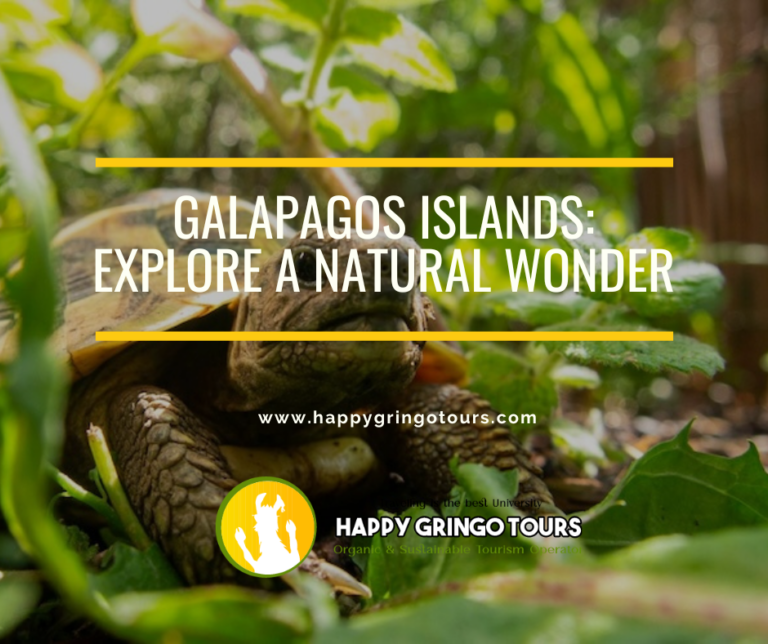
Galapagos Islands: Explore a Natural Wonder
Uncategorized
April 29, 2026

Galapagos Islands: Explore a Natural Wonder

The Galapagos Islands, a remote archipelago in the Pacific Ocean, are a mesmerizing natural wonder that captivates the imagination. Known for their unique biodiversity and as a pivotal location in Charles Darwin’s formulation of the theory of evolution, these islands offer a unique glimpse into the power of nature and time. Journey with me as we explore the unparalleled beauty and significance of the Galapagos Islands, uncovering the rich tapestry of life that calls this place home. The Galapagos Islands are not merely a destination; they are a living laboratory of evolution. This volcanic archipelago consists of 13 main islands and numerous smaller islets, each offering a distinct array of species and landscapes. From the moment you set foot on these shores, you’ll encounter an astonishing array of wildlife, from the famous Galapagos tortoises to the elusive Galapagos shark. Galapagos: Cradle of Evolution and Living Laboratory of Nature The islands’ isolation and unique environmental conditions have given rise to a plethora of endemic species found nowhere else on Earth. It was here that Charles Darwin, aboard the HMS Beagle in 1835, was inspired to develop his groundbreaking theory of natural selection. The Galapagos remain a testament to the power of adaptation and evolution, providing an invaluable window into the processes that shape life on our planet. Darwin’s observations of finches and other animals led him to consider how species adapt to their environments. This insight was revolutionary, challenging the prevailing thought of the time. The Galapagos finches, with their varied beak shapes, demonstrated how species could evolve to exploit different ecological niches. These islands continue to be a focal point for research, offering scientists a natural laboratory to study evolution in real-time. While the natural wonders of the Galapagos are undoubtedly the main draw, the islands also boast a rich cultural and historical heritage. The islands were initially discovered by Bishop Tomás de Berlanga in 1535, and their name, “Galapagos,” is derived from the Spanish word for tortoise, reflecting the abundant population of these majestic creatures. The human history of the Galapagos adds layers of intrigue to their natural allure. Early visitors included pirates and whalers, who left their mark on the islands. The Galapagos played a strategic role during World War II as a base for the United States, further entwining their history with global events. Today, the islands are a UNESCO World Heritage site, recognized for their natural and cultural significance. Conservation efforts: Conservation…