


Machu Picchu UNESCO World Heritage: Complete Visitor Guide
The Rise of the Inca Empire and the Creation of Machu Picchu
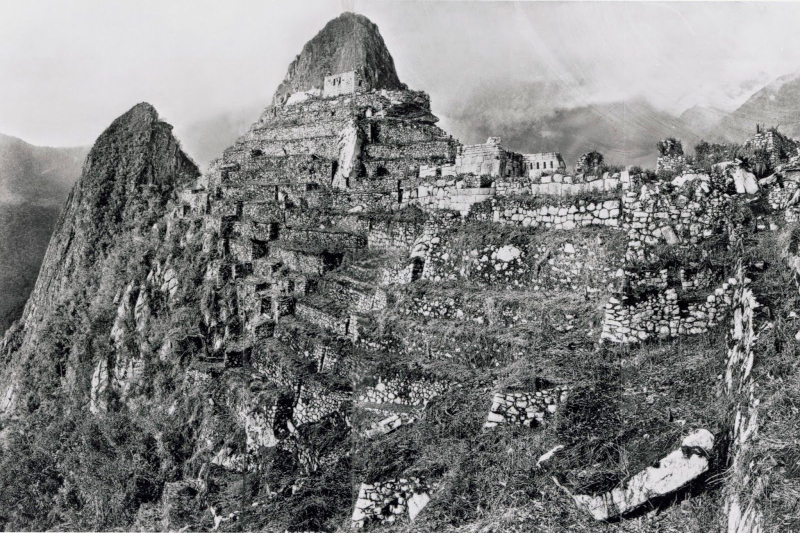
The Inca Empire, known for its architectural prowess and complex society, reached its zenith in the 15th century. Machu Picchu UNESCO World Heritage stands as one of its most remarkable legacies and is often referred to as the “Lost City of the Incas.” The site was likely constructed as an estate for the Inca emperor Pachacuti, and its sophisticated dry-stone construction and stunning terraces demonstrate the Incas’ advanced engineering skills.
Origins and Expansion of the Inca Civilization
The Inca civilization started in the early 13th century in the Cusco region. Over time, it expanded its reach across Western South America, creating an empire that stretched from modern-day Colombia to Chile. This expansion was not just due to military prowess but also through strategic alliances and a sophisticated system of governance that integrated different cultures and languages under one empire.
Inca Society, Governance, and Infrastructure
The societal structure of the Inca Empire was highly organized and hierarchical. The Sapa Inca, or emperor, was considered a descendant of the sun god Inti, and held absolute power. Society was divided into classes, with nobles, artisans, and farmers all playing distinct roles. The Incas were also master planners, with an extensive road network and communication system that connected the vast empire, facilitating trade and governance.
Inca Architecture and Engineering Mastery
Inca architecture is renowned for its precision and durability. The use of large stones cut to fit together without mortar is a testament to their engineering skills. Structures were designed to withstand earthquakes, a common occurrence in the region. The terraces seen in Machu Picchu are another example of their ingenuity, used to prevent erosion and create arable land for agriculture.
The Cultural and Environmental Significance of Machu Picchu
Machu Picchu’s significance extends beyond its architectural beauty. It serves as a testament to the Inca’s mastery of building in harmony with the natural environment. The city is strategically located on a mountain ridge, making it a perfect blend of human and natural creation, which has puzzled and inspired historians and archaeologists.
Rediscovery of Machu Picchu and Global Recognition
Machu Picchu was largely unknown to the outside world until 1911, when American historian Hiram Bingham brought it to international attention. This rediscovery sparked global interest and led to extensive archaeological research at what is now recognized as Machu Picchu UNESCO World Heritage. Since then, the site’s mystery and beauty have captured the imagination of visitors worldwide, making it a powerful symbol of Peru’s cultural heritage.
Spiritual and Astronomical Importance to the Incas
For the Incas, Machu Picchu was not only a residential estate but also a spiritual and astronomical site. The Intihuatana stone, for example, is believed to have been a ritual stone used to mark the solstices and was critical in the Inca’s agricultural calendar. This integration of spirituality and practicality showcases the depth of Incan knowledge.
Preservation and Conservation Efforts
Preserving Machu Picchu is a significant challenge due to its popularity and environmental factors. The Peruvian government, along with international organizations, works tirelessly to maintain the site’s integrity. Efforts include regulating visitor numbers and implementing measures to prevent erosion and damage, ensuring this historical treasure remains intact for future generations.
Planning Your Visit to Machu Picchu
To fully appreciate Machu Picchu, planning your visit in advance is crucial. Here’s what you need to know before embarking on this unforgettable journey.
Best Time to Visit Machu Picchu
The best time to visit Machu Picchu is during the dry season, from May to October, when the weather is more predictable, offering clear skies for stunning views. However, this period is also the peak tourist season, so expect larger crowds. Visiting during the shoulder months of April and November can provide a balance of good weather and fewer tourists.
Machu Picchu Tickets and Entry Options
Due to its popularity, access to Machu Picchu is regulated, and tickets often sell out quickly. It’s advisable to purchase your tickets well in advance. There are different ticket options available, including entry to Machu Picchu itself, Huayna Picchu, and the Temple of the Moon. Each offers a unique perspective and experience, so consider what aligns best with your interests and physical capabilities.
How to Get to Machu Picchu
Machu Picchu UNESCO World Heritage is accessible primarily through the town of Aguas Calientes, which acts as the main gateway for travelers.
Traveling by Train to Aguas Calientes
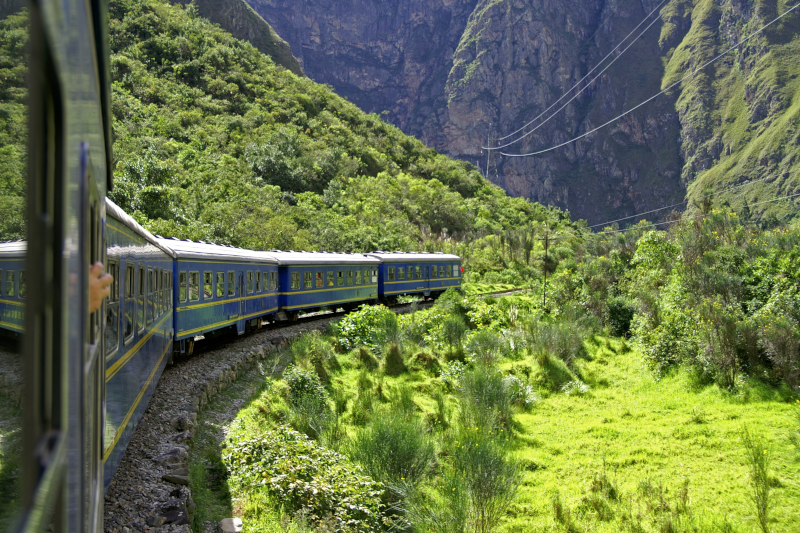
The most popular way to reach Aguas Calientes is by train from Cusco. PeruRail and Inca Rail offer scenic routes with stunning views of the Andean landscape. Trains vary from budget-friendly options to luxurious experiences, each providing a unique way to enjoy the journey through the Sacred Valley’s breathtaking scenery.
Hiking the Inca Trail and Alternative Routes
For those seeking adventure, the Inca Trails offer a challenging yet rewarding trek. The classic route is a four-day hike that leads you through diverse ecosystems and ancient ruins before culminating at Machu Picchu. Other trails, such as the Salkantay or Lares, offer alternative routes for those looking to explore less crowded paths while still arriving at the famous citadel.
Alternative Treks to Machu Picchu
Aside from the Inca Trail, there are alternative routes such as the Salkantay Trek and the Inca Jungle Trek. These offer different experiences and landscapes, from high-altitude passes to lush cloud forests. Each trek provides a unique perspective on the Andes and culminates in the awe-inspiring view of Machu Picchu.
Choosing the Right Machu Picchu Ticket
Due to its popularity, access to Machu Picchu is regulated, and tickets often sell out quickly. It’s advisable to purchase your tickets well in advance. There are different ticket options available, including entry to Machu Picchu itself, Huayna Picchu, and the Temple of the Moon.
Understanding Ticket Types and Viewpoints
When planning your visit, consider the different ticket options. A standard ticket grants access to the main citadel, while additional tickets are required for Huayna Picchu and Montaña Machu Picchu, both offering panoramic views. Each ticket type has limited availability, so decide early on which areas you wish to explore to ensure availability.
Rules and Regulations at Machu Picchu
To protect this UNESCO site, strict regulations are in place. Visitors are required to follow designated paths, and certain items are prohibited, such as tripods and drones. These measures help preserve the site’s integrity and ensure a respectful experience for all visitors.
Why Hiring a Guide Enhances Your Visit
Hiring a guide can enrich your experience by providing deeper insights into the history and significance of the sites. Professional guides are well-versed in the history and mythology of the Incas, offering stories and interpretations that bring the ruins to life. Many visitors find that a guided tour enhances their understanding and appreciation of Machu Picchu.
Exploring Machu Picchu’s Main Attractions
Once you arrive, you’ll be greeted with a maze of stone structures, terraces, and plazas, each with its own story to tell.
The Intihuatana Stone
The Intihuatana stone is a ritual stone associated with astronomy. The name translates to “Hitching Post of the Sun,” reflecting its significance in Incan ceremonies. Its precise alignment with the sun demonstrates the Incas’ advanced understanding of celestial events, playing a crucial role in their agricultural planning and spiritual life.
The Temple of the Sun
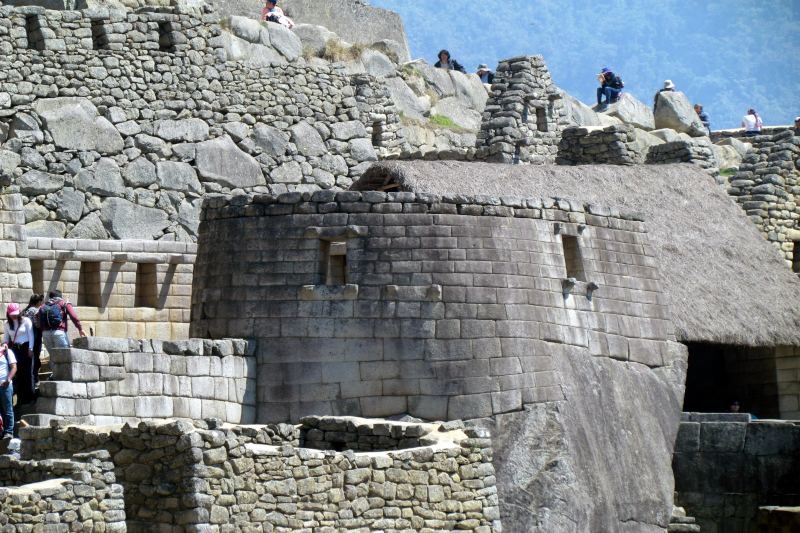
This temple is a prime example of Inca stonework, constructed with precise stone-cutting techniques to honor the sun god Inti. The temple’s strategic placement allows sunlight to enter through its windows during the solstices, creating a mystical illumination that was likely part of sacred rituals. The craftsmanship and spiritual significance make it a must-see site within Machu Picchu.
The Temple of the Moon
Located on Huayna Picchu, the Temple of the Moon offers a mystical experience with its cave-like setting and intricate stonework. This temple is believed to have been used for ceremonial purposes, with its remote and elevated location adding to its spiritual aura. The journey to reach it is challenging, but the reward is a serene and awe-inspiring view.
The Royal Sector
The Royal Sector is thought to have been the residence of the Inca elite. Its well-preserved structures include the Sacred Plaza and the Room of the Three Windows, showcasing the Incas’ architectural prowess. This area provides insight into the lifestyle and sophistication of the Inca aristocracy.
Agricultural Terraces of Machu Picchu
Machu Picchu’s terraces are a marvel of engineering, designed to prevent erosion and maximize agricultural production. These terraces allowed the Incas to cultivate crops in the challenging mountain environment, showcasing their adaptability and innovation. Exploring this area offers a glimpse into the daily life and sustenance of the ancient inhabitants.
Biodiversity Around Machu Picchu
Machu Picchu is not just about ruins. The surrounding area is rich in biodiversity, home to unique flora and fauna including orchids, spectacled bears, and the iconic llamas that roam freely.
Orchids and Plant Life
The region’s biodiversity includes over 400 species of orchids, some of which are endemic to the area. These vibrant flowers add a splash of color to the landscape and are a delight for nature enthusiasts. The diversity of plant life reflects the varied microclimates found within the Machu Picchu sanctuary.
Wildlife of the Cloud Forest
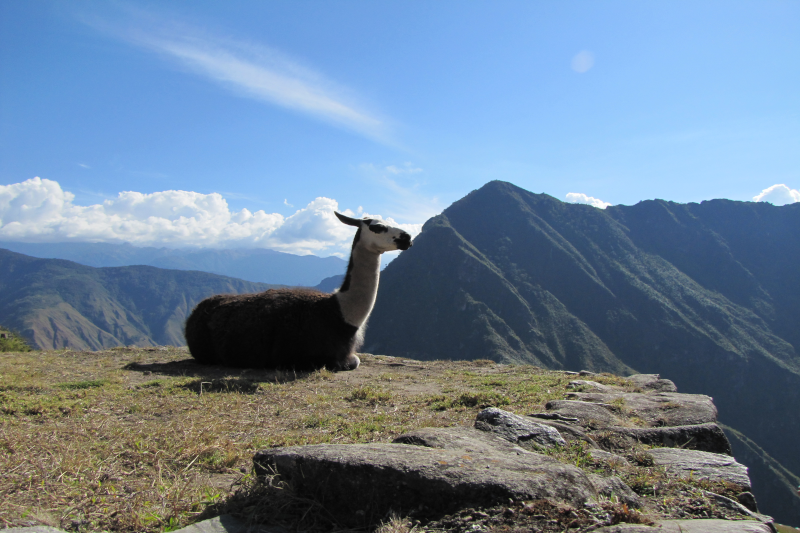
The cloud forest surrounding Machu Picchu is home to diverse wildlife, including the Andean condor, spectacled bear, and various bird species. Llamas, often seen grazing among the ruins, are a favorite among visitors, offering charming photo opportunities against the backdrop of ancient stonework.
Conservation and Environmental Protection
Conservation efforts are crucial to preserving the unique ecosystems around Machu Picchu. These initiatives aim to protect native species and their habitats, ensuring that the area’s natural beauty remains intact for future generations. Visitors are encouraged to respect wildlife and adhere to guidelines to minimize their impact.
Practical Tips for Visiting Machu Picchu
To ensure a smooth and enjoyable visit, consider these practical tips:
Acclimatizing to High Altitude
Cusco is at a high altitude, so it’s important to spend a few days acclimatizing to prevent altitude sickness. Symptoms can include headaches, dizziness, and nausea, which can detract from your experience. Staying hydrated, avoiding alcohol, and taking it easy during your first few days can help your body adjust.
What to Pack for Machu Picchu
Bring comfortable walking shoes, a hat, sunscreen, and plenty of water. Weather in the Andes can be unpredictable, so packing layers is wise to accommodate temperature changes throughout the day. A good camera is also essential to capture the breathtaking views and unforgettable moments.
Guided Tours and Cultural Insight
Hiring a guide can enrich your experience by providing deeper insights into the history and significance of the sites. Local guides offer unique perspectives and stories passed down through generations, adding depth to your understanding of the Inca civilization. Consider joining a guided tour to maximize your visit’s educational and cultural value.
Respecting a Sacred UNESCO Site
As a sacred place, it’s important to respect the environment and follow all guidelines during your visit. This includes staying on marked paths, not climbing on ruins, and refraining from littering. By respecting these rules, you contribute to the preservation of Machu Picchu’s cultural and historical heritage.
Photography Tips for Machu Picchu
Machu Picchu is a photographer’s dream. To capture its essence:
Best Lighting and Timing
Early morning or late afternoon offers the best lighting conditions and fewer crowds. The soft, warm light during these times enhances the natural beauty of the site, creating stunning photographs. Arriving early or staying late also allows for a more peaceful experience, away from the midday rush.
Finding the Best Angles
Explore different angles and perspectives to showcase the grandeur of the site. Climbing to higher vantage points, such as Huayna Picchu or Machu Picchu Mountain, provides panoramic views that capture the site’s scale and majesty. Close-up shots of intricate stonework can highlight the craftsmanship of the Inca builders.
Patience and Composition
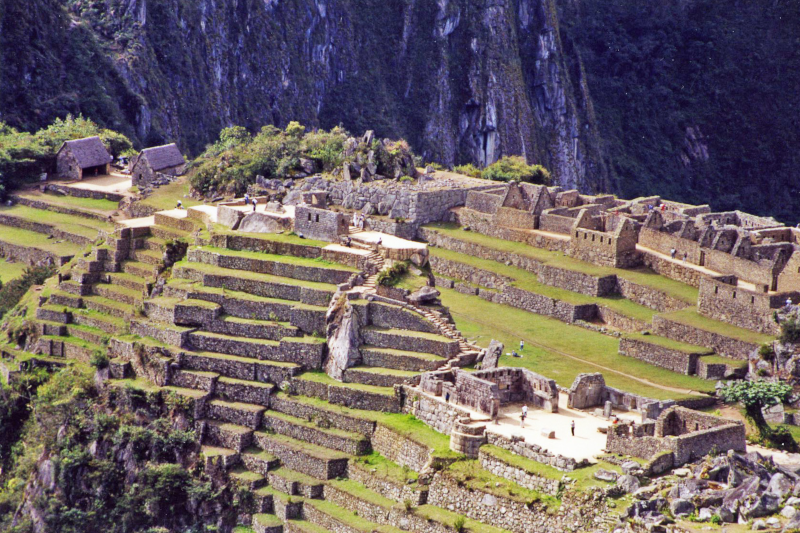
Patience is key when photographing Machu Picchu. Waiting for the right moment, especially when capturing shots of llamas against the backdrop of ancient ruins, can make all the difference. Preparing ahead by scouting locations and considering lighting conditions will help you capture memorable images.
Adding Human Perspective
Including human elements in your photos can provide a sense of scale and context. This could be fellow travelers exploring the site or local guides sharing their knowledge. These elements add a dynamic aspect to your photos, illustrating the interaction between people and this historic wonder.
Final Thoughts on Visiting Machu Picchu
Visiting Machu Picchu UNESCO World Heritage is more than a travel destination; it is a journey through time that offers a window into the rich tapestry of the Inca civilization. With its stunning architecture, historical depth, and natural beauty, Machu Picchu remains a powerful testament to the ingenuity and spirit of the Inca people.
Whether you are a seasoned traveler or a cultural enthusiast, Machu Picchu promises an experience that is both enlightening and awe-inspiring. Plan carefully, respect the heritage site, and immerse yourself in the wonder of one of the world’s greatest archaeological marvels.
Embark on your own adventure and discover the mysteries that Machu Picchu has to offer. Safe travels!