


Inca Trail from Cusco FAQ: All You Need to Know
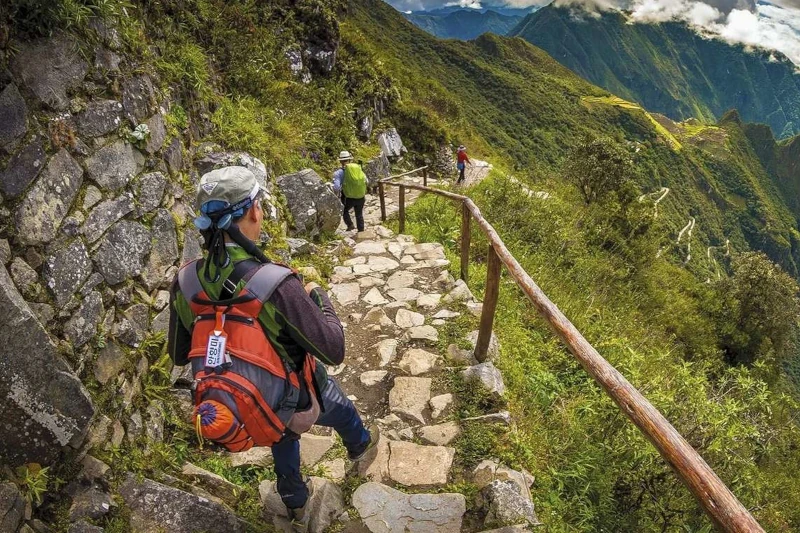
The Inca Trail is a renowned hiking route in Peru that leads to the ancient city of Machu Picchu. This trail meanders through diverse ecosystems, from lush cloud forests to alpine tundra, and is peppered with archaeological sites. It’s a journey that not only tests one’s physical endurance but also offers a profound connection to the ancient Incan civilization.
Historical and Cultural Importance
The classic Inca Trail is not just a path; it is a vital link to the past. The Inca Empire used this network of trails for trade, communication, and pilgrimage. Walking this path means following in the footsteps of a civilization renowned for its engineering prowess and cultural richness. Each step along the trail is a step back in time, offering insights into the Incan way of life and their relationship with nature.

Diverse Ecosystems and Natural Beauty
The trail’s diverse ecosystems provide a unique opportunity to experience a range of natural environments. From the cloud forests that are alive with exotic wildlife to the stark beauty of the alpine tundra, each section of the trail offers its own unique flora and fauna. This diversity makes the trek a continuously changing experience, keeping it fresh and engaging for trekkers of all interests.
Archaeological Sites Along the Trail
Along the Inca Trail, you will encounter numerous archaeological sites that offer a glimpse into the past. These sites, like Wiñay Wayna and Phuyupatamarca, reveal the sophisticated architectural skills of the Incas and their deep connection to the land. Exploring these sites allows trekkers to appreciate the ingenuity and spiritual depth of the Incan civilization.
Inca Trail Permits and Regulations
To preserve the trail and its surroundings, the Peruvian government regulates access through a permit system. Here’s what you need to know:

Cost of Hiking the Inca Trail
The cost of hiking the Inca Trail varies based on several factors, including the season, the tour operator, and the length of the trek.
Permit Fees
The inca trail permits 2026 costs approximately $80–$100 USD. This fee is necessary to maintain the trail and its archaeological sites, contributing to conservation efforts.
Tour Packages
Tour packages can range from $500 to $1,000 USD, depending on services offered. These often include guides, porters, meals, and camping equipment.
Additional Personal Expenses
Personal expenses such as travel insurance, tips, and gear rental should also be considered.
Best Time to Hike the Inca Trail
The Inca Trail and short inca trail experience two main seasons: the dry season (May to September) and the wet season (October to April).
Dry Season
This is the most popular time for trekking, offering clear skies and pleasant temperatures.
Wet Season
While the trail is less crowded during the wet season, trekkers may encounter rain and muddy paths. Note that the trail is closed in February for maintenance.
Trail Length and Difficulty

The classic Inca Trail is approximately 26 miles long and typically takes four days to complete. Each day varies in distance and difficulty, with the second day being the most challenging due to steep ascents.
Camping and Trail Etiquette
Camping is the primary form of accommodation along the trail. Tour operators provide tents and basic amenities.
Respect for fellow trekkers and the environment is paramount on the Inca Trail. Practicing good trail etiquette and following Leave No Trace principles ensures preservation for future generations.
Preparing for the Inca Trail
Physical Preparation
Engage in activities like running, cycling, or swimming to build endurance.
Focus on leg and core exercises to build the necessary strength for hiking.
Acclimatization
Spend a few days in Cusco before the trek to acclimate to the altitude.
Cultural Highlights of the Inca Trail
The Inca Trail is a cultural treasure trove, offering glimpses into the lives of the Incas.
Sacred Valley
This fertile sacred valley of the Incas was a crucial agricultural hub for the Incas and remains vibrant today.
Archaeological Sites

Sites like Wiñay Wayna and Phuyupatamarca showcase Incan engineering and spirituality.
Language and Culture
The Quechua language, spoken by many locals, is a living testament to the Incan legacy.
Essential Packing Checklist
Packing smart is crucial for a successful trek.
- Layered clothing, waterproof gear, and sturdy hiking boots
- Sunscreen, insect repellent, and a reusable water bottle
- Passport, trail permit, and travel insurance
Guides and Sustainable Tourism
An experienced guide can enrich your journey with historical and cultural insights.
Practice Leave No Trace principles to protect the environment.
Engage with indigenous communities for a deeper cultural experience.
Reaching Machu Picchu
Upon completing the trail, you’ll arrive at the Sun Gate (Inti Punku), offering your first breathtaking view of Machu Picchu mountain.
Once inside, explore the site’s intricate structures and terraces — each corner reveals the ingenuity of the Incas.

Reflection and Legacy
After your Machu Picchu hike, take time to reflect on your journey along the Inca Trail.
This trek is more than a physical challenge; it’s a passage through time and culture, offering a deeper understanding of the Andean world.
Conclusion
Approach the trail with preparation and respect, ensuring a safe and memorable adventure.
The Inca Trail is a journey like no other — an unforgettable blend of nature, history, and spirituality that connects travelers to the heart of the Incan civilization.