


Is a Machu Picchu Sunrise Worth It? Circuit Options, Entry Times, and Tips
You’ve seen the photo: Machu Picchu lit up like someone turned on a soft gold lamp, with mountains stacked behind it like stage scenery. And now you’re wondering the real question—is a Machu Picchu sunrise actually worth the 3:30 AM alarm, the chilly bus line, and the gamble with clouds?

Here’s the thing: sometimes it’s jaw-dropping. Sometimes it’s a gray, misty slow reveal that feels more like a suspense movie than a postcard. And weirdly? Both can be great.
So, what does “sunrise at Machu Picchu” really look like?
If you’re picturing a clean sun cresting the ridge at 6:10 AM and lighting every stone on cue… I mean, it can happen. But Machu Picchu sits in a cloud forest. Clouds are part of the product. Many mornings start with a thick blanket of mist, and the ruins feel like they’re hiding on purpose.
But the slow reveal is kind of the point. You’re standing there, half-awake, and suddenly a terrace appears. Then a wall. Then the whole city snaps into view like someone pulled a curtain. It’s not always “golden sunrise Machu picchu,” but it’s often mysterious sunrise at Machu Picchu, and that’s not a bad trade.
If you want higher odds of clearer skies, the dry season (roughly May through October) tends to be friendlier. June and July are popular for a reason—more stable mornings, less rain. Still, weather up there changes fast, so treat forecasts like a suggestion, not a promise. (I like checking Meteoblue or AccuWeather the night before, then checking again with coffee in hand.)
Entry times and the morning logistics
Machu Picchu has timed entry slots, and the earliest is typically 6:00 AM. If you want “machu picchu at sunrise,” that early slot is the classic pick. Your main job becomes getting from Aguas Calientes (Machu Picchu Pueblo) up to the gate on time.
Most people take the shuttle bus. Lines can start forming around 3:30–4:00 AM, especially in peak season. The first buses often roll around 5:30 AM, and the ride is about 25–30 minutes. Think of it as a commute with better scenery and worse sleep.
Could you hike up instead? Yes—fit hikers do it, and it’s a flex. But it’s steep, it’s dark, and it can be slippery. If you’re already doing the Inca Trail or another trek, you’ll get your cardio quota anyway.
And yes, there’s a premium shortcut: the Belmond Sanctuary Lodge sits right by the entrance. Staying there doesn’t guarantee sun, but it does cut out the early bus scramble. If your travel style is “pay to reduce stress,” it’s worth knowing about.
Okay, circuits: which one helps with the classic viewpoint?
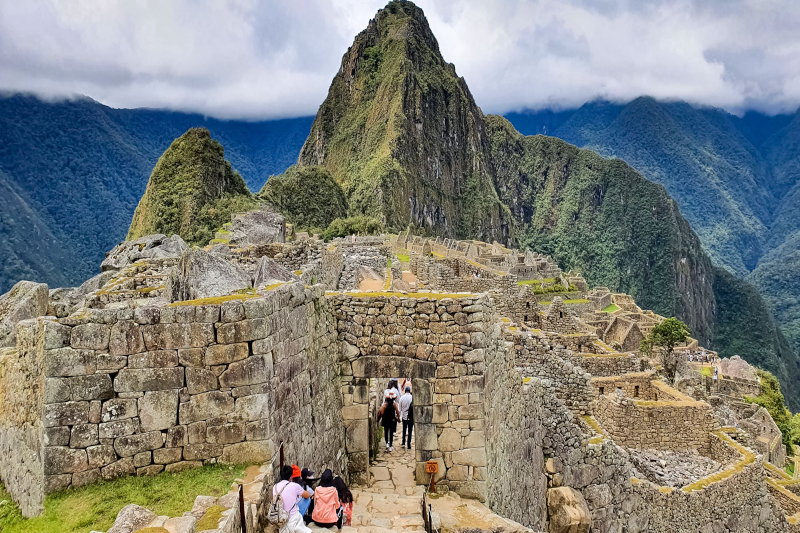
Here’s where people get tripped up. Machu Picchu isn’t a free-roam site. It’s structured with circuits, and the circuit you book controls your route and your photos. Rules and naming can shift over time, so always confirm with the official ticket site and the current circuit map before you buy.
In general, if your dream is that iconic wide view—the one that makes your friends say “wait, is that real?”—you’ll want a circuit that includes the upper terraces and the main panoramic viewpoint area (often associated with the popular Circuit 1 or Circuit 2 choices, depending on the current setup).
If you book a route focused more on the lower urban sector, you’ll still get a great visit, but your big “wow” photo might be harder to frame. Not impossible. Just… harder. Like trying to take a team headshot in a crowded elevator.
A small but important note about add-on hikes
If you’re eyeing Huayna Picchu or Machu Picchu Mountain, that’s a different ticket layer. These are limited and can sell out well ahead of time.
How do they compare?
- Huayna Picchu: steep, dramatic, tighter trails. Big views straight down over the ruins.
- Machu Picchu Mountain: longer, higher, broader views of the valley. Less “vertical drama,” more “wide-angle calm.”
Either can pair with a sunrise plan, but your timing gets less forgiving. It’s like adding a second meeting to a morning that already starts at 5:00 AM—doable, but you’ll feel it.
Is the 6:00 AM slot always the best? Not exactly (and that’s okay)
I’m going to say something that sounds like heresy: the earliest entry isn’t automatically the “best” for everyone. There. I said it.
Why? Because if your only goal is a clear, bright photo, you might get a better hit rate a little later in the morning—when the sun is higher and the mist has had time to lift. Many days, the most “sunrise at machu picchu” looking light shows up closer to 7:30–9:00 AM, not right at the gate opening.
But then I’ll contradict myself (gently): the 6:00 AM slot is special. Fewer people, softer sound, a calmer pace. It feels like you’re arriving before the world fully clocks in. If you care about atmosphere—about that quiet, almost reverent vibe—early wins.
Crowds: the sneaky factor nobody wants to schedule
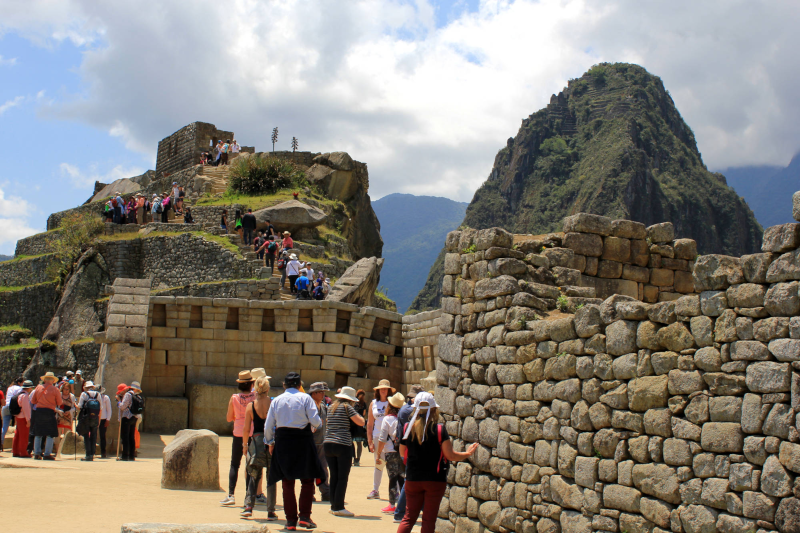
Even at 6:00 AM, you won’t be alone. Sunrise tickets are popular, and everyone has the same idea. The trick isn’t “avoid crowds” (that’s fantasy). The trick is crowd flow.
A simple approach that works:
- Let the first big wave rush to the viewpoint for the fast photo.
- Hang back for a minute. Breathe. Take a few close shots.
- Then move when the pack starts drifting down to the next sections.
It’s low-key traffic management. And yes, it feels a little like timing a lunch break to avoid the office cafeteria line.
What about a Machu Picchu Sunrise Tour—worth it?
A guided Machu Picchu Sunrise Tour can be a smart move if you like context. Guides help with routing, pacing, and the small rules that are easy to miss when you’re bleary-eyed. They also help you read the site—what you’re looking at, why it was built that way, and what still isn’t fully agreed on.
If you’re more of a DIY traveler, you can still get a lot from Machu Picchu using a good guidebook or an audio guide. But if you want the “why this matters” layer without doing homework, a guide is basically your shortcut. Not magic—just efficient.
Photography at dawn (and why your phone might do better than you think)
Let’s talk gear without getting too nerdy. The main issue at dawn is low light plus contrast. The mist can be bright, the stones can be dark, and your camera gets confused.
A few tips that don’t require a photography degree:
- Expect fog and shoot anyway: fog adds depth and mood. You’ll like those photos later.
- Wipe your lens: mist and drizzle leave a film. A small microfiber cloth is underrated.
- Wait for the “open”: the best moment often comes when clouds break for 30 seconds, then close again.
And honestly, modern phones do a solid job here. If you’re on a recent iPhone or Pixel, try a steadier stance and let the night/low-light mode do its thing. If you’ve got a bigger camera, great—just don’t spend the whole sunrise stuck in settings. You came to see the place, not run a photo lab.
Comfort and safety stuff (not exciting, but it matters)
Mornings can be cold—surprisingly cold—then the day warms up fast. Dress like you’re packing for two seasons. A light puffer or fleece, plus a rain shell, is the sweet spot. Gloves and a beanie are nice at 6:00 AM and annoying by 9:30 AM, so make sure they’re easy to stash.
Altitude is the other wildcard. Machu Picchu is lower than Cusco, but plenty of travelers arrive already feeling the altitude hangover from earlier days. If you can, give yourself a couple of days in the Sacred Valley or Cusco first, drink plenty of water, and keep meals simple the night before. Coca tea helps some people; it’s common and easy to find.
One more practical note: rules at the site are enforced. Stay on the marked paths, follow the circuit, and don’t count on being able to “loop back” to a spot you missed. Think of the circuit like a one-way system in a museum—except you’re outdoors and the museum is an Inca city.
So… is a Machu Picchu sunrise worth it?
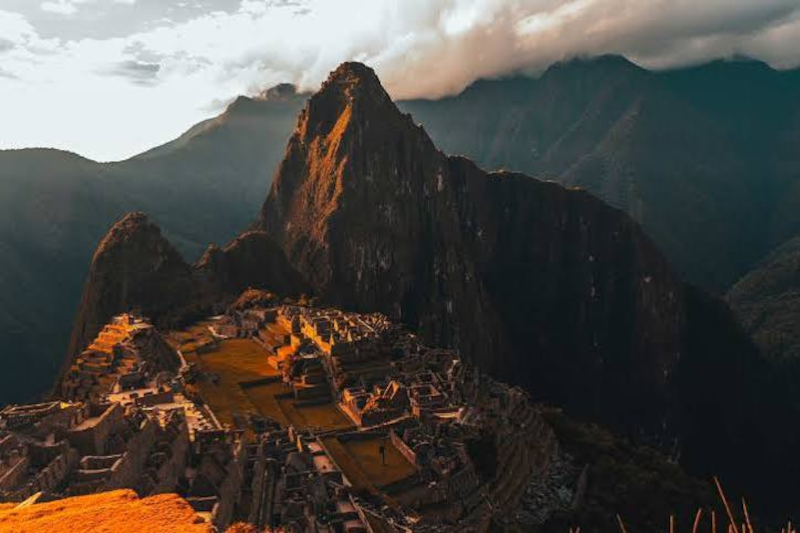
If you want quiet, atmosphere, and that feeling of arriving before the day fully starts—yes. A Machu Picchu sunrise is worth it, even when the sun plays hide-and-seek. If you only care about a crisp, bright postcard shot, you may feel happier with a later morning entry, when the clouds have had time to thin out.
But if you’re already going all the way to Peru, waking up early one day isn’t the worst trade. You’ll get the cool air, the shifting mist, and that first look at the terraces when the site feels a bit like it’s waking up with you. And that’s the part people remember.
Plan it like a small work project—tickets, timing, contingencies. Then let it be human once you’re there. Look up. Take the photo. Take another. And when the sun finally hits the stones (or doesn’t), you’ll still have your own version of “machu picchu sunrise.”