


Ausangate 7 Lakes & Pacchanta Hot Springs: The Best Single-Day Cusco Escape
Quick sketch before we hit the trail:
- What the “7 Lakes” actually look and feel like
- Altitude: the real project manager of your day
- Day hike vs. the longer Ausangate trek (and why they’re different moods)
- Logistics from Cusco, plus what’s worth packing
- The little extras: hot springs, alpacas, and the kind of silence you remember

The Ausangate 7 Lakes hike is one of those Andes days that sounds like a brochure and then… somehow still beats the brochure. You’re near Cusco, but you’re far from the “line up, snap a photo, line up again” vibe. Instead, you get high mountain air, glacial peaks that look almost unreal, and a chain of lakes that keep changing color like someone’s adjusting the saturation slider.
It’s also a real hike. Not scary-technical, but honest. You’ll feel it in your lungs and maybe in your pride (in a good way). And if you’re coming from the United States, the altitude can be a surprise—like showing up to a meeting and realizing someone moved the agenda to a different timezone.
So… what are the Ausangate 7 Lakes?
They’re a set of alpine lagoons tucked into the Vilcanota range, near the small community of Pacchanta, with Ausangate Mountain looming like a quiet, snowy CEO in the background. Each lake has its own personality. One might look ink-blue and serious. Another flashes green like a gem. Another goes milky-turquoise where glacial minerals swirl in the water.
If you’re into photos, you’ll have a field day—but it’s not just “pretty.” The place has weight. Locals consider Ausangate an apu, a sacred mountain spirit. You don’t need to be spiritual to feel the shift. The landscape makes you lower your voice without anyone asking.
And yes, you’ll see alpacas and llamas doing their daily operations, totally unimpressed by your expensive jacket. That little scene—people herding animals across a wind-swept valley—lands differently when you realize it’s not a performance. It’s life, at 14,000+ feet.
Altitude: the part nobody can “grit” their way through

Let me be slightly contradictory for a second: the 7 lakes hike can feel “easy”… and it can feel brutal. Both can be true. The trail doesn’t demand mountaineering skills. But the Ausangate 7 lakes altitude changes the math. Most routes start around 4,300 meters (about 14,100 feet) and climb higher—often around 4,600–4,700 meters (15,000+ feet), depending on your exact loop.
At that elevation, your body is basically running a bandwidth problem. Less oxygen means your normal pace feels like you’re pushing a heavy cart. The smart move is to treat the hike like a long-term deliverable: steady progress, low drama, lots of check-ins with yourself.
A few practical, non-mystical ways to reduce the odds of altitude trouble:
- Acclimatize in Cusco for a couple days. Even easy walks help.
- Hydrate more than you think you need. Coca tea is common here (and yes, it’s part of local culture).
- Go slow on purpose. If you can chat in short sentences, you’re doing it right.
If you’re the “I’ll power through” type—honestly, same—this is one of those places where powering through backfires. The win is finishing strong, not finishing fast.
Day trip or the full Ausangate trek?
The 7 lakes of Ausangate hike is usually done as a day trip. You’ll start before sunrise from Cusco, bounce along mountain roads for a few hours, and begin hiking once you reach the Pacchanta area. The loop time varies, but many people are on trail around 4–5 hours, plus stops. And you’ll stop. You’ll tell yourself you won’t, then you’ll see another lake and stop anyway.
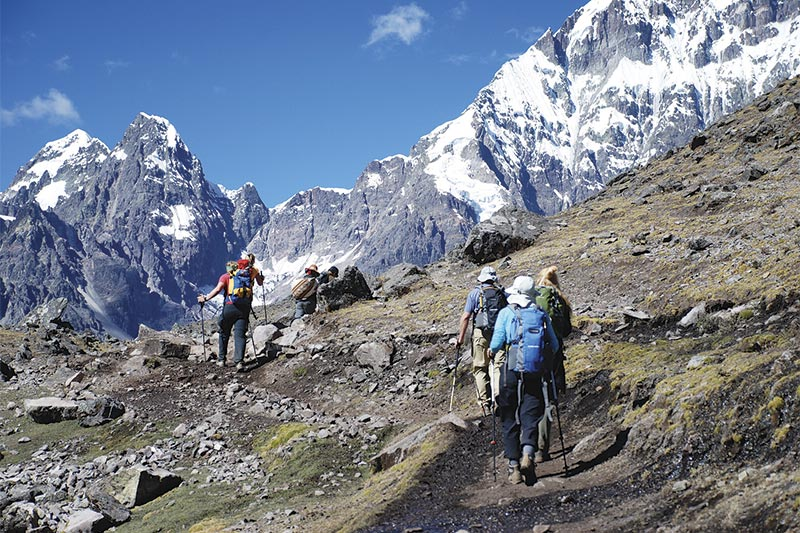
The Ausangate trek, on the other hand, is a multi-day circuit around the massif. It’s higher, colder, and more remote, with passes that can top 5,000 meters (16,400+ feet). Think of it as a different product line: bigger scope, bigger risk, bigger payoff. The day hike is an intense, beautiful snapshot; the full trek is a full documentary.
People also compare this area with Rainbow Mountain (Vinicunca). Rainbow Mountain is famous for a reason, but it can feel like a viral trend in physical form. The 7 lakes route usually feels quieter and more spacious—less “content creation,” more actual creation of memories.
Logistics from Cusco (aka: making the day run smoothly)
Most travelers go with a tour from Cusco, and it’s not a bad call. Transportation is the biggest hassle, and tours typically bundle it with breakfast, lunch, and entry fees. From a planning perspective, it’s clean: fewer moving parts, fewer chances to miss your window.
Could you go independently? Sure—if you’re comfortable coordinating a driver, leaving early, and dealing with weather swings. The Andes can go from bluebird skies to sleet with no warning. A local guide also adds context: why Pacchanta matters, what you’re seeing, and how people live here year-round.
If you like having a “backup plan” on your phone, download offline maps before you leave Cusco. Google Maps offline helps for towns; for trails, apps like AllTrails or Gaia GPS can be useful (just don’t treat them like infallible truth).
What it feels like on the trail (and why the lakes keep surprising you)
The first stretch often feels like a gentle warm-up—wide views, crunchy grass underfoot, that cold-and-clean air that makes you breathe deeper without thinking. Then the lakes begin showing up, one after another. A lot of hikes have one big “wow” moment. This one is more like a playlist of wow moments.
And the colors aren’t constant. Sunlight shifts, clouds slide in, wind ripples the surface. A lake you thought was bright turquoise can turn steel-gray in a minute. It’s moody, in the best way.
Somewhere in the middle, you might also notice a weird emotional thing: you stop checking your phone. Not because you’re trying to be virtuous—because it stops feeling relevant. The scene is doing all the talking.
Packing: keep it simple, keep it smart
Think layers, not bulk. The temperature can swing hard, and wind is a constant character in the story.
- Base layer + warm mid-layer + shell (rain and wind protection matters)
- Waterproof hiking boots with solid grip—mud and rocks are normal
- Sun protection: sunglasses and sunscreen (high altitude sun is no joke)
- Snacks you’ll actually eat when you’re slightly nauseous (nuts, chocolate, crackers)
- A small first-aid kit and blister care—basic risk control
And here’s the funny one: bring a swimsuit. Yes, really.
The hot springs in Pacchanta: the best “closing meeting” you’ll ever attend
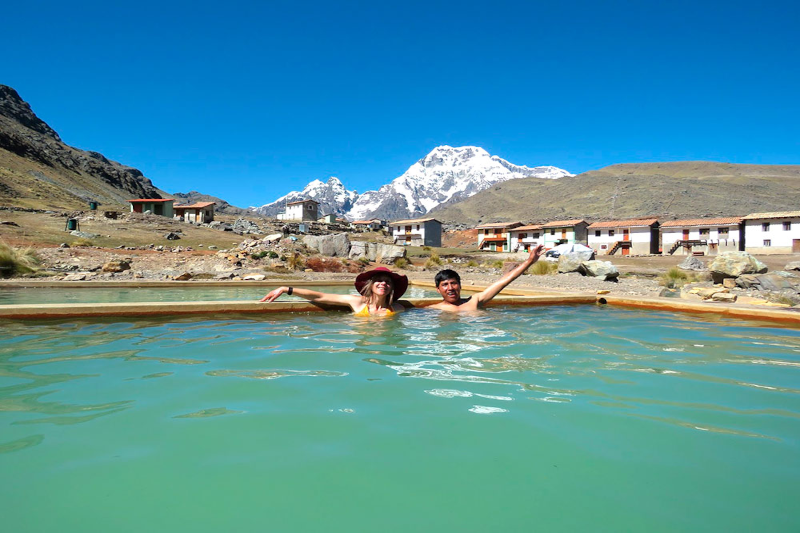
After the hike, many people soak in the hot springs at Pacchanta. It sounds like a luxury add-on, but it feels more like a reset button. Warm water, tired legs, cold air on your face, Ausangate in the distance—your brain finally catches up with what your body just did.
You’ll probably be sitting there thinking, “Why don’t I do things like this more often?” Then you’ll remember: the alarm was brutal, the altitude is real, and comfort has a strong marketing team. Still, this is the kind of day that sticks.
Final thoughts (and a small, honest nudge)
The Ausangate 7 Lakes hike is scenic, yes—but it’s also grounding. It reminds you that nature doesn’t need to be loud to be impressive. Prepare for the altitude, keep your pace steady, and leave room for a little wonder. You’ll come back to Cusco tired, a bit dusty, and oddly energized—like your internal settings got refreshed.
And if you’re debating whether it’s “worth it,” ask yourself a simpler question: when was the last time a place made you pause mid-step, just to look?