


Coca Tea in Cusco: Natural Relief for High Altitude
Cusco and Its High-Altitude Challenge
Located in the Andes, the city of Cusco shows the lasting legacy of ancient civilizations.
Cusco is about 3,400 meters (11,152 feet) above sea level. This height can be a challenge for visitors unfamiliar with it.
One traditional remedy that has endured is coca tea. It is a natural cure for altitude sickness.
In this article, we look at the cultural importance, health benefits, and history of coca tea. We focus on Cusco and nearby areas like the Sacred Valley, Pisac, and Machu Picchu.
Understanding Altitude Sickness in Cusco
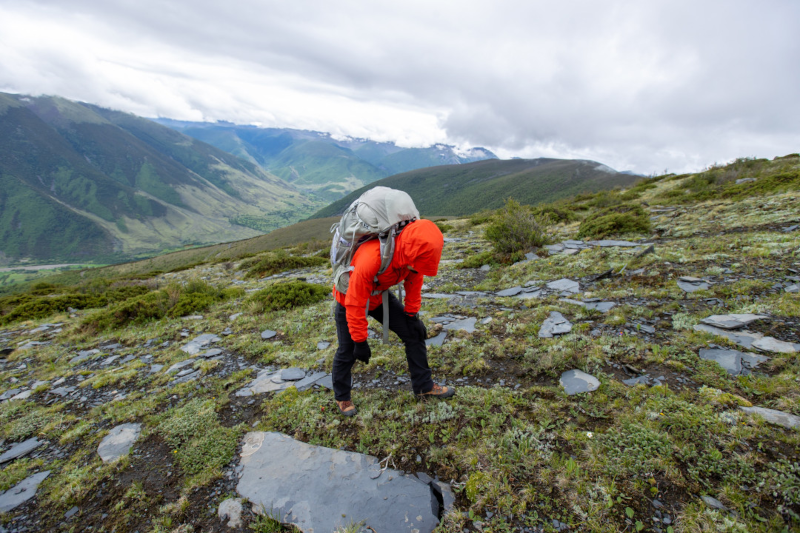
The high altitude of Cusco can surprise even seasoned travelers. The quick change in elevation can cause a problem called altitude sickness. Locally, it is known as “soroche.” Symptoms include headaches, nausea, dizziness, and shortness of breath. This is where coca tea, or “mate de coca,” plays an essential role.
For centuries, indigenous Andean people have consumed this tea. It is made from coca plant leaves and is valued for its healing properties.
The Body’s Response to High Elevations
The transition to high altitudes can be daunting. Visitors often experience a lack of oxygen, leading to fatigue and other discomforts. The body’s struggle to acclimate can overshadow the beauty of the surroundings.
Understanding these challenges can prepare travelers mentally and physically for their journey.
Recognizing Symptoms of Soroche
Altitude sickness doesn’t discriminate; it can affect anyone regardless of fitness level. Common symptoms like headaches and dizziness can start within hours of arrival. Recognizing these symptoms early can help in managing them effectively.
Coca Tea and the Acclimatization Process
Coca tea serves as a natural facilitator in the acclimatization process. Its leaves, when brewed, create a tea that helps increase oxygen uptake.
Drinking coca tea has become a common ritual for locals and travelers. They seek relief from altitude sickness.
The Cultural Importance of Coca Leaves in the Andes
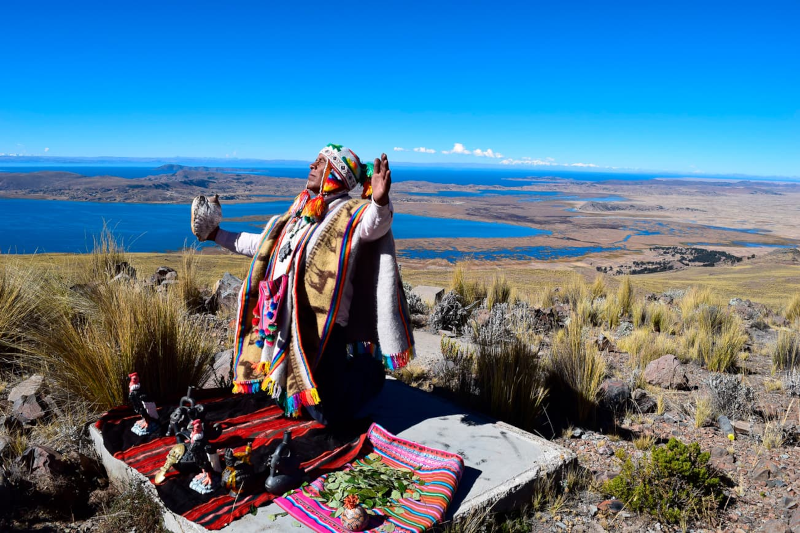
Coca leaves have been an integral part of Andean culture for thousands of years. Beyond their medicinal uses, they hold spiritual significance.
In traditional ceremonies, people offer coca leaves to Pachamama (Mother Earth) and the Apus (mountain spirits). This shows respect and a bond with nature.
Sacred Rituals and Spiritual Meaning
In the Andes, coca leaves are more than a remedy; they are sacred. Offerings to Pachamama and the Apus are common practices, reflecting a deep spiritual tradition. These rituals highlight the leaf’s cultural importance beyond its practical uses.
Coca Leaves in Daily Andean Life
For the indigenous people, coca leaves are a daily staple. Farmers and laborers chew them for sustained energy and focus during long work hours. This tradition underscores the leaf’s role in enhancing physical endurance and providing nourishment.
Social and Community Traditions
Coca leaves play a pivotal role in social gatherings and rituals. They are often shared during community meetings and celebrations. This tradition fosters unity and demonstrates the leaf’s importance in maintaining social ties within Andean communities.
Health Benefits of Coca Tea
This tea offers several health benefits, particularly for travelers experiencing altitude sickness. It works as a mild stimulant. It helps reduce fatigue and improve oxygen intake, which is essential at high altitudes.
Additionally, coca tea aids digestion and may reduce the risk of nausea, a common symptom of altitude sickness.
Coca Tea as a Welcome Tradition for Travelers
When visiting Cusco or hiking to Machu Picchu, many travelers enjoy the simple act of drinking coca tea.
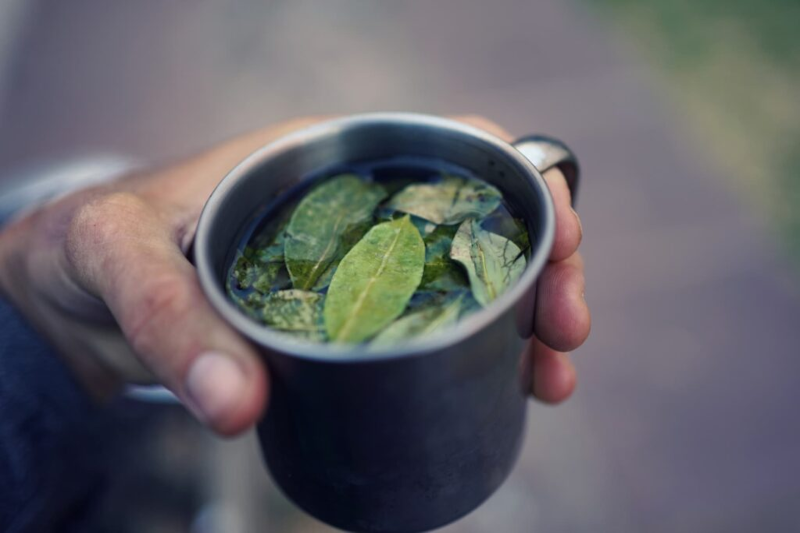
You can find the tea in many hotels and restaurants in Cusco and the Sacred Valley. It is often served upon arrival to help tourists adjust.
Hospitality and Availability in Cusco
Coca tea’s availability in Cusco ensures that travelers can easily access this remedy. Many establishments offer it to guests, illustrating its role in local hospitality. This practice helps newcomers adjust swiftly to the altitude.
A Mindful Acclimatization Ritual
The act of sipping coca tea is more than just consumption; it’s a soothing ritual. Taking time to enjoy the tea allows travelers to slow down and appreciate their surroundings. This mindful approach contributes to both physical and mental acclimatization.
Additional Health Benefits Beyond Altitude Relief
Besides combating altitude sickness, coca tea has other health benefits. It contains alkaloids that help suppress hunger and thirst, making it a popular choice among locals who work long hours in the fields. Its natural compounds also contribute to a sense of well-being and energy.
Digestive Support and Appetite Control
Coca tea aids digestion, making it beneficial after meals. Its appetite-suppressing properties are particularly valued during long workdays. These benefits highlight the tea’s utility in daily Andean life.
Natural Energy Without Jitters
The natural compounds in coca provide a gentle energy boost. Unlike caffeine, it offers sustained vitality without jitters. This makes it an ideal beverage for maintaining well-being throughout the day.
Ancient Origins of Coca Leaf Use
The history of coca leaves dates back to ancient Andean civilizations like the Inca. Coca was revered as a sacred plant, integral to religious ceremonies and daily life. The Inca believed coca leaves held divine properties and used them in rituals to communicate with the spiritual world.
Coca Leaves in Inca Spirituality
For the Inca and their predecessors, coca was a revered plant. It was considered a divine gift, central to their spirituality and medicine. This reverence has persisted through the ages, reflecting the leaf’s enduring cultural significance.
Colonial History and Cultural Survival
During the colonial period, coca leaves were initially misunderstood and banned by Spanish colonizers.
They soon saw how vital the plant was to the local workers. They lifted the ban and permitted its continued use.
Today, coca tea remains a symbol of cultural heritage and resilience among Andean people.

From Prohibition to Acceptance
Initially banned by Spanish colonizers, coca’s importance soon became evident. Recognizing its role in supporting labor, the ban was lifted, allowing its continued use. This shift illustrates the pragmatic adaptation of colonial policies.
Coca Tea as a Symbol of Resilience
In contemporary times, this tea represents cultural resilience. It stands as a symbol of the Andean people’s enduring traditions and heritage. This legacy continues to thrive amidst modern challenges.
Practical Tips for Travelers in Cusco
When planning a visit to Cusco, trying coca tea should be on your itinerary. Whether you’re exploring the ancient ruins of Machu Picchu, the colorful markets of Pisac, or the charming streets of Chinchero, coca tea offers a taste of Andean culture and an effective remedy for altitude discomfort.
Acclimatization and Rest
- Acclimatization: Allow yourself a day or two to acclimatize to Cusco’s elevation. Rest and stay hydrated.
- Resting and Hydration: Prioritize rest upon arrival to aid acclimatization. Staying hydrated is equally essential to combat altitude effects. These practices support the body’s adjustment to the new environment.
How to Consume Coca Tea
- Consumption: Sip coca tea throughout the day, especially before engaging in strenuous activities.
- Moderation and Timing: Enjoy coca tea in moderation, focusing on times of physical exertion. This strategic consumption maximizes its benefits while preventing over-reliance.
Respecting Local Customs
- Local Etiquette: If someone offers you coca tea or leaves, accept them. This shows respect for local customs and hospitality.
- Cultural Respect and Participation: Accepting coca tea graciously demonstrates cultural respect. Engaging in this tradition enriches the travel experience and fosters local connections.
Experiencing Cusco Beyond Coca Tea
Cusco offers more than just coca tea; it’s a gateway to rich cultural experiences. From ancient ruins to vibrant markets, the city is a treasure trove of history and tradition. Embrace these opportunities to deepen your understanding of Andean culture.
Coca Tea as a Cultural and Healing Tradition
Coca tea is not just a cure for altitude sickness. It also shows the rich culture of the Andes.
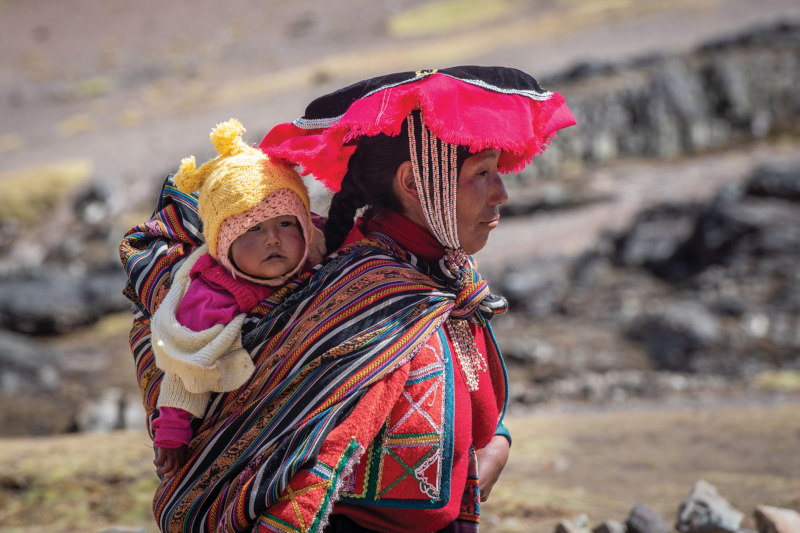
Coca leaves have been important in spiritual and daily life from the ancient Inca to today’s Quechua communities.
As you explore the beautiful landscapes of Cusco and the Sacred Valley, enjoy the tradition of coca tea. Experience the natural relief it provides.
A Meaningful Way to Connect With the Andes
Travelers can enhance their trip to Cusco and the Andean region by understanding and respecting coca tea’s cultural importance. This knowledge offers insights into a way of life that has lasted for centuries.
Try coca tea as a helpful remedy and a cultural gem. It will make your adventure in this amazing part of the world memorable.