


Machu Picchu altitude sickness
Machu Picchu Altitude Sickness: Everything You Need to Know Before You Travel
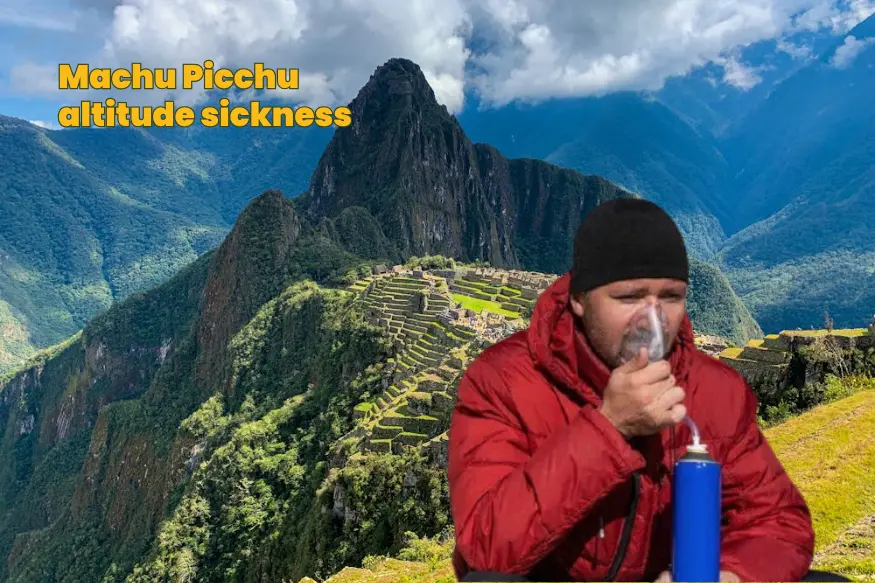
Machu Picchu is one of the most iconic destinations in the world, attracting millions of travelers every year with its breathtaking landscapes, ancient engineering, and mystical ambiance. Yet, many visitors worry about Machu Picchu altitude sickness, also known as soroche, a condition associated with traveling to high-altitude destinations in the Peruvian Andes. Understanding what causes it, how to prevent it, and how to manage symptoms is essential for a safe and enjoyable trip.
This complete guide—clear, practical, and easy to follow—covers everything you need to know: causes, symptoms, risk factors, altitude comparisons, prevention strategies, treatments, best practices, and frequently asked questions. By the end, you’ll know exactly how to prepare for your visit to Machu Picchu and reduce your chances of experiencing altitude sickness.
What Is Machu Picchu Altitude Sickness?
Machu Picchu altitude sickness refers to the discomfort some travelers feel when visiting high-altitude destinations in Peru. It is caused by reduced oxygen levels at elevations above 2,400 meters (7,874 feet). As you ascend, your body must work harder to absorb oxygen, which sometimes leads to symptoms like headache, nausea, shortness of breath, or dizziness.
Important: Machu Picchu itself is not extremely high—it sits at 2,430 meters (7,972 ft), which is relatively low risk. The main issue is that almost everyone arrives through Cusco, which is much higher at 3,399 meters (11,152 ft). Most cases of “Machu Picchu altitude sickness” actually come from spending time in Cusco or the Sacred Valley before your visit.
How High Is Machu Picchu?
To better understand the risks of Machu Picchu altitude sickness, compare these key points:
Cusco (arrival city): 3,399 m / 11,152 ft
Ollantaytambo (train station): 2,792 m / 9,160 ft
Aguas Calientes (base town): 2,040 m / 6,693 ft
Machu Picchu (citadel): 2,430 m / 7,972 ft
Most travelers feel significantly better descending from Cusco to Aguas Calientes, which reduces the risk of severe symptoms. However, if you arrive directly to Cusco by airplane, the sudden change in altitude can trigger discomfort in the first 24–48 hours.
Why Do Travelers Get Altitude Sickness?
Altitude sickness occurs because, at high elevations, air pressure is lower, meaning each breath contains less oxygen. This makes your body work harder to supply your brain, muscles, and vital organs.
The factors that contribute to altitude sickness include:
Rapid ascent without acclimatization
Low hydration
Physical exertion too soon
Individual sensitivity (some people naturally adapt more slowly)
Pre-existing respiratory or cardiovascular conditions
Importantly, altitude sickness is not related to age, fitness, or body type. A young marathon runner can get soroche, while a 70-year-old traveler may not feel anything at all.
Symptoms of Machu Picchu Altitude Sickness
Understanding the symptoms helps you take action early. Common symptoms include:
Headache (pressure behind the eyes or temples)
Shortness of breath during mild activity
Fatigue or weakness
Dizziness or lightheadedness
Loss of appetite
Nausea or vomiting
Difficulty sleeping
Rapid heartbeat
These symptoms usually improve after resting, hydrating, and avoiding heavy meals and alcohol.
Severe symptoms—rare for Machu Picchu altitude—include:
Intense shortness of breath at rest
Chest tightness
Severe confusion
Blue lips or fingertips
Difficulty walking
If severe symptoms appear, medical attention is necessary.
Is Machu Picchu Altitude Sickness Common?
The good news: most travelers do not experience severe symptoms at Machu Picchu. Mild discomfort is common in Cusco on the first day, but symptoms usually diminish after 24–48 hours.
Risk levels by area:
Cusco: High risk (over 3,300 m)
Sacred Valley: Moderate risk (2,700–2,900 m)
Machu Picchu: Low–moderate risk
Aguas Calientes: Low risk
Because Machu Picchu is located lower than Cusco, many visitors actually feel better as they descend toward the citadel.
Who Is Most at Risk of Altitude Sickness?
Anyone can experience altitude sickness, but the following groups may be more susceptible:
Travelers arriving by plane directly to Cusco
People who rush their itinerary without acclimatization
Individuals with respiratory issues
Those dehydrated upon arrival
People who engage in early strenuous activities
Individuals who have experienced altitude sickness before
However, remember: fitness does not protect you. Acclimatization time is the most important factor.
Preventing Machu Picchu Altitude Sickness
1. Acclimatize Properly
The best way to prevent Machu Picchu altitude sickness is by allowing your body time to adjust. Recommended:
Spend 1–2 nights in the Sacred Valley instead of Cusco upon arrival.
If you must stay in Cusco, take it easy on day one.
Avoid planning hikes or long tours during the first 24 hours.
2. Stay Hydrated
Water helps your body adapt to thinner air. Drink small amounts regularly throughout the day.
3. Avoid Heavy Meals
High-altitude digestion is slower. Opt for:
Soups
Fruits
Light proteins
Avoid greasy or very salty foods.
4. Limit Alcohol and Coffee
Both can increase dehydration and worsen symptoms.
5. Try Coca Tea or Coca Leaves
Coca has been used for centuries in the Andes to reduce soroche symptoms. It is natural, mild, and widely available.
6. Use Natural Supplements
Some travelers use:
Muña tea (Andean mint)
Ginger candies
Electrolytes
These can relieve mild headache or nausea.
7. Consider Medication (Consult a Doctor)
Common medicines for altitude sickness include:
Acetazolamide (Diamox)
Sorojchi Pills (local medicine combining aspirin, caffeine, and acetazolamide)
Ibuprofen or paracetamol for headaches
Always consult your doctor before taking any medication.
8. Ascend Slowly and Rest Often
Take breaks, walk slowly, and avoid overexerting yourself at high altitudes.
Can You Get Altitude Sickness on the Inca Trail?
Yes. Trekkers are at higher risk because the trail reaches elevations such as:
Dead Woman’s Pass: 4,215 m / 13,828 ft
Runkurakay: 3,950 m / 12,959 ft
For trekkers, acclimatization is essential. At least 2–3 nights in Cusco or the Sacred Valley before hiking are strongly recommended.
Does Machu Picchu Altitude Affect Children?
Children can also experience altitude sickness, but generally adapt better than adults. To reduce the risk:
Keep them hydrated
Make sure they rest frequently
Avoid high exertion
Descend if symptoms worsen
For infants under 2 years old, consult your pediatrician before traveling.
What to Do If You Get Machu Picchu Altitude Sickness
If you start feeling symptoms, take these steps:
1. Rest Immediately
Sit down, breathe slowly, and let your body recover.
2. Hydrate
Small sips of water help more than drinking too much at once.
3. Use Coca Tea or Muña Tea
These natural remedies quickly relieve mild symptoms.
4. Take Medication If Needed
Pain relievers can help headaches; Diamox can accelerate acclimatization.
5. Avoid Climbing Huayna Picchu or Machu Picchu Mountain
These steep hikes increase exertion and altitude.
6. Seek Medical Help
Aguas Calientes and Cusco have clinics prepared for altitude-related issues. Hotels usually provide oxygen if needed.
Tips to Avoid Machu Picchu Altitude Sickness During Your Tour
Eat a light breakfast before your tour
Carry water at all times
Walk at a slow, constant pace
Avoid running or jumping inside the citadel
Bring electrolytes
Wear sunscreen—the sun is stronger at altitude
Take frequent breaks to enjoy the views and breathe
Is Oxygen Available at Machu Picchu?
There is no oxygen inside the ruins, but:
Most hotels in Cusco and Sacred Valley have oxygen tanks
Many tour operators carry portable oxygen
Trains and buses are oxygenated and comfortable
Clinics in Aguas Calientes treat altitude issues
Severe cases are rare but can be treated quickly.
Best Itineraries to Minimize Altitude Sickness Risk
Here are safe options for first-time travelers:
Option 1: Best for Sensitive Travelers
Day 1: Arrive → Cusco
Day 2: Sacred Valley tour
Day 3: Machu Picchu
Day 4: Cusco
Day 5: Explore Cusco or Rainbow Mountain
Option 2: Standard Traveler
Day 1: Cusco (rest)
Day 2: Sacred Valley
Day 3: Machu Picchu
Day 4: Cusco & surroundings
Option 3: Trekker Plan
Day 1: Cusco
Day 2: Cusco
Day 3: Sacred Valley
Day 4: Start Inca Trail
Day 5–7: Trek → Machu Picchu
These options gradually increase altitude exposure.
Is Altitude Sickness Preventable?
Yes—most cases are avoidable with proper acclimatization and hydration. Very few travelers get severe reactions, especially at Machu Picchu’s moderate altitude.
Frequently Asked Questions About Machu Picchu Altitude Sickness
Is Machu Picchu too high for altitude sickness?
Machu Picchu is at 2,430 m, which is considered low risk. Most symptoms occur at higher places like Cusco.
Can I visit Machu Picchu on my first day in Peru?
Yes, especially if you go straight to the Sacred Valley or Aguas Calientes. This helps you descend instead of ascending.
What drink helps with altitude sickness?
Coca tea, coca leaves, muña tea, electrolytes, and water.
Do I need oxygen for Machu Picchu?
No, very few people need oxygen. However, hotels and guides typically carry it for emergencies.
Can altitude sickness ruin my trip?
Not usually. With proper care, symptoms are mild and temporary.
Are there long-term effects?
No, altitude sickness does not cause permanent damage when treated promptly.