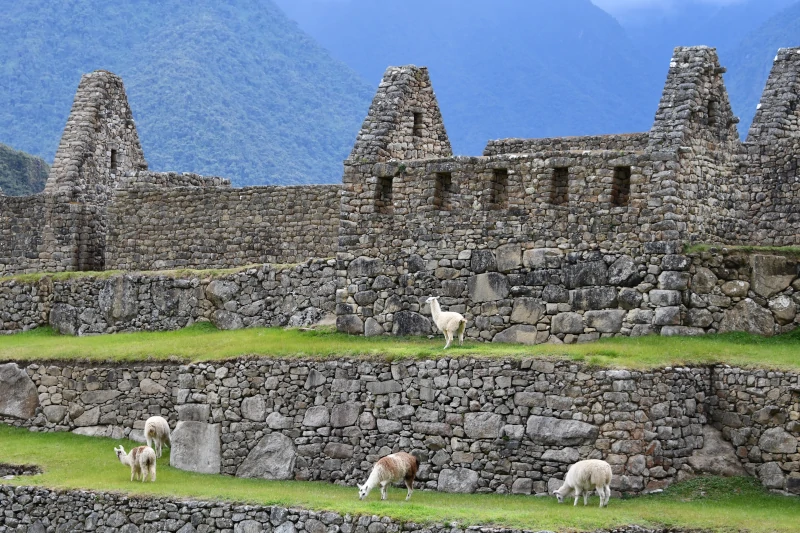
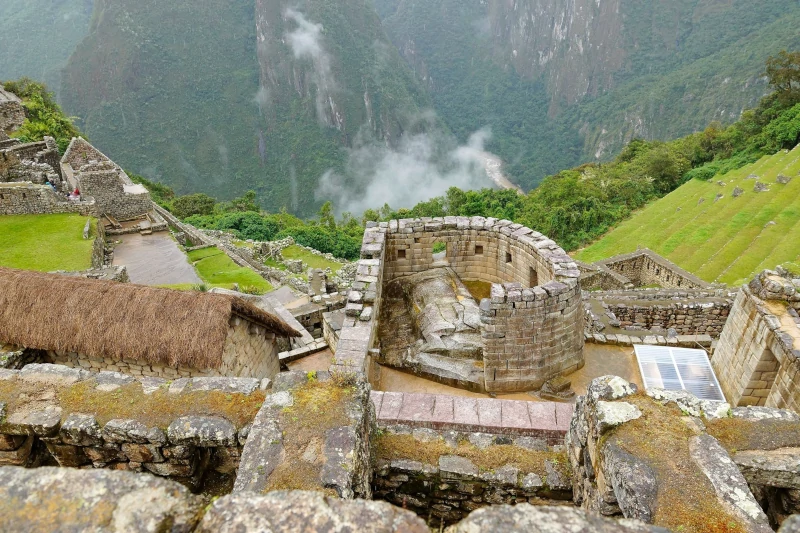
The Inca Trail is one of the most famous hiking paths in the world. Every year, thousands of tourists visit Peru to see the ancient ruins and stunning landscapes. However, in order to manage the impact of tourism on the trail and its surrounding environment, the Peruvian government has put in place regulations for Inca Trail permits. In this article, we’ll explore the Inca Trail permits for 2026 and the new regulations that have been introduced.
Firstly, it’s important to note that the Inca Trail is limited to 500 people per day, including guides and porters. This means that obtaining a permit is essential if you want to hike the trail. The demand for permits is high, so it’s recommended that you book well in advance to avoid disappointment.
One of the current regulations is that all permits are non-transferable and non-refundable. This means that once you have purchased a permit, it cannot be transferred to someone else. Also, it cannot be refunded if you don’t use it. This is to prevent the black market sale of permits, which has been a problem in the past.
Another regulation is that each permit is linked to a specific passport. This means that you will need to provide your passport details when applying for a permit. Also, you will need to bring the same passport with you on the trip. If you do not have the correct passport with you, you will not be allowed to hike the trail.


You must also follow extra rules when hiking the Inca Trail. For example, you must hike with a licensed guide, and you cannot hike the trail independently. You also need to respect the environment and the ruins along the trail. Additionally, you should not leave any rubbish behind.
The Inca Trail closes every February for maintenance and conservation work. During this time, no permits are issued, and the trail is closed to hikers. The exact dates of the closure may vary from year to year. Therefore, it’s important to check with the authorities before planning your trip.
It’s also worth noting that there are alternative trekking routes to Machu Picchu. Among these routes are the Salkantay Trek and the Lares Trek, which do not require a permit. These routes give you a new view of the Andes Mountains. They also let you enjoy the rich culture and history of the area.


The Inca Trail permits for 2026 are highly sought after and are subject to new regulations. It’s important to plan ahead and book your permit well in advance to avoid disappointment. By following the rules and regulations, you can help to preserve this iconic trail for future generations to enjoy. No matter if you hike the Inca Trail or another path, you will have an amazing time in Peru.
The Inca Trail is famous for its stunning scenery, challenging hiking routes, and historical significance. The trail is part of a large network of Inca roads. These roads stretched for thousands of kilometers in the Andes Mountains. They connected the main cities and settlements of the Inca Empire.
This trekking route is well-known for its endpoint, Machu Picchu. It is one of the most famous archaeological sites in the world. Machu Picchu is a UNESCO World Heritage Site and was voted one of the New Seven Wonders of the World in 2007.
The Inca Trail gives hikers a chance to experience the rich history and culture of the Inca Empire. Hikers can explore old ruins, enjoy stunning views of the Andes Mountains, and meet local communities. The trail also offers a challenging physical experience, with steep inclines and rugged terrain, which adds to its allure.
The Inca Trail is famous for its beautiful views, historical importance, and physical challenge. This makes it one of the most popular trekking routes in the world.


Get in touch using the form below, and we'll get back to you as soon as possible.