

The Temple of the Three Windows is one of the most iconic and symbolically powerful structures within Machu Picchu. Located in the Sacred Plaza, this ceremonial building stands out for its architectural precision, astronomical orientation, and deep spiritual meaning tied to Inca cosmology.
What Is the Temple of the Three Windows?
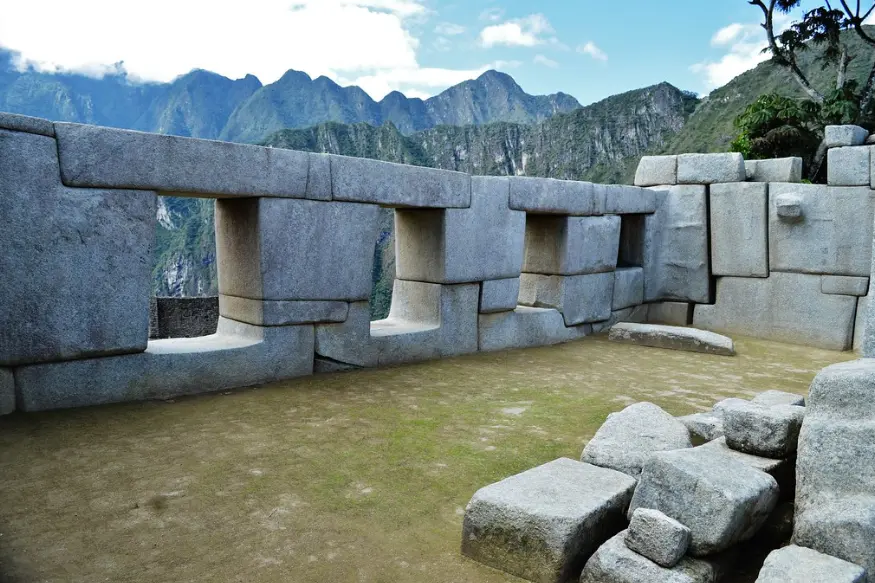
The Temple of the Three Windows is a sacred Inca structure distinguished by three large trapezoidal windows carved into a finely built stone wall. These windows face east toward the rising sun and the surrounding Andean mountains, reinforcing the temple’s ceremonial and cosmological importance.
Unlike domestic or agricultural buildings in Machu Picchu, this temple served an exclusively ritual and symbolic function. Its refined stonework and placement in the Sacred Plaza indicate that it was reserved for elite religious use, likely connected to Inca origin myths and solar worship.
Location of the Temple of the Three Windows in Machu Picchu
The Temple of the Three Windows is located in the Sacred Plaza, one of the most important ceremonial spaces in Machu Picchu. This sector occupies the upper portion of the citadel, an area associated with religion, astronomy, and state rituals.
Key aspects of its location include
A raised platform with open views toward the eastern Andes
Proximity to the Main Temple and other sacred structures
Alignment with the Urubamba Valley and sunrise
Its position reflects the Inca belief that sacred spaces must harmonize with mountains (apus), the sun, and the natural flow of spiritual energy.
Historical Background of the Temple of the Three Windows
The Temple of the Three Windows was constructed during the reign of the Inca ruler Pachacuti in the 15th century, when Machu Picchu was developed as a royal and ceremonial center. Rather than functioning as a city, Machu Picchu served as a carefully planned sacred landscape.
Within this context, the Temple of the Three Windows played a central role in expressing Inca religious ideology, particularly myths surrounding the origins of the Inca people and their divine connection to the sun.
Architectural Design and Construction Techniques
Inca Stone Masonry Excellence
The temple is a prime example of ashlar masonry, the most advanced stoneworking technique used by the Incas. Each stone block was precisely shaped and fitted without mortar, creating a stable and enduring structure.
Notable architectural features include:
Perfectly cut trapezoidal windows
Slightly inward-leaning walls for earthquake resistance
Smooth, polished stone surfaces reserved for sacred buildings
This level of craftsmanship confirms the temple’s high ceremonial status.
Meaning of the Trapezoidal Windows
The trapezoidal shape of the windows was both practical and symbolic. Structurally, it increased stability. Symbolically, it represented balance, transition, and the connection between the earthly and celestial realms.
The windows were intentionally designed to frame light, landscape, and meaning—not merely to allow visibility.
Symbolism of the Three Windows
The three windows are widely believed to represent fundamental concepts of Inca cosmology and creation mythology.
The Three Worlds of Inca Belief
In the Andean worldview, existence was divided into three interconnected realms:
Hanan Pacha—the upper world of the sun, moon, and stars
Kay Pacha—the earthly world of humans and nature
Uku Pacha—the inner or underworld associated with ancestors
The three windows symbolize these realms, making the temple a sacred point of connection between cosmic levels.
Link to Inca Origin Myths
According to Inca legend, the first Incas emerged from a place called Tampu Tocco, meaning “the House of Windows,” which also had three windows. Many scholars believe the Temple of the Three Windows is a symbolic stone representation of this mythical origin site, reinforcing Machu Picchu’s identity as a sacred and ancestral place.
Astronomical and Solar Alignment
The Temple of the Three Windows faces east, directly toward the rising sun. This orientation reflects the Inca devotion to Inti, the sun god, who was considered the divine ancestor of the Inca rulers.
Sunlight entering through the windows during specific times of the year likely marked important ceremonial moments tied to agricultural cycles and religious festivals. While not a precise observatory, the temple demonstrates how Inca architecture integrated astronomy, religion, and landscape.
Religious and Ceremonial Purpose
The Temple of the Three Windows was not accessible to the general population. It was likely reserved for priests, nobles, and members of the royal court.
Possible ceremonial uses include:
Solar rituals honoring Inti
Mythological reenactments of Inca origins
Offerings and prayers to maintain cosmic balance
The temple functioned as a sacred stage where religious ideology was physically expressed through architecture.
Relationship with the Sacred Plaza
The Sacred Plaza served as the ceremonial heart of Machu Picchu. Together with the Main Temple, the Temple of the Three Windows formed a ritual complex used for major religious events.
This spatial arrangement allowed:
Processional movement during ceremonies
Visual alignment with sacred mountains
Reinforcement of Machu Picchu as a cosmological model
The plaza was not an empty space but a carefully designed ceremonial arena.
Importance of the Temple of the Three Windows
The Temple of the Three Windows is one of the clearest expressions of Inca philosophy carved in stone. Its importance lies in its ability to combine:
Mythology
Astronomy
Sacred geography
Architectural mastery
Few structures in the Andes convey so much symbolic meaning in such a refined and compact form.
Visiting the Temple of the Three Windows Today
Access and Circuits
The Temple of the Three Windows is visited primarily on Circuit 2, the classic and most comprehensive route through Machu Picchu. It is also included in some options of Circuit 3 (Royalty Route). However, Circuit 2 is the most recommended for a deeper immersion in the sacred sector, as it covers both the upper and lower areas of the Inca sanctuary, including the Temple of the Three Windows and the Main Temple.
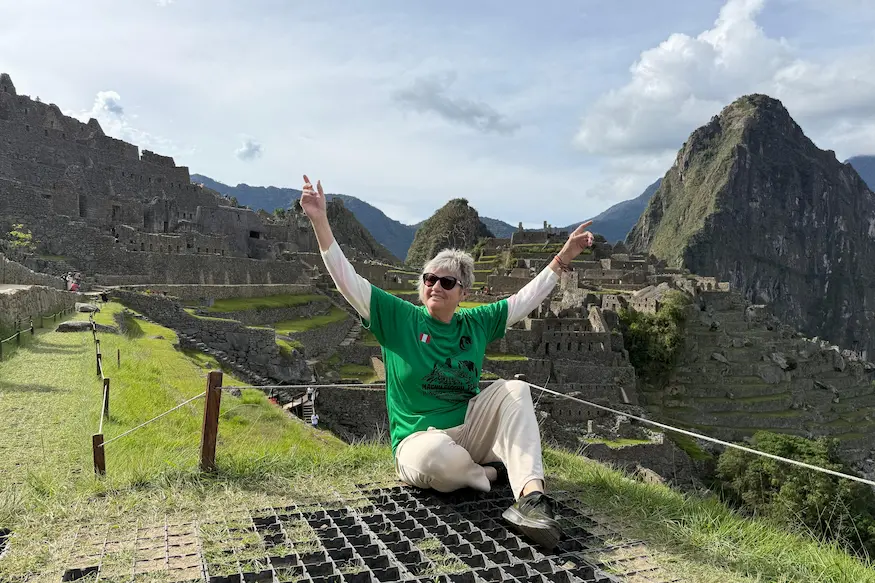
1 Day Machu Picchu Tour from Cusco or Full Day Machu Picchu Tour is exclusively designed for travellers with a short time in Cusco and want to experience the best of the lost city of Incas.
Best Time to Visit
Early morning is ideal, when softer light enhances the temple’s orientation and crowds are lighter. During the dry season, views through the windows toward the mountains are especially clear.
Photography Considerations
The windows provide excellent framing opportunities, but visitors must remain on marked paths and avoid touching or leaning on the stonework.
Conservation and Preservation
Due to its cultural importance and delicate stonework, the Temple of the Three Windows is strictly protected. Controlled visitor flow helps prevent erosion and structural damage.
Preservation efforts ensure that this unique ceremonial structure remains intact for future generations and ongoing research.
Comparison with Other Temples in Machu Picchu
While Machu Picchu contains several sacred buildings, the Temple of the Three Windows is unique because it directly references Inca creation mythology and cosmology through architectural symbolism rather than mechanical or observational function.
Its value lies not only in what it was used for but also in what it represents.
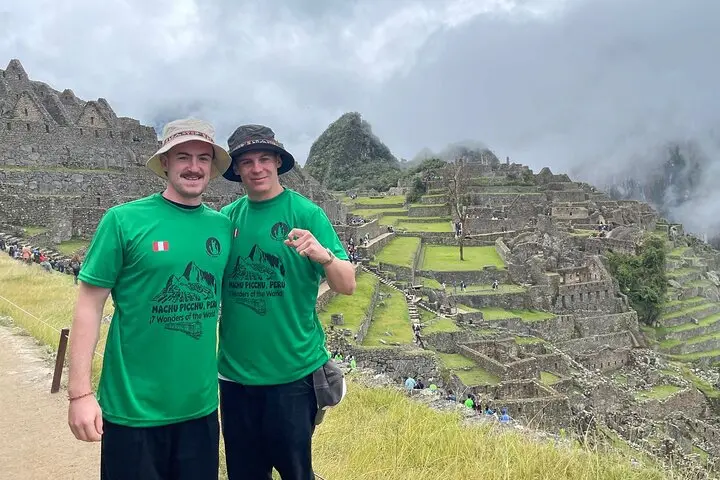
Hike the Short Inca Trail in 2 days to Machu Picchu. Enjoy beautiful views, ancient ruins, and a rewarding trip through the Sacred Valley.
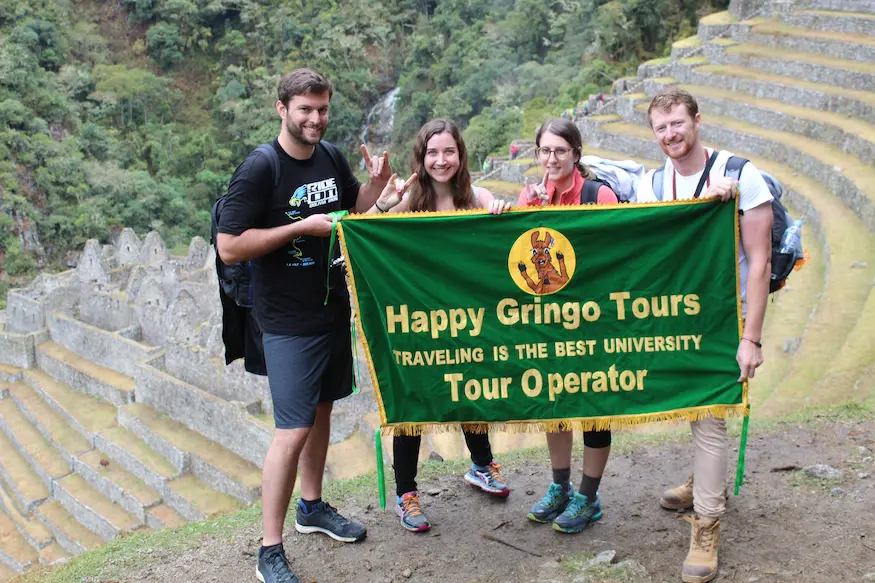
Trek the Classic Inca Trail in 4 days to Machu Picchu. You will see ancient ruins, mountain views, and cloud forests on Peru’s most famous hiking path.

The trek from Lares to Machu Picchu 4 days is a spectacular way to visit one of The New Seven Wonders of the World - Machu Picchu. On the other hand, this impressive Lares trek from Cusco offers you unique opportunity to enjoy your Machu Picchu trek.

Experience the best of the citadel of Machu Picchu and Huayna Picchu Mountain on this two-day Machu Picchu Huayna Picchu hike with our local tour guide. Machu Picchu tops the bucket list of all travelers in South America. To enhance your experience, we have included a hike to Huayna Picchu mountain after a guided tour of the ruins of Machu Picchu citadel.

Exploring Sacred Valley of the Inkas and Machu Picchu 2 days you will get to experience two of the most magical places of Peru, the Sacred Valley of the Incas and the Machu Picchu ruins.