


Temple of the Condor at Machu Picchu
What is the Temple of the Condor at Machu Picchu?
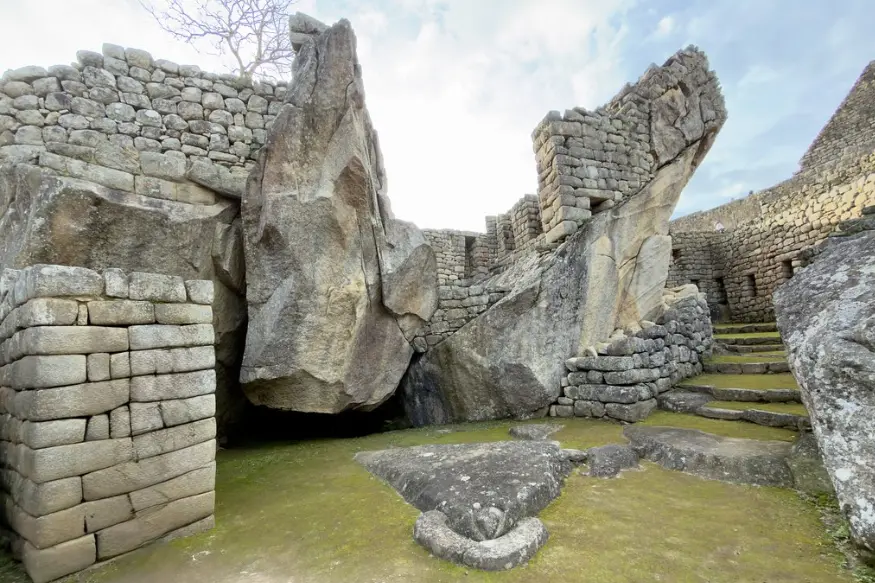
The Temple of the Condor at Machu Picchu is one of the most fascinating and symbolically powerful spaces within the Inca citadel. Unlike temples defined by massive walls or refined stone masonry, this sacred site stands out for its artistic and spiritual composition: a condor figure sculpted directly from natural rock formations. More than architecture, the Temple of the Condor is a profound expression of Inca worldview, where nature, religion, and cosmic order are inseparable.
For travelers exploring Machu Picchu, the Temple of the Condor offers a quieter yet deeply meaningful experience. It is a place where stone becomes symbolism, and landscape transforms into sacred narrative.
Location of the Temple of the Condor
The Temple of the Condor is located in the eastern sector of Machu Picchu, slightly below the main ceremonial and religious areas. This part of the citadel contains residential structures, ritual enclosures, and natural caves adapted by the Incas for ceremonial purposes.
Its strategic placement reinforces its spiritual importance. Surrounded by dramatic rock formations and overlooking the lower areas of the sanctuary, the temple occupies a liminal space—symbolically positioned between the human world and the divine realms.
The condor in Inca cosmology

Sacred symbolism of the condor
To fully understand the Temple of the Condor at Machu Picchu, it is essential to grasp the importance of the condor in Andean belief systems. The condor was revered as a sacred messenger of the gods and the ruler of the Hanan Pacha, the upper world. Its ability to soar at extreme altitudes made it a powerful symbol of spiritual elevation, divine connection, and protection.
In Inca cosmology, the condor forms part of the sacred triad alongside the puma and the serpent. While the puma represents the earthly realm and the serpent symbolizes the underworld, the condor embodies the heavens and spiritual transcendence.
The condor as a guardian spirit
In Machu Picchu, animal symbolism is present throughout the site, but nowhere is it as visually striking as in the Temple of the Condor. Here, the condor does not appear as a carved statue placed onto the landscape—it emerges organically from the mountain itself, reinforcing the Inca belief that sacred forms already existed within nature.
Architecture of the Temple of the Condor at Machu Picchu
Stone wings carved from the mountain
The most remarkable feature of the Temple of the Condor is the condor figure formed by two massive stone “wings” created from natural rock outcrops. These formations were carefully shaped and refined by Inca stonemasons to resemble a condor with wings fully extended.
At the center, a sculpted stone head completes the figure, creating one of the most impressive examples of rock-carving artistry in the Andes. This design demonstrates the Inca mastery of adapting architecture to the existing environment rather than imposing structures upon it.
The sacred cave beneath the condor
Directly below the condor sculpture lies a natural cave, subtly modified by the Incas. This cave plays a crucial symbolic role, connecting the Temple of the Condor to the Ukhu Pacha, the inner or lower world. Together, the cave, the platform, and the condor figure represent the three cosmic realms of Inca cosmology in a single sacred space.
Spiritual and ceremonial function
Purpose of the Temple of the Condor
Although no written records detail the exact rituals performed here, archaeological and anthropological studies strongly suggest that the Temple of the Condor served a ceremonial function. Its symbolic layout, combined with the presence of the cave, indicates that it may have been associated with spiritual transformation, death rituals, or elite ceremonies.
Some researchers believe the cave may have been used for mummification or ritual confinement, while the condor above symbolized the soul’s journey toward the upper world.
Rituals of transition and rebirth
In Inca belief, death was not an end but a passage. The Temple of the Condor at Machu Picchu likely functioned as a sacred threshold—a place where the condor guided the spiritual essence from the earthly realm toward divine transcendence.
Astronomical and natural alignment
Light, shadow, and sacred design
The orientation of the Temple of the Condor allows sunlight to interact dramatically with the stone formations throughout the day. At certain moments, shadows emphasize the shape of the condor, creating an illusion of movement. For the Incas, this dynamic interaction between light and stone was deeply spiritual, reinforcing the temple’s sacred energy.
Integration into the ceremonial calendar
While there is no confirmed solstice alignment, the Temple of the Condor is believed to have been part of the broader ceremonial network of Machu Picchu. Nature itself—sunlight, mountains, and seasonal cycles—served as the Incas’ living calendar.
Comparison with other sacred spaces in Machu Picchu
Unlike more formally structured temples within Machu Picchu, the Temple of the Condor emphasizes symbolism over symmetry. Its artistic integration with the natural rock sets it apart from other religious buildings that focus on geometric perfection and polished stonework.
This temple communicates meaning through form, environment, and spiritual metaphor rather than architectural dominance.
Cultural importance of the Temple of the Condor
A masterpiece of Inca sacred art
The Temple of the Condor at Machu Picchu is one of the finest examples of Inca sacred art. It reflects a worldview in which humanity, animals, mountains, and deities exist in constant harmony. Nothing here is decorative without meaning—every element conveys spiritual intent.
A living legacy
Today, the Temple of the Condor remains a powerful site for contemplation. Visitors often describe a sense of stillness and reverence, highlighting the enduring spiritual presence of this remarkable space.
How to visit the Temple of the Condor at Machu Picchu?
Access within Machu Picchu
The Temple of the Condor is primarily included in Circuit 3 (Royalty Route), which explores the lower sector of Machu Picchu and features important sacred structures such as the Temple of the Sun and the House of the Inca. The temple can also be viewed on the Classic Route (Circuit 2A), depending on the designated visitor path. Access is strictly regulated, and all visitors must remain on marked trails to help preserve this sensitive archaeological site.
[tour_ad id=”4639″]
Tips for visitors
Observe the condor figure from multiple angles to fully appreciate its design.
Take time to understand the symbolic relationship between the cave and the stone condor.
A knowledgeable guide can significantly enrich your experience and interpretation.
Conservation and respect
The Temple of the Condor at Machu Picchu has survived centuries of natural forces and human history. Its preservation depends on responsible tourism. Visitors are asked to respect all regulations, avoid touching the structures, and remain on marked trails to ensure this sacred space endures for generations to come.
Frequently Asked Questions about the Temple of the Condor
Is the Temple of the Condor open to all Machu Picchu visitors?
Yes. The Temple of the Condor is included in standard Machu Picchu visitation routes and can be visited by all travelers whose circuit passes through the eastern sector of the site.
What is the best way to understand its meaning and history?
Joining a guided tour is the most effective way to fully appreciate the Temple of the Condor. Professional guides provide cultural context, symbolism, and historical insights that are not always obvious when visiting independently.
Are visitors allowed to touch the structures?
No. To protect the integrity of this ancient site, visitors should not touch the stone formations or enter restricted areas. Preserving the temple ensures that future generations can continue to experience its significance.