


Chachabamba: Exploring the Inca Trail’s Sun Site
You’ve seen the photos: Machu Picchu floating above the clouds, everyone looking heroic, nobody looking sweaty. Then you start planning and you stumble on a quieter name—Chachabamba. And you think, “Wait… what’s that?” Fair question.
Chachabamba is a compact Inca site in Chachabamba Peru, tucked inside the Historic Sanctuary of Machupicchu near the Urubamba River. Many hikers see it early on the short Inca Trail (the Km 104 route). It’s quick to visit. It’s also the kind of place that changes how you understand the whole trek—like reading the first page of a mystery and suddenly caring about every clue.
A quick map of what we’ll cover (so you’re not wandering)
- Where the Chachabamba ruins sit and why that location matters
- What to look for on-site (even if you’re half-asleep from an early train)
- How the route from Chachabamba to Machu Picchu usually works
- Practical prep: permits, timing, weather, and a little trail “ops” talk
So… what is Chachabamba, exactly?
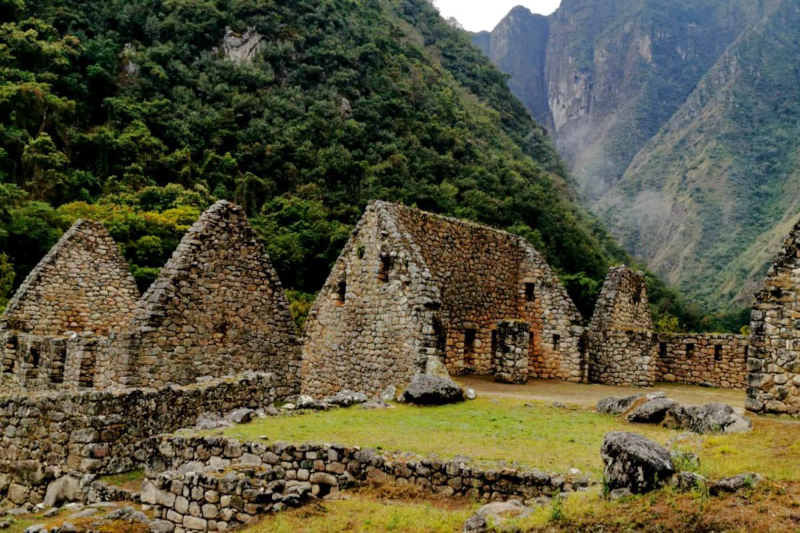
Chachabamba is an Inca-built complex near the Km 104 rail stop on the way to Machu Picchu. It’s commonly tied to the short Inca Trail route: Chachabamba → Wiñaywayna → Intipunku (the Sun Gate) → Machu Picchu. Peru’s protected-area authority, SERNANP, describes access and visitor rules for this trail network inside the sanctuary.
Now here’s the mild contradiction: Chachabamba is a “small” site. And it’s not small. The footprint is modest, sure. But the role feels big—like a staging area where the Incas managed movement, water, and ritual in one spot. Think of it as trail infrastructure with a spiritual layer. A kind of ancient check-in desk… except the check-in might involve water ceremonies.
Why the location feels like a plot twist
Chachabamba sits low, close to the river corridor, right where many travelers shift from “train ride” to “we’re hiking now.” That change matters. You go from metal rails and timetables to stone steps and cloud forest. It’s a clean handoff.
And yes, the cloud forest has its own personality. It can be warm, damp, and loud with birds. Or it can be quiet and misty, like the whole valley is holding its breath. If you’ve been acclimating in Cusco, your lungs may still be negotiating. That’s normal. Your pace is the project plan here—set the scope, manage the risk, keep the team moving.
What you’ll see at the Chachabamba ruins (and what to ask your guide)
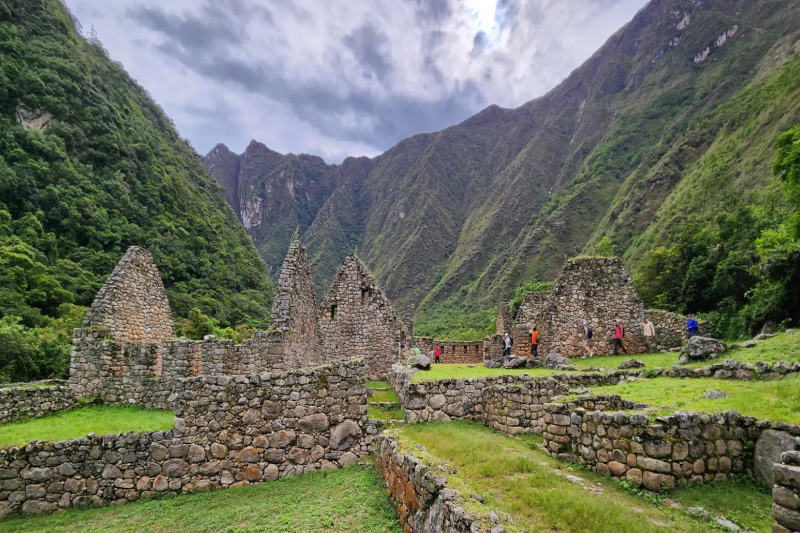
Chachabamba rewards attention. Not a long attention span—just real attention. Instead of scanning for “the one perfect photo,” look for systems: how stone, slope, and water work together.
Here are the main features people notice:
- Stone foundations and enclosures: Low walls, rooms, and clean stonework that hint at organized use—caretakers, travelers, or staff supporting the route.
- Terraces: Not just pretty steps. Terraces stabilize steep ground and can support crops. It’s land management, Inca-style.
- Channels and water features: This is the heart of the site for many visitors. Water isn’t a background detail in the Andes; it’s power, purity, and planning.
And here’s a good question to toss to your guide (without sounding like you’re in a meeting): Was this a ritual stop, a control point, a service hub—or all of the above? In the Inca world, categories overlap. Roads weren’t only for transport. They connected authority, labor, pilgrimage, and sacred geography.
Let’s talk about water—because the Incas sure did
You’ll hear “hydraulic engineering” a lot around Machu Picchu. It can sound heavy, like a textbook. But the simple version is this: the Incas were excellent at moving water where it needed to go, and they treated it with respect.
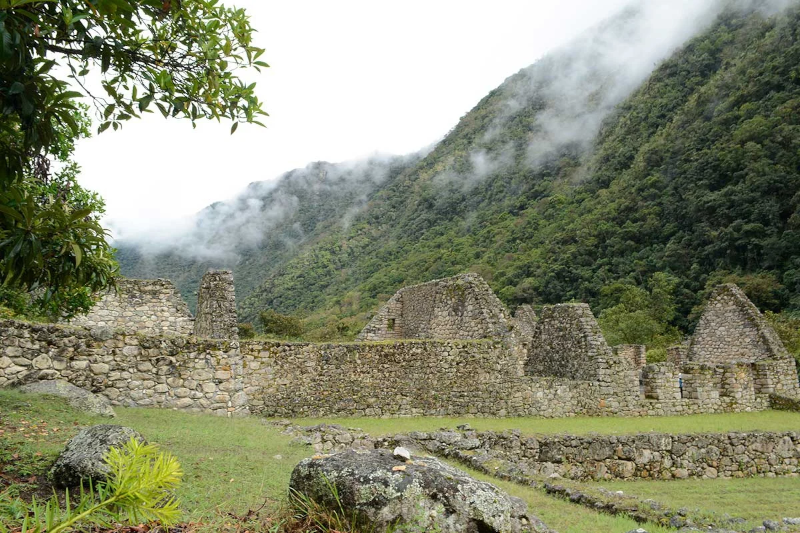
At Chachabamba, the water elements make you think about cleansing and transition. Imagine arriving from the river route, washing up, resetting, and then climbing toward higher, more sacred zones. It’s like switching from street shoes to hiking boots. Same person. Different mode.
And if you’re the type who likes a side quest: notice how many Inca sites pair water control with route control. It’s not random. Water is life, and routes are reach—together they’re strategy.
How to get from Chachabamba to Machu Picchu (the real-world logistics)
Most people who search Chachabamba to Machu Picchu are looking for a practical answer: “Can I walk it?” Yes—on the short Inca Trail route—but it’s managed access, not a casual stroll.
SERNANP notes that entry to the Inca Trail network inside the sanctuary is handled through authorized tourism agencies, with checkpoints and rules. In plain terms: you’ll book with a licensed operator who handles permits, guide services, and transport timing.
A typical day flow looks like this:
- Start from Cusco or Ollantaytambo. Ollantaytambo often makes the morning schedule less hectic.
- Take the train to Km 104 (Chachabamba). Operators coordinate the correct stop. Train providers like PeruRail and Inca Rail publish schedules, but your agency will match them to permits.
- Check in at the control point. Passport out, permit verified, and off you go.
- Visit Chachabamba early. This is the calm moment before the climb ramps up.
- Hike toward Wiñaywayna, then Intipunku. This section is where “fitness” turns into “grit.” Pace matters.
- Arrive at Machu Picchu. Some itineraries give you a short look that day, then a fuller guided circuit later.
One small, modern trend note: shoulder season (April/May or September/October) can feel like the sweet spot—fewer crowds than peak summer, often decent weather. But weather has moods, especially in El Niño years. Pack like you respect surprises.
Timing, weather, and what “prepared” really means
SERNANP lists visiting hours for the Inca Trail network and notes a drier season roughly from April to October, with the rainier stretch from November to March. That lines up with what hikers feel on the ground: rain can turn stone into a slip hazard, and sun can turn a climb into a slow burn.
Here’s the “ops checklist” version—simple, not fussy:
- Footwear: broken-in shoes with grip (new boots are a trap)
- Rain layer: even if the forecast looks friendly
- Water + snacks: keep energy steady; bonking is real
- Sun and bugs: hat, sunscreen, repellent
- Mindset: plan to go slower than you want, then enjoy the fact that you’re actually seeing things
Also: follow rules on marked routes and waste. SERNANP emphasizes staying on trails and protecting flora and fauna. It’s not about being a buzzkill; it’s about keeping the sanctuary from getting loved to death.
Why Chachabamba deserves a longer pause than your schedule wants
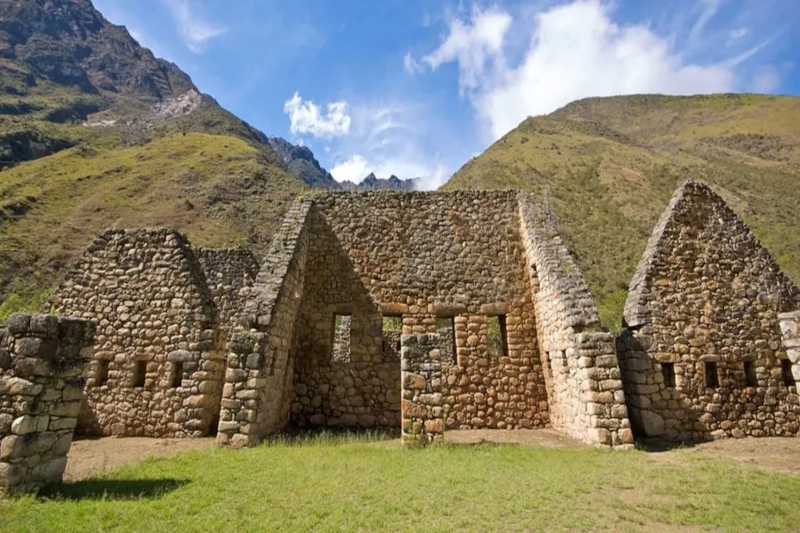
Machu Picchu is the headline. Chachabamba is the opening scene. If you skip it mentally, you still get the big reveal—but you miss the setup that makes the reveal hit harder.
And there’s something quietly human about it. You start near the river, you step into old stonework, and you feel the trail pull you upward. People did this centuries ago. Different reasons, same legs, same weather, same “Are we there yet?” moment. That’s a connection worth noticing.
Quick FAQs
Can I visit Chachabamba without the Inca Trail permit?
For most travelers, Chachabamba is visited as part of the permitted short Inca Trail (Km 104) experience handled by an authorized operator. Rules can shift, so confirm current access through official sources and your agency.
How long do you spend at Chachabamba?
Often 20–40 minutes, depending on the group’s pace and the day’s timeline. If you like archaeology, ask for a bit more time—politely.
Is it worth it if I’m “only” here for Machu Picchu?
Yes. It adds context. It also gives you a calmer space to get your bearings before the hike gets serious.
Last thought before you hit the trail
If Machu Picchu is the final deliverable, Chachabamba is the kickoff meeting—short, important, and full of signals about how the rest will go. Take it in. Look at the stone. Listen to the water. Then head up the trail and let the story build.