


Peruvian Currency
When traveling to Peru, understanding how the Peruvian currency works is key to moving around with confidence and avoiding unnecessary fees or scams. Peru is a traveler-friendly country, but it is not completely cashless, so knowing when to use cash and when to pay by card makes a big difference.
The official currency of Peru is the Peruvian Sol, and while cards are widely accepted in cities like Lima and Cusco, cash is still essential for markets, taxis, small towns, and trekking routes such as Machu Picchu and Rainbow Mountain.
In this guide to money in Peru, we’ll explain the best way to pay, where to exchange currency, how to withdraw cash safely, and simple tips to manage your money smoothly during your trip.
What Is the Currency in Peru?
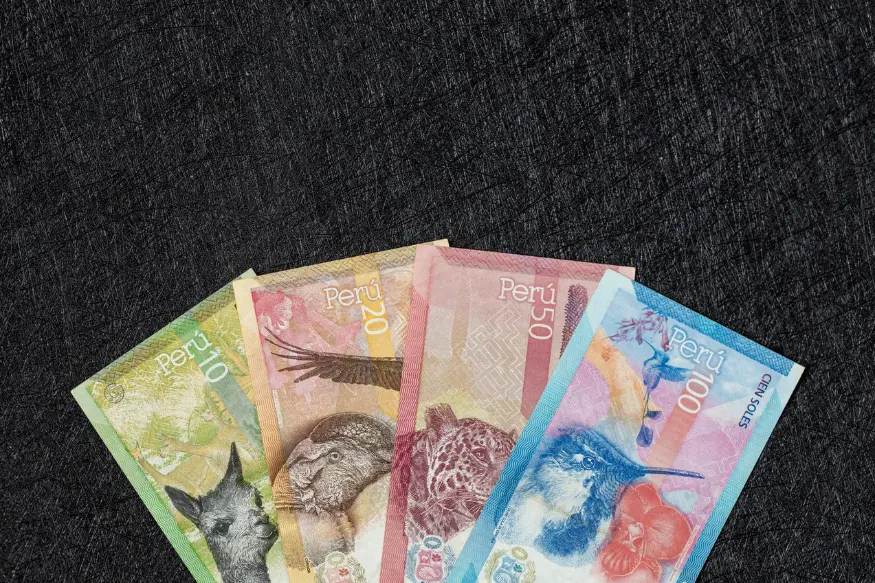
The official currency of Peru is the Peruvian Sol, written as S/.
You will find:
Banknotes: 10, 20, 50, 100, and 200 soles
Coins: 10, 20, and 50 céntimos, plus 1, 2, and 5 soles
In daily life, small bills and coins are essential. Many taxis, local restaurants, and small shops don’t have change for large notes, so carrying S/ 10, S/ 20, and S/ 50 bills will make your life much easier.
What is the Best Way to Pay in Peru?
Cash vs. Cards: What Actually Works Best?
While credit and debit cards are widely accepted in major cities, cash is still king in Peru.
Using Cards in Peru
Visa and Mastercard are commonly accepted in:
Hotels
Tour agencies
Mid- to high-range restaurants
Shops in tourist areas
However, there are a few important things to know:
Many businesses add extra fees for card payments
Your bank may also charge international transaction fees
Some places accept cards but only above a minimum amount
Always ask if there’s a card fee before paying, and if possible, ask to be charged in Peruvian soles, not your home currency. This usually gives you a better exchange rate and avoids extra charges.
Paying with Cash in Peru
Cash is essential for:
Taxis
Street food and local markets
Small shops
Tips
Rural areas and small towns
If you’re visiting markets, buying souvenirs, or negotiating prices, paying in soles almost always gets you a better deal.
Can You Use US Dollars in Peru?
Yes, US dollars are widely accepted, especially in tourist-focused businesses such as:
Hotels
Travel agencies
Some restaurants and souvenir shops
But there are downsides:
Vendors may apply a less favorable exchange rate
You might have trouble getting proper change
Some places charge a “convenience fee”
For everyday spending, soles are always the better option. It’s best to exchange your USD into Peruvian currency once you arrive.
Where Should You Exchange Currency in Peru?
Casas de Cambio (Exchange Houses)
This is usually the best option.
Better exchange rates
Lower fees
Fast and transparent service
Widely available in cities like Lima and Cusco
Always choose reputable exchange houses and check the rate before exchanging.
Banks
Banks are secure and reliable, but:
Lines can be long
Identification is required
Rates are sometimes less competitive
They’re a safe option, just not the fastest.
Hotels and Airports
Convenient—but expensive.
Poor exchange rates
Higher fees
Use them only for small amounts or emergencies.
Street Money Changers
You’ll often see money changers on the street, especially in cities.
They may offer good rates, but:
There is a higher risk of scams
Counterfeit bills are a concern
If you choose to use them:
Look for official ID vests
Never go somewhere secluded
Count your money carefully
Avoid exchanging large sums at once
Where Can You Withdraw Cash in Peru?
ATMs in Peru
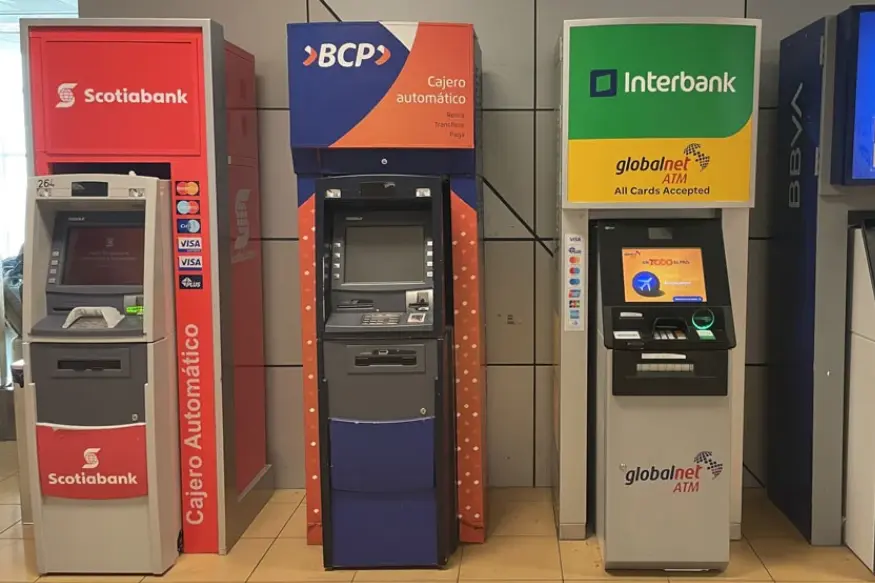
ATMs are the most convenient way to get cash while traveling.
You’ll find them in:
Cities
Airports
Tourist areas
But they are limited or nonexistent in rural areas—plan ahead if you’re trekking or traveling off the beaten path.
Major banks include:
Scotiabank
Interbank
BBVA
Some ATMs allow withdrawals in:
Peruvian soles
US dollars
We strongly recommend choosing soles to avoid extra exchange fees later.
ATM Safety Tips
Use ATMs inside banks or shopping centers
Avoid withdrawing large amounts at night
Shield your PIN
Check for loose card slots or suspicious devices
Being alert costs nothing and keeps you safe.
Money Transfers in Peru (For Emergencies)
In case of emergency, money transfer services are available.
Reliable options include:
Western Union
MoneyGram
To collect money, you’ll need:
Your passport
A tracking number (MTCN)
You can usually choose to receive funds in soles or USD, but again, local currency is usually the safer choice.
Final Tips from a Local Travel Perspective
Carry both cash and cards
Always keep small denominations
Exchange money at official places
Plan ahead for rural areas and treks
Stay aware, not paranoid
In major cities like Lima, Cusco, and Arequipa, cards work well. But once you head to markets, small towns, or treks like the Inca Trail, cash becomes essential.
Frequently Asked Questions About Money in Peru
Do I need cash in Peru?
Yes. Many small businesses, taxis, and markets only accept cash.
Are credit cards accepted everywhere?
No. Cards are common in cities, but not reliable in small towns or rural areas.
Is it better to exchange money before or after arriving?
Usually better after arriving, using reputable exchange houses.
Should I withdraw USD or soles from ATMs?
Soles. This avoids extra exchange fees later.
Is Peru safe for carrying money?
Yes, if you use basic precautions and don’t carry large amounts.
Traveling with Happy Gringo Tours
When you travel with Happy Gringo Tours, your local guides are always happy to help you:
Find safe ATMs
Exchange money securely
Understand local prices
Avoid tourist traps
That way, you focus on enjoying Peru—not worrying about money.