


Exploring the Hidden Gems of South Valley Cusco
Most people never see this part of Peru. They land in Cusco, book a Sacred Valley tour and leave without checking what sits on the other side of the city. The South Valley Cusco runs 45 minutes south and almost nobody goes there. Three sites, three civilizations, half a day.
No crowds. No tour buses lined up at the entrance. Just ruins and open land, which is harder to find near Cusco than it used to be.
Wari city planning and design
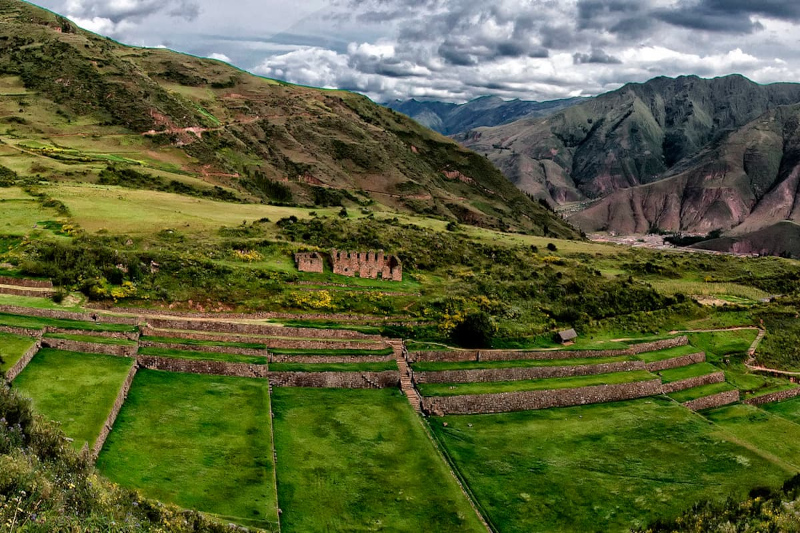
Five hundred years before the Incas existed, the Wari built a city here on flat basin land. Not a ceremonial platform or a burial site, an actual administrative city with streets in a grid. It looks nothing like what most people picture when they think of Andean ruins. Walking through it, the difference is obvious within the first few minutes.
The walls are rough fieldstones stacked with mud mortar, originally plastered white so none of the stonework showed. The Incas built completely differently, cutting stones until they locked together without any mortar at all. No plaster, no filler, just shaped rock fitted tightly. That contrast is one of the clearest things to observe on this South Valley Cusco stretch.
Wari buildings are rectangular, every single one across the entire site. The trapezoidal doors and windows that appear consistently in Inca construction are completely absent here. The Wari were running an empire from this grid, managing storage, administration, and the controlled movement of goods. The Incas came later, studied what worked, and built their own version of it.
Key differences between Wari and Inca construction visible at Pikillacta:
- Materials: Wari used rough fieldstones with mud mortar. Incas fitted carved stones with no mortar at all.
- Finishes: Wari walls were plastered completely white. Inca stonework was left fully exposed.
- Shapes: Wari structures are strictly rectangular. Inca buildings use trapezoidal doors and windows throughout.
Tipón water engineering system
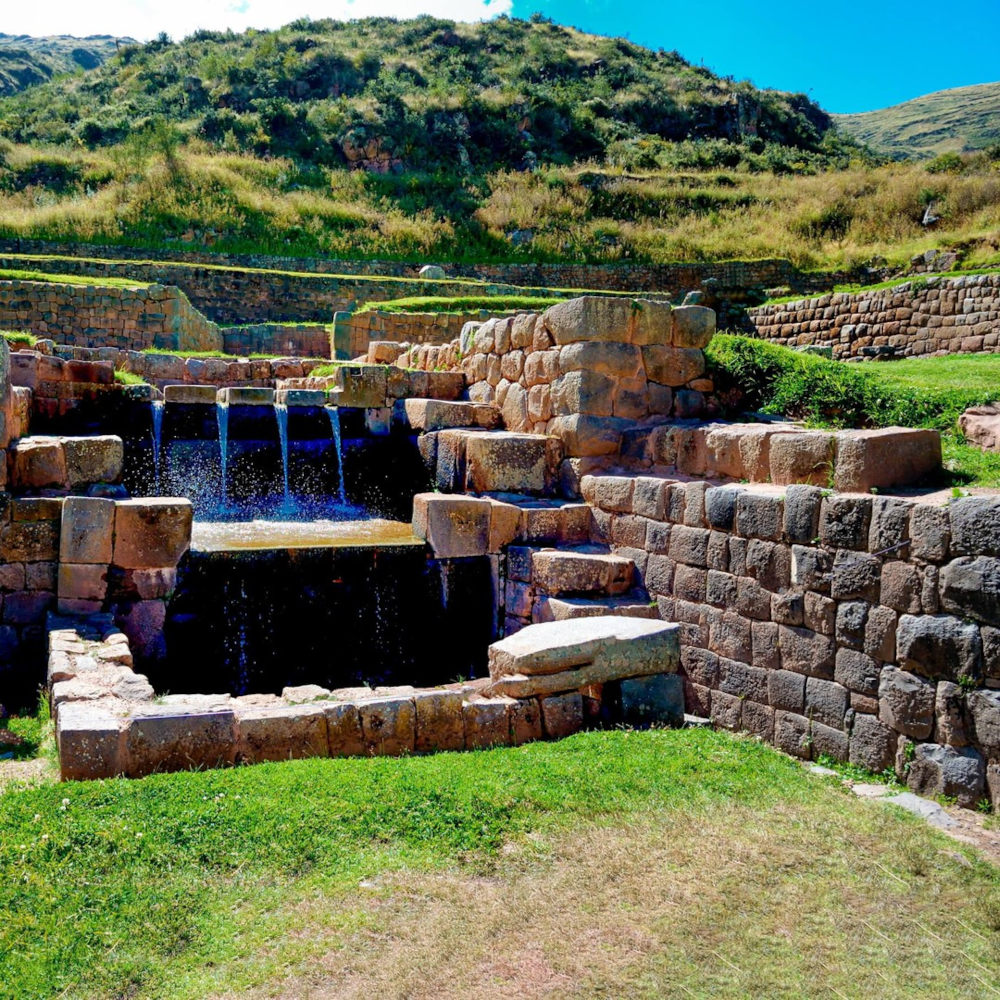
This site gets overlooked constantly and it should not. Tipón has had a working irrigation system from the 1400s, still carrying mountain spring water through stone channels today. No modern repairs are keeping it functional, the original slope calculations were accurate enough that the system has held for over five centuries. That is the detail worth stopping on.
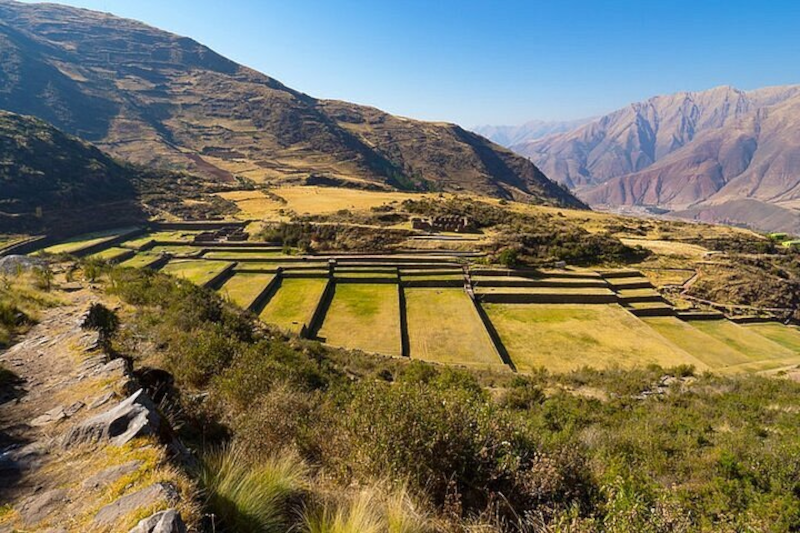
The retaining walls absorbed heat from the sun during daylight hours and released it slowly through the night. That temperature regulation kept conditions stable enough to test crops that could not normally survive this altitude. The Incas were running agricultural trials here long before that was a recognized practice anywhere else. Tipón is the kind of Cusco South Valley site that reveals more the longer time is spent inside it.
The Principal Fountain divides one spring into four equal channels at the center of the complex. Priests held ceremonies at this point and the four-way split carried specific religious meaning tied to Inca cosmology. Getting there independently is straightforward, buses from Cusco run the route regularly and drivers in the area know the site well. Signage inside is readable enough for a self-guided visit without any preparation.
Andahuaylillas church significance
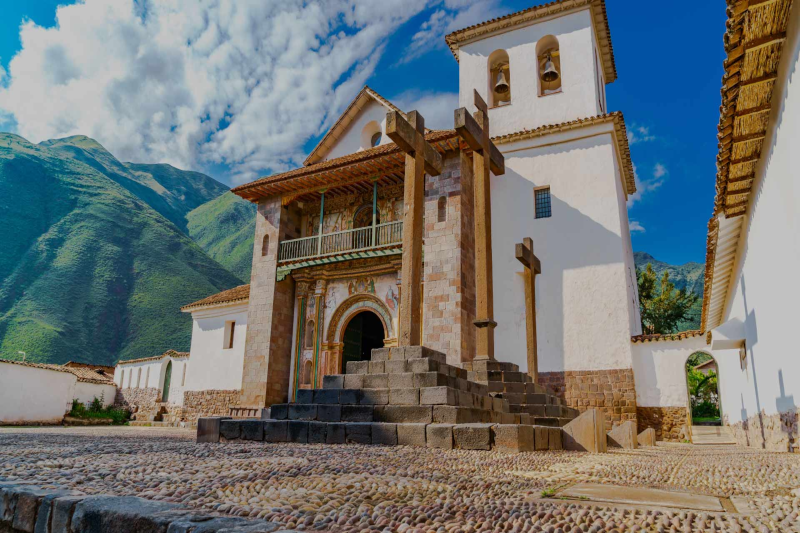
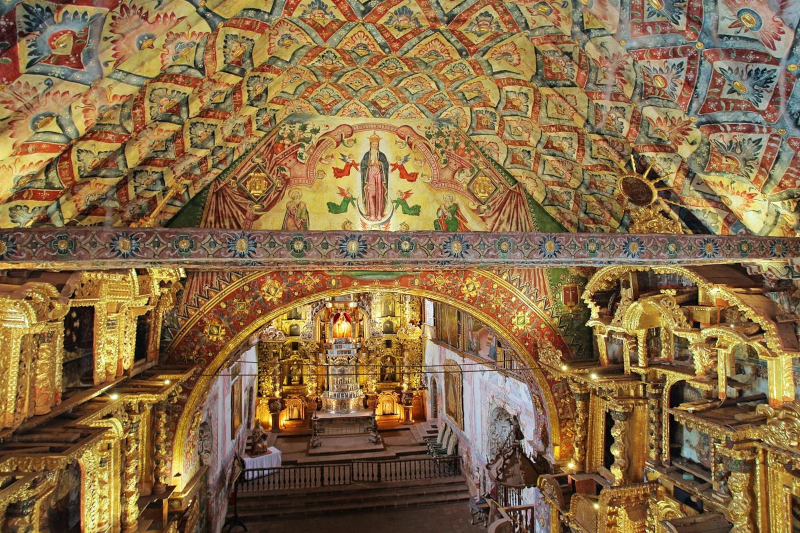
Small town, quiet plaza, an adobe church that looks like nothing from outside. Step through the door and the scale of the interior decoration takes a moment to process. Every surface is painted, carved, or gilded and the comparison people reach for is the Sistine Chapel.
Spanish missionaries commissioned this work during the colonial period to convert a population that did not speak Spanish and could not read Latin. Indigenous artists trained in European techniques produced the result, and those artists were Andean. They embedded their own references throughout the work, sometimes subtly and sometimes not. That tension between two visual traditions is what makes this South Valley Cusco church genuinely worth studying.
Three interior elements define the space and separate it from other colonial churches in the region:
- A Mudejar ceiling of geometric painted wood, a Moorish style filtered through Spain and applied by local hands.
- A gold-leaf altar with carvings using local plant species rather than European botanical references.
- Entrance murals showing two roads, one thorny toward hell and one flowering toward heaven, with Andean sun symbols placed inside the Catholic halos.
The church still holds active services and entry is paid separately at the door. Most visitors spend between 20 and 30 minutes inside before moving on. It is a short stop but one of the more memorable on the entire circuit.
South valley travel planning guide
Colectivos leave from central Cusco and cost very little, running the same corridor as this entire route. Private taxis cost more but stop wherever the schedule requires without negotiation. Search “south valley cusco” in Google Maps to find current pickup points and confirm timing before going. Both options work and the choice comes down to budget and flexibility.
What to sort out before leaving Cusco:
- Transport: Colectivo for budget, private taxi for flexibility. Both cover the full South Valley Cusco route.
- Tickets: Tourist ticket Circuit 2 for Tipón and Pikillacta. Andahuaylillas charges a small separate fee at the door.
- Food: Saylla for chicharrones along the road. Tipón town for cuy al horno, traditional roasted guinea pig.
- Timing: Leave by 8:00 AM to cover all three stops before afternoon heat sets in.
Guided full-day tours covering the complete circuit are available from operators in the city center and include transport, tickets, and a food stop. Independent travel on the same route works fine for anyone comfortable handling their own logistics without a fixed group schedule.
FAQ
What is this circuit exactly?
Three stops south of Cusco covering roughly 1,400 years of history in one half-day route. Pikillacta is a Wari administrative city built around 600 AD with a strict rectangular grid layout. Tipón is an Inca hydraulic and agricultural complex from the 1400s that still functions today. Andahuaylillas holds a colonial church with one of the most complete interiors of its kind in South America.
What is different about Wari construction at Pikillacta compared to Inca sites?
Wari builders used rough fieldstones with mud mortar and plastered the walls completely white. Inca builders cut stones to fit without mortar and left the surface exposed and visible. Wari structures across the site are entirely rectangular while Inca construction consistently uses trapezoidal openings. Those differences are visible without any background in archaeology or Andean history.
Can Tipón be visited without a guide?
Yes, buses from Cusco run to the site regularly and local drivers know the route without needing directions. Signage inside the complex is sufficient for navigating the main areas independently. Visitor numbers stay low even on busy days, which is not something that applies to most sites near Cusco. It is one of the more manageable independent visits on the South Valley Cusco circuit.
Why does the Andahuaylillas church receive so much attention?
The interior is almost entirely covered in colonial-era painting and decoration produced by indigenous artists working in the Cusco School tradition. The Mudejar ceiling, gold-leaf altar, and entrance murals together represent a complete example of Mestizo Baroque, a style blending Spanish Catholic and Andean visual references. Most colonial churches in the region have partial decoration, this one covers every surface. The entry fee is small and paid separately at the door.
What tickets are required for the circuit?
Boleto Turistico Circuit 2 covers Tipón and Pikillacta and needs to be bought before arriving at either site. The church in Andahuaylillas charges its own small entrance fee collected at the door. No advance booking is required for independent visitors at any of the three stops. Guided tours typically include all entry fees in the quoted price.