


Puka Pukara Archaeological Complex: Inca Fortress
Puka Pukara sits above Cusco like a quiet coworker in the corner—watching, doing its job, not making a fuss. And then, when you finally pay attention, you realize it’s been holding the whole operation together. Roads. Sightlines. Control points. The kind of “systems thinking” the Inca state was really good at.
So if you’re a history buff, or a traveler who likes your ruins with a little context (and a little less chaos), this is for you.
“It’s a fortress.” Also: it’s not only a fortress.
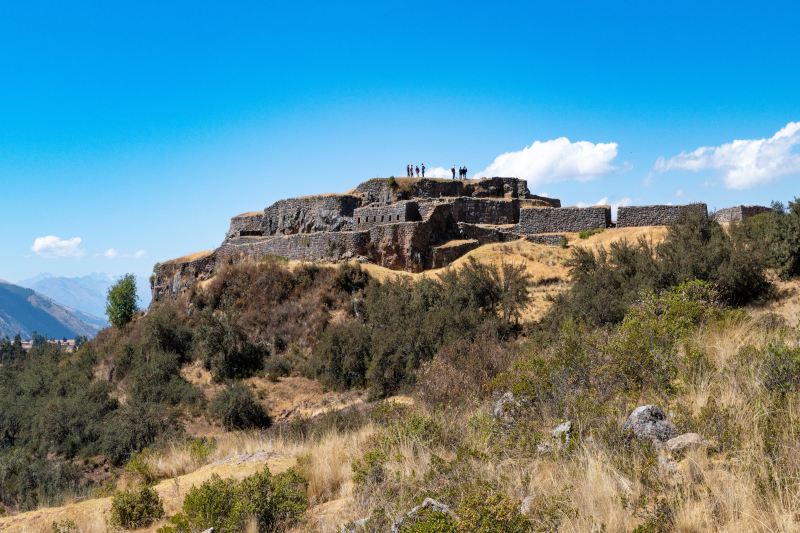
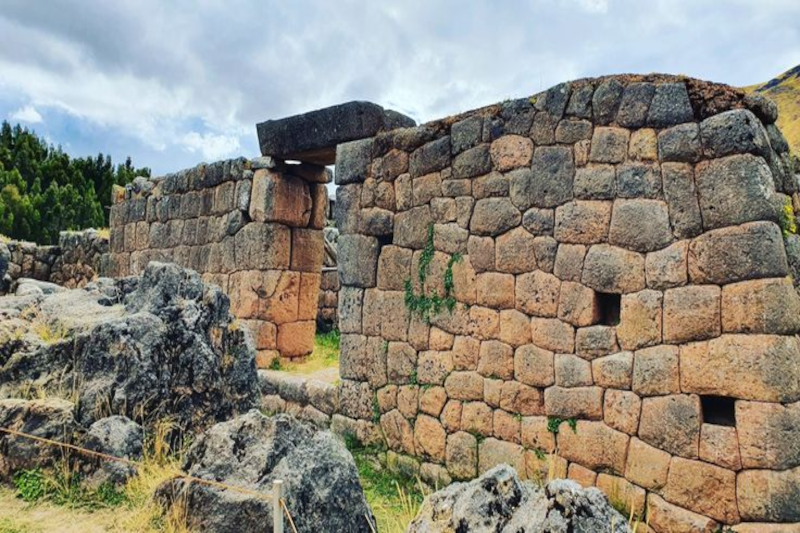
Most people hear “Inca fortress” and picture a dramatic castle vibe. Fair enough. Puka Pukara has defensive-looking walls, high viewpoints, and that unmistakable sense of “this spot matters.”
But here’s the thing: calling it only a fortress is like calling an airport “a building with planes.” True, but you miss the point.
The Puka Pukara Archaeological Complex likely worked as a control site along key routes leading in and out of Cusco. Think checkpoint, lookout, and maybe a small hub for state travel. Not glamorous. Very effective. And if you’re into how empires run on logistics (not only temples), this place suddenly gets interesting.
There’s also the name. “Puka” is commonly read as “red,” and “pukara” as “fortress.” In late afternoon light, the stones can take on a warm, rusty tint. It’s subtle. But it sticks with you.
Okay, so what are you looking at up there?
Let’s be honest: if you arrive with no mental map, Puka Pukara can feel like a quick stroll through broken walls and terraces. Then you leave and wonder why it made the tour list.
So give yourself a simple lens: follow the wayfinding. The Incas were obsessed with guiding movement—where you walk, where you pause, what you can see, what you can’t. Puka Pukara makes more sense when you read it like a designed route rather than a random pile of stone.
Here’s what to notice:
- Layered terraces: They’re not only “steps.” They shape the hillside into usable platforms, like turning a steep spreadsheet into clean rows you can actually work with.
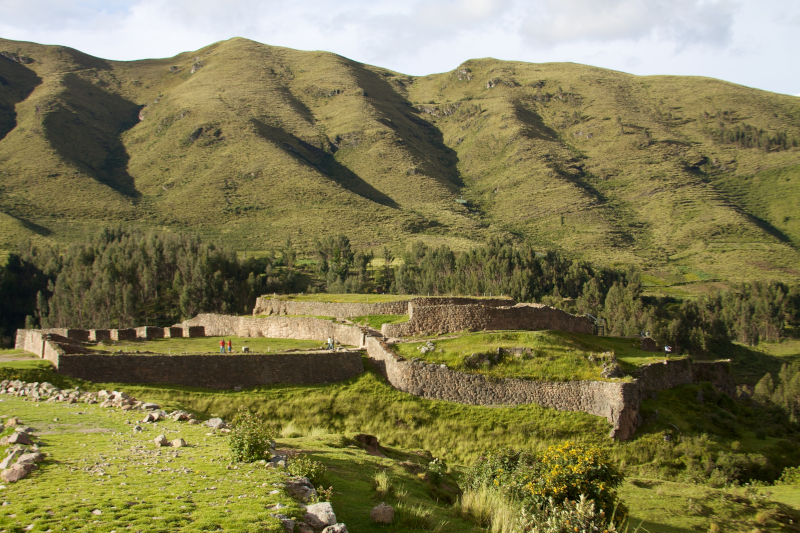
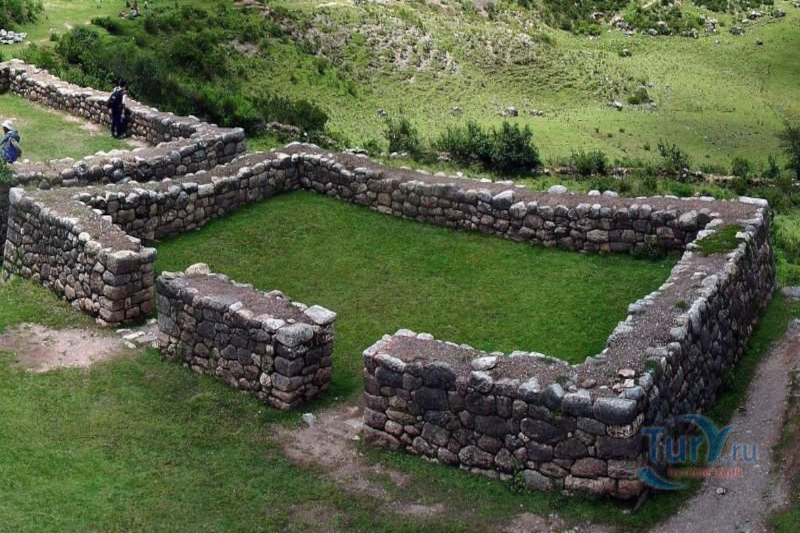
- Walls with corners and turns: Straight walls are one thing. The bends and angles are where you feel control—narrowing access, creating chokepoints, and setting up sightlines.
- Small enclosures: Some spaces feel like rooms, others like holding areas. Nobody can promise exactly who stood where, but the layout hints at managed activity, not casual wandering.
- Viewpoints: This is the big one. The visibility is the feature. Look out and ask: what roads or valleys would be easy to monitor from here?
And yes—part of the fun is that Puka Pukara doesn’t hand you a single “wow” object. It asks you to connect dots. A little more effort, a lot more payoff.
Puka Pukara Peru: the neighborhood matters
Puka Pukara doesn’t sit alone. It’s part of a cluster of sites that get packaged as the Cusco “city tour” circuit, usually alongside Sacsayhuamán, Qenqo, and Tambomachay.
That grouping can feel touristy (because it is), but it’s also historically useful. The Inca heartland around Cusco was dense with function: ceremony, water, carved stone, military control, and the everyday machinery of governance.
If Sacsayhuamán is the headline act, Puka Pukara is the supporting role that makes the plot believable.
Also, it sits close to Tambomachay, which is famous for water channels and ritual associations. Pairing them is a nice contrast: Tambomachay pulls you inward—water, precision, calm. Puka Pukara pushes your attention outward—routes, lookout logic, movement.
Let’s talk about the Puka Pukara altitude (because your lungs will)
Altitude is the quiet factor that changes everything in Cusco. You can be in great shape and still feel a little humbled. That’s not you being dramatic; it’s physics.
The Puka Pukara altitude is often listed in the mid-3,000-meter range above sea level, and sources vary depending on the measuring point. The practical takeaway is simpler: it’s high, it’s exposed, and your pace will slow down.
Small tips that sound boring—until they save your day:
- Move like you mean it… but slower. Quick bursts on stone steps are where people get woozy.
- Sun is louder at altitude. A hat and sunscreen feel optional in the city. Up there? They’re part of the kit.
- Drink water, don’t chug water. Steady sips. Your body’s already adjusting.
- Bring a light layer. Cusco weather loves mood swings—sun one minute, wind the next.
And if you’re newly arrived, build your itinerary like a project plan with a buffer. Your first day is not the moment to sprint from one high site to the next. Honestly, letting your body catch up is the most “pro traveler” move you can make.
City tour tips that keep it fun (not frantic)
Here’s the mild contradiction: the city tour is a great idea… and the city tour can be kind of terrible.
It’s great because it’s efficient. Transportation is handled. You see a lot fast. If you’re short on time, it’s the cleanest way to get your bearings.
It can be terrible because “efficient” often means “rushed.” Sites blur together. You spend more time herding than learning. And Puka Pukara, being smaller, becomes the classic victim of the schedule.
So what do you do? You manage the day like a calm operator, not like a passenger.
A few moves that help:
- Ask the guide for a 10-minute “quiet look” window. Even good guides slip into autopilot. A simple request can change the rhythm.
- Use Google Maps as your backup brain. Not for a history lecture—just to understand spacing and direction between sites. It helps you grasp the landscape.
- Bring snacks you actually like. When your blood sugar drops at altitude, everything feels harder. A granola bar becomes a strategic asset.
- Keep your questions focused. Instead of “What is this?” ask “What’s the strongest evidence for that?” Guides tend to rise to that level.
If you’re going independently, the logistics get simpler than people think. You can hire a taxi for a set loop, or coordinate a ride through apps locals use in Peru (availability varies), or join a small group tour via your hotel or a reputable local operator. The key is timing, not perfection.
When to go (and why your photos aren’t the main point)
Dry season (roughly May through October) tends to bring clearer skies and steadier footing. Rainy season can be lush and dramatic, but paths get slick and the clouds roll in fast.
Time of day matters too. If you want that “red fortress” look, late afternoon light can make the stone feel warmer. Midday can be bright and harsh—good for visibility, less forgiving for faces in photos.
And sure, you’ll take photos. Everyone does. But Puka Pukara is one of those sites where the real memory is a feeling: standing on a terrace, wind in your ears, and realizing the Incas chose this spot because it controls the story the landscape tells.
A quick “history buff” checklist (without turning it into homework)
If you like leaving a site with more than a vague impression, keep these questions in your pocket:
- What can you see from here that you can’t see from below? Visibility is power.
- Where would movement be easy, and where would it be slowed? That’s the difference between a path and a controlled approach.
- How does this compare to nearby sites? Puka Pukara makes more sense when you contrast it with Tambomachay’s water focus or Sacsayhuamán’s monumental scale.
None of this requires a PhD. It’s more like reading a well-designed city: you notice why streets turn, why plazas open, why some buildings sit high. The logic is there if you look.
So, is Puka Pukara “worth it”?
Yes—and not because it’s the flashiest stop near Cusco.
Puka Pukara is worth it because it shows the Inca state in working mode. It’s the kind of place that whispers, “This empire didn’t run on vibes.” It ran on routes, control points, and smart use of terrain.
If you’re traveling through Puka Pukara Peru territory on a city tour, try giving this site a little extra attention. Slow down. Look outward. Trace the lines of walls the way you’d trace a plan on a whiteboard.
And then, when you head back to Cusco—maybe for a coffee, maybe for a pisco sour, maybe for an early night because altitude wins—you’ll realize something nice happened. The day didn’t feel like a checklist. It felt like a story you could actually follow.