


Meet the Inca Trail Porters: The Unsung Mountain Heroes
You’re picturing Machu Picchu, right? Sunrise, stone walls, that “wow” moment. But there’s another story moving alongside yours—quiet, fast, and wildly physical. It’s the story of Inca Trail porters, the crew who keeps the whole trek running when your legs (and your lungs) are busy negotiating altitude.
Let’s talk about what they actually do, how porter services work, how they team up with Inca Trail guides, and yes—how much to tip porters on inca trail treks without turning it into an awkward end-of-trip money shuffle.
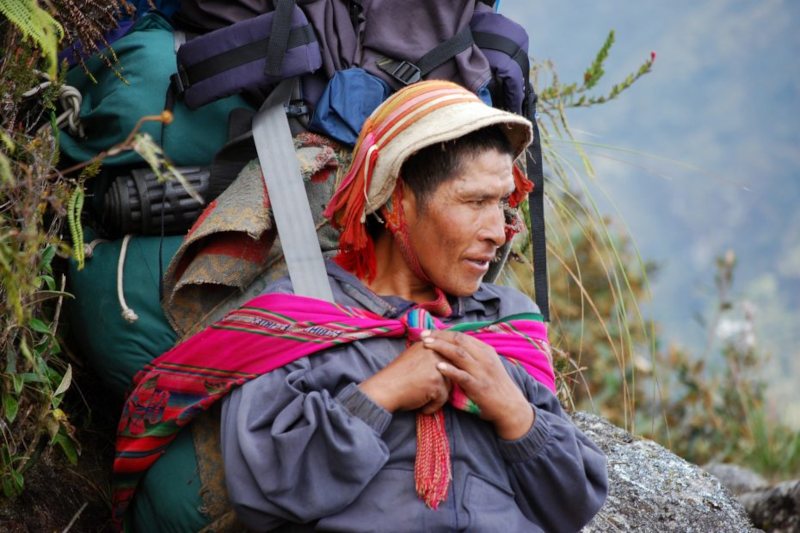
So… who are the porters of the Inca Trail, really?
The porters of the Inca Trail are part logistics crew, part camp crew, part endurance athletes. Many come from Quechua-speaking communities around Cusco and the Sacred Valley. They know the route like a familiar commute—except this commute includes steep stone staircases, thin air, and weather that can flip moods in minutes.
And while “porter” sounds like a single job title, the reality is more like a project team. There’s planning, coordination, and a workflow that has to click: tents, kitchens, food, fuel, dining gear, sanitation setups, and the daily timing that keeps everyone safe and fed.
The part you don’t see: mountain operations, running on a tight schedule
From the hiker viewpoint, a day can feel simple: wake up, eat, hike, arrive, collapse (happily). For porters, the day is a chain of tasks with almost no slack. They’ll often pack down camp early, shoulder shared gear, and move ahead so your next stop is ready before you drag yourself in.
Think of it like backstage at a live show. The audience sees the concert. The crew sees cables, cues, and the frantic “we’ve got five minutes” reality. Different worlds, same event.
Typical porter duties can include:
- Moving group gear: tents, dining setup, cooking supplies, and food
- Setting up camp fast (even when the sky looks like it’s plotting against you)
- Keeping campsites orderly—because chaos at camp multiplies
- Coordinating with guides and cooks so timing doesn’t fall apart
That’s why a well-run trek feels smooth. It’s not magic; it’s good operations.
“But I hired a guide.” Yep—and the guide can’t do it alone
Inca Trail guides are your front-of-house team: pacing, safety calls, history, group morale, and the little decisions that keep a day from going sideways. Porters are the behind-the-scenes engine that makes the plan workable: camp, supplies, and that steady rhythm that keeps the trek from turning into a DIY survival exercise.
When the trail gets real—altitude sickness, sudden rain, a slower hiker—this team dynamic matters. Guides manage risk and communication. Porters keep the physical system moving. Different roles, same mission.
Let’s do the ethics check
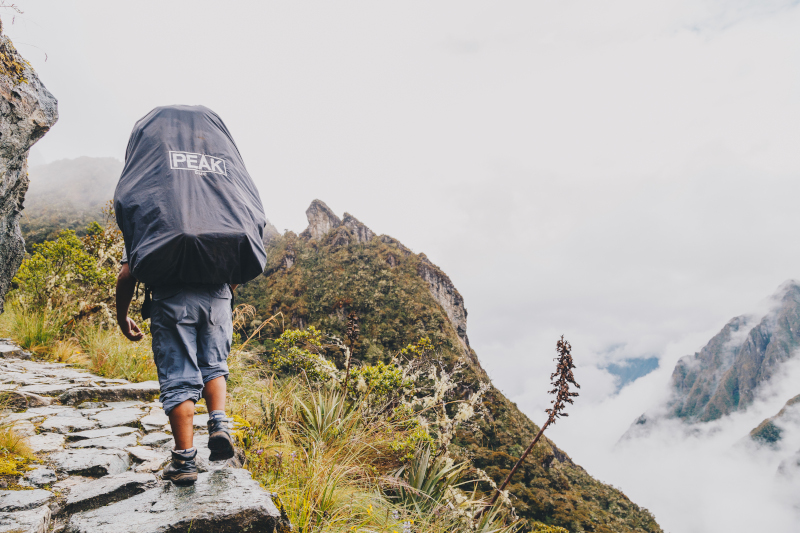
You don’t have to turn your booking process into an interrogation. But you can do a quick welfare scan. Because the lowest price sometimes hides the mess: overloaded staff, thin gear, or a “hurry up and deal with it” culture.
Here are a few calm, practical questions to ask an operator:
- What’s your load policy for porters, and how do you enforce it?
- Do porters have proper sleeping gear and meals on the trek?
- How do you handle medical support and emergency plans?
- How are tips collected and shared?
Notice the vibe of the answers. Clear, specific, and respectful is a good sign. Vague and defensive? That’s useful information too.
A small digression that matters: permits, seasons, and why things feel “sold out”
If you’re planning your trek from the United States, here’s the reality: the Inca Trail isn’t like showing up at a national park on a random weekend. Permits are controlled, operators work with strict rules, and popular dates can disappear early—especially in the dry season (think late spring through summer) when the trail is at its most predictable.
So if your calendar is tight—honeymoon, graduation trip, “I finally got PTO approved”—book early. Not because you’re being extra, but because the system has real capacity limits.
Packing rules: it’s not paperwork; it’s someone’s back
Most treks include a duffel carried by porters, with a weight limit set by the operator (often around a few kilos—many travelers hear numbers like 7 kg, but it varies). This is where good intentions turn into action.
Overpacking doesn’t only make you uncomfortable. It can shift weight and strain onto someone else. That’s why reputable teams weigh bags and stick to the rule. It can feel strict—then you remember: it’s a workplace safety issue, not a personal challenge.
If you want a real-world reference point before you go, places like REI’s packing checklists can help you cut “nice-to-have” items that quietly add weight. Leave the extra hoodie. Bring the blister care.
How much to tip porters on inca trail treks (and how to make it not weird)
Tipping on the Inca Trail can feel fuzzy because every company structures teams a bit differently. The cleanest move is this: ask your guide early, plan cash in small bills, and follow the system your group uses.
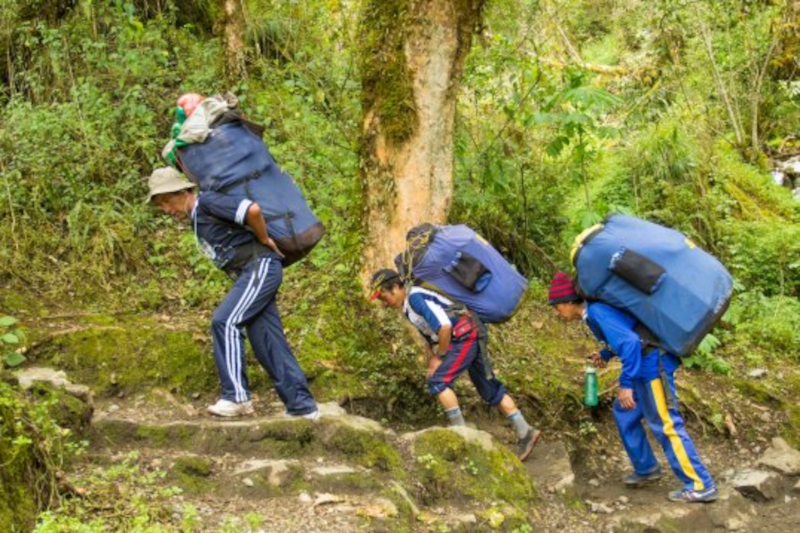
Many operators prefer a pooled tip that’s shared among porters, cooks, and guides. It’s basically a simple payout process—less awkward, more transparent, fewer “did I do this right?” moments.
So, how much to tip porters on inca trail routes? You’ll hear a range. Plenty of travelers budget something like 50–60 soles total per trekker for the whole crew on a classic multi-day trek, then adjust based on group size, trek length, and service. Your guide’s recommendation is the one to trust, because they know the crew setup and what’s standard for that specific operation.
Quick tipping pointers:
- Set the money aside before you start the trek (Cusco is easier than a campsite).
- Carry smaller notes—change is not a given on the trail.
- Pair cash with a direct thank-you. It lands better than you think.
One important note, said plainly: tips should be a “thank you,” not a substitute for fair pay. A good company has wages handled; tips are extra.
Respect on the trail: simple stuff, big impact
You don’t need to become everyone’s best friend. In fact, you can be quiet and still be -respectful. But a few small habits change the whole tone of the trek.
For example: if a porter is moving fast behind you on a narrow path, step aside when it’s safe. They’re working. Also, try not to stop for photos in choke points. It’s a tiny thing—until it isn’t.
And here’s the mild contradiction: you don’t need much language… yet learning a couple words helps. A simple “Buenos días” or “Añay” (thank you in Quechua) can soften the day. You know what? Even a smile and a nod, done sincerely, goes a long way.
Choosing porter services with care (a.k.a. selecting a good partner)
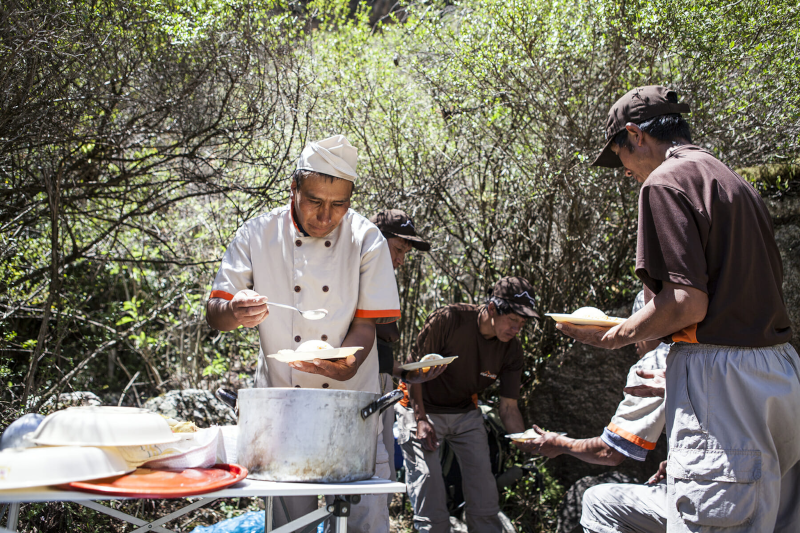
When you compare porter services, look past the glossy photos. You’re choosing an operator’s culture. Do they talk about porter welfare clearly? Do they mention load checks, gear support, meals, and sleeping arrangements? Do they treat porters as professionals?
This is where a more “work” lens helps. If you were hiring a vendor for a high-stakes project, you’d ask about process and risk, not only price. Same idea here. The stakes are just… steeper.
Why this changes your whole trek (even if you don’t notice it at first)
On day one, you might be focused on your own breathing. Fair. But somewhere around the second camp—when you stumble in tired and the tent is already up, dinner smells amazing, and everything feels oddly organized—you start to see it.
The Inca Trail is famous for stone paths, cloud forest, and that final arrival at Machu Picchu. Still, many travelers leave talking about the crew. The speed. The stamina. The steady professionalism.
If you take one thing with you, make it this: treat porters like the skilled teammates they are. Pack within the limit. Follow your guide’s lead. Tip thoughtfully. Say thank you more than once. The trail may end at a postcard view, but the people who carried the day? They’re part of the memory.