


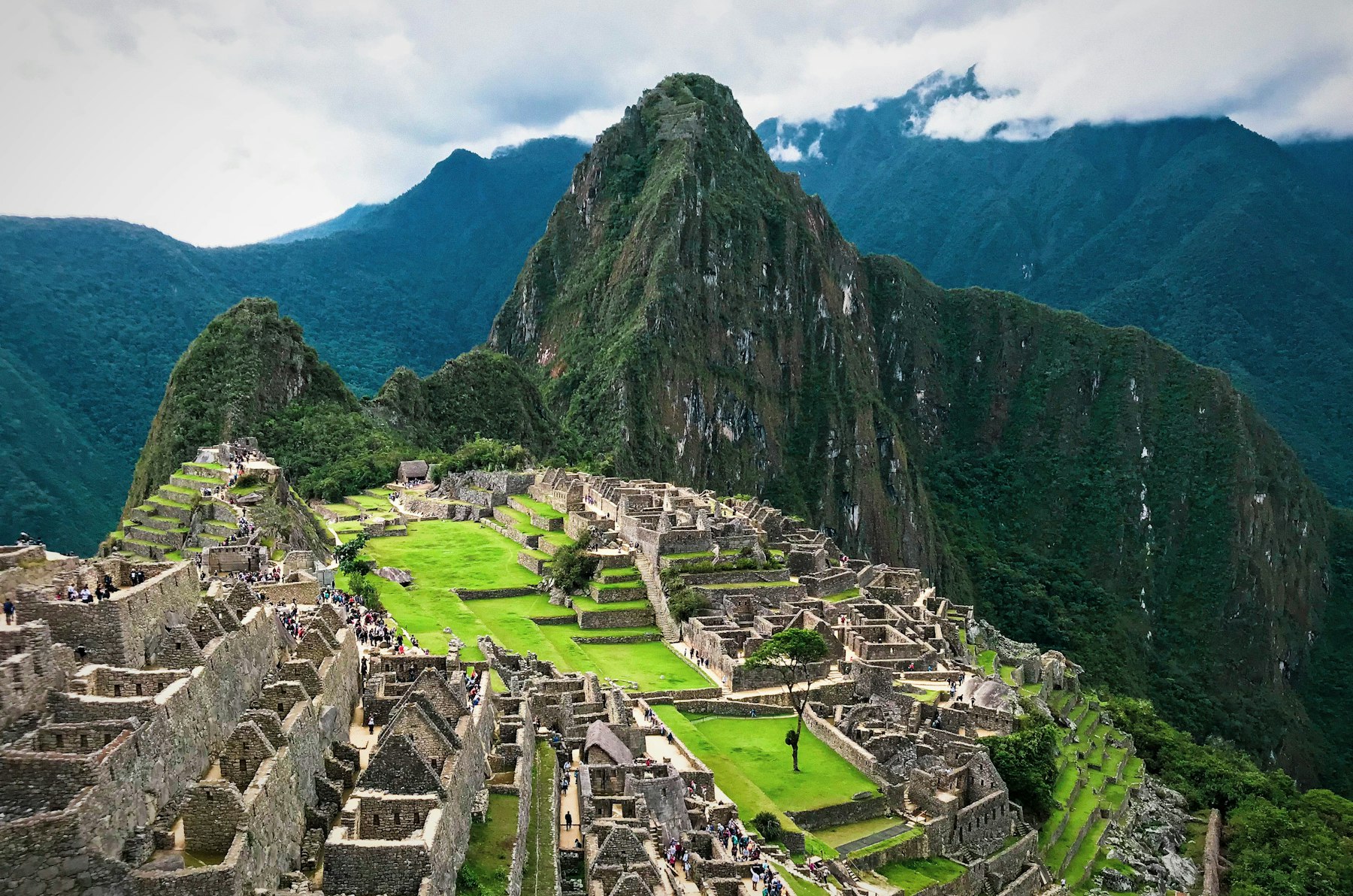
How to Get to Machu Picchu: Every Route From Cusco Compared
Most visitors reach Machu Picchu in three legs: fly Lima to Cusco, take the train to Aguas Calientes, then ride the bus up. Trains leave from Ollantaytambo or the Cusco area; the bus takes 25–30 minutes, or you can walk in about 1.5 hours. Hikers can arrive on foot via the Inca Trail, Salkantay or Inca Jungle treks.
The short answer: three legs from Lima to the ruins
- Lima to Cusco: a flight of about 1 hour 30 minutes.
- Cusco to Aguas Calientes: a train of 1.5–2 hours from Ollantaytambo, or 3.5–4 hours from the Cusco area.
- Aguas Calientes to Machu Picchu: a 25–30 minute bus ride or a steep walk of about 1.5 hours.
Train tickets use the official name for Aguas Calientes: Machu Picchu Pueblo. The citadel needs its own timed entry ticket.
Step 1: How do you get to Cusco?
Fly. The flight from Lima to Cusco takes about 1 hour 30 minutes. Overland buses exist but take far longer; our guide to the best way to travel from Lima to Cusco compares the options.
Cusco sits at about 3,400 m, and PeruRail recommends one or two days there to acclimatise first.
Step 2: How do you get from Cusco to Aguas Calientes by train?
Tourist trains to Aguas Calientes are run by PeruRail and Inca Rail. Most departures leave from Ollantaytambo, a Sacred Valley town about 1 hour 30 minutes from Cusco by road. A taxi there costs about S/70–85, according to PeruRail.
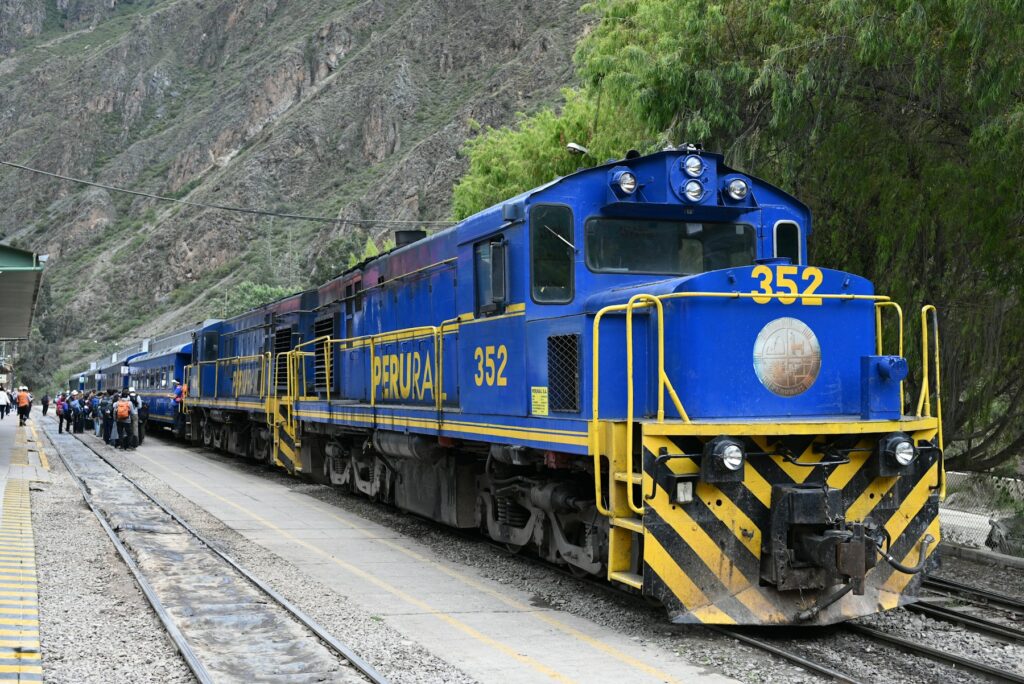
The ride from Ollantaytambo takes about 1.5 to 2 hours. Direct trains from Cusco’s Poroy or San Pedro stations take 3.5 to 4 hours, and they run only from May to December.
Each company sells several classes:
- PeruRail: Expedition (standard), Vistadome and Vistadome Observatory (panoramic), plus the luxury Belmond Hiram Bingham.
- Inca Rail: The Voyager, The 360°, The Prime and The First Class. One-way fares from Ollantaytambo start at about US$62, US$79, US$79 and US$292 (late 2026).
PeruRail lists fares only in its booking engine, and they vary by date and time. For class-by-class detail and timetables, see our complete guide to the train to Machu Picchu.
Which station: Cusco or Ollantaytambo?
Ollantaytambo has the most timetables and the shortest ride, so it suits most people. Starting in Cusco saves you the long road transfer, but the journey is longer and there are fewer departures.
What changes in the rainy season (January to April)?
From January to April, PeruRail trains do not start in Cusco. Instead, a bus leaves Wanchaq station, five minutes from the centre, and connects with the train in the Sacred Valley. PeruRail lists this bus-and-train service at about 4 hours 40 minutes on the Expedition.
Since September 2025, some of these connections transfer at Pachar station rather than Ollantaytambo, so check your ticket. Inca Rail’s Cusco service is always a bus to Ollantaytambo followed by the train, from about US$75 one way.
Step 3: How do you get from Aguas Calientes up to Machu Picchu?
The shuttle bus (and the 2025–2026 dispute)
The bus climbs the zigzag Hiram Bingham road in 25–30 minutes, and uphill buses start around 5:30 a.m. A return ticket costs US$24 for foreign adults, or US$12 one way. Buy it online or at the official booth on Avenida Hermanos Ayar, ideally the afternoon before.
The service has been unsettled since Consettur’s 30-year concession ended in September 2025. Protests that month blocked the railway, and about 1,400 tourists were evacuated by special trains.
As of September 2026, Consettur and a second company, San Antonio de Torontoy, were both carrying passengers. The Urubamba provincial council was preparing a new tender, which legal challenges could delay. Leave a spare day in case of strikes, and keep the walking option in mind.
Walking up
The footpath climbs about 400 vertical metres on roughly 1,700 steps. Expect 1 hour 20 minutes to 1 hour 45 minutes going up, and 45 to 60 minutes coming down.
It is steep and humid, so start early and carry water. Riding up and walking down saves your legs for the ruins.
Can you hike to Machu Picchu instead?
Yes. Four well-known treks reach Machu Picchu or Aguas Calientes on foot, and you return to Cusco by train afterwards.
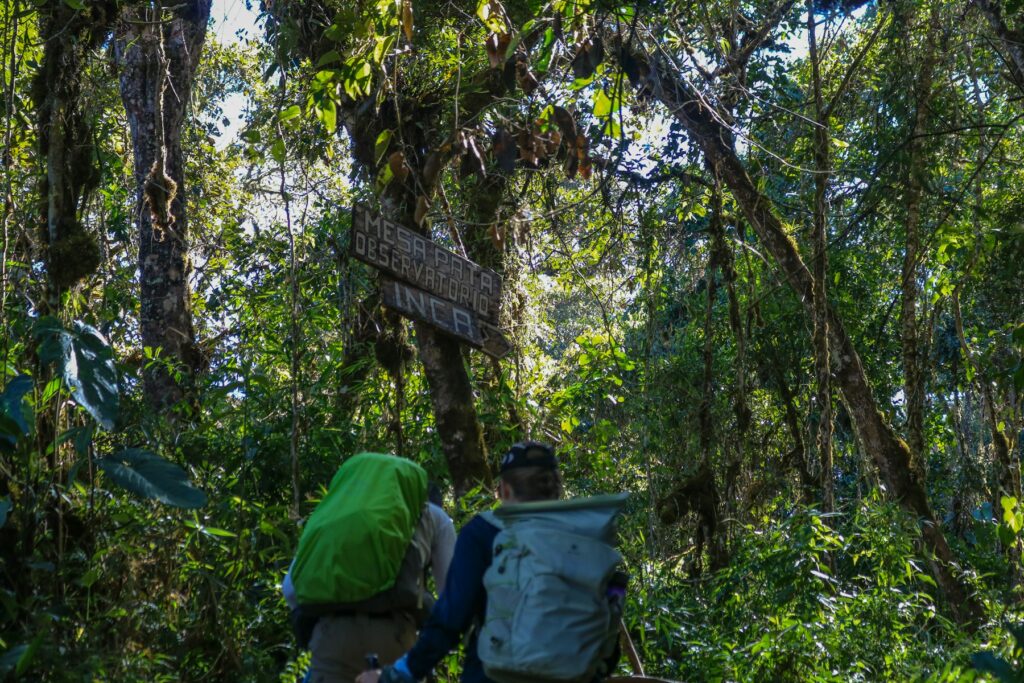
Classic Inca Trail (4 days)
The original Inca road starts at Km 82 on the railway and covers about 40 km in four days and three nights. Its high point is Dead Woman’s Pass, at about 4,215 m, and you arrive through the Sun Gate.
Permits are capped, sold only through licensed operators and linked to your passport. The trail closes every February for maintenance. Read our Inca Trail permits guide before fixing dates, or see our 4-day Inca Trail tour.
Short Inca Trail (2 days)
This version starts at Km 104, a stop on the train line, and covers about 10–11 km in a day. You pass the terraces of Wiñay Wayna, reach the Sun Gate in the afternoon and sleep in Aguas Calientes.
It still needs an Inca Trail permit, but there is no camping. Our Short vs Classic Inca Trail comparison helps you choose.
Salkantay Trek (5 days)
Salkantay crosses a pass of about 4,600 m below a snowy peak, then drops into cloud forest. No trekking permit is required, so it is the best backup when Inca Trail permits are gone.
On our 5-day Salkantay trek, the last trekking day ends with a walk along the railway from Hidroeléctrica into Aguas Calientes.
Inca Jungle Trek (4 days)
This multi-sport route mixes a downhill bike ride from Abra Málaga, optional rafting, a zipline and a hike to hot springs near Santa Teresa. It finishes with the same railway walk to Aguas Calientes.
What is the budget route via Hidroeléctrica?
The cheapest way to reach Aguas Calientes skips most of the train. You ride a van from Cusco to Hidroeléctrica station, about 6 hours via Santa María and Santa Teresa. Then you walk about 2.5 hours along the tracks, roughly 10 km on the flat.
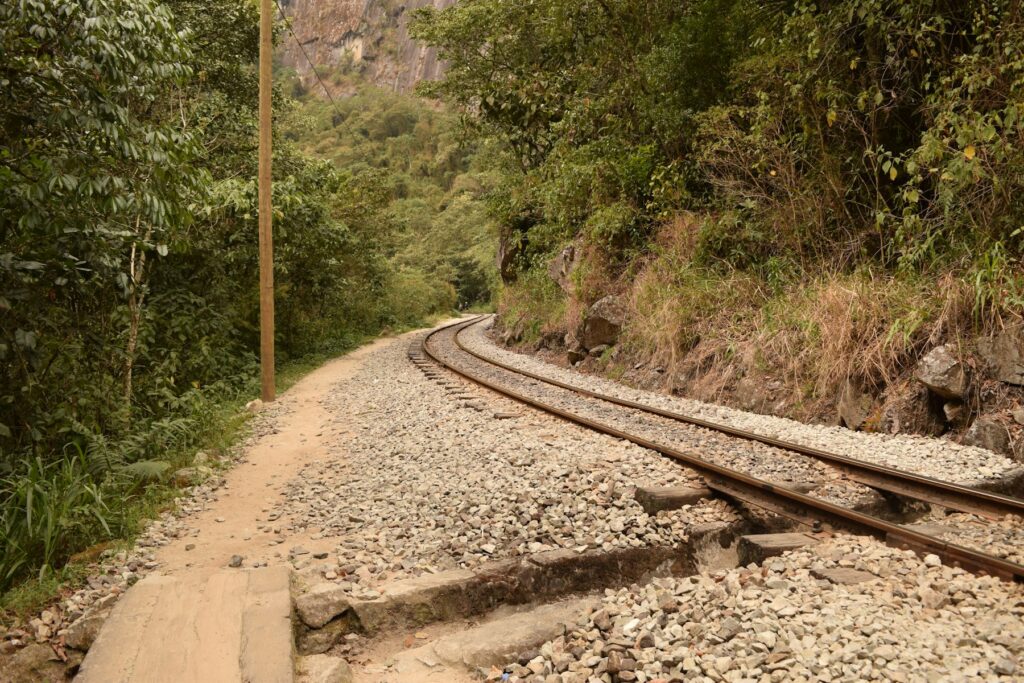
Shared vans cost about US$20–25 each way, and a short train from Hidroeléctrica can replace the walk. Door to door, expect 10–12 hours.
The savings are real, but so are the downsides:
- The road: it is narrow and winding, with sharp curves and steep drops. Bring motion-sickness tablets if you need them.
- The time: you lose most of a day each way, so it turns Machu Picchu into at least a two-day trip.
- Landslides: they can block the road and the railway in the wet months. In March 2026 a mudslide destroyed parts of the track and footpath near Mandor.
- The walk: you follow an active railway, often in heat or rain, carrying your luggage.
- Reliability: punctuality varies, which is risky before an early entry slot.
We only suggest it in the dry season (May to October) and if your plans are flexible.
Every route to Machu Picchu compared
Times are from Cusco. Costs are per person in 2026 and exclude the Machu Picchu entry ticket unless a tour includes it.
| Route | Travel time from Cusco | Cost range (2026) | Best for |
|---|---|---|---|
| Road to Ollantaytambo + train | About 1.5 h by road + 1.5–2 h by train | Train from about US$62 one way; taxi about S/70–85 | Most travellers; anyone staying in the Sacred Valley |
| Train from Poroy or San Pedro (May–Dec); bus + train from Wanchaq (Jan–Apr) | 3.5–4 h; about 4 h 40 min by bus + train | Inca Rail bus + train from about US$75 one way | Cusco-based travellers wanting one booking |
| Classic Inca Trail | 4 days | About US$500–1,000+ (tour with permit) | Fit hikers who can book months ahead |
| Short Inca Trail | 2 days | About US$400–650 | A taste of the trail without camping |
| Salkantay Trek | 5 days | About US$350–600 | Hikers who missed Inca Trail permits |
| Inca Jungle Trek | 4 days | About US$270–700 | Active travellers who like variety |
| Van to Hidroeléctrica + walk | 10–12 h door to door | Van about US$20–25 each way | Tight budgets, dry season, flexible plans |
Add the bus up (US$24 return) unless you walk. If time is short, our Machu Picchu day trip from Cusco handles every connection in one long day.
What tickets do you need for Machu Picchu?
Our essential guide to Machu Picchu tickets covers each one in detail.
- Entry ticket: each ticket is for one circuit (1 panoramic, 2 classic or 3 royalty) and a set entry time. Foreign adults pay S/163 (about US$47), including an S/11 conservation fee added in May 2026.
- Where to buy: only on the official Tu Boleto site. Under rules introduced in September 2026, you get 15 minutes to pay and the ticket is issued in your name.
- Sell-outs: the daily cap is 5,600 visitors in high season (mainly 19 June to 2 November 2026) and 4,500 otherwise. Huayna Picchu and the other mountain routes go first.
- Last-minute tickets: about 1,000 a day are sold in person in Aguas Calientes, usually for the next day. In mid-October 2026 they sold out three days running.
- Bus and train tickets: the bus is US$24 return unless you walk. Carry your passport for both.
- Passport: the name and ID number must match your entry ticket at the gate.
Tips for a smooth journey to Machu Picchu
- Start in the Sacred Valley. Ollantaytambo (2,792 m) is about 600 m lower than Cusco, and the citadel sits at 2,430 m. Sleeping in the valley first eases the altitude and puts you next to the trains.
- Pack light for the train. Inca Rail allows one bag of up to 8 kg and 118 cm (height + length + width). PeruRail allows one backpack up to 8 kg or one carry-on up to 12 kg. Leave big suitcases at your Cusco hotel.
- Build in a buffer day. Bus disputes, protests and landslides have all disrupted travel since 2025. Avoid flying home the same evening.
Let us handle the logistics
Our 2-day Machu Picchu tour covers the train, the bus, your entry ticket, a night in Aguas Calientes and a licensed guide. Want to hike instead, or match a route to your dates? Message us through our contact page or on WhatsApp at +51 918 885 164.
How to get to Machu Picchu: frequently asked questions
How long does it take to get from Cusco to Machu Picchu?
About 3.5 to 4 hours each way via Ollantaytambo: roughly 1.5 hours by road, 1.5–2 hours by train and a 25–30 minute bus. Direct trains from Poroy or San Pedro take 3.5–4 hours and run from May to December.
How much does it cost to get to Machu Picchu from Cusco?
Budget at least US$195 per person for a do-it-yourself return trip. That covers the train from about US$62 each way, the bus at US$24 return and the S/163 (about US$47) entry ticket. Transfers, hotels and guides are extra.
Is the bus from Aguas Calientes to Machu Picchu running in 2026?
Yes. As of September 2026, Consettur and San Antonio de Torontoy were both running buses while a new concession is decided. Foreign adults pay US$12 one way or US$24 return, and the walk up takes about 1.5 hours if service stops.
Do trains run from Cusco city in the rainy season?
Not directly. From January to April, PeruRail runs a bus from Wanchaq station to the Sacred Valley, where you board the train. Inca Rail’s Cusco service is always a bus to Ollantaytambo plus the train.
Do I need to buy Machu Picchu tickets in advance?
Yes, especially from June to October and for Huayna Picchu or Machu Picchu Mountain. Buy on the official Tu Boleto site; the 1,000 next-day tickets sold daily in Aguas Calientes can sell out.