Terms and condition Peru travel
Adventure 4D/3N

Private Inca Trail Tours to Machu Picchu 4 Days

Duration 4 days
Group size Max 10
Difficulty Moderate
Tour Overview

Inca Trail Private Tour 4 Days to Machu Picchu

Private Inca Trail Tours to Machu Picchu is our luxury private tour service. This Inca Trail trek to Machu Picchu can depart at any time, as long as permits are available. 

An expedition with Happy Gringo Tours is an amazing way to get to Machu Picchu. Our guides would share many insights to immerse you in Incan history and culture. 

Our tour guides will share important history and facts with you. This will happen before you arrive at the archaeological site of Machu Picchu. The entire Happy Gringo team works very hard to offer an unforgettable, authentic experience. 

The Private Inca Trail Tours to Machu Picchu are amazing. You are at a high altitude and in the heart of the Andes.

Happy Gringo Tours will take care of everything from start to finish. From the pre-trek briefing to logistics, our experienced crew will demonstrate the Peruvian hospitality. You will learn a lot about the Inca sites on this four-day hike through the cloud forest.

Our Private Inca Trail Tours to Machu Picchu are perfect for families with young kids, groups of friends, and honeymooners. You will receive complete attention and detailed information about the sites from our expert local guides. Each hiker will have a personal porter to carry 8 kgs of hiking gear. So you can simply relax and enjoy your Private Inca Trail Tours to Machu Picchu, the lost city of the Incas.

The highlight of the Private Inca Trail Tours to Machu Picchu

Ultimate 4 Day Private Inca Trail Tours to Machu Picchu — Personalized Adventure

Private Inca Trail tours enhance the classic 4-day Inca Trail experience. They offer a custom trek that fits your pace, preferences, and interests.

Our 4-day private Inca Trail tours to Machu Picchu are different from group hikes. They provide personalized support, flexible schedules, and special attention from expert guides.

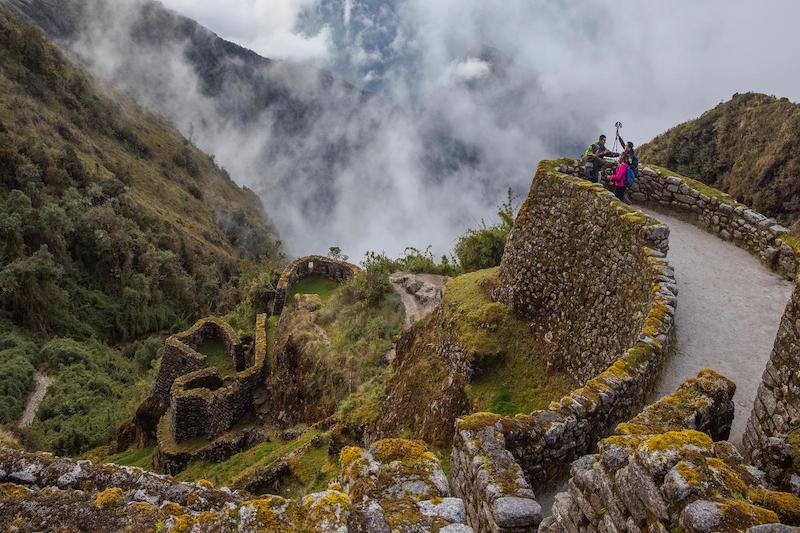
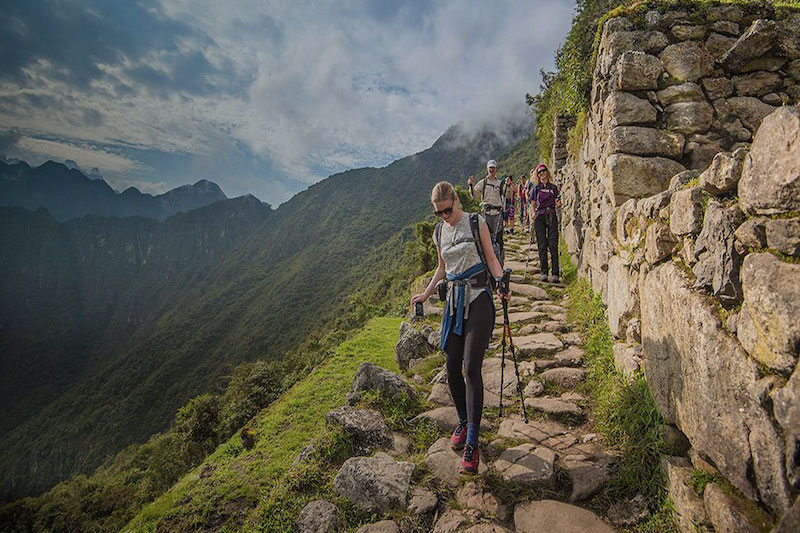
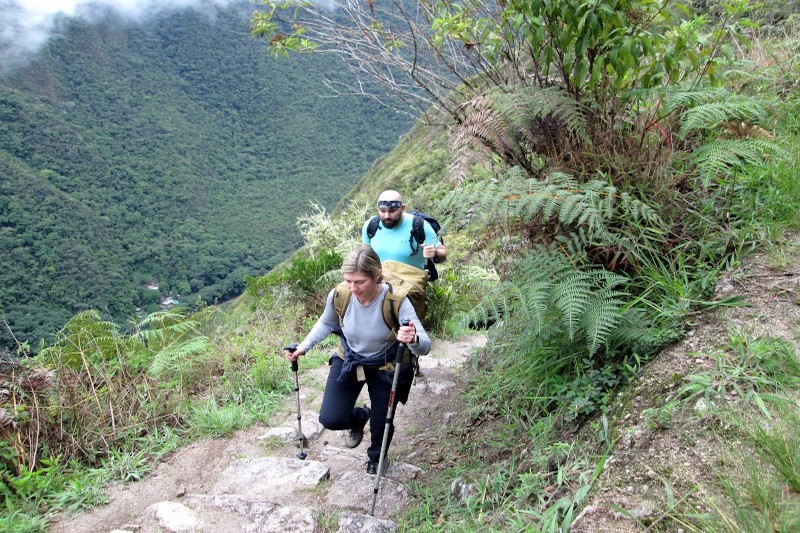
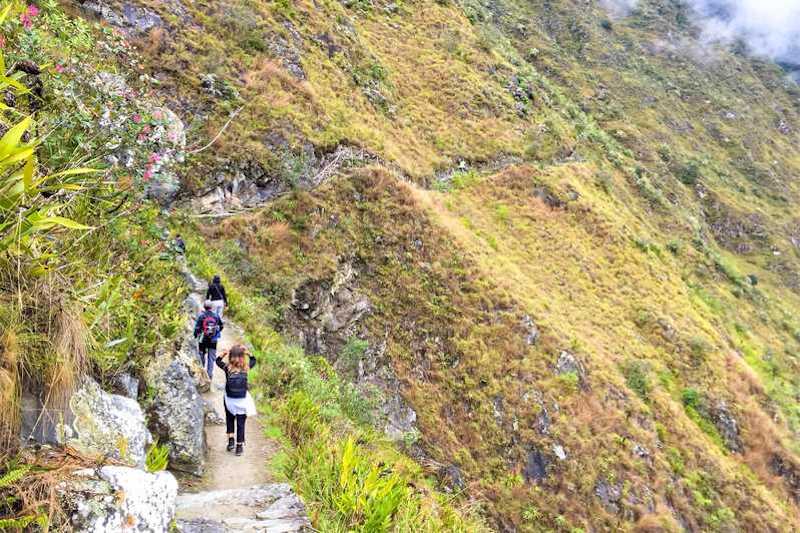
You will begin in the Sacred Valley. You will trek through green cloud forests, high mountain passes, and old stone paths. These paths have linked Andean civilizations for many years.

This private option ensures that every part of your Peru travel plan is tailored just for you. This includes campsite setups and early morning starts. It's perfect for couples, families, honeymooners, and travelers who want a luxury trip in Peru. Enjoy the real experience of a classic trek.

Scenic Highlights & Cultural Insights Along the Inca Trail

The Inca Trail to Machu Picchu is renowned for its breathtaking scenery and archaeological richness. On our 4-day private Inca Trail tours to Machu Picchu, you will see important sites. These include Llactapata, Runkurakay, Sayacmarca, and the famous Wiñay Wayna.

Every stop includes detailed history and cultural context from your licensed guide. This makes it more than just a hiking trip; it’s a journey through Inca civilization.

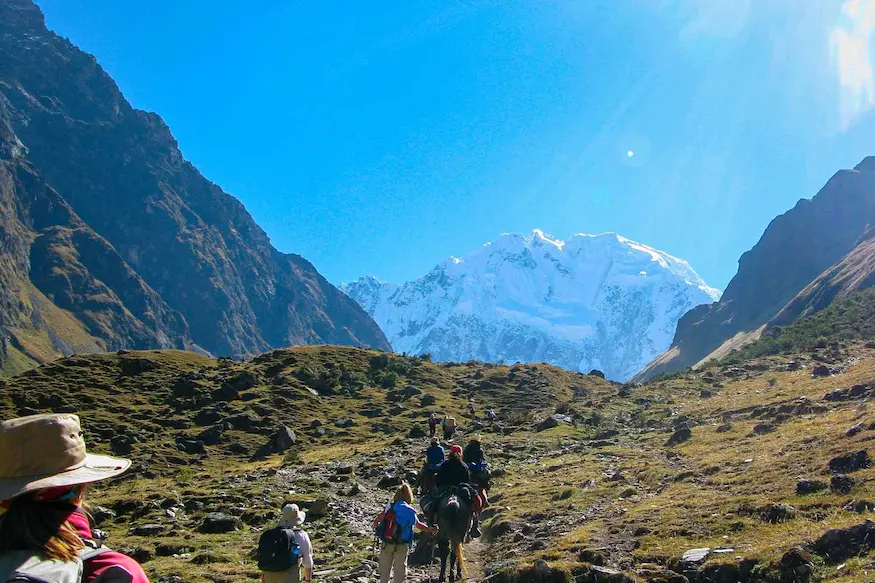
See stunning views of the Andes, unique cloud forests, and amazing geological features. These make the Inca Trail trek in Peru one of the best travel experiences in South America. Since your tour is private, you can take your time at the viewpoints. You can also explore photo spots whenever you want. This is a big advantage over regular group tours.

Comfort & Support on a Private Trek — Ideal for All Travelers

One of the biggest benefits of a 4-day private Inca Trail tour is the high level of comfort and support. We provide porter services and high-quality camping gear. We also offer altitude acclimatization tips and custom packing lists.

Every detail is planned to make your journey smooth and memorable. Whether you are an experienced hiker or a first-time trekker, our Peru travel guide can help you. We focus on Machu Picchu and the Sacred Valley. Our tips will help you adjust to the altitude and avoid common problems encountered on high-altitude treks.

You’ll enjoy nutritious meals prepared on the trail, secure camping environments, and the freedom to hike at your own pace. This personal approach makes the tour perfect for travelers who want adventure without compromise.

Effortless Logistics & Seamless Travel Planning

Booking a 4-day private Inca Trail tour to Machu Picchu means your whole Peru trip is planned from start to finish. We handle all logistics for you. This includes train tickets, park entry permits, campsite reservations, and private transfers. You can focus on the adventure itself.

Train options from Cusco or Ollantaytambo to the trailhead fit your schedule. Return travel from Machu Picchu to Aguas Calientes is also easy. Our team offers important travel tips for first-time visitors to Peru. We also advise on the best time to visit for good weather. This level of organization enhances your overall holiday experience and gives you peace of mind from departure to return.

Unforgettable Arrival at Machu Picchu - Your Reward After the Trek

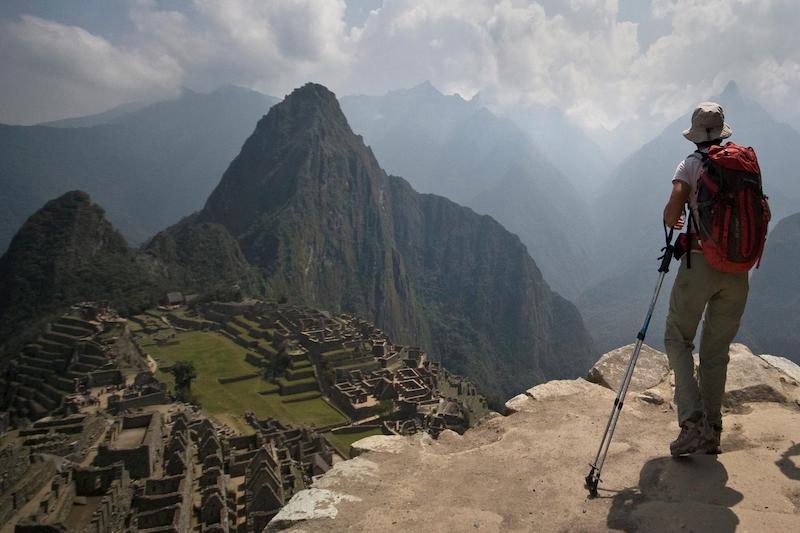
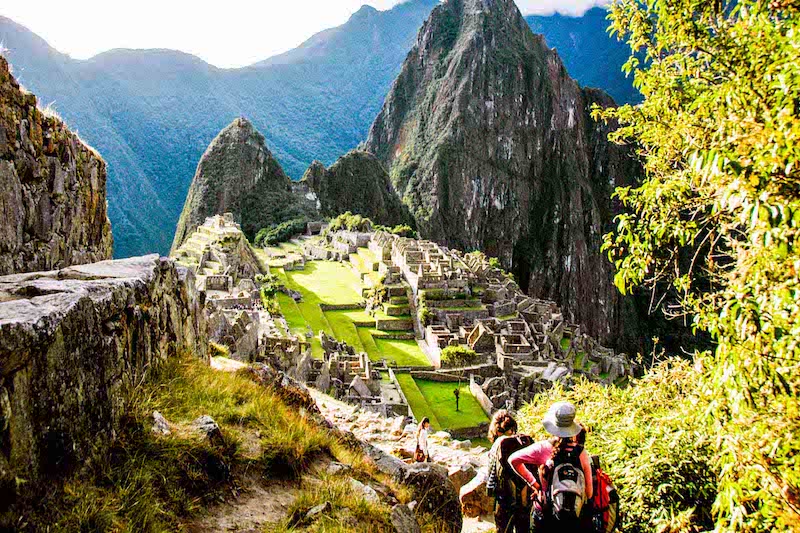
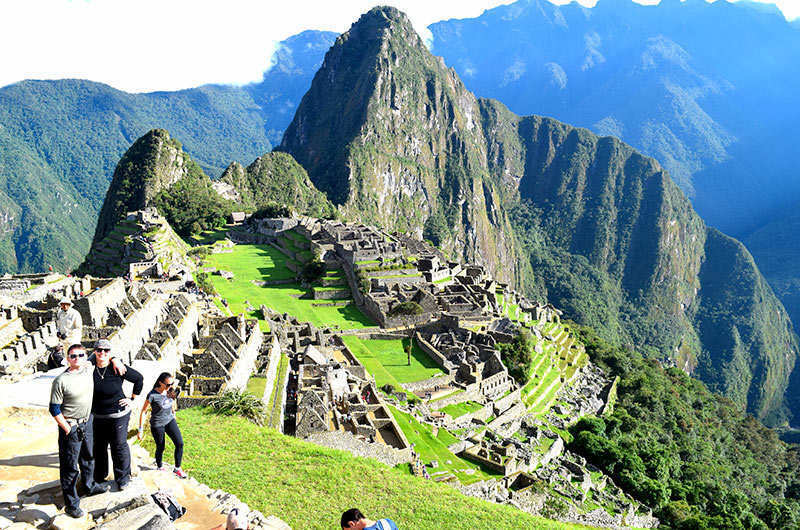
The highlight of every 4-day Inca Trail tour is the special moment at the Sun Gate (Inti Punku). This is when you get your first amazing view of Machu Picchu.

After walking through different landscapes and old Inca paths, you will arrive at the best time for photos. With a private tour, you’ll often reach this moment earlier and with fewer crowds than standard group itineraries.

From there, go down into the citadel with your guide. You will learn about the unique architecture and spiritual meaning of this UNESCO World Heritage Site. This amazing experience is one of the top reasons travelers pick the private trail option. It offers a great mix of adventure, culture, and memories you will never forget.

We will pick you up at your hotel in Cusco. We will take you in our private vehicle. We will drive through the Sacred Valley of the Incas to the Ollantaytambo train station. 

Here, you will be boarding the Aguas Calientes-bound train and will be getting off at Km. 82. This is the trailhead of the Inca Trail Tour. The local authorities will verify your passport and Inca Trail permit. 

The first two hours of the trail will be on a flat surface to the Llactapata archaeological site. After a guided tour of the complex, we will hike for another 2 hours to our lunch camp. Here, we will serve you an exquisite, Organic, and nutritious meal. 

After lunch, we will start the first uphill. You will have time for breaks. Then, we will continue for a couple more hours to reach our first campsite, Ayapata Base Camp.

We will begin the day with an organic breakfast. We will hike up the hill for five hours. Our goal is the highest point of the Inca Trail to Machu Picchu. This point is called Dead Woman’s Pass, or Warmi Wanusca, and it is 4,215 meters (13,779 feet) high.

This is the most challenging part of the Inca Trail. We will have a short break here so you can rest and rejuvenate. 

We will then start hiking for two hours down the hill through original Inca steps. These are quite steep steps. We will then reach our campsite for lunch. 

After lunch, we will be hiking for another two hours up the hill. On our way, we will stop at various Inca sites. 

The popular ones are Runkurakay and Sayamarca. From Sayamarca, it's a 30-minute hike to our exclusive campsite in Chaquicocha.

After enjoying a typical breakfast, we will start the third day of our 4 Day Inca Trail Hike to Machu Picchu. We will hike to the last mountain pass, Phuyupatamarca. This is the best area to witness the highland flora and fauna. 

In Quechua, Phuyupatamarca means “City in the Clouds,” and IntiPata means “Sun above the terraces.” 

We will then stop for lunch at our campsite. After lunch, we will hike to the iconic site, Winay Wayña “Forever Young”. This is one of the interesting sites on the Inca Trail. After a guided tour of the ruins,s we will walk back to our campsite for dinner.

After dinner, we will be bidding goodbye to our porters. 

The highlight is while you hike the Inca Trail to Machu Picchu. We will leave the campsite early in the morning for Inti Punku, or the Sun Gate. You will get the first sight of the Machu Picchu citadel from here. 

We will then hike down to the citadel. We will be giving you a two-hour guided tour. After the tour, you will have some free time to explore the citadel on your own. If you have booked to hike Huayna Picchu or the Machu Picchu Mountains, our guide will direct you to the trailhead. 

After a half-day tour of Machu Picchu, you will be taking a bus to Aguas Calientes. Here we will be serving lunch at a local restaurant. At around 04:00 PM, we will be taking a train back to Ollantaytambo. 

Our representative will meet you upon arrival and transfer you back to your hotel in Cusco. We will be returning to Cusco by 09:30 PM.

Resons To Book the private Inca Trail With Us

  • The only ones in Peru, providing Organic Peruvian Food hiking to Machu Picchu – Hikes designed for health-conscious and curious travelers
  • Our Classic Inca Trail starts in Cusco and finishes in Cuzco
  • Arrive to Machu Picchu citadel by the Sungate
  • Inca Trail Permits Official Site and Real-time Machu Picchu tickets information
  • We will pick you up from your Cusco hotel and Drop off by the center of Cusco (Plaza de Armas).
  • Free luggage storage while hiking Inca Trail Trek
  • Local Expert Guides, Cooks and Porters
  • We are the unique company in Cusco who provides Hot Water Bottle.
  • Free Cusco Airport Pick-Up (Let us know in advance the arrival time to Cusco Airport – Alejandro Velasco Astete Airport).
  • Experience the Legendary Inca Trail to Machu Picchu, hike Inca Trail 4 days to the Seven Wonders of the Ancient World!
  • We have five start ratings on TripAdvisor, the world’s largest travel website
  • Hiking the Inca Trail to Machu Picchu, we are always further ahead of the crowds.
  • Note: After Machu Picchu guided tour – We take bus to Aguas Calientes (Machu Picchu Pueblo) for lunch, then late in the afternoon, train to Ollantaytambo to carry on by bus to Cusco. (All Included).
  • All hikers who want to experience the 4 day inca trail to Machu Picchu must book at least 4 months in advance.
Included

Includes

  • 3 Nights in tents
  • 4 man tent for every 2 hikers
  • Entrance Fees (Inca Trail & Machu Picchu)
  • Return transportation by train and bus to Cusco
  • English speaking tour guide
  • Duffel bag to carry your belongings
Not included

Excludes

  • Travel/Health insurance
  • Tips
  • Breakfast on day 1, lunch & dinner on day 4
  • Sleeping bag

Equipment

Backpack
Backpack

Clothes

Jacket
Jacket

Essential

Passaport
Passaport

Recommended

Sun cream
Sun cream

Explore Cusco through Our Eyes

Stories, tips & travel guides from our team on the ground

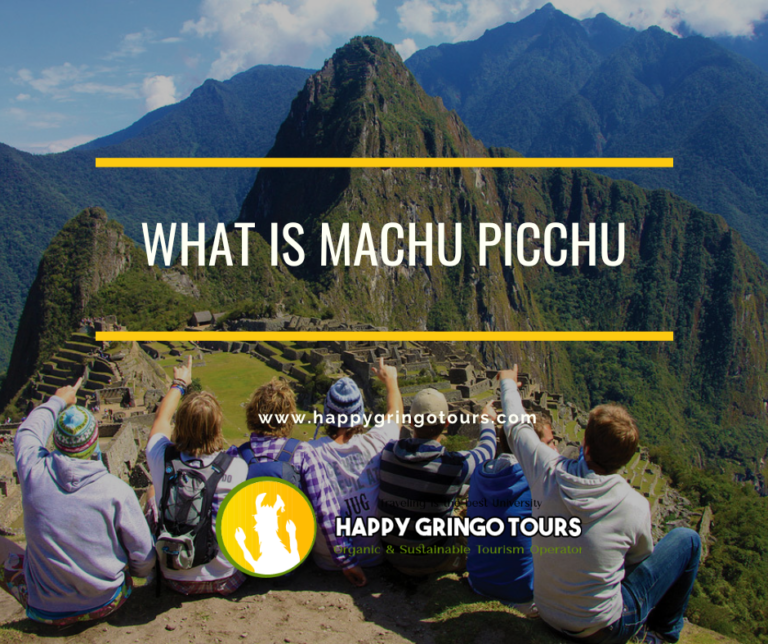
What is Machu Picchu?
Uncategorized
April 29, 2026

What is Machu Picchu?

Machu Picchu, often hailed as the “Lost City of the Incas,” is an awe-inspiring historical sanctuary located high in the rugged Andes Mountains of Peru. This ancient city is not only an architectural marvel but also a testament to the ingenuity and sophistication of the Inca civilization.  As one of the most iconic and well-preserved archaeological sites in the world, Machu Picchu captures the imagination of travelers, historians, and adventurers from all corners of the globe. In this expanded article, we delve into the rich history, profound significance, and unforgettable visitor experience of Machu Picchu, offering you a comprehensive understanding and appreciation of this extraordinary destination. Machu Picchu Unveiled: Secrets of a Lost Inca Citadel The story of Machu Picchu begins in the 15th century during the reign of the illustrious Inca emperor Pachacuti. This period marked a time of great expansion and prosperity for the Inca Empire, and the construction of Machu Picchu was a monumental project that reflected their architectural prowess. Machu Picchu’s construction is a prime example of classical Inca architectural styles, which are renowned for their precision and durability. The city was built using a technique known as ashlar, where stones are cut to fit together without the use of mortar. This method not only ensured stability but also allowed the structures to withstand the region’s frequent earthquakes. The site’s design incorporates terraces and water channels, showcasing the Incas’ advanced understanding of engineering and agriculture. The exact purpose of Machu Picchu remains a subject of debate among historians and archaeologists. While it is widely believed to have been a royal estate or sacred religious site, some theories suggest it may have served multiple functions, including as a ceremonial center and a hub for astronomical observations. The strategic location of Machu Picchu, nestled between the Andes and the Amazon Basin, further underscores its significance as a place of spiritual and cultural convergence. Despite its grandeur, Machu Picchu was abandoned in the 16th century during the Spanish Conquest and remained hidden from the outside world for centuries. It was not until 1911 that American historian Hiram Bingham brought international attention to the site. Since its rediscovery, Machu Picchu has become a symbol of the Incan civilization’s ingenuity and resilience. In 1983, it was designated as a UNESCO World Heritage Site, solidifying its status as one of the world’s most treasured cultural landmarks. Where Mountains Meet Genius: The Sustainable Marvel of Machu Picchu Machu Picchu is more than just an archaeological site; it is a cultural and historical treasure that offers a profound insight into the Inca Empire’s sophisticated understanding of various disciplines. The engineering marvels of Machu Picchu are evident in its intricate network of terraces, stairways, and aqueducts. These structures demonstrate the Incas’ mastery of land management and their ability to adapt to the challenging mountainous terrain. The precision with which the stones were cut and assembled has left modern architects and engineers in awe, as these structures have withstood the test of time. The location of Machu Picchu provided the Incas with access to diverse ecological zones, enabling them to cultivate a variety of crops. The terraces were ingeniously designed to optimize water distribution and prevent soil erosion, showcasing the Incas’ advanced agricultural techniques. This sustainable approach to farming ensured the city’s self-sufficiency and contributed to the prosperity of the Inca Empire. Machu Picchu’s alignment with celestial events highlights the Incas’ deep understanding of astronomy. Structures such as the Intihuatana Stone served as ancient astronomical clocks, allowing the Incas to track solstices and equinoxes. This connection to the cosmos was integral to their spiritual beliefs, as they revered celestial bodies as deities and used astronomical observations to guide agricultural practices and religious ceremonies. From Valley to Citadel: The Sacred Bond Between Machu Picchu and the Andes The Sacred Valley, or “Valle Sagrado” in Spanish, is a critical component in understanding Machu Picchu’s significance. This fertile region was the heart of the Incan Empire, serving as an agricultural powerhouse and spiritual center. The interconnectedness of the Sacred Valley and Machu Picchu underscores the Incas’ reverence for nature and their ability to harmonize with their environment. The proximity of the two sites highlights the seamless integration of the Inca society’s agricultural, spiritual, and cultural aspects. Machu Picchu’s breathtaking location is one of its defining characteristics, offering visitors an unparalleled view of the majestic Andes Mountains and the lush Urubamba River Valley below. Perched at an elevation of approximately 2,430 meters (7,970 feet) above sea level, Machu Picchu’s location presents both challenges and rewards for visitors. The high altitude can cause altitude sickness, which is why acclimatization is essential. Spending a few days in Cusco or the Sacred Valley, which are at slightly lower altitudes, can help travelers adjust to the thinner air and enhance their overall experience. The site is situated on a mountain ridge, providing panoramic vistas of the surrounding peaks and the verdant valley. The dramatic landscape is not only visually stunning but also served a strategic purpose for the Incas, offering natural protection and a vantage point for observing the surrounding environment. The diverse flora and fauna of the region add to its ecological richness, making it a haven for nature enthusiasts and photographers alike. Machu Picchu Unshaken: Earthquakes, Architecture, and Andean Adventure…