Peruvian Ceviche: A Culinary Symbol of Peru’s Heritage
There are dishes that not only satiate our appetite but take us on a culinary journey across cultures and civilizations. Peruvian ceviche is one such dish, a gastronomic marvel that serves as a proud representative of Peru’s rich culinary heritage. Wrapped in a delightful blend of fresh fish, lime, and native spices, this vibrant dish tells a colorful story of Peru’s diverse history, geography, and culture.
Peruvian ceviche, also known as cebiche or seviche, goes beyond being just a tantalizing seafood dish. Its roots dig deep into Peru’s past, spanning over thousands of years. The myriad flavors are an interplay of indigenous traditions, Spanish influences, and modern improvisations. Each ingredient plays its part in this ensemble, like characters in an unfolding story, culminating in a delicious masterpiece that mirrors the Peruvian ethos.
A historical journey: The ancient origins and evolution of Peruvian Ceviche
Peruvian ceviche is an iconic seafood dish with deep roots in Peru’s past. Its story begins centuries ago, predating even the Incas. Some believe that it evolved from a prehispanic dish, a simple concoction of fresh fish, salt, and chili.
Over time, this primitive recipe evolved into today’s Peruvian ceviche, a culinary delight. This evolution reflected Peru’s growing culinary sophistication. It also mirrored the influences from various cultures that visited Peru’s shores.
The Spanish conquest in the 16th century marked a turning point for Peruvian ceviche. Spanish settlers introduced the lime to Peru. This was a transformative moment. The citrusy zing of lime would become integral to the ceviche we love today.
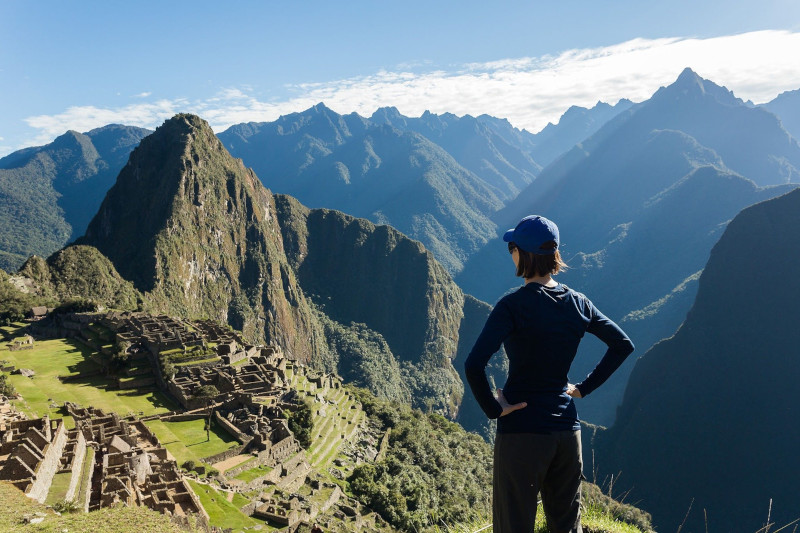
Peru is a good travel destination, with much to offer beyond food. Machu Picchu, for example, is an awe-inspiring sight. Still, many visitors are captivated by the country’s culinary offerings, particularly Peruvian ceviche.
Peruvian ceviche was no longer just a fisherman’s meal by the 19th century. It had gained recognition in the high society of Lima. In the following years, its popularity spread across Peru.
This dish now symbolizes Peru’s rich culinary tradition. Each serving of Peruvian ceviche is a testament to the country’s gastronomic evolution. This evolution, spanning centuries, resonates in each refreshing bite.
In the 21st century, Peruvian ceviche has found its way to global menus. From New York to Tokyo, this dish wins hearts. It stands as a gastronomic ambassador for Peru, telling its delectable history.
Thus, the journey of Peruvian ceviche from ancient Peru to global tables is fascinating. Its evolution, like the dish itself, is rich, vibrant, and deeply satisfying.
Unraveling the recipe: The art and science behind Peru’s iconic dish
The making of Peruvian ceviche is an intricate process. It is a delicate balance of art and science, with each ingredient playing a critical role. The recipe primarily includes fresh fish, lime juice, chili peppers, onions, and salt.
The fish, the star ingredient, should be fresh, never frozen. Traditional ceviche in Peru often uses sea bass or flounder. The freshness of the fish is paramount to the dish’s quality, as it is served raw.
The next critical component is lime juice. Its role extends beyond mere flavoring. The acidic juice ‘cooks’ the fish, denaturing its proteins. This process is similar to heat cooking but keeps the fish tender.
Chili peppers, known locally as ‘aji’, add a fiery touch. The most common variety used is aji limo. It offers a bright, fruity heat that complements the fish’s subtle flavor.
Red onions bring a crunchy contrast. They are typically sliced thinly and rinsed to remove their harshness. This preparation retains the onions’ crispness and enhances their sweet, mild flavor.
Seasoning with salt and garnishing with cilantro complete the dish. Some variations may also include sweet potato and corn. These sides balance the ceviche’s tangy, spicy profile, offering a fuller, more rounded flavor.
Different regions of Peru present their unique spins on this classic dish. For instance, in the Cusco city, trout ceviche is popular. This diversity showcases the breadth of Peruvian gastronomy.
Unraveling the recipe of Peruvian ceviche reveals the thoughtful art and fascinating science behind it. Each ingredient, each step, contributes to a culinary masterpiece that embodies the spirit of Peru.
Beyond the palate: The cultural significance and global influence of Peruvian Ceviche
Peruvian ceviche is more than just a dish. It’s a symbol of Peru’s vibrant culture and rich history. It epitomizes the nation’s culinary spirit, marked by a blend of tradition and innovation. This culinary jewel has a significance that goes beyond the palate.
National Ceviche Day, celebrated annually on June 28, underscores the dish’s cultural importance. It’s a day when Peruvians nationwide pay tribute to their beloved dish. This celebration is testament to ceviche’s integral place in Peruvian life.
The global reach of Peruvian ceviche is noteworthy. From upscale restaurants in Paris to food trucks in Los Angeles, it’s savored worldwide. This dish has single-handedly positioned Peruvian cuisine on the global gastronomic map.
Peruvian ceviche’s international popularity is not just due to its taste. It’s also due to the story it tells, the emotions it evokes. Its success lies in its ability to deliver a taste of Peru’s culture, history, and biodiversity.
To truly appreciate Peruvian ceviche, one must understand its roots. It’s an invitation to explore Peru’s rich landscape and traditions. If you’re planning a visit, consider the Lares Trek to Machu Picchu or the Classic Inca Trail.
Each route promises breathtaking views, historical insights, and of course, plenty of opportunities to savor Peruvian food. Embarking on these treks, you’ll not just experience Peru’s scenic beauty, but also its culinary soul. So, are you ready to embark on this culinary adventure?
The National Bird of Peru: The Cock of the Rock
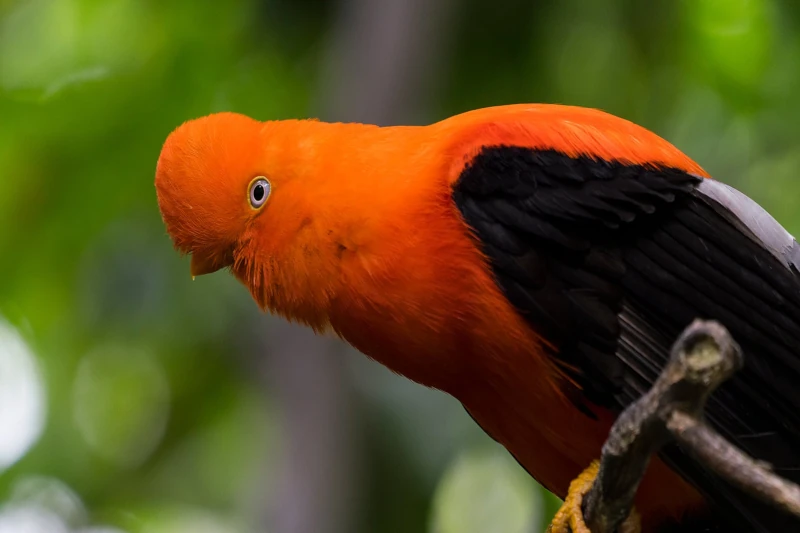
Peru, a nation known for its rich culture and biodiversity, boasts numerous iconic symbols. Among these, the Cock of the Rock stands out. This vibrant bird not only captures attention with its brilliant hues but also represents the heart and spirit of the Peruvian landscape. Known scientifically as Rupicola peruvianus, this avian wonder is a beacon of Peru’s lush cloud forests.
Its unique appearance and behavior have made it a subject of intrigue for both locals and tourists. Join us as we delve into the world of this remarkable bird, and discover why it holds such a revered position in Peruvian culture.
Iconic symbolism: Understanding the significance of Peru’s beloved national bird
Peru, with its vast landscapes and cultural treasures, uses symbols to convey its unique identity. One of the most prominent is the Cock of the Rock. This bird, with its vibrant plumage, stands out in the dense forests.
The significance of the Cock of the Rock goes beyond its stunning appearance. It embodies the nation’s natural wealth and biodiversity. With its bright orange-red crest, it’s hard to miss in its native habitat.
For Peruvians, the Cock of the Rock is more than a bird. It represents resilience, thriving in challenging mountainous terrains. It also signifies purity, nesting in untouched parts of the Andean forests.
Moreover, this bird plays a role in sustainable tourism. Tourists flock to see this magnificent creature in its natural habitat. Local communities benefit, promoting conservation and eco-friendly practices.
Sustainable tourism ensures the Cock of the Rock’s habitat remains protected. It also emphasizes the importance of preserving Peru’s natural beauty for future generations. After all, witnessing this bird in the wild is an unparalleled experience.
In Peruvian folklore and stories, its presence is undeniable. Often, it serves as a symbol of hope, courage, and perseverance. Its captivating dance during mating seasons attracts avid bird watchers globally.
The Cock of the Rock isn’t just a bird to the Peruvians. It’s a symbol of their pride, natural wealth, and cultural legacy. As we understand its significance, we appreciate the depths of Peru’s rich tapestry.
Enigmatic beauty: The majestic plumage and fascinating traits of the Cock of the Rock
The Cock of the Rock proudly stands as one of nature’s artistic marvels. Its fiery orange-red plumage immediately grabs attention. The vivid colors contrast brilliantly with the green of the Peru Amazon.
The bird’s crest, a semi-circular disc, is undeniably unique. This distinguishing feature adds to its majestic appearance. When you spot one, its beauty and charisma leave an indelible mark.
The Cock of the Rock possesses more than just external beauty. Its behaviors and habits fascinate birdwatchers and enthusiasts. For instance, during mating season, males perform captivating dances. They display their feathers and jump energetically, seeking female attention.
The symbolism of its colors and display is noteworthy. In many cultures, vibrant red signifies passion, strength, and vitality. Thus, this bird embodies energy and the vivacity of the Peru Amazon.
Moreover, its vocalizations add to its enigmatic nature. The Cock of the Rock’s calls, echoing through the forests, mesmerize listeners. They have a distinct, melodic quality, evoking curiosity in many.
Habitually, this bird prefers the dense montane forests. It thrives in the canopy layers, living a relatively solitary life. However, during breeding times, they congregate in ‘leks’, performing group displays.
One cannot mention the Cock of the Rock without discussing its nesting habits. Females, being skilled builders, craft nests on rocky cliff faces. They use mosses, ferns, and other materials, ensuring safety for their offspring.
The Cock of the Rock isn’t just a bird; it’s a spectacle. Its dazzling appearance, combined with its intriguing behaviors, makes it stand out. Truly, it’s a testament to nature’s myriad wonders.
Conservation Efforts and Future Outlook: Protecting the Cock of the Rock’s Habitat
The Cock of the Rock’s habitat faces threats from various fronts. Deforestation, mining, and urban expansion endanger their homes. Protecting this bird requires comprehensive conservation strategies.
National parks and reserves in Peru prioritize their safety. They preserve essential breeding grounds and feeding areas. These zones allow them to thrive without human interference.
Local communities play a significant role too. They engage in sustainable practices that protect the environment. Their knowledge and commitment are invaluable to conservation efforts.
Many NGOs and environmental organizations have also stepped in. They work towards restoring destroyed habitats. These groups raise awareness, promoting responsible tourism and eco-friendly initiatives.
Education is another powerful tool in this mission. When people understand the bird’s significance, they’re more inclined to help. Workshops and seminars shed light on their plight.
With joint efforts, we can hope for a brighter future. For the Cock of the Rock, the dream is of thriving populations. A world where their mesmerizing dances fill the forests.
As we progress, each of us can play a part. Supporting conservation initiatives or eco-tourism can make a difference. Every action, small or big, impacts their survival.
Now, as you resonate with this cause, consider an adventure. Take a Machu Picchu Day Trip or embark on a Two Day Inca Trail to Machu Picchu. Not only will you witness the wonders of ancient civilizations, but you’ll also support sustainable tourism initiatives.
These trips prioritize the environment, ensuring the Cock of the Rock and other native species can thrive for generations to come. Join us, and be a part of the journey towards a harmonious coexistence with nature.
Packing for the Lares Trek: A Hiker’s Checklist
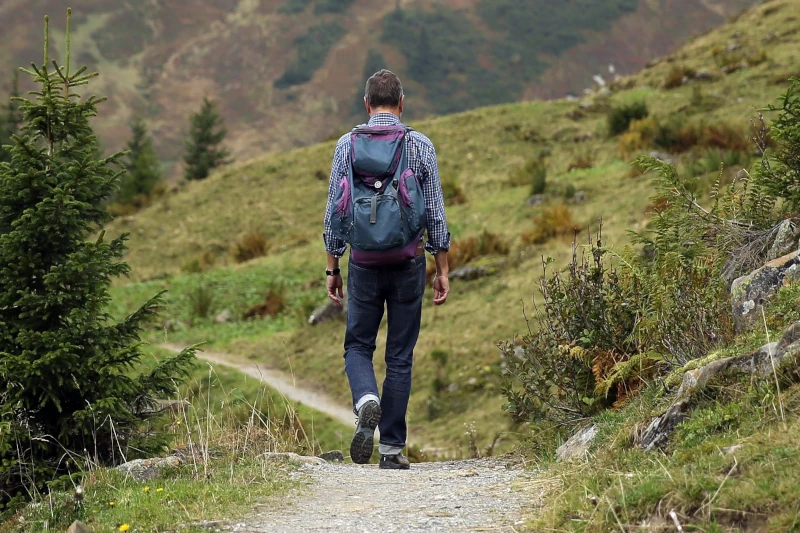
Embarking on the Lares Trek is an adventure into the Peruvian Andes. This journey demands thoughtful preparation. A well-packed backpack is key to enjoying this remarkable experience.
Your packing list can make or break the trek. Essentials vary based on season and personal needs. This checklist ensures you’re well-equipped for the journey ahead.
From clothing to gear, every item counts. Packing light yet comprehensively is crucial. This guide simplifies your preparation, focusing on must-haves for your Lares Trek.
Understanding the Lares Trek: Terrain and Climate
Understanding the terrain and climate of the Lares Trek is crucial for effective preparation. This knowledge directly influences your packing choices. When packing for the Lares Trek, always consider the diverse landscape and weather patterns.
The Lares Trek traverses through various terrains, from lush valleys to high mountain passes. You’ll encounter streams, rocky paths, and potentially snow-capped peaks. Therefore, your packing list should include versatile hiking boots and waterproof clothing.
About the climate, the Lares region experiences significant variations. Days can be warm and sunny, while nights are often cold. Packing for the Lares Trek means preparing for all weather possibilities, including sudden rain or wind.
Altitude is another important factor affecting the climate. As you ascend, temperatures generally drop. This makes layers an essential part of packing for the Lares Trek, allowing for easy adjustments.
Lastly, the region’s natural beauty is breathtaking, but also challenging. Packing lightweight yet durable gear is advisable. Happy Gringo Tours emphasizes the importance of being well-prepared for this magnificent trek.
Essential Clothing and Footwear: Dressing for the Lares Trek
Embarking on the Lares Trek is a journey through diverse climates and terrains. Appropriate clothing is a critical component of packing for the Lares Trek. Understanding how to dress effectively ensures comfort and safety throughout the adventure.
Layering is Key
Layering is the cornerstone of smart dressing for the Lares Trek. The base layer should manage moisture and keep you dry, such as moisture-wicking fabrics. Over this, wear an insulating layer like fleece to retain body heat.
The third layer should be a waterproof and windproof jacket. Weather in the Andes can change rapidly. This outer layer protects against unexpected rain and strong winds.
Waterproof and Windproof Gear
In the Andean highlands, weather conditions can be unpredictable. Packing waterproof and windproof gear is non-negotiable. These items shield you from rain, wind, and even snow, ensuring your comfort and health.
Your jacket and pants should be both waterproof and breathable. Look for features like taped seams and underarm zips for ventilation. These details make a significant difference in your overall trekking experience.
Footwear: The Foundation of Trekking Comfort
Choosing the right footwear is crucial for the Lares Trek. Your boots should be sturdy, comfortable, and broken in. They need to support your ankles and cushion your feet over uneven terrain.
Waterproof hiking boots are a must. They keep your feet dry while crossing streams or trekking through wet grass. Comfortable, moisture-wicking socks complement your boots, preventing blisters and discomfort.
The Importance of Hiking Pants
Hiking pants are an essential part of your trekking wardrobe. They should be lightweight, durable, and quick-drying. Flexibility and comfort are key as you navigate varied terrains.
Consider pants with zip-off legs for versatility. They allow you to adjust to changing temperatures easily. Ensure they have ample pockets for easy access to essentials like sunscreen or a map.
Don’t overlook the importance of accessories. Hats, gloves, and scarves protect you from the sun and cold. Sunglasses and a sturdy hat are essential for sunny days, while warm gloves are a must for chilly mornings and evenings.
Packing the right clothing for the Lares Trek enhances your overall experience. Layering, waterproof and windproof gear, and appropriate footwear are the foundation of your packing list. With the right attire, you’re ready to enjoy the Lares Trek with Happy Gringo Tours.
Backpack Essentials: Navigating the Trek with Ease
The Lares Trek to Machu Picchu is an unforgettable adventure, but it requires thoughtful preparation. Efficient packing for the Lares Trek enhances the overall experience. Knowing what to bring in your backpack is key to navigating the trek with ease.
Day Pack: Your Daily Companion
A comfortable day pack is essential for carrying your daily necessities. It should be lightweight, durable, and have enough space for your essentials. Look for a pack with multiple compartments for easy organization.
Your day pack is where you’ll store items you need quick access to. This includes water, snacks, a first aid kit, and a map or guidebook. Comfortable straps and a waist belt help distribute the weight evenly.
Protection from the Elements
Weather on the Lares Trek can be unpredictable, making a rain poncho a must-have. A lightweight, waterproof poncho can be easily in your day pack. It offers quick protection during sudden downpours, keeping you dry and comfortable.
Sun protection is equally important. Include sunscreen, lip balm with SPF, and sunglasses in your day pack. These items protect you from the strong sun at high altitudes.
Essential Gadgets and Tools
A headlamp or flashlight is crucial, especially for early morning or late evening treks. Ensure it’s lightweight and has long battery life. Extra batteries or a portable charger are also wise to pack.
A water bottle or hydration system is a necessity. Staying hydrated is vital for high-altitude trekking. Choose a durable, reusable bottle to minimize environmental impact.
Packing efficiently for the Lares Trek to Machu Picchu is fundamental for a successful journey. A well-chosen day pack, protection against weather, and essential gadgets are the backbone of your trekking experience. With these items, you’re ready to explore the stunning landscapes with Happy Gringo Tours.
Health and Safety Items: First Aid and Altitude Sickness Prevention
When embarking on the Lares Trek or the Inca Trail to Machu Picchu, health and safety must be a priority. Packing for the Lares Trek demands a well-stocked first aid kit. This kit should include bandages, antiseptic wipes, pain relievers, and blister plasters.
Altitude sickness is a common concern on high-altitude treks like the Lares Trek. Is essential to carry medication for altitude sickness prevention. Hydration salts and anti-nausea medicine are also crucial additions.
Besides medication, include items for general wellness. Sunscreen, insect repellent, and a hat protect against sunburn and insect bites. These items are essential for maintaining good health throughout the trek.
Remember, a compact yet comprehensive first aid kit is vital. It should be easily accessible in your day pack. Always tailor the contents to your personal medical needs.
Prioritizing health and safety is key when packing for the Lares Trek. A well-prepared first aid kit and altitude sickness prevention items are essential. With these in your pack, you’re ready for a safe and enjoyable journey with Happy Gringo Tours.
Camping Gear for Overnight Stays
For those undertaking the Lares Trek and visiting Machu Picchu, proper camping gear is essential. High-quality camping equipment not only enhances comfort but also ensures safety during overnight stays. Packing for the Lares Trek means selecting gear that’s both functional and lightweight.
A durable and weather-resistant tent is the cornerstone of your camping gear. It should be easy to set up and spacious enough for your needs. A good tent provides a haven against the diverse weather conditions of the Andes.
A comfortable sleeping bag is another crucial item. It should be suitable for the low nighttime temperatures you might encounter. Look for a sleeping bag with good insulation, preferably down or a high-quality synthetic material.
Don’t forget a sleeping pad for added comfort and insulation. A pad keeps you off the cold ground, aiding in a restful night’s sleep. This is especially important after a long day of trekking.
Choosing the right camping equipment is a vital part of packing for the Lares Trek. A reliable tent, warm sleeping bag, and comfortable sleeping pad are key. These essentials ensure a pleasant and restful experience during your adventure with Happy Gringo Tours.
Ready for Your Lares Trek Journey
As your Lares Trek journey approaches, finalizing your packing list is crucial. Packing for the Lares Trek involves balancing essentials with lightweight travel. This ensures you’re well-prepared yet not overburdened.
After the trek, you may find yourself relaxing at a hotel in Aguas Calientes. This town is a gateway to Machu Picchu and a haven for weary hikers. Here, you can recharge and reflect on your journey through the Andes.
A visit to the local hot springs is a perfect way to soothe tired muscles. These natural springs offer a serene environment to unwind. Is a deserved reward after days of challenging trekking.
Lastly, remember to carry a sense of adventure and respect for the local culture. The Lares Trek offers more than just a path to Intipunku and Machu Picchu. Is an opportunity to immerse yourself in the beauty and history of the Andes.
Careful packing for the Lares Trek sets the stage for an unforgettable experience. Go with the right gear, an adventurous spirit, and respect for the environment. You’re ready to embark on this amazing journey with Happy Gringo Tours.
Ultimate Packing List: For a Rainbow Mountain Adventure
Embarking on a Rainbow Mountain adventure is thrilling. The journey promises breathtaking views and unforgettable experiences. However, proper preparation is key.
Packing smart can make or break your trip. This ultimate packing list ensures you’re well-equipped. We’ve tailored it specifically for Rainbow Mountain’s unique challenges.
Weather on the mountain is unpredictable. Layers are your best friend. Don’t forget your camera for those panoramic shots.
Our guide is concise, practical, and easy to follow. We want to enhance your trekking experience. Let’s make your Rainbow Mountain adventure memorable.
Essential Gear: Navigating the Weather and Terrain of Rainbow Mountain
Rainbow Mountain stands as a beacon for adventurers. Its vibrant colors draw visitors from around the globe. Yet, the journey demands preparation.
To embark on this Rainbow Mountain adventure, start with the ultimate packing list. Your adventure hinges on what you bring. This guide focuses on essential gear for navigating the challenging weather and terrain you’ll encounter.
Layer Up for Versatility
The weather on Rainbow Mountain can shift dramatically. A sunny morning might turn into a chilly afternoon. Pack layers that are quick drying and versatile.
Your base layer should wick moisture away. A breathable fleece adds warmth without bulk. Finally, a waterproof jacket shields you from wind and rain.
Footwear That Goes the Distance
The terrain en route to Rainbow Mountain Cusco is rugged. Choose hiking boots that support your ankles. They should also have a grippy sole for slippery paths.
Break in your boots before the trip. Blisters can turn an adventure into a challenge. Packing a few blister plasters in your aid kit is wise.
The Travel Packing Essentials
A good travel bag serves as your base. Opt for a carry-on bag that fits all essentials. It should have comfortable straps for easy carrying.
Packing cubes help organize your gear. They save space and keep items accessible. Consider them a must for efficient travel packing.
Always carry a water bottle. Staying hydrated is crucial on the mountain. A reusable bottle is eco-friendly and convenient.
Tech and Personal Items
Don’t forget your credit card and cash. Not all spots accept cards. Keep them safe in a personal item, like a waist pack.
Your phone doubles as a camera and a safety device. Bring a portable charger to keep it powered. A travel-sized adapter is essential for international travel, but there are not many power outlets in the mountain.
Health and Safety First
High altitudes pose unique health challenges. Pack a small aid kit with essentials. Include altitude sickness medication, just in case.
Hand sanitizer keeps germs at bay. Travel-sized bottles are convenient and meet carry-on requirements. Add sunscreen to protect against the strong sun.
Gear for the Rainbow Mountain Adventure
A day trip to Rainbow Mountain and the Red Valley is unforgettable. But the terrain is challenging. Your gear needs to match.
A sturdy travel bag keeps your essentials secure. Make sure it can withstand the elements. A waterproof cover is a smart addition. Or opt for a waterproof backpack
Must-Have Accessories: Enhancing Your Hiking Experience
Embarking on a Rainbow Mountain adventure enriches the soul. The journey, however, demands more than just determination. It requires the right accessories.
These must-have accessories enhance your hiking experience. They ensure safety, comfort, and enjoyment. Let’s explore the essentials for your trek.
Navigation Tools for the Modern Explorer
A reliable GPS device is invaluable. It guides you through unfamiliar terrain. Always carry a map and compass as backups. A cellphone can replace these items, but if you have no power, they can come in handy.
Staying Connected
A portable power bank keeps your devices charged. It ensures your phone is ready for photos or emergencies. Choose a lightweight, high-capacity model.
Protecting Yourself from the Elements
High-altitude sun is intense. A high-SPF sunscreen protects your skin. Pair it with UV-blocking sunglasses for eye safety.
Comfort Meets Functionality
Comfortable hiking socks are crucial. They prevent blisters and keep your feet dry. Opt for materials that offer breathability and quick drying.
A hat shields your face from the sun. It also helps retain warmth when it’s cold. Choose one that’s versatile for all conditions.
Hydration on the Go
A durable water bottle is a must. Hydration is key to combating altitude sickness. Consider an insulated model to keep liquids at the right temperature.
Packing Smart
Lightweight, durable backpacks make carrying essentials easier. Ensure it has enough compartments for organization. A rain cover protects your gear from the elements.
Safety and Preparedness
On a Rainbow Mountain adventure, safety comes first. The right accessories can make all the difference.
An emergency whistle attracts attention if you’re in distress. It’s a simple, yet effective safety tool. Always have it within reach.
A first-aid kit addresses minor injuries on the trail. Customize it to include personal medications. Don’t forget altitude sickness remedies.
Lighting the Way
A headlamp frees your hands for climbing and balance. It’s essential for early morning starts or late finishes. Choose one with adjustable brightness.
Enhancing the Experience
Binoculars bring distant wonders closer. They’re perfect for spotting wildlife or distant landscapes. Opt for a compact, lightweight pair.
Personal Comfort
Travel-sized toiletries keep you feeling fresh. Include biodegradable soap to minimize environmental impact. A quick-dry towel is convenient for unexpected rain or sweat.
On a Rainbow Mountain adventure, it’s the small details that enhance the experience. Insect repellent wards off pests, allowing you to focus on the hike. Choose a natural, DEET-free option for safety and comfort.
A reusable snack bag keeps energy foods handy. Fill it with nuts, dried fruit, or chocolate. Quick energy boosts are essential.
Sustainability on the Trail: Eco-Friendly Items for Conscious Trekkers
Embarking on a Rainbow Mountain adventure ignites a passion for nature. It also calls for responsible trekking practices. Sustainability on the trail is key.
Conscious trekkers understand their impact on the environment. They choose eco-friendly items to minimize their footprint. Let’s delve into these sustainable choices. Eco-Friendly Hydration Solutions
A reusable water bottle is essential. It reduces plastic waste on your Rainbow Mountain adventure. Opt for bottles made from sustainable materials.
Biodegradable Options for your Rainbow Mountain Adventure
Biodegradable soap and shampoo respect the environment. They break down naturally, leaving no trace. Always choose products without harmful chemicals.
Wear clothing made from organic or recycled materials. They offer the same performance without the environmental cost. Look for fair-trade certifications.
Minimizing Waste on the Trail
Bring reusable snack bags for your food. They keep your energy sources handy without littering. Opt for snacks with minimal packaging.
Adhering to Leave No Trace principles is crucial. They guide trekkers to minimize their impact. These principles are essential for sustainability.
Choosing Eco-Conscious Gear
Select gear made from recycled or sustainable resources. This includes your backpack, tent, and sleeping bag. Many brands now offer eco-friendly options.
Solar-powered chargers keep your devices powered. They harness natural energy, reducing your carbon footprint. This is especially useful for longer treks.
Supporting Sustainable Practices
Buying from companies that support environmental causes makes a difference. It encourages more eco-friendly products. Your purchase has power.
Renting gear can also be a sustainable option. It reduces the need for manufacturing and waste. Plus, it’s perfect for infrequent trekkers.
Contributing to Conservation Efforts in your Rainbow Mountain Adventure
Participate in or donate to conservation efforts in the Rainbow Mountain area. Your contribution supports the preservation of this natural wonder.
Also, contract the services of a compromised tour operator. A good tour operator ensures to teach the visitor about conservation. Conscious tour operators preserve the natural beauty of the place.
Salkantay Pass for Beginners: What to Expect
Are you taking the Salkantay Trek? You must prepare for the Salkantay Pass and its challenges. This route is friendly with beginners and experts as well.
This particular location is on the Andes with amazing and rewarding treks. Also, the path along it has amazing landscapes that wait for you. You will be able to experience nature at its best.
This guide will help you with the essential tips for first timers. Learn about what to pack, the best travel times and helpful advice. Prepare yourself for the trek of your life.
What and where is the Salkantay Pass?
The Salkantay Pass is the highest point of the Salkantay Trek to Machu Picchu. This part is usually on the second day of hiking. The Salkantay Pass is at 4600 meters / 15090 ft (approximately).
Preparing for Your Journey: Essential Tips and Packing List
You are traveling to the amazing country of Peru in the Andes? It doesn’t matter if you are traveling to the Inca Trail or the Salkantay Trek to Machu Picchu. You must prepare yourself with these essential tips and packing list to make sure you’re ready.
Start with the Basics
One of the first things you need to consider is the weather, especially if you’re traveling during the rainy season. So, you must bring your waterproof gear. Your clothing must be layered that enables you to change according to the temperatures.
The clothing must be lightweight and breathable that provides you comfort and flexibility.
The footwear is also a concern because you need to choose sturdy, well-fitted hiking boots for the challenging terrain. Get used to them before your departure to prevent blisters and discomfort during the trail. The socks are also important, so pack moisture-wicking socks..
Pack Smart
But, where are you going to carry all your stuff? Your backpack is a lifeline along the Salkantay Trail. You need to opt for a durable backpack with a capacity of 50-65 liters.
Your backpack must have comfortable straps with a lot of compartments. Also, it is important to pack light and include all essentials.
Not all of the tour operators offer you a sleeping bag. Thus your sleeping bag must be of high quality to keep you warm, especially during Salkantay Pass. Check on the temperature ratings of the season you are traveling for days and nights.
If possible, use an insulated mat to add extra warmth and comfort.
For this long trek you’ll need a water purification method, such as purification tablets or a portable filter. Also you’ll need to keep hydrated for the high altitudes. Use reusable water bottles or a hydration bladder for practicality.
Health and Safety Essentials
The altitude sickness is a real concern while you are around the Salkantay Mountain. To avoid any inconvenience, acclimatize in Cusco for at least two days before you begin your adventure. You’ll need to adjust to the elevation changes on the Salkantay Pass.
Also it is very important to have a first-aid kit with essentials like band-aids, antiseptic, and medicine for altitude sickness. Pack personal medications so you have all the necessary. But remember not to add much weight or unnecessary things.
There are not so many hazards along the trail, and you’ll have the guidance of your tour guide. They offer important information that will help you pack and get ready. Our priority is your safety always.
Navigating the Path Efficiently: Stay Connected and Informed
Keep in mind that the connectivity is limited to unpopulated areas. However, in popular areas like Cusco city it is important to stay in connection with a local SIM card. This can come in handy for emergencies or any changes in your itinerary. So, you can be reachable to your tour operator.
Also, inform someone about your travel plans especially if you are trekking alone. Keep in mind to make regular checks with your close ones to keep you safe. Most tours develop seamlessly but have a backup plan in case of emergencies.
Managing Costs and Expectations
The price of any tour is not the only thing you should spend on. There are some extra costs that might arise. Sometimes unpredictable expenses may happen, like emergencies, entry fees or special permits or gear. You should have additional funds for any case.
Another important expense is a local guide for a full immersion. This enhances your experience with knowledge and with a closer look at the local economy. Happy Gringo provides you with the best local tour guides at no extra cost for your tour.
Pay attention and be careful with the culture and the places you visit. The Salkantay Trek to Machu Picchu is more than just a physical journey. It will take you through ancient history by respecting the traditions that will enrich your experience.
These tips will help you on your Salkantay Pass adventure with its natural and cultural highlights. Prepare yourself for the natural and cultural environments to embrace the journey ahead.
Navigating the Trail: Key Challenges and Scenic Highlights
Going through the Salkantay pass to visit Machu Picchu gives you a unique blend of challenges and amazing places. While you walk along this path you’ll face physical tests and amazing views. Here we will show you what to expect and how to make the most of your journey.
The Challenge of Altitude and Distance
As said before, the Salkantay pass reaches an altitude of nearly 4 600 meters above sea level. This altitude may be difficult for some expert hikers. That’s why acclimatization is so important to prevent altitude sickness.
The classic Salkantay Trek has about 60 kilometers of total distance. This means that it requires a good level of fitness and resistance. Prepare yourself with regular hikes and cardio exercises.
The terrain has steep ascents and dangerous descents. These demanding hikes make the whole journey worth it with its spectacular scenery. It is important to have a good pair of boots that ensures you a smooth trek.
Scenic Highlights Along the Way
The best highlight of the Salkantay Trek is the Humantay Lake with its turquoise waters. This gorgeous lagoon contrasts with the snow of the mountains and the peaks. It is a great spot for reflection and photos.
As you reach the Salkantay Pass, you’ll see that the views will improve dramatically and so will the descent. The snowy peaks will watch you from above and you will feel grateful to the earth. These moments will show you the true essence of the Peruvian Andes.
As you descend from the pass you’ll encounter an amazing cloud forest. You’ll witness the diverse flora and fauna of Peru. The experience of the changing ecosystems is a new approach to this trek.
Unforgettable Experiences and Practical Tips: Cultural Insights and Historical Context
Hiking this trail to Machu Picchu is an amazing journey through history. Each step will help you understand the lost city of the Incas. So, make sure you take the to hear the stories while taking the hike to Machu Picchu.
You’ll encounter some small cultural communities like Santa Teresa. Here you can experience the hospitality and kindness of the locals. These experiences will add depth and allure to your adventure.
As you approach Aguas Calientes Machu Picchu Cusco, you’ll feel the emotion. This town is the last stop before reaching the Machu Picchu entry. You’ll encounter travelers from around the world and with delicious food for the end.
Practical Tips for a Successful Hike
Ensure your pack includes essentials like a sleeping bag suitable for cold nights. Nights on the trail can be surprisingly chilly. A warm sleeping bag is crucial for a good night’s rest.
As said before, make sure you have the right things packed like a sleeping bag, warm clothing, snacks. A sturdy pair of boots and a resistible backpack for all your stuff.
Remember that the nights on the trail are pretty cold, especially during the dry season.
Your itinerary must have lesser-known sites to explore. These spots are great if you opt for the tranquility away from the crowds. Once you are in one of them you will be able to take a moment for a personal reflection.
Also, consider the timing of your trek. We don’t recommend traveling during the rainy season. The clearer and drier seasons offer better views and safer trails.
Prepare yourself for respecting the natural and cultural environments. You’ll love your tour to Machu Picchu by hiking the Inca Trail or the Salkantay Pass.
If you are aware of the challenges of the splendors of the hike you’ll embrace your journey. This scenic trail need time to explore to reach its best. This adventure shows you the heart of the Inca heritage.
Machu Picchu Entry Tickets: Your VIP Pass to Llama Land!
Happy Llamas, pack your bags, and get ready for a lifetime adventure! This essential and helpful guide to Machu Picchu entry tickets will keep you laughing. You can reach the Lost City of the Incas without spending much on expensive tickets.
Highlights:
So, let’s dive into the nitty-gritty of planning your adventure to Machu Picchu! First, you’ll want to decide on the type of ticket that suits your travel style. Several options are available, from primary entrance tickets to all-inclusive packages that cover guided tours and transportation.
Comedy Gold: We’ve added a lot of humor to make this the most fun Machu Picchu ticket guide online.
You can be confident that we have included all the essential details for a smooth trip to this world wonder. This will help you be ready for your visit.
Rest assured, you’re getting the most up-to-date information from the llama’s mouth (or the Ministry of Culture’s website, if you prefer). We’ve got the latest ticket types, prices, and policies for 2025 so youcan confidently plan your trip.
Scam-Busting Tips: Don’t get fleeced by dodgy dealers! Happy Gringo will help you avoid those pesky ticket scams.
Llama-Approved Advice: We’ve got insider tips for snagging those elusive Huayna Picchu tickets and avoiding the crowds. Also, look at this impressive 2-day Machu Picchu and Huayna Picchu hike with stairs of death – Make a yolo trip!
Once you have your tickets, it’s time to prepare for the hike. Book those tickets in advance if you plan to climb Huayna Picchu up, as they sell out quickly. The views from the top are breathtaking and worth every step of the climb. Just remember to bring plenty of water and wear comfortable hiking shoes!
If you love history, think about taking a guided tour. Exciting stories about the ancient Inca civilization will improve your experience. You cannot imagine this 3-day Inca History tour to Machu Picchu.
The Best time to buy the Machu Picchu entry tickets
Next up, let’s talk about timing. The best months to visit are typically from April to October, when the weather is dry, and the skies are clear without clouds. The dry season is the best time to see the Andes and Machu Picchu, which have panoramic views.
However, to avoid the crowds, consider visiting during the shoulder seasons of late March or early November. You might wander through the ruins with fewer tourists, allowing for a more intimate experience. You need to plan your vacation!
Now, let’s move on to the all-important ticket-purchasing process. Buying your tickets from official sources is crucial. The official Machu Picchu website is the best place to purchase tickets. It ensures you get authentic tickets at the right price.
If you need more clarification, check our reviews on Tripadvisor or ask fellow travelers for recommendations. Remember, if a deal seems too good to be true, it probably is!
Lastly, remember to soak in the atmosphere. Explore the ruins, snap photos, and enjoy the stunning scenery.
You can connect with the rich history of this fantastic place by standing in front of the Temple of the Sun. You can also feel it when you look over the Sacred Valley. Each moment here is remarkable.
So, pack your bags, grab your tickets, and prepare for a lifetime journey to the Lost City of the Incas. With our tips, you’re all set for an adventure filled with laughter, learning, and miniature llama magic!
Step-by-Step Guide: Booking your tickets is more manageable than teaching a llama to do the Macarena. We’ll walk you through it step-by-step.
Welcome to the Jungle (No, Not That One)
Okay, adventurers, listen up! You’ve dreamt of Machu Picchu, the legendary Lost City of the Incas. Traveling with us, you can picture yourself posing for classic photos in front of the Temple of the Sun. We feel like Indiana Jones as you explore the upper terraces. We might even take a selfie with a llama, but be careful—they can spit when surprised!
But hold your horses (or llamas)! Before climbing the Inca stairs and enjoying this ancient wonder, you must tackle the Machu Picchu ticket system.
Fear not, intrepid explorers! This guide is your trusty machete, hacking through the jungle of ticket options, prices, and policies. We’ll have you laughing (and booking tickets) like a llama at a grass buffet.
More Scientific Than a Llama Predicting Earthquakes
We didn’t just throw this guide together after too many pisco sours. Oh no, my friend. We’ve done our homework. The company works with the knowledgeable Ministry of Culture.
Happy Gringo Tours provides online for the best time to buy Machu Picchu tickets to avoid crowds. Our clients even asked a few llamas for advice. They weren’t beneficial, but they did give us some great wool.
This guide has the latest information. It includes ticket prices for 2024, booking steps, and essential tips for your visit to Machu Picchu. Including ticket prices for 2024, booking procedures, and crucial tips for securing your visit to Machu Picchu. Consider this your PhD in Machu Picchu ticket mastery.
Unlocking the Secrets of the Machu Picchu Ticket System (Without a Talking Llama)
Types of Machu Picchu Entry Tickets: More Options Than a Llama Has Hairstyles
The Ministry of Culture provides different tickets to Machu Picchu. Each ticket allows access to various parts of this ancient site.
Choosing the right ticket is as crucial as picking the right llama to carry your backpack. You want a robust and reliable llama that doesn’t spit too much. Similarly, the correct ticket will ensure access to the parts of Machu Picchu that interest you the most.
Machu Picchu Citadel Only: The Classic Llama Trek
This is your basic ticket, folks. It gives you access to a top-design site. You can explore famous structures like the Temple of the Sun, the Royal Tomb, and the Intihuatana (Sacred Rock).
The llama equivalent of a stroll through a field of delicious grass feels like this.
Are you feeling adventurous? This ticket gives you access to the leading site. It also lets you hike up Machu Picchu Mountain.
You will enjoy amazing views that will take your breath away.
Be warned, though, that this hike is not a walk in the park.
Be prepared for a challenging hike. You’ll need the stamina of a mountain goat (or an exceptionally fit llama) to enjoy this ticket fully.
Once you conquer the hike, the breathtaking views of Machu Picchu from the top of Machu Picchu Mountain will reward you. A moment you won’t forget.
Machu Picchu Citadel + Huayna Picchu Mountain: The Holy Grail of Machu Picchu Tickets
Ah, Huayna Picchu Mountain. The Everest of Machu Picchu hikes.
This ticket is extremely popular. It gives you access to the leading site and a tough climb up Huayna Picchu Mountain. The fantastic views make you feel like you’re on top of the world or at least a massive boulder. These tickets are like gold dust, so be prepared to book months in advance.
Machu Picchu ticket options with Huayna Picchu hike: There’s only one, my friend, and it’s this one. So, get those clicking fingers ready!
Machu Picchu Citadel + Huchuy Picchu Mountain: The Llama-Friendly Option
If Huayna Picchu seems too challenging, consider the Machu Picchu Citadel and Huchuy Picchu Mountain tickets. This option is great if traveling with a llama and getting altitude sickness.
This option gives you access to the top site and a shorter, more leisurely hike up Huchuy Picchu Mountain. Like a “beginner’s guide” to climbing Machu Picchu Mountain.
If Huayna Picchu seems too challenging, consider the Machu Picchu Citadel and Huchuy Picchu Mountain ticket. This option is great if traveling with a llama and getting altitude sickness.
Sun Gate at Machu Picchu
Visit the Machu Picchu Sun Gate! Hike to Inti Punku. Enjoy beautiful sunrise views of the famous Inca citadel.
Book your adventure now and discover why the Sun Gate is the ultimate reward for hikers on the Inca Trail. Don’t just visit Machu Picchu; arrive in style through the Sun Gate! Plan your Yolo journey today.”
Inca Bridge
Ready to experience the heart-pounding wonder of Machu Picchu’s Inca Bridge? Suspended high on a cliffside, this marvel of Incan engineering offers stunning views and an exhilarating connection to history.
With your Machu Picchu entry ticket, you can visit the Inca Bridge. Great for adventure and amazing Instagram photos.
Feel the thrill of walking a path carved by the Incas themselves, with breathtaking scenery every step of the way. Tickets are limited, so take advantage of it! Secure your spot today and prepare to step into history, one daring stride at a time!”
Would you like me to adjust the tone or make it more concise? Let us know! This entry ticket includes access to Machu Picchu and Inka Bridge.
Choosing the Right Ticket Type: Find Your Inner Llama
Selecting the correct type of ticket depends on your interests, fitness level, and how much time you have. If you love exploring the leading design sites and taking classic photos, this ticket is for you. Only the Machu Picchu Citadel ticket is available.
For a challenge and something to brag about, choose the Machu Picchu Citadel. You can choose to climb either Machu Picchu Mountain or Huayna Picchu Mountain. And if you’re looking for a happy medium, Huchuy Picchu Mountain is your llama.
After visiting the wonder of the world, celebrate your holiday at Aguas Calientes town.
Understanding Ticket Prices: Don’t Get Fleeced!
Ticket prices for Machu Picchu vary depending on the ticket type, age, and nationality. Think of it as a llama beauty contest. Different categories and different costs exist. Instead of prizes, you pay different amounts.
Foreign Tourists:
Machu Picchu Citadel Only: USD 75 (enough to buy a whole herd of llamas… in Monopoly money)
Machu Picchu site plus Machu Picchu Mountain: $85 USD
The Machu Picchu Citadel plus Huayna Picchu Mountain: $85 USD
Archeological site of Machu Picchu + Huchuy Picchu Mountain: $85 USD
Citizens of Peru, Colombia, Ecuador, and Bolivia:
Site of Machu Picchu Only: $40 USD
Machu Picchu Citadel plus Machu Picchu Mountain: $45 USD
The Machu Picchu ruins + Huayna Picchu Mountain: $50 USD
Machu Picchu Citadel plus Huchuy Picchu Mountain: $45 USD
Students with a valid ISIC card and children under 18 receive discounted rates. (Because learning and being young shouldn’t break the bank… or the llama’s back)
How much do Machu Picchu entry tickets cost in 2024?
We just told you! Did you pay attention? (Just kidding, we know you were. Scroll back up if you need a refresher).
Purchasing Tickets: Easier Than Herding Llamas (Probably)
You can buy tickets to Machu Picchu online. Visit the official ticket booking site or use authorized travel agencies. Like choosing a llama trekking company, you want to ensure you’re going with a reputable source. No one wants to end up with a grumpy llama and a fake ticket.
How to buy Machu Picchu entry tickets online:
1. Go to the official Machu Picchu ticket booking site. It’s like Amazon for Machu Picchu tickets, but with better reviews.
2. Select your desired date, ticket type, and time slot. (Be decisive! Llamas prefer to be on time.)
3. Enter your personal information and passport details. (Don’t worry, they won’t ask for your llama’s blood type).
4. Make the payment using a credit or debit card. (No bartering with potatoes or coca leaves allowed).
5. Download and print your electronic ticket. (Or write it on a banana leaf if you’re adventurous).
Tips for buying Machu Picchu tickets from abroad
Book your tickets well in advance, especially if you plan to visit during high season or hike Huayna Picchu Mountain. Procrastination does not help you, especially when llamas are involved.
Use a secure internet connection and a reputable website to avoid scams. (Don’t fall for those “too good to be true” deals. Remember, there’s no such thing as a free lunch… or a free llama ride).
Double-check all your booking details before confirming your purchase. (Mistakes can happen, even to the most seasoned llama herder).
Print your tickets and bring them with you on the day of your visit. (Don’t rely on your phone battery. Llamas are notorious for chewing on charging cables).
Leave your guidebooks at home and dive into the local cultures that make each destination so special. We’ll connect you with our exclusive experiences. Each trip is carefully crafted to let enjoy your vacation.
A wonderful serenity has taken possession of my entire soul, like these sweet mornings of spring which I enjoy with my whole heart. I am alone, and feel the charm of existence in this spot, which was created for the bliss of souls like mine. I am so happy, my dear friend, so absorbed in the exquisite sense of mere tranquil existence, that I neglect my talents.
Price Includes
Price Excludes
A wonderful serenity has taken possession of my entire soul, like these sweet mornings of spring which I enjoy with my whole heart. I am alone, and feel the charm of existence in this spot, which was created for the bliss of souls like mine. I am so happy, my dear friend, so absorbed in the exquisite sense of mere tranquil existence, that I neglect my talents.
Salkantay Mountain Peru: A Guide for Adventurers
Salkantay Mountain Peru is a beacon for adventurers. It calls to those with a thirst for exploration. This guide is for you, the intrepid traveler. It’s for those who seek the thrill of high-altitude hiking.
Salkantay Mountain Peru is not just a mountain. It’s a journey through diverse landscapes, from icy peaks to lush forests. This trek is a popular alternative to the Inca Trail. It offers a more solitary experience, away from the crowds.
The Salkantay Trek tour is a testament to the endurance of the human spirit. It’s a challenge that rewards with breathtaking views and a sense of accomplishment.
Conquering Salkantay: The Ultimate Guide to History, Culture, and Sustainable Adventure
This guide will prepare you for the journey. It will tell you what to expect, how to prepare, and why Salkantay is a must-visit.
We’ll delve into the rich history and culture of the region. You’ll learn about the local Quechua communities and their customs.
Sustainable travel practices are at the heart of this guide. We advocate for minimal environmental impact and respect for local cultures.
The Salkantay Trek is more than just a hike. It’s a spiritual journey, steeped in Incan history and tradition.
This guide is comprehensive, covering everything from the best time to go to essential gear. It’s your go-to resource for all things Salkantay Mountain Peru.
So, are you ready to embark on an unforgettable adventure? Are you ready to conquer the Savage Mountain?
Welcome to Salkantay Mountain Peru: A Guide for Adventurers. Your journey begins here.
Unveiling Salkantay Mountain Peru: The Savage Mountain
Salkantay Mountain stands as the highest peak in the Vilcabamba range. At 6,271 meters, it dominates the skyline. This majestic peak carries the name “Salkantay,” meaning “Savage Mountain” in Quechua. It’s a title fitting for its raw, untamed beauty.
The mountain’s imposing glaciers and sheer cliffs are awe-inspiring. They draw adventurers from around the globe. Salkantay Mountain Peru is not just a mountain; it’s a symbol of natural power. Its presence is both mesmerizing and humbling.
Many cultures have revered Salkantay as a sacred mountain. It’s steeped in myths and legends from the Andean communities. The mountain’s varied climate zones support diverse ecosystems. You can experience everything from tundra to tropical forest on its slopes.
The Salkantay region is rich in flora and fauna. It’s home to unique species like the Andean condor and rare orchids.
Trekkers often feel a spiritual connection to Salkantay. The mountain’s isolation provides a sense of solitude and introspection.
The towering peaks offer a perfect setting for personal reflection. Many return from the trek changed by the mountain’s spirit.
Salkantay Mountain: A Savage Adventure Through Nature, Spirit, and Endurance
Salkantay’s climate is challenging but rewarding. Its high altitudes require preparation and respect for nature’s forces. This “Savage Mountain” forms a natural barrier, influencing weather patterns. Its glaciers feed vital river systems in Peru.
Historically, the Incas respected Salkantay as a powerful Apu, or mountain spirit. They believed it watched over the land. The mountain continues to captivate visitors with its mystique. Its rugged trails promise adventure for those who dare to explore.
Ascending Salkantay Mountain Peru is a test of endurance and willpower. The thin air and steep paths are not for the faint-hearted. Yet, the rewards are undeniable. Panoramic vistas and pristine wilderness await those who reach its heights.
Salkantay stands in contrast to the manicured paths of the Inca Trail. Its wild trails appeal to those seeking genuine adventure. The mountain’s solitude allows trekkers to connect deeply with nature. It’s an experience few other treks can offer.
Salkantay’s icy peaks and windswept passes command respect. They remind us of nature’s majesty and our place within it.
Whether seeking adventure or spiritual growth, Salkantay Mountain Peru delivers. Its towering presence promises an unforgettable journey.
Embrace the challenge that Salkantay offers. Unveil the mysteries and beauty of this Savage Mountain for yourself.
The Salkantay Trek: An Overview
The Salkantay Trek is a spectacular journey through diverse landscapes. This trek is a popular alternative to the overcrowded Inca Trail.
It stretches approximately 60 kilometers, taking four to five days to complete. Trekkers experience stark changes in environment along the way.
The Salkantay Trek: A Journey Through Nature, Culture, and Unforgettable Landscapes
Starting at Mollepata, the trek offers breathtaking views of Salkantay Mountain. The journey then leads to the peaceful Huayracmachay region.
Travelers encounter everything from glacial peaks to lush tropical forests. Each step on the trail reveals a new face of nature.
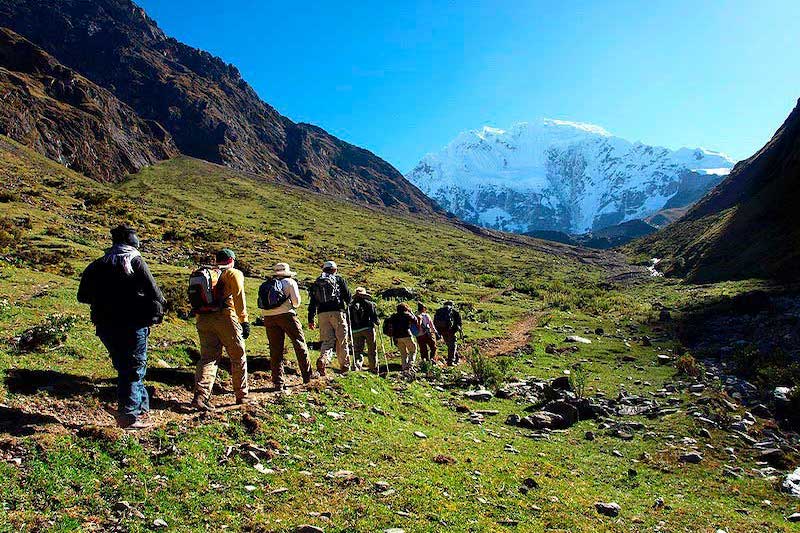
The trek’s highlight is the Salkantay Pass, reaching 4,650 meters. Here, hikers marvel at close-up views of towering snow-capped peaks.
For those seeking solitude, the Salkantay Trek provides a less crowded experience. It allows for a deeper connection with nature.
Visitors don’t need permits for this trek, unlike the Inca Trail. This ease of access makes it more appealing for spontaneous adventurers.
Tour options vary from guided tours to independent hikes. Guided tours offer the luxury of porters and cooks, easing the journey.
On this incredible journey, trekkers can admire Humantay Lake. This glacial lake is known for its stunning turquoise hues.
Flora and fauna enchant hikers with their beauty and diversity. Spot orchids in full bloom and witness the majestic Andean condor.
The trek combines camping under the stars with lodge stays. This blend makes the trek both rustic and comfortable.
Getting used to high altitude is very important. It’s vital to prepare your body to avoid altitude sickness.
Trekkers should embrace the trek’s physical demands. It requires both fitness and mental strength to navigate its challenges.
Cultural exchanges enrich the journey. Engaging with Andean communities offers insights into their time-honored traditions.
The trek concludes with the awe-inspiring views of Machu Picchu. This iconic site crowns the adventure, adding historical depth.
Many regard the Salkantay Trek as a personal rite of passage. It’s a journey that blends physical endurance with unforgettable landscapes.
Preparing for the Salkantay Mountain Peru Journey: Fitness and Acclimatization
Embarking on the Salkantay Trek requires a good level of fitness. The trek’s diverse terrain presents various challenges.
Training a few months ahead is advisable. Focus on cardio exercises such as hiking, cycling, or jogging.
Strengthen your leg muscles, as they endure the most stress. Consider incorporating squats and lunges into your routine.
Long hikes on weekends can help build endurance. Gradually increase the difficulty to prepare your body for the trek.
Don’t underestimate the challenge of high altitudes. Acclimatization is crucial to minimize the risk of altitude sickness.
Cusco, at 3,400 meters, serves as the perfect acclimatization spot. Spend a few days here before starting the trek.
Hydration plays a vital role in preventing altitude sickness. Drink plenty of water, even if you don’t feel thirsty.
Give your body time to adjust. Avoid strenuous activity and rest well during your initial days at high altitude.
Adopt a diet rich in carbohydrates to provide ample energy. High-energy snacks help maintain stamina during the hike.
Listen to your body and pay attention to symptoms. Headaches or dizziness may indicate mild altitude sickness.
Preparing for the Salkantay Trek: Tips for Acclimatization, Safety, and Success
It’s advisable to ascend slowly during the trek. This gradual approach aids in acclimatization and reduces strain.
Rest days during the trek allow time for recovery. Take advantage of these days to acclimate further.
It is a good idea to talk to a healthcare professional before your trek. They may recommend medication to help with altitude adjustment.
Travel insurance covering high-altitude activities is essential. It ensures peace of mind in case of unexpected health issues.
Prepare mentally as well as physically for this adventure. A positive mindset often helps in conquering the toughest challenges.
When to Go: Best Time for the Salkantay Mountain Peru
Choosing the right season is pivotal for a successful trek. The Salkantay Trek welcomes trekkers year-round.
However, the dry months from April to October are ideal. These months offer more predictable weather conditions.
Clear skies during this period enhance the trekking experience. It’s the perfect time to enjoy panoramic mountain views.
June to August sees the highest number of visitors. Plan well in advance if trekking during these peak months.
Early or late dry season offers tranquility and fewer crowds. These months can provide a more personal experience.
The rainy season spans from November to March. Trekking then presents additional challenges like slippery trails.
Heavy rainfall may also obscure the stunning vistas. Muddy paths require more caution and careful navigation.
Temperatures vary with altitude and time of year. Be prepared for chilly nights at higher elevations year-round.
Daytime temperatures are generally mild. Bringing layers is essential to adjust to temperature fluctuations.
Local celebrations in June, such as Inti Raymi, add cultural value. Consider aligning your trek with these vibrant events.
The Route Uncovered: Day by Day on the Salkantay Trek
Embarking on the Salkantay Tour Peru is a journey like no other. It takes you through diverse landscapes and varying climates. Each day presents unique challenges and breathtaking beauty.
You will traverse through remote mountain paths. Expect to see glacial peaks and vibrant tropical forests. The trek is both physically demanding and spiritually enriching.
Proper preparation is essential for a successful adventure. Equip yourself with the necessary gear and mental fortitude. Every day on the Salkantay Trek unfolds a new chapter.
Let’s delve into the details of what awaits you.
Day 1: Mollepata to Soraypampa
Your journey begins in the quaint village of Mollepata. This starting point sits amid lush green fields and welcoming locals. Early morning excitement fills the air.
The trek to Soraypampa sets the tone for days to come. You gradually ascend, soaking in the panoramic mountain views. There’s a harmony between the rugged landscape and the sky.
The day’s trek offers a gentle introduction. You’ll traverse through farmlands and eucalyptus forests. The descent into Soraypampa, however, is a brief delight.
Soraypampa serves as the first campsite. There’s ample opportunity to acclimate and embrace nature’s serenity. The air here is crisp, and the sky is clear.
Keep your eyes peeled for the majestic peaks. Salkantay and Humantay dominate the skyline, a sight to behold. Their presence is both inviting and humbling.
Your evening here introduces the stars’ brilliance. It’s a night spent under dazzling constellations. Feel the profound connection with the Andean spirits.
With the backdrop of towering mountains, reflection is inevitable. The first night prepares you for tomorrow’s challenges. Rest and recharge for the adventure continues anew.
Day 2: Soraypampa to Chaullay via the Salkantay Pass
Day two is the pinnacle of the Salkantay Trek. You conquer the Salkantay Pass, a feat only the determined achieve. This day demands resilience and strength from within.
Wake up to the mountain’s grandeur enveloping your senses. The journey ahead is arduous but rewarding. The ascent to the Salkantay Pass begins.
Climb steadily through rocky trails and past small streams. Each step brings you closer to the summit. Your determination fuels each arduous stride.
The pass, at 4,650 meters, is imposing yet invigorating. Reaching this high altitude is a triumph in itself. Breathe deeply and absorb the raw beauty.
Pause to admire the sweeping vistas from the pass. The view stretches into endless horizons. Mountains pierce the sky like ancient sentinels.
The descent to Chaullay rekindles your spirit. Lush greenery replaces the barren, icy expanse. A shift in terrain mirrors the change in mood.
Chaullay, nestled amidst a welcoming landscape, offers respite. End your day surrounded by fragrant flora and gentle breezes. It’s a peaceful embrace from nature.
Feel accomplished yet humbled by the day’s endeavors. The night offers solace and preparation. Tomorrow’s path awaits your eager footsteps.
Day 3: Chaullay to La Playa through the Cloud Forest
The journey from Chaullay to La Playa immerses you in nature’s heart. You traverse the mystical cloud forest, a world of its own. Each step invites awe and wonder.
The descent is gradual as you leave Chaullay behind. Dense forests envelope the path, teeming with life. The air is thick with verdant scents and vibrant colors.
Exotic bird calls accompany your trek. Each sound echoes through the lush forest canopy. Orchids and bromeliads embellish the trailside.
The cloud forest is a sanctuary of biodiversity. It’s a living tapestry of plants and creatures. The rhythm of nature surrounds you, an immersive symphony.
Walk alongside the babbling Vilcabamba River. Its waters reflect the forest’s green embrace. The tranquility is profound and invigorating.
La Playa marks the day’s end, a haven for weary trekkers. Local coffee plantations adorn the surroundings. Their rich aroma hints at an artisanal heritage.
Settle beneath the evening sky, reflecting on nature’s bounty. The journey fosters a deeper connection with Earth’s wonders. You’re part of something greater on this path.
Anticipation builds for tomorrow’s cultural encounters. Each day intertwines adventure and insight. Your spirit burgeons with each passing sunset.
Day 4: La Playa to Aguas Calientes, the Gateway to Machu Picchu
The penultimate day transports you towards wonders. From La Playa to Aguas Calientes, anticipation crescendos. The journey is as rich in history as it is in beauty.
Start early as you ascend to Llactapata. This ancient Incan site offers a glimpse of Machu Picchu. Through centuries, it has retained its mystique and allure.
Llactapata affords a unique vantage point. The distant Machu Picchu silhouette emerges, shrouded in mystery. This moment is both humbling and exhilarating.
Descend towards the gentle terrain of Hidroeléctrica. Trace the railway into the heart of Aguas Calientes. The path pulsates with history and anticipation.
Aguas Calientes serves as Machu Picchu’s bustling gateway. Its vibrant atmosphere is infectious. Prepare for tomorrow’s rendezvous with history.
Relax in the local hot springs by twilight. Let the warm waters embrace your weary muscles. Reflect on the day’s journey and what lies ahead.
Retire early in anticipation of the dawn ascent. Tomorrow unveils the crowning glory of your trek. You’ve come so far; the final pinnacle is within reach.
Through quiet streets, your last thoughts echo. There’s a dance of expectation and contemplation. Rest easy, knowing the sunrise promises revelation.
Day 5: Machu Picchu Exploration and Return to Cusco
Your final day dawns with electric anticipation. Machu Picchu awaits, a testament to civilization’s prowess. The early ascent reveals the ancient splendor.
The site’s majestic terraces illuminate with dawn’s light. Machu Picchu is mystical and ethereal from sunrise. Each stone whispers of the past’s secrets.
Embark on a guided tour through this Incan marvel. The architecture and precision are breathtaking. Each corner and crevice tells a story centuries old.
Experience the Sun Gate’s panoramic views. You stand humbled by this architectural feat. The landscape intertwines with ancient engineering brilliance.
After thorough exploration, Aguas Calientes beckons again. Relive the journey through mountain paths in reverse. The return to Cusco marks the trek’s conclusion.
Reflect on the trail’s challenges and triumphs. The Salkantay Trek enriches with unique experiences. You’re forever transformed by this journey.
Bid farewell to fellow trekkers and guides. The shared adventure fosters camaraderie and friendships. Leave with memories etched in soul and mind.
The trek’s finale opens to broader horizons. Whether spiritual growth or newfound strength, you’ve achieved much. Embrace life’s next adventure with renewed vigor.
Essential Gear: Packing for the Salkantay Trek
Packing wisely is crucial for the Salkantay Trek. The right gear ensures comfort and safety. Prepare thoroughly to tackle different weather conditions.
Start by packing appropriate clothing layers. The trek spans through contrasting climates. You’ll need clothing for both warm days and chilly nights.
Invest in a reliable waterproof jacket. It protects against sudden downpours. The Andes’ weather is unpredictable, so stay prepared.
Packing List for Salkantay Trek
Base Layers: Moisture-wicking shirts and thermal underwear.
Mid Layers: Fleece jackets or wool sweaters for extra warmth.
Outer Layers: Waterproof jackets and pants for rain protection.
Footwear: Sturdy, waterproof hiking boots and thick socks.
Headwear: Hat for sun protection and a warm beanie for cold nights.
Gloves: Both lightweight and insulated pairs.
Backpack: 30-40 liters with a rain cover.
Sleep Gear: Sleeping bag rated for low temperatures.
Hydration System: Reusable water bottles or a hydration bladder.
Snacks: High-energy bars and nuts.
First Aid Kit: Include basics and altitude sickness medication.
Sun Protection: Sunglasses, sunscreen, and lip balm with SPF.
Trekking Poles: For stability on varied terrain.
Personal Items: Toiletries, camera, and a small journal.
Footwear is vital for a comfortable trek. Invest in quality hiking boots. Break them in before the trek to prevent blisters.
Pack sufficient sun protection. The high altitude means strong sun exposure. Sunglasses, sunscreen, and hats are indispensable.
A reliable backpack is your trek companion. Choose one that’s sturdy yet lightweight. Ensure it fits comfortably and has rain protection.
Essential Packing Tips for Conquering the Salkantay Trek
Hydration cannot be stressed enough. Carry ample water and stay hydrated. The climb takes its toll on the body and requires replenishment.
High-energy snacks keep energy levels up. Choose nutritious options that are easy to carry. They provide quick boosts during challenging sections.
Make room for a compact first aid kit. It should include essentials like band-aids. Altitude medication is also recommended.
Finally, consider packing trekking poles. They aid in balance and reduce joint stress. Useful during descents and uneven trails.
Thoughtful packing paves the way for an enjoyable trek. Each item serves a specific purpose. Avoid overpacking by sticking to the essentials.
Remember, every ounce counts. A lighter pack means easier trekking. Balance between preparedness and weight.
Allow room for spontaneous discoveries on the trek. Capture memories and document your journey. A small journal or camera does the trick.
With the right gear, you’re ready to conquer Salkantay. Embrace the adventure confidently. Let your gear support your spirit and journey.
Navigating Altitude of Salkantay Mountain Peru: Tips to Avoid Sickness
Altitude sickness can hinder your trek. Prepare adequately to enjoy your journey. Proper acclimatization is key to success.
Start your trip in Cusco. The city sits at a high altitude. Spend a few days here to adjust.
Ascend gradually during the trek. Avoid sudden changes in elevation. Your body needs time to adapt.
Keep yourself hydrated. Altitude dehydrates more quickly. Drink water regularly throughout the day.
Monitor your body’s responses. Symptoms include headache or dizziness. Take immediate action if you feel unwell.
Rest is vital. Don’t overexert yourself in the early stages. Preserve energy and strength for difficult sections.
Consume high-energy foods. Balance your diet with carbs and protein. They offer food for intense activities.
Consider prescribed medication. Consult a doctor about altitude sickness medicine. It can mitigate symptoms effectively.
Take breaks often. It helps balance your heart rate and breathing. Listen to your body’s signals closely.
Avoid alcohol and caffeine. They can exacerbate dehydration. Stick to water and electrolyte drinks.
Altitude acclimatization differs for everyone. Maintain a steady pace on the trail. Prioritize health and safety above all else.
Sustainable trekking is crucial for preserving Salkantay’s beauty. Practice responsible tourism to protect the environment. Every small action counts.
Start by minimizing waste. Carry reusable water bottles and bags. Reduce reliance on single-use plastics.
Follow Leave No Trace principles. Stay on designated paths. Protect native flora by avoiding off-trail shortcuts.
Pack out all trash. Don’t leave litter behind. Your action preserves the trail for future trekkers.
Use eco-friendly products. Choose biodegradable soap and shampoo. These minimize pollutants entering the local water systems.
Respect wildlife habitats. Observe animals from a distance. Do not disturb their natural surroundings.
Opt for eco-conscious tour operators. Many support sustainable practices. This choice contributes to environmental conservation.
Limit campfires. Use portable stoves instead. Fire can harm native plants and the landscape’s integrity.
Practice responsible photography. Avoid damaging environments for the perfect shot. Let nature remain untouched.
Support local communities. Buy local products and services. This enhances the regional economy sustainably.
Trekking Responsibly: Sustainable Practices for Preserving Salkantay’s Beauty
Educate fellow trekkers. Share sustainable practices with your group. Encouragement and awareness spread positive change.
Travel in small groups. This lessens human impact. Large crowds can strain the environment significantly.
Respect cultural sites. Many hold sacred value to locals. Show reverence for both environment and cultural heritage.
Avoid loud noises. They disturb wildlife and other hikers. Enjoy the natural serenity of the trek.
Prioritize conservation over convenience. Choose paths that safeguard the ecosystem. Your enjoyment need not compromise the environment.
Leave the trail better than you found it. Each trekker’s effort ensures Salkantay remains pristine. Together, we can sustain its splendor.
Cultural Encounters in Salkantay Mountain Peru: Andean Communities and Traditions
The Salkantay Trek offers rich cultural experiences. You can engage deeply with Andean communities. Their traditions are vibrant and enduring.
As you trek, you’ll meet Quechua-speaking locals. These encounters reveal their daily life and values. Respecting their culture is essential.
These communities maintain ancient traditions. Weaving, farming, and other practices are handed down. Their skills and crafts are impressive.
Participating in local customs can be enlightening. Festivals often reflect a fusion of Catholic and Indigenous beliefs. They offer insight into Andean spirituality.
The locals often share stories and legends. These tales connect their history with the land. Listening fosters a deep appreciation for their heritage.
Embracing Andean Culture: Enhancing Your Salkantay Trek with Meaningful Connections
Visitors may witness colorful attire, especially during celebrations. Traditional clothing includes vibrant textiles. These garments hold cultural significance.
Cuisine is an integral part of cultural exchange. Sampling local dishes like chuño and quinoa is a must. They reflect the region’s rich agricultural practices.
Friendly interactions enrich your trek experience. Even brief encounters can leave lasting impressions. A smile goes a long way.
Respect for local customs is crucial. Ask permission before taking photos. Many locals are sensitive about their images being captured.
Learning basic Quechua phrases is appreciated. It shows respect and willingness to engage. Locals often respond warmly.
Traditional beliefs about the mountains are profound. Many consider them sacred, deserving reverence. Understanding this adds depth to your journey.
You might have the opportunity to join community activities. Participating shows support for cultural preservation. These moments foster genuine connections.
Artisan markets often offer handmade crafts. Purchasing their goods supports the local economy. It encourages the continuation of traditional techniques.
Listening to local music and dance can be uplifting. These performances are joyous expressions of cultural identity. They invite you into the heart of the community.
Ultimately, these cultural encounters enhance your journey. They deepen your understanding of the Andean way of life. The trek becomes more than a physical challenge.
Beyond the Trek: Additional Activities and Extensions
After completing the Salkantay Trek, there’s much more to explore. Peru offers diverse activities that extend your adventure. Each adds a unique dimension to your journey.
Consider visiting the vibrant city of Cusco. It’s rich in history and culture. Spend a day exploring its ancient streets.
Explore further by engaging in thrilling outdoor activities. Zip-lining offers a rush of adrenaline. The lush landscapes below are breathtaking.
For a peaceful retreat, visit the hot springs in Aguas Calientes. They provide a perfect opportunity to relax. Soak away any trek-induced fatigue.
A scenic train ride to Puno is a great option. It showcases the stunning Andean scenery. The journey is as rewarding as the destination.
The Colca Canyon is a must-see for nature lovers. It’s a magnificent sight with sweeping vistas. Watching the majestic condors soar is unforgettable.
Wildlife enthusiasts can head to the Amazon rainforest. A guided tour reveals its ecological wonders. The diversity of flora and fauna is astonishing.
Consider a culinary tour to taste Peru’s rich cuisine. Classes offer hands-on experience. Learn to prepare traditional dishes from local chefs.
Travel to Lake Titicaca, the world’s highest navigable lake. Its floating islands are a marvel. The culture of the Uros people is fascinating.
For a more adventurous twist, mountain biking through the Sacred Valley is thrilling. It combines stunning views and exhilarating descents. Every bend offers new vistas to explore.
Extend your stay with a journey to the Nazca Lines. These ancient geoglyphs remain a mysterious marvel. Viewing them from above is a once-in-a-lifetime experience.
Choosing Your Trek: Guided Tours vs. Independent Trekking
The Salkantay Trek offers two distinct paths: guided tours or independent trekking. Each has unique benefits and challenges. Your choice depends on personal preferences and experience.
Guided tours provide convenience and support. Professional guides help make your trip safe and enjoyable. They handle logistics, allowing trekkers to focus solely on the experience.
Porters and cooks often accompany guided tours. They carry gear and prepare meals. This lightens your load and enhances your comfort.
Cultural insights are a key advantage of guided tours. Local guides share stories and traditions. They deepen your understanding of the region.
Guided tours also foster camaraderie among participants. Shared experiences create lasting bonds. You may leave with new friendships and memories.
For those seeking independence, solo trekking offers freedom. It allows for a self-paced adventure. Flexibility in your itinerary is a major benefit.
However, solo trekking demands careful preparation. Familiarity with navigation and outdoor skills is crucial. You must be confident in your abilities.
Independence allows a more intimate nature experience. There’s room for quiet reflection. The solitude can be both invigorating and serene.
Logistical planning is essential for independent trekkers. Supplies, permits, and navigation must be handled solo. Thorough research and preparation are key.
Guided vs. Independent Trekking: Choosing Your Path on the Salkantay Trail
Physical fitness is particularly important when trekking alone. Safety nets provided by a group are absent. Keep safety foremost in mind.
The social aspect differs greatly in independent trekking. While less structured, the trail community is welcoming. You’ll encounter fellow adventurers along the way.
Budget considerations often influence the decision. Guided tours offer bundled services at a set price. Solo trekking can be more cost-effective, though variable.
Environmental stewardship is vital in both options. Practicing Leave No Trace principles is essential. Respect for the environment ensures its preservation for future adventurers.
Ultimately, the choice between guided and independent trekking lies in personal preference. Assess your priorities and capabilities. Each path offers its own unique rewards and challenges.
Frequently Asked Questions
Embarking on the Salkantay Trek raises several questions. Clarity on these helps ensure a smooth adventure. We address some common concerns here.
Is the Salkantay Trek difficult?
The Salkantay Trek is challenging yet rewarding. It stretches about 60 kilometers over rugged terrain. Trekkers face high altitudes, reaching 4,650 meters at Salkantay Pass.
Physical fitness is essential. Prepare for steep ascents and descents. Training prior to the trek improves endurance and stamina.
Altitude adds complexity. Acclimatization time is crucial. It helps reduce risks of altitude sickness and enhances safety.
Do I need a permit for the Salkantay Trek?
Permits are not required for the Salkantay Trek. This contrasts with the Inca Trail. The lack of a permit system adds flexibility to planning.
However, booking ahead is wise, especially in peak season. This ensures accommodation and transport availability. It also aids in managing logistics efficiently.
Accommodations range from lodges to campsites. Early reservations secure preferred options. This is particularly vital during high demand periods.
Can I trek to Machu Picchu in one day?
Trekking directly to Machu Picchu in one day isn’t feasible. The journey covers several days of hiking. Each segment offers unique experiences along the trail.
Day five traditionally includes the Machu Picchu visit. After completing the trek, you arrive at Aguas Calientes. From there, it’s a short trip to the site.
Arriving at Machu Picchu early offers the best experience. Fewer crowds and breathtaking sunrise views are worthwhile. Proper planning ensures you make the most of this iconic visit.
Concluding the Adventure: What to Expect After the Trek
Completing the Salkantay Trek is a triumph. The journey ends at the iconic Machu Picchu. Emotion and awe often accompany the final steps.
Visiting Machu Picchu is unforgettable. The ancient ruins evoke wonder. This part of the trek marks a highlight for many.
Afterward, Aguas Calientes offers relaxation. Consider a visit to its natural hot springs. They provide a soothing end to the rigorous trek.
The return journey to Cusco awaits. This city offers its own exploration opportunities. Visits can include vibrant markets and historic sites.
Reflect on personal growth during the trek. Many find new strength and resilience within themselves. This journey often transforms perspectives.
Photographs taken during the trek become cherished memories. They capture the stunning landscapes experienced. These images tell a story of adventure.
The Lasting Legacy of the Salkantay Trek: Connection, Inspiration, and Adventure
Future travel plans may now include similar treks. The challenge and reward of Salkantay inspire further exploration. New destinations beckon to the adventurer within.
Returning home, share your journey with others. Encourage them to explore responsibly. Emphasize the importance of cultural respect and environmental care.
The Salkantay Trek leaves a lasting impact. Memories created are deeply woven into the traveler’s story. This journey remains a proud accomplishment.
Ultimately, the Salkantay Trek is about connection. With nature, history, and self, bonds form along the way. This adventure’s legacy endures in the heart.
Thank You for Reading: A Parting Note
Thank you for joining this Salkantay Mountain Peru adventure guide. Your interest in this incredible journey is appreciated.
I hope you feel inspired to embark on this trek. Salkantay Mountain Peru offers unique challenges and breathtaking beauty.
Remember to travel with care and respect. Protect and cherish the environments and communities you encounter.
May your future adventures be fulfilling and responsible. The world is full of wonders waiting for you.
Safe travels, and may the spirit of adventure guide your path. Thank you once again for reading and exploring with us.
Inca Trail in June
The Inca Trail in June is widely considered one of the best moments of the year to hike the legendary path to Machu Picchu.
June marks the heart of the dry season in the Peruvian Andes, offering clear skies, mild daytime temperatures, low rainfall, and exceptional visibility—ideal conditions for trekking the 4-day Classic Inca Trail. For many travelers, June provides the perfect balance between great weather, breathtaking scenery, and the vibrant cultural atmosphere that fills Cusco during this month.
Hiking the Inca Trail in June
This in-depth guide covers everything you need to know about hiking the Inca Trail in June, including weather conditions, daily temperatures, difficulty, packing recommendations, the experience day-by-day, permit availability, cultural events, and expert tips to help you prepare and get the most out of your trek.
Why Choose the Inca Trail in June?
Peak Weather Conditions
June is part of the driest period of the year. Rainfall is minimal, and you can expect multiple consecutive days of sunshine—one of the main reasons trekkers prefer this month.
Stunning Andean Landscapes
With crisp air and excellent visibility, June offers unmatched panoramic views of:
Snow-capped mountains
Deep valleys
High-altitude forests
Ancient Inca ruins perfectly illuminated by sunlight
Weather and Climate on the Inca Trail in June
The weather along the Inca Trail in June is overwhelmingly stable, which significantly enhances trekking safety and comfort.
Daytime Temperatures
14°C to 20°C (57°F to 68°F) Mild and sunny—perfect for hiking without extreme heat.
Night Temperatures
0°C to 5°C (32°F to 41°F) Nights can be cold, especially at high-elevation campsites like Llulluchapampa or Pacaymayo.
Rainfall
June is one of the least rainy months of the year. Rain probability: Very low Humidity: Low
This means:
No muddy trails
Fewer insects
Better grip on stone steps
More comfortable trekking days
Visibility
June has some of the clearest skies of the year, offering perfect photographic conditions during sunrise, sunset, and at panoramic viewpoints like Phuyupatamarca and Inti Punku.
Is the Inca Trail in June a Good Time to Hike?
Absolutely—June is considered a top 3 month for hiking the trail.
Pros of Hiking in June
Perfect weather and visibility
Low risk of heavy rain
Long daylight hours
Comfortable walking conditions
High chance of seeing Machu Picchu under clear skies
Cons of Hiking in June
Peak tourist season
Permits sell out 6–8 months in advance
Campsites may be busier
Machu Picchu is more crowded
Despite the crowds, the overall experience in June is excellent due to the superior trekking conditions.
Inca Trail Permits for June
The Inca Trail has strict limits: 500 people per day, including guides and porters. This means only about 200–250 hikers actually walk the trail daily.
When Do June Permits Sell Out?
June is among the fastest-selling months.
Typical availability:
6–8 months before → Usually sells out
4–6 months before → Very few spaces left
Last-minute bookings → Almost impossible
If travelers want to secure June dates, advance planning is essential.
Trail Conditions on the Inca Trail in June
Dry and Firm Terrain
The dry season means:
Stable paths
Less risk of slipping
Easier navigation on steep descents
Better comfort during long trekking days
Cold Mornings and Nights
While days are warm, early mornings can be freezing. A good layering strategy is critical to staying comfortable.
Rivers and Streams
Water levels drop in June, so crossings are easier and less humid.
Tips for Hiking the Inca Trail in June
1. Acclimatize Before the Trek
Arrive in Cusco 2–3 days early to avoid altitude sickness.
Recommended acclimatization hikes:
Sacsayhuamán
Cristo Blanco
Cusco City viewpoints
2. Protect Yourself From the Sun
UV radiation is intense. Essential items:
Sunscreen (SPF 50+)
Sunglasses
Sun hat
Lip balm with SPF
3. Prepare for Cold Nights
While days are pleasant, nights can be freezing. Bring:
Thermal layers
Gloves
Warm sleeping bag
Insulated jacket
4. Book Your Tour Early
June is not suitable for last-minute trips. Always plan ahead.
5. Carry Cash
Small purchases like snacks, drinks, or donations cannot be made with cards.
Packing List for the Inca Trail in June
Clothing
Thermal base layers
Fleece jacket
Insulated down jacket
Waterproof shell
Quick-dry shirts
Trekking pants
Warm hat and gloves
Comfortable hiking socks
Footwear
Broken-in trekking boots
Sandals for camp
Gear
Sleeping bag rated for 0°C or below
Trekking poles
Headlamp
30–40L daypack
Hydration system
Toiletries & Accessories
Sunscreen
Bug repellent
Wet wipes
Hand sanitizer
Power bank
Toothbrush and toothpaste
Optional Items
Camera
Gaiters
Extra snacks
Lightweight towel
Difficulty Level of the Inca Trail in June
The Inca Trail is a moderate to challenging trek. June’s dry weather reduces difficulty slightly, but hikers must still prepare for:
Steep ascents
Thousands of stone steps
Altitude above 4,000 m
Cold nights
Strong mental and physical preparation is key.
Frequently Asked Questions About the Inca Trail in June
Does it rain on the Inca Trail in June?
Very rarely. June is part of the dry season.
Is June too crowded?
It is busy, but the permit system controls the number of hikers.
How cold does it get at night?
Temperatures can drop to freezing at high camps.
Is June a good month for beginners?
Yes—weather is stable, making it safer for first-time trekkers.
How far in advance do I need to book?
At least 6 months before traveling.
Can I see sunrise at Machu Picchu in June?
Yes—June offers excellent sunrise visibility from the Sun Gate.
Machu Picchu in October
[toc]
Visiting Machu Picchu in October is one of the smartest decisions for travelers seeking good weather, fewer crowds, and a more peaceful experience than in the peak dry season. October marks the beginning of the shoulder season, when the transition from dry to rainy months begins. However, the weather remains mostly pleasant, visibility is still excellent, and rainfall is moderate rather than heavy.
This guide offers all the details you need to confidently plan a visit to Machu Picchu in October, including weather conditions, ticket demand, the best times to enter, train schedules, trekking tips, packing lists, photography advice, and traveler recommendations.
Is October a Good Month to Visit Machu Picchu?
Yes—October Is a Beautiful Transition Month
October is a favorite for many visitors because it brings a perfect mixture of:
Warm days
Light rainfall
Green scenery
Smaller crowds
Cooler temperatures for hiking
It’s also one of the best months for visitors who prefer a calmer, more balanced atmosphere around the citadel.
Why Many Travelers Choose October
Less crowded than June–September
Good visibility during most of the day
Pleasant temperatures for exploring
Beautiful contrast between clouds and green mountains
Affordable accommodation and more train availability
[tour_ad id=”4639″]
Weather in Machu Picchu in October
Weather in October is a blend of late dry season sunshine and early spring showers, creating fresh, vibrant landscapes.
General Climate Conditions
Rain returns slowly, but the majority of mornings remain dry and partly cloudy. Short showers tend to appear after 3 PM.
Temperatures in October
Rain in October
Average rainfall: 60–80 mm
Rain typically comes in short bursts, not all day
Foggy mornings are common but usually clear by 9–10 AM
Sunshine and Visibility
Mornings: clear to partly cloudy
Late afternoons: possible showers
Excellent visibility most days
Clouds enhance the surrounding mountain scenery
Crowds in Machu Picchu in October
Moderate and Manageable Tourism Levels
October is significantly less crowded than July, August, and September. That means:
Shorter lines for shuttle buses
More space inside the citadel
Easier movement through circuits
Better photography opportunities without heavy crowding
What Types of Visitors Come in October?
Nature lovers
Couples
Backpackers
Photographers
People avoiding the high-season rush
October is ideal for travelers who value comfort and calm.
Machu Picchu Tickets in October
Availability
October has better availability compared to peak winter months, but:
Popular circuits can still sell out
Huayna Picchu and Machu Picchu Mountain require advanced booking
How Far in Advance You Should Book
Standard circuits: 2–4 weeks ahead
Huayna Picchu: 6–10 weeks ahead
Machu Picchu Mountain: 6–8 weeks ahead
Best Ticket Types for October
Circuit 2 (Classic panoramic route) – Best overall views
Circuit 1 (Upper Terraces) – Scenic and ideal for photos
Circuit 3 (Lower platforms) – Easier route
Circuit 4 (Urban + Agricultural) – Best combined with Huayna Picchu
Machu Picchu + Huayna Picchu
Machu Picchu + Mountain
Which Ticket Should You Choose?
First-time visitors → Circuit 2
Adventure lovers → Huayna Picchu
Photographers → Machu Picchu Mountain
Families → Circuit 1 or 3
Best Time of Day to Visit Machu Picchu in October
Early Morning (6–9 AM)
Cool weather
Possible fog
Great chance for sunrise photos if the sky is clear
Less rain at this time of day
Midday (9 AM – 1 PM)
Warmest part of the day
Excellent visibility
Moderate crowds
Afternoon (1–5 PM) – Recommended
Light showers possible
Fewer crowds
Softer, warmer lighting
Comfortable temperatures for exploring
Overall, early morning or late afternoon are the most pleasant and peaceful.
Train Travel to Machu Picchu in October
Train Options
PeruRail: Expedition, Vistadome, Hiram Bingham
Inca Rail: Voyager, 360°, First Class
When to Reserve
Book trains 2–4 weeks ahead
October does not reach full capacity as often as August
Best Train Times
For morning entry:
5:05 AM
6:10 AM
7:45 AM
For afternoon entry:
10 AM–1 PM departures
Returning trains:
3:20 PM
4:20 PM
7:00 PM
Helpful Train Tips
Arrive 30 minutes before departure
Carry your passport (mandatory)
Keep your tickets organized
Bring warm layers for early morning trains
Trekking to Machu Picchu in October
Why October Is a Strong Trekking Month
Cooler temperatures
Cloudy skies make hiking more comfortable
Green landscapes return due to light rains
Less dust on trails
Inca Trail Weather in October
Slight risk of afternoon rain
Dry mornings
Foggy viewpoints early in the day
Comfortable daytime temperatures
Permits are easier to secure than in June–September, but booking early is always recommended.
Salkantay Trek in October
Beautiful green valleys
Clear views of Salkantay peak
Possible rain on day 3–4 in the jungle area
Moderate temperatures overall
Lares Trek in October
Crisp mornings
Occasional rain in high passes
Very scenic and culturally rich
Choquequirao Trek in October
Good month for long expeditions
Hot canyon sections
Clear visibility at the ruins
Short Inca Trail (2-Day)
Great month due to mild temperatures
Arrival at Machu Picchu via the Sun Gate is extra scenic
Some afternoon clouds add dramatic visuals
What to Pack for Machu Picchu in October
Clothing
Breathable shirts
Light jacket
Warm fleece for mornings
Quick-drying rain jacket
Hiking pants
Comfortable walking shoes
Hat and sunglasses
Accessories
Sunscreen
Insect repellent
Portable charger
Water bottle
Snacks
Essential Documentation
Passport
Machu Picchu ticket
Train ticket
Hotel reservations
Pros and Cons of Visiting Machu Picchu in October
Pros
Mild temperatures
Moderate crowds
Green and vibrant landscapes
More affordable hotels
Excellent for hiking
Beautiful photography conditions
Cons
Some afternoon showers
Fog may cover some morning viewpoints
Humidity increases in Aguas Calientes
Machu Picchu in October for Different Types of Travelers
Families
Good temperatures for children
Circuits 1 and 3 are ideal
Bring snacks and water
Couples
Romantic afternoon lighting
Fewer crowds = peaceful visit
Solo Travelers
Great time for meeting people on treks
More hostel availability
Flexible train times
How Many Days to Spend in October?
Ideal Trip Duration
1 day: Fast visit
2 days: Best experience
3–5 days: Combine with Sacred Valley + Cusco + short trek
Suggested 2-Day Itinerary
Day 1: Cusco → Sacred Valley → Aguas Calientes
Day 2: Machu Picchu early morning or afternoon visit
[tour_ad id=”4642″]
Frequently Asked Questions About Machu Picchu in October
Is October a Good Time to Visit Machu Picchu?
Absolutely. Machu Picchu in October offers one of the best combinations of mild weather, manageable crowds, vibrant landscapes, and comfortable trekking conditions. Travelers who enjoy a balance between scenery, tranquility, and good climate will find October to be a superb month to explore the Inca citadel.
With the right planning—tickets, trains, hotel, and weather preparation—your October experience in Machu Picchu will be memorable, comfortable, and visually stunning.
Does it rain a lot in October?
Rain is moderate and usually appears in short showers.
Is October less crowded than September?
Yes, especially after mid-October.
Can I hike Huayna Picchu in October?
Yes—but buy your ticket early.
Is Machu Picchu Mountain a good option in October?
Absolutely—visibility is often excellent.
Is October a good month for the Inca Trail?
Yes, especially in the first half of the month.
[tour_ad id=”4627″][tour_ad id=”6055″]
Ultimate Salkantay Trek Packing List
The most popular hike of the Salkantay Trek to Machu Picchu is for four days which includes exploring more than 60 kilometers of tropical forests and trails that cross the Andes, and glacial lakes like the Humantay Lake.
Here Is The List Of Essentials To Pack For The Salkantay Trek And To Prepare For One Of The Best Experiences Of Your Life:
Original Passport: You must carry your original passport and it should be with you all the time
Bags:
Duffel Bag: Most of the companies provide a duffel bag with a weight limit for your clothing and other essentials that you are not carrying on the trek yourself. These duffel bags are carried by mules to the next campsite as you trek to Machu Picchu.
Day Pack: This bag will be carried by you for the duration of the hike.
Pack Cover: It is carried to cover your day pack in case it rains.
Sleeping Bag: A bag that can handle about -10 degrees Celsius is recommended as it gets cold at night.
Clothing:
Jacket: Mandatory for the trek.
Raincoat or waterproof jacket: Rain is usually expected at Machu Picchuas it is more than 2000 meters above sea level.
Fleece: A fleece comes in handy when the temperature starts to drop
T-shirts: One for each day.
Thermal Clothing: It depends on the season you are going.
Comfortable trekking pants: At least 2 pairs of pants as you are going to spend several days on the trek.
Underwear: More than six hiking underwear is recommended.
Pijamas: Pijamas are essential during nights to rest
Waterproof Hiking Boots: You are recommended to carry your boots that are lightweight and have ankle support and grip.
Water Bottle: A refillable water bottle should be carried as water will be provided to trekkers every day. The use of refillable bottles also reduces pollution.
Walking Poles: These are helpful for you during the trek as they reduce the weight on your legs and keep you safe while walking down steep and rocky paths.
Flashlight: A flashlight is required in case of emergencies and also for personal use like making your bed.
Accessories: Few accessories for sun protection are essential such as a hat, sunglasses, lip balm and
Health and Hygiene Items: You are required to bring your own antibacterial hand gel, soap, toothpaste, deodorant spray, and a small towel.
The Salkantay Trek has different versions, therefore you are recommended to prepare your backpack accordingly.