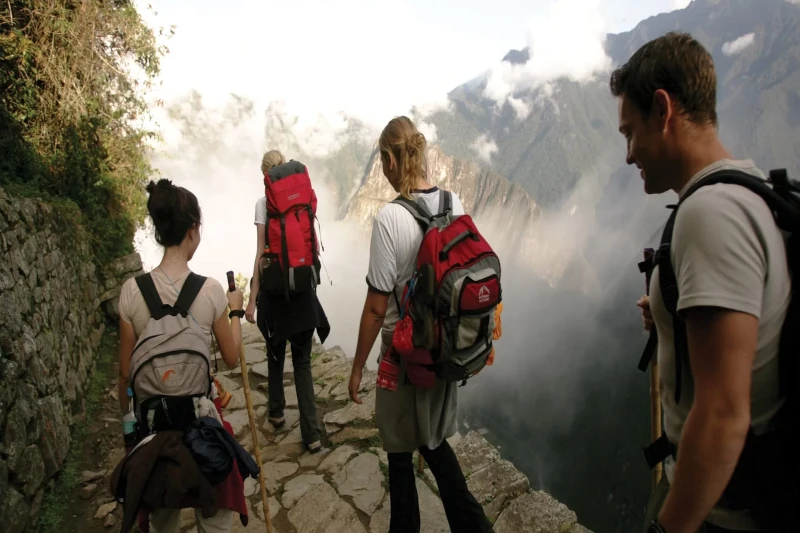
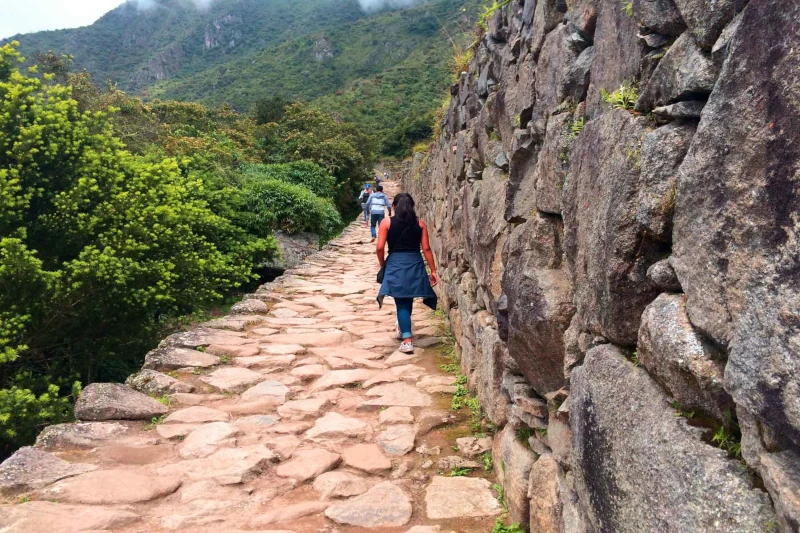
Which would be the best alternative to the classic Inca trail trek?
The classic Inca Trail is a popular choice for many travelers who want to explore the stunning ruins of Machu Picchu. However, with limited permits and increasing demand, it can be difficult to secure a spot on the trail. Additionally, the trail can be physically challenging and may not be suitable for all travelers. Fortunately, there are several alternative treks that offer unique experiences and stunning scenery.
Salkantay Trek
One of the most popular alternatives to the classic Inca Trail is the Salkantay Trek. This trek takes you through diverse landscapes, from snow-capped mountains to lush rainforests. Also, it passes near the stunning turquoise waters of Lake Humantay. It’s a great option for those who want a challenging trek with stunning views.
The Salkantay Trek typically takes 4-5 days to complete, and can be tailored to suit different fitness levels. While it’s a challenging trek, the sense of accomplishment when you reach the end is unmatched. Along the way, you’ll have the chance to see traditional Andean communities and learn about the local culture, adding a cultural element to your adventure.
The highlight of the Salkantay Trek for many is the breathtaking views of the surrounding mountains. Among this mountains is the iconic Salkantay Peak. The trek also passes through the beautiful Santa Teresa Valley. In this valley, you can relax in the nearby natural hot springs and see the stunning waterfalls of Mandor. Finally, the trek culminates in the famous Machu Picchu ruins, providing a perfect end to your adventure.
Lares Trek
Another alternative to the classic Inca Trail is the Lares Trek. This trek takes you through traditional Andean villages, where you can learn about the local culture and customs. You’ll also pass by stunning alpine lakes and hot springs, making it a great choice for those who want a more relaxed trek with cultural experiences.
The Lares Trek typically takes 3-4 days to complete and is considered a moderate trek, making it a great option for those who want a more relaxed pace. Along the way, you’ll have the chance to meet the local Quechua people and learn about their way of life. You’ll see traditional clothing, taste local cuisine, and even witness weaving demonstrations.
In addition to the cultural experiences, the Lares Trek also offers stunning natural beauty. You’ll pass by alpine lakes and snow-capped mountains, as well as natural hot springs where you can relax after a day of trekking.
As with the Salkantay Trek, it’s important to choose a licensed tour operator for the Lares Trek to ensure that you are supporting sustainable tourism practices and having a positive impact on the local communities.
Huchuy Qosqo Trek
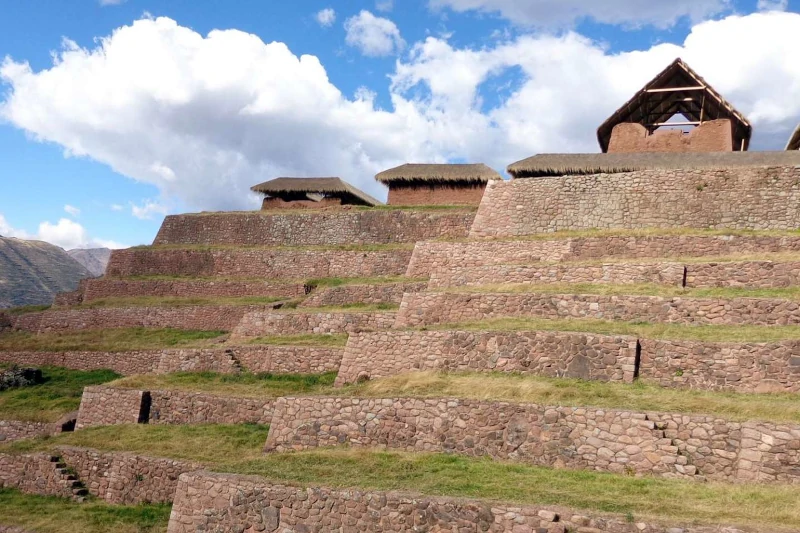
For those who want a shorter trek, the Huchuy Qosqo Trek is a great alternative to the classic Inca Trail. This trek takes you through beautiful landscapes, passing by Inca ruins and stunning views of the surrounding mountains.
The Huchuy Qosqo Trek typically takes 2-3 days to complete, making it a great option for those who are short on time or want a less physically demanding trek. Despite its shorter length, the trek still offers stunning views of the surrounding mountains, as well as the chance to see Inca ruins such as Huchuy Qosqo and Ollantaytambo.
The trek also takes you through traditional Andean villages, providing cultural experiences along the way. You’ll have the chance to see the local farming practices and learn about the unique way of life in the Andes.
As with the other treks, be sure to choose an operator that is committed to sustainable tourism practices and has a positive impact on the local communities.
Choquequirao Trek
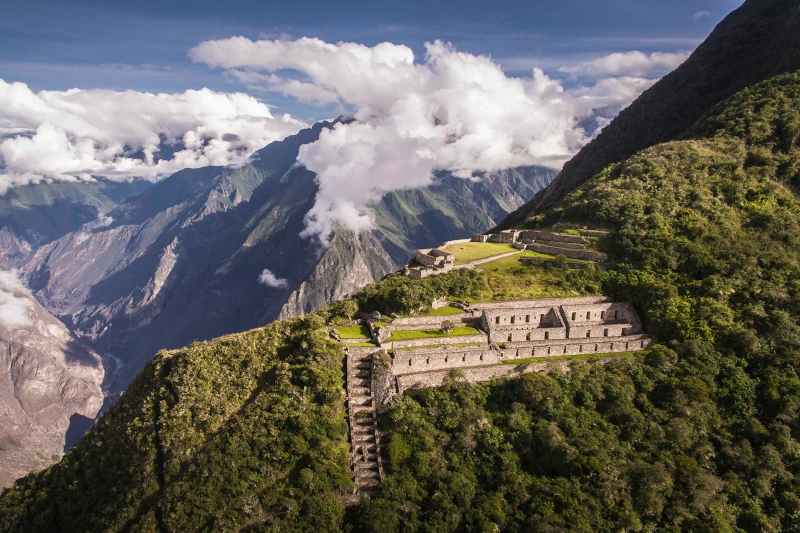
The Choquequirao Trekis another great alternative to the classic Inca Trail. This trek takes you to the impressive ruins of Choquequirao. It’s a great choice for those who want a more off-the-beaten-path experience while still getting to explore Inca ruins.
The Choquequirao Trek is a challenging trek that typically takes 4-5 days to complete. While it requires a higher level of fitness, it offers the chance to explore lesser-known Inca ruins and experience a more remote part of Peru.
The highlight of the trek is the impressive ruins of Choquequirao, which are often referred to as the “sister city” of Machu Picchu. The ruins are located high above the Apurimac River and offer stunning views of the surrounding mountains. In addition to Choquequirao, the trek also takes you through other lesser-known ruins such as Pinchaunuyoc and Raqaypata.
The Choquequirao Trek also offers beautiful natural scenery, including views of snow-capped mountains and the Apurimac Canyon. Along the way, you’ll also have the chance to see traditional Andean communities and learn about their way of life.
Why You Should Trek to Ausangate Cusco – Ausangate Mountain
An expedition to Ausangate cliff is one of spontaneous charm, living history, and archaic spirituality. The Quechua people consider Ausangate Mountain as one of the holy mountains in all of the Andes. It is the fifth tallest mountain in Peru standing at 20,945 feet above sea level.
The 6-Day high-altitude Ausangate trek while being a visually startling adventure, also it is something like a spiritual pilgrimage. This 6- day hike takes you through high passes. It is challenging and suggested to only seasonal hikers who have experience of hiking at high peaks.
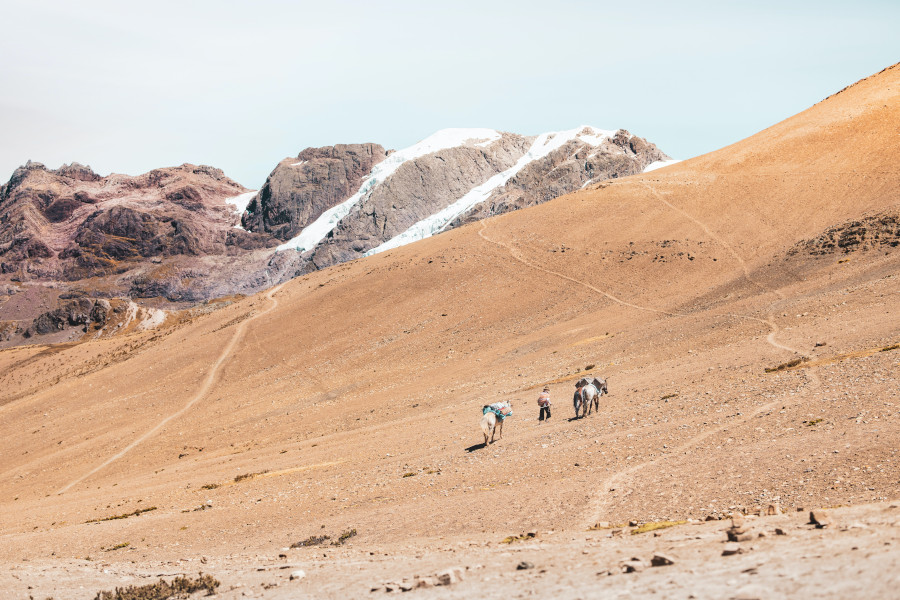
Throughout this Ausangate trek, you will soar and swoop through mystical glaciers, thermal lakes, mountain ranges, green mossy passes, and immense snowy mountains. You will also come across local communities and Andean village culture. You will get a glimpse of interesting wildlife like condors, chinchillas, and so on.
The Quechua people believe that the mountain Apus has a spirit residing there to protect the local people in the highlands. Ausangate Mountain is believed to be surrounded by eleven other sacred Apus of the Cusco area.
The route of the Ausangate trek is believed to be the most heartfelt pilgrimage in the Andes and also it is one of the renowned hikes in Peru.
Difficulties in the Trekking Route
The Ausangate trek is considered challenging and arduous. It is ideal for those who have a good level of fitness in the multi-day trekking hike experience at high elevations. You need to be acclimated to avoid altitude sickness.
Another significant factor is steep sections in the route, 16000+ feet elevation passes, and the weather. The weather can be unpredictable and low temperature, cold and snowy. Your tolerance level to this weather decides your sustainability of the trek route.
The two notable mountain passes are Arapa Pass and Palomani pass.
Best Time to Go
From May to September, is a suitable time for all the Peru hiking tours. In this dry season, the weather in the Andes is sunnier and days are clear so you can enjoy the lovely scenario. During the rainy season, it gets slippery and is somewhat challenging.
Summing-up
After going through this article, we hope you have got all the necessary information about the Ausangate mountain trek. Now, you need to make up your mind when you want to enjoy the scenic and sacred beauty of Ausangate trek routes.
A person who is familiar with high elevation trek routes will be helpful for your safe journey.
When was the Inca Trail built? How long did it take?
The Inca Trail, a breathtaking network of ancient paths stretching across the rugged Andean landscape, has captivated the imaginations of historians, archaeologists, and adventure enthusiasts alike. This intricate system of trails, connecting various Inca sites, has long been a subject of fascination for those seeking to unravel the mysteries of the past.
In this article, we will explore the origins of the Inca Trail, delving into its construction timeline and shedding light on the engineering marvel that it represents. Join us as we journey through time to uncover the story of when the Inca Trail was built and the remarkable effort it took to create this enduring testament to the prowess of the Inca civilization.
Unraveling the origins: The Inca Trail and its historical significance
The Inca Trail, a symbol of the Inca Empire’s greatness, has a rich historical background. Its construction showcases the empire’s engineering prowess. Understanding when the Inca Trail was built is crucial to appreciating its significance.
The Inca Empire, existing from the 13th to the 16th century, was the largest empire in pre-Columbian America. It was a period of rapid expansion and development. The Inca Trail built during this time connected administrative centers, religious sites, and settlements.
The modern Inca Trail route was part of a larger road network known as the Qhapaq Ñan. This network spanned approximately 30,000 km (18,641 miles) and traversed various terrains. Also, it stretched across modern-day Colombia, Ecuador, Peru, Bolivia, Argentina, and Chile. The Inca Trail built during the empire’s peak facilitated communication and trade.
Many historians believe the trail’s development began during the reign of Pachacuti Inca Yupanqui (1438-1471). He was a visionary leader who transformed the kingdom of Cusco into the Inca Empire. Under his rule, the empire experienced significant growth.
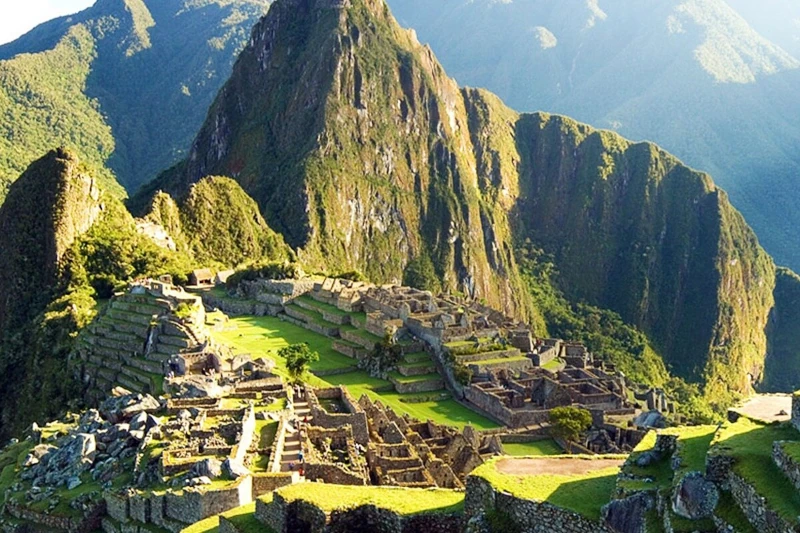
Pachacuti Inca Yupanqui was also responsible for constructing Machu Picchu. This iconic citadel, perched high in the Andes, is a prime example of Inca architectural ingenuity. The Inca Trail built during his reign connected the empire’s various sites.
The Inca Trail’s historical significance extends beyond its construction. It played a vital role in the empire’s efficient administration. The trail allowed for quick movement of soldiers, officials, and messages.
The intricate network of paths also highlights the Inca civilization’s advanced engineering skills. Expert masonry, suspension bridges, and staircases carved into mountains are evident. The Inca Trail built under Pachacuti Inca Yupanqui’s rule remains a testament to their abilities.
The construction process: Techniques, challenges, and timeline
The Inca Trail’s construction involved remarkable techniques, overcoming various challenges, and spanning an extensive timeline. The Inca Trail built during the empire’s zenith is a testament to their engineering capabilities.
Inca engineers employed advanced techniques to create the intricate trail system. They used local materials such as stone, wood, and rope to build roads, bridges, and staircases. The Inca Trail built in this manner showcased their resourcefulness.
One significant challenge was the diverse terrain, including mountains, valleys, and rivers. The Inca overcame this by incorporating suspension bridges, stone-paved roads, and mountain staircases into the trail’s design.
Another challenge was the harsh Andean weather. Heavy rainfall and landslides posed risks to the trail’s integrity. Ingenious drainage systems were developed to address this issue, ensuring the trail’s longevity.
The construction timeline remains a subject of debate among historians. However, many believe that the trail’s development began during Pachacuti Inca Yupanqui’s reign. The Inca Empire flourished under his rule, with numerous infrastructural projects initiated.
The temples of Machu Picchu, an architectural marvel, were also built during this period. The citadel remains one of the most iconic and well-preserved examples of Inca engineering.
The Inca Trail’s full extent was not discovered until the early 20th century. American explorer Hiram Bingham is credited with bringing the trail to global attention. His expeditions unveiled the trail’s scope and the hidden treasures of the Inca Empire.
Today, the Inca Trail is considered an extraordinary example of the Inca Empire’s engineering expertise. The Inca Trail built during their reign remains a testament to their ability to overcome challenges and innovate.
In summary, the construction process of the Inca Trail involved remarkable techniques, addressing numerous challenges, and an extensive timeline. This iconic trail continues to be a symbol of the Inca Empire’s brilliance and perseverance.
The Inca Trail today: Preservation efforts and the legacy of an ancient civilization
The Inca Trail built centuries ago continues to captivate the world today. Preservation efforts and the legacy of the ancient civilization are key to its enduring allure.
Conservation efforts include limiting the number of visitors allowed on the trail. By restricting access, the Peruvian government aims to preserve the trail’s integrity and prevent degradation.
Additionally, regular maintenance work is carried out along the trail. This includes clearing vegetation, repairing stonework, and ensuring the safety of the trail for hikers. These efforts help maintain the Inca Trail and preserve the legacy of the Inca Empire.
The Inca Trail’s legacy extends beyond the path itself. It represents the Inca Empire’s innovative spirit, engineering prowess, and cultural heritage. The trail has become a symbol of the ancient civilization’s achievements.
Many tourists embark on the Inca Trail to experience the rich history of the ancient Inca civilization. The trek offers a glimpse into the lives of the people who built and used the trail. Thus, the Inca Trail remains a significant part of our global heritage. Preservation efforts ensure that the trail continues to inspire and captivate.
For those seeking an alternative trek to Machu Picchu, the Lares Trek is a perfect choice. This route showcases stunning landscapes, traditional Andean villages, and lesser-known Inca sites. This unforgettable journey will immerse you in the rich history and breathtaking beauty of the Andes.
Why the Lares Trek is the Perfect Alternative to the Inca Trail
The Lares Trek, the unsuspected alternative to the traditional Inca trail. Embarking on a journey to Machu Picchu is a dream for many adventurers.
This path offers a blend of natural beauty, cultural richness, and fewer crowds. It’s a route that promises an authentic Andean experience. Perfect for those seeking tranquility and connection.
Why consider the Lares Trek over the popular Inca Trail? It’s not just about avoiding the crowds. It’s about immersive cultural encounters and stunning landscapes.
Unveiling the Hidden Treasures: The Scenic Beauty of the Lares Trek
In the heart of Peru, the Lares Trek emerges as a breathtaking journey. It snakes through the Andes, revealing nature’s masterpieces. Every step on this trek promises an unforgettable scenic experience.
Unlike its famous cousin, the Inca Trail, the Lares Trek offers solitude and untouched beauty. It weaves through high mountain passes, lush valleys, and tranquil lakes. This path lets adventurers connect deeply with nature’s wonders.
The trek starts with vibrant, rolling hills that set the tone for the adventure. Soon, it introduces trekkers to the high Andean landscapes. Here, the air feels fresher, and the sky, a deeper blue.
A Tapestry of Colors and Cultures
As the journey unfolds, the Lares Trek reveals a tapestry of stunning vistas. The path stands next to glacial lakes that mirror the sky. Their turquoise waters contrast sharply with the rugged terrain.
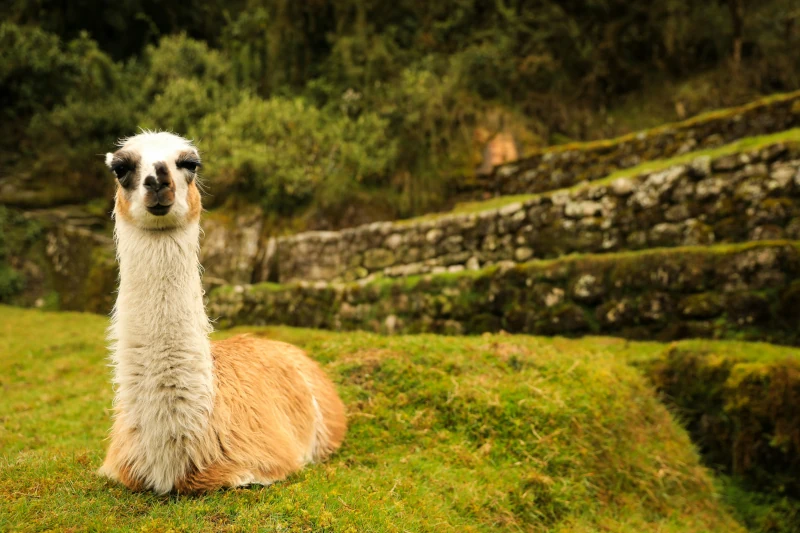
The trek also passes through small, traditional villages. These communities maintain centuries-old ways of life. Trekkers can witness locals herding llamas and alpacas, adding a rich cultural layer to the scenic trek.
One cannot ignore the majestic peaks that accompany you along the way. These guardians of the land stand tall, covered in snow. They offer a spectacular backdrop to the vibrant landscapes below.
Nature’s Varied Palette
The diversity of the landscape is astounding. One moment, you’re navigating rocky trails; the next, you’re in blooming meadows. The Lares Trek truly showcases the varied palette of the Andes.
Crossing high mountain passes provides a sense of achievement. From these vantage points, the panoramic views are unparalleled. The feeling of standing atop the world is both humbling and exhilarating.
Wildlife sightings add excitement to the trek. From majestic condors soaring above to shy vicuñas grazing, nature’s inhabitants enrich the experience. They remind us of the wildness that still governs these lands.
Bridging Landscapes and Legends
The trek is more than just a physical journey; it’s a bridge to the past. Along the way, ancient ruins whisper stories of the Inca civilization. These historical sites are less crowded, allowing for a more intimate exploration.
Waterfalls also mark the journey, offering refreshing stops. The sound of falling water complements the landescapes. These natural showers bring a sense of peace.
Every turn on the Lares Trek presents a new wonder. The journey is a continuous dialogue with nature. It invites reflection and fosters a deep connection with the earth.
The Lares Trek: A Journey Through the Clouds
Ascending further, trekkers enter realms where clouds and land meet. This ethereal landscape feels like walking through a dream. The misty atmosphere adds a mystical quality to the trek.
This section of the Lares Trek is surreal. Cloud forests envelop the path, home to diverse flora and fauna. The moisture-laden air nurtures a rich biodiversity, making each step a discovery.
A Cultural Odyssey: Immersive Experiences Along the Lares Route
The Lares Trek is not just a journey through nature. It’s a deep dive into the heart of Andean culture. This path takes you through the Lares Valley, where the fabric of local life unfolds.
The trek is a gateway to experiences far beyond the average tourist trail. It offers a unique glimpse into the lives of local communities. Here, every step tells a story of tradition and resilience.
Starting from the Sacred Valley, the trek immediately sets a tone of cultural richness. The valley, with its fertile lands and historical sites, is the perfect introduction to the Andean way of life.
Villages Untouched by Time
As the Lares Trek winds its way through the mountains, small towns emerge. These communities live much as they have for centuries. They offer a rare opportunity to see traditional Andean life in action.
In these villages, local families open their homes and hearts to travelers. Staying with a local family is more than just a place to sleep. It’s an invitation to understand their world.
Children herd llamas and alpacas, just as their ancestors did. Weavers create textiles with patterns passed down through generations. These moments provide a profound connection to the Andean spirit.
A Tapestry of Traditions
The cultural tapestry of the Lares Trek is rich and varied. Each community along the route has its own festivals and traditions. These celebrations are vibrant displays of identity and heritage.
Music and dance are integral to these festivals. They tell stories of the community, the earth, and the cosmos. Participating in or witnessing these celebrations is a highlight of the Lares experience.
Handicraft markets along the trek showcase the artisanal skills of the locals. Each piece reflects the natural beauty and cultural stories of the Lares Valley. Purchasing these crafts supports the community and brings a piece of the journey home.
Crossing Paths with History
The Lares Trek to Machu Picchu weaves through landscapes filled with ruins. These sites are less frequented, allowing for a serene exploration. They stand as silent witnesses to the Inca’s architectural prowess.
Hiking the Lares Trail brings travelers face to face with the Urubamba Mountain Range. The range is not just a natural wonder. It’s a sacred backdrop to the lives of those who live here.
A Journey Through the Seasons
The Lares Trek is a path of discovery, regardless of the season. Dry seasons offer clear skies and stellar views, while the wet season brings lush landscapes. Each season paints the trek in a different light, offering varied experiences.
Choosing the Road Less Traveled: Advantages of the Lares Trek Over the Inca Trail
In the quest to visit Machu Picchu, many overlook the Lares Trek. Yet, this path offers unmatched experiences. It leads adventurers through the heart of the Andes, avoiding crowded trails.
The Lares Trek starts in the Sacred Valley, immediately setting a tranquil tone. From there, it winds through remote areas, offering serenity. This peace is a luxury not found on the more popular Inca Trail.
Choosing to hike the Lares Trek means embracing the road less traveled. It’s a decision to experience Peru in its most authentic form. Here, the journey to Machu Picchu becomes as significant as the destination.
A Journey Through Authentic Andean Culture
One of the Lares Trek’s unique advantages is its cultural immersion. The trail passes through small towns where traditional life continues. These encounters offer a glimpse into the daily lives of the Andean people.
In these communities, travelers can interact with local villagers. This interaction is an opportunity to learn about their traditions and lifestyles. Such experiences are rare on the more trafficked routes to Machu Picchu.
The Lares Trek also allows for overnight stays in these towns. These stays deepen the cultural exchange. Guests can share meals and stories with host families, adding a personal touch to their journey.
The Natural Wonders of the Lares Valley
The Lares Trek unveils the untouched beauty of the Lares Valley. Its landscapes are diverse, ranging from lush valleys to high mountain passes. This variety ensures that every day on the trail brings new sights.
At high altitude, the air is crisp and the views are spectacular. The trek reaches its highest point amidst breathtaking panoramas. Here, trekkers feel a sense of achievement and connection with nature.
Wildlife flourishes along this less trodden path. The absence of crowds allows for more intimate encounters with nature. This solitude is a key advantage for those seeking a genuine wilderness experience.
Advantages of Timing and Flexibility
The Lares Trek offers flexibility that the Inca Trail cannot match. It doesn’t require permits that sell out months in advance. This flexibility makes planning a trip to Machu Picchu more accessible.
Additionally, the Lares Trek is shorter and doable in less time. Day tours range from two to four days, fitting various schedules. This shorter duration allows for a focused and enriching experience.
Traveling during the dry seasons offers clear skies and stable weather. However, the Lares Trek is less affected by seasonal crowds. This makes it a viable option year-round, unlike the Inca Trail, which can get extremely busy.
The Path to Wellness and Challenge
Trekking the Lares Trail is also a journey of personal growth. It challenges trekkers physically, with its varied terrain and altitude. Yet, it rewards them with a sense of accomplishment and renewal.
The physical demands of the trek are worth it because of the landscapes. The natural beauty and quietude provide a backdrop for reflection. This combination of challenge and tranquility.
Moreover, the Lares Trek’s remote paths foster a sense of adventure. They encourage trekkers to push their limits.
The Lares Trek as a Premier Choice
Choosing the Lares Trek to Machu Picchu is opting for an authentic adventure. It’s a decision to engage deeply with Peru’s culture, nature, and history. This trek offers a unique blend of experiences that the Inca Trail cannot.
Winay Wayna on the Inca Trail
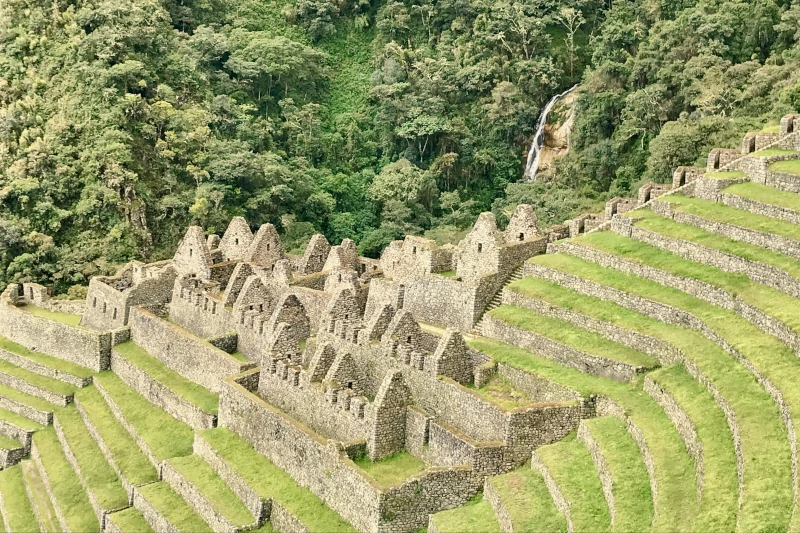
Winay Wayna on the Inca Trail is one of the most important, emotional, and visually stunning archaeological sites along the legendary route to Machu Picchu. Built on a steep mountainside and surrounded by dense cloud forest, Winay Wayna represents the final spiritual, ceremonial, and physical preparation point before reaching the Inca citadel.
For many hikers, Winay Wayna is not just another set of ruins—it is the true heart of the Inca Trail.
What Is Winay Wayna on the Inca Trail?
Winay Wayna is a large Inca archaeological complex located near the end of the Classic Inca Trail. Its name comes from Quechua and means “Forever Young,” referring to a native orchid that blooms year-round in the area.
Within the Inca Trail network, Winay Wayna served multiple purposes:
A ceremonial and ritual center
An agricultural production site
A resting place for pilgrims and elites traveling to Machu Picchu
Its strategic position and architectural complexity make Winay Wayna one of the most significant sites on the entire route.
Location and Elevation of Winay Wayna
Winay Wayna is located inside the Historic Sanctuary of Machu Picchu, in the Cusco region of Peru.
Elevation: 2,650 meters / 8,694 feet
Inca Trail day: Day 3 of the Classic Inca Trail
Nearby sites: Phuyupatamarca (before), Inti Punku / Sun Gate (after)
Distances on the Inca Trail
Phuyupatamarca → Winay Wayna: 4–5 hours
Winay Wayna → Inti Punku: ~1 hour
Winay Wayna → Machu Picchu: ~2 hours
This placement makes Winay Wayna the last major archaeological site before Machu Picchu.
History of Winay Wayna
Archaeological evidence suggests that Winay Wayna was constructed during the reign of Pachacuti Inca Yupanqui in the 15th century—the same ruler responsible for the expansion of the Inca Empire and the construction of Machu Picchu.
Winay Wayna formed part of the royal pilgrimage route, used by priests, nobles, and messengers. Unlike many Inca sites, it was never destroyed by Spanish conquistadors, remaining hidden beneath thick vegetation for centuries.
Main Functions of Winay Wayna
Religious rituals associated with water and fertility
Agricultural cultivation using advanced terrace systems
Temporary lodging for elite travelers
Architecture and Layout of Winay Wayna
Agricultural Terraces
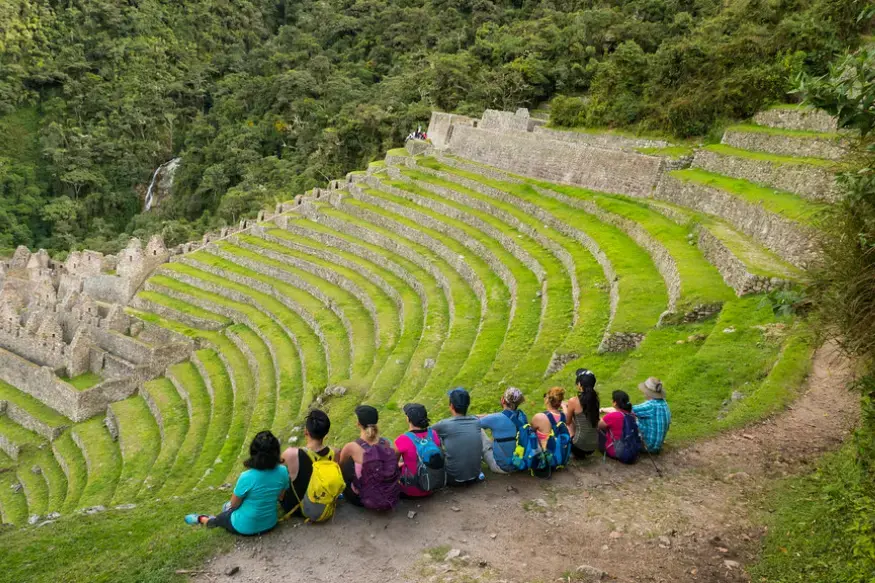
Winay Wayna features more than 20 finely engineered terraces cascading down the mountainside. These terraces:
Prevent soil erosion
Control humidity and temperature
Reflect sophisticated Inca agricultural knowledge
Urban and Ceremonial Sectors
The complex is divided into two main areas:
Lower sector: residential rooms and storage spaces
Upper sector: ceremonial buildings, temples, and fountains
Sacred Water Fountains
One of the most remarkable elements of Winay Wayna is its stone water fountain system. Narrow channels guide mountain water through a sequence of fountains, many of which still function today—over 500 years later.
Water symbolized life, renewal, and spiritual purification in Inca cosmology.
Spiritual Significance of Winay Wayna on the Inca Trail
Winay Wayna is widely believed to have been a ritual purification site. Pilgrims would stop here to cleanse themselves spiritually before entering Machu Picchu.
The combination of:
Constant flowing water
Mountain silence
Misty cloud forest surroundings
creates a powerful and meditative atmosphere. Many trekkers describe Winay Wayna as more intimate and spiritually intense than Machu Picchu itself.
Winay Wayna lies within the Andean cloud forest, one of the most biodiverse ecosystems in Peru.
Plant Life
Native orchids (including the Winay Wayna flower)
Bromeliads
Mosses and giant ferns
Dense subtropical vegetation
Wildlife
Hummingbirds
Butterflies
Andean bird species
Rare sightings of spectacled bears
How to Get from Winay Wayna to Machu Picchu
According to many historians and professional guides, the journey to Machu Picchu along the Inca Trail traditionally lasted around three days, following a carefully designed pilgrimage route. This route commonly began in the community of Piscacucho (Km 82), which remains the official starting point of the Classic Inca Trail today.
Along the way, travelers passed through important Andean communities and ceremonial sites such as Cusichaca (Km 82), Huayllabamba (Km 88), and Chachabamba (Km 104). These locations were not random stops but strategic points used for rest, agriculture, and ritual preparation before reaching the most sacred zones of the trail.
Winay Wayna was one of the final and most important stops on this journey. Located just 3 miles (4.7 kilometers) from Machu Picchu, the site served as a ceremonial and purification center before the last ascent to the Sun Gate.
Today, Winay Wayna remains an essential stop along both the Classic Inca Trail and the Short Inca Trail. The ruins are located a short walk from the official campsite and are accessible only to permitted hikers, generally between 8:00 a.m. and 8:00 p.m., under the supervision of licensed guides.
Can You Visit Winay Wayna Without Hiking the Inca Trail?
No. Winay Wayna is only accessible via the Inca Trail.
There is no road, train, or alternative public access.
Rules and Conservation at Winay Wayna
Winay Wayna is protected by the Peruvian Ministry of Culture and strict regulations apply:
No climbing on ruins
No drones
No littering
Guided access only
These measures ensure the preservation of the site for future generations.
Practical Tips for Visiting Winay Wayna
Dress in layers due to changing weather
Carry a rain jacket, even in dry season
Wear good hiking shoes (stone steps can be slippery)
Respect the silence and sacred nature of the site
Winay Wayna Compared to Other Inca Trail Sites
Interesting Facts About Winay Wayna
One of the most photographed sites on the Inca Trail
Its hydraulic system still works today
Often considered more emotionally powerful than Machu Picchu
Relationship Between Winay Wayna and Machu Picchu
Winay Wayna served as the final preparation site for pilgrims before entering Machu Picchu. The architectural similarities and ceremonial layout suggest both sites were part of the same sacred network.
Why Winay Wayna Is One of the Most Important Sites on the Inca Trail?
Winay Wayna on the Inca Trail represents:
The peak of Inca engineering
The spiritual essence of the pilgrimage
The emotional transition before Machu Picchu
It is where physical effort meets spiritual meaning.
Which is better Manu or Tambopata Jungle?
Which is better Manu or Tambopata Jungle?
Are you planning to travel to Peru to see its amazing wildlife? Then you could find it difficult to decide between Manu and Tambopata.
Both are equally fascinating, but depending on your needs. One may offer certain advantages over the other. So, which is better Manu or Tambopata Jungle?
Accessibility:
Because of its isolation, Manu National Park is regarded as one of the planet’s biodiverse locations. Even wildlife researchers can reach it that easily! You must take a 40-minute flight to Boca Manu before taking a 5–6-hour boat ride to the jungle lodges where you will be staying to reach the Manu jungles.
Since Tambopata is not as secluded as Manu, you should be ready for some crowds. Although it is not a lot, Tambopata receives a lot more daily visits. This is because it is so easily accessible; all it takes is a 30-minute flight from Cusco to Puerto Maldonado. You can then travel to the jungle lodges by boat along the Tambopata River.
Wildlife Spotting:
With more than 1200 plant species, 200 mammal species, 150 reptiles, and amphibian species, and 1000 butterfly species, the Manu National Park is one of the best places in Peru to watch wildlife. It will undoubtedly be one of the greatest life experiences you will ever have. River otters, black caimans, capybaras, Brazilian tapirs, giant armadillos, scarlet macaws, Andean cock-of-the-rock, and black spider monkeys are among the animals that are frequently spotted.
Tambopata Jungle is especially excellent for wildlife viewing, particularly birdwatching expeditions, with around 1200 plant species, 160 mammal species, 100 reptile and amphibia species, 650 bird species, and 1200 butterfly species. The Chuncho Macaw Clay Lick, which feeds more than 100 macaws, parrots, and parakeets every day, is the most visited site in the Tambopata.
Costs of the Tours:
The Manu wildlife excursions are suited for visitors who intend to stay in Peru for longer than 2 weeks because they need a lot of time and effort. The wildlife tour alone will take anything from 4 to 9 days, depending on your needs. It is more interesting than Tambopata, but it is also more expensive because you need a budget of $300 to $400 every day.
Tambopata is more suitable for visitors who intend to stay in Peru for less than a week. This is because it is not a particularly difficult place to visit and practically all wildlife excursions last for approximately 4-5 days. Because of the crowds, it is less entertaining but also the least expensive, costing only approximately $100 to $200 per day.
Which is better Manu or Tambopata Jungle?
The dry season of Peru, lasts from April to September. It is the best time to visit the jungles of Manu and Tambopata since it increases the chance of spotting wildlife.
Whatever place you decide to go, it will be equally fascinating and leave a lasting impression on you. It all comes down to your preferences, such as the number of days you want to spend in Peru, how much budget you have, and what kind of species you want to see!
Wildlife Encounters in Tambopata National Reserve Peru
Nestled in the heart of Peru’s southeastern rainforest, the Tambopata National Reserve is a treasure trove of biodiversity, where the sights and sounds of the Amazon come alive. This sprawling natural wonder is home to thousands of plant and animal species, offering an unparalleled opportunity for wildlife enthusiasts and adventure seekers alike.
Whether you’re an aspiring travel blogger looking to create captivating content, a travel agency owner seeking unique experiences for clients, or a history and culture enthusiast eager for an enriching adventure, Tambopata promises unforgettable encounters. Let’s dive into the wonders that await in Tambopata and how you can make the most of your journey.
[machupicchu_calendar]
Exploring the Rich Biodiversity of Tambopata
The Tambopata National Reserve, part of the larger Madre de Dios region, is one of the most biodiverse places on Earth. With over 600 bird species, 1,200 butterfly species, and countless mammals and reptiles, this reserve is a dream destination for wildlife photographers and nature lovers.
Birds: A Symphony of Colors
Birdwatchers will be in paradise as they encounter the vibrant plumage of macaws and parrots. The iconic clay licks, where these birds gather to ingest mineral-rich clay, offer a spectacle of color and sound as hundreds of birds flock together. Witnessing this phenomenon is a once-in-a-lifetime experience that should not be missed.
The clay licks are a vital part of the ecosystem, providing nutrients that are scarce in the birds’ diet. These gatherings are not only a visual feast but also an auditory one, with the cacophony of calls creating a natural symphony. Observing the social interactions among different bird species can provide insights into their behaviors and the dynamics of the rainforest.
Beyond macaws and parrots, Tambopata hosts a diverse array of other avian species. From the majestic harpy eagle to the elusive hoatzin, each bird has adapted uniquely to its environment. Birdwatchers can spend countless hours immersed in the forest canopy, hoping for a glimpse of these feathered wonders.
Mammals: Giants of the Jungle
From the majestic jaguar stealthily roaming the forest to playful river otters frolicking in the waterways, Tambopata is teeming with mammalian life. Keep your eyes peeled for sightings of tapirs, peccaries, and the elusive puma. Guided night walks offer a chance to spot these creatures under the cover of darkness, adding an element of thrill to your adventure.
The diversity of mammalian life in Tambopata is astounding, with each species playing a crucial role in the ecosystem. The jaguar, as a top predator, helps maintain the balance by controlling the population of herbivores. Meanwhile, river otters, with their playful antics, are indicators of the health of aquatic environments.
Nighttime unveils a different side of Tambopata. Armed with flashlights and expert guides, adventurers can explore the forest’s nocturnal wonders. The sounds of the jungle come alive, and the chance to see a puma or an ocelot prowling through the underbrush is an exhilarating experience that connects you more deeply with the wild.
Reptiles and Amphibians: The Hidden Gems
Tambopata’s humid climate creates the perfect environment for a variety of reptiles and amphibians. You may encounter colorful poison dart frogs, camouflaged anacondas, and the mighty caiman lurking in the rivers. These creatures are essential to the ecosystem and add to the reserve’s rich tapestry of life.
The vibrant poison dart frogs, though small, are a striking highlight of the rainforest. Their vivid colors warn predators of their toxicity, a fascinating example of nature’s adaptations. These tiny amphibians play a significant role in controlling insect populations, showcasing their ecological importance.
Reptiles like the anaconda and caiman are often subjects of intrigue and awe. The anaconda, one of the largest snakes in the world, is a master of camouflage, blending seamlessly into its environment. Caimans, with their prehistoric appearance, are formidable predators that command respect and attention from anyone fortunate enough to encounter them.
Amphibians and reptiles in Tambopata exhibit incredible diversity, each species uniquely adapted to its niche. Observing these creatures provides a deeper understanding of the complex web of life that sustains the rainforest, reminding us of the intricate balance that must be preserved.
Planning Your Tambopata Adventure
When planning your journey to Tambopata, consider what type of experience you are looking for. The reserve offers a range of tours and accommodations to suit different preferences and budgets.
Choosing the Right Tour
Tambopata tours vary from short excursions to multi-day adventures. For those seeking a deep dive into the rainforest, consider a guided tour that includes hikes, boat rides, and cultural interactions with local communities. Knowledgeable guides provide insights into the flora and fauna, enhancing your understanding and appreciation of this unique environment.
Selecting the right tour begins with understanding your interests and comfort level. Some visitors may prefer a leisurely pace, focusing on birdwatching or photography, while others might crave the adrenaline of zip-lining through the canopy or kayaking along winding rivers. Identifying your priorities will help tailor your experience to maximize enjoyment and discovery.
Cultural tours that engage with indigenous communities offer a unique perspective on life in the Amazon. Visitors can learn about traditional practices, medicinal plants, and the challenges these communities face. These interactions foster a deeper connection to the region and its people, enriching your overall experience.
Accommodation: Immerse Yourself in Nature
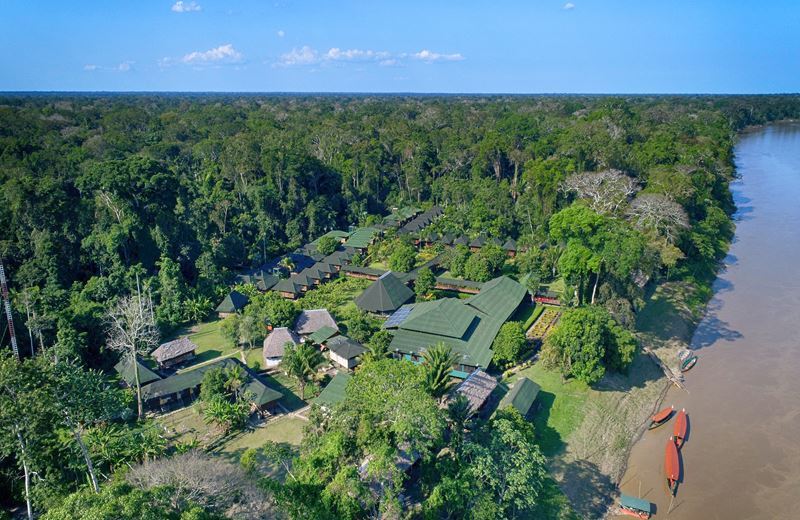
Staying in a jungle lodge is an integral part of the Tambopata experience. These eco-friendly accommodations blend seamlessly with the natural surroundings, offering comfort while minimizing environmental impact. Enjoy the sounds of the jungle from your hammock or join fellow travelers in the communal areas to share stories of your wildlife encounters.
Eco-lodges in Tambopata are designed to enhance your connection to the natural world. With open-air designs and minimal barriers between you and the forest, you’ll wake to the call of howler monkeys and drift off to the symphony of nocturnal creatures. These lodges often incorporate sustainable practices, from solar energy to locally sourced materials, emphasizing their commitment to conservation.
The communal atmosphere of jungle lodges fosters camaraderie among travelers. Shared meals and evening gatherings provide opportunities to exchange stories, tips, and experiences. These interactions can lead to lifelong friendships and a shared passion for protecting the planet’s wild places.
Preparing for Your Visit
Proper preparation ensures a smooth and enjoyable trip to Tambopata. Packing essentials like lightweight clothing, insect repellent, and waterproof gear is crucial for comfort in the humid rainforest climate. Understanding the local weather patterns can also help you plan your daily activities and excursions.
Travelers should think about health precautions, like getting vaccinations and taking steps to prevent mosquito bites. Consulting with a healthcare provider before your trip can provide peace of mind and help you enjoy your adventure without health concerns. Additionally, familiarizing yourself with local customs and languages can enhance your interactions with the community and enrich your experience.
Responsible Tourism in Tambopata
Tambopata National Reserve is a protected area, and responsible tourism practices are crucial to preserving its natural beauty. Here are some tips for ensuring your visit is sustainable and respectful:
Support Local Communities
Choose tours and lodges that involve and benefit local communities. This not only supports the local economy but also provides you with a richer cultural experience. Many tours offer opportunities to learn from indigenous groups about their traditional ways of life and their relationship with the forest.
Supporting local businesses and artisans during your visit ensures that tourism dollars stay within the community. Purchasing handmade crafts, attending local events, and dining at community-run eateries are simple yet effective ways to contribute positively. These interactions provide a more authentic travel experience and foster mutual respect and understanding.
Educational exchanges with indigenous groups offer insights into sustainable living practices. From traditional farming techniques to forest management, these lessons highlight the importance of maintaining a harmonious relationship with nature. Visitors leave with a deeper appreciation for the wisdom and resilience of these communities.
Leave No Trace
Follow the principles of Leave No Trace by minimizing your impact on the environment. Stick to marked trails, carry out all waste, and respect wildlife by observing from a distance. These practices help ensure that Tambopata remains a pristine haven for future generations to enjoy.
Respecting the environment involves more than just following rules—it’s about cultivating an ethic of stewardship. By understanding the fragility of the rainforest ecosystem, visitors can appreciate the importance of minimizing their footprint. Simple actions like avoiding plastic, using biodegradable products, and conserving water contribute significantly to conservation efforts.
Wildlife should be observed with care and respect. Keeping a safe distance helps keep you safe and reduces stress on animals. This way, they can continue their natural behaviors. Photographers should use long lenses and quiet equipment to capture images without disturbing the subjects, preserving the authenticity of the encounter.
Educate and Inspire
Use your travel experience to educate others about the importance of conservation. Whether through blog posts, social media, or conversations with friends and family, sharing your Tambopata adventure can inspire others to appreciate and protect our planet’s natural wonders.
In today’s digital age, storytelling is a powerful tool for advocacy. By sharing vivid descriptions and captivating images, travelers can transport their audience to the heart of the Amazon, fostering a sense of wonder and responsibility. Highlighting both the beauty and the challenges facing Tambopata can motivate others to take action and support conservation initiatives.
Engaging with environmental organizations and participating in conservation projects during your visit can deepen your understanding of the issues. By volunteering or contributing to research efforts, travelers become active participants in preserving Tambopata’s biodiversity. These experiences often lead to lifelong commitments to environmental stewardship and advocacy.
Capturing the Essence of Tambopata
For aspiring travel bloggers and photographers, Tambopata offers endless inspiration. Capture the essence of the Amazon with vivid images and storytelling that convey the beauty and complexity of the rainforest. Focus on the small details, like the intricate patterns on a butterfly’s wings or the reflections in a river at sunset, to create a narrative that draws readers into your journey.
Photography: Beyond the Surface
Photographing Tambopata requires more than technical skill; it demands a keen eye for storytelling. Capturing the interplay of light and shadow, the vibrant colors, and the subtle movements of wildlife can evoke the rainforest’s spirit. Photographers should strive to convey emotion and context, creating images that resonate with viewers and encourage a deeper connection to nature.
Experimenting with different perspectives can yield unique and compelling compositions. Whether it’s a macro shot of a dew-laden spider web or a wide-angle view of the forest canopy, each image tells a story. Emphasizing the relationship between subjects and their environment adds depth and meaning to your photographic narrative.
Storytelling: Crafting a Compelling Narrative
Storytelling is an art that combines observation, experience, and creativity. By weaving together personal anecdotes, natural history, and cultural insights, bloggers can create narratives that transport readers to Tambopata. The challenge lies in balancing factual information with personal reflection, crafting a story that informs, entertains, and inspires.
Incorporating diverse voices and perspectives enriches your narrative. Interviews with guides, locals, and fellow travelers can provide different angles and insights, adding authenticity and depth. This collaborative approach not only enhances your storytelling but also reflects the interconnectedness of the Tambopata experience.
Sharing Your Journey
Sharing your Tambopata journey through various platforms extends the reach of your narrative and its impact. Social media, blogs, and travel magazines offer opportunities to connect with a global audience, raising awareness about the beauty and conservation needs of the Amazon. Engaging with your audience through comments and discussions can foster a community of like-minded individuals passionate about preserving our planet’s wonders.
Conclusion: An Adventure Awaits
Tambopata National Reserve is more than just a destination; it’s an opportunity to connect with nature in its purest form. Whether you’re trekking through the jungle, gliding down the river, or simply soaking in the symphony of the rainforest, Tambopata promises a transformative experience.
Embark on your adventure with an open heart and a commitment to responsible travel, and you will leave with memories that last a lifetime. Join the ranks of those who have fallen under the spell of Tambopata’s wild beauty and return home inspired to preserve the wonders of the world.
Ready to explore the wonders of Tambopata National Reserve? Start planning your adventure today, and prepare for an experience that will leave you in awe of nature’s majesty.
When Is the Best Month to Visit Machu Picchu?
Picture this: you’re standing at the Sun Gate as dawn breaks over Machu Picchu, but instead of the crystal-clear mountain views you’ve dreamed of, you’re squinting through dense fog and drizzle. Or perhaps you’ve finally reached the iconic Huayna Picchu viewpoint, only to find yourself shoulder to shoulder with hundreds of other tourists, all vying for the same Instagram shot.Your timing can make or break your Machu Picchu experience.
The ancient Incas built their masterpiece to align perfectly with celestial events, and modern travelers need to be just as strategic about their timing. Below we’ll show you how you can perfectly align your trip with your preferences.
Understanding Machu Picchu’s Weather and Seasons
Machu Picchu, nestled high in the Andes Mountains, experiences a variety of weather patterns that can greatly influence your visit. Understanding these weather and seasonal variations is key to planning the perfect trip.
Dry Season: April to October
The dry season, spanning from April to October, is often considered the best time to visit Machu Picchu. During these months, you can expect clear skies, less rain, and comfortable temperatures, making it ideal for exploring the ruins and hiking the Inca Trail or ascending the Huayna Picchu.
Peak Tourist Months: July and August
July and August are particularly popular among tourists, leading to larger crowds. During these months, the influx of visitors can create a bustling atmosphere at Machu Picchu. This is when the site is most lively, filled with travelers from all over the world, sharing in the awe of this ancient wonder.
Shoulder Months: April, May, September, and October
If you prefer a less crowded experience, consider visiting in April, May, September, or October. These shoulder months offer the best time of the year of both worlds: favorable weather conditions without the peak-season crowds. The atmosphere is calmer, allowing for a more intimate exploration of the site and a chance to appreciate its beauty in solitude.
Ideal Hiking Conditions
The dry season provides optimal conditions for hiking, particularly on the Inca Trail. The trails are less slippery, and the risk of heavy rain is minimized, making it safer for trekkers. The absence of rain also means that the stunning views from the trails are unobstructed, allowing hikers to fully appreciate the surrounding landscapes. This allows the visitor to try the Lares trek or the Salkantay trek.
Wet Season: November to March
The wet season, from November to March, is characterized by frequent rainfall. While the lush greenery is a sight to behold, rain can make trekking challenging.
Experiencing the Lush Greenery
Wet Season Magic: Green Paradise
The rainy season turns Machu Picchu into a jungle paradise. All that water makes everything bright green and lush.If you love nature, this is your time. The whole place explodes with color. Plants grow thick and wild around the ancient stones.
Photographers go wild for wet season shots. The contrast between gray ruins and bright green plants is stunning. Every photo looks like a postcard. Sure, you’ll get wet, but you’ll also see Machu Picchu at its most alive and beautiful. Pack a good rain jacket and embrace the adventure.
Navigating Rain Challenges
Rain can make trekking more challenging, with muddy and slippery trails. For adventurous travelers, this adds a layer of excitement and challenge to the journey. It’s essential to come prepared with appropriate gear, including waterproof clothing and sturdy footwear, to navigate the elements safely.
Benefits of Fewer Tourists
Visiting during this period has its perks, such as fewer tourists and lower prices. The reduced number of visitors allows for a more personal experience at Machu Picchu. You’ll have the opportunity to explore the ruins at a leisurely pace, savoring the serenity and mystique without the
Adjusting to Altitude
Visitors should also be mindful of potential troubles like altitude sickness and its impact on temperature perception. The high elevation can make temperatures feel colder than they are, especially at night. Taking time to acclimatize and listen to your body’s needs is crucial for a comfortable visit.
Preparing for Temperature Fluctuations
Machu Picchu weather changes fast. Pack layers so you’re ready for anything.Bring light, quick-dry clothes for daytime exploring. When the sun’s out, you’ll heat up quickly walking around those ruins.
Pack a warm jacket or fleece too. Evenings get chilly up in the mountains. You don’t want to be shivering during sunset photos. Think of it like this: hot during the day, cold at night. Dress in layers you can add or take off as needed.
Best Time of Day to Visit Machu Picchu
For those seeking the perfect photo opportunity or a serene atmosphere, the best time of day to visit Machu Picchu is either early in the morning or late in the afternoon.
Early Morning Visits
The site opens at 6 am, and if you can arrive early, you’ll be rewarded with a stunning sunrise and fewer crowds.
Capturing the Sunrise
The early morning visit offers the magical experience of watching the sunrise over the Andes. As the first light of day touches the ancient stones, the site is bathed in a warm, golden glow. Photographers and early risers will find this time ideal for capturing breathtaking images of Machu Picchu emerging from the morning mist.
Beating the Crowds
Arriving early allows you to explore key areas of the site without the hustle and bustle of larger groups. You can take your time wandering through the ruins, appreciating the intricate stonework and historical significance without feeling rushed or overwhelmed by other visitors.
Late Afternoon Visits
Alternatively, visiting in the late afternoon allows you to experience the site as the sun sets, casting a golden glow over the ruins.
Capturing the Sunset
The late afternoon is another excellent time for photography, as the setting sun casts long shadows and a warm hue across Machu Picchu. This time of day highlights the dramatic landscape and provides unique lighting conditions that add depth and texture to your photos.
Avoiding the Midday Heat
Visiting later in the day also helps you avoid the midday heat. The cooler temperatures are more comfortable for exploring, allowing you to focus on the beauty and history of Machu Picchu without the distraction of intense sunlight.
Machu Picchu Travel Tips
Planning a trip to Machu Picchu involves more than just choosing the right time to visit. Here are some practical travel tips to ensure your journey is smooth and enjoyable.
Booking Essentials
Book in Advance: Machu Picchu has a limited number of daily visitors, so it’s essential to book your tickets well in advance, especially during the peak season.
Secure Your Tickets Early
Booking tickets early is crucial to securing your spot at Machu Picchu. Plan your visit months in advance, particularly if you’re traveling during the high season. This ensures you have access to the site on your preferred dates and avoids last-minute disappointments.
Consider Multiple Entry Options
When booking, consider the different types of tickets available, such as those that include entry to Huayna Picchu or Machu Picchu Mountain. These additional experiences offer unique perspectives and challenges, enhancing your visit with breathtaking views and thrilling hikes.
Benefits of a Guided Tour
A knowledgeable guide can transform your visit into an educational and immersive experience. They offer in-depth explanations of the site’s history, architecture, and cultural significance, bringing the ancient ruins to life. Their expertise enhances your understanding and appreciation of UNESCO world heritage site and its context.
Personalized Tours and Customization
Many tour operators offer personalized tours tailored to your interests. Whether you’re fascinated by Incan engineering, religious practices, or daily life, a customized tour can focus on your specific areas of curiosity. This personalized approach ensures you gain the most from your visit.
Local Insights and Hidden Gems
Guides often share local insights and stories that you might not find in guidebooks. They can lead you to lesser-known areas of the site, pointing out hidden details and viewpoints that offer unique photo opportunities. Engaging with a guide adds depth and authenticity to your journey.
Packing for Success
Pack Wisely: Bring a rain jacket, sunscreen, insect repellent, and a hat. Comfortable walking shoes are a must, as you’ll be doing a lot of exploring.
Acclimatization Strategies
To minimize the effects of altitude sickness, spend a few days acclimatizing in Cusco before heading to Machu Picchu. This adjustment period allows your body to adapt to the reduced oxygen levels, making your visit more comfortable. Engage in light activities and avoid strenuous exercise during this time.
Recognizing Altitude Sickness Symptoms
Be aware of the symptoms of altitude sickness, which can include headaches, nausea, and dizziness. If you experience any of these, rest and hydrate until you feel better. In severe cases, descending to a lower altitude may be necessary, so listen to your body and seek medical attention if needed.
Exploring Beyond Machu Picchu
While Machu Picchu is a highlight, the surrounding region offers other remarkable experiences. The Sacred Valley, Cusco, and the Inca Trail itself are worth exploring. Each destination provides unique insights into the rich tapestry of Incan culture and the stunning landscapes of Peru.
Discovering the Sacred Valley
The Sacred Valley, with its picturesque landscapes and charming villages, is a must-visit destination for any traveler to Peru. This fertile region was once the heartland of the Inca Empire, and its historical significance is evident in the ruins and agricultural terraces that dot the landscape.
Exploring Pisac and Ollantaytambo
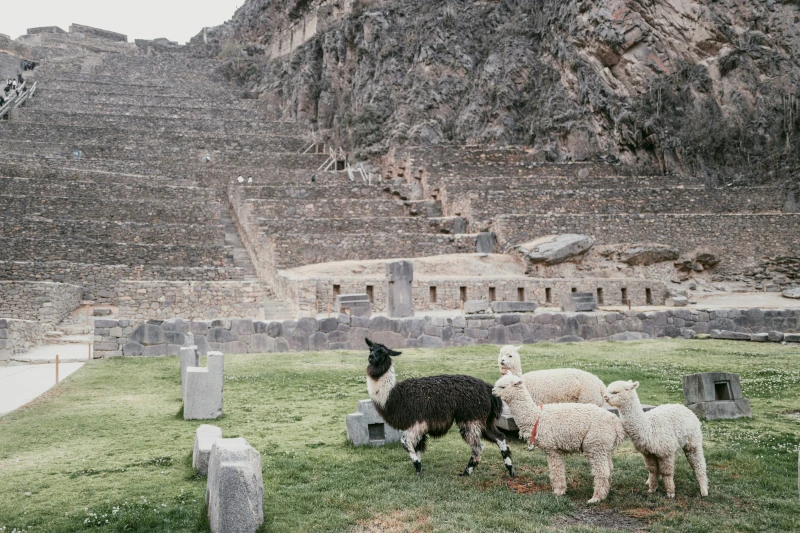
Pisac and Ollantaytambo are two of the most notable archaeological sites in the Sacred Valley. Pisac is renowned for its impressive terraces and vibrant market, offering a glimpse into traditional Andean life. Ollantaytambo, with its well-preserved ruins, provides a fascinating insight into Incan urban planning and architecture.
Outdoor Adventures in the Sacred Valley
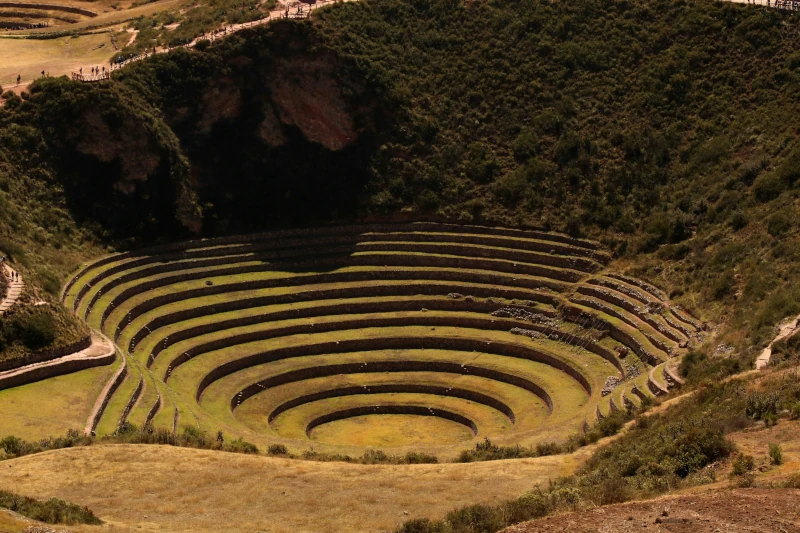
For adventure enthusiasts, the Sacred Valley offers a range of outdoor activities, from hiking and mountain biking to river rafting. The valley’s diverse terrain provides ample opportunities for exploration and adrenaline pumping adventures, you can adventure to visit the agricultural terraces of Moray.
Exploring Cusco’s Must see Sites
Cusco is home to numerous historical sites, including the impressive Sacsayhuamán fortress and the Qorikancha temple. Wander through the city’s narrow alleys, discovering hidden gems and architectural marvels at every turn. Each site tells a story of Cusco’s rich past and its enduring legacy.
Experiencing Cusco’s Festivals
Cusco’s cultural calendar is filled with lively festivals and celebrations that offer a glimpse into the region’s traditions and heritage. The Inti Raymi, or Festival of the Sun, is one of the most significant events, featuring colorful parades, music, and dance. Participating in these festivities provides an immersive cultural experience.
Culinary Delights in Cusco
Cusco’s culinary scene is a delightful fusion of traditional Andean flavors and contemporary culinary trends. Sample local dishes like ceviche, lomo saltado, and alpaca steak, or indulge in a gourmet dining experience at one of the city’s many acclaimed restaurants. Cusco’s food reflects its diverse cultural influences and innovative spirit.
Trekking the Inca Trail
The Inca Trail is one of the world’s most famous trekking routes, leading adventurers through diverse landscapes and ancient ruins on the way to Machu Picchu.
Planning Your Inca Trail Hike
Embarking on the Inca Trail requires careful planning and preparation. The inca trail permits are limited and must be booked well in advance, especially during the peak season. Choose from different trail options, ranging from the classic four-day trek to shorter, more accessible routes.
Experiencing the Trail’s Highlights
The Inca Trail offers a journey through breathtaking scenery, from lush cloud forests to high mountain passes. Along the way, you’ll encounter ancient ruins, such as Wiñay Wayna, and witness panoramic views that are unparalleled in their beauty. Each step brings you closer to the awe inspiring finale at Machu Picchu.
Plan Your Perfect Machu Picchu Adventure Today
Choosing the best month to visit Machu Picchu depends on your preferences and priorities. Whether you seek ideal Machu picchu weather, fewer crowds, or a unique photographic opportunity, there’s a perfect time for everyone. By planning ahead and considering your travel goals, you can ensure a memorable and enriching experience at this world-renowned site. You can combine your trip with other impressive alternatives for adventure lovers, such as the Humantay lake or Rainbow Mountain.
So pack your bags, charge your camera, and get ready for an adventure of a lifetime at Machu Picchu. With thoughtful planning and an open mind, you’re set to discover the magic and mystery of this ancient wonder, creating memories that will last a lifetime.
What to Expect When Hiking the Rainbow Mountain in Peru
The Rainbow Mountain also known as the Mountain of Seven Colors has emerged as a popular travel spot among international visitors in Peru. It was discovered in 2015, when the snow covering it melted and revealed its natural beauty.
The trail is mostly flat until the final ascent, but the high altitude poses challenges for hikers. You are usually recommended to walk at a relaxed pace.
The locals of the area keep herds of llamas and alpacas, so you will have the chance to see these furry creatures along the way. When you reach the final point of the summit, you will witness the panoramic views of the Rainbow Mountain as well as the nearby Red Valley.
Facts about the Hike:
Elevation: 17,060 feet above sea level.
Duration: 3-4 hours, depending on your pace.
Distance: 7 km
Difficulty: Moderate to difficult, depending on your physical fitness level.
Best Time to Visit
The Peruvian Andes witnesses two distinct seasons which are the dry season from April to October; and the rainy season from November to March.
You can plan your adventure between March and September. The months between July and August are the sunniest of all but this is also the peak tourism season in Peru. During these months you can contend with large crowds of up to 3,000 people each day.
However, the months like October and May offer a good balance between visitor numbers and climatic conditions. All the visitors coming to Rainbow Mountain are suggested to come prepared with clothes for all weather conditions as it can change quickly.
Things to Bring for the Hike
A refillable water bottle
Snacks for the hike
Peruvian soles in smaller bills if you want to pay for a horse ride.
Comfortable hiking shoes
A warm hat.
Multiple layers of clothing
Sunscreen
Sunglasses
Things to Remember during the Hike to the Rainbow Mountains
Take the time to acclimatize to the high altitude for one or two days before attempting the hike.
Take medicine for altitude sickness.
Drink coca tea which is considered an herbal remedy by locals for altitude sickness for thousands of years.
You should avoid heavy meals, alcoholic beverages and smoking cigarettes.
You should stay hydrated throughout the tour.
The Rainbow Mountain is nestled in the Andes Mountains of Peru. It was once a spectacle that could be admired only by trekkers along the Ausangate Trek, but now you can also reach the Rainbow Mountain in a 1 or 2 days hike as part of your Peru vacation.
What to Expect on the Inca Trail: A Day-by-Day Guide
Embarking on the Inca Trail is an adventure of a lifetime. It’s a journey back in time, amidst breathtaking landscapes. This guide offers a day-by-day breakdown on what to expect on the Inca Trail.
The trail challenges and rewards, with its diverse terrains. Every step brings you closer to the ancient city of Machu Picchu. Preparation is key for this trek.
Our guide ensures you know what to expect. From altitude changes to sacred ruins, we’ve got you covered. Pack your bags and get ready for an unforgettable journey.
With insights on the best times to go and what to bring, you’ll be well-prepared. This journey is not just a hike; it’s a cultural immersion. Let’s start this remarkable adventure together in our Inca Trail to Machu Picchu.
Day 1: Setting Off on the Inca Trail – The Journey Begins
Embarking on the Inca Trail marks the start of an unforgettable adventure. Hikers gather early, buzzing with anticipation. The air is crisp, hinting at the day’s challenges.
Guides distribute last-minute advice, emphasizing the journey ahead. Our goal? To traverse ancient paths leading to Machu Picchu.
Preparation and First Steps
Before dawn, we leave Cusco, heading towards the Sacred Valley. The scenic drive offers glimpses of rural life.
Our destination is Km 82, the official starting point. Here, we undergo a brief check-in process. Passports in hand, excitement builds among the group.
The first day introduces hikers to the trail’s beauty. We cover approximately 14 kilometers, a manageable distance for most. The path meanders alongside the Urubamba River, offering serene views. Verdant mountainsides frame our path, a testament to nature’s splendor.
Expect on the Inca Trail: A Journey of Discovery
Expect on the Inca Trail to encounter diverse ecosystems. The trail gradually ascends, reaching altitudes above 3,000 meters. Hikers feel the altitude, each breath seeming heavier than the last.
We highly recommend acclimatizing in Cusco for a few days beforehand. This preparation helps mitigate altitude sickness, a common concern.
Lunch provides a welcome break. We refuel and rest, surrounded by panoramic views. Our guides share insights about Inca history, enriching the experience. The camaraderie among hikers grows, bonded by shared endeavor.
The Path to Patallacta
As we progress, the iconic site of Patallacta comes into view. This ancient settlement mesmerizes with its strategic placement and architectural brilliance. Its terraces, once vibrant with crops, now stand as silent witnesses to Inca ingenuity.
Photographers find this spot irresistible. The ruins against the mountain backdrop create postcard-perfect images. We pause, absorbing the history and grandeur of our surroundings.
Altitude and Anticipation
The trail’s altitude demands respect. As we ascend, the air thins, challenging even seasoned hikers. Drinking plenty of water becomes essential. Guides remind us to pace ourselves, a key to overcoming the altitude.
Expect on the Inca Trail moments of introspection. The physical journey mirrors an inner one. Each step forward reflects determination, a step closer to the ancient citadel. The trail offers lessons in perseverance and awe at the Inca’s achievements.
Camping Under the Stars
Our first campsite welcomes us with spectacular views. The night sky, free of light pollution, dazzles with stars. Here, the Milky Way seems within reach, a celestial spectacle.
Dinner is a hearty affair, fuel for the days ahead. Stories and laughter fill the air, creating memories that will last a lifetime. As we retire to our tents, anticipation for tomorrow’s challenges lulls us to sleep.
Expect on the Inca Trail: A Test of Will and Spirit
The Inca Trail is more than a hike; it’s a journey through history. Day 1 sets the stage, blending physical challenge with cultural immersion. Expect on the Inca Trail to be tested, both physically and mentally.
The classic Inca Trail is a testament to human endeavor. It connects us to the past, to the people who once walked these paths. As we rest, dreams of ancient citadels and untouched landscapes fill our thoughts.
Reflections on Day One
Looking back on day one, the journey has already exceeded expectations. The blend of natural beauty and historical depth is unmatched. We highly recommend this experience to adventurers and history buffs alike.
The path ahead promises more wonders. Each step brings us closer to understanding the Inca’s mastery of their environment. As we rest, we reflect on the day’s journey. We have embarked on an adventure that will stay with us forever.
Expect on the Inca Trail to find more than ruins and landscapes. It offers a connection to the past, a bridge to understanding an ancient civilization. Day 1 is just the beginning. The trail beckons, leading us towards discovery and awe at the ingenuity of the Incas.
Day 2: Ascending to New Heights – Discovering Inca Ruins
Day 2 on the Inca Trail brings adventure to new levels. We start early, hearts full of anticipation.
The path ahead promises breathtaking views and ancient secrets. This is what hikers expect on the Inca Trail. Our destination? The majestic Machu Picchu.
The day begins with a steep ascent. We cover significant ground, tackling challenging terrains. The air thins as we climb higher. Guides and porters lead the way, ensuring safety and comfort.
By mid-morning, we reach an altitude that commands respect. The landscape unfolds in layers of history and natural beauty.
Here, each Machu Picchu story told by our guides adds depth to our journey. They share tales of the Inca Empire, its people, and their achievements. This enriches our hike to Machu Picchu.
Through the Heart of History
As we ascend, the ruins of Runkurakay greet us. This ancient checkpoint overlooks the valley below. Its circular design intrigues and invites speculation about its past purposes. We pause, capturing this moment, knowing it’s a privilege to visit Machu Picchu and its surrounding wonders.
The trail then leads us to the highest point of our trek: Dead Woman’s Pass. At 4,215 meters (13 828 feet), it’s a test of endurance. Here, the air is crisp, and the sense of achievement is palpable. We expect on the Inca Trail challenges, but the rewards surpass them all.
Descending from the pass, our path crosses lush cloud forests. Orchids and ferns line our way, a stark contrast to the morning’s rocky terrain. We marvel at the ecosystem’s diversity, a reminder of nature’s resilience and beauty.
The Path Less Traveled
After lunch, we approach the ruins of Sayacmarca. This inaccessible fortress stands as a guardian of the past. Its strategic location offers panoramic views, ideal for defense. Our guides explain its significance, enhancing our appreciation for Inca engineering.
The day’s journey showcases the importance of an Inca Trail permit. Without it, these sacred paths and ruins would remain unseen. Our hike to Machu Picchu continues, enriched by every step on the day Inca Trail.
As the sun begins to set, we reach our campsite. The day has been long, but spirits remain high. We share stories of the day’s adventures, each Machu Picchu tale more inspiring than the last. Our tour company has made this experience possible, guiding us through history and nature.
Tonight, under a blanket of stars, we reflect on our journey. We have walked paths paved by ancient civilizations. We have witnessed the ingenuity of the Inca Empire. Our visit to Machu Picchu is more than a hike; it’s a pilgrimage through time.
Expect on the Inca Trail to be challenged, to learn, and to be awed. Our guides and porters have been invaluable, sharing their knowledge and support. Inca Trail tours offer a unique blend of adventure and cultural immersion.
Tomorrow holds the promise of Machu Picchu. But today, we celebrate our ascent to new heights. We have discovered Inca ruins, traversed diverse terrains, and connected with a rich history.
This day on the Inca Trail has been unforgettable. We look forward to what comes next, ready for more discoveries.
Day 3 and 4: The Final Stretch – Arriving at Machu Picchu
Day 3 on the Inca Trail awakens us with a mix of excitement and anticipation. Today’s journey brings us closer to the legendary Machu Picchu. Our tour operator has briefed us well. We know what to expect on the Inca Trail.
The day’s hike starts with coca tea. This traditional remedy boosts our energy for the trek ahead. We pack our gear, eager to continue. The path ahead promises more wonders, more challenges.
Our first milestone is Phuyupatamarca, the ‘City Above the Clouds’. Its ruins emerge as we ascend, draped in mist. Here, the Inca’s genius in engineering and respect for nature become evident. This site offers a perfect pause, inviting reflection and awe.
Gateway to the Past
Descending from Phuyupatamarca, the trail becomes a verdant staircase. It leads us through the cloud forest, alive with birdsong. The air is fresh, filled with the scent of moss and earth. This portion of the hike underscores the diversity of the trail.
We reach Intipata, a site known for its agricultural terraces. These marvels of Inca architecture offer breathtaking views of the valley. Our guides share insights, making each step an educational journey. This is what hikers expect on the Inca Trail.
Our final camp is near Wiñay Wayna, ‘Forever Young’. This complex is a testament to Inca brilliance and their relationship with the land. Its terraces and structures cling to the mountainside, harmonious with the landscape.
The Dawn of Discovery
Day 4 begins in the dark, long before sunrise. Our night’s sleep was short but filled with anticipation. Today, we reach Machu Picchu.
The final part of our trek is quiet, reflective. We move as a group, connected by the shared goal. The Sun Gate awaits us, the final checkpoint before Machu Picchu.
As we approach the Sun Gate, the first rays of light crest the mountains. The sight is breathtaking. Machu Picchu reveals itself, nestled among the peaks. This moment is the reward for every step, every challenge faced on the trail.
We pause, allowing the magnitude of the view to sink in. This is the time to hike the Inca Trail, a journey through history to this moment. The Sun Gate offers the first glimpse of Machu Picchu, a preview of the marvels to come.
Arrival at the Ancient Citadel
Descending towards Machu Picchu, our excitement builds. Each step brings new perspectives of the city. Its beauty is overwhelming, nestled in nature, untouched by time.
We’ll gather for the final approach. They remind us of the importance of respect and preservation. This site is a treasure, a heritage of humanity.
We enter Machu Picchu, stepping into a world preserved by centuries. The city’s layout, its temples, and plazas speak of a civilization advanced beyond its time. Here, the Inca’s legacy is palpable, inviting awe and reverence.
Exploring Machu Picchu, we understand the importance of our journey. This is not just a visit; it’s an immersion into history. Our guides lead us, sharing stories and insights. Their knowledge enriches our experience, making it unforgettable.
Expect on the Inca Trail a transformation. The journey changes you, deepening your appreciation for history, nature, and human brilliance. We have walked paths ancient Incas trod, reaching a place of profound beauty and significance.
Our time at Machu Picchu concludes with a quiet reflection. We look back at the city from the Sun Gate, taking in the view. The journey here was not just about reaching a destination. It was about the lessons learned, the friendships forged, and the limits tested.
Reflections on the Journey
As we prepare to leave, we take one last look at Machu Picchu. The journey here has been more than we could have expected on the Inca Trail. It has been a journey of discovery, of challenges met and overcome.
Our hike the Inca Trail concludes, but the memories and lessons remain. We have experienced the beauty of the Andes, the genius of the Incas, and the spirit of adventure. This experience binds us to a story much larger than ourselves.
Expect on the Inca Trail to find parts of yourself you never knew existed. The trail teaches resilience, respect, and wonder. Our journey to Machu Picchu has been a testament to the enduring allure of the Inca Trail.
We leave with gratitude. Our tour operator, guides, and porters have been indispensable. Their expertise and care made this journey possible. As we depart, we carry with us a sense of accomplishment and a newfound respect for the ancient world.
The Inca Trail to Machu Picchu is more than a hike; it’s a pilgrimage to the past. It offers a glimpse into a civilization that, though gone, continues to inspire and awe. We return home enriched, our hearts and minds forever touched by this ancient wonder.