Tambopata Tour, Manu Peruvian Amazon Jungle
Adventure

Puerto Maldonado Tambopata Tour (4 Days)

Duration 3 days
Group size Max 10
Difficulty Moderate
Tour Overview

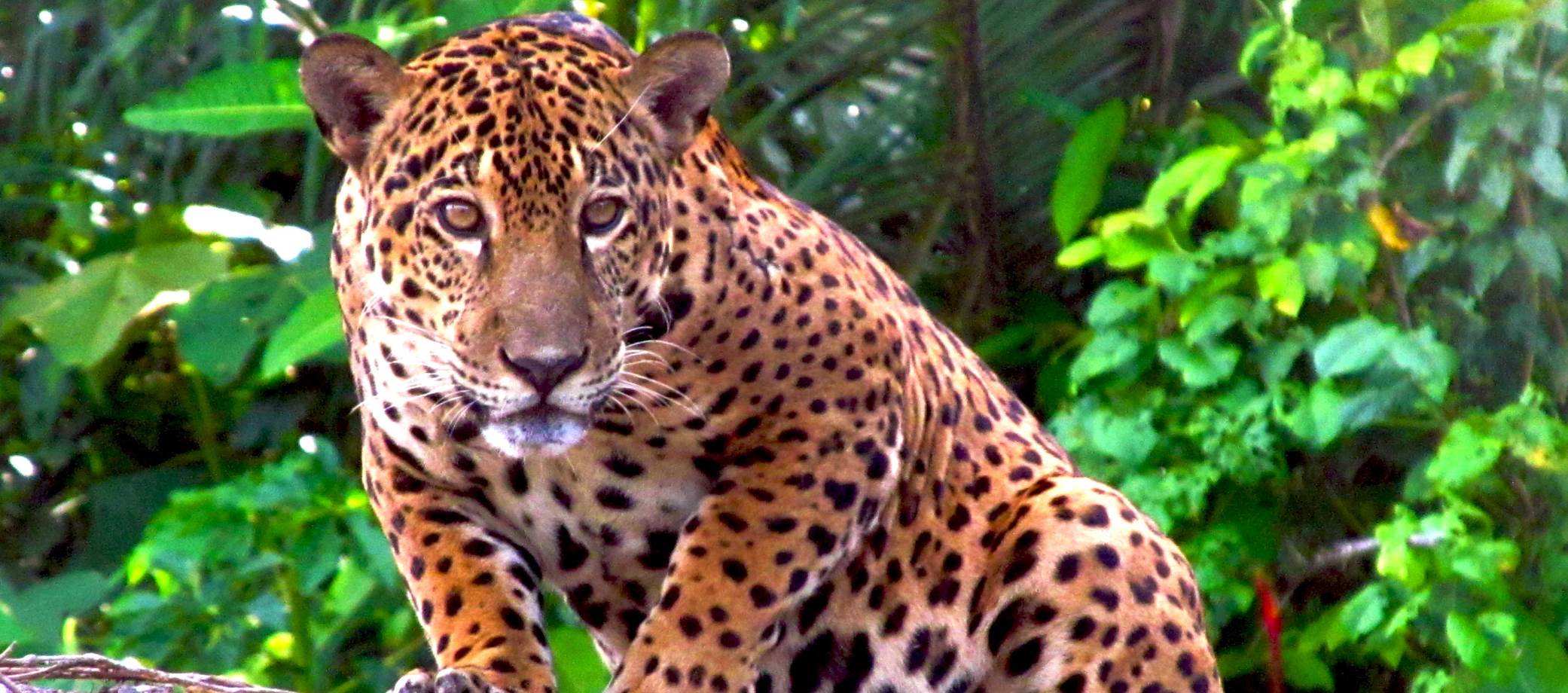
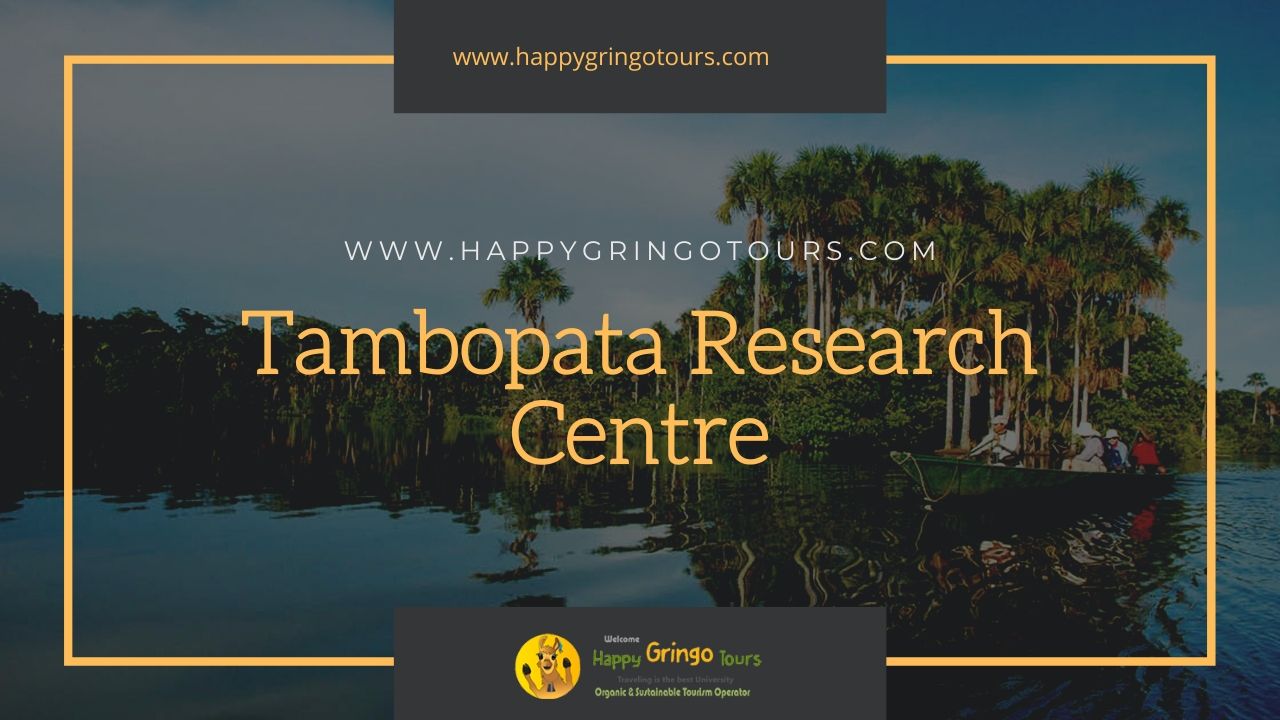
Puerto Maldonado Tambopata Tour, allows you to look in Sandoval Lake & its surrounding areas where you get to see a wealth of wildlife in the reserve centre and learn about the Amazonian rainforest flora and fauna.

Our Puerto Maldonado Tambopata Tour includes walks through the forest roads by day and through excursions around the margins of this beautiful lake.

Reception in the airport or bus terminal and transfer to the offices of our travel agency, PARADISE ECO-LODGE, for the corresponding records. The luggage that you do not need during your stay in the jungle, you can leave it to their security in our offices; to avoid inconvenience of transport. We headed to the port to embark on our typical boats of the Amazonian jungle, and go along the river Madre de Dios, for approximately 40 minutes, until our Paradise eco lodge. Already in our hostel in the middle of the virgin jungle, there will be a reception staff with a delicious cold drink, typical of our jungle. ACTIVITIES OF ECO-ADVENTURE CANOPY: Hike through the forest, until arriving at the base of the towers that hold the canopy. Already in the top and at a height of 40 meters, we started to walk along 180 meters: admiring their nests, sounds, colors and habits of animals that inhabit in the treetops. A gift of nature. ZIP-LINE After enjoying the canopy tour, the guide will give you the necessary equipment and after the instructions, can slip, along 190 meters of beautiful route full of life and adrenaline. At the other end will receive you the wizard. LUNCH After a refreshing lunch can relax or take a siesta in the hammocks. Then we will be ready for our next adventure IN KAYAK TOWARD THE ISLAND OF MONKEYS After putting the life jackets will cover the boat or kayak to go rowing toward the beautiful and mysterious island of monkeys. For security there will always be a boat that will continue to the group, until you reach after 30 minutes, to the Monkey Island. MONKEY ISLAND.- Near the Lodge, there is an island in which there are four or five varieties of monkeys, which cohabit among themselves. Are very affordable to the human presence; that is why it is possible to get closer to them and feed them. Wonderful experience. CAIMANEO.- Before dinner, we board a boat with powerful reflectors, to go by the shore of the river and observe the Grand Cayman white. It is also possible to see other animals such as night owls and capybaras, that is the biggest rodent in the world. Dinner and rest.
8:00 a.m. we embark on a boat to travel 30 min. approx., on the Madre de Dios River, until the entry of the Sandoval Lake. Here we will disembark and walk a few minutes, until you reach the checkpoint of the Sandoval Lake. Shall be recorded and we will present the entrance tickets, since this lake is located in the Tambopata National Reserve. Then we continue with our trip, performing a walk of 3 km, by the virgin jungle during 40 minutes, until you reach the beautiful Lake Sandoval. During this tour you will have the possibility of watching a great variety of flora and fauna: birds, monkeys, rodents, arachnids, insects, reptiles, amphibians,..... To reach the shores of the lake (if you want), you will enjoy a refreshing and relaxing bath in the waters of this majestic lake. You will savor a delicious and typical lunch for afterwards take a jungle rowing boat and exit walk through the most beautiful lake in South America. This time we will appreciate birds, cormorants, fish, small and large animals that overlook the shores of the lake to drink. Later in the afternoon we will leave the lake to arrive at the bank of the Madre de Dios River, where the boat will be expecting us to address it and return to Paradise Eco Lodge. Dinner and rest.
Visit these native families the only imagine reach this tangled jungle thousands of years ago, confronting dangers and numerous diseases. Afraid to what they faced, accepted to be part of the nature to survive. Had not arrived to the jungle to destroy it on behalf of the survival. NO. Joined to it. Are like a plant, as a mascot tool on the ecological balance of Mother Nature. Are hunters, fishermen and collectors. We will hear their language, their songs, learn their dance, as simple as the same nature. To nature that becomes complex when you try to understand it. People so pure of descent, that is felt in every movement, their millennial trajectory. This inner strength, is manifested in those bodies patiently carved by nature. Bodies with calculated movements to face thousand adversities and continue subsisting Stubbornly seek to be protected by the goddess nature. Race of warriors eternal. The freedom is valued, only when they see the birth of their heirs, going to them the difficult task of not extinguished. (ams) RUSTIC FISHING In the afternoon we will continue with our activities. We will take the boat to reach a gorge where we will make the rustic fishing of the large variety of fish that offers us the amazon jungle (catfish, maiden, Paco, sardine, piraña, etc...). Return to the lodge. Dinner and rest.
At 4:00 AM we will embark on a boat that will take us to our destination: "macaw parrots". Surcaremos the Madre de Dios River, during one hour. On the way we will be able to appreciate the variety of flora and fauna and beautiful moments admiring a sublime dawn. Upon arrival, we were placed in a strategic place and at a safe distance, awaiting the arrival of several species of parrots. You will have a great opportunity to see parrots of blue head, auroras, parakeets and some birds of other species. In this place, the great walls of clay mixed with mineral salts are called clay licks and parrots to consume it, purify its agencies of toxins ingested in your daily diet. This activity lasts approx. one hour. This is the time it will take to photograph and have the best views. Look at these beautiful and very organized flocks of birds, is a beautiful experience, which gives us the Mother Nature. Around 7:00 am in the morning, we will come back to our hostel to take the last succulent breakfast and say goodbye to the new friends you just know, in this beautiful corner of the world. We depart by boat to the city of Puerto Maldonado, to arrive at 8 a.m. Puerto Maldonado Tambopata Tour INCLUDES Transfers to the airport or bus terminal, Professional guides, The transport by boats, The entry to the Tambopata National Reserve, 03 breakfasts, 03 lunches and 03 dinners, The housing, Entry to the monkey island, Visit to the native families, Rubber boots to measure in the case rain. DOES NOT INCLUDE Alcoholic beverages or snacks Puerto Maldonado Tambopata Tour RECOMMENDATIONS Wear light clothes, Hat, Repellent and sunscreen, Rain poncho, Binoculars, Cameras, Socks for rubber boots, Sunglasses
Included

Includes

  • Reception, assistance and transfer from the airport in Puerto Maldonado city on the first day and back to the airport or bus station on the last day.
  • Overland & river transportation
  • Accommodations in the following lodges: 2 nights in Sandoval Lake and 1 night out of Tambopata reserve centre
Not included

Excludes

  • Air tickets
  • Personal expenses (beverages, telephone calls, tips, etc.)
  • Extras not mentioned in the itinerary

Essential

Cash
Cash
Passaport
Passaport

Clothes

Jacket
Jacket

Recommended

Sun cream
Sun cream

Equipment

Sunglasses
Sunglasses

Explore Cusco through Our Eyes

Stories, tips & travel guides from our team on the ground

What is Machu Picchu?
Uncategorized
April 29, 2026

What is Machu Picchu?

Machu Picchu, often hailed as the “Lost City of the Incas,” is an awe-inspiring historical sanctuary located high in the rugged Andes Mountains of Peru. This ancient city is not only an architectural marvel but also a testament to the ingenuity and sophistication of the Inca civilization.  As one of the most iconic and well-preserved archaeological sites in the world, Machu Picchu captures the imagination of travelers, historians, and adventurers from all corners of the globe. In this expanded article, we delve into the rich history, profound significance, and unforgettable visitor experience of Machu Picchu, offering you a comprehensive understanding and appreciation of this extraordinary destination. Machu Picchu Unveiled: Secrets of a Lost Inca Citadel The story of Machu Picchu begins in the 15th century during the reign of the illustrious Inca emperor Pachacuti. This period marked a time of great expansion and prosperity for the Inca Empire, and the construction of Machu Picchu was a monumental project that reflected their architectural prowess. Machu Picchu’s construction is a prime example of classical Inca architectural styles, which are renowned for their precision and durability. The city was built using a technique known as ashlar, where stones are cut to fit together without the use of mortar. This method not only ensured stability but also allowed the structures to withstand the region’s frequent earthquakes. The site’s design incorporates terraces and water channels, showcasing the Incas’ advanced understanding of engineering and agriculture. The exact purpose of Machu Picchu remains a subject of debate among historians and archaeologists. While it is widely believed to have been a royal estate or sacred religious site, some theories suggest it may have served multiple functions, including as a ceremonial center and a hub for astronomical observations. The strategic location of Machu Picchu, nestled between the Andes and the Amazon Basin, further underscores its significance as a place of spiritual and cultural convergence. Despite its grandeur, Machu Picchu was abandoned in the 16th century during the Spanish Conquest and remained hidden from the outside world for centuries. It was not until 1911 that American historian Hiram Bingham brought international attention to the site. Since its rediscovery, Machu Picchu has become a symbol of the Incan civilization’s ingenuity and resilience. In 1983, it was designated as a UNESCO World Heritage Site, solidifying its status as one of the world’s most treasured cultural landmarks. Where Mountains Meet Genius: The Sustainable Marvel of Machu Picchu Machu Picchu is more than just an archaeological site; it is a cultural and historical treasure that offers a profound insight into the Inca Empire’s sophisticated understanding of various disciplines. The engineering marvels of Machu Picchu are evident in its intricate network of terraces, stairways, and aqueducts. These structures demonstrate the Incas’ mastery of land management and their ability to adapt to the challenging mountainous terrain. The precision with which the stones were cut and assembled has left modern architects and engineers in awe, as these structures have withstood the test of time. The location of Machu Picchu provided the Incas with access to diverse ecological zones, enabling them to cultivate a variety of crops. The terraces were ingeniously designed to optimize water distribution and prevent soil erosion, showcasing the Incas’ advanced agricultural techniques. This sustainable approach to farming ensured the city’s self-sufficiency and contributed to the prosperity of the Inca Empire. Machu Picchu’s alignment with celestial events highlights the Incas’ deep understanding of astronomy. Structures such as the Intihuatana Stone served as ancient astronomical clocks, allowing the Incas to track solstices and equinoxes. This connection to the cosmos was integral to their spiritual beliefs, as they revered celestial bodies as deities and used astronomical observations to guide agricultural practices and religious ceremonies. From Valley to Citadel: The Sacred Bond Between Machu Picchu and the Andes The Sacred Valley, or “Valle Sagrado” in Spanish, is a critical component in understanding Machu Picchu’s significance. This fertile region was the heart of the Incan Empire, serving as an agricultural powerhouse and spiritual center. The interconnectedness of the Sacred Valley and Machu Picchu underscores the Incas’ reverence for nature and their ability to harmonize with their environment. The proximity of the two sites highlights the seamless integration of the Inca society’s agricultural, spiritual, and cultural aspects. Machu Picchu’s breathtaking location is one of its defining characteristics, offering visitors an unparalleled view of the majestic Andes Mountains and the lush Urubamba River Valley below. Perched at an elevation of approximately 2,430 meters (7,970 feet) above sea level, Machu Picchu’s location presents both challenges and rewards for visitors. The high altitude can cause altitude sickness, which is why acclimatization is essential. Spending a few days in Cusco or the Sacred Valley, which are at slightly lower altitudes, can help travelers adjust to the thinner air and enhance their overall experience. The site is situated on a mountain ridge, providing panoramic vistas of the surrounding peaks and the verdant valley. The dramatic landscape is not only visually stunning but also served a strategic purpose for the Incas, offering natural protection and a vantage point for observing the surrounding environment. The diverse flora and fauna of the region add to its ecological richness, making it a haven for nature enthusiasts and photographers alike. Machu Picchu Unshaken: Earthquakes, Architecture, and Andean Adventure…