


Cordillera Vilcanota
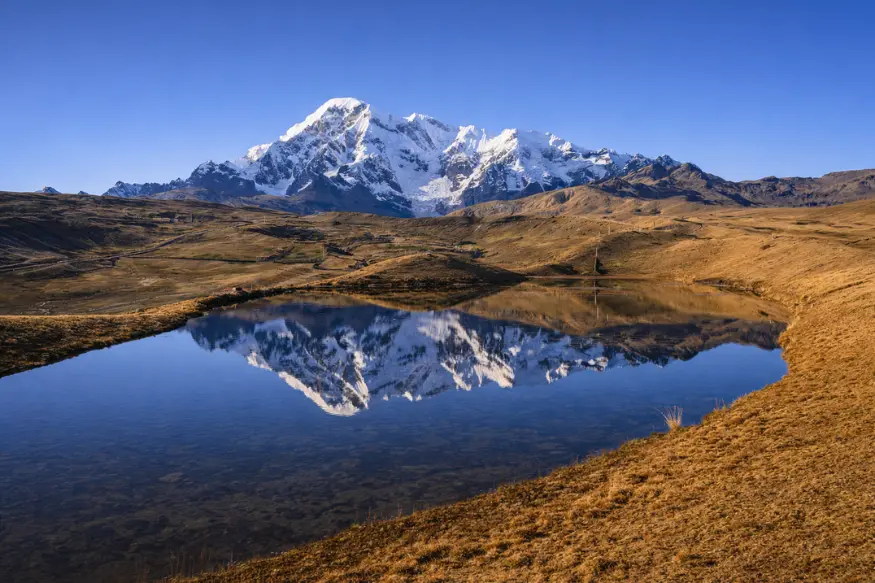
The Cordillera Vilcanota is one of the most dramatic, sacred, and least-explored mountain ranges in the Peruvian Andes.
Located southeast of Cusco, this vast cordillera is home to towering snowcapped peaks, massive glaciers, surreal turquoise and red lagoons, remote Andean communities, and some of the most challenging trekking routes in South America.
Far from mass tourism, the Cordillera Vilcanota represents raw Andean wilderness—a place where nature, spirituality, and ancient traditions remain deeply intertwined.
It is the domain of powerful mountain deities (Apus), legendary treks like Ausangate, and world-famous natural wonders such as Rainbow Mountain
Where Is the Cordillera Vilcanota Located?
The Cordillera Vilcanota lies in southeastern Peru, within the Cusco Region, primarily across the provinces of Quispicanchi and Canchis.
It forms part of the Central Andes and marks a natural divide between the Vilcanota–Urubamba river basin and the Amazon watershed.
Key geographic facts:
Distance from Cusco: 100–140 km
Elevation range: 4,000 m to over 6,300 m
Main access routes: Cusco → Ocongate → Tinki → highland communities
Major Mountains and Snowcapped Peaks of the Cordillera Vilcanota
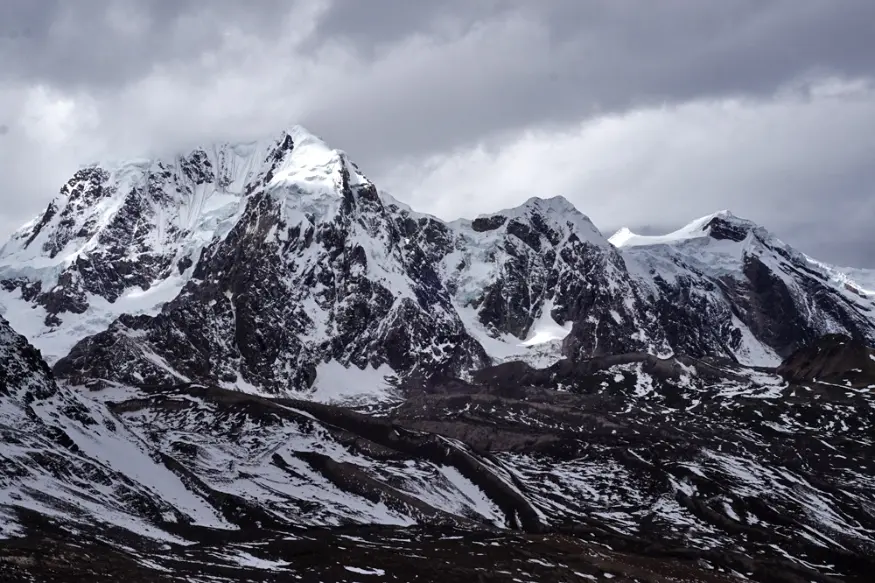
The Cordillera Vilcanota contains dozens of glaciated peaks, many of which are revered as sacred Apus by Andean cultures.
The most important mountains include:
Nevado Ausangate (6,384 m / 20,945 ft)
The highest mountain in the Cusco region and one of the most sacred peaks in the Andes.Nevado Callangate (6,110 m)
Nevado Jatunhuma (6,093 m)
Nevado Colque Cruz (5,800 m)
These peaks dominate the skyline and provide essential glacial meltwater that sustains rivers, wetlands, and Andean communities downstream.
High-Altitude Lakes and Natural Landscapes
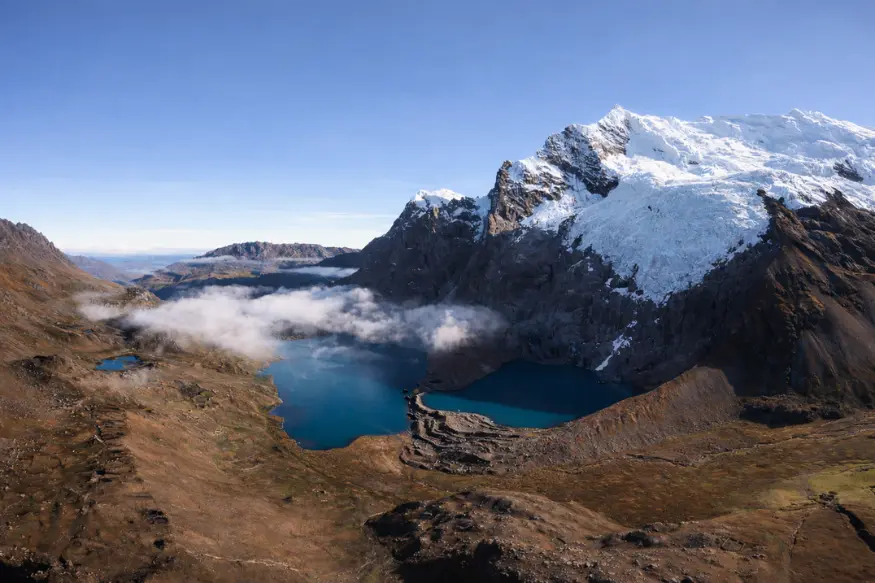
One of the most remarkable features of the Cordillera Vilcanota is its extensive network of high-altitude lakes, formed by glaciers and enriched with mineral sediments that give them striking colors.
Notable lakes include:
Laguna Sibinacocha
One of the largest and highest lakes in southern Peru, located above 4,800 meters.Pucacocha, Alqacocha, Yanacocha
Red, turquoise, and emerald-colored lagoons
Natural hot springs near villages such as Pacchanta
These bodies of water are not only visually impressive but also culturally and spiritually significant.
Rainbow Mountains and Iconic Geological Attractions
The Cordillera Vilcanota became globally known due to the discovery and promotion of:
Vinicunca, commonly known as Rainbow Mountain
[tour_ad id=”4635″]
This multicolored geological formation is one of Peru’s most photographed natural landmarks.
Less crowded alternatives within the same range include:
Palccoyo
[tour_ad id=”7114″]
The Red Valley (Valle Rojo)
Several lesser-known rainbow ridges scattered across the Vilcanota range
Trekking and Adventure Routes in the Cordillera Vilcanota
The Cordillera Vilcanota is considered one of South America’s premier destinations for high-altitude trekking and expedition-style hiking.
Key trekking routes include:
Ausangate Trek (4–7 Days)
Highest pass: Palomani Pass (5,200 m / 17,060 ft)
Extreme alpine scenery with glaciers and snowfields
Minimal infrastructure and very low foot traffic
Best suited for experienced trekkers
[tour_ad id=”5997″]
[tour_ad id=”5833″]
Ausangate Trek Combined with Rainbow Mountain
Links remote wilderness with Vinicunca
One of the most complete trekking experiences in the Cusco region
Sibinacocha Trek
Extremely remote and physically demanding
Ideal for multi-day expeditions and advanced hikers
Flora and Fauna of the Cordillera Vilcanota
Despite its extreme altitude and harsh climate, the Cordillera Vilcanota supports a surprising diversity of life.
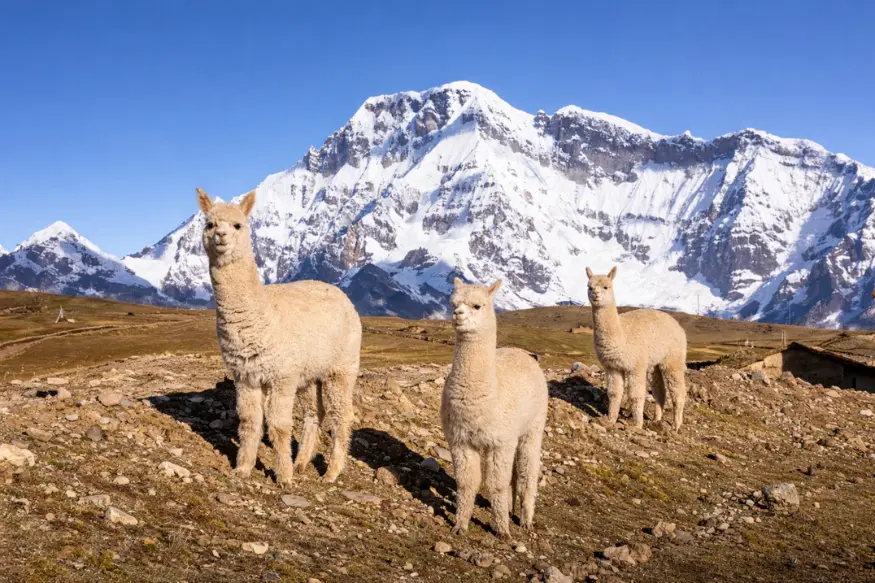
Wildlife commonly observed includes:
Vicuñas and wild alpacas
Andean condors
Andean foxes
Vizcachas
High-altitude bird species
Typical vegetation includes:
Ichu grass (Andean bunchgrass)
Yareta cushion plants
Queñua trees in protected areas
Medicinal plants used in traditional Andean medicine
Cultural and Spiritual Importance
For Andean communities, the Cordillera Vilcanota is a living sacred landscape rather than a simple geographical feature.
Ausangate is regarded as a supreme Apu (mountain spirit)
Ritual offerings to Pachamama are still practiced
The region is closely linked to the pilgrimage of
Qoyllur Rit’i, one of the most important indigenous spiritual celebrations in the Andes
These beliefs and traditions remain central to daily life in the region.
Weather and Best Time to Visit the Cordillera Vilcanota
The climate is dominated by two main seasons:
Dry season (April–October)
Best conditions for trekking and mountaineering
Cold nights with temperatures well below freezing
Rainy season (November–March)
Greener landscapes
Increased risk of snow, rain, and trail closures
Best months to visit: May, June, July, and August.
Practical Travel Tips
Acclimatize for at least 2–3 days in Cusco
Travel with certified local guides and operators
Pack proper high-altitude and cold-weather gear
Use strong sun and wind protection
Respect local communities, customs, and sacred sites
Responsible Tourism and Conservation
The Cordillera Vilcanota is a fragile ecosystem under increasing environmental pressure from climate change and tourism. Responsible travel is essential.
Key principles include:
Supporting local communities and operators
Following Leave No Trace practices
Avoiding damage to wildlife and natural sites
Minimizing waste and plastic use
Why Visit the Cordillera Vilcanota?
The Cordillera Vilcanota represents the Andes in their purest and most powerful form.
It offers:
Extreme landscapes
True solitude
Deep cultural authenticity
A sense of spiritual and physical challenge
This is a destination for travelers seeking meaningful adventure, silence, and a profound connection with nature and Andean culture.