


Inca Trail – Running Shoes VS Hiking Boots
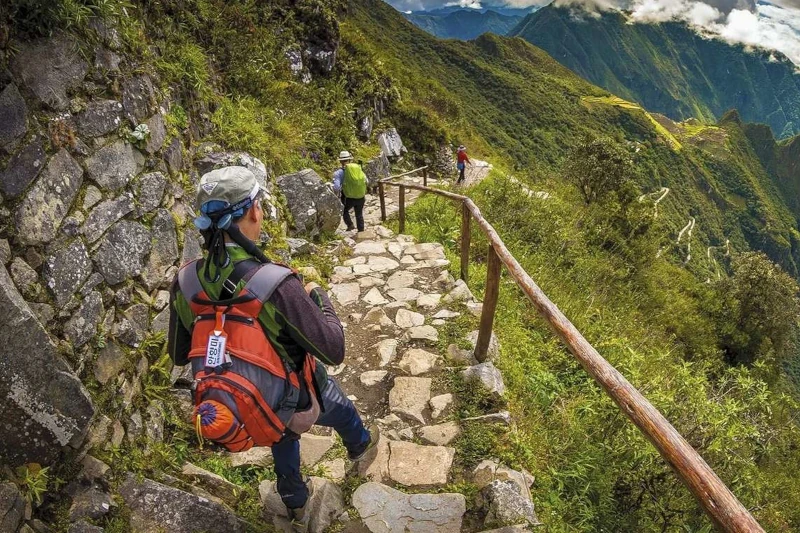
The Inca Trail is one of the most popular and challenging hikes in the world, attracting adventurers from all over the globe. But before setting out on this trek, it’s important to consider your footwear. Many hikers debate whether to wear hiking boots or running shoes on the Inca Trail. Here, we’ll explore the pros and cons of each option, and why hiking boots are the better choice.
Which footwear is the best for the Inca Trail?
Hiking boots are specifically designed for hiking and offer numerous benefits over running shoes. They provide more support, protection, and durability, all of which are essential on the rugged terrain of the Inca Trail. Running shoes are designed for flat surfaces, so they lack the necessary ankle support and grip needed for hiking over rocks, loose gravel, and steep inclines.
Hiking footwear are also better at keeping your feet dry and warm. The Inca Trail can be wet and muddy, and hiking boots are often waterproof, which keeps your feet dry in wet conditions. They also provide better insulation, which is essential at high altitudes where temperatures can drop dramatically.

Another advantage of hiking footwear is that they help prevent injuries. The rugged terrain of the Inca Trail can be treacherous, and hiking footwear provide more ankle support and stability than running shoes. This extra support helps prevent ankle twists and falls, which can be especially dangerous on this challenging trail.
Hiking boots are more durable
Hiking boots are also more durable than running shoes. The Inca Trail is a long and demanding hike, and your shoes will take a beating. Hiking footwear are made from tough materials that can withstand the rugged terrain, while running shoes are made for short distances on flat surfaces and may not hold up over the duration of the hike.
Additionally, hiking footwear offer better traction than running shoes. The Inca Trail is steep and rocky, and the terrain can be unpredictable. Hiking footwear have deeper treads and are designed to grip uneven surfaces, which is essential on this trail. Running shoes, on the other hand, have flat soles and are not designed for hiking on rocky terrain.

While hiking boots are the better choice for the Inca Trail, they do have some downsides. Hiking footwear are often heavier and bulkier than running shoes, which can make them less comfortable for some hikers. They can also be more expensive, but investing in a good pair of hiking boots is well worth it for the added safety and support they provide.
Additional tips for choosing footwear for the Inca Trail
When choosing hiking boots, it’s important to consider the fit. Your hiking boots should fit snugly but not be too tight. You should be able to wiggle your toes, and your heel should not slip when you walk. It’s also important to break in your hiking footwear before embarking on the Inca Trail. This will help prevent blisters and ensure a more comfortable hike.
In summary, when it comes to the Inca Trail to Machu Picchu, hiking boots are the clear winner over running shoes. They offer more support, protection, durability, and traction, which are all essential on this challenging trail. While they may be heavier and more expensive than running shoes, investing in a good pair of hiking boots is essential for a safe and enjoyable hike along the Inca Trail.
