


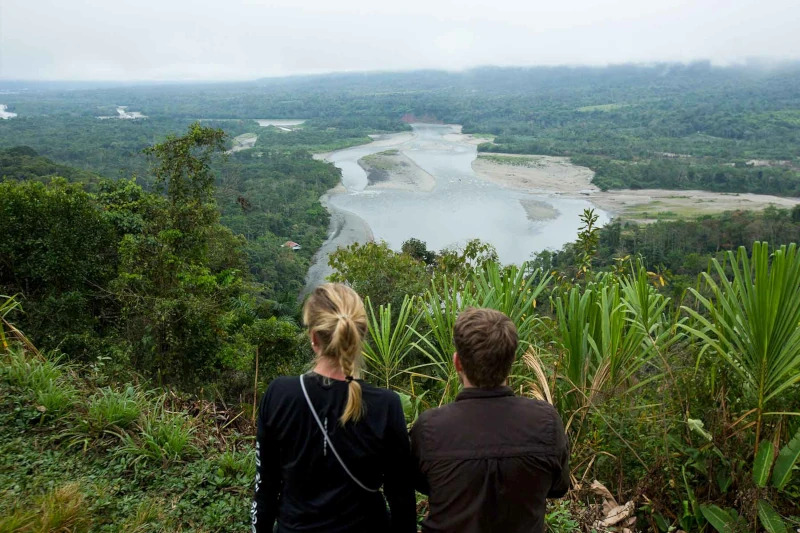
Wildlife Encounters on Jungle Adventures in Peru
In this article, we delve into the jungle adventures in Peru Amazonia, exploring its wildlife encounters, cultural experiences, and the mystical allure of ayahuasca. From the iconic “cock of the rock” to the mysterious Manu and Tambopata regions, join us as we unravel the wonders of this wild adventure.
The Rich Biodiversity of Peru’s Jungles

Peru’s jungles are a treasure trove of biodiversity. The Amazon Basin, which Peru shares with several other countries, is one of the most biologically diverse areas on the planet. Here, adventure travel takes on a whole new meaning as explorers navigate through lush rainforests and winding rivers, encountering a myriad of wildlife along the way.
The Amazon Basin is not just a forest; it’s a vast, pulsating heart of biodiversity. Its dense canopy shelters countless species, many of which remain undiscovered. The rich tapestry of life here includes everything from the tiniest insects to the majestic jaguar. For those who venture into this living laboratory, the promise of encountering rare and exotic creatures adds a thrilling edge to the experience.
Exploring the Amazon Rivers
The Amazon’s rivers are its lifelines, threading through the jungle adventures and supporting its immense biodiversity. These waterways provide a unique vantage point for exploring the forest, often revealing hidden wonders that cannot be seen from the land. Canoeing through these rivers, travelers can witness the seamless blend of water and forest, where creatures like pink river dolphins and giant otters play in their natural habitat.
Wildlife Diversity in Peru
The wildlife diversity in Peru’s jungles is staggering. From the vibrant plumage of parrots and toucans to the stealthy movements of predatory cats, each encounter is a vivid reminder of nature’s brilliance. Birdwatchers flock to Peru to spot the elusive harpy eagle, while those interested in mammals might catch a glimpse of the elusive tapir or the comical capybara. Each species plays a critical role in the ecosystem, creating a complex web of life that is both fascinating and fragile.
Manu National Park: A Biodiversity Haven
Manu National Park is a UNESCO World Heritage site renowned for its rich biodiversity. It is home to over 1,000 bird species, including the brilliant Andean cock of the rock. Spotting this vibrant bird is a highlight for any wildlife enthusiast, and its mating dance is a spectacle not to be missed. The park’s diverse habitats range from lowland rainforests to Andean highlands, offering an unparalleled wildlife encounters for nature lovers.
Conservation and Cultural Significance
Manu National Park is a testament to conservation efforts. Its status as a UNESCO World Heritage site underscores its global importance. By preserving this area, Peru ensures that its natural beauty and biodiversity remain intact for future generations. Visitors to the park contribute to these conservation efforts, supporting local initiatives that protect the unique flora and fauna.
The Andean Cock of the Rock

The Andean cock of the rock is not just a bird; it’s a visual spectacle. With its bright red-orange plumage and elaborate mating dance, it captivates birdwatchers and photographers alike. Observing these birds in their natural habitat is a lesson in the wonders of courtship, as males display their vibrant feathers and dance to attract a mate, creating a natural theater that is both mesmerizing and educational.
Manu’s Varied Habitats
Manu’s variety of habitats makes it a haven for biodiversity. From the steamy lowland rainforests to the cooler Andean highlands, each environment supports different species. This diversity allows for a wide range of wildlife encounters, making every visit unique. Explorers can traverse these varied landscapes, experiencing the changing climate and ecosystems, each with its own set of challenges and rewards.
Tambopata National Reserve: Wildlife and Wonders
Tambopata Research Center is another jewel in Peru’s Amazonian crown. This protected area is a hotspot for biodiversity, where travelers can witness macaws, capybaras, and even elusive jaguars. The reserve’s Macaw clay licks, where hundreds of parrots and macaws gather, provide one of the most colorful wildlife spectacles in the world.
The Vibrancy of Tambopata
Tambopata tour is a vibrant mosaic of life. Its dense forests and flowing rivers create a dynamic ecosystem that supports a wealth of species. This biodiversity hotspot is a paradise for scientists and nature lovers alike, offering endless opportunities for discovery. The rich interplay between different species and their habitats provides a deeper understanding of ecological relationships.
Clay Licks: A Natural Spectacle

The clay licks of Tambopata jungle are a natural wonder. These exposed riverbanks attract a multitude of bird species, drawn by the mineral-rich clay that aids in digestion. Watching hundreds of parrots and macaws congregate in a cacophony of color and sound is an unforgettable experience. It’s a visual and auditory feast that highlights the complexities of avian social structures in the vibrant Tambopata.
Jaguars in the Wild
For many, the chance to see a jaguar in the wild is the pinnacle of a jungle adventure. These elusive cats are masters of camouflage, blending seamlessly into the dappled light of the forest floor. Spotting a jaguar requires patience, silence, and a keen eye. Those fortunate enough to catch a glimpse of this apex predator are rewarded with a deeper appreciation for the jungle’s hidden mysteries and the delicate balance of its ecosystems.
Cultural Experiences in Peru’s Jungles
While the wildlife is a major draw, Peru’s jungles are also steeped in cultural richness. Indigenous communities have called these forests home for centuries, and their traditions and knowledge add depth to any jungle adventure.
Indigenous Knowledge and Traditions
The indigenous peoples of the Amazon are the true stewards of the jungle. Their deep understanding of the land and its cycles is born of generations of living in harmony with nature. They possess a wealth of knowledge about medicinal plants, wildlife behavior, and sustainable living practices. Engaging with these communities offers a unique glimpse into a way of life that is intricately connected to the natural world.
Ayahuasca Ceremonies
Ayahuasca, a traditional Amazonian plant medicine, is often sought by travelers seeking spiritual enlightenment. This powerful brew, made from local vines and leaves, is used by indigenous shamans for healing and spiritual ceremonies. Participating in an ayahuasca retreat can be a profound experience, offering insights into the mind and soul. However, it’s important to approach this practice with respect and awareness of its cultural significance.
Cultural Exchanges and Local Life
Visiting indigenous communities offers a unique opportunity to learn about traditional lifestyles and practices. Many communities open their doors to travelers, sharing their customs, cuisine, and crafts. This cultural exchange enriches the adventure, providing a deeper understanding of the interconnectedness of life in the Amazon.
Preparing for a Jungle Adventure

A journey into the Peruvian Amazonia requires preparation and respect for the environment and its inhabitants. Here are a few tips to ensure your adventure is safe and rewarding:
Clothing and Footwear
- Lightweight, long-sleeved shirts and pants protect against insects and the sun.
- Sturdy, waterproof hiking boots are a must for navigating muddy trails.
Insect Repellent
Mosquitoes are abundant in the jungle, so a good repellent is crucial. Applying repellent to exposed skin and clothing helps prevent bites and reduces the risk of insect-borne diseases.
Guide Services and Safety
Hiring a knowledgeable guide enhances your experience with expertise in spotting wildlife and understanding local cultures. Stay on designated trails, respect wildlife, and follow safety instructions to protect both yourself and the environment.
Sustainable and Responsible Tourism
Choose eco-friendly lodges and ethical tour operators that prioritize conservation and support indigenous communities. Participating in volunteer activities or local conservation efforts enhances your journey and protects the Amazon Rainforest for future generations.
The Transformative Experience of Peru’s Jungle
A jungle adventure in Peru is more than just a vacation; it is a transformative experience that leaves a lasting impact. The vibrant wildlife encounters, cultural exchanges, and spiritual journeys create memories that linger long after you return home.
The jungle’s profound beauty and complexity often inspire introspection and personal growth. Sharing stories of wildlife encounters, cultural interactions, and spiritual experiences helps raise awareness about the importance of conserving the Amazon and its heritage.

A Call to Conservation
A jungle adventure often ignites a passion for conservation. Witnessing the Amazon’s biodiversity and cultural richness firsthand underscores the urgent need to protect these resources. Many travelers return home with a renewed sense of responsibility to advocate for environmental and cultural preservation.
The Wild Adventure of a Lifetime
As you plan your adventure to the Amazon Jungle Trip, consider the untamed beauty of Peru’s jungles. Here, the wild adventure of a lifetime awaits, promising both discovery and reflection amid the whispers of the ancient rainforest.