


Planning your adventure in tambopata national reserve peru
Howler monkeys don’t ease anyone into the morning. That sound at 5am rolls through the mist like something between thunder and a freight train, and it lands before the eyes are open. tambopata national reserve peru starts before the itinerary does, before the guide shows up, before the coffee.
The reserve sits in Peru’s southeastern corner covering over 274,000 hectares. More than 600 bird species, 1,200 butterfly species, 100 mammals. Those numbers still don’t communicate what the amazon rainforest peru actually feels like standing inside it.
For anyone wondering is Peru a good travel destination, this reserve answers that faster than any ruins visit or city tour could. Everything needed to plan the trip properly is below.

The Ecological Magic of Tambopata
Madre de Dios holds biological density that specialists have spent careers documenting and haven’t finished yet. Hundreds of tree species per single hectare, before counting the birds, insects, mammals, and reptiles living between them. Tambopata peru protects all of it under a system where visitor money funds anti-poaching patrols directly.
Illegal mining presses against the reserve boundary and the protection framework is what keeps it outside. Every paid tour and lodge booking is part of that equation whether visitors think about it that way or not.
Wildlife here behaves differently than in places where it learned to fear people. Caimans hold position when a canoe drifts past. Otters hunt in open water. Jaguars show up on morning river runs with enough frequency that experienced guides build expectation around the possibility rather than surprise.
Tambopata vs Manu National Park Comparison
Manu gets described as more pristine, and in terms of raw remoteness that’s accurate. Reaching its genuinely wild zones requires either a grueling multi-day overland trip or charter flights that cost more than the rest of the itinerary combined.
Tambopata national reserve peru removes that barrier almost entirely. A domestic flight drops visitors in Puerto Maldonado and a canoe delivers them into primary jungle before the same day ends. Three to five days covers the real highlights without the overhead Manu demands.
For a first Amazon trip, or any trip without a full week and unlimited budget, tambopata peru isn’t a compromise. It’s genuinely the smarter choice.
Planning Your Journey
Tambopata has better infrastructure than most Amazon destinations, which makes the research phase less intimidating than the jungle’s reputation suggests.
Puerto Maldonado Travel Logistics
The trip starts in Puerto Maldonado the moment the plane doors open and heat and humidity arrive simultaneously. A 90-minute flight from Lima or 45 minutes from Cusco lands travelers in the gateway town to everything that follows.
Lodge representatives handle the transfer to the river port, where motorized wooden canoes head down the Madre de Dios or Tambopata rivers. That ride, 45 minutes to four hours depending on the lodge, is the first wildlife encounters of the trip in practice. Dolphins surface. Kingfishers work the banks. Caimans sit still as the canoe passes within meters.
Booking tambopata national reserve tours through established operators covers permits, excursions, and logistics inside one package. On a first visit that simplicity genuinely matters.
Weather and Timing
The Amazon runs hot and humid every month without exception. What changes between seasons is trail conditions, mosquito pressure, and where the animals concentrate.
Peru’s dry season covers May through October and is generally when wildlife sightings run strongest. Water sources shrink, animals concentrate around them, and trails stay firm enough to walk comfortably. Wet season runs November through April with heavy afternoon rain and dramatically lusher forest.
First-timers tend to have a more immediately rewarding experience in the dry months. Returning visitors sometimes book the wet season specifically because the forest becomes a different place entirely.
Top Wildlife Excursions in Tambopata
The tambopata national reserve peru schedule runs early because the jungle peaks at dawn. Most excursions leave before the canopy light changes.
Lake Sandoval Wildlife Excursions
Ask anyone who has done this trip what they remember most and lake sandoval comes up more than anything else. A boat ride and a 3-kilometer forest hike reach the bank, and the moment the paddle canoe pushes off the silence is immediate and total. Motors are banned, nothing motorized enters the lake.
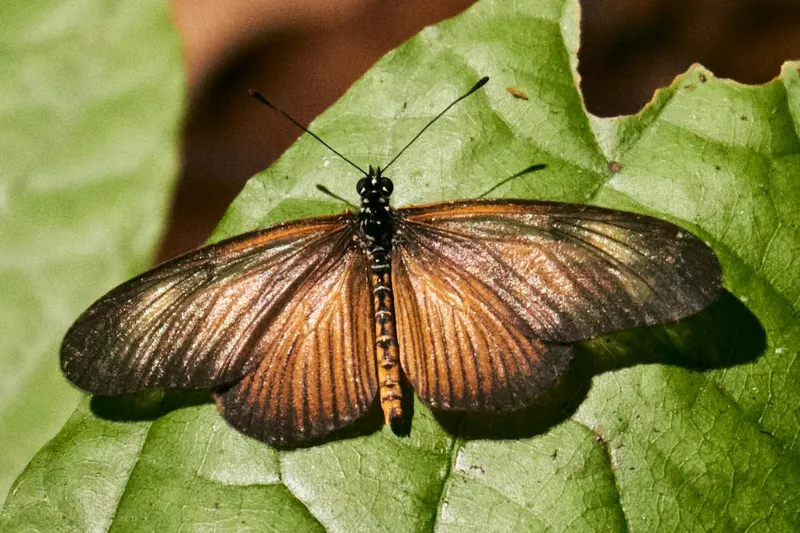
Hoatzin birds sit on low branches looking genuinely prehistoric. Black caimans stretch out on the banks without reacting to the passing canoe. Squirrel monkeys tear through the overhead canopy in noisy groups that announce themselves well before they arrive.
The giant river otters the lake is famous for hunt piranhas in family groups in the open water, and this is the single most reliable location in Peru to watch them do it. Six feet long, completely unbothered by a quiet canoe at respectful distance. The best moments arrive when the paddling stops and the canoe just drifts.
The Chuncho Macaw Clay Lick Tour
Some things sound like they might be overhyped and turn out to be the opposite. The macaw clay lick tour is that. The boat heads upriver before first light and the wait in the grey pre-dawn quiet is part of what makes the payoff work.
Then hundreds of parrots, parakeets, and large red-and-green macaws descend on the riverbank clay in overlapping waves of color and noise. The national bird of Peru, the brilliant orange Cock-of-the-rock, sometimes appears in the forest edge during this same morning window, vivid enough to look artificially colored against all that green.
Scientists explain the clay eating through mineral content and toxin neutralization. None of that framing survives contact with actually watching it happen. Boats stay quiet and guides enforce it firmly.
Searching for Apex Predators
Most visitors carry a quiet jaguar ambition through the whole trip without stating it directly. Jaguars work sandy riverbanks at low water and appear most often during early morning or late afternoon runs when dry season has pulled water levels down enough to expose long stretches of beach.
The guides running tambopata national reserve tours read riverbanks in a way that takes years to develop. A jaguar sitting half-submerged in dappled shadow is invisible to most visitors and immediately obvious to someone who has spent a decade looking at that river.
Dry season timing and patient early mornings stack the odds. Tambopata peru produces wildlife encounters at a frequency very few places in the Amazon can match.
Exploring the Canopy
Ground level and 35 meters up in the canopy are two ecosystems sharing the same trees and almost nothing else. Lodges running guided walkway tours open a layer of the forest most visitors never access. Orchids and bromeliads cover every surface, toucans work the high branches, sloths hang in positions that look anatomically improbable.
Suspended bridges through the treetops at sunset with the full reserve visible in every direction is one of those travel moments that photographs badly and lodges permanently in memory. The scale of the jungle from up there is something the ground simply doesn’t communicate.

Choosing Your Basecamp
Accommodation shapes the tambopata national reserve peru experience more than most planning conversations acknowledge. Solar power, rainwater harvesting, locally sourced construction, and indigenous guides are the markers of operations that take the reserve seriously. Money at those lodges stays in the region and moves toward conservation.
Primary rainforest and secondary growth are not the same place. Lodges inside or directly adjacent to the reserve boundary access the real thing. The wildlife density difference shows up within the first hour and shapes every excursion that follows.
Health, Safety, and Packing Essentials
The Amazon demands more preparation than most destinations and makes that clear quickly to anyone who skipped it.
Health Preparations
A travel clinic consultation before booking flights is the right sequence. Malaria risk in the tourist zones of tambopata peru runs relatively low, but the yellow fever vaccine is strongly recommended for the Amazon basin and needs administering at least 10 days before departure. Waiting until the week before the flight closes that option.
Insect protection runs non-negotiable across both seasons. Long sleeves, long pants, and repellent at 20 to 30 percent DEET or Picaridin minimum form the working baseline. The jungle operates independently of what month it is.
The Ultimate Packing List
Riverboat space runs limited. Light and smart beats heavy every time on tambopata national reserve tours. Anyone who researched 10 fascinating facts about Peru before the trip arrives with more realistic expectations about what the Amazon requires from a bag.
- Lightweight long-sleeved clothing: Breathable and moisture-wicking. Black and dark blue attract mosquitoes.
- High-quality insect repellent: 20 to 30 percent DEET or Picaridin minimum.
- Sturdy footwear: Rubber boots come from the lodge. Comfortable trail runners handle the drier terrain.
- Rain gear: A lightweight poncho covers every season. Afternoon rain doesn’t announce itself.
- Headlamp: Electricity goes off after dark. Essential for room navigation and guided night walks.
- Dry bags: Electronics and documents need real waterproofing during boat rides.
- Binoculars: 8×42 or 10×42 turns distant canopy shapes into identifiable animals.
Capturing the Magic: Photography Tips
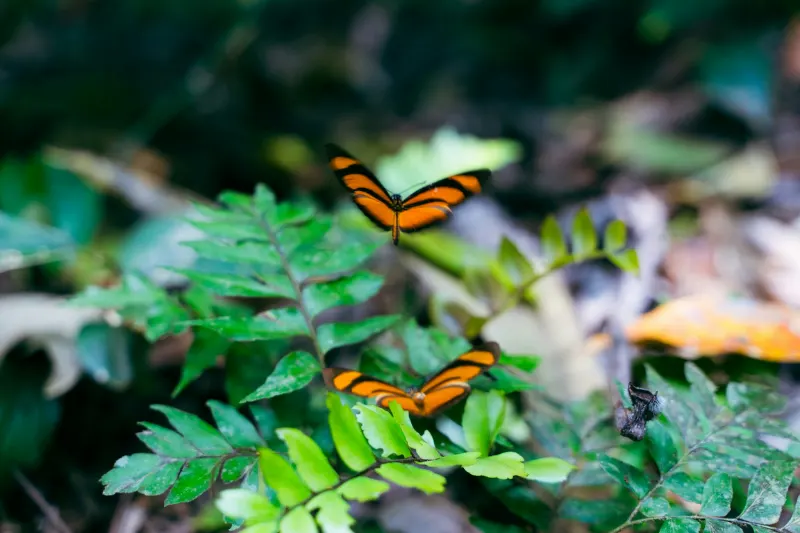
The amazon rainforest peru punishes photographers with the wrong gear and rewards the ones who prepared. Light under the canopy drops fast, shadows cut deep, and wildlife operates at distances that expose standard lens limits immediately.
A telephoto at 300 to 400mm is the baseline for anything in the upper canopy. Bumping ISO under dense cover while maintaining 1/500s shutter speed or faster freezes the motion that kills otherwise strong frames. Silica gel in the camera bag and 15 minutes of outdoor acclimatization when moving from air conditioning stops condensation building inside lenses.
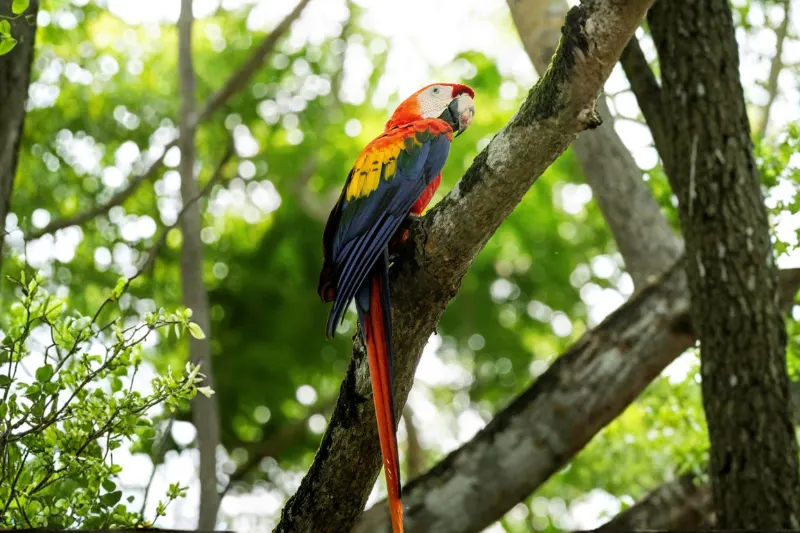
The images that tell the story of tambopata national reserve peru tend to be the wider ones. A macaw placed inside an unbroken wall of jungle at full scale communicates what this place is in a way a tight portrait simply doesn’t.
The Takeaway
Tambopata national reserve peru is a working ecosystem, not a theme park version of one. Real predators, genuine distance from everything familiar, and a conservation economy that functions only if visitors spend their money with intention. The macaw clay lick, the giant otters at lake sandoval, the jaguar on a dawn river run, none scheduled, all realistic when the guides are experienced.
Sustainable lodges, reputable tambopata national reserve tours, proper health prep, and smart packing create the conditions for the reserve to perform. Tambopata peru doesn’t need promotion. It needs visitors who understand what they’re entering and give it enough time to show what it actually is.
Q&A
Why choose Tambopata over Manu for a short Amazon trip?
Tambopata national reserve peru gets visitors into primary jungle on arrival day. Wildlife encounters are concentrated, logistics are manageable, and three to five days covers the genuine highlights. Manu requires significantly more time and money to reach its best zones.
How do I get to Tambopata and handle logistics?
Fly to Puerto Maldonado, 90 minutes from Lima or 45 from Cusco. Lodge representatives handle the airport transfer to the river port where canoes head into the reserve. The boat ride functions as the first wildlife encounters of the trip.
When is the best time to visit?
Peru’s dry season, May through October, delivers the strongest conditions for wildlife sightings and trail access. Wet season, November through April, brings heavier rain, lusher forest, and active breeding seasons for birds and amphibians.
What are the must-do wildlife experiences?
Lake sandoval for giant river otters, the macaw clay lick at dawn, early morning river safaris for jaguar sightings, and canopy walkways for toucans, sloths, and orchids at treetop level.
What health and packing essentials matter most?
Yellow fever vaccine at least 10 days before departure, proper insect repellent, lightweight long-sleeved clothing, rain poncho, headlamp, dry bags, and binoculars. Start with a travel clinic consultation before booking anything else.