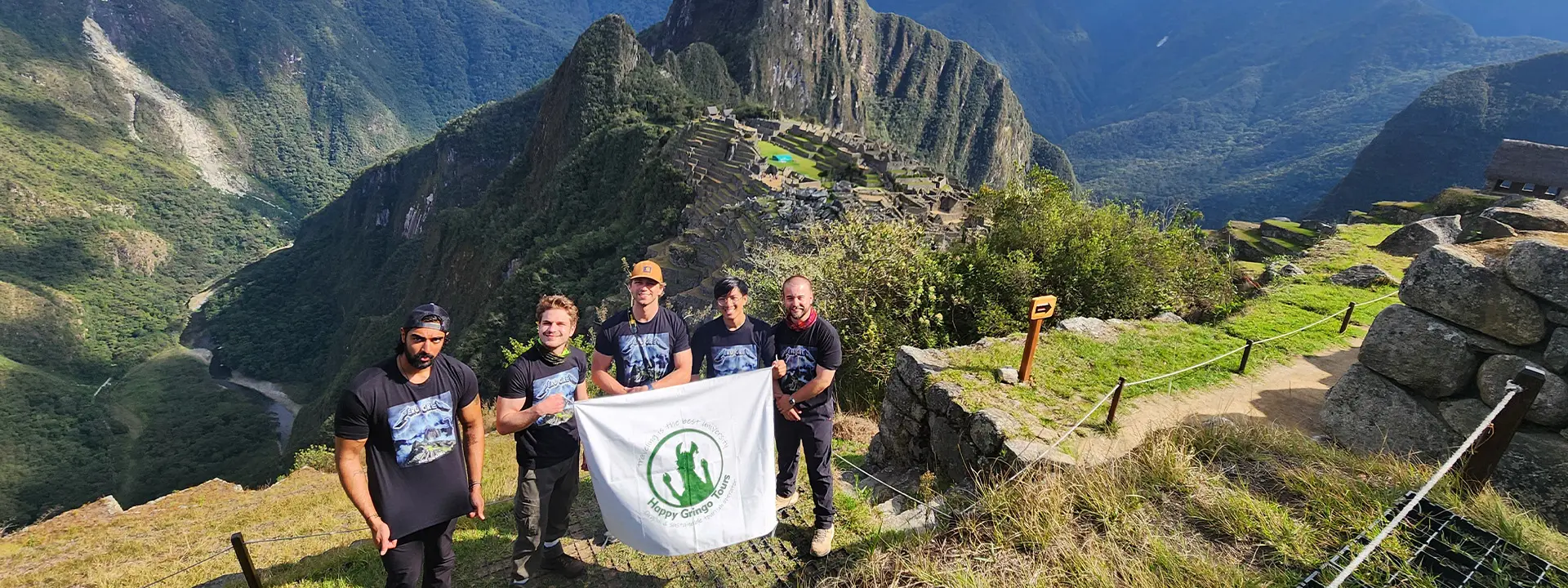
mapi banner
Adventure

Short Inca Trail 2 Days

Duration 2 days
Group size Max 10
Difficulty Moderate
Tour Overview

Inca Trail 2 Days / 1 Night  – Group Service

The Short Inca Trail 2 Days is perfect for travelers who want to see the Inca Trail and Machu Picchu quickly.

This is a beautiful 10 km hike. It offers amazing views of the Andes. You will see green cloud forests and old Inca ruins. One highlight is the stunning Wiñay Wayna. You will enter Machu Picchu through the Sun Gate, as the Incas did.

You can visit twice — once at sunset and once at sunrise — for amazing views. Perfectly organized by Happy Gringo Tours, it’s a short journey packed with history, beauty, and pure Andean spirit.

Highlights of the Short Inca Trail Hike (2 Days to Machu Picchu)

The Perfect Alternative to the Classic Inca Trail

The Short Inca Trail 2-day hike is perfect for travelers. It offers the essence of the traditional Inca Trail. You can enjoy it without the hard effort of the 4-day trek. It offers an immersive cultural experience with stunning views and historical Inca sites, all condensed into just two days.

Scenic Route with Iconic Inca Ruins

This 2-day Inca Trail hike starts with a scenic train ride to KM 104. Then you will hike with a guide past amazing sites such as Wiñay Wayna. Finally, you will arrive at Machu Picchu through the Sun Gate. This is a truly unforgettable first view of the Lost City of the Incas.

Overnight Stay in Aguas Calientes

This version is different from the classic trek. It includes a comfortable night in a hotel in Aguas Calientes. This lets you rest before your guided tour of Machu Picchu on the second day. It’s the best way to explore Machu Picchu at sunrise without camping.

Accessible Yet Adventurous

The Short Inca Trail hike to Machu Picchu is moderately difficult. It is suitable for active travelers, families, and those with limited time.

It combines trekking, train travel, and cultural immersion in a manageable itinerary.

Limited Permits – Book Early

As with the full trail, permits for the 2-day short Inca Trail are limited. Booking in advance is essential to secure your spot on this popular and rewarding route.

Huayna Picchu Mountain

Huayna Picchu is the tall peak located right behind Machu Picchu. It provides one of the most amazing views of the ancient site. With Happy Gringo Tours, we handle your entry tickets and scheduling to ensure your preferred date and time are secured. Because access is limited to only 300 visitors per day, booking early is a must.

If you are joining our Short Inca Trail 2 Days, your Huayna Picchu climb is usually at 10:00 or 11:00 a.m. This is right after your two-hour guided tour of Machu Picchu. The hike itself takes about 2 to 2.5 hours round-trip, including a steep 60-minute ascent and a 45-minute descent.

Along the way, you’ll find fascinating Inca terraces and stone constructions still being studied by archaeologists. Be aware — the trail is steep, narrow, and includes sections where you’ll need your hands for balance. It’s an unforgettable but demanding adventure, recommended only for those comfortable with heights.

Machu Picchu Mountain

Machu Picchu Mountain rises 3,082 meters (10,111 ft) above sea level. It is located south of the Inca citadel and provides a unique challenge. Unlike Huayna Picchu, this hike has a wider, less steep trail with traditional Inca stone steps. It is great for travelers who want a moderate climb and beautiful views.

Permits are limited to 250 per day — split into two groups: 7–8 a.m. and 9–10 a.m. For guests on our Short Inca Trail 2 Days, we usually get a later entry. This way, you can hike after your guided tour of the citadel.

The full hike takes about 3 to 3.5 hours, including 1.5 hours to ascend, 30 minutes at the summit, and an hour to descend. From the top, you will see wide views of the Urubamba Valley, the nearby mountains, and Machu Picchu — a sight you will always remember.

Note: During your 2-day Inca Trail program, you can choose either Huayna Picchu or Machu Picchu Mountain. You cannot visit both because their times overlap.

Vistadome or Vistadome Observatory Train

Your Short Inca Trail 2 Days package includes round-trip transportation on the Expedition Train. This train is for travelers who want comfort and beautiful views.

You can make your return trip better by upgrading to the Vistadome Observatory Train. This first-class experience has big windows, glass ceilings, and comfy seats. You can enjoy every detail of the Andean landscape.

Onboard, you will have a cultural experience. There will be live dance shows and fashion displays. You can also enjoy light snacks. This is a great way to end your Machu Picchu adventure.

Please note that the Vistadome option is only for the return trip from Aguas Calientes to Ollantaytambo. The earlier departure time of the Expedition Train (06:10 a.m.) helps you start your hike on time. The earliest Vistadome train departs at 07:05 a.m., which would shorten your window for trekking.

Trekking Poles

Trekking poles are optional but highly recommended, especially if you have knee concerns or limited hiking experience. Even seasoned trekkers find them helpful for maintaining stability and reducing strain during the ascent and descent. If you don't bring your own, you can rent them from the agency.

Keep in mind that walking sticks are not allowed inside Machu Picchu or on Huayna Picchu Mountain. Your guide will collect them at the citadel entrance and store them safely in Aguas Calientes.

The next day, you will visit Machu Picchu without the poles. This will let you enjoy the experience and take great photos without worrying about the cost.

Your Short Inca Trail 2 Days adventure starts early. You will take a scenic drive from Cusco to Ollantaytambo. There, you will board the train to Km 104, the starting point of your hike.

After you cross the checkpoint, the trail goes up through green landscapes. You will see native plants and animals. Your guide will share stories about Inca history and Andean traditions.

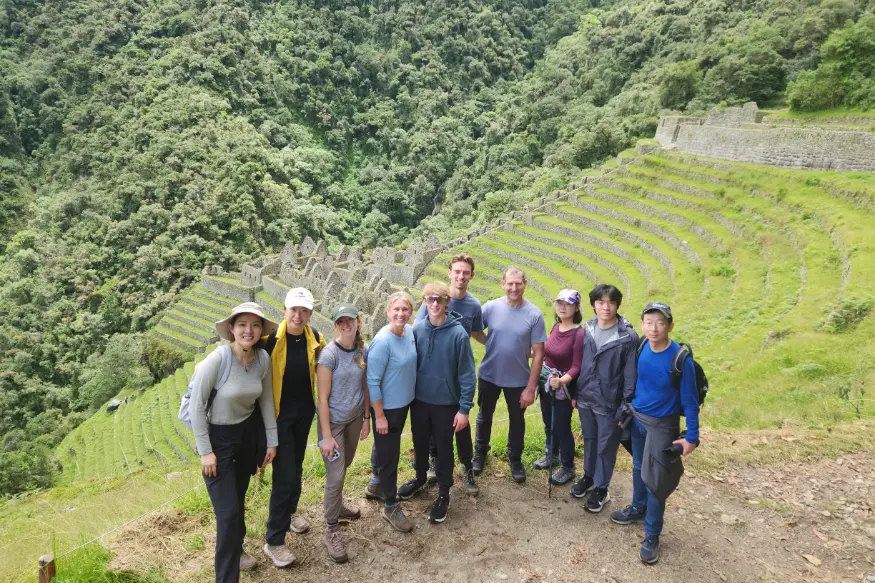
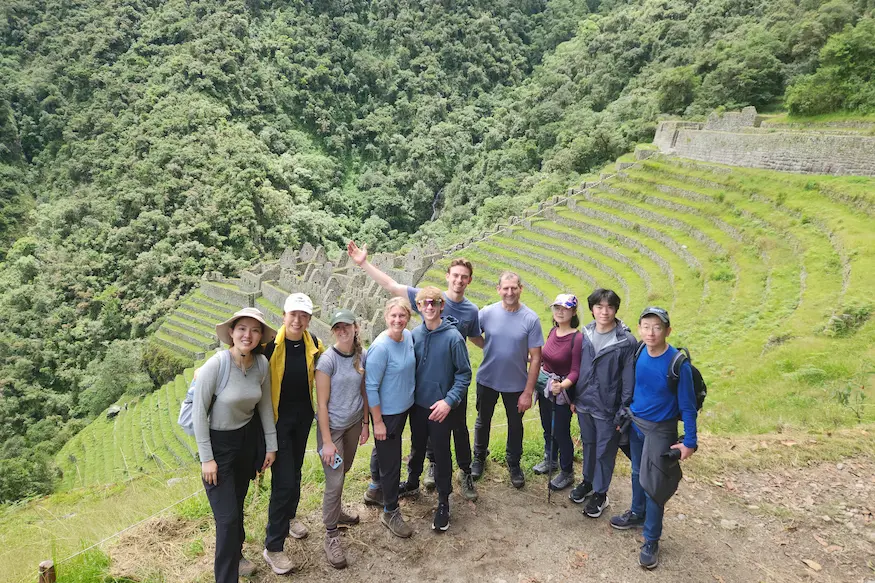
Along the way, you will see amazing archaeological sites like Chachabamba and Wiñay Wayna. These sites are surrounded by terraces and mountain views. They show the skill of the ancient civilization.

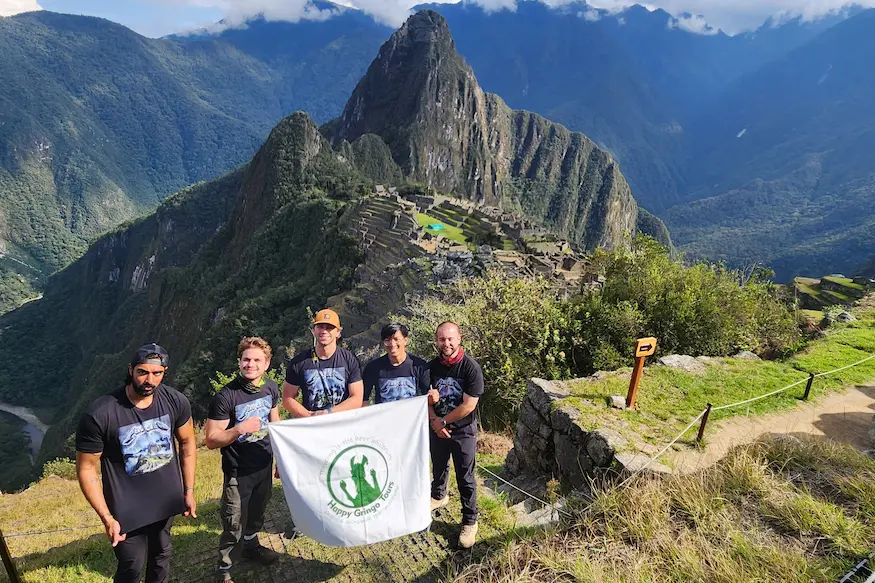
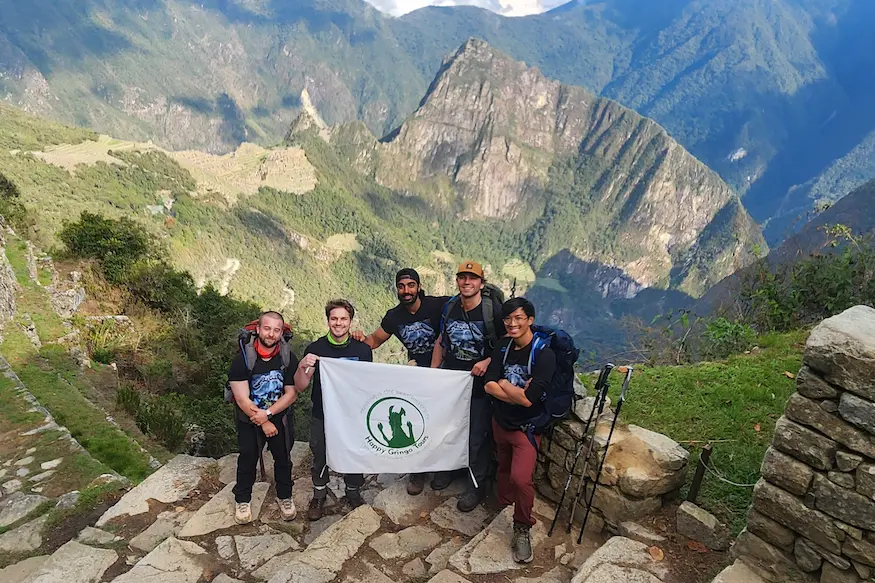
After a nice lunch near the campsite, you will continue on the trail to the Sun Gate (Inti Punku). This is the famous entrance to Machu Picchu, where you will see your first view of the citadel.

Finally, you will go down to Aguas Calientes. This is the gateway to Machu Picchu. You will check into your comfortable hotel for the night. In the evening, unwind and soak in the town’s natural hot springs — the perfect reward after an unforgettable day on the Inca Trail.

  • Elevation Gain: 695 m / 1,683 ft
  • Elevation Loss: 391 m / 820 ft
  • Highlights: Hike the original Inca Trail and explore the breathtaking Wiñay Wayna ruins
  • Hiking Distance: 11 km / 6.8 miles
  • Trailhead Elevation: 2,000 m / 6,561 ft
  • Highest Point: 2,720 m / 8,923 ft
  • Weather: Warm and humid, with tropical conditions along the trail

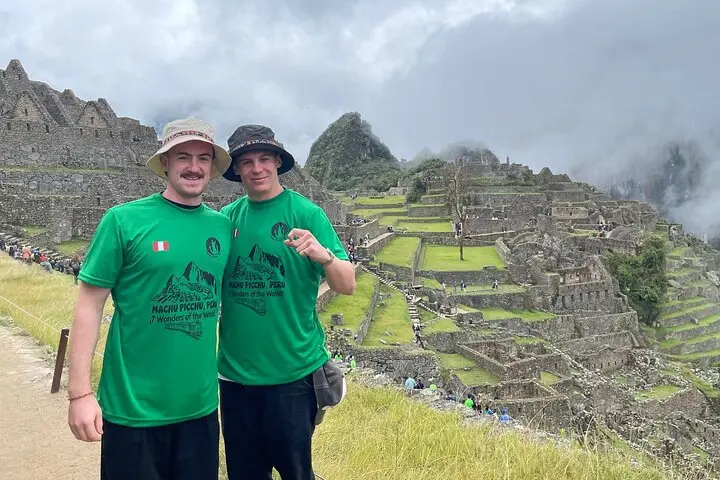
After an early breakfast, you’ll take the bus from Aguas Calientes for a 25-minute ride up to Machu Picchu. As the morning mist lifts, you’ll witness the first rays of sunlight illuminating the ancient stone walls — a breathtaking moment that captures the magic of this Inca masterpiece. Your expert guide will lead a two-hour tour, revealing the secrets, history, and spiritual significance of the Lost City of the Incas, followed by free time for your own exploration or an optional hike to Huayna Picchu or Machu Picchu Mountain.

Once your visit is complete, you’ll return by bus to Aguas Calientes for a relaxing lunch at a local restaurant. In the afternoon, around 4:00 p.m., you’ll board the train back to Ollantaytambo, where our staff will be waiting to drive you to Cusco, arriving by approximately 9:30 p.m. — the perfect ending to an unforgettable adventure with Happy Gringo Tours.

  • Highlight: Visit Machu Picchu early in the morning and witness the sunrise over the sacred Citadel.
  • Temperature: Warm and humid throughout the day.
  • Meals: Breakfast included.
  • Aguas Calientes Elevation: 2,040 m / 6,692 ft — overnight stay in this charming town.
    Machu Picchu Elevation: 2,430 m / 7,972 ft.
Included

Includes

  • Pick-Up from Your Hotel: Start your journey with a convenient pick-up service directly from your hotel in Cusco. Our private vehicle will take you to the train station.
  • Train to Km 104 (Start of the Inca Trail): Take a scenic train ride through the Sacred Valley to Kilometer 104. This is the starting point of the Short Inca Trail. Enjoy breathtaking mountain and river views along the way.
  • Professional English-speaking Tour Guide: A skilled and certified guide will lead the group. They will share fun facts about Inca history and culture. They will also talk about the natural surroundings of the Inca Trail and Machu Picchu.
  • Assistant Tour Guide (for groups of 9 or more): For larger groups, an assistant guide joins the tour. This helps ensure everyone gets personal attention. It also makes the journey safe and comfortable for all.
  • Hotel in Machu Picchu Pueblo (Aguas Calientes): Enjoy one night in a cozy hotel in Aguas Calientes. It is just a few minutes from the bus station to Machu Picchu.
  • 1 Boxed Lunch (day 1): A nutritious boxed lunch is provided during the trek. It has a good mix of proteins, carbs, fruits, and snacks. This is great to enjoy on the trail with beautiful views of the Andes.
  • 1 Breakfast (day 2): Enjoy a freshly prepared breakfast at your hotel before starting your day. It has many hot drinks, fresh fruit, bread, and local foods. These will give you the energy for your adventure.
  • Entrance Fees: You get full access to both the Inca Trail and the Machu Picchu Citadel. All permits are arranged and guaranteed before you leave.
  • Round-Trip Bus between Machu Picchu & Aguas Calientes: Take a comfortable bus from the town to Machu Picchu. This saves you time and energy for exploring the site.
  • Return Transportation (Train & Bus to Cusco): After visiting Machu Picchu, take a comfortable train back to Ollantaytambo. Then, enjoy a private bus ride to Cusco.
  • First Aid Kit & Oxygen Bottle: Your safety is our priority. The guide will have a full first aid kit and an emergency oxygen bottle. This is for altitude problems or small injuries.
Not included

Excludes

  • Meals Not Mentioned:- Breakfast on Day 1: Usually provided by your hotel in Cusco before departure; not included in the tour price.
  • Lunch and Dinner on Day 2: After your guided visit to Machu Picchu, these meals are at your own expense. You’ll have plenty of restaurant options in Aguas Calientes before returning to Cusco.
  • Personal Expenses: Personal purchases are not included in the tour. This includes drinks, snacks, souvenirs, and extra services. Extra services can include massages, laundry, or additional transport.
  • Tips for Your Inca Trail Guides and Staff: Tipping is optional, but it is a great way to show appreciation. Your guide, assistant, and support team work hard and deserve recognition. The amount is at your discretion and should reflect the quality of service received.

Equipment

Backpack
Backpack

Clothes

Jacket
Jacket

Essential

Passaport
Passaport

Recommended

Sun cream
Sun cream
Booking with Happy Gringo Tours is easy! Just click the “Book Now” button. Then, pick your departure date. Fill in the required traveler information.
The remaining balance can be paid in cash (USD or soles) at our office one day before your departure.
You may also pay via PayPal (7% fee) or credit card (5% fee) at least one week before your tour.
Students aged 11 to 17 receive a $25 USD discount. A valid student card and passport copy must be sent at the time of booking. The student must be under 18 on the date of the hike.
Yes, your Machu Picchu entry ticket is included in the Short Inca Trail package.
Our itinerary includes two circuits for a complete Machu Picchu experience. On Day 1, you will arrive at the Sun Gate (Inti Punku). Then, you will explore Circuit 1 (Upper Terrace) for a great view.
Yes! You may safely store your luggage at our Cusco office or at your hotel. We recommend bringing only what you need for the two days on the trail.
Unfortunately, once permits are issued, the Peruvian government does not allow date changes or refunds. Only passport number updates are permitted.
We usually visit early — starting at 6:00 a.m. — to enjoy the sunrise and avoid crowds.
If you add Huayna Picchu, your entry will be scheduled between 9:00 and 10:00 a.m. after your guided tour. The hike takes about 2.5 hours round-trip. For Machu Picchu Mountain, entry is from 8:00 to 9:00 a.m., and the hike takes about 3 hours. Both must be reserved at the time of booking, as spaces are very limited.
Yes! You must carry your original passport (the same one used for your permit). It will be checked at the trail entrance, Machu Picchu, and before boarding the train.
The best season is April to October, during the dry months. The trail is busier from May to August. The rainy season (Nov–Mar) is still possible, but waterproof gear is essential.
The trek is rated moderate to challenging, with gradual ascents and stairs. A basic level of fitness is recommended.
We typically book the 06:10 a.m.Take the train from Ollantaytambo to Km 104 on Day 1. Then, catch the 2:55 p.m. train back to Cusco. You will arrive around 6:30 p.m
Of course! If you prefer to book your own hotel, we’ll reduce the total price by $40 per person. Just let us know your hotel name so we can coordinate your drop-off.
No pets are allowed on the Inca Trail or at Machu Picchu, except for certified guide dogs with proper permits.
Since March 2022, single-use plastic bottles have been banned on the Inca Trail. Bring a reusable bottle or hydration pack to refill along the way.
There’s no specific weight limit for your personal backpack. Porters, however, are limited to 20 kg each and carry only boxed lunches, not personal belongings.
On Day 1, groups usually arrive at the Sun Gate at 2:00 p.m. They then hike for 45 minutes to Machu Picchu. They reach Machu Picchu around 3:00 p.m. After that, they take the bus to Aguas Calientes.
Arrive at least 2 days before your trek to acclimate to the altitude, especially if you’re coming from sea level.
The Short Inca Trail is closed in February for maintenance and safety.
Porters are included in our Short Inca Trail 2-day with the hotel. However, they only carry your box lunch, not your belongings. If you want to hire a personal porter, the Price will be $50 per porter. Note: Porters are not allowed all the way to Machu Picchu.
No. The Short Inca Trail can only be done with a licensed tour operator and an authorized guide. Independent hiking is not permitted.
Yes! If you stay in Urubamba or Ollantaytambo, your pick-up will be about 1.5 hours later than in Cusco. This is great for some extra sleep.
There’s no official age limit, but we recommend a minimum age of 7 due to the steep sections of the trail.

Explore Cusco through Our Eyes

Stories, tips & travel guides from our team on the ground

What is Machu Picchu?
Uncategorized
April 29, 2026

What is Machu Picchu?

Machu Picchu, often hailed as the “Lost City of the Incas,” is an awe-inspiring historical sanctuary located high in the rugged Andes Mountains of Peru. This ancient city is not only an architectural marvel but also a testament to the ingenuity and sophistication of the Inca civilization.  As one of the most iconic and well-preserved archaeological sites in the world, Machu Picchu captures the imagination of travelers, historians, and adventurers from all corners of the globe. In this expanded article, we delve into the rich history, profound significance, and unforgettable visitor experience of Machu Picchu, offering you a comprehensive understanding and appreciation of this extraordinary destination. Machu Picchu Unveiled: Secrets of a Lost Inca Citadel The story of Machu Picchu begins in the 15th century during the reign of the illustrious Inca emperor Pachacuti. This period marked a time of great expansion and prosperity for the Inca Empire, and the construction of Machu Picchu was a monumental project that reflected their architectural prowess. Machu Picchu’s construction is a prime example of classical Inca architectural styles, which are renowned for their precision and durability. The city was built using a technique known as ashlar, where stones are cut to fit together without the use of mortar. This method not only ensured stability but also allowed the structures to withstand the region’s frequent earthquakes. The site’s design incorporates terraces and water channels, showcasing the Incas’ advanced understanding of engineering and agriculture. The exact purpose of Machu Picchu remains a subject of debate among historians and archaeologists. While it is widely believed to have been a royal estate or sacred religious site, some theories suggest it may have served multiple functions, including as a ceremonial center and a hub for astronomical observations. The strategic location of Machu Picchu, nestled between the Andes and the Amazon Basin, further underscores its significance as a place of spiritual and cultural convergence. Despite its grandeur, Machu Picchu was abandoned in the 16th century during the Spanish Conquest and remained hidden from the outside world for centuries. It was not until 1911 that American historian Hiram Bingham brought international attention to the site. Since its rediscovery, Machu Picchu has become a symbol of the Incan civilization’s ingenuity and resilience. In 1983, it was designated as a UNESCO World Heritage Site, solidifying its status as one of the world’s most treasured cultural landmarks. Where Mountains Meet Genius: The Sustainable Marvel of Machu Picchu Machu Picchu is more than just an archaeological site; it is a cultural and historical treasure that offers a profound insight into the Inca Empire’s sophisticated understanding of various disciplines. The engineering marvels of Machu Picchu are evident in its intricate network of terraces, stairways, and aqueducts. These structures demonstrate the Incas’ mastery of land management and their ability to adapt to the challenging mountainous terrain. The precision with which the stones were cut and assembled has left modern architects and engineers in awe, as these structures have withstood the test of time. The location of Machu Picchu provided the Incas with access to diverse ecological zones, enabling them to cultivate a variety of crops. The terraces were ingeniously designed to optimize water distribution and prevent soil erosion, showcasing the Incas’ advanced agricultural techniques. This sustainable approach to farming ensured the city’s self-sufficiency and contributed to the prosperity of the Inca Empire. Machu Picchu’s alignment with celestial events highlights the Incas’ deep understanding of astronomy. Structures such as the Intihuatana Stone served as ancient astronomical clocks, allowing the Incas to track solstices and equinoxes. This connection to the cosmos was integral to their spiritual beliefs, as they revered celestial bodies as deities and used astronomical observations to guide agricultural practices and religious ceremonies. From Valley to Citadel: The Sacred Bond Between Machu Picchu and the Andes The Sacred Valley, or “Valle Sagrado” in Spanish, is a critical component in understanding Machu Picchu’s significance. This fertile region was the heart of the Incan Empire, serving as an agricultural powerhouse and spiritual center. The interconnectedness of the Sacred Valley and Machu Picchu underscores the Incas’ reverence for nature and their ability to harmonize with their environment. The proximity of the two sites highlights the seamless integration of the Inca society’s agricultural, spiritual, and cultural aspects. Machu Picchu’s breathtaking location is one of its defining characteristics, offering visitors an unparalleled view of the majestic Andes Mountains and the lush Urubamba River Valley below. Perched at an elevation of approximately 2,430 meters (7,970 feet) above sea level, Machu Picchu’s location presents both challenges and rewards for visitors. The high altitude can cause altitude sickness, which is why acclimatization is essential. Spending a few days in Cusco or the Sacred Valley, which are at slightly lower altitudes, can help travelers adjust to the thinner air and enhance their overall experience. The site is situated on a mountain ridge, providing panoramic vistas of the surrounding peaks and the verdant valley. The dramatic landscape is not only visually stunning but also served a strategic purpose for the Incas, offering natural protection and a vantage point for observing the surrounding environment. The diverse flora and fauna of the region add to its ecological richness, making it a haven for nature enthusiasts and photographers alike. Machu Picchu Unshaken: Earthquakes, Architecture, and Andean Adventure…