Posada Amazonas Jungle Tour, Amazon, Cloud Forest Peru
Adventure

Tour Posada Amazonas (3 Días)

Duration 3 days
Group size Max 10
Difficulty Moderate
Tour Overview

Posada Amazonas Jungle Tour – Puerto Maldonado, parte de la estrategia de Perú Verde para proteger la singular diversidad cultural y biológica del país.

Este viaje a la selva está diseñado para quienes buscan una estadía corta de dos noches como introducción a la cuenca amazónica. Incluye la visita a un centro etnobotánico administrado por una comunidad nativa, a un lago en forma de herradura y a una torre de observación del dosel, entre otras actividades.

Servicio de Guiado en Posada Amazonas

Nuestros guías son biólogos, profesionales del turismo o miembros de la comunidad. En Posada Amazonas trabajamos con una proporción de 10:1. Esto significa que los grupos de menos de diez personas se unirán con otros grupos bajo un mismo guía. Por favor, infórmanos si deseas un guía privado o uno en un idioma distinto del inglés.

Traslado del Aeropuerto a la Sede de Puerto Maldonado

A tu llegada desde Lima o Cusco, te recibiremos en el aeropuerto y te llevaremos en un viaje de 10 minutos hasta nuestra sede en Puerto Maldonado. Mientras disfrutas de tu primer contacto con el bosque en nuestros jardines, te pediremos que prepares solo el equipaje necesario para los próximos días y dejes el resto en nuestro depósito seguro. Esto nos ayuda a mantener livianos los botes y la carga.

Traslado desde la Sede de Puerto Maldonado al Puerto del Río Tambopata

Bordeando la ciudad de Puerto Maldonado, viajaremos 20 kilómetros hasta el Puerto del Río Tambopata e ingresaremos a la Comunidad Nativa de Infierno. El puerto es un emprendimiento comunal.

Almuerzo en Caja
Traslado en bote – Puerto del Río Tambopata a Posada Amazonas

El viaje en bote de cuarenta y cinco minutos desde el Puerto Tambopata hasta Posada Amazonas nos llevará a la reserva privada de bosque primario de la Comunidad.

Orientación

A su llegada, el administrador del lodge lo recibirá y le dará información importante sobre navegación y seguridad.

Torre de Canopy

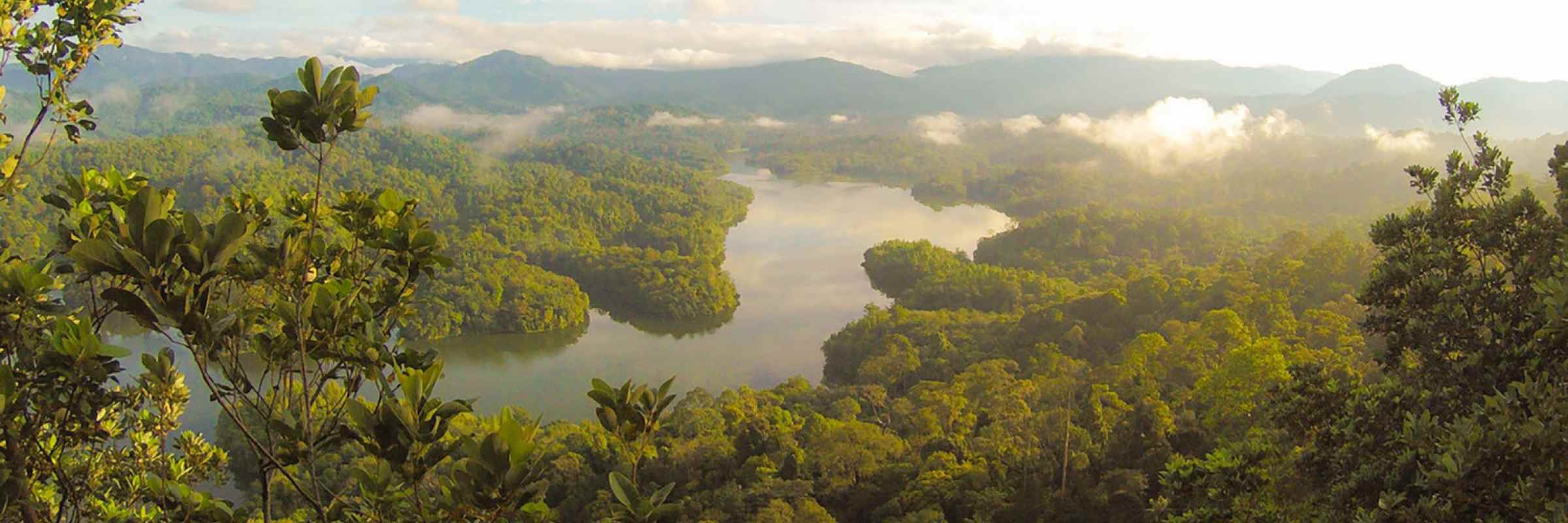
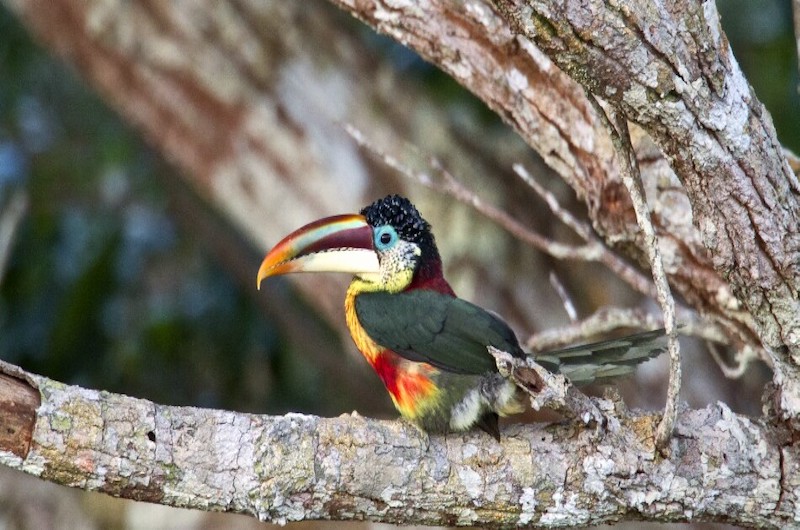
A veinte minutos a pie desde Posada Amazonas se encuentra la torre de dosel de 30 metros de altura. Una escalera con baranda que atraviesa el centro permite un acceso seguro a las plataformas superiores. Desde la parte alta se obtienen vistas espectaculares de la inmensa extensión de bosque intacto, atravesado por el serpenteante río Tambopata. (Es común observar tucanes, loros o guacamayos volando en el horizonte, o bandadas mixtas posándose en las copas de los árboles junto a nosotros).

Cena
Charla de Ecoturismo

Cada noche, un miembro del personal ofrece una presentación sobre el proyecto de ecoturismo de la Comunidad de Infierno.

Alojamiento en Habitación Clásica en Posada Amazonas – Pernocte

Desayuno

Lago Tres Chimbadas (Cocha en Herradura)

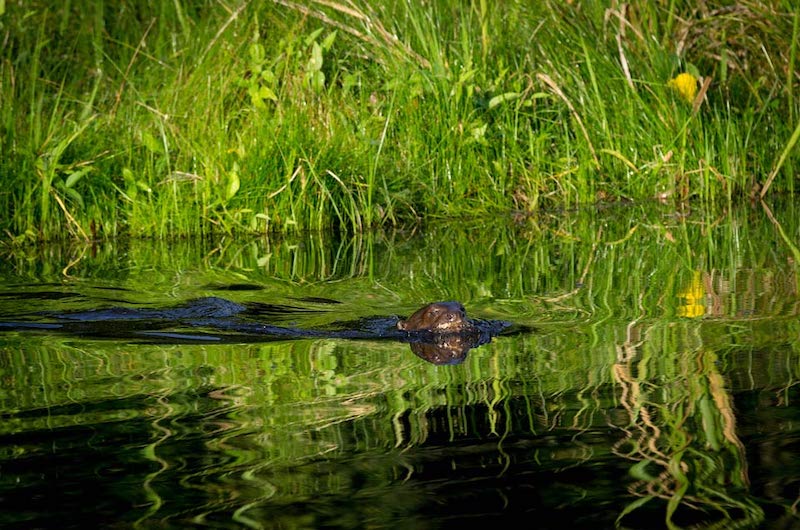
Tres Chimbadas se encuentra a treinta minutos en bote y a cuarenta y cinco minutos a pie desde Posada Amazonas. Una vez allí, navegaremos en un catamarán por el lago en busca de la familia residente de nueve nutrias gigantes (avistadas por el 60% de nuestros visitantes) y de otros animales ribereños, como caimanes, hoatzines y chenchorrines. Las nutrias están más activas desde el amanecer hasta las 8 o 9 a.m.

Collpa de Loros

Esta collpa está ubicada a solo veinte minutos a pie de Posada Amazonas. Desde un escondite situado a unos veinte metros, en la mayoría de las mañanas despejadas podrás observar decenas de loros y periquitos descendiendo para ingerir la arcilla de la ribera. Entre las especies que suelen visitar la collpa están: Amazona Harinosa, Amazona de Cabeza Amarilla, Loro de Cabeza Azul y Periquito de Cabeza Oscura. La collpa presenta actividad al amanecer, durante las mañanas intermedias y las primeras horas de la tarde.

Almuerzo
Tour Etnobotánico

Un viaje en bote de veinte minutos río abajo nos llevará a un sendero diseñado por el personal del Centro Ñape. El Centro Ñape es una organización comunal que produce medicinas a partir de plantas del bosque y las administra a los pacientes que eligen atenderse en su pequeña clínica. Ellos diseñaron un recorrido interpretativo en el que se explican los distintos usos medicinales y prácticos de diversas plantas seleccionadas.

Cena + Caminata Nocturna

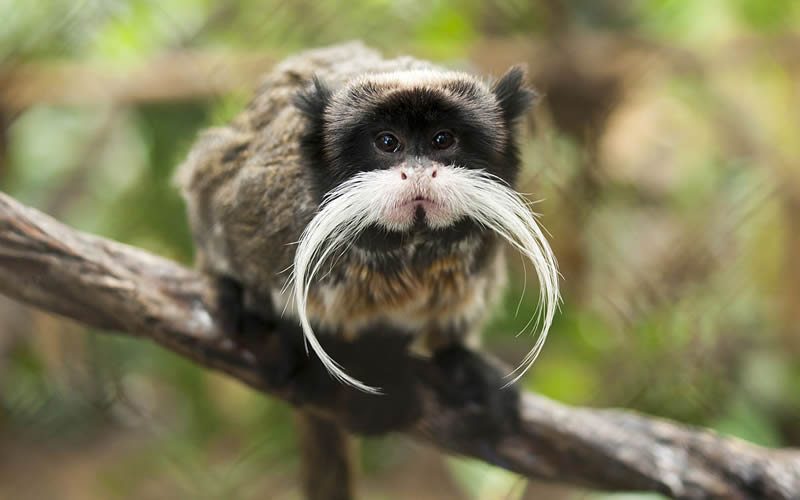
Tendrás la opción de hacer una caminata nocturna. Aquí podrás observar ranas con formas y sonidos tan peculiares como sus historias naturales, así como algunos mamíferos que están activos por la noche pero que rara vez se ven durante el día.

Alojamiento en Habitación Clásica en Posada Amazonas – Pernocte

Regresaremos por el mismo recorrido fluvial y terrestre hacia Puerto Maldonado, pasando por nuestra oficina y luego hacia el aeropuerto. Dependiendo del horario de tu vuelo, este traslado podría realizarse al amanecer.

Included

Includes

  • Programas basados en ocupación doble.
  • Incluye todas las comidas mencionadas en el itinerario, el alojamiento y los servicios.
  • Todo el transporte fluvial y los traslados desde y hacia el aeropuerto de Puerto Maldonado.

Clothes

Jacket
Jacket

Equipment

Backpack
Backpack
Sunglasses
Sunglasses

Essential

Cash
Cash
Passaport
Passaport

Recommended

Sun cream
Sun cream

Explore Cusco through Our Eyes

Stories, tips & travel guides from our team on the ground

What is Machu Picchu?
Uncategorized
April 29, 2026

What is Machu Picchu?

Machu Picchu, often hailed as the “Lost City of the Incas,” is an awe-inspiring historical sanctuary located high in the rugged Andes Mountains of Peru. This ancient city is not only an architectural marvel but also a testament to the ingenuity and sophistication of the Inca civilization.  As one of the most iconic and well-preserved archaeological sites in the world, Machu Picchu captures the imagination of travelers, historians, and adventurers from all corners of the globe. In this expanded article, we delve into the rich history, profound significance, and unforgettable visitor experience of Machu Picchu, offering you a comprehensive understanding and appreciation of this extraordinary destination. Machu Picchu Unveiled: Secrets of a Lost Inca Citadel The story of Machu Picchu begins in the 15th century during the reign of the illustrious Inca emperor Pachacuti. This period marked a time of great expansion and prosperity for the Inca Empire, and the construction of Machu Picchu was a monumental project that reflected their architectural prowess. Machu Picchu’s construction is a prime example of classical Inca architectural styles, which are renowned for their precision and durability. The city was built using a technique known as ashlar, where stones are cut to fit together without the use of mortar. This method not only ensured stability but also allowed the structures to withstand the region’s frequent earthquakes. The site’s design incorporates terraces and water channels, showcasing the Incas’ advanced understanding of engineering and agriculture. The exact purpose of Machu Picchu remains a subject of debate among historians and archaeologists. While it is widely believed to have been a royal estate or sacred religious site, some theories suggest it may have served multiple functions, including as a ceremonial center and a hub for astronomical observations. The strategic location of Machu Picchu, nestled between the Andes and the Amazon Basin, further underscores its significance as a place of spiritual and cultural convergence. Despite its grandeur, Machu Picchu was abandoned in the 16th century during the Spanish Conquest and remained hidden from the outside world for centuries. It was not until 1911 that American historian Hiram Bingham brought international attention to the site. Since its rediscovery, Machu Picchu has become a symbol of the Incan civilization’s ingenuity and resilience. In 1983, it was designated as a UNESCO World Heritage Site, solidifying its status as one of the world’s most treasured cultural landmarks. Where Mountains Meet Genius: The Sustainable Marvel of Machu Picchu Machu Picchu is more than just an archaeological site; it is a cultural and historical treasure that offers a profound insight into the Inca Empire’s sophisticated understanding of various disciplines. The engineering marvels of Machu Picchu are evident in its intricate network of terraces, stairways, and aqueducts. These structures demonstrate the Incas’ mastery of land management and their ability to adapt to the challenging mountainous terrain. The precision with which the stones were cut and assembled has left modern architects and engineers in awe, as these structures have withstood the test of time. The location of Machu Picchu provided the Incas with access to diverse ecological zones, enabling them to cultivate a variety of crops. The terraces were ingeniously designed to optimize water distribution and prevent soil erosion, showcasing the Incas’ advanced agricultural techniques. This sustainable approach to farming ensured the city’s self-sufficiency and contributed to the prosperity of the Inca Empire. Machu Picchu’s alignment with celestial events highlights the Incas’ deep understanding of astronomy. Structures such as the Intihuatana Stone served as ancient astronomical clocks, allowing the Incas to track solstices and equinoxes. This connection to the cosmos was integral to their spiritual beliefs, as they revered celestial bodies as deities and used astronomical observations to guide agricultural practices and religious ceremonies. From Valley to Citadel: The Sacred Bond Between Machu Picchu and the Andes The Sacred Valley, or “Valle Sagrado” in Spanish, is a critical component in understanding Machu Picchu’s significance. This fertile region was the heart of the Incan Empire, serving as an agricultural powerhouse and spiritual center. The interconnectedness of the Sacred Valley and Machu Picchu underscores the Incas’ reverence for nature and their ability to harmonize with their environment. The proximity of the two sites highlights the seamless integration of the Inca society’s agricultural, spiritual, and cultural aspects. Machu Picchu’s breathtaking location is one of its defining characteristics, offering visitors an unparalleled view of the majestic Andes Mountains and the lush Urubamba River Valley below. Perched at an elevation of approximately 2,430 meters (7,970 feet) above sea level, Machu Picchu’s location presents both challenges and rewards for visitors. The high altitude can cause altitude sickness, which is why acclimatization is essential. Spending a few days in Cusco or the Sacred Valley, which are at slightly lower altitudes, can help travelers adjust to the thinner air and enhance their overall experience. The site is situated on a mountain ridge, providing panoramic vistas of the surrounding peaks and the verdant valley. The dramatic landscape is not only visually stunning but also served a strategic purpose for the Incas, offering natural protection and a vantage point for observing the surrounding environment. The diverse flora and fauna of the region add to its ecological richness, making it a haven for nature enthusiasts and photographers alike. Machu Picchu Unshaken: Earthquakes, Architecture, and Andean Adventure…