


When Is the Best Month to Visit Machu Picchu?
Picture this: you’re standing at the Sun Gate as dawn breaks over Machu Picchu, but instead of the crystal-clear mountain views you’ve dreamed of, you’re squinting through dense fog and drizzle. Or perhaps you’ve finally reached the iconic Huayna Picchu viewpoint, only to find yourself shoulder to shoulder with hundreds of other tourists, all vying for the same Instagram shot.Your timing can make or break your Machu Picchu experience.
The ancient Incas built their masterpiece to align perfectly with celestial events, and modern travelers need to be just as strategic about their timing. Below we’ll show you how you can perfectly align your trip with your preferences.
Understanding Machu Picchu’s Weather and Seasons
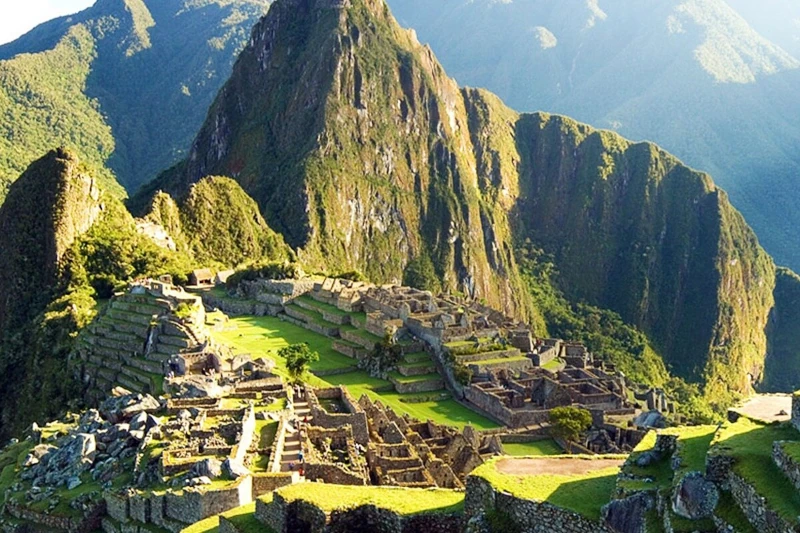
Machu Picchu, nestled high in the Andes Mountains, experiences a variety of weather patterns that can greatly influence your visit. Understanding these weather and seasonal variations is key to planning the perfect trip.
Dry Season: April to October
The dry season, spanning from April to October, is often considered the best time to visit Machu Picchu. During these months, you can expect clear skies, less rain, and comfortable temperatures, making it ideal for exploring the ruins and hiking the Inca Trail or ascending the Huayna Picchu.
Peak Tourist Months: July and August
July and August are particularly popular among tourists, leading to larger crowds. During these months, the influx of visitors can create a bustling atmosphere at Machu Picchu. This is when the site is most lively, filled with travelers from all over the world, sharing in the awe of this ancient wonder.
Shoulder Months: April, May, September, and October
If you prefer a less crowded experience, consider visiting in April, May, September, or October. These shoulder months offer the best time of the year of both worlds: favorable weather conditions without the peak-season crowds. The atmosphere is calmer, allowing for a more intimate exploration of the site and a chance to appreciate its beauty in solitude.
Ideal Hiking Conditions
The dry season provides optimal conditions for hiking, particularly on the Inca Trail. The trails are less slippery, and the risk of heavy rain is minimized, making it safer for trekkers. The absence of rain also means that the stunning views from the trails are unobstructed, allowing hikers to fully appreciate the surrounding landscapes. This allows the visitor to try the Lares trek or the Salkantay trek.
Wet Season: November to March
The wet season, from November to March, is characterized by frequent rainfall. While the lush greenery is a sight to behold, rain can make trekking challenging.
Experiencing the Lush Greenery
Wet Season Magic: Green Paradise
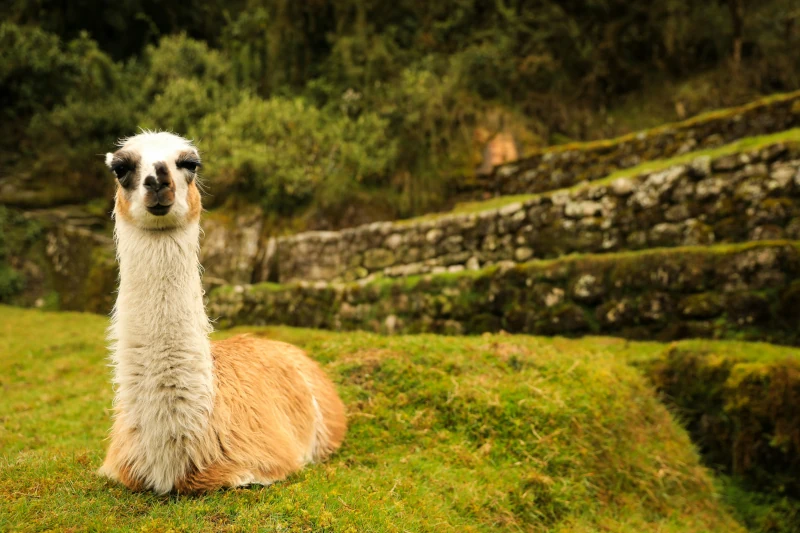
The rainy season turns Machu Picchu into a jungle paradise. All that water makes everything bright green and lush.If you love nature, this is your time. The whole place explodes with color. Plants grow thick and wild around the ancient stones.
Photographers go wild for wet season shots. The contrast between gray ruins and bright green plants is stunning. Every photo looks like a postcard. Sure, you’ll get wet, but you’ll also see Machu Picchu at its most alive and beautiful. Pack a good rain jacket and embrace the adventure.
Navigating Rain Challenges
Rain can make trekking more challenging, with muddy and slippery trails. For adventurous travelers, this adds a layer of excitement and challenge to the journey. It’s essential to come prepared with appropriate gear, including waterproof clothing and sturdy footwear, to navigate the elements safely.
Benefits of Fewer Tourists
Visiting during this period has its perks, such as fewer tourists and lower prices. The reduced number of visitors allows for a more personal experience at Machu Picchu. You’ll have the opportunity to explore the ruins at a leisurely pace, savoring the serenity and mystique without the
Adjusting to Altitude
Visitors should also be mindful of potential troubles like altitude sickness and its impact on temperature perception. The high elevation can make temperatures feel colder than they are, especially at night. Taking time to acclimatize and listen to your body’s needs is crucial for a comfortable visit.
Preparing for Temperature Fluctuations
Machu Picchu weather changes fast. Pack layers so you’re ready for anything.Bring light, quick-dry clothes for daytime exploring. When the sun’s out, you’ll heat up quickly walking around those ruins.
Pack a warm jacket or fleece too. Evenings get chilly up in the mountains. You don’t want to be shivering during sunset photos. Think of it like this: hot during the day, cold at night. Dress in layers you can add or take off as needed.
Best Time of Day to Visit Machu Picchu

For those seeking the perfect photo opportunity or a serene atmosphere, the best time of day to visit Machu Picchu is either early in the morning or late in the afternoon.
Early Morning Visits
The site opens at 6 am, and if you can arrive early, you’ll be rewarded with a stunning sunrise and fewer crowds.
Capturing the Sunrise
The early morning visit offers the magical experience of watching the sunrise over the Andes. As the first light of day touches the ancient stones, the site is bathed in a warm, golden glow. Photographers and early risers will find this time ideal for capturing breathtaking images of Machu Picchu emerging from the morning mist.
Beating the Crowds
Arriving early allows you to explore key areas of the site without the hustle and bustle of larger groups. You can take your time wandering through the ruins, appreciating the intricate stonework and historical significance without feeling rushed or overwhelmed by other visitors.
Late Afternoon Visits
Alternatively, visiting in the late afternoon allows you to experience the site as the sun sets, casting a golden glow over the ruins.
Capturing the Sunset
The late afternoon is another excellent time for photography, as the setting sun casts long shadows and a warm hue across Machu Picchu. This time of day highlights the dramatic landscape and provides unique lighting conditions that add depth and texture to your photos.
Avoiding the Midday Heat
Visiting later in the day also helps you avoid the midday heat. The cooler temperatures are more comfortable for exploring, allowing you to focus on the beauty and history of Machu Picchu without the distraction of intense sunlight.
Machu Picchu Travel Tips
Planning a trip to Machu Picchu involves more than just choosing the right time to visit. Here are some practical travel tips to ensure your journey is smooth and enjoyable.
Booking Essentials
- Book in Advance: Machu Picchu has a limited number of daily visitors, so it’s essential to book your tickets well in advance, especially during the peak season.
Secure Your Tickets Early
Booking tickets early is crucial to securing your spot at Machu Picchu. Plan your visit months in advance, particularly if you’re traveling during the high season. This ensures you have access to the site on your preferred dates and avoids last-minute disappointments.
Consider Multiple Entry Options
When booking, consider the different types of tickets available, such as those that include entry to Huayna Picchu or Machu Picchu Mountain. These additional experiences offer unique perspectives and challenges, enhancing your visit with breathtaking views and thrilling hikes.
Benefits of a Guided Tour
A knowledgeable guide can transform your visit into an educational and immersive experience. They offer in-depth explanations of the site’s history, architecture, and cultural significance, bringing the ancient ruins to life. Their expertise enhances your understanding and appreciation of UNESCO world heritage site and its context.
Personalized Tours and Customization
Many tour operators offer personalized tours tailored to your interests. Whether you’re fascinated by Incan engineering, religious practices, or daily life, a customized tour can focus on your specific areas of curiosity. This personalized approach ensures you gain the most from your visit.
Local Insights and Hidden Gems
Guides often share local insights and stories that you might not find in guidebooks. They can lead you to lesser-known areas of the site, pointing out hidden details and viewpoints that offer unique photo opportunities. Engaging with a guide adds depth and authenticity to your journey.
Packing for Success
- Pack Wisely: Bring a rain jacket, sunscreen, insect repellent, and a hat. Comfortable walking shoes are a must, as you’ll be doing a lot of exploring.
Acclimatization Strategies
To minimize the effects of altitude sickness, spend a few days acclimatizing in Cusco before heading to Machu Picchu. This adjustment period allows your body to adapt to the reduced oxygen levels, making your visit more comfortable. Engage in light activities and avoid strenuous exercise during this time.
Recognizing Altitude Sickness Symptoms
Be aware of the symptoms of altitude sickness, which can include headaches, nausea, and dizziness. If you experience any of these, rest and hydrate until you feel better. In severe cases, descending to a lower altitude may be necessary, so listen to your body and seek medical attention if needed.
Exploring Beyond Machu Picchu
While Machu Picchu is a highlight, the surrounding region offers other remarkable experiences. The Sacred Valley, Cusco, and the Inca Trail itself are worth exploring. Each destination provides unique insights into the rich tapestry of Incan culture and the stunning landscapes of Peru.
Discovering the Sacred Valley
The Sacred Valley, with its picturesque landscapes and charming villages, is a must-visit destination for any traveler to Peru. This fertile region was once the heartland of the Inca Empire, and its historical significance is evident in the ruins and agricultural terraces that dot the landscape.
Exploring Pisac and Ollantaytambo
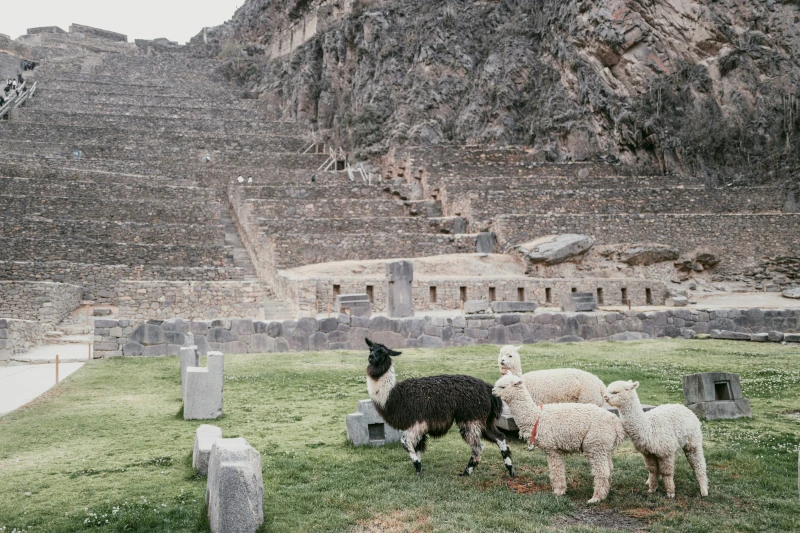
Pisac and Ollantaytambo are two of the most notable archaeological sites in the Sacred Valley. Pisac is renowned for its impressive terraces and vibrant market, offering a glimpse into traditional Andean life. Ollantaytambo, with its well-preserved ruins, provides a fascinating insight into Incan urban planning and architecture.
Outdoor Adventures in the Sacred Valley
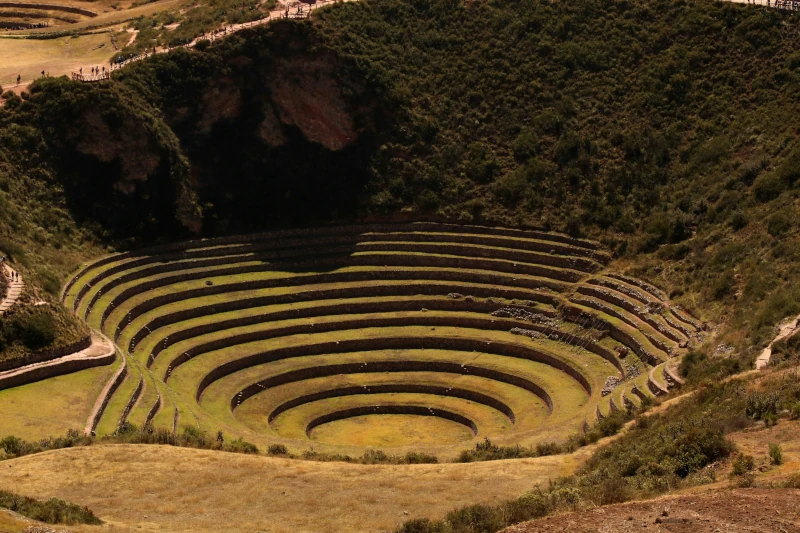
For adventure enthusiasts, the Sacred Valley offers a range of outdoor activities, from hiking and mountain biking to river rafting. The valley’s diverse terrain provides ample opportunities for exploration and adrenaline pumping adventures, you can adventure to visit the agricultural terraces of Moray.
Exploring Cusco’s Must see Sites
Cusco is home to numerous historical sites, including the impressive Sacsayhuamán fortress and the Qorikancha temple. Wander through the city’s narrow alleys, discovering hidden gems and architectural marvels at every turn. Each site tells a story of Cusco’s rich past and its enduring legacy.
Experiencing Cusco’s Festivals
Cusco’s cultural calendar is filled with lively festivals and celebrations that offer a glimpse into the region’s traditions and heritage. The Inti Raymi, or Festival of the Sun, is one of the most significant events, featuring colorful parades, music, and dance. Participating in these festivities provides an immersive cultural experience.
Culinary Delights in Cusco
Cusco’s culinary scene is a delightful fusion of traditional Andean flavors and contemporary culinary trends. Sample local dishes like ceviche, lomo saltado, and alpaca steak, or indulge in a gourmet dining experience at one of the city’s many acclaimed restaurants. Cusco’s food reflects its diverse cultural influences and innovative spirit.
Trekking the Inca Trail
The Inca Trail is one of the world’s most famous trekking routes, leading adventurers through diverse landscapes and ancient ruins on the way to Machu Picchu.
Planning Your Inca Trail Hike
Embarking on the Inca Trail requires careful planning and preparation. The inca trail permits are limited and must be booked well in advance, especially during the peak season. Choose from different trail options, ranging from the classic four-day trek to shorter, more accessible routes.
Experiencing the Trail’s Highlights
The Inca Trail offers a journey through breathtaking scenery, from lush cloud forests to high mountain passes. Along the way, you’ll encounter ancient ruins, such as Wiñay Wayna, and witness panoramic views that are unparalleled in their beauty. Each step brings you closer to the awe inspiring finale at Machu Picchu.
Plan Your Perfect Machu Picchu Adventure Today
Choosing the best month to visit Machu Picchu depends on your preferences and priorities. Whether you seek ideal Machu picchu weather, fewer crowds, or a unique photographic opportunity, there’s a perfect time for everyone. By planning ahead and considering your travel goals, you can ensure a memorable and enriching experience at this world-renowned site. You can combine your trip with other impressive alternatives for adventure lovers, such as the Humantay lake or Rainbow Mountain.
So pack your bags, charge your camera, and get ready for an adventure of a lifetime at Machu Picchu. With thoughtful planning and an open mind, you’re set to discover the magic and mystery of this ancient wonder, creating memories that will last a lifetime.