


Why Was Machu Picchu Abandoned?
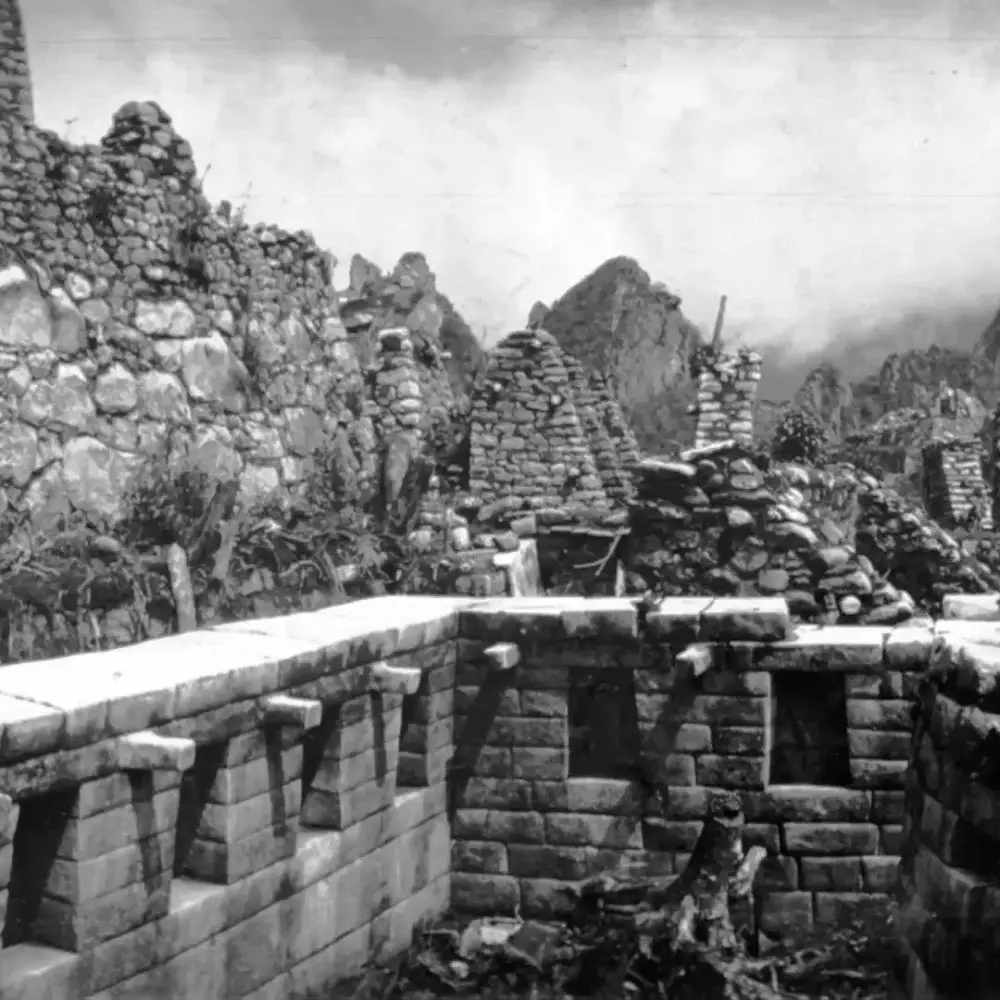
Calling Machu Picchu a lost city has always been a bit misleading. Pachacuti had the place built in the mid-1400s for his own personal use and for a small circle of attendants. Farmers, craftsmen, and household workers kept things running day to day, but ordinary people from outside that circle had no reason to be there. Functionally it was much closer to a private restricted compound than anything you could call a city. So why was Machu Picchu abandoned in the first place? That answer requires looking at several decades of connected events.
Within roughly a century of construction the site was empty. No battle damage, no signs of hurried escape, nothing in the soil pointing to crisis or violence. The people there left gradually and on their own terms. Communities farming the nearby valleys knew about the location the entire time. If you are planning a tour to Machu Picchu today, understanding this history makes the visit a completely different experience. Figuring out why was Machu Picchu abandoned meant looking at a chain of developments that built on each other over time.
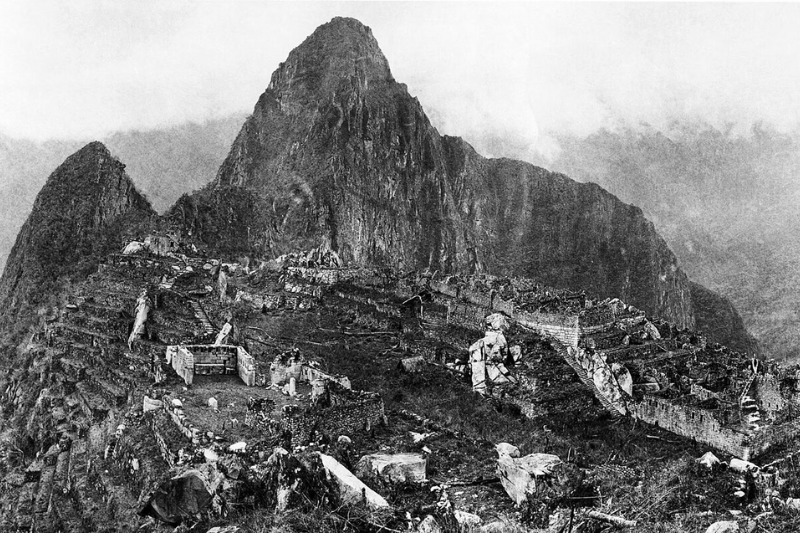
A Royal Retreat in the Clouds: Why Pachacuti’s Private Estate Lost its Purpose
Something worth understanding about Inca society is that an emperor’s possessions did not automatically pass to whoever ruled after him. His family kept everything through a structure called a Panaca. Relatives managed the property, paid for upkeep, kept workers employed, and carried out duties tied to his preserved remains. This continued indefinitely after his death.
Machu Picchu ran entirely on what that family put into it. There was no government budget covering the costs. When political and social conditions were calm this worked fine enough. When those conditions collapsed, the estate had no alternative source of support, which turned out to matter enormously. Travelers who walk the Inca Trail today pass through the same mountain landscape that once supplied this estate with everything it needed to function. This financial fragility is a key part of understanding why was Machu Picchu abandoned the way it was.
The Invisible Killer: How Smallpox Decimated the Andes Before the Spanish Arrived
Spanish soldiers did not reach the Andean interior until the 1530s, but smallpox had already been there for years by then. The virus moved through trade connections and along the road system the Inca themselves had built across their territory. No one in the region had any immunity from previous exposure. Death rates in certain areas came close to fifty percent according to researcher estimates.
Keeping Machu Picchu functional required people working the terraces and maintaining the structures on an ongoing basis. As workers died, that labor pool got smaller and the work became harder to cover. When people ask why was Machu Picchu abandoned, disease is rarely the first answer that comes to mind, but its role was significant. The progression moved quickly:
- Early 1520s: Smallpox moves from Caribbean settlements onto the South American mainland.
- Mid-1520s: The disease follows interior road networks deeper into Inca territory.
- Around 1527: Emperor Wayna Capac dies from the illness and his chosen successor dies within days of him.
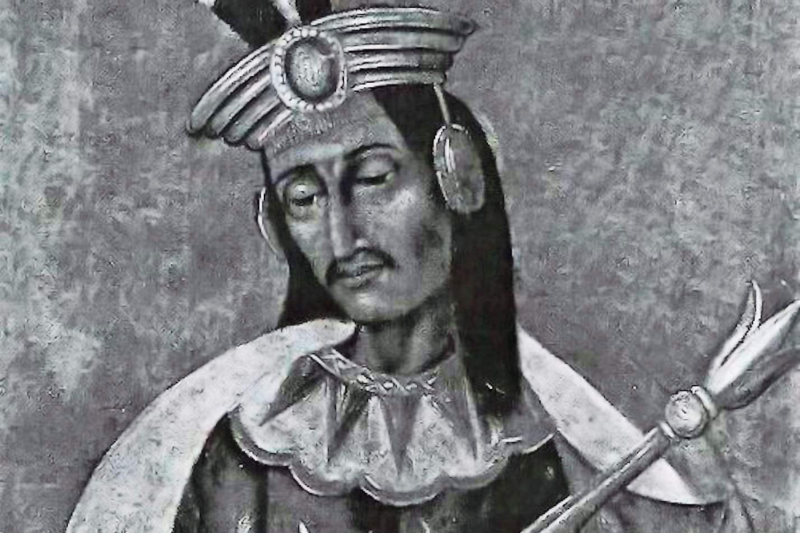
A Throne Divided: How the Inca Civil War Orphaned the Royal Estate
No clear heir being in place meant two of the emperor’s sons both moved to claim power. Huascar held Cusco and the southern regions while Atahualpa had experienced military forces loyal to him in the north. The armed conflict that followed stretched across years and pulled food production, transportation, and available workers away from normal functioning throughout the empire.
Residents at Machu Picchu could not survive on what the site itself produced. Regular food shipments arriving from the Sacred Valley below were not a convenience, they were what made staying there possible. Once wartime conditions broke those delivery patterns, the people remaining faced a simple calculation. An unsupplied high-altitude estate offered no future. The valleys below still had working farms and food. Interestingly, the Cachicata Trek passes through some of those same lower valleys where displaced workers likely resettled after leaving the estate. This supply breakdown is another direct answer to why was Machu Picchu abandoned during this period.
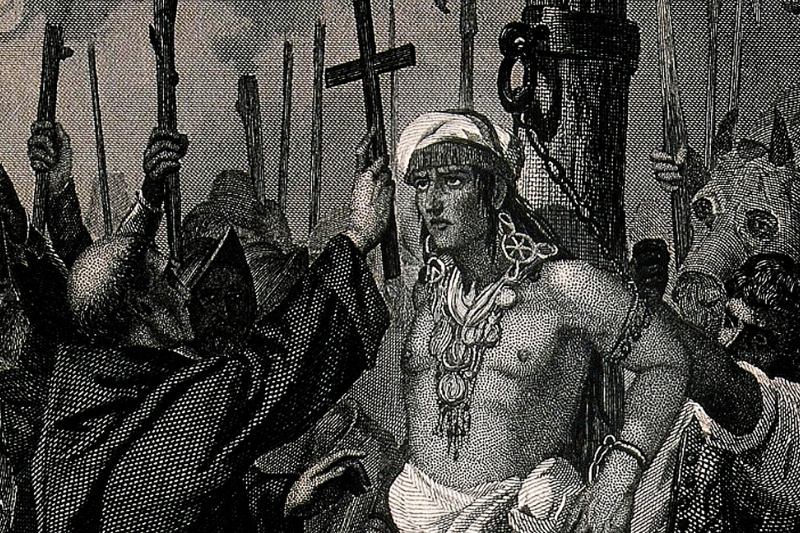
The Spanish Conquest and the Final Withdrawal to Vilcabamba
Pizarro captured Cusco in 1533 and surviving Inca leadership regrouped at Vilcabamba deep in the cloud forest. From there they organized ongoing resistance. Machu Picchu sat in the wrong location for any of that and offered nothing strategically useful. Whoever had stayed behind at the estate was needed for the resistance effort and departed.
Before leaving, those last occupants pulled apart the bridges and trails connecting the site to outside areas. A cup of coca tea, the same traditional drink Andean communities have relied on for centuries at high altitude, was likely part of daily life for the workers who dismantled those final access routes before walking away for good. This deliberate action is central to understanding why was Machu Picchu abandoned without ever being discovered by the Spanish. Several things combined after that to keep conquistadors from locating it:
- Before anyone left, they had destroyed the physical access routes.
- Spanish forces focused on finding gold and suppressing armed fighters, not on exploring empty hillsides.
- Farming communities in the surrounding area never disclosed the location to outsiders.
The Jungle’s Secret: Why Machu Picchu Remained a Time Capsule for 400 Years
The Spanish tore apart, looted, or rebuilt nearly every Inca site they found. Machu Picchu sat untouched for around four hundred years for one basic reason, which is that nobody showed them where it was. The terraces and buildings stayed in essentially the same condition the departing residents had left them in.
Hiram Bingham documented the site in 1911 and brought it to international attention. What he recorded was the direct result of a departure that had been careful, complete, and permanent. His findings helped historians finally piece together a fuller picture of why was Machu Picchu abandoned and what that process actually looked like on the ground.
Looking at the full sequence, each problem fed directly into the next. Epidemic disease reduced the workforce keeping the estate running. The emperor’s death removed the financial backing that funded operations. Civil war cut the supply lines feeding the remaining residents.
The conquest pulled out whoever was still there, Why was Machu Picchu abandoned is not a question with a single answer. It took several decades of compounding problems to empty a place that had no way to absorb that kind of pressure from multiple directions at once.