


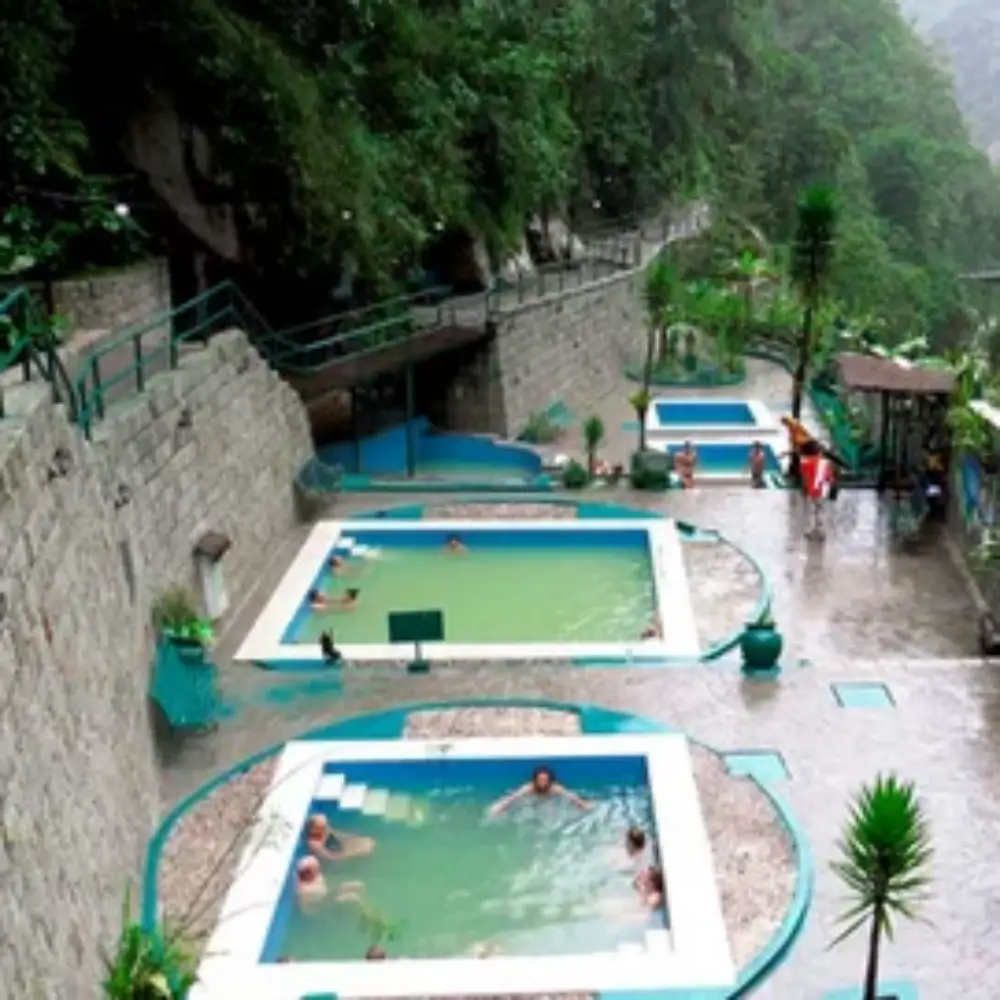
Discover Aguas Calientes Hot Springs Cusco: Relax After Machu Picchu
Four days on the Inca Trail — or even just a few hours hauling yourself up ancient stone steps — and your legs are completely shot. Not the regular kind of tired either. The kind that settles into your joints and just sits there. So it’s not really surprising that most visitors heading back from Machu Picchu citadel end up at the Aguas Calientes hot springs almost on autopilot, just a short walk uphill from the main square.
The name isn’t a coincidence. These waters shaped the town’s identity long before the tourist crowds showed up. Every day you’ve got locals and travelers — most of them fresh off wandering the citadel or finishing the trail — sharing the same pools, letting the volcanic heat do something ibuprofen genuinely can’t — work out the kind of muscle tightness that builds up over days of hard walking.
That said, walk in knowing what it actually is. This isn’t a spa situation. The water’s cloudy from the sulfur, the air hangs heavy and humid, and the setup is pretty no-frills. But for someone who just spent the day climbing around Machu Picchu and wants real recovery not just a good shot for the feed — these pools do exactly what they’re supposed to.
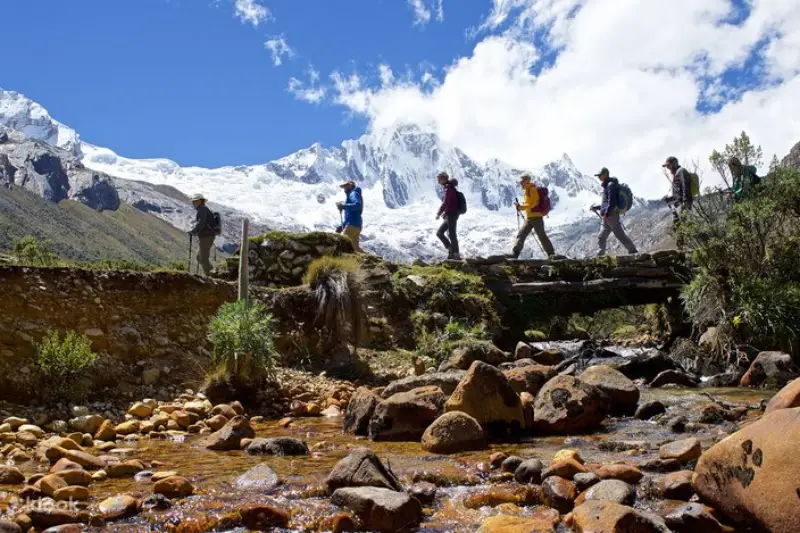
The 10-Minute Uphill Route to Relaxation: How to Find the Thermal Baths from the Plaza
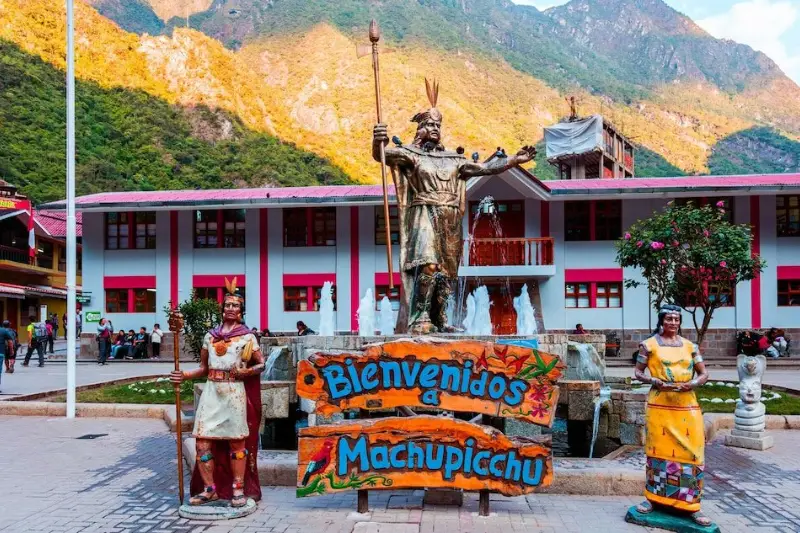
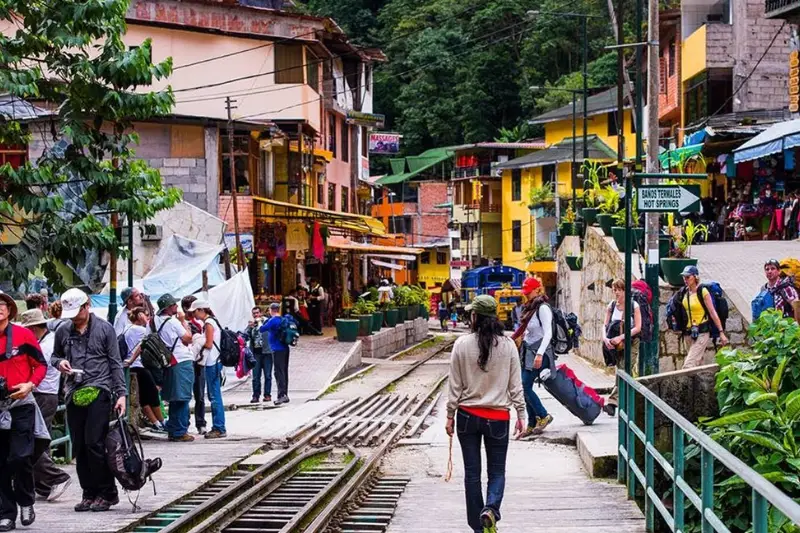
Start at Plaza de Armas, look for Avenida Pachacutec and just walk up. Aguas Calientes is confusing as hell with its streets but this part is simple. The road follows the river and yeah, it gets steep fast.
It’s not brutal, but it’s not flat either, somewhere between “this is fine” and “I should’ve stretched first.” Budget around fifteen minutes and don’t push it if the altitude’s been giving you trouble.The walk itself has its own little economy running alongside it. Cobblestones, vendors, small stalls selling exactly what you forgot to pack. Towel? They’ve got it. Sandals? Yep. Swimsuit? Also yes.
A few Soles and you’re sorted. It’s the kind of informal system that has no right to work as smoothly as it does, but somehow it does. Cash matters here, a lot. There’s no tapping your card at the top. The ticket booth sits right before the entrance gate and it runs strictly on physical money, so sort that out before you start climbing or you’ll be making the trip twice.
Once you’re through the turnstiles something shifts. The air gets thicker, warmer. There’s a mineral edge to it, subtle at first, then not so subtle. The pools are close.
Yellow Water and Volcanic Heat: Decoding the Mineral Experience
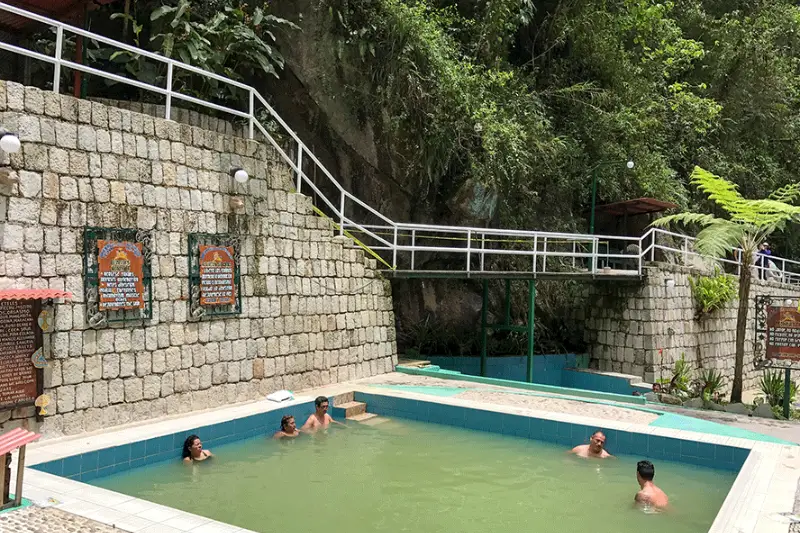
The water is the first thing that throws people off — it’s cloudy, got a yellowish tint to it, and looks nothing like what most people expect. But that’s just how it is. It pulls up straight from volcanic channels deep underground, and all that sulfur and iron is what gives it that color. Nothing wrong with it, that’s literally the stuff that makes it worth getting in.
Which is exactly why half the people there just finished the Inca Trail. Those minerals are no joke when it comes to sore legs — the inflammation goes down, everything loosens up, and somehow your skin feels way better coming out than going in. After that many stone steps your body is pretty much begging for it. The sulfur smell catches you off guard at first but honestly after a few minutes you stop caring.
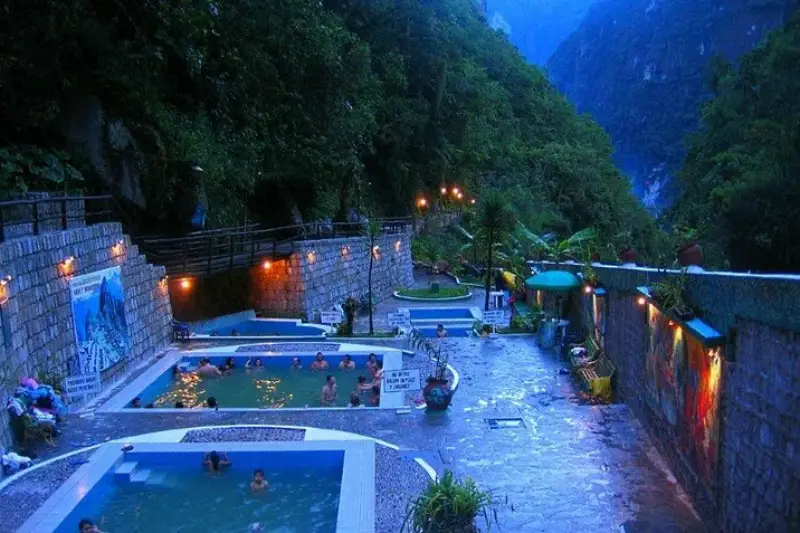
The layout makes sense once you see it. Water temps range from about 38°C up to 46°C (100°F to 114°F) and the pools are just set up from hottest to coolest, so you pick whatever your body’s asking for:
- Upper Pools: Straight up the hottest — good for when your muscles feel like concrete and you need something intense.
- Middle Section: Not too hot, not too mild — where most people end up hanging out the longest.
- Lower Basins: Cooler water, mostly useful for tapering off before you actually get out.
The atmosphere is nothing like a spa. It’s loud, it’s busy, there are waiters squeezing between people with drink trays — honestly reminds you more of a beach than anything wellness-related. Grab a spot, get a cold drink going, and from there it’s really just about keeping an eye on your stuff and picking the right moment to head out.
Entrance Fees and Locker Rentals
Cash only here, and it has to be Peruvian Soles because the ticket booth does not do cards, pretty much ever. For international visitors the price is around 20 Soles, somewhere between $5 and $6 USD, honestly one of the cheapest things you will do around Machu Picchu Pueblo. Grab your ticket at the counter right below the entrance. Have small bills ready before you make that last push up to the changing area.
Once you’re inside, the first thing to do is put your valuables away. There are rows of wooden lockers available, but don’t expect modern digital keypads these use old-fashioned padlocks. If you forgot to bring one, no need to worry; small vendors near the entrance rent out padlocks and towels for a few extra Soles. The changing rooms get the job done, though they tend to be wet and crowded, so most visitors prefer to stash their things quickly and make their way to the water.
Best Time to Visit and What to Bring
Timing really does matter here. Between 5:00 PM and 8:00 PM the hikers start coming back down and the pools turn into a whole situation. Early morning when it opens at 5:00 AM is a different world, quiet and worth it. Midday works too, most people are still up at the citadel so you get some breathing room.
Worth throwing a few things in a bag before you head out:
- Swimwear and Sandals: Seriously, flip-flops are a must — those stone paths get slippery and wet.
- Travel Towel: Your hotel towel isn’t leaving the building, so bring a microfiber one.
- Small Padlock: Saves you the hassle of renting one at the lockers.
- Cash (Soles): For the entrance and whatever you feel like drinking by the water.
After that you’re pretty much set the only thing to keep in mind is how your body’s feeling with the altitude and everything that comes with being up in the mountains.
Staying Safe in the Heat: Managing Altitude and Hydration While Soaking
Jumping into 100-degree water after a long trek feels pretty great, but your body handles things differently up in the Andes than it does back home. The heat combined with the thinner air hits your blood pressure harder than you’d think, and that dizzy feeling creeps up a lot faster than normal. Keep your first soak to around fifteen minutes, climb out onto the cool stone edges every so often, let your heart settle down a bit, then get back in skipping that whole process is honestly how people end up passing out.
There’s also a rinse-off rule before you get anywhere near the water. The pools don’t have a heavy filtration setup they rely more on natural flow and with so many international visitors cycling through daily, everyone’s expected to shower first. It’s actually enforced, not just suggested. The water runs cold, which feels rough at first, but it does two things at once: gets you clean and gives your body a heads up before it hits the heat.
Drinking water while sitting in water sounds kind of unnecessary, but it’s really not. You won’t feel yourself sweating in there, yet the thermal heat is quietly draining fluids the whole time and if altitude sickness is already messing with you, that just makes everything worse. Keep something to drink right next to you and sip on it throughout. The whole experience is better approached like a recovery thing rather than just a regular dip. Look after yourself in there and you’ll actually feel human again by the time you’re heading home.
Your Recovery Action Plan: How to End Your Machu Picchu Journey at the Springs
Honestly, the baths are worth it — no second guessing needed. Just toss some flip-flops, a towel, and a padlock in your bag and you’re pretty much good to go.
Once you’ve got a sense of what the place is actually like the sulfur smell, what’s available to rent, how it all works it stops being this confusing unknown and just becomes a solid spot to let your legs recover after a brutal day.