


Cocalmayo Hot Springs In Santa Teresa
You know that post-hike moment when your legs feel like overcooked noodles, your phone battery is limping along at 12%, and you’d trade a lot for a clean, quiet soak? That’s where Cocalmayo hot springs come in. They’re tucked near Santa Teresa in Peru, and they’re the kind of place that makes you exhale without meaning to.
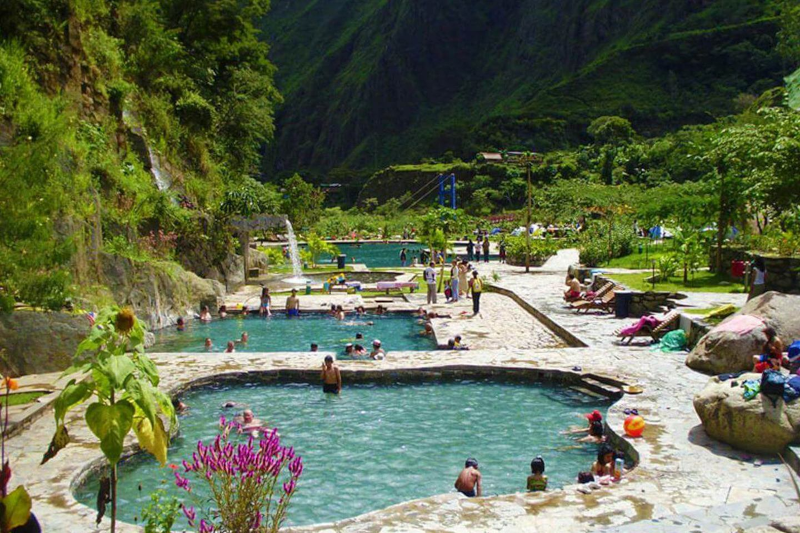
People often hear “hot springs near Machu Picchu” and think of Aguas Calientes right away. Fair. It’s right there. But if you’ve got a little flexibility (and a soft spot for calmer scenes), Cocalmayo is a different vibe—clear water, river noise, green hills, and fewer elbows in your ribs.
A quick sketch (so you know where we’re going)
- First: where Cocalmayo sits, and why it feels so removed.
- Then: what the water’s like (and yes, why it’s so clear).
- Next: getting there from Cusco without a planning spiral.
- After that: why Salkantay trek hikers rave about it.
- Finally: timing, bugs, what to pack, and a simple 24-hour plan.
So… where exactly is Cocalmayo ?
Cocalmayo sits outside the town of Santa Teresa, down in the warmer, greener side of the Cusco region. It’s not far from the route many travelers use to reach Machu Picchu via Hidroelectrica, which is why it slides so neatly into a trip that already involves trains, vans, or long walks on rail-side paths.
In plain terms: you’re swapping thin, chilly mountain air for humid jungle air. It’s a climate shift that can feel a little weird at first. One minute you’re thinking about altitude headaches; the next you’re looking for a cold drink and rolling up your sleeves.
The water: clear, hot, and not stinky
Some natural hot springs have that strong “minerals!” smell that follows you back to your hotel like a clingy souvenir. Cocalmayo usually doesn’t. The pools are fed by hot water that moves through rock and comes out warm and clean-looking—more “mountain spa” than “mystery soup.”
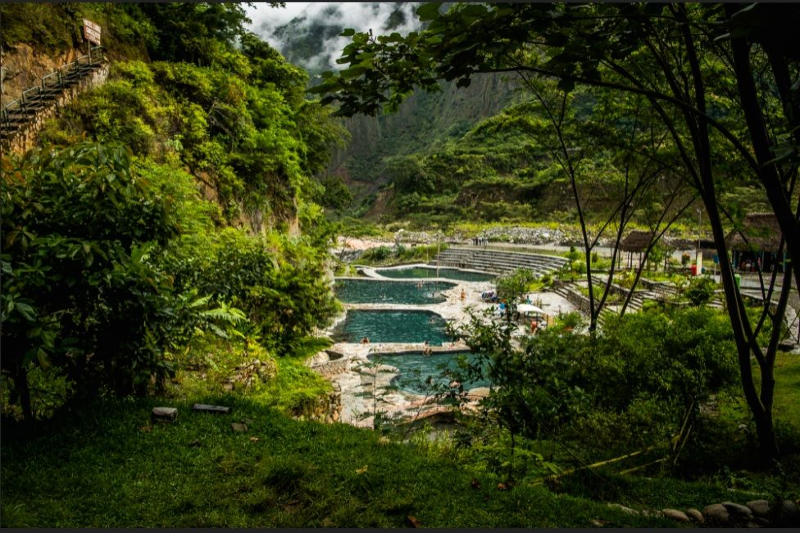
Here’s the thing: the pools are set up in tiers. The upper pool tends to be the hottest, and the lower ones are a touch cooler. It’s simple, but it works. You can ease in, find your comfort zone, and stay there long enough for your shoulders to drop back to their normal position.

And yes, people talk about minerals and recovery—and there’s a reason. Warm water can help circulation and loosen tight muscles. It’s not magic. It’s also kind of magic. That sounds like a contradiction, but it’s both: the science is plain, and the relief feels emotional anyway.
Thermal baths, but make it real life
Calling them thermal baths makes it sound fancy, like you need a reservation and a linen robe. You don’t. You bring your towel. You pay the entry fee. You rinse off. You soak. If you’re hungry afterward, you wander back to town and eat something simple that tastes amazing because your body is tired and happy.
Locals may refer to the site as “Aguas Termales Cocalmayo de Santa Teresa”. If you say that phrase out loud and it comes out crooked, it’s okay. Most travelers do it. A smile covers a lot.
Getting there from Cusco (without turning it into a project plan)
Reaching Santa Teresa from Cusco is a logistics puzzle, but it’s the kind you can solve with a few solid choices and a decent snack in your bag. If you like structure, think of it as a quick operations plan: pick a route, manage timing, and keep some buffer for delays.
Common ways people do it:
- Colectivo (shared van): cheaper, bumpy, and very local. Expect a few stops and some road drama.
- Tourist van: more predictable, usually more comfortable, and often easier to book through a hostel or agency.
- Train + road combo: many travelers go toward Hidroelectrica and connect by car or on foot, depending on their plan for Machu Picchu.
Two small tips that feel boring until they save you: download offline maps (Google Maps works; Maps.me is a classic), and carry cash in small bills. Santa Teresa is relaxed, not cashless.
If you’re on the Salkantay Trek, this is your reset button
The Salkantay trek is beautiful, sure—but it’s also a lot. Long days. Big climbs. Boots that never fully dry. By the time you drop into the warmer zone near Santa Teresa, your body is in “maintenance mode.” That’s when Cocalmayo thermal baths feel less like a treat and more like smart recovery.
A soak won’t erase the trek. It won’t make tomorrow effortless. What it can do is calm the system down—muscles, joints, mood. And if you’ve ever tried to sleep while your legs keep twitching, you already get why that matters.

Cocalmayo vs. Aguas Calientes: the honest comparison
Aguas Calientes has convenience on its side. You can finish your Machu Picchu day and be in the baths soon after. That’s a real advantage.
But Cocalmayo often wins on experience: clearer water, more space, and a setting that feels closer to nature. It also tends to be easier on the budget, which matters more than people admit. (Machu Picchu trips add up fast. Tickets. buses. snacks)
If your priority is “quick and easy,” Aguas Calientes might fit better. If your priority is “quiet and memorable,” Cocalmayo is hard to beat.
Timing, bugs, and other tiny plot twists
Let me explain the one downside that catches people off guard: bugs. The area is lush, and some tiny biters show up like they own the place, especially earlier in the day. Many travelers like arriving later in the afternoon and soaking into early evening.
Also, the light gets gorgeous. The mountains darken. The river keeps roaring. Someone laughs in the next pool. It’s a whole little scene.
Bring insect repellent you trust. In Peru, you’ll see plenty of options in shops, but many travelers pack something familiar like OFF! or Sawyer Picaridin. Either works for most people. Your skin will tell you if it disagrees.
What to pack (aka: the stuff you’ll miss at 7 p.m.)
You don’t need much, but the right few items make the night smoother:
- Flip-flops or sandals for wet walkways
- Quick-dry towel (microfiber is great, even if it feels a little “camp counselor”)
- Change of clothes that doesn’t feel awful against damp skin
- Small cash for entry, lockers, snacks, and taxis
- Headlamp if you’ll walk back after dark
One tiny, oddly important note: bring a bag for wet stuff. A plastic bag works. A proper dry bag works. The point is not soaking the rest of your backpack. Nobody enjoys the “why is everything damp?” phase.
A simple 24-hour Santa Teresa plan (loose, not bossy)
Morning: travel from Cusco toward Santa Teresa, with enough time buffer that you’re not sprinting through connections.
Afternoon: check in, grab food, and let your body settle into the warmer climate. Hydrate more than you think you need. The jungle air can sneak up on you.
Late afternoon to evening: head to the springs, soak, and take it slow. If you’re continuing toward Hidroelectrica or Machu Picchu the next day, set out what you need before you leave. Future you will be grateful.
Next morning: continue your route rested, cleaner, and in a better mood. That last part matters. Travel runs on mood more than we like to admit.
One last thought before you go
Cocalmayo isn’t a secret, not really. But it still feels personal when you’re there. Maybe it’s the sound of the Urubamba River. Maybe it’s how the mountains hold the light. Or maybe it’s simply the relief of warm water after a tough day.
Either way, if you’ve been juggling plans, routes, and “should we do this or that?” questions, consider this your gentle nudge. Put Cocalmayo hot springs on the itinerary. You’ll probably talk about it more than you expect.