


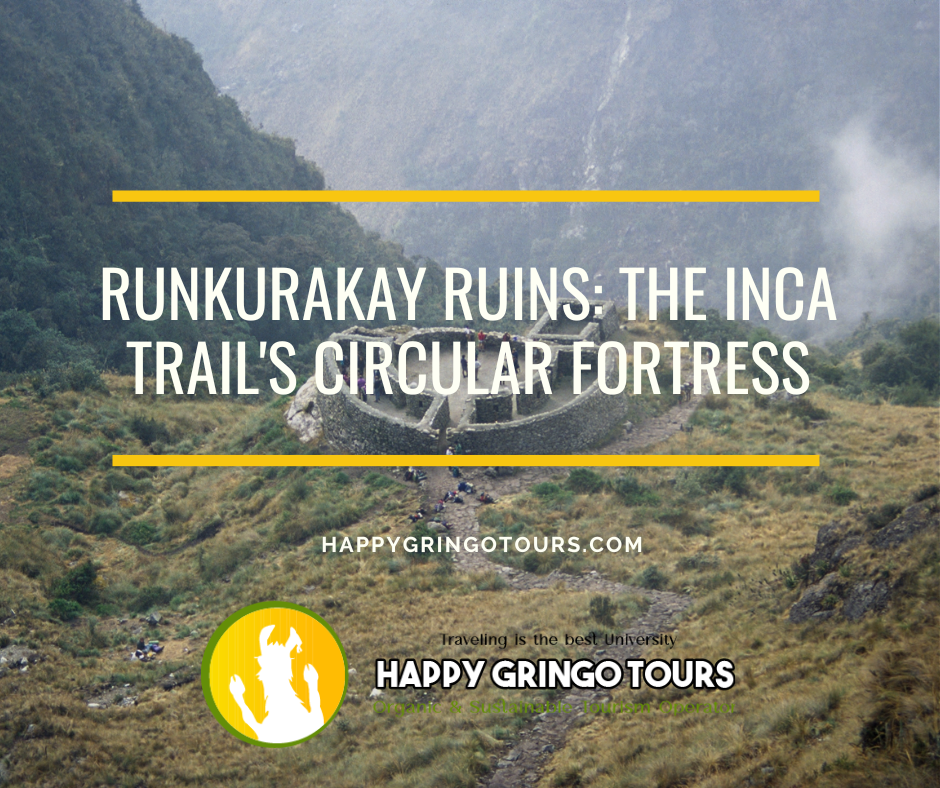
Runkurakay Ruins: The Inca Trail’s Circular Fortress
Runkurakay is one of those places that’s easy to miss on paper and hard to forget in person. It’s not huge. It doesn’t scream for attention. But when you reach it on the Inca Trail—lungs working overtime, legs negotiating those stone steps—it hits different. You stop. You look. And you think, wait… why here?
The Runkurakay ruins sit up in the Andes on the way to Machu Picchu. People often describe the site as “circular,” and that’s fair. The shape feels unusual compared to many boxier Inca buildings. It’s like the trail hands you a round stone pause button.
So what is Runkurakay, really?
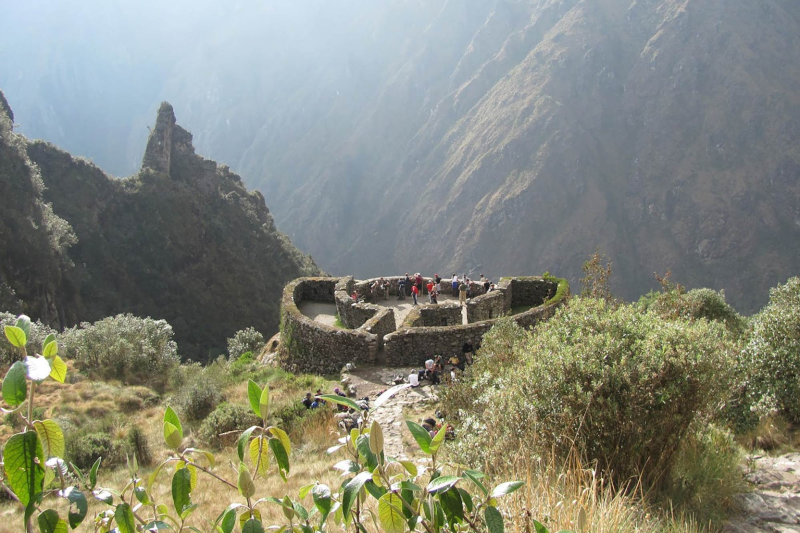
Most guides will tell you Runkurakay likely worked as a tampu—basically a way station. Think of it as a trail-side operations node. A place for rest, a place for oversight, maybe a place where supplies were staged or messages were relayed. Not glamorous, but important.
And here’s the mild contradiction: it feels both practical and a bit ceremonial. That sounds like a hedge, I know. But it fits the Inca way of building—function and meaning often shared the same walls. A checkpoint can also be a statement. A shelter can also be a signal.
Also, you’ll see the name spelled a few ways (Runkurakay, Runkuraqay, and so on). Don’t stress. Quechua place names get spelled the way different ears hear them, and the trail doesn’t care about our spelling debates.
The climb, the pass, and that “why am I doing this?” moment
Runkurakay is tied to the climb toward Runkurakay Pass, a high point on the route. Sitting at 3,760 meters (12,335 feet)—with the pass itself looming just above at nearly 3,950 meters (12,959 feet)—elevation up there is no abstract number; it’s an experience. Your pace slows. Your breath gets louder. Your brain does that funny thing where it gets emotional about a rock because the rock is… still there, and you are tired.
But that’s also why the location makes sense. If you’re running a long-distance mountain route—ancient or modern—you plan for fatigue, weather, and bottlenecks. In project terms, this is risk management and resource planning, except the “resources” are people, food, and time, and the “weather report” is the cloud line rolling in.
One more quiet detail: a spot like this can do several jobs at once. It can offer cover. It can watch a corridor of movement. It can mark a threshold between valleys. It can also make travelers feel seen—which is a kind of control, isn’t it?
Small walls, big questions
Runkurakay feels mysterious because it leaves space. You can tell it mattered, but it doesn’t hand you a neat label. Who stayed here—messengers, porters, officials? How often? For how long? And what did the place mean to them when the mountains weren’t a backdrop for photos, but a living force with moods?
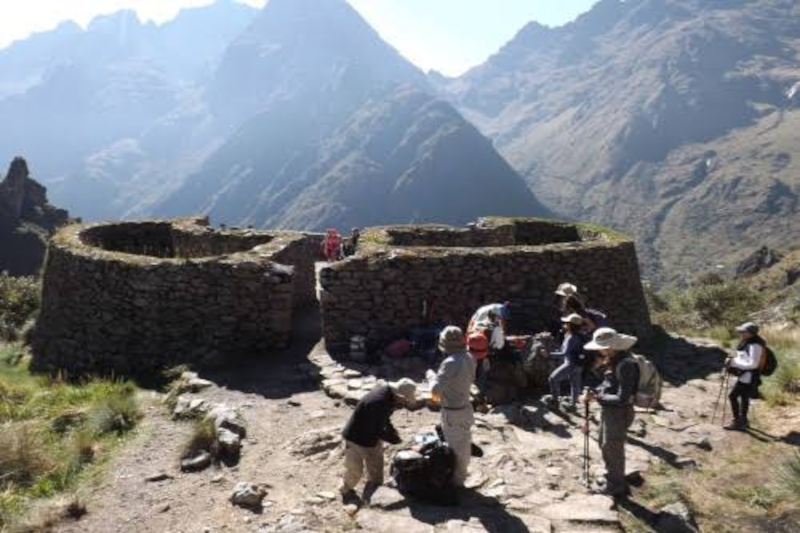
The rounded layout adds to that feeling. Curves change how you move. They change how sound carries. They change how you look out at the slope. And even if you’re not an architecture person, you can feel the difference in your body. The place nudges you to slow down.
Zoom out a bit: the Inca Trail as a “system”
It’s tempting to treat the Inca Trail like a single task: hike, arrive, celebrate. But the trail was a network—more like a well-run logistics chain than a lone footpath. Sites along the way act like checkpoints, handoff points, and support hubs. If you’ve ever worked on a team project with deadlines, you know how much effort goes into the parts nobody claps for.
And that’s where Runkurakay starts to shine. It’s not trying to compete with Machu Picchu. It’s doing a different job. It shows how an empire handled movement through harsh terrain: steady, planned, and a little bit intimidating. Not in a villain way—more in a “we’ve thought this through” way.
That said, archaeology is careful work. Some interpretations are strong; others are educated guesses. If you hear two versions of the story on the same day, that’s not failure. That’s the field doing its job.
Little things to notice (without turning it into homework)
When you arrive, try this simple sequence—quick, not fussy:
- Look out first. What can the site “see”? What can it’t?
- Then look close. Stone fit, wall lines, doorways—small choices with big intent.
- Then look back at the trail. Where did you come from, and where are you being sent next?
It’s a bit like reviewing a workflow. You notice the inputs, the bottlenecks, the handoffs. Only here, the “workflow” is a mountain pass, and the stakeholders are time, weather, and human endurance.
Quick reality check: how to enjoy it without wrecking it
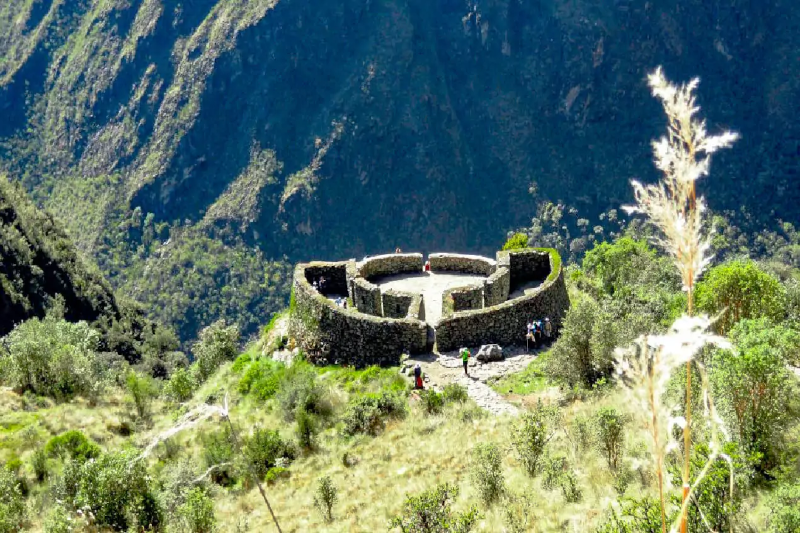
Runkurakay is tough enough to reach; it doesn’t need extra wear and tear. Stay on the path. Don’t climb on fragile stone. Give other hikers room—trail etiquette matters when everyone’s running on thin air and snack bars.
And yes, this is where modern trends show up. People track altitude on watches, compare trekking poles, post clips, chase the “quiet season.” None of that is wrong. But the site rewards a different kind of attention, too—the kind that lasts longer than a feed refresh.
Leaving with the right kind of aftertaste
Runkurakay doesn’t deliver a grand finale. It delivers a lingering thought. You pass through, you recover your breath, and you carry on. Later, you’ll remember the curve of the walls, the sharp air, the feeling that the trail was designed by people who understood both logistics and awe.
So if you’re headed that way, give it a minute. Not a rushed minute—an honest one. Let the place be both a practical stop and a strange little question mark. Because, really, isn’t that what makes travel stick?