


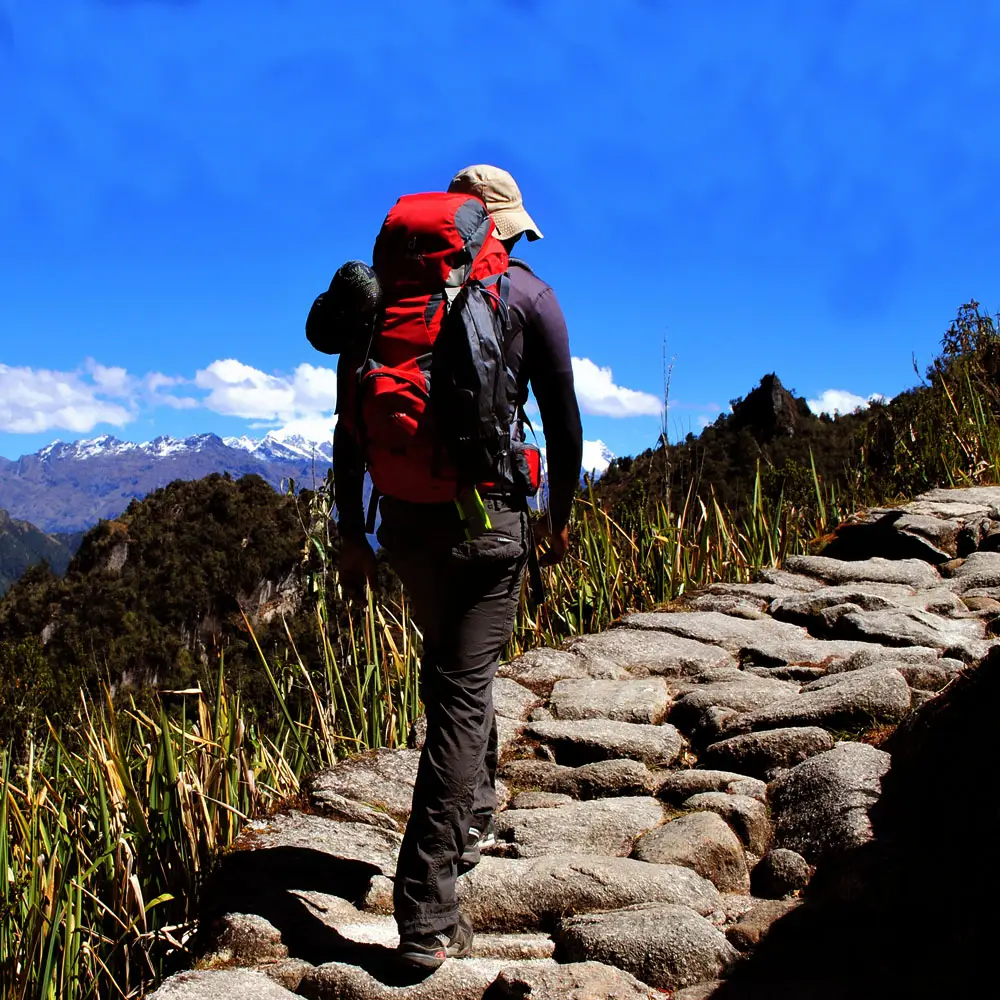
Best Trekking Trails in Cusco: Machu Picchu & Beyond
Best Trekking Trails in Cusco: Machu Picchu & Beyond
Most people have already scrolled past hundreds of photos of those terraces before ever booking a flight. For the Quechua though, the mountains are not a travel destination. They have lived here for generations and those peaks are Apus, spirits that actually watch over the people moving through them. Knowing that while you walk shifts something.
Choosing a trail near Cusco gets complicated fast. You have a set amount of vacation days, a body that may or may not be ready for altitude, and Inca Trail that books up so far in advance it almost feels like a joke. Other routes exist though. Some are emptier, some take you through villages nobody photographs, and none of them require you to plan six months out. There is something for most fitness levels if you actually look.
Beyond the challenge, one of the best trekking trails in Cusco offers rewards that a train ticket simply cannot match:
- Authenticity: Connect directly with rural communities often untouched by mass tourism.
- Physical Achievement: Earn your first view of the citadel through personal effort.
- Scenic Diversity: Experience eco-systems shifting from snow-capped peaks to lush jungle in days.
Why Your Cusco Journey is More Than Just a Walk to Machu Picchu
Most people land with one thing in mind and walk straight past everything else. That is kind of a shame because the landscape out there does things that are hard to explain until you see them. You leave in the morning bundled up near ice and somehow end the same afternoon pulling off layers in a forest that smells like rain and flowers. Same day, totally different world.
Altitude is also something people underestimate until it hits them. 12,000 feet does not sound that dramatic until you are huffing through what should feel like a casual walk. Your lungs just do not get what they are used to getting. And timing wise, May through September is honestly when you want to be there. Dry skies, actual views, trails you can walk without sinking. The rainy months can flip all of that pretty fast.
Selecting the Best Trekking Trails in Cusco depends entirely on the specific “vibe” you want from your adventure:
- The Inca Trail: Best for history buffs who want to walk directly through the Sun Gate.
- The Salkantay Trek: Ideal for nature lovers seeking dramatic scenery and a higher physical challenge.
- The Lares Trek: Perfect for those prioritizing cultural immersion and meeting local weavers.
If your heart is set on that first historic option, however, you need to understand that spontaneity isn’t an option.
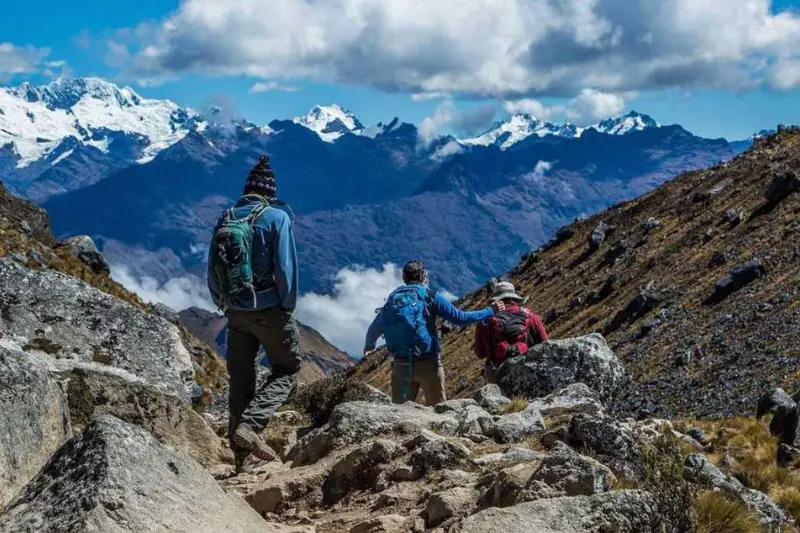
Securing the ‘Golden Ticket’: Why the Classic Inca Trail Requires a 6-Month Lead Time
The Inca Trail does not work like most trails where you just show up and walk. The government caps it at 500 people a day and that number includes guides, cooks, and porters, so the actual hikers getting through are closer to 200. That is it. The reason people still chase it is because it is the only route that lets you walk through the Sun Gate right into the ruins at sunrise. Nothing else does that.
Getting a spot is less about luck and more about moving early. We are talking months before your trip, not weeks. Once that is sorted the next thing on your mind becomes the trail itself. There is a pass called Warmiwañusca which translates to something like Dead Woman’s Pass and it sits close to 13,800 feet. The climb up is brutal and your lungs will remind you of that the whole way. But coming down the other side into the cloud forest after that, most people say it hits different than anything else on the trip.
Strict regulations mean that hiking to Machu Picchu without a permit on this specific route is legally impossible; rangers verify passports against permit lists at multiple control points. Additionally, the trail closes completely every February for maintenance and heavy rains. To ensure you don’t miss out, follow this general booking guide:
- Peak Season (May–August): Book 6–8 months in advance to guarantee a spot.
- Shoulder Season (April, September–October): Book 4–6 months in advance.
- Low Season (November–January): Book 3–4 months in advance.
If these rigid schedules feel too restrictive for your travel style, there is a wilder alternative that requires no permit lottery at all.
Trading History for High-Altitude Drama: Why the Salkantay Trek Wins for Scenery
The Salkantay trek is a different kind of trip. No rigid schedule, no permit lottery, just you and a route that goes from glaciers to coffee farms in the same trek. A lot of people end up here when the Inca Trail is already full, but plenty of others pick it on purpose because the scenery is just on another level and they were never chasing the ruins angle anyway.
It is harder physically though, no point pretending otherwise. The Salkantay Pass clears 15,000 feet which is a step above Dead Woman’s Pass and your body will feel that gap. What makes it work for a lot of people is that you do not have to camp the whole way. There are lodges on this route, actual heated rooms, hot showers, real food at the end of the day. You push hard on the trail and then sleep like a human being at night. For most people that trade off makes the altitude a lot easier to handle.
Deciding between the two usually comes down to your priorities regarding comfort versus history. Consider this breakdown of Salkantay Trek vs Inca Trail difficulty:
- Permits: Flexible (book weeks ahead) vs. Rigid (book months ahead).
- Scenery: Glaciers and high peaks vs. Ruins and cloud forests.
- Crowds: Moderate vs. High capacity.
- Difficulty: High (steep and high altitude) vs. Moderate (lots of stairs).
For travelers who find both of these options too focused on hiking and not enough on local life, there is a third path that prioritizes culture over cardio.
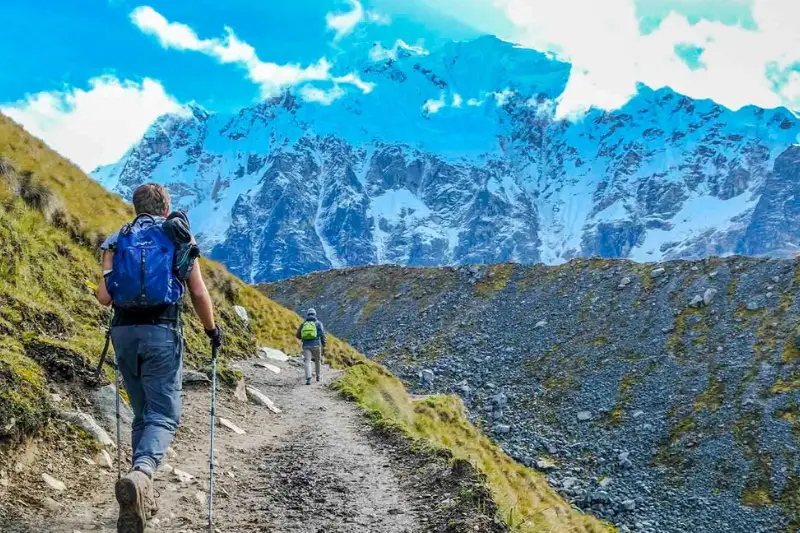
The ‘People’s Path’: How the Lares Trek Offers Cultural Connection Without the Crowds
Salkantay hits you with ice and altitude but Lares trek is a totally different thing. This one goes through villages in the Sacred Valley where people are still living the way they have for a long time, not as a show for tourists, just as their actual life. You do not finish at the Sun Gate so the permit situation is way more relaxed, which means if you did not book half a year out you can still make it work. For people who want to avoid the bus crowds and actually see something real, this trail makes a lot of sense.
The landscape is there but honestly it is not the main thing. You walk through communities where people speak Quechua, not Spanish, and that alone sets it apart. You might catch families shearing alpacas or dyeing wool with plants they pulled from around there, the kind of deep reds and oranges you see on textiles all over the region. Nobody is performing anything. It is just what is happening when you pass through.
Practical comforts also set this route apart, specifically the chance to soak your muscles mid-hike. Most itineraries center around the town of Lares, famous for its medicinal hot springs, offering a natural remedy for hiking legs that feels far more indulgent than a cold camp shower. Expect these distinct highlights:
- Weaving Demonstrations: Watch raw wool transform into vibrant ponchos using ancient backstrap looms.
- Local Schools: Many trekking companies facilitate respectful visits to remote mountain schools.
- Thermal Baths: Soak in natural volcanic water ranging from 96°F to 112°F.
For those who find the Lares too gentle and the Inca Trail too crowded, there is a “lost city” trek that demands total commitment.
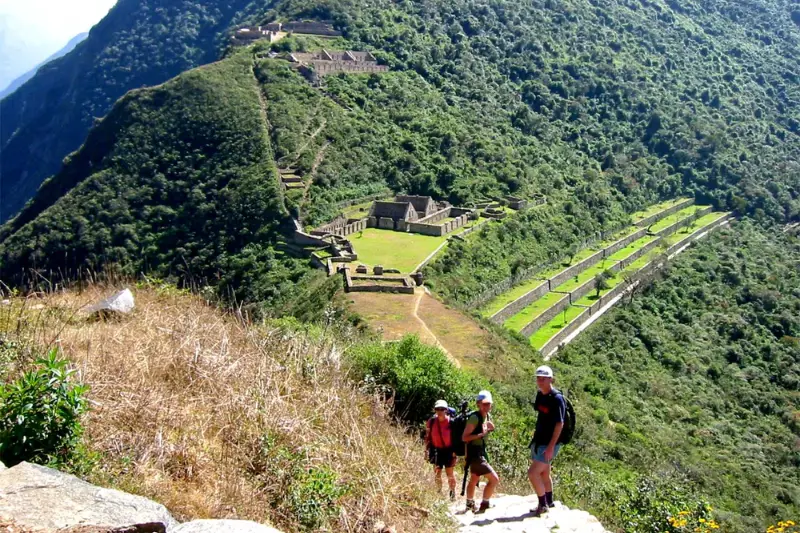
Finding the ‘Sister City’: Why Choquequirao is the Ultimate Challenge for Solitude Seekers
If sharing a viewpoint with a few hundred strangers is not your thing, Choquequirao is worth knowing about. People call it Machu Picchu’s sister city and the comparison makes sense, same kind of mountaintop setting, similar stonework, but almost nobody goes there. Around 30 percent of it has been dug out so far which means you are walking through something that still feels unfinished and forgotten. No train drops you off, no bus pulls up to the entrance. You walk in or you do not go.
Getting there asks a lot from your legs. The trail drops hard into the Apurimac Canyon and then climbs right back out the other side, something like 1,500 meters of elevation change in a single day. The switchbacks on the canyon walls go on long enough that guides joke about them being a fitness test.
It is not technical, you do not need special skills, just the ability to keep moving when everything in you wants to stop. Most people who do it say the silence up top makes all of that worth it.
Choquequirao vs. Machu Picchu: The Trade-offs
- Crowds: You may be the only group at the ruins, whereas Machu Picchu hosts thousands daily.
- Difficulty: This is significantly harder on the knees due to the canyon depth.
- Value: It offers budget-friendly trekking options in the Peruvian Andes as permits are cheaper and less competitive than the Inca Trail.
While this trek is a masterpiece of solitude, not every traveler has the week-long schedule or the knee strength to conquer the Apurimac Canyon. If your itinerary is tighter but you still crave high-altitude magic, you don’t need to commit to a multi-day expedition to see the highlights.
Short on Time? Mastering the Humantay Lake and 1-Day Inca Trail Options
Not everyone has a week to burn and Cusco works for that too.Humantay Lake is the one most people end up doing when time is short and it earns it. The water sits at around 4,200 meters and the color does not look real in person. Getting there is a steep climb that takes about an hour but the altitude makes it feel longer than that.
Like your legs are fine but your lungs are somewhere else entirely. Leaving around 3:00 AM sounds rough but it means you get there before the tour buses show up and the water is still flat and quiet before the wind starts.
If you want the Inca Trail moment without sleeping on the ground for four nights, KM 104 is the move. You take a train to Kilometer 104 and hike just the last stretch in. The Sun Gate entry is the same one the full trail hikers get after days of walking, same view, same feeling coming through it. Except that night you sleep in an actual bed in Aguas Calientes. For a lot of people that balance hits exactly right.
Quick Comparison: 1-Day Adventure Specs
- Humantay Lake: 3:00 AM departure; Max Altitude 4,200m; 3 hours hiking total.
- KM 104 (Inca Trail): 5:00 AM departure; Max Altitude 2,720m; 6-7 hours hiking total.
Regardless of which option you choose, the altitude remains the great equalizer. The Humantay Lake day hike difficulty level is rated “moderate” solely due to distance, but the elevation can floor even fit athletes who haven’t adjusted. Before you lace up your boots for even these shorter adventures, you must understand how to prepare your body for the sudden lack of oxygen.
Beat the ‘Soroche’: The ‘Ladder Effect’ Strategy for High-Altitude Acclimatization
You land in Cusco at 3,400 meters and your body figures that out pretty fast. The air is just thinner and there is nothing you can do to rush what happens next. Your system needs roughly 48 hours to start making the extra red blood cells that help you function up there. Most people skip this part because they are excited and want to move, and that is usually when the trip starts going sideways.
The first two days are for doing close to nothing, even if you feel okay. Being fit does not protect you here the way people expect for the altitude sickness. Altitude does not care about your gym routine. A few things that actually help:
- Drink a lot of water, closer to 3 or 4 liters a day because the dry air drains you faster than you notice.
- Skip the alcohol for now, it messes with how you breathe while you sleep.
- Eat simple stuff, light carbs, nothing heavy because digestion slows down up there.
- Talk to a doctor before you go about Acetazolamide, it helps your body adjust faster but you need a prescription.
Pay attention to what your body is telling you. A headache or getting winded on stairs is normal and pretty much expected. Vomiting that does not stop or feeling genuinely confused is a different story and means you are not ready to be on a trail.
Any route out there as the best trekking trails in Cusco , from the Inca Trail to Ausangate, gets miserable fast if you push through real symptoms. Get the acclimatization right first and everything else becomes a lot more manageable.
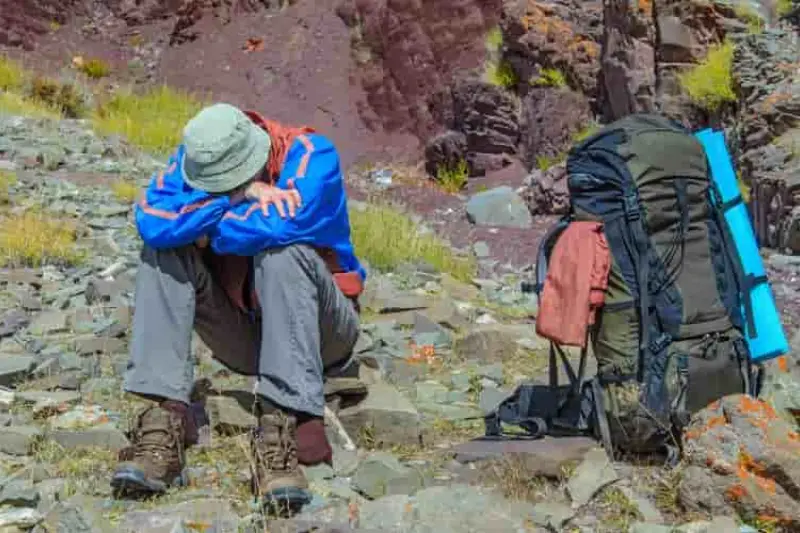
The 3-Layer Survival System: What to Pack for Four Seasons in a Single Day.
Andes weather does not commit to anything. One afternoon can go from full sun to hail in less time than it takes to find your jacket. A heavy coat alone is not a real plan up there. Cotton is the main thing to avoid because it soaks up sweat and stays wet, and when the temperature drops that becomes a problem fast. What actually works is fabric that pulls moisture away from your skin while you move.
The three layer approach is what most people who know the area use:
- Base Layer: Synthetic or wool that sits close to your skin and keeps you dry while you sweat.
- Insulation Layer: A fleece or down jacket that holds your body heat in, like a thermos but wearable.
- Outer Shell: Something light and waterproof that blocks wind and rain without making your pack feel like a punishment.
The good news is you are not carrying all of this on your back the whole time. Most operators on longer treks give you a duffel that porters or horses handle, but it is capped at around 7kg so you have to be honest about what you actually need.
That limit forces you to think twice about bringing a fourth outfit and focus on the stuff that matters, a solid headlamp, sunblock, the layers above. Get that right and you are in decent shape for whatever best trekking trails in Cusco throws at you.
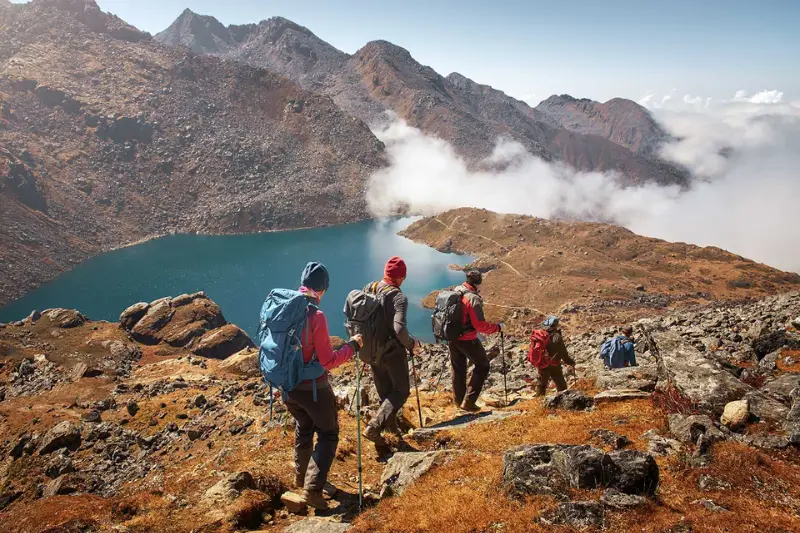
How to Choose Your Ideal Trek: A Simple 3-Step Plan
At this point you have gone from scrolling through photos to actually understanding what these best tekking trails in Cusco ask of you. The logistics, the physical reality, the trade-offs between routes. A trail labeled moderate in the Andes is still a serious thing and knowing that going in puts you ahead of most people who show up underprepared.
Here is a simple way to match where you are at with what makes sense:
- The History Buff: You want the ruins, you have six months or more to plan, go after Classic Inca Trail permits.
- The Adventure Seeker: Your knees are solid and you want the full climate range, Salkantay trek is yours.
- The Cultural Connector: You care more about the people and villages than the elevation, Lares trek fits that.
- The Wilderness Lover: You want silence, altitude, and those colored peaks, look at Ausangate and Rainbow Mountain.
Three things to do before you book anything. Check permit availability against your actual travel dates. Be honest about your knees specifically, descents on these trails are where people get hurt. And pick an operator that takes the Porter Law seriously, meaning the people carrying your gear are paid fairly and have proper equipment. That last one matters more than most travelers think about.
The altitude you reach is not really the point. What stays with you after is the feeling of moving through those mountains, and that does not fade the way the soreness does.