


The Inca’s Spiritual Traditions: The Andean Cosmovision
In the heart of the majestic Andes mountains, the Inca Empire once flourished as one of the most advanced and sophisticated civilizations in the pre-Columbian Americas. It was a realm where the spiritual and the natural seamlessly intertwined, giving rise to a distinctive and compelling worldview known as the Andean Cosmovision. As we embark on a journey into the mystical world of the Incas, this article will explore the rich tapestry of the Andean spiritual traditions.
The Andean Cosmovision offers a unique perspective on life and the universe. Thus, it emphasizes the interconnectedness of all things and the importance of living in harmony with the natural environment. Rooted in centuries of tradition, this worldview remains deeply embedded in the culture and practices of the Andean people, even centuries after the fall of the Inca Empire.
Unveiling the three realms: Hanan Pacha, Kay Pacha, and Uku Pacha
The Inca Empire’s spiritual heart beats through its Andean cosmovision. Central to this worldview are three interconnected realms. They are Hanan Pacha, Kay Pacha, and Uku Pacha. Thus, each realm holds unique significance in the Incas’ understanding of existence.
Hanan Pacha, the upper world, was the realm of the gods. This celestial domain was home to Inti, the Sun God, and Mama Killa, the Moon Goddess. Divine beings also inhabited this ethereal space. As the seat of celestial deities, Hanan Pacha was revered and respected.
Kay Pacha, the middle world, represented the terrestrial plane. Thus, this realm encompassed the living world, from humans and animals to plants and rivers. It was where everyday life unfolded. The Incas built magnificent structures like Machu Picchu, nestled in the breathtaking Sacred Valley, to honor this realm. By constructing such awe-inspiring monuments, they demonstrated their deep respect for Kay Pacha.
Uku Pacha, the lower world, symbolized the inner world and the underworld. Thus, this realm housed spirits, ancestors, and mystical creatures. It was associated with death, but also with fertility and renewal. The Incas recognized Uku Pacha as a place of transformation, where life and death intermingled.
The three realms were not isolated entities but interconnected dimensions. The Incas believed that balance between these realms was essential. It was their duty to maintain harmony through rituals, offerings, and ceremonies.
In conclusion, the Andean cosmovision’s foundation lies in the understanding of these three realms. These realms provide a framework for perceiving the natural world, spirituality, and the cosmos. They also guide the Incas’ quest for balance and harmony, shaping their lives and their relationship with the environment.

The Inca pantheon and ceremonial practices
The Andean cosmovision encompasses a rich pantheon of deities and sacred rituals. Central to the Inca belief system was the worship of gods and goddesses. Thus, each deity played a vital role in the cosmos and daily life.
Inti, the Sun God, was the most important deity. He was considered the divine ancestor of the Inca royal lineage. The Incas celebrated Inti Raymi, a grand festival, to honor him.
Mama Killa, the Moon Goddess, was Inti’s wife and sister. She protected women, fertility, and the growth of crops. Mama Killa’s lunar cycles also played a crucial role in Inca calendar systems.
Additionally, Pachamama, the Earth Mother, represented the life-giving force of nature. She was revered as the goddess of agriculture, fertility, and harvests. The Incas believed that maintaining a relationship with Pachamama was essential for survival.
Furthermore, Apu spirits, the mountain deities, were believed to protect the land and its people. They were considered intermediaries between the earthly realm and the gods. Apus were honored through sacred offerings and rituals.
To maintain harmony, the Incas performed various ceremonies and rituals. Offerings were made to appease deities and ensure prosperity. These offerings often included coca leaves, chicha (corn beer), and occasionally, animal sacrifices.
Additionally, the Inca calendar was deeply intertwined with their rituals. It marked the agricultural cycle and religious festivities. Many ceremonies were held in sacred locations, such as temples, shrines, and mountaintops.
Rituals also played a crucial role in the Inca social structure. They strengthened the bond between the people, the land, and the gods. By participating in these ceremonies, the Incas demonstrated their commitment to maintaining balance in the cosmos.
Overall, the Inca pantheon and ceremonial practices were indispensable aspects of the Andean cosmovision. They facilitated a harmonious relationship between the people, the environment, and the spiritual realm.
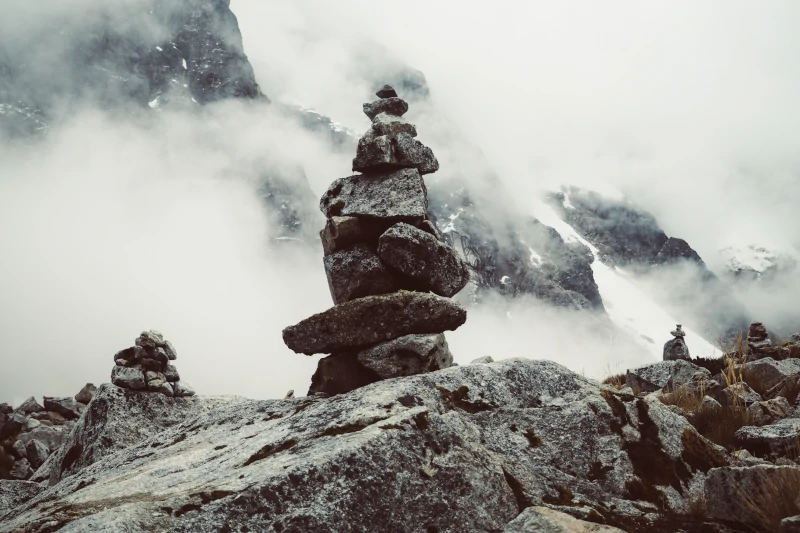
Living in harmony: Ayni and community life
Ayni, the principle of reciprocity, was a cornerstone of the Inca society and the Andean cosmovision. It was based on the idea of mutual support, cooperation, and interdependence between humans, nature, and the spiritual realm.
At its core, Ayni focused on establishing balance and harmony. It required individuals to contribute to the community and environment in ways that benefited all. Thus, this principle was practiced in various aspects of daily life.
In agriculture, for instance, neighbors helped one another during planting and harvesting seasons. They shared labor, knowledge, and resources, fostering a sense of unity and collaboration.
Ayni was also evident in the Inca architectural marvels. Laborers collectively worked on constructing magnificent buildings, roads, and irrigation systems. This collective effort resulted in efficient and harmonious constructions.
The principle also extended to the spiritual realm. The Incas believed that by honoring deities through rituals and offerings, they would receive blessings in return. This reciprocity reinforced their connection with the gods.
In the Inca social structure, Ayni played a crucial role. It encouraged a sense of responsibility and accountability among community members. Thus, The idea of giving and receiving fostered strong social cohesion.
Ayni transcended the physical and spiritual realms, connecting humans, nature, and deities. By adhering to this principle, the Incas sought to maintain equilibrium in the universe. This harmony promoted prosperity, well-being, and a sense of interconnectedness.
Today, the principle of Ayni remains alive in the Andean communities. It continues to guide their way of life, emphasizing the importance of mutual support and cooperation. This enduring tradition showcases the timeless wisdom of the Andean cosmovision.

Waqrapukara – The “Horn Fortress”
The mystical remnants of the Inca Empire, scattered across the rugged terrains of South America, still carry the whispers of a civilization that once brilliantly shone. Among these treasured archeological jewels, nestled within the depths of Peru’s untouched wilderness, lies Waqrapukara – often referred to as the “Horn Fortress”. Waqrapukara remains an enigma, with its massive stone architecture and strategic location intriguing archeologists and history enthusiasts alike.
While much of the limelight falls on Machu Picchu, the grandeur of Waqrapukara offers an alternative path that immerses you in the Inca past. This article is an exploration of this remarkable fortress – its history, its architectural splendor, its cultural significance, and the mysteries that shroud it. Strap in as we traverse the mystic landscapes of the Peruvian Andes, unlocking the secrets of Waqrapukara, the Horn Fortress of the Inca Empire.
Sublime symmetry: Architectural marvels of Waqrapukara
Unearthing the magnificence of Waqrapukara unveils an array of architectural wonders. Each structure exhibits sublime symmetry, a hallmark of Inca craftsmanship. The site’s stone edifices, carved with uncanny precision, convey the architectural prowess of the Incas. They reflect a deep understanding of their environment, marked by strategic placements harmonizing with natural topography.
At the heart of this fortified sanctuary lies an intriguing compound. It consists of numerous platforms, rooms, and an astonishingly intact main square. The design of these structures aligns with the cardinal points, reflecting the Andean cosmovision. It portrays their profound astronomical knowledge and spiritual beliefs.
Waqrapukara’s two monumental, horn-like formations add to its distinctiveness. These towering rocky projections have led to its name, meaning “horn fortress”. They are not mere natural anomalies, but strategic components of the site’s defense system.
Unlike most Inca sacred sites, Waqrapukara is free from elaborate decorations. Its beauty lies in its simplicity. The dual-tiered terraces, the classic trapezoidal doorways, and the finely masoned stone walls speak volumes of Inca sophistication. The structures blend seamlessly with the surrounding wilderness, highlighting the Incas’ symbiotic relationship with nature.
Waqrapukara’s awe-inspiring architecture is a testament to a civilization that turned stone into art. This Horn Fortress is a window into the Inca world, a world that celebrated symmetry, revered nature, and transcended conventional architectural norms.

In the footsteps of the Incas: Historical and cultural significance of the Horn Fortress
Walking through the terrain of Waqrapukara, one can feel a palpable connection to the ancient Incas. This fortified sanctuary, lost in time, whispers stories of its past. Yet, deciphering Waqrapukara’s history is a complex endeavor. Unlike many Inca sites, written records about Waqrapukara are scarce. Despite this, its architectural grandeur and strategic location give us a glimpse into its historical significance.
Waqrapukara’s construction likely dates back to the late period of the Inca Empire. It served as a religious, ceremonial, and strategic military outpost. The fortress-like attributes hint towards a dual-purpose role. It was both a sacred site and a line of defense.
The site’s isolation and inaccessibility further underscore its importance. Only the most significant Inca sites were built in such challenging terrain. Its remote setting suggests it may have been a place for elite ceremonies, away from the bustle of everyday life.
The presence of dual-tiered terraces indicates agricultural practices. These terraces likely served both practical and symbolic purposes. They reflect the Inca’s remarkable adaptation to their environment. They also embody the Inca reverence for Pachamama, or Mother Earth.
A striking feature of Waqrapukara is its alignment with celestial bodies. This underlines the Inca’s profound astronomical knowledge. It was part of their complex calendar system, guiding agricultural and ceremonial cycles.
Waqrapukara, therefore, is more than just an architectural wonder. It’s a cultural time capsule offering invaluable insights into Inca life. Its silent stone walls tell tales of a civilization’s cosmological beliefs, agricultural practices, and strategic acumen. This “Horn Fortress” truly lets us walk in the footsteps of the Incas.

Unveiling the enigma: The mysteries and unknowns surrounding Waqrapukara
Waqrapukara remains shrouded in an aura of mystery. Despite ongoing archaeological efforts, numerous enigmas endure. A key mystery revolves around its actual purpose. While it is accepted as a fortified sanctuary, the site’s true function remains elusive. Was it purely a defensive outpost, a sacred site, or both?
Its remoteness raises another question. Why construct a significant establishment in such an isolated location? Some speculate it was meant to restrict access to the elite. Yet, this theory remains unproven.
The lack of any significant Inca road connecting Waqrapukara to the broader Inca network also puzzles researchers. Does this hint at its unique standalone significance, or is there a yet undiscovered road?
These unsolved mysteries add to the allure of Waqrapukara. They invite scholars and curious minds alike to delve deeper, to unearth the secrets of the “Horn Fortress”. The thrill of uncovering its enigmas is matched only by the breathtaking views it offers.
In closing, if the mysteries of Waqrapukara fascinate you, consider venturing deeper into Inca territory. Take the Lares Trek or the Short Inca Trail to Machu Picchu. Engage with more remnants of the mighty Inca civilization. Unravel more secrets. Discover more stories. Immerse yourself in the ancient, yet ever-present, Inca world.

Ipsaycocha Lake: A Natural Wonder in the Peruvian Highlands
Nestled in the Peruvian highlands lies a hidden gem. Ipsaycocha Lake beckons with its pristine beauty. Mystical tales and breathtaking views await visitors.
Steeped in Andean folklore, this lake remains untouched. Its shimmering waters reflect ancient landscapes and skies. Each ripple tells a tale of nature’s splendor.
Travelers venture here seeking tranquility. The highland serenity promises a unique escape. Join us as we explore this wondrous destination.
Discovering Ipsaycocha: The enchanting beauty of a high-altitude lake
Ipsaycocha Lake stands as a testament to nature’s magnificence. Tucked away in the Peruvian mountains, its allure is undeniable. The high-altitude setting offers crisp, refreshing air. Misty mornings here transform into sun-drenched afternoons, displaying a play of lights.
The Lares Valley cradles this gem, surrounded by towering peaks. The valley’s lush greenery contrasts with the lake’s deep blue. Together, they paint a picture that’s nothing short of mesmerizing.
Hiking paths around Ipsaycocha Lake are plentiful. They provide panoramic views, making every step worth the journey.
Visiting the Amazing Lake is like entering a realm of legends. The reflective waters of Ipsaycocha Lake tell countless tales. Local legends whisper stories of ancient guardians and age-old ceremonies.
Birds glide effortlessly over the surface, creating gentle ripples. Meanwhile, the Andean flora blooms in bursts of colors, enhancing the lakeside.
Every turn reveals another stunning vista. The tranquility here offers an escape like no other. As night falls, the sky turns into a stellar canvas. Stars shimmer, reflecting in the still waters below.
To truly appreciate the enchantment, one must visit. Feel the magic, embrace the serenity, and discover the secrets. Every journey to Ipsaycocha Lake remains etched in memory. It’s not just a destination; it’s an experience.

Experiencing Ipsaycocha: Adventures and activities in nature’s wonderland
Ipsaycocha Lake is a natural masterpiece. Located not far from Cusco City, it promises myriad adventures. Its pristine surroundings invite visitors for various activities.
Trekking around Ipsaycocha Lake is popular among enthusiasts. The trails take you through terrains both challenging and scenic. Along the way, the beauty of the Andes unfolds, making every step memorable.
One cannot ignore the rich history here. The nearby Inca Quarry stands as a testament to ancient craftsmanship. Explorers often combine their lake visit with this archaeological wonder. It provides insight into the Incan civilization and its monumental achievements.
For the birdwatchers, Ipsaycocha Lake is paradise. Its ecosystem houses a variety of avian species. With a pair of binoculars, you can spot rare birds in their natural habitat.
The surrounding flora too doesn’t disappoint. Wildflowers bloom in abundance, painting the landscape with vibrant hues.
Fishing is another activity that lures many. The lake’s waters are home to diverse fish species. With patience and a bit of luck, one can reel in a good catch.
Meanwhile, campers find solace by the lakeside. The clear nights showcase a brilliant starry sky, perfect for stargazing.
Cultural enthusiasts can engage with the local communities. They share tales of old traditions, and their connection to Ipsaycocha Lake. Their warm hospitality and stories add another layer to the experience.
Whether you’re an adventurer or a nature lover, Ipsaycocha Lake offers something for everyone. It’s a place where nature and culture converge beautifully. Every journey here ensures lasting memories and tales to recount.

Preserving Ipsaycocha: The importance of conservation efforts
Ipsaycocha is more than just a lake. It’s a vibrant ecosystem, rich in biodiversity and cultural significance. But like many natural wonders, it faces threats.
Tourism, while beneficial, can sometimes harm fragile environments. Foot traffic, waste, and disturbances can negatively impact habitats. It’s crucial that we prioritize conservation while enjoying such places.
Conservation efforts at Ipsaycocha focus on balance. They aim to let tourists experience its beauty while ensuring its protection. Sustainable tourism practices are in the spotlight. These include controlling visitor numbers and implementing eco-friendly facilities.
Educating visitors plays a crucial role. Awareness about the local flora and fauna is promoted. Tourists are informed about minimizing their environmental footprint. Every traveler can contribute to Ipsaycocha’s preservation.
Local communities are active participants in these efforts. They understand the lake’s significance better than anyone. Their knowledge and traditions offer valuable insights into maintaining its pristine condition.
The result is a well-preserved natural wonder, ready for future generations to explore. The balance between enjoyment and preservation ensures its longevity.
If you’re inspired, take action. Consider exploring the region through sustainable trekking. A 4 Day Lares Trek to Machu Picchu offers incredible vistas.
Or, embark on a Two Day Inca Trail to Machu Picchu. Both adventures prioritize eco-conscious travel, ensuring Ipsaycocha’s future. Join us in preserving this remarkable place.

Lares Valley Weather: A Closer Look
In the heart of the majestic Lares Valley, weather patterns are as diverse as the landscape. This article delves into the unique climatic characteristics of the region. Understanding these elements is vital for both locals and visitors.
The Lares Valley, nestled in the Andes, experiences a range of weather conditions. Its geography plays a crucial role in these variations. From sunny skies to sudden showers, the valley’s weather is unpredictable.
Our in-depth analysis explores how these conditions impact daily life and activities. We’ll also examine historical weather patterns in the Lares Valley. This insight is essential for anyone planning to explore this stunning area.
Consider the Lares Valley weather before you embark into our Lares Trek to Machu Picchu.
The seasons of Lares Valley: Understanding climate variations
Lares Valley weather shapes the unique environment of this region. Nestled in the Peruvian Andes, it experiences distinct seasons. The valley’s climate significantly influences the Lares Trek in Cusco.
Spring in Lares Valley brings mild temperatures and blooming flora. Rainfall is moderate, enhancing the valley’s lush greenery. Hikers find this season ideal for the Lares Trek to Machu Picchu.
Summer follows with warmer, yet comfortable weather. Is a popular time for outdoor activities and cultural festivals. Lares Valley weather during summer supports vibrant community events.
Autumn sees a gradual shift in the weather. Temperatures cool, and the landscape adopts golden hues. This period offers a serene experience for trekkers and nature enthusiasts.
Winter in Lares Valley has colder temperatures. Snow occasionally caps the higher altitudes, creating stunning vistas. Despite the chill, winter trekking attracts adventurous souls.
Lares Valley weather plays a key role throughout the year. It affects agriculture, tourism, and daily life in the valley. Locals and visitors alike must adapt to these climate variations.
Understanding Lares Valley Weather enhances the experience of its breathtaking scenery. Each season offers a unique perspective of this magnificent region. Hence, it’s crucial for anyone visiting to be well-informed.
Lares Valley’s diverse climate contributes to its allure. From the Lares Trek in Cusco to peaceful winter walks, there’s always something to explore. Appreciating these seasonal changes enriches the journey through Lares Valley.

Weather effects on Lares Valley flora and fauna
Lares Valley weather profoundly impacts its diverse flora and fauna. This unique ecosystem thrives under varying climatic conditions. The region’s biodiversity is a highlight in any traveler’s guide to Cusco.
Throughout the year, Lares Valley weather influences ecological cycles. These cycles are essential for maintaining the valley’s natural balance. Flora and fauna depend on these seasonal changes for survival.
The hot springs in Cusco, fed by geothermal activity, remain a constant amidst these changes. They provide a unique habitat for specialized species. This area illustrates the adaptability of Lares Valley’s ecosystem.
The weather not only shapes the landscape but also dictates wildlife patterns. Understanding this interaction is crucial for conservation efforts. Is a key aspect of preserving the valley’s natural beauty.
Lares Valley weather plays a pivotal role in sustaining life. Its effects are visible in the thriving biodiversity of the region. For visitors, this interplay offers an enriching and educational experience.

Planning your Lares adventure: Navigating the weather patterns
Planning your Lares adventure requires understanding the weather patterns. The Lares region presents diverse climatic conditions throughout the year. This variability greatly impacts trekking experiences.
Regardless of the season, always check the latest weather forecasts. Being prepared for sudden changes is crucial in the Andes. Also, carry essentials like water, sunscreen, and a hat.
For those seeking a unique adventure, consider a Two Day Inca Trail to Machu Picchu. This shorter trek is an excellent option for experiencing the region’s beauty. It combines historical exploration with stunning natural scenery.
The 4 Day Lares Trek to Machu Picchu offers a deeper immersion. It allows more time to appreciate the varying landscapes and local culture. This trek is perfect for adventurers who want a comprehensive experience.
Both options promise unforgettable memories and breathtaking views. They cater to different preferences and fitness levels. Choose the one that aligns with your interests and abilities.
Navigating Lares’ weather patterns is key to a successful adventure. Whether you opt for a two-day Inca Trail or a four-day Lares Trek, be ready. Each journey offers its own unique charm and challenges.
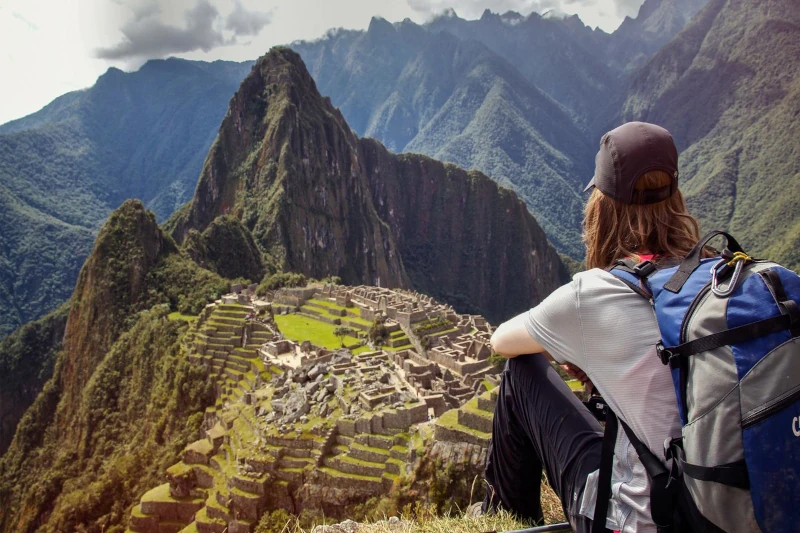
Lares Trek vs Salkantay Trek: Which is Right for You?
Taking a trek in Peru offers breathtaking views and a unique cultural experience. Two popular options are the Lares Trek vs Salkantay Trek. Deciding between them depends on your adventure style.
The Lares Trek immerses you in Andean culture and remote mountain scenery. It’s shorter than the Salkantay, making it less challenging. You’ll encounter traditional villages and witness local lifestyles up close.
Conversely, the Salkantay Trek is known for its majestic vistas and diverse ecosystems. It presents a more strenuous journey, ideal for seasoned hikers. This trek takes you closer to the iconic Machu Picchu, with dramatic landscapes en route.
Understanding the differences can help you choose the right trek for your abilities and interests. This post will compare both treks based on scenery, difficulty, and cultural experiences. Your perfect Peruvian adventure awaits!
Comparing the Lares Trek vs Salkantay Trek
This chart highlights the key differences between the two treks. It helps you decide which one aligns best with your preferences and physical ability.

Choosing Your Path: Comparing the Cultural Depths and Scenic Challenges of Lares and Salkantay Treks
When considering the Lares Trek vs Salkantay Trek, each offers a unique adventure. The Lares Trek immerses you in modern-day Andean culture. The Salkantay Trek showcases some of the most awe-inspiring snow-capped peaks.
On the Lares route, trekkers experience life in remote Andean communities. You might meet local weavers and farmers. They preserve ancient traditions amidst breathtaking landscapes.
Meanwhile, the Salkantay Trail winds through diverse ecological zones. It begins in mountainous terrain and descends into the lush cloud forest. This varied scenery culminates with a stunning approach to Aguas Calientes.
Exploring High Altitudes and Cultural Richness
The Lares Trek reaches its highest point at around 4,600 meters. This point offers panoramic views of parts of the Sacred Valley. It challenges trekkers physically while rewarding them spiritually.
In contrast, the Salkantay Trek’s highest point reaches over 4,600 meters at the Salkantay Pass. Here, hikers gaze at the majestic Salkantay Mountain. This segment confirms the trek’s reputation as a premier alternative trek to Machu Picchu.
Both treks expose hikers to the grandeur of Andean landscapes. Each trail has its own set of mountain passes that inspire and challenge. The paths they follow are steeped in history and natural beauty.

Trekking to Machu Picchu: A Journey Through Time
The journey on the Lares Trek does not directly lead to Machu Picchu. Instead, it focuses on the cultural aspects of the highlands. After completing the trek, travelers often take a train to Machu Picchu.
The Salkantay Trek to Machu Picchu is a more direct route. It’s an epic conclusion to a rigorous trek. Hikers finish their journey in Aguas Calientes before visiting the ancient citadel.
Both treks provide a profound connection to Inca history. They also allow trekkers to explore lesser-known Inca ruins. These sites serve as silent witnesses to the rich past of the region.
Seasonal Considerations and Trekking Choices
The dry season from April to October is ideal for both treks. Weather conditions during this time are favorable for hiking. The clearer skies provide more stunning views of the terrain.
Hiking the Lares Trek during this season allows for clear, crisp mornings. These are perfect for witnessing the daily activities in highland villages. The weather also enhances the vibrancy of traditional attire worn by the locals.
On the Salkantay trail, the dry season minimizes the risk of slippery paths. It also allows for uninterrupted views of the glacier-covered peaks. Trekkers can fully appreciate the contrast between icy summits and tropical forests.

A Closer Look at Each Route’s Unique Appeal
The Lares Trek to Machu offers a deep dive into the living culture of the Andes. It represents an intimate, less-traveled path. This route appeals to those who wish to understand the area’s social fabric.
The Salkantay Trek to Machu Picchu combines physical challenge with ecological wonders. It caters to those seeking adventure in their trek to Machu Picchu. This trail is ideal for those who thrive on endurance tests.
Choosing between the Salkantay Trek vs Lares Trek depends on personal preference. Whether you seek cultural immersion or natural splendor, both treks offer unforgettable experiences. Each path leads not just to ancient ruins, but to a deeper understanding of Peru’s heart and soul.

My name is Marko Andinauta, (I’m Machu Picchu & Inca Trail Guide), I have hiked more than 500 times the famous INCA TRAIL in more than ten years (2007 – 2019); and I have survived the highest point of the Inka Trail “dead woman’s pass at 4215 M – 13780 Ft”; also more than 500 times. Unfortunately, my knee cartilages could not support more to keep hiking The Legendary Inca trail to Machu Picchu. Therefore; I created Happy Gringo Tours Channel to keep working in the same industry; giving information on YOUTUBE about the Inca Trail hike and inviting you to travel to Machu Picchu with us. I got enough knowledge to give you concrete information for unforgettable tours in Peru. We are Official Inca Trail, Machu Picchu tours, and alternative treks Operator.
Temple of the Moon at Machu Picchu
Oculto a la sombra de la montaña Huayna Picchu se encuentra una de las estructuras más misteriosas y menos conocidas del mundo inca: el Templo de la Luna en Machu Picchu . A diferencia de la bulliciosa ciudadela principal, este enigmático templo reposa en casi absoluto silencio dentro de una cueva natural, tallado con exquisita precisión e imbuido de un profundo significado espiritual. Constituye uno de los ejemplos más fascinantes de cómo los incas fusionaron arquitectura, paisaje y religión en un conjunto armonioso.

¿Qué es el Templo de la Luna en Machu Picchu?
El Templo de la Luna es un santuario ceremonial ubicado en la ladera norte de Huayna Picchu , la montaña que se alza majestuosa detrás del santuario principal de Machu Picchu. Se encuentra a unos 400 metros (1312 pies) por debajo de la cima , enclavado en una gran cueva natural cuyas paredes de roca fueron hábilmente esculpidas por canteros incas.
A diferencia de la mayoría de los templos de la ciudadela principal —construidos al aire libre—, este se encuentra bajo tierra , simbolizando una conexión con el inframundo, o Uku Pacha en la cosmología inca. Su diseño combina formaciones rocosas naturales y nichos finamente esculpidos , creando una atmósfera de otro mundo que ha intrigado a exploradores y arqueólogos durante más de un siglo.
Historia y descubrimiento del templo
El Templo de la Luna permaneció oculto durante siglos tras el abandono de Machu Picchu durante la caída del Imperio Inca. Cuando Hiram Bingham redescubrió Machu Picchu en 1911, su expedición se centró principalmente en la ciudadela; la cueva bajo Huayna Picchu no fue documentada hasta estudios posteriores.
Fue durante exploraciones posteriores, en las décadas de 1930 y 1940 , que los arqueólogos identificaron el sitio como un posible complejo ceremonial, debido a su ubicación, estructura y la extraordinaria calidad de su trabajo en piedra. Si bien no existe un registro definitivo que lo denomine « Templo de la Luna » desde la época incaica, el nombre fue acuñado por investigadores que reconocieron su aura espiritual y su asociación con el simbolismo lunar, siendo la luna una deidad central (Mama Killa) en el panteón andino.
A lo largo de las décadas, diversas excavaciones y estudios han tratado de interpretar su verdadero significado, pero gran parte de su función sigue envuelta en misterio.
Location and How to Get There
Inside the Huayna Picchu Circuit
To visit the Temple of the Moon at Machu Picchu, travelers must first obtain an entrance ticket to Huayna Picchu Mountain — one of the most popular add-ons to the main Machu Picchu circuit. However, not all Huayna Picchu visitors reach the temple; only the extended trail that descends to the Great Cavern (Gran Caverna) leads to it.
Starting Point: The Huayna Picchu trail begins near the Sacred Rock at the northern end of the citadel.
Distance: Approximately 3.5 km (2.2 miles) round trip, including the descent to the temple and return.
Altitude: Around 2,400 m at the citadel and 2,720 m at the temple.
Duration: Between 3 and 4 hours round trip, depending on fitness level and pace.
Difficulty: Challenging — steep stone steps, narrow paths, and humid conditions make this trail suitable for well-prepared hikers.
More information about: Huayna Picchu + Machu Picchu Tour

Access Restrictions
Because the route is steep and exposed in some areas, access is limited and requires advance booking. Daily visitor numbers for Huayna Picchu are capped at around 200 people, divided into two groups (early morning and late morning entries). The Temple of the Moon trail is only accessible when weather conditions permit.
Architectural Features of the Temple of the Moon
Integration of Nature and Architecture
What makes the Temple of the Moon unique is its integration with the natural cave. The Incas did not build over nature — they built with it. The cave’s interior features polished stone walls, trapezoidal niches, and altars carved directly into the bedrock. The craftsmanship demonstrates the Inca mastery of stone shaping, precision fitting, and sacred symbolism.
Three Distinct Sections
The Main Cave Chamber
The heart of the temple, this chamber contains a central ceremonial altar, flanked by three finely sculpted niches believed to have held ritual objects or mummified remains of important figures.
The stonework is so smooth that light reflects gently on the surfaces, creating a tranquil, almost divine atmosphere.The Upper Platform
Outside the main cave, a terrace-like platform opens to the valley, possibly used for offerings, processions, or astronomical observations. Some researchers believe it aligns with specific lunar phases or mountain peaks.The Lower Enclosure
Further below lies a secondary chamber with rougher stonework, possibly used by priests or attendants responsible for maintaining the sacred site.
Symbolism of the Moon
In Inca cosmology, Mama Killa (Mother Moon) governed time, fertility, and the female cycles of nature. Temples dedicated to her were often placed in caves — seen as wombs of the Earth. Thus, the Temple of the Moon at Machu Picchu might have served as a site for fertility rituals, initiation ceremonies, or worship of the moon goddess during specific lunar events.
Theories About Its Purpose
Despite its name, the true function of the Temple of the Moon remains open to interpretation. Archaeologists and historians have proposed several theories:
1. A Ceremonial or Funerary Shrine
Given the presence of carved altars and niches, some believe the cave served as a tomb or sanctuary for high priests or nobles. Offerings and rituals could have been performed here to ensure passage to the afterlife.
2. A Lunar Worship Site
Others emphasize the connection to lunar deities. The orientation of the temple and the reflective nature of the stone may have been intended to capture moonlight during certain nights, symbolizing the union of sky and earth.
3. A Place of Initiation
Certain Inca ceremonies required ritual isolation and spiritual cleansing. The secluded position of the cave suggests it might have been a place where novices or shamans underwent spiritual tests or meditative retreats.
4. A Symbol of the Three Worlds
In Andean belief, the cosmos was divided into three realms:
Hanan Pacha (upper world, gods and stars)
Kay Pacha (earthly world, humans)
Uku Pacha (underworld, spirits and ancestors)
The cave — as an entrance to the underworld — could represent the bridge between these realms, making it a cosmic gateway rather than just a physical temple.
Cultural and Spiritual Significance
The Power of Caves in Andean Religion
Caves were sacred to the Incas because they symbolized the origin of life. Many myths, including that of Tambo Tocco, describe ancestral beings emerging from caves to populate the world. The Temple of the Moon thus fits within this cosmological framework, representing both the womb of the Earth and the doorway to the ancestors.
Relationship with Huayna Picchu
Huayna Picchu was not merely a viewpoint; it was a sacred mountain, or Apu, believed to house protective spirits. The Temple of the Moon, hidden within its flank, may have been the spiritual heart of this mountain deity — where priests communicated with the Apu through ritual offerings.
Connection to Other Sacred Sites
The temple’s design shares similarities with other sacred caves found in the Sacred Valley, such as the Temple of the Monkey near Ollantaytambo and the ceremonial caves of Pisaq, suggesting a widespread Andean tradition of subterranean worship.
Visiting the Temple of the Moon at Machu Picchu
What to Expect
Reaching the temple is an adventure in itself. After passing the control gate for Huayna Picchu, visitors follow a steep ascent before descending toward the Great Cavern. The trail winds through dense cloud forest, crossing ancient stone steps, mossy walls, and breathtaking overlooks of the Urubamba River.
At the end of the descent, the Temple of the Moon reveals itself almost unexpectedly — silent, shaded, and awe-inspiring. It’s not uncommon to find yourself alone here, a rare gift in Machu Picchu.
Tips for Travelers
Book early: Huayna Picchu tickets sell out weeks in advance.
Start early: The morning shift (7:00 a.m. – 8:00 a.m.) gives the best lighting and fewer crowds.
Wear proper footwear: The trail is steep and slippery in some parts.
Bring water and snacks: There are no facilities along the route.
Avoid the rainy season (January–March): Landslides and wet stone steps can make the path dangerous.
Hire a licensed guide: Guides can provide valuable insight into the temple’s symbolism and help navigate the trail safely.
Visiting Hours and Entry Groups for the Temple of the Moon
Access to the Temple of the Moon at Machu Picchu is organized in two specific groups per day, aligned with the Huayna Picchu entry schedules. These time slots are designed to ensure safety, preserve the site, and regulate the number of visitors along the narrow trail.
Group 1 – Early Morning Entry
Machu Picchu Entrance: Starting from 7:00 a.m.
Temple of the Moon Access Window: From 7:30 a.m. to 8:30 a.m.
Approximate Total Duration: Around 6 hours or more, including the ascent, descent to the temple, and the return route.
This first shift is perfect for travelers who enjoy cooler temperatures and wish to experience the site in a calm atmosphere before the main crowds arrive. The morning light beautifully illuminates the stonework inside the cave, creating a mystical ambiance that enhances the visit.
Group 2 – Late Morning Entry
Machu Picchu Entrance: Beginning at 9:00 a.m.
Temple of the Moon Access Window: From 9:30 a.m. to 10:30 a.m.
The second group is the most popular among visitors, as it allows a more relaxed start to the day. By this time, the trails are warmer, and the surrounding landscape of the Urubamba Valley is bathed in full daylight, offering exceptional views for photography.
Important Notes for Visitors
Both groups require the Machu Picchu + Huayna Picchu combined ticket.
The Temple of the Moon can only be visited within the time range printed on your ticket.
Once you pass the control gate for Huayna Picchu, you must complete the circuit in one direction — re-entry is not allowed.
Allow at least 6 hours total for the full experience (Machu Picchu + Huayna Picchu + Temple of the Moon).
Always check the official availability calendar before booking, as schedules may vary slightly due to weather or maintenance.
Safety and Conservation
Because of its fragile environment, access to the Temple of the Moon is strictly regulated. Climbing Huayna Picchu requires signing a visitor registry, and park rangers monitor entry and exit to prevent accidents. Visitors are not allowed to touch or climb the temple stones, and flash photography is discouraged to protect the rock surfaces.
The Peruvian government and UNESCO continue to monitor erosion and vegetation impact in this area, aiming to preserve it for future generations. Respecting these rules ensures that the Temple of the Moon at Machu Picchu remains intact for decades to come.
Fascinating Facts About the Temple of the Moon
It may not have been dedicated to the Moon at all.
Some scholars argue the name is a modern misinterpretation; its true deity could have been connected to the mountain spirit of Huayna Picchu.It aligns with celestial cycles.
Certain researchers believe the cave was designed to receive direct moonlight during solstices, symbolizing the rebirth of nature.It’s one of the least-visited parts of Machu Picchu.
Only a small percentage of visitors venture down to the cave, making it a peaceful retreat away from crowds.Stonework rivaling the main temples.
The precision of the masonry matches that of the Temple of the Sun and the Room of the Three Windows — hallmarks of high Inca engineering.Posiblemente formaba parte de una red ritual más amplia.
El sendero que conecta la Roca Sagrada, la cima de Huayna Picchu y el Templo de la Luna pudo haber representado una ruta de peregrinación sagrada.
Preguntas frecuentes sobre el Templo de la Luna en Machu Picchu
1. ¿Está abierto hoy el Templo de la Luna a los visitantes?
Sí, es accesible como parte del circuito extendido de Huayna Picchu , pero la disponibilidad depende de las condiciones climáticas y de mantenimiento.
2. ¿Necesito un boleto especial?
Sí. Debe comprar un boleto combinado para Machu Picchu y Huayna Picchu con anticipación; el templo no se puede visitar con una entrada estándar a Machu Picchu.
3. ¿Cuánto dura la caminata?
De media, la excursión de ida y vuelta desde la ciudadela principal dura entre 3 y 4 horas , incluyendo paradas para descansar y hacer fotos.
4. ¿Es peligrosa la caminata?
El sendero es empinado y estrecho en algunos tramos, pero seguro si se avanza con precaución. No se recomienda para personas con miedo a las alturas o problemas de rodilla.
5. ¿Cuándo es la mejor época para visitar?
La estación seca (de abril a octubre) ofrece las mejores condiciones: cielos despejados, senderos firmes y mejor visibilidad dentro de la cueva.
6. ¿Puedo visitar la ciudad sin guía?
Si bien está permitido, contratar a un guía certificado de Machu Picchu mejora la experiencia, ya que puede explicar los significados ocultos del sitio y garantizar la seguridad.
mi post
mmmm
Machu Picchu in August
Visiting Machu Picchu in August is one of the most rewarding experiences for travelers who want to see the Inca citadel at its best. August is part of the peak dry season, meaning you get clear skies, warm days, and spectacular visibility of the surrounding mountains. At the same time, it is also one of the busiest months of the year, so careful planning is essential—especially for tickets, trains, and permits.
This ultimate guide covers everything you need to know about Machu Picchu in August: weather, crowds, ticket availability, best times to visit, train schedules, trekking conditions, what to pack, photography tips, and essential recommendations to make your trip smooth and unforgettable.

Is August a Good Time to Visit Machu Picchu?
Yes—August Is One of the Best Months
If your priority is sunshine, clear skies, and great visibility, then August is one of the best months of the entire year to visit Machu Picchu. Rainfall is extremely low, and the landscape is still green thanks to the last rains of May. The only downside is the crowds, but with the right planning, you can enjoy a smooth experience.
Why August Is so Popular?
It is the dry season, which guarantees good weather.
Many hikers choose August for the Inca Trail 4 Days, Salkantay, Lares, and other Andean treks.
August offers ideal photography conditions, especially during sunrise and sunset.
Weather in Machu Picchu in August
General Climate Overview
August is part of the Andean winter, but with very comfortable temperatures during the day. The mornings and nights are cold, especially in Cusco and the Sacred Valley.
Temperature in August
Rain in August
Rainfall is very low.
Machu Picchu receives less than 40 mm in the entire month.
Most days are sunny or partly cloudy.
Sky and Visibility
August is famous for crystal-clear visibility.
Ideal for panoramic views of Huayna Picchu, Machu Picchu Mountain, and the Urubamba canyon.
Early mornings may have light fog which lifts by 8–9 AM.
Crowds in Machu Picchu in August
Expect Peak Tourist Traffic
August is the second busiest month of the year, after July. Tourist numbers are high in:
Entrances to the citadel
Train stations
Shuttle buses
Trekking routes
Hotels in Aguas Calientes
How to Handle the Crowds
Buy your tickets 2–3 months in advance.
Reserve trains early.
Prefer 6 AM or 2 PM entrance times.
Book Huayna Picchu or Machu Picchu Mountain months ahead.
Machu Picchu Tickets in August
Ticket Types Available
Machu Picchu Llaqta (Circuits 1, 2, 3)
Machu Picchu + Huayna Picchu
Machu Picchu + Huchuy Picchu
Machu Picchu + Mountain
Machu Picchu + Inca Bridge
Machu Picchu + Upper Terraces / Panorama
Which Ticket Is Best in August?
For best visibility: Circuit 2
For adventure lovers: Huayna Picchu
For panoramic views: Machu Picchu Mountain
For an easy add-on hike: Huchuy Picchu
How Far in Advance You Should Buy
Machu Picchu Llaqta: 4–6 weeks
Huayna Picchu: 8–12 weeks
Machu Picchu Mountain: 6–8 weeks
Best Time of Day to Visit Machu Picchu in August
Early Morning (6–9 AM)
Magical lighting
Fog rising = dramatic photos
Cooler temperatures
Popular and busy
Midday (9 AM – 1 PM)
Warmest period
Most crowded
Clear visibility
Afternoon (1–5 PM) – Highly Recommended
Fewer visitors
Soft golden light
Great atmosphere
Perfect for photographers
Visiting Machu Picchu in August with a Guide
Do You Need a Guide?
A guide helps with:
Understanding Inca history
Navigating the circuits
Improving your photography
Controlling the pace
Average Duration of a Guided Tour
2.5–3 hours (Circuit 2 can reach 3.5 h)
Private vs Group Tours
Private tours = flexible and personalized
Group tours = budget-friendly
Train Travel in August
Train Companies to Machu Picchu
PeruRail: Expedition, Vistadome, Hiram Bingham
Inca Rail: Voyager, 360°, First Class
When to Book
Reserve 4–8 weeks before.
Best Train Times
For morning visits:
5:05 AM – 7:45 AM departures from Ollantaytambo
For afternoon visits:
Between 10 AM and 1 PM
Returning trains:
15:20, 16:20, 18:20, 19:00
Train Travel Tips
Arrive 30 minutes early
Bring passport
Don’t forget bus + entry tickets
Trekking to Machu Picchu in August
Inca Trail Conditions in August
Dry weather
Cold mornings
Clear skies at all viewpoints
Permits sell out months earlier
Salkantay Trek
Spectacular visibility
Cold at Soraypampa
Warm in the jungle sections
Lares Trek
Sunny, cold mornings
Quiet, cultural experience
Choquequirao Trek
Hot canyon climate
Excellent month for condors
Short Inca Trail (2 Days)
Perfect weather
Moderate difficulty
Arrival at Machu Picchu through Inti Punku
What to Pack for Machu Picchu in August
Clothing
Breathable shirts
Light jacket
Warm fleece
Rain jacket (optional)
Hiking pants
Comfortable shoes
Hat & sunglasses
Accessories
Sunscreen
Mosquito repellent
Camera
Water bottle
Snacks
Documents
Passport
Machu Picchu ticket
Train ticket
Hotel reservations
Photography Tips for Machu Picchu in August
Best Spots
Guardian House
Main Plaza
Terraces
Huayna Picchu viewpoint
Sun Gate
Best Photography Times
Sunrise
8–9 AM fog lifting
3–4 PM golden hour
Weather Advantage
The August sun creates:
Sharp panoramas
Excellent contrast
Minimal haze
Pros and Cons of Visiting Machu Picchu in August
Pros
Best visibility of the year
Very low chance of rain
Pleasant temperatures
Perfect trekking month
Outstanding photography
Cons
Crowded
Tickets sell fast
High demand for guides and trains
Tips to Reduce Stress When Traveling in August
Book Everything Early
Tickets
Trains
Hotels
Guides
Avoid Peak Hours
Prefer 6 AM or 2 PM
Stay in Aguas Calientes
This allows you to rest and enter early the next day without rushing.
Machu Picchu in August for Families, Couples and Solo Travelers
Families
Choose Circuit 1 or 2
Bring snacks and water
Avoid midday
Couples
Afternoon visits are the most romantic
Solo Travelers
Easy to meet others
August has a lively trekking community
How Many Days Do You Need?
Ideal Trip Length
1 day: Quick visit
2 days: Best experience
3–5 days: Sacred Valley + treks
Suggested 2-Day Itinerary
Day 1: Cusco → Sacred Valley → Aguas Calientes
Day 2: Machu Picchu at sunrise or afternoon
Frequently Asked Questions
Does it rain in August?
Almost never.
Is Machu Picchu crowded in August?
Yes, but manageable with planning.
Can I hike Huayna Picchu in August?
Yes—book far in advance.
Is August good for the Inca Trail?
It’s one of the best months.
Should I book a guide early?
Yes, August has very high demand.
Machu Picchu UNESCO World Heritage: Complete Visitor Guide
The Rise of the Inca Empire and the Creation of Machu Picchu
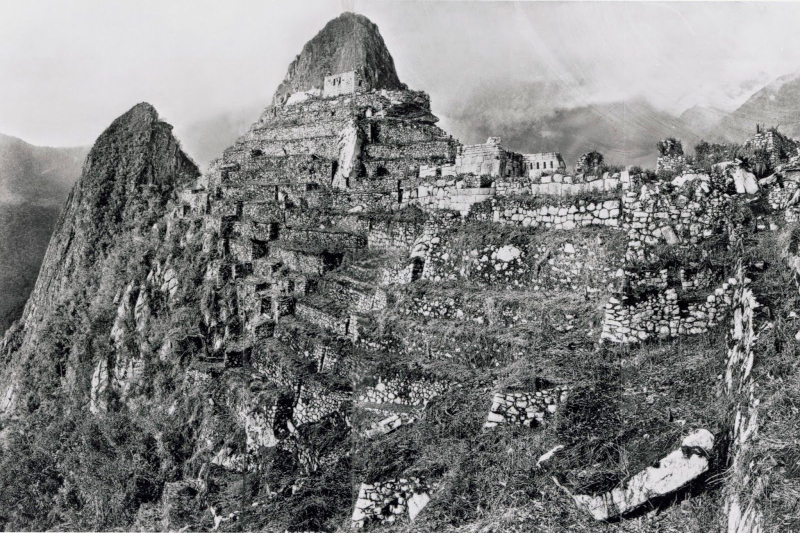
The Inca Empire, known for its architectural prowess and complex society, reached its zenith in the 15th century. Machu Picchu UNESCO World Heritage stands as one of its most remarkable legacies and is often referred to as the “Lost City of the Incas.” The site was likely constructed as an estate for the Inca emperor Pachacuti, and its sophisticated dry-stone construction and stunning terraces demonstrate the Incas’ advanced engineering skills.
Origins and Expansion of the Inca Civilization
The Inca civilization started in the early 13th century in the Cusco region. Over time, it expanded its reach across Western South America, creating an empire that stretched from modern-day Colombia to Chile. This expansion was not just due to military prowess but also through strategic alliances and a sophisticated system of governance that integrated different cultures and languages under one empire.
Inca Society, Governance, and Infrastructure
The societal structure of the Inca Empire was highly organized and hierarchical. The Sapa Inca, or emperor, was considered a descendant of the sun god Inti, and held absolute power. Society was divided into classes, with nobles, artisans, and farmers all playing distinct roles. The Incas were also master planners, with an extensive road network and communication system that connected the vast empire, facilitating trade and governance.
Inca Architecture and Engineering Mastery
Inca architecture is renowned for its precision and durability. The use of large stones cut to fit together without mortar is a testament to their engineering skills. Structures were designed to withstand earthquakes, a common occurrence in the region. The terraces seen in Machu Picchu are another example of their ingenuity, used to prevent erosion and create arable land for agriculture.
The Cultural and Environmental Significance of Machu Picchu
Machu Picchu’s significance extends beyond its architectural beauty. It serves as a testament to the Inca’s mastery of building in harmony with the natural environment. The city is strategically located on a mountain ridge, making it a perfect blend of human and natural creation, which has puzzled and inspired historians and archaeologists.
Rediscovery of Machu Picchu and Global Recognition
Machu Picchu was largely unknown to the outside world until 1911, when American historian Hiram Bingham brought it to international attention. This rediscovery sparked global interest and led to extensive archaeological research at what is now recognized as Machu Picchu UNESCO World Heritage. Since then, the site’s mystery and beauty have captured the imagination of visitors worldwide, making it a powerful symbol of Peru’s cultural heritage.
Spiritual and Astronomical Importance to the Incas
For the Incas, Machu Picchu was not only a residential estate but also a spiritual and astronomical site. The Intihuatana stone, for example, is believed to have been a ritual stone used to mark the solstices and was critical in the Inca’s agricultural calendar. This integration of spirituality and practicality showcases the depth of Incan knowledge.
Preservation and Conservation Efforts
Preserving Machu Picchu is a significant challenge due to its popularity and environmental factors. The Peruvian government, along with international organizations, works tirelessly to maintain the site’s integrity. Efforts include regulating visitor numbers and implementing measures to prevent erosion and damage, ensuring this historical treasure remains intact for future generations.
Planning Your Visit to Machu Picchu
To fully appreciate Machu Picchu, planning your visit in advance is crucial. Here’s what you need to know before embarking on this unforgettable journey.
Best Time to Visit Machu Picchu
The best time to visit Machu Picchu is during the dry season, from May to October, when the weather is more predictable, offering clear skies for stunning views. However, this period is also the peak tourist season, so expect larger crowds. Visiting during the shoulder months of April and November can provide a balance of good weather and fewer tourists.
Machu Picchu Tickets and Entry Options
Due to its popularity, access to Machu Picchu is regulated, and tickets often sell out quickly. It’s advisable to purchase your tickets well in advance. There are different ticket options available, including entry to Machu Picchu itself, Huayna Picchu, and the Temple of the Moon. Each offers a unique perspective and experience, so consider what aligns best with your interests and physical capabilities.
How to Get to Machu Picchu
Machu Picchu UNESCO World Heritage is accessible primarily through the town of Aguas Calientes, which acts as the main gateway for travelers.
Traveling by Train to Aguas Calientes
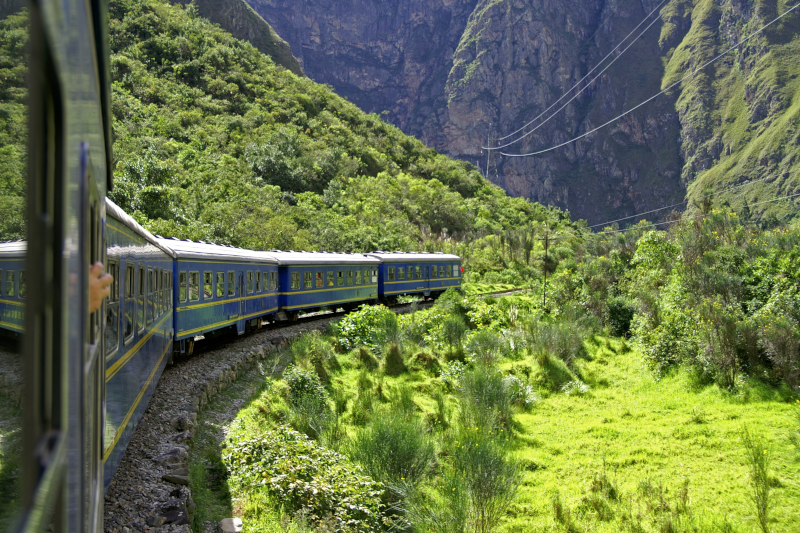
The most popular way to reach Aguas Calientes is by train from Cusco. PeruRail and Inca Rail offer scenic routes with stunning views of the Andean landscape. Trains vary from budget-friendly options to luxurious experiences, each providing a unique way to enjoy the journey through the Sacred Valley’s breathtaking scenery.
Hiking the Inca Trail and Alternative Routes
For those seeking adventure, the Inca Trails offer a challenging yet rewarding trek. The classic route is a four-day hike that leads you through diverse ecosystems and ancient ruins before culminating at Machu Picchu. Other trails, such as the Salkantay or Lares, offer alternative routes for those looking to explore less crowded paths while still arriving at the famous citadel.
Alternative Treks to Machu Picchu
Aside from the Inca Trail, there are alternative routes such as the Salkantay Trek and the Inca Jungle Trek. These offer different experiences and landscapes, from high-altitude passes to lush cloud forests. Each trek provides a unique perspective on the Andes and culminates in the awe-inspiring view of Machu Picchu.
Choosing the Right Machu Picchu Ticket
Due to its popularity, access to Machu Picchu is regulated, and tickets often sell out quickly. It’s advisable to purchase your tickets well in advance. There are different ticket options available, including entry to Machu Picchu itself, Huayna Picchu, and the Temple of the Moon.
Understanding Ticket Types and Viewpoints
When planning your visit, consider the different ticket options. A standard ticket grants access to the main citadel, while additional tickets are required for Huayna Picchu and Montaña Machu Picchu, both offering panoramic views. Each ticket type has limited availability, so decide early on which areas you wish to explore to ensure availability.
Rules and Regulations at Machu Picchu
To protect this UNESCO site, strict regulations are in place. Visitors are required to follow designated paths, and certain items are prohibited, such as tripods and drones. These measures help preserve the site’s integrity and ensure a respectful experience for all visitors.
Why Hiring a Guide Enhances Your Visit
Hiring a guide can enrich your experience by providing deeper insights into the history and significance of the sites. Professional guides are well-versed in the history and mythology of the Incas, offering stories and interpretations that bring the ruins to life. Many visitors find that a guided tour enhances their understanding and appreciation of Machu Picchu.
Exploring Machu Picchu’s Main Attractions
Once you arrive, you’ll be greeted with a maze of stone structures, terraces, and plazas, each with its own story to tell.
The Intihuatana Stone
The Intihuatana stone is a ritual stone associated with astronomy. The name translates to “Hitching Post of the Sun,” reflecting its significance in Incan ceremonies. Its precise alignment with the sun demonstrates the Incas’ advanced understanding of celestial events, playing a crucial role in their agricultural planning and spiritual life.
The Temple of the Sun
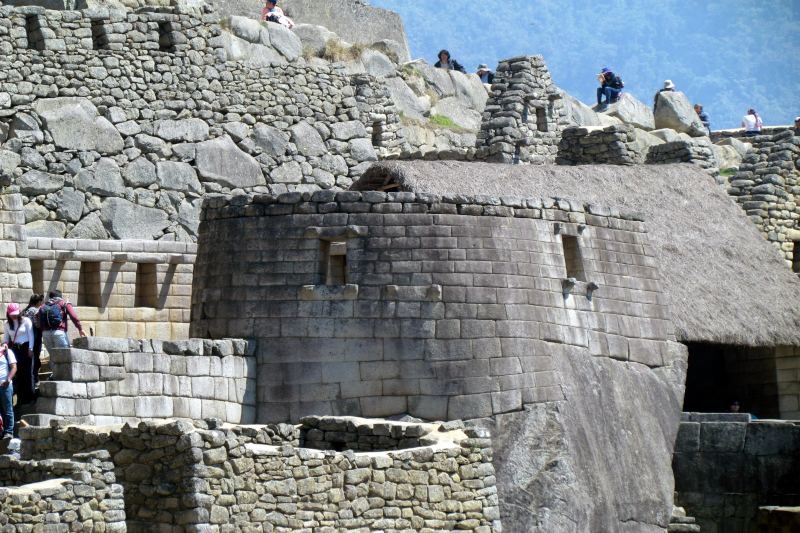
This temple is a prime example of Inca stonework, constructed with precise stone-cutting techniques to honor the sun god Inti. The temple’s strategic placement allows sunlight to enter through its windows during the solstices, creating a mystical illumination that was likely part of sacred rituals. The craftsmanship and spiritual significance make it a must-see site within Machu Picchu.
The Temple of the Moon
Located on Huayna Picchu, the Temple of the Moon offers a mystical experience with its cave-like setting and intricate stonework. This temple is believed to have been used for ceremonial purposes, with its remote and elevated location adding to its spiritual aura. The journey to reach it is challenging, but the reward is a serene and awe-inspiring view.
The Royal Sector
The Royal Sector is thought to have been the residence of the Inca elite. Its well-preserved structures include the Sacred Plaza and the Room of the Three Windows, showcasing the Incas’ architectural prowess. This area provides insight into the lifestyle and sophistication of the Inca aristocracy.
Agricultural Terraces of Machu Picchu
Machu Picchu’s terraces are a marvel of engineering, designed to prevent erosion and maximize agricultural production. These terraces allowed the Incas to cultivate crops in the challenging mountain environment, showcasing their adaptability and innovation. Exploring this area offers a glimpse into the daily life and sustenance of the ancient inhabitants.
Biodiversity Around Machu Picchu
Machu Picchu is not just about ruins. The surrounding area is rich in biodiversity, home to unique flora and fauna including orchids, spectacled bears, and the iconic llamas that roam freely.
Orchids and Plant Life
The region’s biodiversity includes over 400 species of orchids, some of which are endemic to the area. These vibrant flowers add a splash of color to the landscape and are a delight for nature enthusiasts. The diversity of plant life reflects the varied microclimates found within the Machu Picchu sanctuary.
Wildlife of the Cloud Forest
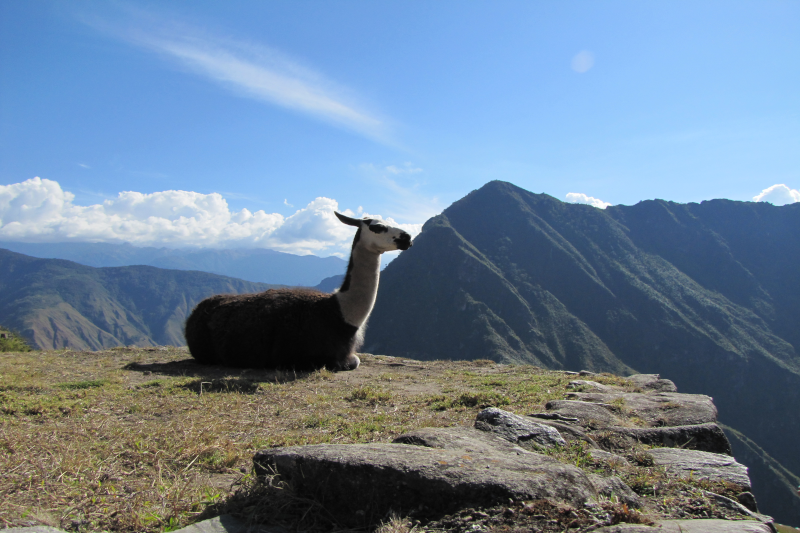
The cloud forest surrounding Machu Picchu is home to diverse wildlife, including the Andean condor, spectacled bear, and various bird species. Llamas, often seen grazing among the ruins, are a favorite among visitors, offering charming photo opportunities against the backdrop of ancient stonework.
Conservation and Environmental Protection
Conservation efforts are crucial to preserving the unique ecosystems around Machu Picchu. These initiatives aim to protect native species and their habitats, ensuring that the area’s natural beauty remains intact for future generations. Visitors are encouraged to respect wildlife and adhere to guidelines to minimize their impact.
Practical Tips for Visiting Machu Picchu
To ensure a smooth and enjoyable visit, consider these practical tips:
Acclimatizing to High Altitude
Cusco is at a high altitude, so it’s important to spend a few days acclimatizing to prevent altitude sickness. Symptoms can include headaches, dizziness, and nausea, which can detract from your experience. Staying hydrated, avoiding alcohol, and taking it easy during your first few days can help your body adjust.
What to Pack for Machu Picchu
Bring comfortable walking shoes, a hat, sunscreen, and plenty of water. Weather in the Andes can be unpredictable, so packing layers is wise to accommodate temperature changes throughout the day. A good camera is also essential to capture the breathtaking views and unforgettable moments.
Guided Tours and Cultural Insight
Hiring a guide can enrich your experience by providing deeper insights into the history and significance of the sites. Local guides offer unique perspectives and stories passed down through generations, adding depth to your understanding of the Inca civilization. Consider joining a guided tour to maximize your visit’s educational and cultural value.
Respecting a Sacred UNESCO Site
As a sacred place, it’s important to respect the environment and follow all guidelines during your visit. This includes staying on marked paths, not climbing on ruins, and refraining from littering. By respecting these rules, you contribute to the preservation of Machu Picchu’s cultural and historical heritage.
Photography Tips for Machu Picchu
Machu Picchu is a photographer’s dream. To capture its essence:
Best Lighting and Timing
Early morning or late afternoon offers the best lighting conditions and fewer crowds. The soft, warm light during these times enhances the natural beauty of the site, creating stunning photographs. Arriving early or staying late also allows for a more peaceful experience, away from the midday rush.
Finding the Best Angles
Explore different angles and perspectives to showcase the grandeur of the site. Climbing to higher vantage points, such as Huayna Picchu or Machu Picchu Mountain, provides panoramic views that capture the site’s scale and majesty. Close-up shots of intricate stonework can highlight the craftsmanship of the Inca builders.
Patience and Composition
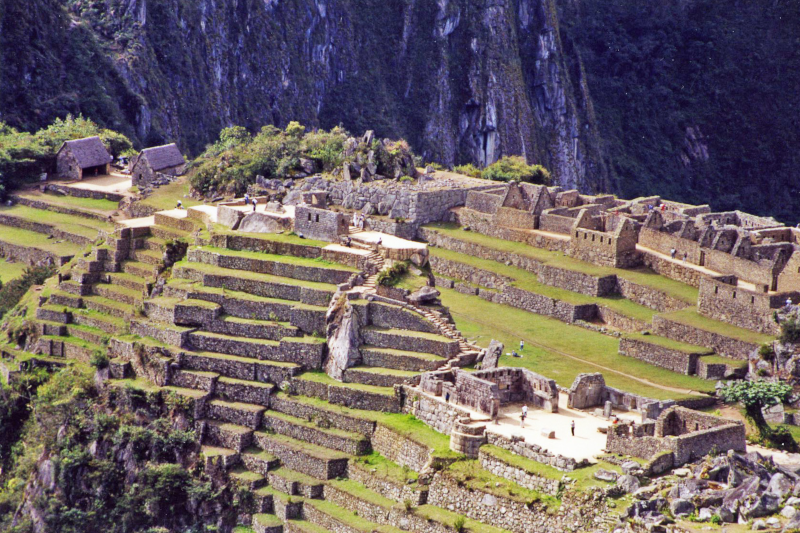
Patience is key when photographing Machu Picchu. Waiting for the right moment, especially when capturing shots of llamas against the backdrop of ancient ruins, can make all the difference. Preparing ahead by scouting locations and considering lighting conditions will help you capture memorable images.
Adding Human Perspective
Including human elements in your photos can provide a sense of scale and context. This could be fellow travelers exploring the site or local guides sharing their knowledge. These elements add a dynamic aspect to your photos, illustrating the interaction between people and this historic wonder.
Final Thoughts on Visiting Machu Picchu
Visiting Machu Picchu UNESCO World Heritage is more than a travel destination; it is a journey through time that offers a window into the rich tapestry of the Inca civilization. With its stunning architecture, historical depth, and natural beauty, Machu Picchu remains a powerful testament to the ingenuity and spirit of the Inca people.
Whether you are a seasoned traveler or a cultural enthusiast, Machu Picchu promises an experience that is both enlightening and awe-inspiring. Plan carefully, respect the heritage site, and immerse yourself in the wonder of one of the world’s greatest archaeological marvels.
Embark on your own adventure and discover the mysteries that Machu Picchu has to offer. Safe travels!