Include great choices – It makes your trip easier as you will have no further load of paying for the tickets at different sites as you will pay it at once.
Little planning – It eases your vacation planning as you will need not worry about the entrance.
7 Tips To Avoid Altitude Sickness in Cusco & Machu Picchu
7 Tips To Avoid Altitude Sickness in Cusco & Machu Picchu
One of the first things most people think of when travelling to Cusco and Machu Picchu is altitude sickness.
Altitude sickness happens for most people with symptoms like headache, nausea, dizziness, tiredness and sometimes vomiting in severe cases. The reason for getting altitude sickness is because of a lack of oxygen and your body uses all of its energy to give out these symptoms.
Cusco is at an altitude of 3400 meters above sea level and Machu Picchu sits at 2400 meters above sea level. Altitude sickness here is bound to hit you sooner or later without the right preparations.
So we have listed 7 Tips To Avoid Altitude Sickness in Cusco & Machu Picchu. We believe this will help you have the best adventure of your life!
Try to get used to the altitude.
One of the first things you can do is get used to the altitude change by staying in the Sacred Valley of the Incas for 1-2 days after going to Cusco. The villages in the Sacred Valley are at an altitude below 3000 meters above sea leve. They are not as high as that of Cusco. Because altitude sickness symptoms usually hit within 24 hours for most people, you will be used to the change by the time you are in Cusco.
Go at your own pace.
Sometimes higher altitudes are harder to deal with because it can depend on the age, gender and physical fitness of an individual. For instance, it has been found that elderly people, especially women with cardiovascular diseases, arthritis, hip problems etc should take extra care and go at their own pace when hiking at high altitude regions like Cusco and Machu Picchu.
Don’t take any drugs or alcohol.
It is always a good idea to avoid drugs or alcohol 3-4 days before you travel to Cusco or Machu Picchu. This is because even a single glass of vodka or any other liquor can make your altitude sickness symptoms worse! This applies to any sleeping aids too, so make sure to talk to your doctor about this.
Stay hydrated at all times.
Make sure to stay hydrated at all times. Preferably drink at least 3-4 litres per day when you are in Cusco or Machu Picchu. This will help you to avoid altitude sickness symptoms like nausea and dizziness.
Try some natural remedies.
One of the most popular natural remedies for altitude sickness is drinking coca tea. It is okay to drink about 1-2 cups per day for mild altitude sickness symptoms. You can also try other natural remedies like drinking ginger tea and using peppermint essential oils.
Go with an Oxishot.
Oxishots are cans containing about 8 litres of oxygen. You can take buy them in Cusco and also take to Machu Picchu. Understand that it’s mostly the lack of oxygen in the body that makes you all tired and nauseous.
Take some altitude sickness medications.
Altitude sickness medications such as Acetazolamide, or Diamox, can be taken 24 hours before you go to a high altitude region to prevent altitude sickness symptoms. However, you have to talk to your doctor about this as they are not given over the counter.
6 Do’s and Don’ts of Hiking in Peru
Hiking in Peru is a once-in-a-lifetime experience that offers breathtaking scenery, rich cultural heritage, and challenging trails. Whether you are a seasoned hiker or a novice, there are certain do’s and don’ts that you need to keep in mind to make the most of your hiking experience in Peru. In this article, we will discuss six essential do’s and don’ts of hiking in Peru.
Do’s of hiking
1. Research and plan your hike in advance
Peru is home to some of the most beautiful and diverse landscapes in the world, and there are countless hiking trails to explore. Before you set out on your hike, make sure you research the trail, its difficulty level, and the weather conditions. Plan your itinerary, book your accommodations, and pack accordingly.
2. Stay hydrated
Hiking in Peru can be physically demanding, and the high altitude can make it even more challenging. It is essential to drink plenty of water to avoid dehydration. Carry a reusable water bottle and refill it at every opportunity.
3. Respect the environment and the local culture
Peru has a rich cultural heritage, and many of the hiking trails pass through sacred sites and protected areas. The Inca Trail and the Lares Trek are among these trails. It is important to respect the environment and the local culture by staying on designated trails, avoiding littering, and respecting the local customs and traditions.
4. Dress appropriately
The weather in Peru can be unpredictable, and it is important to dress in layers to stay comfortable. Wear sturdy hiking boots, a hat, and sunscreen to protect yourself from the sun.
5. Hire a guide or join a group
If you are not familiar with the hiking trails in Peru, it is recommended that you hire a guide or join a group. A knowledgeable guide can help you navigate the trails, provide valuable information about the local flora and fauna, and ensure your safety.
6. Do take breaks and enjoy the view
While hiking in Peru can be physically demanding, it’s also an opportunity to immerse yourself in nature and take in the breathtaking views. Take breaks along the trail to rest, hydrate, and enjoy the scenery around you. Don’t rush through the hike, but take the time to fully appreciate the beauty of your surroundings. Some trails, like the short trek to Vinicunca, offer unique views of the Andes.
Don’ts of hiking
1. Don’t hike alone
Hiking in Peru can be dangerous, especially if you are not familiar with the area. It is important to hike with at least one other person to ensure your safety.
Hiking with a partner or a group can provide an extra layer of safety, especially in case of an emergency. If you’re traveling alone, consider joining a hiking group or hiring a local guide who is familiar with the area. A guide can offer valuable insights into the terrain, weather, and potential hazards, as well as provide assistance in case of an emergency.
2. Don’t ignore the signs
Many of the hiking trails in Peru pass through protected areas, and there may be restrictions on hiking in certain areas. It is important to obey the signs and stay on designated trails.
3. Don’t underestimate the altitude
Peru’s high altitude can make hiking more challenging than usual. It is important to acclimate yourself to the altitude before embarking on a strenuous hike.
4. Don’t leave trash behind
Peru’s natural beauty is one of its most precious assets, and it is important to leave no trace. Carry your trash with you and dispose of it properly. Leaving no trace while hiking in Peru is not only a matter of respect for the environment but also a responsible way to ensure the preservation of the natural beauty for future generations.
5. Don’t ignore your physical limits
Hiking in Peru can be physically demanding, and it is important to listen to your body. If you feel tired or experience any discomfort, take a break or turn back.
6. Don’t ignore weather warnings
The weather in Peru can be unpredictable, and it’s important to pay attention to weather forecasts and warnings. Don’t embark on a hike if there are warnings of heavy rain, thunderstorms, or other dangerous weather conditions. It’s better to reschedule your hike than to risk your safety.
Inca Agriculture and Sustainability: Harmony with the Land
The Inca Empire was vast and varied. Stretching across diverse landscapes, they faced unique agricultural challenges. Yet, they thrived, often sustainably.
Incan farmers were innovative and astute. Through terracing and crop rotation, they maximized yield and land health. Their approach offers insights for today’s sustainability pursuits.
This article delves deep into Inca agricultural practices. It explores how ancient wisdom can guide modern sustainability. Join us as we uncover the secrets of the Incas’ harmonious relationship with the earth.
Cultivating the Earth: The intricate methods of Inca Agricultural Practices
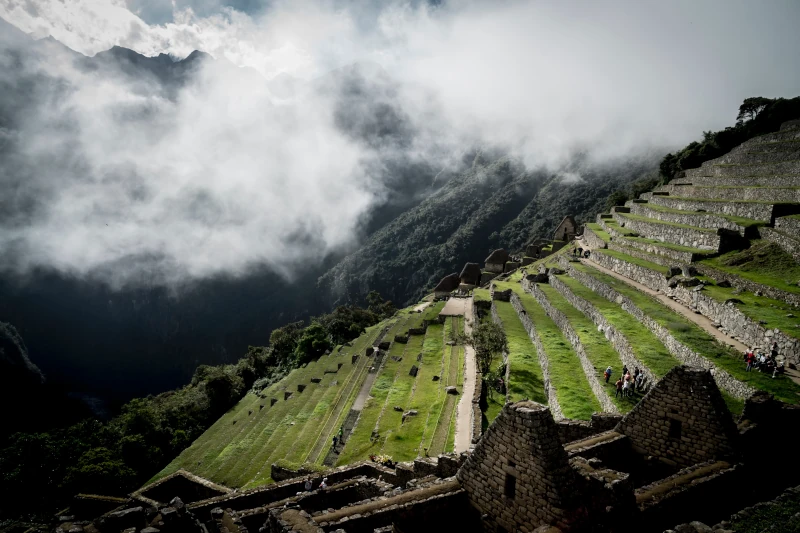
Inca Agriculture was not just about planting and harvesting. It was a symphony of innovation, nature, and spirituality. The Incas understood their diverse landscape profoundly. To counter uneven mountainous terrains, they developed terracing. The terraces of Tipon are prime examples of this genius.
Terracing reduces soil erosion and maximizes planting space. This allowed optimal sunlight and efficient water distribution. Moreover, the Incas practiced crop rotation. This ensured soil health and increased agricultural production. Crop rotation also minimized the risk of pest infestations. Thus, it wasn’t mere farming; it was sustainable agriculture.
Inca Agriculture also intertwined with the Inca’s Spiritual Traditions. For them, earth wasn’t just a resource. It was Pachamama, or Mother Earth, deserving reverence. They believed in giving back to the land. Rituals and ceremonies accompanied key agricultural events. These practices underscored the Inca’s gratitude and respect.
Their extensive knowledge of local microclimates was remarkable. They exploited these differences to grow diverse crops. From potatoes in cold highlands to maize in warmer valleys, they had it all covered. Such depth in agricultural knowledge is inspiring even today.
Today, as we grapple with sustainability challenges, revisiting Inca Agriculture provides insight. The intricate methods they employed were not mere strategies. They were born from a profound bond with the earth. As modern farmers, there’s much to learn from this harmony. The Incas showcased that agriculture can flourish without harming nature. It’s a lesson that resonates now more than ever.
The circle of life: Inca Farming cycles and crop diversity
Inca Agriculture thrived on understanding life’s cycles. Observing nature, they learned the rhythms of the seasons. Their farming calendar harmonized with these natural patterns.
The Sacred Valley showcased this harmony best. It was a vital agricultural hub, pulsing with diverse crops. Depending on the season, different crops dominated the landscape.
Crop diversity was more than just variety. For the Incas, it ensured food security and soil health. Each crop had a specific time and place. This minimized competition and optimized growth. Such wisdom allowed them to grow over 3,000 potato varieties.
Quinoa, maize, beans, and many others found a place in Inca Agriculture. Each had a unique role in the farming cycle. For instance, maize was vital for ceremonies and daily sustenance. Quinoa, rich in protein, fortified their diet. By diversifying, they fortified their empire against famine.
Yet, tracking this intricate cycle was crucial. That’s where Qhipus came into play. These knotted strings helped in recording agricultural data. It’s fascinating how, without written language, they kept such detailed records.
Inca Agriculture wasn’t static. As they expanded, they integrated new crops and techniques. But the core remained: respect for the land and its cycles. By tapping into the circle of life, they cultivated resilience.
Today, modern farmers can learn from this. Understanding local cycles and diversifying crops is key. The Incas offer a timeless model for sustainable, bountiful farming. In a world facing climate change, their wisdom is indispensable.
Environmental stewardship: Inca Wisdom and ethical approach to agriculture
The Incas weren’t mere farmers. They were stewards of the environment. Their farming methods prioritized the land’s well-being.
Understanding nature’s needs was paramount. They believed in giving back to the soil they tilled. Crop rotation was a primary technique. It rejuvenated the earth and ensured sustainable yields.
Water management was another focus area. Channels were constructed to distribute water efficiently. This avoided wastage and maintained soil moisture. Their approach wasn’t about exploiting, but coexisting.
The spiritual relationship shaped their agricultural decisions. Every seed sown, every crop harvested was a ritual. This wasn’t just about sustenance; it was a pact with nature.
Their ethical approach extended to terracing. It combated soil erosion in mountainous regions. The result was a landscape that harmonized with its surroundings. Today, these terraces stand as testaments to Inca ingenuity.
Such wisdom is crucial in today’s world. With climate change challenges, we need sustainable solutions. The Incas provide a blueprint, showing balance and respect.
For a firsthand experience of this legacy, there’s no better way. Consider a Vilcabamba Trek to Machu Picchu. Or perhaps, embrace the 4 Day Inca Trail. These journeys offer more than just scenic beauty. They’re a walk through ancient agricultural marvels.
So, as you tread the paths the Incas once did, reflect. Their commitment to environmental stewardship is a lesson. It invites us all to farm with ethics and care.
Andahuaylillas: Peru’s Hidden Gem of Colonial Art
Deep within Peru lies a treasure, often overshadowed by Machu Picchu’s grandeur. The small town of Andahuaylillas beckons art enthusiasts. It’s a colonial-era marvel awaiting discovery.
Tucked amidst the Andean mountains, this town is a canvas of intricate colonial art. Tourists seldom tread these cobbled streets. Yet, its artistry rivals world-renowned European galleries.
As we journey into Andahuaylillas, prepare to uncover Peru’s less-traveled historical path. Beyond Incan ruins, the nation’s colonial soul thrives. Dive in and let its story unfold.
Andahuaylillas: Unveiling the artistic marvel of the Peruvian Highlands
Nestled deep within the Peruvian Highlands, Andahuaylillas is an artistic treasure. It’s more than just a town. It’s a vibrant canvas of colonial beauty.
While most travelers flock to the famed Sacred Valley, few venture to this hidden gem. Yet, its cultural significance is undeniable.
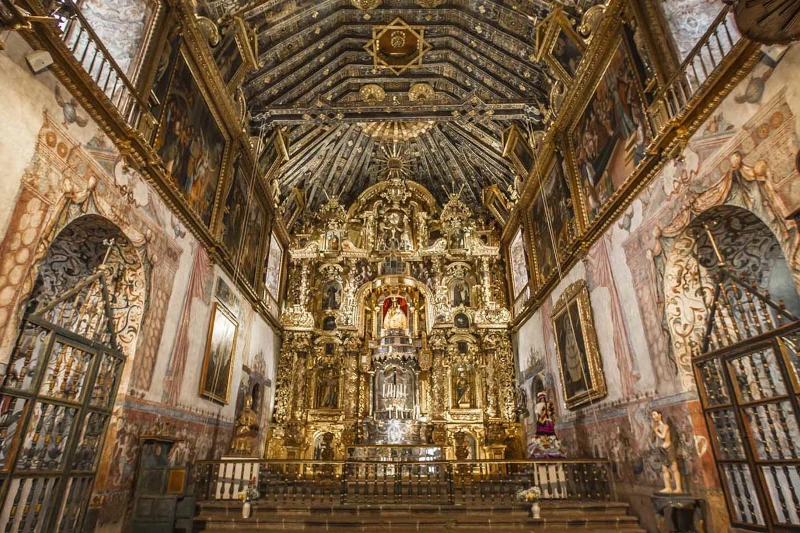
Its central masterpiece is the town’s baroque church. On its walls, intricate frescoes narrate tales of faith. Hand-carved wooden altars glisten with gold leaf.
Every corner whispers stories of the past, captivating the soul. Visitors often stand in awe, absorbing the surrounding grandeur.
Not far from Andahuaylillas, the ruins of “Pikillaqta” beckon. While they showcase pre-colonial wonders, Andahuaylillas represents colonial artistic prowess. Together, they present a balanced tale of Peruvian history. One of ancient civilizations, and another of foreign influence.
Local artists played a pivotal role in this blend. They merged indigenous themes with colonial techniques. The result is a unique fusion of Andean and European artistry. This amalgamation is evident in every mural, every sculpture.
Guides often describe Andahuaylillas as an open-air museum. Its streets are a testament to timeless artistry. Every home, every plaza, echoes the rich artistic legacy. It’s a haven for art enthusiasts and historians alike.
But beyond the art, the town’s spirit shines. Residents greet visitors with warmth and pride. They’re eager to share their town’s tales, its hidden nooks. For they know, Andahuaylillas is not just a place; it’s a legacy.
Bypassing Andahuaylillas on a Peruvian tour is a missed opportunity. It offers a rare glimpse into colonial art’s evolution. With every visit, another layer of its artistry is unveiled.
So, next time you’re in the Highlands, take a detour. Witness the artistic marvel that is Andahuaylillas.
The rich history and architecture of Andahuaylillas’ Colonial Church
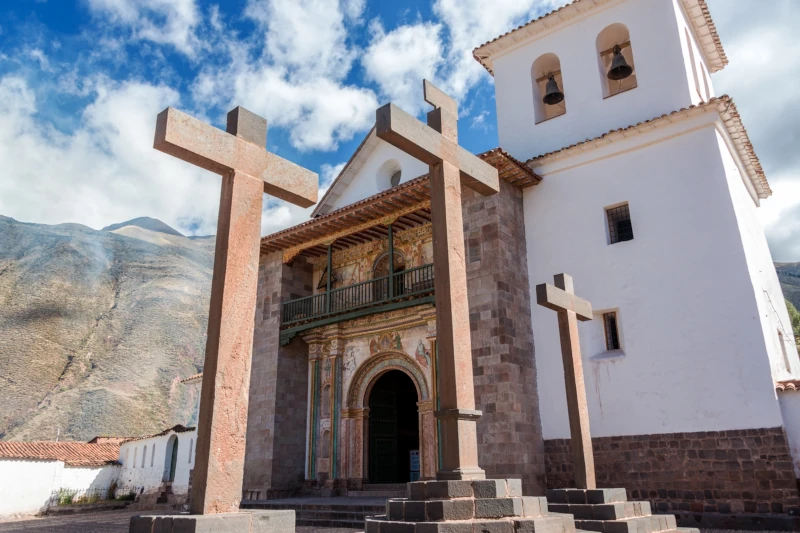
In the heart of Andahuaylillas, a remarkable structure stands out. It’s the town’s colonial church, a historic gem. This edifice epitomizes a blend of cultures.
Unlike the nearby town of Chinchero, Andahuaylillas bears Spanish colonial influences. Yet, it embraces subtle remnants of the Inca Empire. This amalgamation is most evident in its church.
Constructed during the 16th century, the church mirrors baroque architectural elements. Its facade, seemingly simple, hides intricate interiors. Inside, walls adorned with frescoes captivate every visitor’s gaze.
The nave boasts hand-carved wooden altars, laden with gold leaf. These are not mere decorative pieces. They are testimonies to the church’s opulence during colonial times.
Stunning murals narrate biblical tales with an Andean twist. Local artists painted these masterpieces, blending Inca motives with European techniques. The result? An exceptional showcase of transcultural artistry.
Vaulted ceilings, painted in deep hues, draw eyes upwards. Delicate stucco work adds to the interior’s charm. Each design, meticulously crafted, speaks of artistic dedication.
The church’s architecture is not its only highlight. Its history is equally intriguing. During the Spanish conquest, religious structures played pivotal roles.
They weren’t just places of worship. They symbolized power, control, and indoctrination.
Yet, Andahuaylillas’ church stood unique. While it projected Spanish dominance, it echoed Andean spirit. Locals embraced the church, making it their own. They infused their traditions, ensuring their heritage thrived.
The church stands today, witnessing times gone by. Visitors from across the globe marvel at its beauty. It’s more than just a building. It’s a testament to resilience, integration, and art.
In essence, Andahuaylillas’ Colonial Church is a historical treasure. One that narrates tales of two worlds converging. Within its walls, the essence of a time when two great cultures met thrives. Every corner, every mural, preserves a rich legacy awaiting discovery.
A journey through time: Exploring the Colonial Art Treasures of Andahuaylillas
Amidst the Peruvian Highlands, Andahuaylillas awaits discovery. This quaint town hides a historical and artistic wealth. A journey here is a step back in time.
The crown jewel is its colonial church. Built in the 16th century, it exudes baroque splendor. But its interiors hold the true magic.
Stepping inside, visitors encounter a visual feast. Frescoes line the walls, each narrating biblical tales. Yet, these aren’t ordinary depictions.
Local artists infused Andean motifs into these paintings. This blend of Incan and European styles is breathtaking. Each mural unfolds stories of faith and culture.
Gold-laden altars contrast vividly with earthen hues. Delicate stucco work showcases impeccable craftsmanship. Every element, meticulously curated, reflects a bygone era’s essence.
Beyond the church, Andahuaylillas offers more. Its streets, plazas, and homes echo its artistic legacy. Every corner seems to hold a hidden treasure.
But what makes Andahuaylillas truly special? It’s the harmonious blend of two worlds. Spanish colonial influences merge seamlessly with Incan traditions. The result is a unique, transcultural artistry.
Visitors often leave with a profound appreciation. The town offers a perspective rare in modern travels. It’s a window into a time of cultural convergence.
Yet, Andahuaylillas is just one facet of Peru’s wonders. After diving into colonial art, why stop there? The country’s landscapes and history beckon further.
In conclusion, Andahuaylillas offers a journey like no other. It’s an exploration of art, culture, and history. So, if you’re seeking a unique Peruvian experience, start here. But remember, the journey doesn’t end; it only begins.
10 Fascinating Facts About Peru: All The Edges
Peru is a treasure trove of wonders. From ancient Inca cities to biodiverse rainforests, it’s a country that never ceases to amaze. Discover 10 fascinating facts about Peru.
We’ll delve into its rich history, vibrant culture, and stunning geography. Although this is not a Peru travel guide is a great overviw of all the country and its richness.
Whether you’re planning a trip or simply curious, these insights will enrich your understanding of this South American gem.
So, let’s embark on this journey of Peru travel facts together. Discover the edges of Peru that make it a truly unique destination.
1. The Ancient Wonder of Machu Picchu
Machu Picchu stands as a marvel of Inca engineering. This ancient city, perched high in the Andes, attracts thousands of visitors annually. Designated as a UNESCO World Heritage Site, it reflects the ingenuity and spiritual depth of the Inca civilization.
Visiting Machu Picchu offers a glimpse into the past. Walking through its stone structures, you can imagine the life of the Incas. The site’s breathtaking vistas and intricate architecture make it a testament to human creativity. For those planning a visit, booking in advance and hiring a local tour experience with Happy Gringo Tours is highly recommendable for a complete experience.
Embark on an unforgettable adventure with the Lares Trek to Machu Picchu or the Short Inca Trail, where breathtaking landscapes and rich cultural experiences await. Machu Picchu as the final destination is a great closure for your adventure.
2. The Biodiverse Amazon Rainforest
Covering 60% of Peru, the Amazon Rainforest is a paradise for biodiversity enthusiasts. Home to countless species of plants, mammals, and birds, it is a vital ecosystem. This region’s rich life forms make it one of Earth’s most precious natural treasures.
Exploring the Peruvian Amazon brings you face-to-face with unique wildlife like jaguars and river dolphins. Many eco-lodges offer guided tours to Manu and educational programs. Visitors are encouraged to practice eco-friendly travel to ensure the preservation of this extraordinary environment. Observing wildlife responsibly helps protect the delicate ecosystems of the Amazon for future generations.
3. Lake Titicaca’s High Altitude
Lake Titicaca straddles the border between Peru and Bolivia, resting at 3,812 meters above sea level. This vast, shimmering expanse is the highest navigable lake in the world. Its deep blue waters and ancient mysteries captivate all who visit.
Numerous islands dot the lake, each offering unique cultural experiences and traditions. The Uros people, for example, live on floating islands made of reeds. Visitors can explore these islands and learn about life at such altitudes. Experiencing the lake’s serene beauty and rich history provides insight into the resilience and ingenuity of its native inhabitants.
This site is a must visit and the data of it is part of the facts about Peru.
4. The Enigmatic Nazca Lines
The Nazca Lines are ancient geoglyphs etched into Peru’s arid desert, viewed best from the sky. Mysterious figures of animals and geometric designs stretch over vast expanses of land. Experts believe they date back to between 500 BCE and 500 CE.
Their purpose remains unclear, sparking debates and theories ranging from astronomical calendars to religious ceremonies. Flying over these massive artworks provides a remarkable perspective on the artistry and ingenuity of the Nazca people. Visitors to the area can also explore nearby museums to dive deeper into the cultural significance and history behind these incredible creations.
5. A Potato Paradise
Peru is hailed as the birthplace of the potato, with more than 3,000 varieties cultivated there. These colorful and diverse spuds are central to Peruvian agriculture and Peruvian cuisine. The Incas domesticated potatoes thousands of years ago, contributing to their dietary staples.
The International Potato Center in Lima aims to preserve this rich diversity by studying different types of potatoes. Many traditional Peruvian dishes, like causa and papa a la huancaína, showcase the nation’s love for this versatile tuber. Exploring local markets reveals a vibrant array of potatoes, offering travelers a true taste of Peru’s agricultural heritage.
6. A Culinary Journey Through Peru
Peru’s cuisine stands out globally, reflecting a blend of indigenous and international influences. Ceviche, a dish of fresh raw fish marinated in citrus juices, is iconic. Each coastal region adds its own twist, making ceviche a must-try dish for visitors.
From the highlands comes lomo saltado, a stir-fry dish merging Peruvian and Chinese flavors. Peruvian gastronomy also features a variety of native ingredients like quinoa and ají peppers. Lima has earned its spot as a culinary capital, hosting prestigious restaurants that celebrate this culinary diversity. Embarking on a food tour offers a delicious insight into Peru’s vibrant culture.
This is a great and essential fact about Peru. Is a great proof of the diversity and cultures.
7. Festivals of Color and Spirit
Peru’s festivals are vibrant expressions of cultural heritage, blending ancient traditions and Spanish influences. Inti Raymi, the Festival of the Sun, showcases Inca history with majestic reenactments and rituals. This annual event in Cusco attracts both locals and international spectators.
Puno hosts the feast of La Candelaria, a celebration filled with music, dance, and elaborate costumes. These festivals highlight Peru’s unique fusion of Catholic and indigenous traditions. Participating in these lively events offers travelers a deeper understanding of Peru’s rich cultural tapestry and provides unforgettable travel experiences.
8. The Majestic Andean Condor
The Andean condor, with its impressive wingspan, is a remarkable sight in Peru. It is the largest flying bird in the world by combined measurement of weight and wingspan. Observing these magnificent birds soaring in the skies is an awe-inspiring experience.
The Colca Canyon, near Arequipa, is a renowned spot to witness the condor’s flight. With depths twice that of the Grand Canyon, it provides a stunning backdrop. Visiting this natural wonder offers a unique opportunity to see these majestic birds up close, contributing to Peru’s allure as a destination for nature enthusiasts.
9. A Melting Pot of Cultures
Peru’s cultural diversity is one of its most striking features. This rich tapestry results from a blend of indigenous, Spanish, African, Asian, and European influences. This cultural fusion is evident in Peru’s festivals, music, art, and culinary traditions.
The country’s population reflects this diversity, with significant indigenous communities alongside descendants of immigrants. This mixture creates a vibrant social landscape, where ancient traditions coexist with contemporary practices. Visitors to Peru can explore this dynamic cultural scene, gaining insight into the unique identity that defines this fascinating country. The diversity enriches the travel experience, making each visit a discovery.
10. Caral: The Oldest City in the Americas
Caral, located north of Lima, offers a glimpse into an ancient civilization dating back over 5,000 years. This UNESCO World Heritage Site showcases impressive pyramids, plazas, and temples that highlight advanced urban planning.
Rediscovered in the 20th century, Caral’s significance lies in its age and cultural contributions. It represents the cradle of civilization in the Americas, offering insights into early society and innovation. Visitors can explore the archaeological site, appreciating its historical importance and architectural achievements. Understanding Caral’s past adds depth to any journey through Peru, revealing the foundations upon which the country’s rich history is built.
Traveling in Peru offers diverse experiences, but preparation is crucial. Understanding local customs, such as greeting with a handshake or a kiss on the cheek, can enhance your interactions.
These fascinating fascinating facts about Peru are a must know for your trip.
Exploring the Mystery of Twelve Angled Stone Cusco
The Twelve Angled Stone in Cusco, Peru, stands as a marvel of ancient engineering and craftsmanship. It is in the heart of the vibrant city. This enigmatic stone serves as a testament to the ingenuity and skill of the Inca civilization. Its precise cuts and seamless fit with surrounding stones have intrigued historians, archaeologists, and travelers alike for generations. The stone’s existence challenges modern understanding of ancient technologies and continues to invite speculation and admiration from all who behold it.
The Twelve Angled Stone is not only an architectural wonder. It also symbolizes the intersection of engineering prowess and cultural significance. The artisans who crafted this stone did so with unmatched precision. Their skill raises questions about the techniques and tools available to the Incas.
Furthermore, its central location in Cusco makes it a focal point. It attracts those interested in exploring the rich tapestry of Inca history and culture. It offers a tangible link to the past amidst the bustling modernity of the city.
The Enigma of Inca Stonework
Inca stonework is renowned for its precision and durability. The Twelve Angled Stone Cusco is a perfect example of this mastery. Each angle of the stone is meticulously carved. It fits perfectly with the adjacent stones without the use of mortar.
This level of craftsmanship raises questions about the methods and tools used by the Incas. How did they achieve such a high level of precision with the limited resources available to them?
The techniques employed by the Incas in constructing such enduring structures have long puzzled researchers. The exactness with which these stones fit together suggests an intimate understanding of geometry. It also reflects a sophisticated approach to construction.
The durability of these structures is remarkable. They have withstood centuries of environmental challenges, further underscoring the brilliance of Inca engineering. The mystery of their methods continues to inspire investigations and debates, highlighting the advanced nature of their civilization.
Architectural Marvels
The Twelve Angled Stone is part of a larger wall on Hatun Rumiyoc Street. This wall was once a part of the palace of Inca Roca, the sixth Sapa Inca. The wall’s construction showcases the Inca’s ability to create structures that have withstood the test of time, surviving earthquakes that have toppled modern buildings. The precise interlocking stones provided remarkable stability. They also demonstrated the Incas’ foresight in architectural design by considering the seismic activity of the region.
These architectural feats are not isolated incidents. They are part of a broader tradition of Inca construction that includes Machu Picchu and Sacsayhuamán. Each site reflects a deep understanding of the natural environment, with structures often integrated seamlessly into the landscape.
The Inca’s architectural prowess extended beyond mere construction. It encompassed urban planning and the creation of spaces that facilitated social, religious, and political activities. Their legacy continues to influence modern architectural approaches, emphasizing sustainability and harmony with nature.
Cultural Significance
For the Incas, stonework was not only functional but also symbolic. Stones were considered sacred, and their placement was often aligned with celestial events.
The Twelve Angled Stone, with its unique shape and positioning, is believed to hold cultural and spiritual significance. It may represent the Inca’s connection with their gods and the cosmos. This spiritual dimension of Inca architecture imbued their constructions with meaning that transcended practical utility, serving as a reflection of their worldview and cosmology.
The careful selection and placement of stones were guided by rituals and beliefs, signifying the Incas’ reverence for nature and their deities. The alignment of structures with astronomical phenomena is evidence of the Incas’ sophisticated understanding of astronomy and its integration into their cultural practices. This cultural depth adds another layer of intrigue to the Twelve Angled Stone, inviting visitors to contemplate the spiritual life of the ancient Incas and their enduring legacy.
The Techniques Behind the Craft
The mystery of how the Incas achieved such precision in their stonework continues to baffle researchers. Several theories attempt to explain their techniques, but none have been definitively proven. This lack of certainty fuels ongoing interest and research into the methods of Inca builders, as modern scholars attempt to piece together the processes behind these architectural wonders.
Understanding these techniques offers insight not only into the technical abilities of the Incas but also into their societal structure and priorities. The resources and labor required to produce such fine stonework imply a highly organized society with specialized knowledge and skills. As researchers delve deeper into these methods, they uncover more about the Inca civilization as a whole, revealing a complex and advanced society.
Theories of Construction
One popular theory suggests that the Incas used a combination of primitive tools and a keen understanding of geology to shape and fit the stones. Some researchers believe they employed a technique called “pecking,” where stones were gradually shaped using harder stones as chisels. Others speculate the use of wooden wedges and water to split the rocks. These theories reflect the resourcefulness of the Incas, who would have adapted their methods to the materials available in their environment.
The debate continues as researchers explore alternative methods. One of them is the possible use of plant-based compounds to soften stones or the application of ancient knowledge of force and leverage. Each theory offers a glimpse into the innovative spirit of the Inca people. They were able to accomplish such remarkable feats with what appears to be minimal technology. The search for definitive answers continues to capture the imagination of archaeologists and historians worldwide.
Innovations in Stone Masonry
The Incas were innovators in stone masonry. They likely used a trial-and-error approach, developing techniques over centuries. The precise interlocking of stones provided structural integrity. It also allowed for the expansion and contraction of the stones during temperature changes, which was crucial in earthquake-prone regions. This adaptability showcases the Incas’ deep understanding of the natural forces at play in their environment and their ability to create lasting solutions.
Their approach to stone masonry was not static but evolved with experience, leading to increasingly sophisticated methods and structures. The legacy of their innovations can be seen in the enduring stability of their buildings and the influence they had on subsequent architectural practices in the region. The ingenuity of Inca stone masonry continues to inspire architects and engineers today. They strive to blend traditional wisdom with modern technology.
Visiting the Twelve Angled Stone
Cusco, the former capital of the Inca Empire, is a treasure trove of historical and cultural sites. The Twelve Angled Stone is a must-see for any traveler visiting the city. Located in the historic center, it is easily accessible and surrounded by a wealth of other attractions. Visiting this site offers a unique opportunity to immerse oneself in the rich history of the Incas and experience firsthand the awe-inspiring craftsmanship of their civilization.
The stone’s location within Cusco’s vibrant cultural landscape makes it an ideal starting point for exploring the city’s many other historical sites and attractions. From the bustling Plaza de Armas to the serene beauty of nearby sacred valleys, Cusco offers a rich tapestry of experiences for visitors seeking to connect with Peru’s storied past. The Twelve Angled Stone serves as a gateway to this exploration, drawing visitors into a journey through time.
How to Get There
The Twelve Angled Stone is located on Hatun Rumiyoc Street, a short walk from Cusco’s main square, Plaza de Armas. The area is pedestrian-friendly, allowing visitors to explore the stone and nearby attractions on foot. Local guides are available to provide insights into the history and significance of the stone and the Inca civilization. Their expertise can enrich your visit, offering context and stories that bring the stone and the city to life.
Public transportation and guided tours offer convenient options for reaching Hatun Rumiyoc Street, while walking the cobbled streets of Cusco offers an immersive experience in the city’s vibrant atmosphere. As you make your way to the Twelve Angled Stone, the surrounding architecture and lively street life provide a fascinating backdrop, enhancing your appreciation of Cusco’s unique blend of history and modernity.
What to Expect
Visitors can marvel at the stone’s craftsmanship and take in the bustling atmosphere of Cusco’s historic district. The area is filled with shops, cafes, and other cultural landmarks, making it a perfect spot for a leisurely stroll. Remember to respect the site and its cultural significance by not touching the stone. This respect ensures the preservation of the stone for future generations and honors the cultural heritage it represents.
As you explore, you’ll find the energy of Cusco’s streets to be infectious, with vibrant markets and local artisans offering a taste of the city’s contemporary culture. This dynamic environment provides a contrast to the ancient stonework, highlighting the continuity and evolution of Cusco as a living city. The Twelve Angled Stone serves as a focal point in this tapestry, drawing connections between past and present.
Preserving Cusco’s Cultural Heritage
As a site of immense historical and cultural value, efforts are underway to preserve Cusco’s rich heritage. The city is a UNESCO World Heritage Site, and local authorities, along with international organizations, are committed to protecting its treasures. These preservation efforts aim to safeguard the architectural and cultural legacy of Cusco, ensuring that its historical sites remain intact for future generations to appreciate.
Preservation not only involves physical conservation but also the promotion of sustainable tourism practices that balance the needs of visitors with the protection of cultural resources. Education and community involvement are key components of these efforts, fostering a sense of shared responsibility for maintaining Cusco’s unique heritage. By engaging visitors and locals alike, these initiatives strive to create a sustainable model for cultural preservation.
Challenges in Preservation
Cusco faces challenges in preserving its heritage, including environmental factors and increasing tourism. Earthquakes remain a threat to ancient structures, and the influx of tourists can strain local resources. Sustainable tourism practices are essential to ensure the city’s cultural and historical sites remain intact for future generations. Balancing the economic benefits of tourism with the need for preservation is a complex task that requires careful planning and management.
The preservation of Cusco’s heritage also involves addressing issues such as urban development pressures and environmental degradation. Collaborative efforts between governmental bodies, local communities, and international organizations are necessary to tackle these challenges effectively. Through innovative solutions and community engagement, Cusco aims to protect its cultural legacy while accommodating the needs of a growing visitor population.
Supporting Local Communities
Travelers can support Cusco’s preservation efforts by choosing responsible tourism options.
Engaging with local guides, staying at locally-owned accommodations, and purchasing goods from local artisans are great ways to support the community. These actions contribute to both the local economy and cultural preservation. These choices empower local communities, ensuring that they benefit from tourism while maintaining control over their cultural resources.
By participating in community-based tourism initiatives, visitors can gain deeper insights into the lives and traditions of the people who call Cusco home. This interaction fosters mutual respect and understanding. It also enriches the travel experience while supporting the preservation of cultural heritage. Travelers play a crucial role in sustaining Cusco’s vibrant community and ensuring the continued vitality of its historical sites.
Conclusion
The Twelve Angled Stone in Cusco is more than just a marvel of ancient engineering. It is a symbol of the Inca civilization’s ingenuity and cultural heritage.
As you explore its mysteries and the vibrant city that surrounds it, take a moment to appreciate its craftsmanship. The history behind it has endured through the centuries. By respecting and supporting preservation efforts, you contribute to safeguarding this remarkable piece of history. This helps ensure that future generations can discover and appreciate it.
This iconic stone invites reflection on the achievements of the Incas and their enduring influence on architecture and culture. It stands as a reminder of the power of human creativity and the importance of preserving our shared heritage. As guardians of these cultural treasures, we have the responsibility to protect and celebrate the legacy of the past, ensuring that it continues to inspire and educate for years to come.
Exploring the Beauty of Ausangate Trek
The Ausangate Trek is located in the Peruvian Andes, southeast of Cusco. It is a circuit that circles the sacred Ausangate Mountain, revered by local communities for its spiritual significance. This trek is not just a physical challenge but a spiritual journey. It takes you through some of the most breathtaking landscapes in the world.
The Spiritual Significance of Ausangate Trek Peru
Peru Ausangate Mountain Trek holds immense spiritual value for the indigenous Quechua people. They consider it an “Apu,” a mountain spirit or deity believed to protect the surrounding lands. Pilgrims and locals often perform rituals and offerings, known as “pagos a la tierra,” to honor these spirits. Engaging in or witnessing these rituals can provide trekkers with a deeper understanding of the region’s cultural and spiritual fabric.
Geological Wonders Await
The region’s geology is a tapestry of colors and textures, crafted over millions of years. Glaciers have carved the land, leaving behind shimmering ice fields and jagged peaks. The vibrant hues of the Rainbow Mountain, a highlight of the trek, are a result of unique mineral deposits. These geological phenomena offer a visual feast and a lesson in Earth’s dynamic processes. It invites trekkers to ponder the forces that shape our world.
Diverse Ecosystems Along the Trek
The trek traverses a range of ecosystems, from arid high-altitude deserts to lush valleys. Each ecosystem supports unique flora and fauna, adapted to the harsh conditions of the Andes. As you hike, you may encounter the Andean condor soaring overhead or spot elusive vicuñas grazing on sparse vegetation. This diversity enriches the trekking experience, offering a closer connection to the planet’s natural wonders.
The Allure of Ausangate Hike
Peru Ausangate Trek is renowned for its awe-inspiring scenery. As you traverse the rugged terrain, you will encounter glistening glaciers, turquoise lakes, and colorful striated mountains. The landscape here is a living canvas painted by the hands of nature, with hues that shift and change with the light and weather.
Mesmerizing Glacial Landscapes
Glaciers dominate the Ausangate region, sculpting valleys and feeding pristine lakes. These icy giants reflect the sunlight, creating a breathtaking interplay of light and shadow. The glaciers are not only visually stunning but also vital to the region’s hydrology. They act as reservoirs that sustain the local communities and wildlife. Trekkers can witness the delicate balance of nature, where water is both a life-giving force and a sculptor of the landscape.
The Enchantment of Turquoise Lakes
The trek is dotted with serene lakes, each a jewel in the rugged terrain. The turquoise waters, fed by glacial melt, mirror the sky and surrounding peaks, creating a tranquil and surreal environment. These lakes are ideal spots for rest and reflection, offering trekkers a moment of peace amidst the challenging journey. Their beauty is a reminder of nature’s ability to inspire and rejuvenate the human spirit.
The Geological Marvel of Rainbow Mountain
One of the most striking features of this trek is the Rainbow Mountain, known locally as Vinicunca. Its vibrant colors, created by mineral deposits, make it a must-see for anyone undertaking the Ausangate Trek. The sight of these mountains is a testament to the geological wonders that lie hidden in this remote part of the world. Visitors are often left in awe, pondering the natural forces that paint such vivid landscapes.
Cultural Encounters Along the Trek
As you journey through the Ausangate region, you will have the opportunity to engage with the indigenous Quechua communities that inhabit these highlands. These communities maintain a traditional way of life, herding alpacas and llamas. They practise age-old customs that have been passed down through generations.
Meeting the Quechua People
The Quechua communities you encounter are the heart and soul of the Andes. Their resilience and adaptability to the harsh mountain environment are evident in their daily lives. Engaging with them offers a glimpse into a lifestyle that has remained largely unchanged for centuries. Trekkers can learn about traditional weaving techniques, participate in local festivals. They can experience the warmth and hospitality that define these communities.
Exploring Traditional Lifestyles
The high-altitude lifestyle of the Quechua people revolves around alpaca and llama herding. These animals are crucial for their wool, meat, and as pack animals. The Quechua’s deep understanding of their environment allows them to cultivate crops at dizzying altitudes, using ancient agricultural methods. This traditional knowledge is invaluable, offering insights into sustainable living and environmental stewardship.
Sharing Meals and Stories
One of the highlights of the trek is the opportunity to share meals with local families. These gatherings are more than just nourishment; they are cultural exchanges where stories and traditions are passed down. Trekkers can savor traditional dishes like “chuño” and “oca,” experiencing the rich flavors of Andean cuisine. These meals foster a sense of community and connection, bridging cultural divides and creating lasting memories.
Practical Information for the Trek
Preparing for the Ausangate Trek
The Ausangate Trek is considered a challenging hike, suitable for experienced trekkers who are in good physical condition. The trek reaches altitudes of over 5,000 meters (16,404 feet), so acclimatization is essential to prevent altitude sickness. It is advisable to spend a few days in Cusco before starting the trek to allow your body to adjust to the high elevation.
Physical Preparation and Training
Preparing for the Ausangate Trek requires more than just packing the right gear. Physical conditioning is crucial to ensure an enjoyable and safe experience. Trekkers should engage in regular cardiovascular exercises, strength training, and hiking practice to build endurance and stamina. Preparing the body for high-altitude conditions can significantly enhance the trekking experience, allowing participants to fully appreciate the journey.
Understanding Altitude Sickness
Altitude sickness is a concern for anyone embarking on high-altitude treks like Ausangate. Symptoms can range from mild headaches and nausea to more severe complications. Understanding the signs and taking preventive measures, such as gradual acclimatization and staying hydrated, are essential. Trekkers should also consider carrying medications like acetazolamide, which can help mitigate altitude-related symptoms.
Importance of Local Guides
Hiring a local guide can greatly enhance the trekking experience. Guides bring invaluable knowledge of the terrain, weather patterns, and cultural sites. They can provide insights into the local flora and fauna and share stories of the land’s history and significance. Moreover, employing local guides supports the community economically, promoting sustainable tourism practices.
What to Bring
Packing for the Ausangate Trek requires careful consideration. Essential items include:
A sturdy pair of hiking boots
Warm clothing, including layers and a waterproof jacket
A good quality sleeping bag suitable for cold temperatures
Sun protection, including sunscreen, sunglasses, and a hat
A refillable water bottle and water purification tablets
Trekking poles to aid in stability on uneven terrain
Clothing and Footwear Essentials
Choosing the right clothing and footwear is crucial for comfort and safety on the trek. Layering is key to adapting to the varying temperatures, and moisture-wicking fabrics help regulate body temperature. Sturdy, waterproof hiking boots provide the necessary support and protection for navigating rocky and uneven terrain. Ensuring your clothing and footwear are well-fitted can prevent discomfort and injuries during the trek.
Navigational and Safety Gear
Safety should be a top priority when preparing for the Ausangate Trek. Carrying a map, compass, or GPS device can help in navigating the trail, especially in poor weather conditions. A well-equipped first aid kit is essential for treating minor injuries and addressing health concerns. Trekkers should also consider bringing a whistle, flashlight, and multi-tool for emergencies.
Sustenance and Hydration
Proper nutrition and hydration are vital for maintaining energy levels during the trek. Packing lightweight, high-energy snacks like nuts, dried fruits, and energy bars can provide quick nourishment. Water purification tablets or filters are crucial for ensuring safe drinking water from natural sources. Trekkers should aim to drink plenty of fluids to stay hydrated, particularly at high altitudes where dehydration can occur more rapidly.
The Best Time to Trek
The ideal time to embark on the Ausangate Trek is during the dry season, which runs from May to September. During this period, the weather is generally clear and stable, providing the best conditions for trekking. However, temperatures can drop significantly at night, so be prepared for cold evenings.
Weather Conditions and Considerations
Understanding the weather patterns is crucial for planning a successful trek. The dry season offers the clearest skies, but sudden weather changes are common in the Andes. Trekkers should be prepared for potential rain and wind, even during the dry months. Monitoring weather forecasts and being flexible with travel plans can help ensure a safe and enjoyable experience.
Navigating Seasonal Crowds
While the Ausangate Trek is less crowded than popular trails like the Inca Trail, the dry season can still attract a fair number of adventurers. Planning your trek during the shoulder months of May or September can offer a more solitary experience. Booking accommodations and guides in advance is advisable to secure your spot and avoid potential disappointments.
Advantages of Off-Season Trekking
Trekking during the wet season, from October to April, offers a different perspective of the Ausangate region. The landscape is lush and vibrant, with blooming wildflowers and fewer tourists. However, the trails can be more challenging due to rain and mud, requiring extra caution and preparation. For those seeking solitude and a unique experience, off-season trekking can be a rewarding adventure.
The Trekking Experience
Day-by-Day Itinerary
The Ausangate Trek is typically completed in five to six days, depending on your pace and the specific route taken. A common itinerary includes:
Day 1: Cusco to Tinki – Travel from Cusco to the small village of Tinki, where the trek begins.
Day 2: Tinki to Upis – Trek to Upis, where you can relax in natural hot springs with views of the Ausangate Mountain.
Day 3: Upis to Pucacocha – Continue to the Pucacocha Lagoon, surrounded by stunning mountain vistas.
Day 4: Pucacocha to Palomani Pass – Ascend to the highest point of the trek at Palomani Pass, offering panoramic views.
Day 5: Palomani Pass to Chilca – Descend to Chilca, passing through colorful mountain landscapes.
Day 6: Chilca to Cusco – Return to Cusco, concluding the trek.
Day 1: Acclimatizing in Tinki
The journey begins with a scenic drive from Cusco to Tinki, a small village at the foot of the Andes. This initial day is crucial for acclimatization, allowing trekkers to adjust to the altitude gradually. Exploring the village and interacting with locals can provide insights into the area’s culture and traditions. The anticipation of the trek ahead adds to the excitement, setting the stage for the adventure.
Day 2: The Rewarding Trek to Upis
Day two involves a challenging hike from Tinki to Upis, with the promise of natural hot springs as a reward. The trail offers stunning views of the Ausangate Mountain, inspiring awe and motivation. Soaking in the hot springs at Upis is a rejuvenating experience, soothing tired muscles and providing a moment of relaxation amidst the journey. The night sky, free from light pollution, offers a dazzling display of stars, a fitting end to the day’s trek.
Day 3: Reaching the Tranquil Pucacocha
The trek continues to Pucacocha Lagoon, a tranquil spot surrounded by majestic peaks. The journey is marked by breathtaking vistas, with each turn revealing new wonders. The lake’s serene environment offers a perfect setting for reflection and rest. As trekkers set up camp, the sense of accomplishment and connection with nature deepens, reinforcing the spiritual aspect of the journey.
Embracing the Solitude
Unlike the more crowded trails in Peru, the Ausangate Trek offers a sense of solitude and tranquility that is hard to find elsewhere. The absence of large crowds allows you to fully immerse yourself in the natural beauty and serenity of the Andes. This sense of isolation is one of the trek’s most appealing features, providing a chance to disconnect from the hustle and bustle of everyday life and reconnect with nature.
Finding Peace in Nature’s Embrace
The solitude of the Ausangate Trek provides a rare opportunity to find peace and clarity. The vast landscapes and quietude invite introspection, allowing trekkers to reflect on their journey and personal growth. The absence of modern distractions enhances the connection with the natural world, fostering a sense of mindfulness and presence. This immersion in nature is both healing and inspiring, offering a renewed perspective on life.
The Joy of Disconnecting
In today’s fast-paced world, the chance to disconnect from technology and daily responsibilities is invaluable. The trek offers an escape from the constant noise and demands, allowing trekkers to focus on the present moment. This digital detox can lead to increased creativity, reduced stress, and improved mental well-being. By embracing the simplicity of the trek, adventurers often return with a fresh outlook and newfound appreciation for life’s simple pleasures.
Building Resilience Through Solitude
The challenges and solitude of the Ausangate Trek build resilience and self-reliance. Trekkers learn to adapt to changing conditions, navigate difficult terrain, and push beyond their perceived limits. This journey of self-discovery fosters confidence and strength, empowering individuals to face future challenges with courage and determination. The trek becomes a metaphor for life’s journey, with each step reinforcing the power of perseverance and inner fortitude.
Conclusion
The Ausangate Trek in Peru is an unforgettable adventure that combines stunning natural beauty with cultural richness. It offers a unique opportunity to explore one of the world’s most breathtaking regions while challenging yourself physically and spiritually. Whether you are a seasoned trekker or a traveler seeking a new adventure, the Ausangate Trek promises an experience that will leave a lasting impression.
Embrace the challenge, savor the solitude, and let the majesty of the Andes inspire you. The Ausangate Trek is more than just a hike; it is a journey into the heart of one of the world’s most extraordinary landscapes. The memories and lessons learned on this trek will resonate long after the journey ends, inspiring a deeper connection with nature and a renewed sense of adventure.
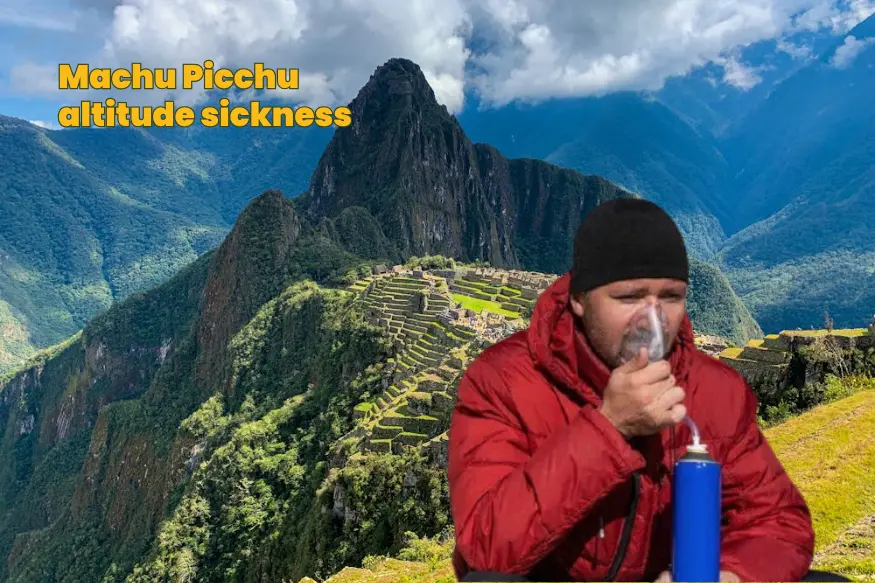
Machu Picchu altitude sickness
Machu Picchu Altitude Sickness: Everything You Need to Know Before You Travel
Machu Picchu is one of the most iconic destinations in the world, attracting millions of travelers every year with its breathtaking landscapes, ancient engineering, and mystical ambiance. Yet, many visitors worry about Machu Picchu altitude sickness, also known as soroche, a condition associated with traveling to high-altitude destinations in the Peruvian Andes. Understanding what causes it, how to prevent it, and how to manage symptoms is essential for a safe and enjoyable trip.
This complete guide—clear, practical, and easy to follow—covers everything you need to know: causes, symptoms, risk factors, altitude comparisons, prevention strategies, treatments, best practices, and frequently asked questions. By the end, you’ll know exactly how to prepare for your visit to Machu Picchu and reduce your chances of experiencing altitude sickness.
What Is Machu Picchu Altitude Sickness?
Machu Picchu altitude sickness refers to the discomfort some travelers feel when visiting high-altitude destinations in Peru. It is caused by reduced oxygen levels at elevations above 2,400 meters (7,874 feet). As you ascend, your body must work harder to absorb oxygen, which sometimes leads to symptoms like headache, nausea, shortness of breath, or dizziness.
Important: Machu Picchu itself is not extremely high—it sits at 2,430 meters (7,972 ft), which is relatively low risk. The main issue is that almost everyone arrives through Cusco, which is much higher at 3,399 meters (11,152 ft). Most cases of “Machu Picchu altitude sickness” actually come from spending time in Cusco or the Sacred Valley before your visit.
How High Is Machu Picchu?
To better understand the risks of Machu Picchu altitude sickness, compare these key points:
Cusco (arrival city): 3,399 m / 11,152 ft
Ollantaytambo (train station): 2,792 m / 9,160 ft
Aguas Calientes (base town): 2,040 m / 6,693 ft
Machu Picchu (citadel): 2,430 m / 7,972 ft
Most travelers feel significantly better descending from Cusco to Aguas Calientes, which reduces the risk of severe symptoms. However, if you arrive directly to Cusco by airplane, the sudden change in altitude can trigger discomfort in the first 24–48 hours.
Why Do Travelers Get Altitude Sickness?
Altitude sickness occurs because, at high elevations, air pressure is lower, meaning each breath contains less oxygen. This makes your body work harder to supply your brain, muscles, and vital organs.
The factors that contribute to altitude sickness include:
Rapid ascent without acclimatization
Low hydration
Physical exertion too soon
Individual sensitivity (some people naturally adapt more slowly)
Pre-existing respiratory or cardiovascular conditions
Importantly, altitude sickness is not related to age, fitness, or body type. A young marathon runner can get soroche, while a 70-year-old traveler may not feel anything at all.
Symptoms of Machu Picchu Altitude Sickness
Understanding the symptoms helps you take action early. Common symptoms include:
Headache (pressure behind the eyes or temples)
Shortness of breath during mild activity
Fatigue or weakness
Dizziness or lightheadedness
Loss of appetite
Nausea or vomiting
Difficulty sleeping
Rapid heartbeat
These symptoms usually improve after resting, hydrating, and avoiding heavy meals and alcohol.
Severe symptoms—rare for Machu Picchu altitude—include:
Intense shortness of breath at rest
Chest tightness
Severe confusion
Blue lips or fingertips
Difficulty walking
If severe symptoms appear, medical attention is necessary.
Is Machu Picchu Altitude Sickness Common?
The good news: most travelers do not experience severe symptoms at Machu Picchu. Mild discomfort is common in Cusco on the first day, but symptoms usually diminish after 24–48 hours.
Risk levels by area:
Cusco: High risk (over 3,300 m)
Sacred Valley: Moderate risk (2,700–2,900 m)
Machu Picchu: Low–moderate risk
Aguas Calientes: Low risk
Because Machu Picchu is located lower than Cusco, many visitors actually feel better as they descend toward the citadel.
Who Is Most at Risk of Altitude Sickness?
Anyone can experience altitude sickness, but the following groups may be more susceptible:
Travelers arriving by plane directly to Cusco
People who rush their itinerary without acclimatization
Individuals with respiratory issues
Those dehydrated upon arrival
People who engage in early strenuous activities
Individuals who have experienced altitude sickness before
However, remember: fitness does not protect you. Acclimatization time is the most important factor.
Preventing Machu Picchu Altitude Sickness
1. Acclimatize Properly
The best way to prevent Machu Picchu altitude sickness is by allowing your body time to adjust. Recommended:
Spend 1–2 nights in the Sacred Valley instead of Cusco upon arrival.
If you must stay in Cusco, take it easy on day one.
Avoid planning hikes or long tours during the first 24 hours.
2. Stay Hydrated
Water helps your body adapt to thinner air. Drink small amounts regularly throughout the day.
3. Avoid Heavy Meals
High-altitude digestion is slower. Opt for:
Soups
Fruits
Light proteins
Avoid greasy or very salty foods.
4. Limit Alcohol and Coffee
Both can increase dehydration and worsen symptoms.
5. Try Coca Tea or Coca Leaves
Coca has been used for centuries in the Andes to reduce soroche symptoms. It is natural, mild, and widely available.
6. Use Natural Supplements
Some travelers use:
Muña tea (Andean mint)
Ginger candies
Electrolytes
These can relieve mild headache or nausea.
7. Consider Medication (Consult a Doctor)
Common medicines for altitude sickness include:
Acetazolamide (Diamox)
Sorojchi Pills (local medicine combining aspirin, caffeine, and acetazolamide)
Ibuprofen or paracetamol for headaches
Always consult your doctor before taking any medication.
8. Ascend Slowly and Rest Often
Take breaks, walk slowly, and avoid overexerting yourself at high altitudes.
Can You Get Altitude Sickness on the Inca Trail?
Yes. Trekkers are at higher risk because the trail reaches elevations such as:
Dead Woman’s Pass: 4,215 m / 13,828 ft
Runkurakay: 3,950 m / 12,959 ft
For trekkers, acclimatization is essential. At least 2–3 nights in Cusco or the Sacred Valley before hiking are strongly recommended.
Does Machu Picchu Altitude Affect Children?
Children can also experience altitude sickness, but generally adapt better than adults. To reduce the risk:
Keep them hydrated
Make sure they rest frequently
Avoid high exertion
Descend if symptoms worsen
For infants under 2 years old, consult your pediatrician before traveling.
What to Do If You Get Machu Picchu Altitude Sickness
If you start feeling symptoms, take these steps:
1. Rest Immediately
Sit down, breathe slowly, and let your body recover.
2. Hydrate
Small sips of water help more than drinking too much at once.
3. Use Coca Tea or Muña Tea
These natural remedies quickly relieve mild symptoms.
4. Take Medication If Needed
Pain relievers can help headaches; Diamox can accelerate acclimatization.
5. Avoid Climbing Huayna Picchu or Machu Picchu Mountain
These steep hikes increase exertion and altitude.
6. Seek Medical Help
Aguas Calientes and Cusco have clinics prepared for altitude-related issues. Hotels usually provide oxygen if needed.
Tips to Avoid Machu Picchu Altitude Sickness During Your Tour
Eat a light breakfast before your tour
Carry water at all times
Walk at a slow, constant pace
Avoid running or jumping inside the citadel
Bring electrolytes
Wear sunscreen—the sun is stronger at altitude
Take frequent breaks to enjoy the views and breathe
Is Oxygen Available at Machu Picchu?
There is no oxygen inside the ruins, but:
Most hotels in Cusco and Sacred Valley have oxygen tanks
Many tour operators carry portable oxygen
Trains and buses are oxygenated and comfortable
Clinics in Aguas Calientes treat altitude issues
Severe cases are rare but can be treated quickly.
Best Itineraries to Minimize Altitude Sickness Risk
Here are safe options for first-time travelers:
Option 1: Best for Sensitive Travelers
Day 1: Arrive → Cusco Day 2: Sacred Valley tour Day 3: Machu Picchu Day 4: Cusco Day 5: Explore Cusco or Rainbow Mountain
Option 2: Standard Traveler
Day 1: Cusco (rest) Day 2: Sacred Valley Day 3: Machu Picchu Day 4: Cusco & surroundings
Option 3: Trekker Plan
Day 1: Cusco Day 2: Cusco Day 3: Sacred Valley Day 4: Start Inca Trail Day 5–7: Trek → Machu Picchu
These options gradually increase altitude exposure.
Is Altitude Sickness Preventable?
Yes—most cases are avoidable with proper acclimatization and hydration. Very few travelers get severe reactions, especially at Machu Picchu’s moderate altitude.
Frequently Asked Questions About Machu Picchu Altitude Sickness
Is Machu Picchu too high for altitude sickness?
Machu Picchu is at 2,430 m, which is considered low risk. Most symptoms occur at higher places like Cusco.
Can I visit Machu Picchu on my first day in Peru?
Yes, especially if you go straight to the Sacred Valley or Aguas Calientes. This helps you descend instead of ascending.
What drink helps with altitude sickness?
Coca tea, coca leaves, muña tea, electrolytes, and water.
Do I need oxygen for Machu Picchu?
No, very few people need oxygen. However, hotels and guides typically carry it for emergencies.
Can altitude sickness ruin my trip?
Not usually. With proper care, symptoms are mild and temporary.
Are there long-term effects?
No, altitude sickness does not cause permanent damage when treated promptly.
Best Time To Hike The Inca Trail to Machu Picchu
Best Time To Hike The Inca Trail to Machu Picchu
Immersing in the Peruvian history when you hike the Inca Trail to Machu Picchu is a truly rewarding experience.
Hiking the Inca Trail to Machu Picchu is one of the best things you can do in Peru. Although it can be done all year round some months are better with panoramic views. You will also have clear skies and a favourable climate! Here is a guide to the best time to hike the Inca Trail to Machu Picchu.
January to March
The climate in the Peruvian Andes is very rainy from January to March. Hence, it is not suitable to hike the Inca trail to Machu Picchu. It is also the few months that landslides have been reported so it is best to avoid going to Machu Picchu during this season for your safety.
The hiking paths are also muddy and slippery so you are more likely to be injured from falls. Inca Trail is also closed during Februaryfor maintenance, such as cleaning the trails etc.
It is recommended to visit Peru during the last two weeks of March if you want to enjoy the surroundings a bit. The temperatures from January to March range between27˚C during the day and 17˚C at night.
April to June
April is considered to be the best month to hike the Inca Trail to Machu Picchu. This is because of the warmer climate, and clear skies. It is also the beginning of the dry season. Many people will come to Peru during these months!
However, you need to be prepared well with warm comfortable clothing, sunglasses, sunscreen as well as sweaters, jackets etc because there is a drastic temperature change between day and night. For instance, the temperatures range between 24 ˚C during the day and 14˚C at night in May.
June is the festive season of Peru with many annual ceremonies and parades so you can get a glimpse of the culture and traditions of this former Incan empire. There will be lots of crowds too from April to June to do the hike to Machu Picchu.
July to September
In July, the high-season vibe doubles. The Inca trail to Machu Picchu will be crowded with tourists from all over the world. Even the prices for accommodation, transportation and food tend to increase from July to September because of the high demand.
As much as it is pleasant and a good time to do the hike to Machu Picchu, you expect the temperatures to drop when it is nearing September. For instance, they might range between 20˚C during the day and 12˚C at night.
So make sure to be prepared with warm clothing like jackets, sweaters, scarves and other winter gear. The number of visitors to Machu Picchu declines in the last two weeks of September since it marks the beginning of the rainy season in Peru.
October to December
If you are not a fan of large crowds and festive seasons, October is the best time to hike the Inca Trail or Short Inca Trail to Machu Picchu. The prices for almost everything will drop, and you will be experiencing a calm atmosphere throughout your stay.
Although November is the month that the rainy season actually begins, there are little to no rains giving fairly good visibility and photographic opportunities like in the peak season. Temperatures range between20˚C during the day to 7˚C/at night in December so you have to be well prepared.