The Inca Trail in October marks the beginning of the Andean rainy season, making this month a transitional period for trekking to Machu Picchu.
October offers a mix of sunny mornings, warm afternoons, and occasional rain showers, especially during late afternoons. While conditions begin shifting away from the dry season, October remains a favorable month for hiking because temperatures are mild, landscapes are greener, crowds are smaller, and permits are easier to obtain compared to peak months like June, July, and August.
This complete guide will walk you through everything you need to know about hiking the Inca Trail in October — from weather, trail conditions, and camping expectations to difficulty levels, altitude impacts, packing lists, and essential preparation tips.
October is one of the most balanced months for those seeking:
Mild temperatures
Lush green scenery
Moderate crowds
Refreshing weather
More available permits
Good sunrise conditions early in the month
It is a great alternative for travelers who prefer avoiding the high tourist season and don’t mind a bit of rain.
Main Reasons to Choose October
Start of the rainy season, but showers are usually short and mild
Trails begin to look greener
Temperatures warm up after cold winter months
Machu Picchu is less crowded
More peaceful and quiet campsites
Lower demand = easier planning
Weather on the Inca Trail in October
General Overview
October’s weather blends the characteristics of the dry season and the rainy season. Mornings are typically bright and sunny, while clouds slowly build during midday, sometimes resulting in light afternoon showers.
Temperatures
Daytime: 18°C to 24°C (64°F to 75°F)
Nighttime: 8°C to 11°C (46°F to 52°F)
Early mornings: Cool, but not cold like winter months
Rainfall
Early October: very light, occasional drizzle
Mid–late October: more frequent short showers
Heavy storms: uncommon (these usually begin in November–December)
Expect humid conditions in the cloud forest zone between Phuyupatamarca and Wiñay Wayna.
Sun Exposure
Even with clouds, UV rays remain strong. Sunscreen, sunglasses, and hats are necessary.
What to Expect When Hiking the Inca Trail in October
1. Variable Weather Conditions
October brings dynamic weather:
Sunny mornings
Cloudy skies midday
Light rain in the afternoon
Humid nights
Carrying a lightweight rain jacket is essential.
2. Greener Scenery
Because of the increased humidity, mountains, valleys, and forest sections appear more vibrant and lush. Photographers love this month.
Frequently Asked Questions About the Inca Trail in October
Is October a good month to hike the Inca Trail?
Yes, October offers warm temperatures, greener landscapes, and fewer crowds.
Does it rain a lot in October?
Light showers occur, mostly in the afternoon. Heavy rain is uncommon.
Are views of Machu Picchu clear in October?
Yes, but clouds may appear early in the morning. Skies often clear later.
Is the trail slippery?
Some sections become slick after rain, especially in the cloud forest.
Do permits sell out in October?
They sell out slower than the dry season, but advance booking is still necessary.
Is altitude a problem?
Altitude affects everyone. Proper acclimatization is key.
Best Times to Visit Rainbow Mountain Peru
Nestled in the Andes, Rainbow Mountain Peru is one of the country’s most stunning natural sights. Many travelers love visiting Rainbow Mountain because of its bright colors and dramatic scenery. Since the area sits at high altitude, visitors coming from sea level should take time to adjust before starting the Rainbow Mountain hike.
The Cusco region offers many day trips, and this mountain is one of the most popular, often combined with visits to the Inca Trail or other famous sites nearby.
Rainbow Mountain, also known as Vinicunca or the Mountain of Seven Colors, stands out for both its beauty and its cultural value. Its location near the Red Valley adds even more color and wonder to the landscape. Travelers exploring the Cusco region often choose this destination to experience one of the most unique geological formations in Peru.
The mountain’s colorful stripes formed over millions of years. Layers of minerals and constant weather changes created the reds, yellows, blues, and purples seen today. Anyone visiting Rainbow Mountain during their trip will witness a rare natural formation that continues to attract hikers, photographers, and nature lovers from around the world.
The Geological Story Behind the Colors
The geological formation of Rainbow Mountain comes from a long and active natural process. Tectonic plates moved and pressed against each other for millions of years. During this time, layers of sediment built up, and each layer carried different minerals that created the mountain’s bright colors. Iron oxide creates the red tones, while chlorite gives the green shades.
Glacial activity also played a major role. As glaciers moved and later melted, they scraped away the top layers of earth. This action exposed the colorful stripes we see today. This ongoing process shows how our planet constantly changes and shapes the landscape.
Rainbow Mountain also holds deep cultural importance for the indigenous communities nearby. The Quechua people, descendants of the Incas, consider this mountain sacred. When travelers visit Vinicunca, they can learn about local traditions, experience ancient customs, and see the strong connection between the community and their natural environment.
Cultural Heritage and Sacred Traditions
Rainbow Mountain is not only a beautiful sight but also an important cultural landmark. The Quechua people tie the mountain to their spiritual beliefs. They often visit it as a place for worship and reflection. During traditional rituals, they honor Pachamama, the Earth Mother, showing their deep respect for nature and its cycles.
To understand the cultural heritage of Rainbow Mountain, you need to explore the region’s oral histories and folklore. Families have passed these stories down for generations. They explain the mountain’s spiritual and historical meaning. When you spend time with local guides, you gain a deeper understanding of these traditions, which makes your visit more meaningful.
Rainbow Mountain is more than a natural or cultural wonder; it is a living legend. Weather and seasons can change how the mountain looks, adding to its mystery. Each visit shows a different version of the landscape, making this destination worth experiencing again and again.
Balancing Tradition, Tourism, and Change
For the local communities, Vinicunca is a symbol of resilience and continuity. Despite the influx of tourists, the Quechua people strive to maintain their traditions and way of life, adapting to modern influences while preserving their cultural identity. This dynamic interplay between tradition and change is a defining feature of the region, making it a compelling aspect of the Rainbow Mountain experience.
Timing is crucial when planning a visit to Rainbow Mountain. Factors such as weather conditions and tourist influx can significantly impact your experience. Here, we break down the best times to visit, ensuring you make the most of this remarkable destination.
Dry Season (May to September): The dry season is undoubtedly the best time to visit Rainbow Mountain. During these months, the weather is relatively stable, with minimal rainfall. This results in clearer skies and better visibility, allowing the mountain’s vibrant colors to stand out magnificently. Additionally, the trails are less muddy, making the trek to the peak more enjoyable.
Why the Dry Season Stands Out
Visiting during the dry season offers more than just favorable weather conditions; it provides an opportunity to experience the mountain at its most vivid. The lack of rain ensures that the colors are not muted, allowing photographers and nature lovers to capture the mountain in all its glory. This season also coincides with various local festivals, offering a chance to immerse yourself in the cultural celebrations of the region.
The stable weather conditions also mean fewer disruptions in travel plans. Roads are more accessible, and the likelihood of cancellations due to weather is reduced. This reliability makes the dry season a preferred choice for those who want a hassle-free experience.
Shoulder Months (April and October): These months can also be the best time to visit, as they provide a balance between good weather and fewer crowds. You might encounter some rain, but it is generally less than during the wet season. Traveling during these months offers a more tranquil experience, with fewer tourists on the trails.
The Charm of the Shoulder Months
The shoulder months are ideal for those who prefer a quieter visit. The slightly cooler temperatures and occasional rain showers create a different ambiance, adding to the mountain’s enchanting appeal. This period is perfect for travelers who enjoy solitude and wish to explore the mountain without the hustle and bustle of peak tourist season.
Additionally, visiting during the shoulder months often means better deals on accommodations and tours. With fewer tourists, local businesses are more likely to offer discounts and promotions, making it a cost-effective option for budget-conscious travelers.
Cultural Festivals and Special Events: Aligning your visit with local festivals can enhance your experience. These events offer a glimpse into the vibrant culture and traditions of the Quechua people. Participating in these celebrations provides a deeper connection to the community and adds a unique dimension to your trip.
Festivals That Enrich the Journey
Festivals such as Inti Raymi in June or the Qoyllur Rit’i pilgrimage in May are significant cultural events that attract visitors from all over the world. These festivals provide an opportunity to witness traditional dances, music, and rituals, offering an immersive cultural experience.
Planning your visit around these events requires some foresight, as accommodations may book up quickly. However, the effort is well worth it for the chance to experience Rainbow Mountain in the context of its rich cultural heritage.
Wet Season (November to March): The wet season brings heavy rains, which can obscure the mountain’s colors and make hiking trails slippery and challenging. Landslides and road closures can also disrupt travel plans. While some adventurous travelers may still opt to visit during this time, it is generally recommended to avoid the wet season for safety and comfort.
Challenges of Visiting in the Wet Season
The unpredictability of the weather during the wet season can lead to a less than ideal experience. The vibrant colors of the mountain may be hidden behind clouds and mist, diminishing the visual impact. Additionally, the trails become more difficult to navigate, posing potential risks for hikers.
For those who choose to visit during this time, it’s crucial to come prepared with appropriate gear and a flexible itinerary. Expect delays and be open to adjusting your plans as needed. While the wet season presents challenges, it can also offer a different perspective of Rainbow Mountain, showcasing its wild and untamed beauty.
Peak Tourist Times: While the dry season is ideal for weather, it is also the peak tourist season. To avoid the largest crowds, consider visiting early in the morning or later in the afternoon.
Managing Crowds and Enhancing Your Experience
The influx of tourists during peak season can detract from the serene experience many travelers seek. Large groups and crowded trails can make it difficult to appreciate the mountain’s tranquility. To circumvent this, plan your hike for off-peak hours, allowing you to enjoy the scenery in peace.
Another strategy is to explore alternative routes or nearby attractions. This not only helps avoid the crowds but also introduces you to lesser-known aspects of the region. Engaging with local guides can uncover hidden gems and provide a more personalized experience.
Holiday Periods: Avoiding major holiday periods can lead to a more enjoyable visit. During holidays, both international tourists and locals flock to Rainbow Mountain, resulting in crowded conditions. Planning your trip during non-holiday times can ensure a more pleasant experience.
Planning Around Holidays
Holidays such as Christmas and New Year see a significant increase in visitors, as people take advantage of time off work to travel. This surge in tourism can lead to longer waits and more competition for resources. By scheduling your visit outside these periods, you can enjoy a more relaxed and intimate encounter with Vinicunca.
Vinicunca is situated at a high elevation, approximately 5,200 meters above sea level. Altitude sickness is a real concern for many visitors, so it is essential to acclimatize properly before your trek. Spend a few days in Cusco, which sits at a lower elevation, to allow your body to adjust.
Acclimatization: A Crucial Step
Acclimatization is crucial to ensure a comfortable and safe visit to Rainbow Mountain. Symptoms of altitude sickness include headaches, nausea, and dizziness, which can impede your ability to enjoy the experience. Taking the time to acclimate in Cusco allows your body to adjust gradually, minimizing the risk of severe symptoms.
During your acclimatization period, engage in light activities and stay hydrated. Avoid alcohol and caffeine, as they can exacerbate dehydration. Consider consulting with a healthcare professional about altitude sickness medication, which can provide an additional layer of protection.
Opt for guided tours that emphasize responsible and ethical tourism practices. Engaging with local guides not only enriches your experience with authentic insights but also supports the local economy. Look for agencies that prioritize environmental conservation and respect for indigenous communities.
Choosing Responsible and Insightful Tours
Choosing a guided tour ensures that you have access to expert knowledge and guidance throughout your visit. Local guides offer unique insights into the cultural and natural history of Rainbow Mountain, enhancing your understanding and appreciation of the site.
When selecting a tour, prioritize companies committed to sustainable tourism. These agencies focus on minimizing environmental impact and promoting cultural preservation. Supporting ethical tourism practices ensures that your visit benefits the local community and contributes to the long-term conservation of Rainbow Mountain.
Clothing: Dress in layers, as temperatures can vary greatly throughout the day. A waterproof jacket, warm fleece, and breathable base layers are recommended.
Essential Gear for the Trek
Layering is essential when visiting Rainbow Mountain due to the fluctuating temperatures. Mornings can be chilly, while midday sun can bring warmth. A waterproof jacket protects against sudden rain showers, while a warm fleece provides insulation against the cold. Base layers made from moisture-wicking materials keep you comfortable during the hike.
Consider packing a hat and gloves for added warmth, especially during the early morning or late afternoon. Lightweight, quick-dry clothing is ideal for comfort and convenience during your trek.
Footwear: Sturdy hiking boots with good grip are essential for navigating uneven and sometimes slippery terrain.
Protecting Yourself Against the Elements
Proper footwear is crucial for a successful hike up Rainbow Mountain. Trails can be rocky and uneven, requiring sturdy boots with ankle support and a good grip. This ensures stability and reduces the risk of slips and falls, particularly during wet or icy conditions.
Breaking in your boots before the trip is recommended to prevent blisters and discomfort. Pair your boots with moisture-wicking socks to keep your feet dry and comfortable throughout the day.
Sun Protection: The high altitude means stronger UV rays, so bring sunglasses, a hat, and high-SPF sunscreen.
Staying Hydrated and Energized
Protecting yourself from the sun is vital due to the increased intensity of UV rays at high altitudes. Sunglasses shield your eyes from glare, while a wide-brimmed hat provides shade for your face and neck. Apply high-SPF sunscreen regularly, even on cloudy days, to prevent sunburn.
Lip balm with SPF protection is also recommended to prevent chapped lips. Staying sun-safe ensures that you can enjoy your hike without the discomfort of sunburn or eye strain.
Hydration and Snacks: Carry plenty of water and snacks to keep your energy levels up during the hike.
Practicing Sustainable and Respectful Tourism
Maintaining hydration is essential at high altitudes, where the risk of dehydration is increased. Carry a reusable water bottle or hydration pack to ensure you have access to water throughout the hike.
Pack energy-boosting snacks such as nuts, dried fruit, and granola bars to sustain your energy levels during the trek.
As tourism grows, so does its impact on Rainbow Mountain and the surrounding communities. While the influx of visitors brings economic benefits, it also poses environmental and cultural challenges. Here are some ways to ensure your visit is respectful and sustainable:
Choose accommodations and tours that are run by local residents. This ensures that tourism revenue directly benefits the community, helping to preserve their way of life and traditions.
Helping the Local Community Thrive
Supporting local businesses is a key aspect of responsible tourism. By choosing locally owned accommodations and tours, you contribute to the economic well-being of the community. This support helps fund community projects, education, and healthcare, ensuring that the benefits of tourism are distributed fairly.
Engaging with local artisans and purchasing handmade crafts provides additional support for the community. These purchases are a meaningful way to bring home a piece of the culture while directly contributing to the livelihoods of local families.
Stick to designated trails to minimize erosion and habitat destruction. Carry out all trash, and consider participating in clean-up initiatives if available.
Respecting Local Traditions and People
Preserving the natural beauty of Rainbow Mountain requires conscientious behavior from all visitors. Staying on marked trails protects fragile ecosystems and prevents soil erosion. Carrying out all trash, including biodegradable items, ensures that the environment remains pristine for future visitors.
Engaging with local customs and traditions respectfully is fundamental to a positive cultural exchange.
Learn a few basic phrases in Quechua or Spanish to communicate with locals, and always ask for permission before taking photographs of people.
A Journey That Stays With You
Visiting Rainbow Mountain in Peru is more than just a visual feast; it is an immersive cultural and natural experience. By choosing the right time to visit and practicing responsible tourism, you contribute to the preservation of this extraordinary destination. Embrace the adventure, engage with the vibrant local culture, and let the beauty of Vinicunca inspire you.
Whether you are a travel agency owner crafting unique itineraries or an individual traveler seeking an unforgettable journey, Rainbow Mountain promises an experience that blends the awe of nature with the richness of Peruvian culture. Plan wisely, travel responsibly, and enjoy the magnificent tapestry of colors and traditions that await you at Vinicunca.
The adventure begins with careful planning and preparation, ensuring that your visit is both memorable and sustainable. By following the guidance provided in this expanded article, you can embark on a journey that respects the environment, honors cultural traditions, and enriches your understanding of this remarkable part of the world. Rainbow Mountain awaits, ready to share its wonders with those who tread its trails with care and respect.
Spiritual Importance of Vinicunca
The mountain is not just a visual spectacle but a cultural landmark deeply interwoven with the spiritual beliefs of the Quechua people. It is often considered a place of worship and reflection, where traditional rituals and ceremonies are performed to honor Pachamama, the Earth Mother. These practices highlight the community’s deep respect for nature and its cycles.
Oral Histories and Local Folklore
Understanding the cultural heritage of Rainbow Mountain involves delving into the oral histories and folklore of the region. These stories, passed down through generations, offer insight into the spiritual and historical significance of the mountain. Engaging with local guides can provide a richer understanding of these narratives, enhancing the overall experience of your visit.
A Living Cultural Landscape
Rainbow Mountain is more than a geological and cultural marvel; it is a living legend that continues to captivate those who visit. The mountain’s ever-changing appearance, influenced by weather conditions and seasons, adds to its mystique. Each visit offers a unique perspective, making it a destination worth exploring multiple times.
Harmony Between Tradition and Tourism
For the local communities, Vinicunca is a symbol of resilience and continuity. Despite the influx of tourists, the Quechua people strive to maintain their traditions and way of life, adapting to modern influences while preserving their cultural identity.
Timing is crucial when planning a visit to Rainbow Mountain. Factors such as weather conditions and tourist influx can significantly impact your experience.
Best Time to Visit Rainbow Mountain Peru
Dry Season (May to September): The Ideal Time
The dry season is undoubtedly the best time to visit Rainbow Mountain. With clearer skies and minimal rainfall, the mountain’s colors appear more vivid, and the trails are easier to navigate.
Why the Dry Season Is Best to visit the Rainbow Mountain Peru
The lack of rain ensures vibrant colors, perfect for photography. Roads are more accessible, and cancellations due to weather are less likely, making this period ideal for a hassle-free experience.
Shoulder Months (April and October): A Great Alternative
These months offer a balance between decent weather and fewer crowds. Occasional showers may occur, but the tranquility of these months makes them appealing to many travelers.
The Charm of the Shoulder Season
Visiting in April or October offers a quieter, more intimate experience.
Travelers may also find better pricing on accommodations and tours due to lower demand.
Visiting During Local Festivals
Aligning your visit with Andean festivals provides a deeper cultural connection and transforms your Rainbow Mountain experience into something truly unforgettable.
Cultural Festivals Near Rainbow Mountain
Key Festivities to Consider
Events like Inti Raymi (June) and Qoyllur Rit’i (May) attract visitors worldwide.
These festivals offer a unique opportunity to witness ancient Andean traditions, traditional dance, music, and rituals.
Visiting Rainbow Mountain During the Wet Season (November–March)
Challenges of the Rainy Season
Heavy rains can diminish visibility, obscure the mountain’s colors, and make trails slippery. Landslides and road closures are also more common.
Tips for Adventurous Travelers
If visiting during this season, pack the right gear and maintain flexibility in your schedule.
Though challenging, the wet season reveals a more dramatic, wild side of Vinicunca.
Managing Crowds During Peak Season
Visiting at Off-Peak Hours
Large crowds during the dry season can affect the experience. Early mornings or late afternoons are ideal for avoiding crowds.
Exploring Hidden Routes
Alternative trails and lesser-known viewpoints provide quieter, more authentic experiences guided by local experts.
Avoiding Holiday Crowds
Major Holidays to Avoid
Christmas, New Year, and certain national holidays see a significant surge in visitors.
Traveling outside these periods ensures a more peaceful visit.
Preparing for High Altitude at Vinicunca Rainbow Mountain Peru
Importance of Acclimatization
Vinicunca sits at 5,200 meters. Spend a few days in Cusco to acclimatize before trekking to avoid altitude sickness.
Health Tips
Stay hydrated, avoid alcohol, rest well, and consider altitude medication if needed.
Choosing the Right Tour for Rainbow Mountain Peru
Opting for Responsible Tourism
Guided tours that prioritize sustainable and ethical practices enrich your visit while supporting local economies.
Why Local Guides Matter
Local guides offer cultural insights, share traditional stories, and ensure safe navigation of the terrain.
What to Pack for Rainbow Mountain Peru
Clothing for Andean Weather
Dress in layers—temperatures vary throughout the day.
Pack a waterproof jacket, fleece, breathable base layers, and warm accessories.
Footwear Recommendations
Sturdy hiking boots with good grip are essential for the uneven terrain.
Sun Protection at High Altitude
Sunglasses, a hat, SPF 50+ sunscreen, and SPF lip balm are a must.
Hydration and Snacks
Carry plenty of water and high-energy snacks like nuts and granola bars.
Supporting Sustainable Tourism
Choose Locally Owned Services
Selecting local hotels, guides, and restaurants ensures tourism benefits the indigenous community directly.
Buy Local Handicrafts
Purchasing handmade crafts supports local artisans and preserves traditional art forms.
Follow Environmental Best Practices
Stick to marked trails, avoid leaving trash, and join clean-up projects when possible.
Respect Local Culture
Learn basic Quechua or Spanish phrases and always ask permission before photographing locals.
Final Thoughts: Experiencing the Magic of Rainbow Mountain Peru
Visiting Rainbow Mountain is more than a visual journey—it’s a cultural immersion.
By choosing the right season, preparing well, and engaging responsibly, you help preserve this iconic site.
Whether you’re crafting itineraries as a travel agency or planning a personal adventure, Vinicunca offers a blend of natural wonder and cultural richness that stays with you long after your trek.
The adventure begins with thoughtful preparation and a respect for the land and its people. Rainbow Mountain awaits—ready to share its colors, stories, and spirit with those who visit consciously.
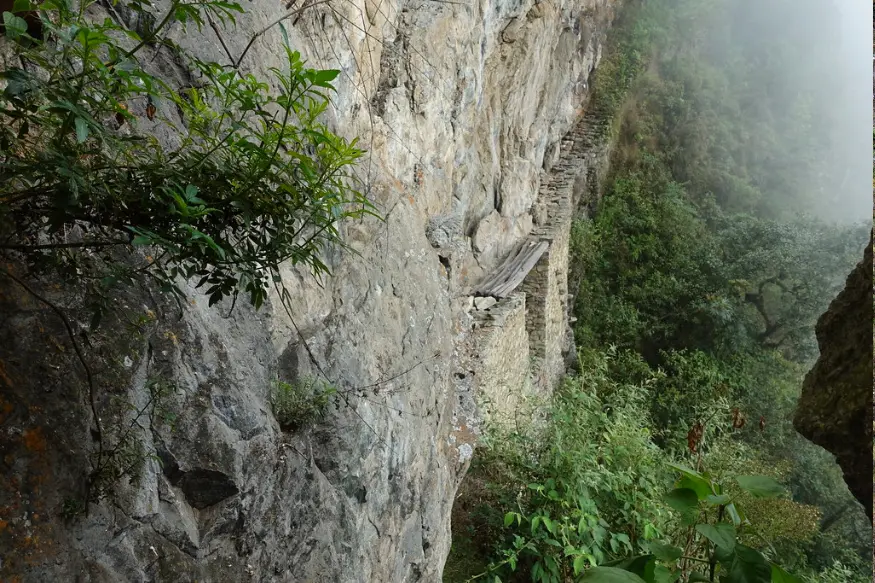
The Inca Bridge in Machu Picchu
The Inca Bridge in Machu Picchu is one of the most fascinating, mysterious, and least-visited structures within the Inca citadel. Suspended along a sheer cliff on the eastern side of Machu Picchu, this stone-and-wood bridge reveals the Incas’ extraordinary engineering skills and their advanced military and defensive strategies.
Unlike temples and plazas designed for ceremony and worship, the Inca Bridge served a strategic and defensive purpose, protecting the city from potential invasions while controlling access through one of the most dangerous sections of the mountain.
What is the Inca Bridge in Machu Picchu?
The Inca Bridge is a narrow stone path carved directly into the mountainside, ending at a removable wooden bridge built across a steep cliff gap. This bridge formed part of a secondary access route to Machu Picchu, used primarily for defense and surveillance rather than daily traffic.
Unlike suspension bridges made of rope, the Inca Bridge at Machu Picchu combines:
Solid stone pathways
Natural cliff formations
A short wooden bridge section that could be removed in times of danger
This design allowed the Incas to completely block access to the city from this side if necessary.
Location of the Inca Bridge in Machu Picchu
The Inca Bridge is located on the eastern edge of Machu Picchu, along a narrow cliffside trail overlooking the Urubamba Valley.
Sector: Eastern / Defensive sector
Elevation: approx. 2,430 meters (7,970 ft)
Access circuit: Circuit 1 or specific Inca Bridge route (varies by regulation)
The bridge is reached via a short but dramatic hike from the main urban area of Machu Picchu.
Historical Background of the Inca Bridge
The Inca Bridge was built during the reign of Pachacuti Inca Yupanqui in the 15th century, when Machu Picchu functioned as a royal estate, ceremonial center, and strategic stronghold.
Although Machu Picchu was not a fortress in the European sense, it was carefully protected by:
Steep natural terrain
Controlled access routes
Defensive paths like the Inca Bridge
The bridge allowed the Incas to monitor movement along the eastern flank of the city, an area vulnerable due to dense cloud forest rather than sheer cliffs.
Purpose and Function of the Inca Bridge
The Inca Bridge was never intended for heavy traffic. Its main functions included:
Defensive Control
The removable wooden section meant enemies could not cross if the bridge was dismantled. This made the path virtually impassable.
Surveillance and Security
Guards could monitor anyone approaching from the eastern jungle, providing early warning of potential threats.
Restricted Access
Only authorized individuals—likely military personnel or messengers—used this route.
This confirms that the Inca Bridge was part of a broader defensive system protecting Machu Picchu.
Architectural and Engineering Design
Stone Pathway Carved into the Cliff
The Incas carved a narrow stone path directly into the mountain wall. This path:
Is only wide enough for one person
Follows the natural contours of the cliff
Demonstrates advanced rock-cutting techniques
Removable Wooden Bridge
The most distinctive feature is the short wooden bridge section, originally made of tree trunks placed across a natural gap in the cliff. These beams could be:
Removed quickly
Hidden or destroyed
Reinstalled when safe
This simple yet brilliant design transformed geography into a defensive weapon.
Relationship Between the Inca Bridge and the Inca Road System
The Inca Bridge was connected to the Qhapaq Ñan, the vast Inca road network spanning over 30,000 kilometers across the Andes.
However, unlike main imperial roads used for trade and communication, this route functioned as
A controlled secondary path
A military access point
A security corridor
Its existence shows that Machu Picchu was integrated into the empire’s infrastructure while remaining carefully protected.
Can You Visit the Inca Bridge Today?
Yes, the Inca Bridge is open to visitors, but access is restricted and regulated.
Current Access Conditions
Access to the Inca Bridge is only available through Circuit 1-D, which is the only route that leads to the Inca Bridge. Book your Machu Picchu Day Trip via Circuit 1-D
A sign-in book is often required
The hike is unguided but controlled
Visitors cannot cross the bridge itself. You may only walk up to the viewing point for safety and preservation reasons.
How to Get to the Inca Bridge in Machu Picchu?
To reach the Inca Bridge:
Enter Machu Picchu with the appropriate circuit
Follow signs toward the Inca Bridge trail
Walk along a narrow but mostly flat path
Hiking time: approx. 20–30 minutes one way
Difficulty: Easy to moderate
Exposure: High (steep cliffs)
This walk offers spectacular views over the Urubamba Valley and surrounding mountains.
Safety Considerations on the Inca Bridge Trail
While the trail is not technically difficult, it requires caution:
Stay on the marked path
Do not lean over cliffs
Avoid the trail during heavy rain
Follow all staff instructions
The Incas chose this location precisely because it is naturally intimidating.
Inca Bridge vs Other Structures in Machu Picchu
The Inca Bridge stands apart as a military and strategic feature, rather than a religious one.
Symbolic Meaning of the Inca Bridge
Beyond defense, the Inca Bridge symbolizes:
Control over nature
Mastery of geography
Strategic intelligence
The Incas did not fight nature—they used it intelligently, integrating architecture with the landscape.
Best Time to Visit the Inca Bridge
Dry season (May–September): safest conditions
Early morning: fewer visitors, calmer atmosphere
Clear days: best visibility of the valley below
During the rainy season, access may be limited due to safety concerns.
Interesting Facts About the Inca Bridge
One of the most exposed trails in Machu Picchu
Designed to be easily dismantled
Not a rope bridge, unlike many Inca bridges
Demonstrates military foresight rather than ceremonial design
Importance of the Inca Bridge in Machu Picchu
The Inca Bridge in Machu Picchu proves that the site was not only a spiritual sanctuary but also a carefully protected settlement.
It highlights:
Inca military planning
Advanced cliff engineering
Strategic use of terrain
Without defensive structures like the Inca Bridge, Machu Picchu would have been far more vulnerable.
Peru Trekking
Peru Trekking to Machu Picchu
The treasure of South America is located in the middle of the Andes Mountains called Peru. The Peruvian country is one of the ten countries in South America continent that has beautiful geography, culture and food; where travelers can find everything in one place. Therefore; trekking in Peru is the best adventure for hikings lovers can enjoy at maximum! Specially to Machu Picchu taking one of the Inca Trail trekkings.
Happy Gringo Tours has chosen a list of hiking and trekking tours in Peru; our land is a true hikers paradise. Practically all of the Andes includes trekking circuits of various degrees of difficulty; only a few have been discovered as commercial trekking routes used by the pre Incas; and local communities during these days. The rest are still unexplored and await those who wish to walk the trails of the mountainous range and their extraordinary pre-Columbian roads.
More than 12.000 lakes, the deepest canyons in the world, glaciers and snowcapped mountains, forests and waterfalls, picturesque towns and the most hospitable people one could imagine welcome travelers.
Peru Trekking Tours to Machu Picchu
Happy Gringo Tours is official operator for trekkings tours in Peru: specially ending with treks to Machu Picchu – Considered today “One of the seven wonders of the World”. The most popular treks in the country are 4-Day Classic Inca Trail, Lares trek 4 days, Salkantay trekking, Choquequirao trek and Huchuy Qosqo trek.
All our Peru trekking tours finish in Machu Picchu citadel. Likely, Gringo Tours is specialized to do this type of expeditions! We have special camping equipments to survive in the Andes Mountains and expert workers to make your dreams come true!. We invite you to experience our service; while you go hiking to Machu Picchu with a locally owned company.
Some Peru trekking roads are so steep; they get lost in dizzying abysses; or they zigzag like huge snakes between the mountains, like flat and long ribbons lost in the immensity of the desert. Or hidden and imperceptible in the thickness of the Amazon forest.
The different regions of Peru offer endless possibilities and the ideal combination for trekkers of all levels of experience and requirements.
You can join an incredible trekking adventure by the ancient trail to Machu Picchu; Colca canyon trek or new alternative treks such as 4 day Lares Trek to Machu Picchu or maybe do you like to get in the dense cloud forest following the 5 day Salkantay trekking to the wonder of the world; enjoying the most spectacular landscapes with the safety; and comfort of a highly reliable outfitter.
Hiking in Peru
Happy Gringo Tours in Peru offers a variety of treks between Arequipa, Puno and Cusco region with exciting itineraries designed to appeal to most visitors budgets. Due to our many years of experience in the travel industry, we can offer unbeatable prices with no compromise on quality with experienced office staff and guides.
Gringo Tours takes pride in looking after our team and pay our trekking staff such as guides, cooks, porters, horsemen, ant the rest of our staff well above average wages.
We can promise you that our porters are happy all of the time (they work extremely hard for a living); but we can guarantee that our porters are well treated; fairly paid (in accordance with the Porters Law and the Ministry of Work); and they have plenty of food during Inca Trail trek; camping gear and access to use the first aid kit like another client.
Many other trekking companies will tell you this, but there are less than a handful of companies that genuinely care for their porters. Another very important point consist to provide the best quality and comfortable camping gear such as sleeping pads and high mountain tents for the most extremely cold and wet season of the Cordillera de los Andes.
Our top 5 Trekkings to Machu Picchu in Peru
The video will show you our five Peru trekking tours to Machu Picchu. The ultimate guide with the number one company of Cusco.
The best Peru trekking holidays to Machu Picchu is during dry season (May to October).
Take one of our Peru trekking tours to discover Machu Picchu.
Unfold the Secrets of Machu Picchu to Make Your Trek More Adventurous
Wish to visit the famous parts of South America? Machu Picchu Peru is an ideal spot. The stunning view of Inca Citadel is an experience for a lifelong. The panoramic view is so enticing that the first idea which would come to your mind is to capture these moments with your camera.
At an elevation of 2500 m above sea level, the archaeological site of Machu Picchu is an Inca Citadel. It was constructed as a royal estate by Inca emperor Pachacutec. When the Spanish conquistadors invaded the Inca empire, it was abandoned. Read on further to know
The Secrets of Hiking to Machu Picchu
Machu Picchuthe lost city of the Incas has a brimming variety of Inca Ruins, snow-capped mountains, exotic vegetation, and incredible ecological diversity. The Machu Picchu Historic Sanctuary has over 250 species of orchids. It has a beautiful canopy of trees through the cloud forest, striking views and subtropical vegetation.
Dead Woman’s Pass
While undertaking the Inca trail to Machu Picchu, Dead Woman’s Pass is the most difficult route with the most elevated mountain pass. It is set in the Andes mountain range that passes through Cloud forest and Alpine Tundra.
Inca Ruins, Tunnels, and Settlements are situated along the Inca Trail before termination into Machu Picchu. Their routes go beyond 4200 meters above sea level. This also results in altitude sickness.
Climb Huayna Picchu Early
Huayna Picchu is steeper. You can hike up it. There is a restriction imposed on the number of people who can trek every day. Look for the hut at the end of the city which is the entrance to the climb.
The view from the top is mesmerising. Stay there for a while to get the perfect moment to click pictures during fewer crowds.
There are many unknown trails and ruins in Huayna Picchu. A popular one though is the Secret Temple of Incas which is a must visit on your trip to Machu Picchu from Cusco.
Coca Leaves
In Machu Picchu, the elevation is such that it might bring inconvenience to you. Amongst the Machu Picchu Secrets, the best for your well being is biting coca leaves. This is the ultimate cure that is even used by the locals. You can alternatively buy coca gum as well.
Trek Additional Mile
For mind refreshing scenery on Machu Picchu, climb extra miles to Huayna Picchu. The view is incredible.
Llamas and Alpacas
You can capture pictures of Llamas and Alpacas. The idea of a good llama picture is to capture the sun at your back and, if possible, the city in the background.
The Sun Gate
The Sun Gate is a small layout to the Southeast of the town, in the notch of the hills. The pictures of the city from the trail below the Sun Gate are much better than the pictures up at the Sun Gate. You will get classic shots at this point with the Huayna Picchu in the background.
Salkantay Trek Advice and Tips
Salkantay Trek Advice and Tips
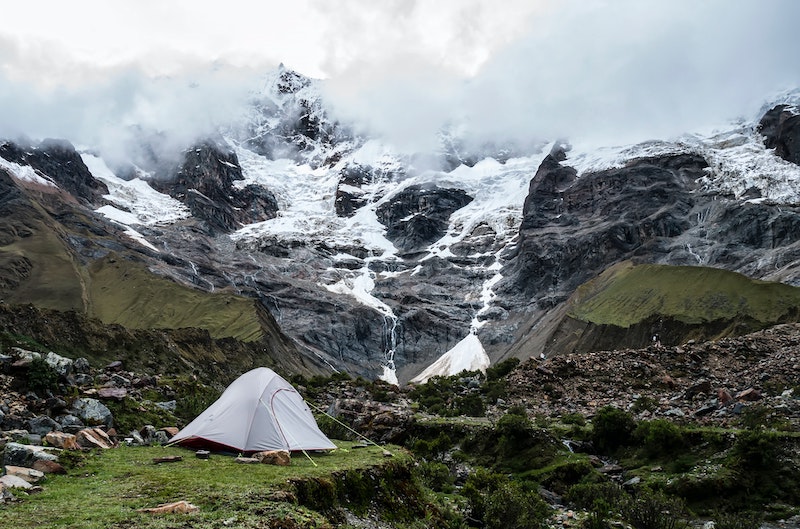
The Salkantay Trek to Machu Picchu in Peru is a fantastic trek across the Cordillera Vilcabamba towards Machu Picchu, the Inca citadel. It provides travelers with the ideal opportunity to see many of Peru’s unique scenery.
You’ll see a variety of habitats, including mountains, beautiful valleys, streams, and the tropical rainforest. Here are some tips to make your journey efficient and less tiresome.
It’s all about the right timing:
The best time to hike the Salkantay Trek is from March to October when the weather is calm. This indicates that it will be hotter at night and clearer all through the day. Traveling during the summer months, especially from June to August, means crowds.
However, this is a minor price to be paid since you will not want to hike during the monsoon season. We recommend doing this trip in the spare seasons of March to May or September to October.
If you plan to hike the Salkantay Trek alone and stay in homestays, there will be fewer people, making it much easier to stroll up and locate a room to live in.
Be prepared for altitude sickness:
It is necessary to stay in Cusco a few nights before embarking on the Trek. Three or four days prior to the hike should suffice.
Note that Cusco is 3,399 meters above sea level. If you aren’t accustomed to it, you may get headaches, nausea, reduced appetite, sleep disturbances, or breathlessness.
Carry a power bank:
We strongly advise you to bring a rechargeable battery with you. Some of the campsites along the path provide charging stations with a little hourly fee because the power is photovoltaically produced by the residents, but others do not.
However, bringing a rechargeable battery with you on the path to recharge your electrical gadgets, particularly your cameras, is strongly suggested.
Insurance is necessary:
Because the Salkantay Trek to Machu Picchu exposes you to altitudes of up to 4,650 meters, insurance is both a need and a requirement. You may be well-trained and in peak physical condition, but the illness can hurt your health.
An evacuation plan may be necessary at times, so be certain you have adequate insurance. However, some ordinary insurance plans do not cover altitude sickness, so check your plan before leaving the house to ensure that it covers all of the relevant conditions.
The Money:
Because there are no ATMs along the trek till you reach Aguas Calientes, carry enough money to cover your lodging, meals, and celebratory beers all along the route.
At the very least, 400 soles for each passenger should be enough.
The Inca and Their Golden Treasures: Myth or Reality?
Imbued with an alluring blend of historical mystery and opulent legends, the Inca Empire often incites images of shimmering golden artifacts, grand temples adorned with treasures, and advanced civilizations with complex social systems. Yet, to what extent do these visions of affluence coincide with reality, and to what degree are they forged from centuries of mythmaking?
In this exploration, we’ll voyage back in time to the zenith of the Inca Empire, an era of monumental architectural feats and intricate craftsmanship. We’ll sift through the annals of history, archaeology, and anthropology to discern fact from fiction, while also delving into the tales passed down through generations, that have built a mystic aura around the Inca civilization.
Sublime splendor: Understanding the Inca’s golden treasures
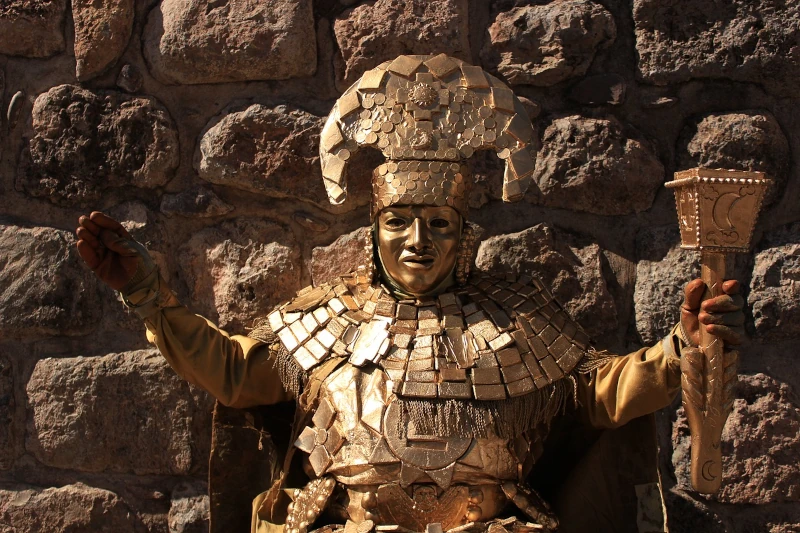
Gold, to the Inca, wasn’t a mere metal. It was the “sweat of the sun”, their revered deity, Inti. Machu Picchu, a testament to their architectural prowess, attests to their profound solar worship.
Nestled in the Sacred Valley, this citadel stands as a stone-hewn homage to the sun. The sheer volume of gold in these structures was astounding. Yet, the Inca viewed gold not as wealth, but as a sacred material.
Among their many golden edifices, the Coricancha temple in Cusco stood unrivaled. Its walls, once covered in solid gold sheets, glistened in the sunlight. However, gold wasn’t limited to grand architectural marvels.
The Inca’s metallurgical prowess was unquestionably ahead of its time. Their techniques allowed detailed, intricate designs, elevating the aesthetics of their everyday items.
Clothing and ornaments also bore the golden touch. Royals, warriors, and priests wore gold as symbols of stature and authority. Intricately crafted gold adornments exuded a sublime splendor.
Ceremonial items and religious figurines, too, were carved from gold. These sacred objects played central roles in their spiritual rites. Gold, in essence, was a divine conduit, linking them to their solar god.
Understanding the Incas’ relationship with gold requires a shift in perspective. Gold, to them, was more than a precious resource. It was a sacred medium, embodying their deep reverence for the divine. By appreciating this perspective, we begin to see beyond the mythical aura of Inca’s golden treasures.
In search of El Dorado: The truth behind the myth
El Dorado, the “Lost City of Gold”, is one of history’s most enduring legends. Its tantalizing allure has captivated explorers and historians alike for centuries. Yet, its origins are far removed from the Inca.
The El Dorado myth originates from the Muisca people of modern-day Colombia. Their tradition of ritually submerging gold in Lake Guatavita fed the rumors of a golden city. Spanish conquistadors, enchanted by these tales, equated El Dorado with the mysteries of Inca sites.
These explorers, dazzled by Inca gold, transformed El Dorado into a symbol of Inca opulence. The narrative of the Inca’s vast golden treasures propelled the myth, inciting countless fruitless expeditions. Each attempt further embedded El Dorado into the annals of exploration and conquest.
Despite its disconnection from Inca culture, El Dorado remains intertwined with the Inca in popular imagination. This conflation reflects the potent allure of the Inca’s gold. It’s a testament to the enduring fascination with the wealth and sophistication of the Inca Empire.
The truth is, El Dorado’s reality was far from its legend. Rather than a city, it was a ceremonial act among the Muisca. The city of gold was a dream, stoked by the glimmer of Inca gold.
While the myth has been debunked, it continues to ignite the spirit of adventure. El Dorado serves as a metaphorical journey into the unknown, encapsulating humanity’s relentless pursuit of knowledge and wealth.
The allure of El Dorado, however misguided, underscores the global fascination with the Inca’s golden treasures. It demonstrates the power of myth and the lingering influence of the magnificent Inca civilization.
Reassessing history: Unraveling fact from fiction
The legend of the Inca’s golden treasures has persisted through the centuries. However, the reality is more complex and nuanced. The Inca did possess significant amounts of gold, but its purpose extended beyond mere wealth.
Historically, gold was sacred to the Inca. Its use in everyday life and religious ceremonies was common. But the perception of vast golden treasures is partially a result of colonial narratives. Conquistadors, fascinated by the gold they encountered, painted a picture of immeasurable wealth.
While it’s undeniable that the Inca were skilled goldsmiths, many golden artifacts were lost to history. The conquistadors melted down countless pieces, forever erasing their cultural value. Thus, our modern understanding of the Inca’s golden treasures is, unfortunately, fractured.
The myth of their boundless golden treasures has largely overshadowed the Inca’s cultural achievements. They were builders, astronomers, and engineers, who constructed complex societies and incredible architectural feats. Their true treasure lies in these accomplishments, which still amaze us today.
Archaeologists continue to unearth evidence of the Inca’s sophisticated culture. Every new discovery adds to our knowledge, reshaping our perceptions of their golden treasures. These revelations invite a reassessment of history, separating fact from fiction.
While the golden treasures of the Inca may not match the myth, their true treasures are far more enduring. They lie in their rich cultural heritage, which continues to captivate and inspire us to this day.
To truly understand the Inca, one must experience their enduring legacy firsthand. Nothing compares to walking the ancient paths they once trod. Why not undertake the Lares Trek or the Inca Trail to Machu Picchu? Such a journey provides a tangible connection to their remarkable civilization.
The Inca Terraces of Tipon: Ancient Sustainable Farming
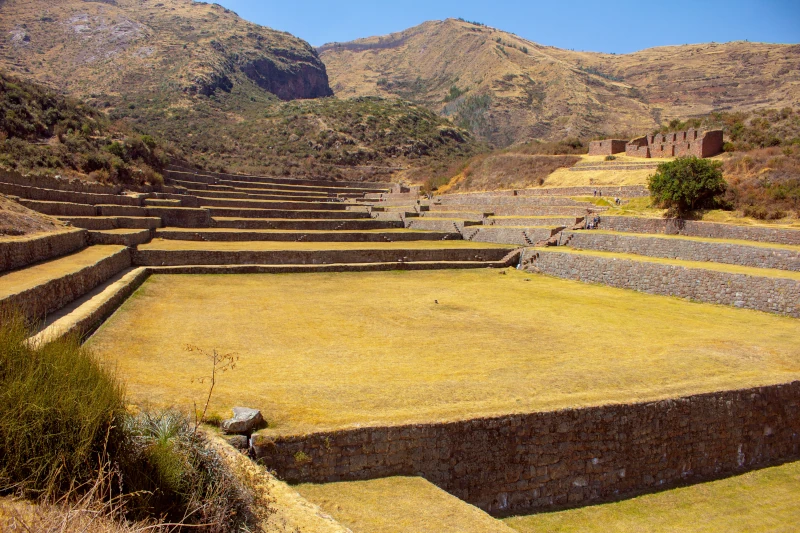
In the heart of the Peruvian Andes, the Inca terraces of Tipon stand as silent, verdant witnesses to history. These terraces, etched into the mountain slopes centuries ago, hold a secret. They echo the innovative, sustainable agricultural practices of the Inca civilization.
This relic from an era of advanced agronomy offers more than just a glimpse into the past. It serves as a compelling example of sustainable farming. In our contemporary world, grappling with climate change, such lessons hold profound significance. As we delve into this legacy, you’ll discover how these ancient terraces can still inspire modern farming methodologies.
In this article, we will explore the enduring relevance of the Inca terraces of Tipon. Also, we will learn how their design and functionality offer valuable insights for future farming. We invite you on this fascinating journey to understand, learn, and potentially implement the sustainable lessons the Incas left behind.
Understanding the design of the Inca terraces of Tipon
The Inca terraces of Tipon are a marvel nestled in the South Valley of Cusco. This sprawling ancient estate, once a royal retreat, extends across hectares of stepped terrain. The Inca architects masterfully designed each level of these terraces. This innovative construction enabled the Incas to cultivate crops on steep mountain slopes.
Tipon reveals the remarkable techniques used in Inca architecture. The Incas built each terrace level to optimize the use of both land and water. Also, the Inca architects carefully contoured the terraces to follow the natural slopes. This design ensured minimal soil erosion and maximum water retention.
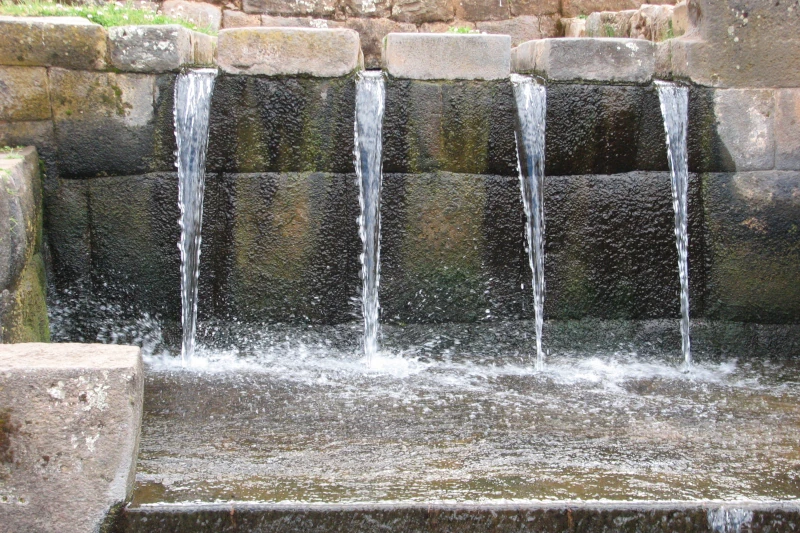
Each terrace level had a unique irrigation system. Inca engineers carved intricate channels to distribute water evenly. This irrigation was gravity-fed, originating from a spring at the top of the complex. This efficient system ensured consistent hydration for crops, even during dry periods.
The Inca terraces of Tipon, like the famed Machu Picchu, feature locally sourced materials. The Incas skillfully utilized the region’s natural rock and soil. This approach minimized environmental impact, a testament to their sustainable ethos.
The terraces also showcase the Inca’s understanding of microclimates. Inca farmers planted different crops at various terrace levels to exploit these microclimates. The higher terraces with cooler temperatures were perfect for potatoes, while lower, warmer levels were suitable for maize.
The Inca terraces of Tipon offer valuable lessons in sustainable engineering. By harmonizing with nature, the Incas created a sustainable and productive agricultural system. Their methods continue to inspire contemporary sustainable farming practices. Understanding the design of these terraces gives us vital insights into our past and future agricultural potential.
Sustainable ingenuity: The Inca approach to agriculture
The Inca Empire, at its zenith, was a cornucopia of ecological richness. It spanned across diverse geographical terrains, from arid coastal regions to high Andean mountains. The challenges of such varied landscapes called for agricultural ingenuity. The Inca terraces of Tipon stand as a testament to their innovative solutions.
The Incas intricately connected their lands through a sustainable approach to agriculture. Thus, the Inca civilization achieved this goal through terracing, crop rotation, and the use of natural fertilizers. The Inca terraces of Tipon are a prime example of this approach. The terraces not only combatted soil erosion but also created microclimates conducive to diverse crop cultivation.
The Incas’ farming techniques showcased a profound respect for the environment. They understood the importance of conserving water, a precious resource in the Andean highlands. The designers of Tipon maximized water retention and minimized wastage by designing the terraces.
Another aspect of the Inca’s sustainable ingenuity was the use of guano, seabird droppings, as a natural fertilizer. Thus, the Incas transported guano from coastal regions to fertilize the terraces. This maintained soil fertility without damaging the environment.
To mitigate pests and diseases, the Incas practiced crop rotation. This method prevented the depletion of soil nutrients and reduced pest populations. The Incas also domesticated a variety of crops, promoting biodiversity and food security.
In essence,farming like the Incas meant adopting a holistic and sustainable approach to agriculture. The Inca terraces of Tipon embody this sustainable philosophy. They offer a model for adapting agriculture to local environments and climate conditions.
Exploring the practices at the Inca terraces of Tipon, we can draw valuable lessons for our modern world. Emulating these techniques could be crucial for addressing current agricultural and environmental challenges.
Applying Inca agricultural techniques in modern farming
The lessons gleaned from the Inca terraces of Tipon offer valuable insights for today’s agriculture. Our world, battling climate change and increasing food demand, can benefit from Inca sustainable farming practices.
Terracing, as practiced in the Inca terraces of Tipon, is a viable solution for modern farmers. This technique can help transform unproductive slopes into fertile farmlands. It aids in combating soil erosion and enhances water conservation, especially in hilly or mountainous regions.
Next, we can embrace the Inca practice of utilizing local materials for construction. This reduces the carbon footprint associated with transporting materials from afar. Plus, it helps to maintain the harmony of the local ecosystem.
Crop rotation, another Inca technique, continues to be a sustainable farming method. It helps maintain soil fertility, reduce pests, and promote biodiversity. In the modern context, this can also help combat the challenges of mono-cropping.
The Incas’ innovative irrigation systems provide inspiration for efficient water management. Today, as water scarcity becomes a global concern, we need to adopt such effective strategies. Efficient water distribution can ensure the sustenance of agriculture, even in arid regions.
Lastly, the Incas’ use of natural fertilizers is an eco-friendly alternative to synthetic ones. It reduces the harmful environmental impact while keeping the soil nutrient-rich.
A visit to the Inca terraces of Tipon can offer a firsthand understanding of the Inca legacy. Additionally, consider taking the Lares Trek to Machu Picchu or the 4 Day Inca Trail to Machu Picchu. Immerse yourself in the rich history of the Andean region.
What is the Lares Trek: Tips for First-Time Trekkers
The Lares Trek is an exciting adventure in Peru. It offers a path less traveled to Machu Picchu. Rich in cultural encounters, it’s a hiker’s dream. Discover what is the Lares Trek
For first-time trekkers, preparation is key. This trek presents unique challenges and rewards. We’ll share essential tips to ensure a memorable journey.
Understanding the route’s difficulty is crucial. Altitude can affect even the fittest adventurers. Acclimatization days are a must before starting.
Packing light but smart is another vital tip. Essential gear includes quality hiking boots and layers. Don’t forget a water purification method.
Lastly, respecting local communities is paramount. The trek passes through indigenous lands. Engage with locals respectfully to enrich your experience.
Essential Preparation and Gear for the Lares Trek
Embarking on the Lares Trek to Machu Picchu is an adventure that takes you beyond the ordinary. It’s a journey that tests your endurance and rewards you with unparalleled beauty. To fully enjoy this experience, thorough preparation is indispensable.
Understanding the Lares Trek
The Lares Trek weaves through the heart of the Urubamba Mountain Ranges. It is a trek less trodden, offering a unique glimpse into remote Andean life. Traversing this path, trekkers connect deeply with nature and local cultures.
Unlike the more crowded Inca Trail, the Lares Trek offers solitude and authenticity. It passes through local villages where you can meet local families. These encounters add a rich cultural dimension to your hike.
The trek’s high altitude demands respect and preparation. Altitude sickness can affect anyone, regardless of fitness levels. Acclimating for at least two days in a small town like Cusco is advisable.
Gear Essentials for the Trek
Choosing the right gear can make or break your Lares Trek experience. The cornerstone of your gear list is a sturdy pair of hiking boots. They should be well-broken-in to prevent blisters.
A high-quality sleeping bag is next on the list. Nighttime temperatures can plummet, even during the dry season. Ensure your sleeping bag is rated for low temperatures.
Layering is a strategy you’ll want to employ. The weather can change rapidly in the mountains. Pack lightweight, breathable layers that you can add or remove as needed.
Packing Smart for Varied Conditions
The Lares Trek to Machu Picchu exposes you to a range of climates. Waterproof clothing is a must to stay dry during unexpected showers. A rain jacket and pants are non-negotiable items.
Sun protection is equally crucial. High altitude means stronger UV rays. Bring sunscreen, sunglasses, and a hat for protection.
A reliable backpack is your primary carry-all. It should be comfortable, with enough space for your essentials. Choose one with a rain cover for added protection.
Preparation Beyond Gear
Physical preparation cannot be overlooked. Start training months in advance. Include cardio, strength training, and hikes with elevation gain in your regimen.
Nutrition and hydration play pivotal roles. Pack high-energy snacks and a water filtration system. Clean water is essential, and sources along the trek may be limited.
Lastly, familiarize yourself with the route. Understanding what to expect each day helps manage your energy. It ensures you’re mentally prepared for the challenge ahead.
Navigating the Trek: Tips for Success
The Lares Trek is more than a physical journey. It’s an opportunity to immerse yourself in Andean culture. Respect for local customs and traditions enriches the experience.
Taking a guided day tour can enhance your understanding of the area. Guides offer invaluable insights into local history and ecosystems. They also ensure you don’t miss hidden gems off the beaten path.
Finally, document your journey. Photographs are wonderful, but consider journaling as well. It captures the emotions and reflections that photos cannot convey.
Ready for the Adventure
What is the Lares Trek if not a gateway to discovering the rich tapestry of the Andes? It challenges you, surprises you, and leaves you with memories that last a lifetime. With the right preparation and mindset, the Lares Trek to Machu Picchu becomes more than a hike. Is a profound journey of discovery.
Whether you seek solitude, cultural immersion, or the thrill of exploring the Urubamba Mountain Ranges, this trek offers it all. Remember, it’s not just about reaching the destination. It’s about embracing each moment, from the preparation to the final steps into the lost city of Machu Picchu.
As you lace up your boots, pack your bag, and set out on this adventure, carry with you an open heart. The Lares Trek is an invitation to step off the beaten path and into the heart of the Andes. It’s a chance to connect with the earth, the sky, and the spirit of the Inca people who walked these paths before you.
So, what is the Lares Trek but an adventure of a lifetime, waiting for you to take the first step.
Navigating the Cultural and Physical Landscape: A Beginner’s Guide
Embarking on the Lares Trek is a journey that transports you to the heart of the Andean Mountain landscape and its rich cultural tapestry. This path, less traversed than the famed Inca Trail to Machu Picchu, offers a more intimate glimpse into the lives of indigenous communities. As you hike the Lares Trek, you step into a world where each turn reveals new wonders, from breathtaking vistas to the warmth of local hospitality.
Treading with Respect and Openness
The Lares Trek is not just a physical challenge; it’s a cultural immersion. Trekkers must approach with respect for traditions and an openness to learn. Engaging with local families offers a window into a way of life that has remained unchanged for centuries.
Carrying gifts like school supplies for children can be a thoughtful gesture. However, always interact through the guidance of your guide to respect local customs. These exchanges foster a deeper connection between visitors and the communities they pass through.
Photography is a fantastic way to capture memories, but always ask permission before taking photos of people. This respect for personal space and dignity is paramount. It builds trust and mutual respect, enriching your experience and theirs.
Understanding the Physical Demands
The Lares Trek presents unique physical challenges, given its high altitude and rugged terrain. The highest point can test even seasoned hikers, making acclimatization a critical part of your preparation. Spend a few days in Cusco or another high-altitude area to adjust your body.
The trek varies in difficulty, but daily hikes can last several hours. A moderate level of fitness will enhance your enjoyment and endurance. Prepare by incorporating long walks or hikes into your pre-trip routine.
Weather conditions in the Lares Valley can change quickly. Dress in layers and prepare for both sun and rain. This flexibility will keep you comfortable and ready for whatever the day brings.
Cultural Insights Along the Journey
The Lares Trek weaves through landscapes that are as culturally rich as they are stunning. You’ll encounter communities where weaving and farming are lifelines. These interactions are a highlight, offering insight into the enduring legacy of Andean traditions.
Part of what is the Lares Trek is its ability to connect hikers with the history of the area. You’ll see ruins and terraces that tell stories of pre-Columbian times. These sites are sacred, and treating them with respect is essential.
The trek is also a chance to sample traditional Andean cuisine. Meals prepared by local cooks often feature native crops like quinoa and potatoes. Embrace these culinary experiences as a way to further immerse yourself in the local culture.
Journeying Towards Machu Picchu
The ultimate goal for many on the Lares Trek is the visit to Machu Picchu. This lost city of the Incas is a marvel of ancient engineering and spiritual significance. The trek does not lead directly to its gates, but it prepares the spirit for the wonder to come.
After completing the trek, most itineraries include a train ride from Ollantaytambo to Aguas Calientes. This journey is a transition from the rugged trails to the anticipation of exploring Machu Picchu. Rest in Aguas Calientes before your final ascent to the ancient city.
The day Lares Trek culminates in a visit to Machu Picchu early in the morning. This timing allows for fewer crowds and a serene experience. Witnessing the sunrise over the citadel is an unforgettable moment, symbolizing the completion of your journey.
Embracing the Lares Trek Experience
What is the Lares Trek but a pathway to discovery, both of the self and of a culture that has persisted through centuries? Each step on this journey offers lessons in endurance, compassion, and the importance of preserving traditions. It is an invitation to slow down and observe, to listen and learn.
The trek challenges you to leave behind the familiar and embrace the unknown. It asks you to respect the natural environment and the communities that call it home. In return, it offers vistas of unparalleled beauty and moments of profound connection.
Finally, what is the Lares Trek? It’s a testament to the power of walking the earth with intention. It’s a reminder that the most significant journeys often take us not just across land but deeper into the heart of what it means to be human.
As you prepare to hike the Lares Trek, carry with you a sense of adventure. Also a commitment to respect, and a readiness to be transformed by the journey.
The Lares Trek Experience: Off the Beaten Path
Escape the usual tourist trails with the Lares Trek experience. This journey offers a unique blend of adventure and culture. Traverse remote paths surrounded by stunning Andean scenery.
The Lares Trek is less crowded than its famous counterparts. It provides an authentic glimpse into traditional Peruvian life. You’ll meet locals and experience their daily routines firsthand.
Each day on the trek presents new landscapes and challenges. From lush green valleys to snow-capped peaks, the views are breathtaking. It’s a hiker’s paradise that caters to nature lovers.
The Lares trek to Machu Picchu is perfect for those seeking solitude and a deep connection with nature. It combines physical activity with cultural immersion. Discover the hidden gems of the Peruvian Andes with us.
Exploring the Heart of the Andes: What to Expect on the Lares Trek
The Lares Trek experience offers a path less traveled through the heart of the Andes. It’s an exciting hike that showcases the raw beauty of the Lares Valley. As you prepare, expect to witness some of the most breathtaking views.
This journey differs significantly from the more frequented routes like the Salkantay Trek or the trek to Machu Picchu. The Lares Trek weaves through small, highland communities, providing a glimpse into age-old traditions. It allows for a deeper cultural immersion than the typical tourist paths.
You’ll need to prepare well for this adventure, as the trek presents physical challenges. Our tour guide will lead you through diverse terrains, reaching the highest point at over 4,600 meters. A reliable pair of hiking boots and a sturdy aid kit are essential.
Preparing for the Journey
Before you set foot on the trail, we offer a detailed briefing before you travel. We will outline the Lares trek budget, including the costs for camping equipment and meals. Please note, any extra cost for personal porters or upgraded meals are up to the traveler.
We discuss the itinerary specifics, particularly the sections linking the Lares trek to Machu Picchu. Some options include a train ticket from Ollantaytambo to Aguas Calientes, which adds an exciting element to the adventure. This connection makes it possible to combine the solitude of Lares with the wonder of visiting Machu Picchu.
Having travel insurance for this journey is advisable. The remote nature of the trek and the physical demands involved make it a necessary precaution. Make sure your policy covers high altitude trekking and emergency evacuation.
Navigating Through Nature
The Lares Valley trek unfolds in a series of stunning landscapes. Each day greets you with valleys draped in vibrant flora and framed by snow-dusted peaks. The sound of rushing streams accompanies your steps, enhancing the trek’s tranquility.
Wildlife sightings add a thrilling layer to the Lares Trek experience. Keep your eyes peeled for Andean foxes and the majestic condors soaring overhead. These moments remind trekkers of the wildness that defines the Lares Valley.
The weather can change swiftly, and being ready is key. Layers are essential, as temperatures can vary dramatically between day and night. Your guide will help monitor conditions to ensure the group’s safety.
Cultural Interactions
One of the most enriching aspects of the Lares trek Peru offers is the cultural interaction. You’ll encounter local weavers and farmers, observing their daily lives unchanged by modern haste. These interactions are respectful exchanges, highlighting the importance of sustainable travel.
In each village, children often greet hikers with curious smiles, offering a chance to learn a few words in Quechua. It’s these human connections that many trekkers find most memorable. Bringing school supplies to gift to village kids can be a thoughtful gesture.
The meals on the trail are another avenue of cultural immersion. They often feature local ingredients and traditional cooking methods. Sampling a freshly prepared quinoa soup can be as comforting as it is culturally enlightening.
What to Bring and How to Book
Selecting a reputable tour operator for the Lares trek, like Happy Gringo, is essential. They should offer comprehensive packages that include guides knowledgeable about both the terrain and local customs. Ensure they provide quality camping equipment and adhere to ethical trekking practices.
Packing for the trek should focus on versatility and necessity. Include thermal layers, rain gear, and a good sleeping bag for the cold nights. Don’t forget a camera to capture the sweeping vistas and vibrant village life.
Booking your trek in advance is recommendable, especially during peak seasons. Hotels in Cusco can fill up quickly, so secure your accommodation early. Planning ahead helps in creating a smoother and more enjoyable experience.
The Lares Trek is an unforgettable adventure that combines natural beauty with cultural richness. It offers more than just a physical challenge; it’s a journey into the heart of Peruvian culture. As you trek through the stunning Lares Valley, the experience leaves you with not only photos but profound respect and admiration for this beautiful region.
Cultural Encounters: Meeting the Local Communities Along the Lares Trail
The Lares Trek experience is as much about culture as it is about hiking. Traversing through the heart of the Andes, you meet indigenous communities. These interactions transform a simple hike into a profound cultural exchange.
As you embark on the Lares Valley Trek, you step into a world where traditional lifestyles remain untouched by modernity. The local Quechua-speaking communities welcome travelers warmly. They share insights into their daily lives, from farming techniques to ancient weaving.
These encounters offer a unique perspective on the sustainability and challenges of mountain life. Villagers often demonstrate their skills in textiles, using methods passed down through generations. This provides a tangible connection to their rich heritage and customs.
Understanding the Local Way of Life
The Lares Trek Peru is not just a journey through landscapes but through history and tradition. In each village along the route, different stories and customs unfold. You learn about the medicinal uses of native plants and the importance of alpacas and llamas to their economy.
Children in these communities are often eager to interact with visitors, sharing smiles and laughter. They sometimes guide you through their villages, proudly pointing out places of interest. This interaction is a heartwarming reminder of the universality of curiosity and friendship.
It’s important to approach these interactions with respect and sensitivity. Trekkers are guests in these remote homelands. A respectful engagement enriches the experience for both visitors and hosts.
Participating in Traditional Practices
Many tours offer the chance to participate in daily activities with the locals. You might find yourself helping to plant potatoes or learning to spin wool. These hands-on experiences are highlights of the Lares Trek experience.
During community visits, you might also witness traditional Andean ceremonies. These can include offerings to Pachamama (Mother Earth), a sacred practice. Such ceremonies provide deep insights into the spiritual beliefs that guide these communities.
At night, the hospitality often extends to traditional meals and storytelling. Sharing a meal is a universal gesture of welcome. It allows for a deeper understanding of local diets and culinary techniques.
Crafting Memories with Every Step
Craftsmanship in these highland communities is not only beautiful but also imbued with cultural significance. Weavers explain the meanings behind their intricate patterns. Each design tells a part of their history and beliefs.
Purchasing handmade crafts directly from the artisans is a great way to support the local economy. These transactions should be fair and respectful. Remember, these crafts are not mere souvenirs but stories woven into fabric.
Photography is another way to capture memories, but always ask for permission before taking photos of people, especially children. Most locals are happy to pose, especially if you show genuine interest in their craft and culture.
Travel Preparations and Recommendations
To fully enjoy the Lares Trek experience, it’s crucial to be well-prepared. This means understanding the Lares trek budget and what it includes. Your preparations should cover not only travel expenses but also contributions to the communities you’ll visit.
Ensure that your physical preparation for the hike matches its demands. The Lares Valley Trek can be demanding, with significant altitude changes. Physical fitness will help you engage more fully with the community activities without strain.
Choosing the right tour operator is critical. They should respect the local culture and contribute positively to the community. Responsible operators ensure that interactions are ethical and beneficial for both trekkers and locals.
A Journey of Cultural Richness
The Lares Trek offers more than just a physical challenge. It is a gateway to understanding the heart and soul of the Andes. Meeting the local communities along the Lares trail adds immeasurable value to the trekking experience.
By the end of your days’ tour, you will carry home not only photographs but also stories and friendships. These encounters remind us of the power of travel to bridge cultures and change perspectives. The Lares Trek experience is indeed a profound journey through the beauty of human connection.
Preparing for Your Journey: Essential Tips for Tackling the Lares Trek
Planning your Lares Trek experience requires more than just enthusiasm for adventure. Proper preparation ensures a memorable and safe trek through the Lares Valley. This guide will help you understand what to pack and expect on this challenging hike.
Firstly, assessing your physical readiness is crucial. The Lares Trek involves rigorous hiking at high altitudes. Start training months in advance with cardio, strength training, and plenty of hiking.
Choosing the right gear is essential for this adventure. Invest in high-quality hiking boots, a durable backpack, and layered clothing. These items will handle the diverse climates you’ll encounter on the Lares Valley Trek.
Optimizing Your Lares Trek Budget
Budgeting for the Lares Trek Peru involves several key considerations. Travel expenses, gear, and guide services all contribute to the overall cost. Plan your finances well to avoid unexpected expenses.
Many trekkers opt to hire local guides through a tour operator. This not only supports the local economy but also enhances safety. Ensure your chosen operator is reputable and offers comprehensive service.
Remember to include a contingency fund in your budget. This covers unexpected costs like medical emergencies or gear replacement. It’s better to be over-prepared when it comes to finances.
Packing Essentials for the Trek
When packing for the Lares Trek, every item should serve a purpose. Your backpack should include a first aid kit, water purification tablets, and energy snacks. These essentials maintain your health and energy levels throughout the hike.
Weather in the Lares Valley can be unpredictable. Pack waterproof clothing and a warm sleeping bag. These items protect you from the elements, ensuring comfort and safety.
Don’t forget to bring sunscreen, sunglasses, and a hat. The sun at high altitudes can be particularly harsh. Proper sun protection is vital to prevent burns and heatstroke.
Cultural Considerations and Etiquette
Understanding local customs and etiquette is paramount for the Lares Trek experience. Showing respect to the communities you visit enriches your journey. It fosters mutual respect and a welcoming atmosphere.
Learn basic Quechua greetings as a sign of respect. This effort is appreciated and often reciprocated with genuine hospitality. Engaging respectfully with locals enhances your experience significantly.
Be mindful of environmental and cultural impacts. Stick to marked trails and camp in designated areas. Responsible behavior ensures the preservation of the area for future visitors.
Navigating the Route
Navigating the Lares Trek requires careful planning and awareness. Familiarize yourself with the route before you begin. Understanding key landmarks and campsite locations is crucial.
Your tour guide plays a vital role in your navigation. They provide valuable insights and historical context, making the trek educational. Trust their expertise and follow their lead to maximize your experience.
Always carry a map and a compass as backups. Even with a guide, these tools are essential for safety. They help you stay on course and provide independence if needed.
Ready for the Adventure
With the right preparation, the hiking the Lares Trek experience can be incredibly rewarding. It offers breathtaking scenery, cultural immersion, and the challenge of high-altitude hiking. By preparing adequately, you ensure a fulfilling and enjoyable journey.
Ensure you have adjusted your Lares Trek budget, packed wisely, and understood the cultural context. These steps are crucial for a successful trek. The Lares Valley awaits with its untamed beauty and rich cultural tapestry, ready to offer an unforgettable adventure.