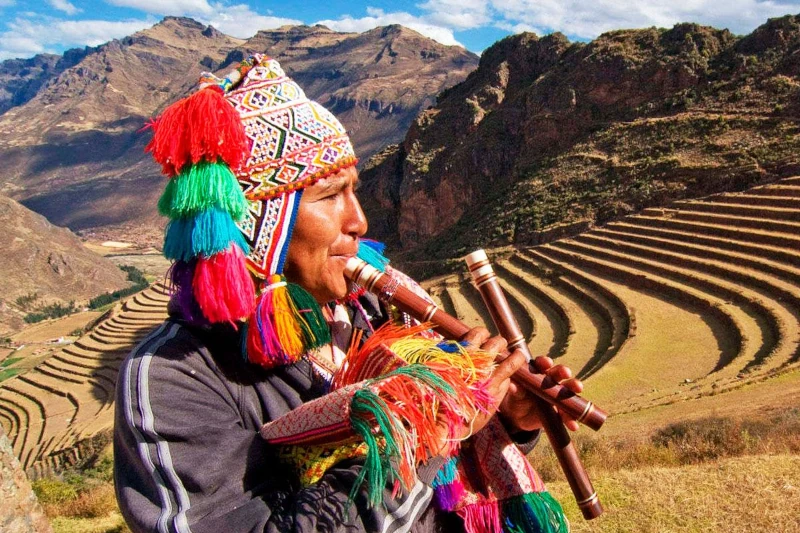
Sacred Valley Peru is amazing place, located in south america exactly in the present-day Peruvian region of Cusco. The sacred valley is surrounded by impressive mountains, Urubamba valley is in the middle of the Andes and the sacred river Willka Mayu in Quechua is feeded by the glaciers and growing drop by drop to make one of the important rivers that form the largest amazon river (The Amazon River in South America is the largest river by discharge volume of water in the world, and either the longest or second longest) which is joining into atlantic ocean. (Visit the sacred valley itinerary )
When you are going to visit Machu Picchu, you must explore the spectacular sacred valley tour. There are in a group service or make sacred valley private day tour to experience; almost all interesting and historical spots of Cusco.
The scenic and historical Sacred Valley is a major tourist destination.
In 2017, 1.9 million tourist – 900,000 from Peru, are estimated to have visited Machu Picchu, its most famous archaeological site. Many of the same people also visited other archaeological sites and modern towns in the Sacred Valley.
Sacred Valley Tour of the Inca kings
This traditional sacred valley day trip is carry out every day. Therefore, there are as well important days to experience the sacred valley. The days are tuesdays, thursdays and sundays. Why? Because are days of fair and you see native people still practicing the customs of their ancestors, the famous Trading System or reciprocity system. This system was used when the Inca people did not know money back in the 16th century.
Why Sacred Valley Cusco?
Many tourists once they arrive to Cusco, ask themselves about sacred valley peru tour. Of course, sacred valley tour peru has its 3 important answers to understand better about it:
✔ The soil is very fertile, the reason why grows the biggest and best corn in the Urubamba valley (According Nat-Geo) is because the topsoil is so fertile.
► Its weather is impressive along the whole year, pisac sacred valley has special microclimates to produce more than 50 types of maize, more than 15 species of quinoa, produce different species of avocado and there grow delicious native fruits.
✔ The sacred river made famous sacred valley of the Inca kings, thanks to geologists we have the information that the river still making deeper the valley. The example you can get to see is when you follow by train the sacred valley to Machu Picchu. There is clear to see the valley is getting shorter further down of Machu Picchu pueblo.
How High is Cusco and Sacred Valley of the Incas?
When you travel from cusco to sacred valley, you can notice the difference of altitudes.
→ Cusco city is at an altitude of 3400 m – 11,114 ft.
► Sacred valley is at an altitude of 2900 m – 9514 ft.
→ Machu Picchu altitude is at 2400 m – 7874 ft.
Well, you can notice the exact altitude number of places when you have to visit one of the new seven wonder of the world. There is a huge difference. No worries i leave you here some tips about Machu Picchu altitude sickness so that you will come to peru prepared.
What sacred valley ruins you visit?
In sacred valley 1 day tour you have the chance to appreciate the most spectacular sacred valley ruins. Such as Pisac (Andean market and the biggest cemetery of south america, archaeological part), lunch in Urubamba valley, Ollantaytambo the Inca town and Chinchero as known “the city of the rainbow”. The tour finishes in the center of Cusco around 18:30.
Another option to visit Machu Picchu Peru: you may take sacred valley tour from cusco and connect since Ollantaytambo station by train to Machu Picchu pueblo so that you spend a night in Aguas Calientes and you wake up with sunrise in Machu Picchu.
Visiting the Amazing Lake Humantay – Cusco Humantay Lake
Peru has a rich culture and natural beauty. Known for many breath-taking scenes and destinations, Lake Humantay is a paradise, of course. It is just a few hours drive from Cusco. Cusco Humantay Lake is a popular full day tour, just as Rainbow Mountain, Sacred Valley and Machu Picchu.
What is Cusco Humantay Lake?
Lake Humantay is a beautiful highland lagoon in the Peruvian Andes Mountain Range. It is extremely appealing for anyone and everyone.
The lake nestles just below Humantay Mountain at 5473 meters above sea level (17956 feet). The bright blue waters of the lake have been loved by the visitors as if it is very satisfactory to the eyes. There is a ridge near Lake Humantay. You can ascend to the ridge and get the opportunity to see the panoramic view of the area.
What is Extraordinary about Humantay Lake?
Cusco Humantay Lake is situated at the foot of the snow-covered mountain that bears a similar name. Melting glaciers of the mountain feeds the lake. You can admire the view and click beautiful panoramas. The picturesque view is probably the most outstanding thing about this place. It is so gorgeous that you won’t feel like leaving the place.
You can see tourists hiking, exploring, swimming, paddle boarding and mountain biking. The white mountain peaks, lush green landscapes, and azure blue water make Lake Humantay truly incredible and truly breathtaking.
Precautions while Climbing the Cusco Humantay Lake
Do not underestimate the height of the mountains as sickness, nausea, and headache are some of the common problems that people encounter at these elevations. Be prepared to battle these or train yourself to increase physical strength. Consider chewing coca leaves as it helps in acclimatising.
When to Visit Lake Humantay?
Lake Humantay can be toured during the months between May to September. The weather is apt with dry months. Check out our exclusive post on the best time to visit Lake Humantay.
How Difficult is Lake Humantay Trek?
Trekking the eye-catching Cusco Humantay Lake is not very difficult. A person who routinely does some sport or physical exercise can complete the trek easily. When talked about its difficulty levels, it is moderately difficult. You will get steep hills on the way.
The full day hike is a high altitude experience. It is highly recommended that you spend a few days in Cusco City before visiting the lake to avoid altitude sickness.
Final Words
Lake Humantay is a hidden gem. You need to hike for about 1.5 hours from the trailhead in Soraypampa to reach this lake. The best option to visit the lake is by signing up for a full day tripwith a local tour operator in Cusco. There are also private tours and small group tours.
Alternatively, if you are hiking the Salkantay trek to Machu Picchu you can seize the opportunity to visit the lake on the first day of the trek. The campsites are closer to the lake.
Salkantay Trek to Machu Picchu
Salkantay Trek to Machu Picchu
The Salkantay trek to Machu Picchu is the most popular option trek Machu Picchu. For a valid reason: it gives trekkers immensely diversified trekking. Also, is reasonably easy to access from Cusco. There are no permission restrictions, unlike the Classic Inca Trail.
Certainly, the Salkantay trek can be done without the assistance of a guide or tour company.The path passes through breathtaking scenery, including lowlands rainforest, high alpine landscapes, and glacier peaks.
A 5-day Salkantay trek to Machu Picchu is among the most gratifying experience you’ll have ever, but it’s not without its challenges. You trek lengthy days with some tough downhill parts, reaching elevations of 4600m.
National Geographic ranked the Salkantay journey the Top Alternatives Treks to Machu Picchu because it is less congested than the Inca Trail.
How can you be ready for the Salkantay trip at such a high altitude?
While it is necessary to be physically healthy and capable of walking at least 20 kilometers at lower altitudes, preparing for elevated trekking is difficult.
This is because you can’t foresee how your system will react to these situations, and it has nothing to do with how active, youthful, or strong you are. Even the healthiest individuals might succumb to the effects of altitude sickness.
Therefore,the ideal way to prepare for the Salkantay journey is to be in Cusco at least 2 days before the start of the climb. This is for your body to adapt to high altitude. Get lots of rest, and drink plenty of water to improve your health and acclimatize.
When to travel?
Although the Inca trail, requires reservations at least 6 months ahead of time, the Salkantay journey may be planned with far less advance. This is because permissions are not necessary to trek along this path; rather, you must have a pass to Machu Picchu.
However, if you intend on going from May to September, you’ll have to schedule this journey at minimum a few weeks ahead of time. This is peak season. It is often challenging to obtain Machu Picchu permits for your days.
The Salkantay trip may be done at any time of year, but for the greatest weather (and to catch those famous vistas of Machu Picchu on the last day), skip the annual rainfall, that runs from November to February.
What is the cost?
The price of the hike varies based on whose organization you travel with. The five-day – four-night package costs approximately USD 650 per participant, with a wide majority size of 16 individuals.
Qhapaq Ñan, Andean Road System
The Qhapaq Ñan, or Great Inca Road, is an extensive network of roads that spans across the Andean region of South America. This ancient road system is considered one of the greatest engineering feats in human history. Its construction is a testament to the ingenuity and determination of the Inca civilization.
Historical importance of the Qhapaq Ñan
The Qhapaq Ñan stretches over 18,641 miles (30,000 kilometers) through six modern-day countries: Colombia, Ecuador, Peru, Bolivia, Chile, and Argentina. The roads were built over a period of several centuries, beginning in the 15th century. Also, the Qhapaq Ñan was used for various purposes, including trade, administration, and military campaigns.
The road system was constructed using a combination of techniques, including terracing, bridging, and paving. The terracing technique involved cutting into the steep hillsides and creating flat surfaces for the road. This helped to prevent erosion and maintain stability. Additionally, the bridging technique involved building stone bridges across rivers and gorges. On the other hand, the paving technique involved laying stones or bricks to create a smooth surface for travel.
The Qhapaq Ñan was also equipped with a series of rest houses. These houses were known as tambos, which provided shelter, food, and water for travelers. Also, these rest houses were strategically located every 20-30 kilometers along the road, allowing travelers to rest and replenish their supplies.
The road system was primarily used by the Inca Empire to facilitate communication between different regions of the empire. Messages could be relayed quickly and efficiently using a system of runners known as chasquis. The chasquis would run along the road carrying messages and relay them to the next chasqui at a designated point along the route. Thus, this allowed the Inca Empire to maintain control over its vast territories. It also allowed them to respond quickly to any threats or emergencies.
Other uses of the Qhapaq Ñan
The Qhapaq Ñan was also used for trade, with goods such as textiles, metals, and foodstuffs transported along the road. Thus, the road system allowed the Inca Empire to maintain a complex system of economic exchange. During its height, goods were regularly exchanged between the different regions of the Inca empire.
In addition to its practical uses, the Qhapaq Ñan also played an important role in the religious and cultural life of the Inca civilization. The road system was lined with a series of sacred sites, known as huacas, which were believed to be inhabited by spirits. These sites were often marked with stone monuments which served as meeting places for religious ceremonies and other gatherings.
Despite its impressive construction, the Qhapaq Ñan was not invincible. The road system was vulnerable to natural disasters such as earthquakes, landslides, and floods. Thus, it required constant maintenance and repair. The arrival of the Spanish conquistadors in the 16th century also contributed to the decline of the road system. The conquerors often dismantled sections of the road for use in other construction projects.
Current state of this ancient Inca road network
Today, the Qhapaq Ñan is recognized as a UNESCO World Heritage Site. Numerous efforts are underway to preserve and protect the remaining sections of the road system. The Qhapaq Ñan represents an important part of Andean cultural heritage. Its legacy continues to inspire awe and admiration for the engineering prowess of the Inca civilization.
Preserving the Qhapaq Ñan is not only important for its historical and cultural significance but also for its potential to promote sustainable tourism in the region. The road system offers a unique opportunity for visitors to experience the Andean landscape and to learn about the culture and history of the region.
Efforts to preserve the Qhapaq Ñan involve a combination of conservation, research, and community engagement. Conservation efforts include the stabilization and restoration of the road system, as well as the protection of the surrounding ecosystems and cultural sites. Research efforts focus on understanding the construction and function of the road system, as well as its cultural and historical significance.
If you want to learn more about this ancient Inca road network, you can visit the Inca Trail to Machu Picchu. This trekking route is one of the best preserved sections of the Qhapaq Ñan.
What are some other “lost cities” like Machu Picchu?
In the heart of the Andean mountains, shrouded by the clouds and the mystique of ancient civilizations, lies the renowned Machu Picchu. Often referred to as the “Lost City of the Incas,” this UNESCO World Heritage Site has captured the imaginations of travelers, historians, and archaeologists alike. But Machu Picchu is just the tip of the iceberg when it comes to the extraordinary archaeological legacy of Peru. Delve deeper into the country’s rich tapestry of history, and you’ll discover a plethora of “lost cities” waiting to be explored.
In this article, we’ll journey through the enchanting landscapes of Peru, unearthing hidden gems and forgotten treasures that rival the splendor of Machu Picchu. So strap on your hiking boots and grab your sense of adventure, as we set off to reveal the secrets of Peru’s lesser-known archaeological wonders.
The enigmatic ruins of Choquequirao: Machu Picchu’s sister city
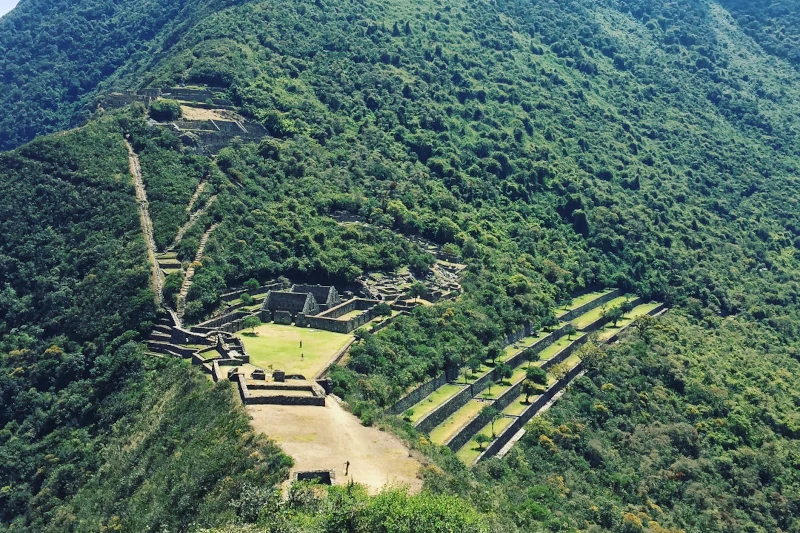
Nestled in the remote Vilcabamba mountain range, Choquequirao is one of Peru’s lesser-known lost cities. Often overshadowed by Machu Picchu, this enigmatic ruin deserves equal attention. Like Machu Picchu, Choquequirao was built by the Incas and showcases remarkable stonework.
Choquequirao, meaning “Cradle of Gold,” is believed to have been a ceremonial center. It also served as a refuge for the Incas during the Spanish invasion. Although rediscovered in the early 19th century, Choquequirao’s full extent is still being revealed. Recent excavations have shown that this lost city rivals Machu Picchu in size and complexity.
Visiting Choquequirao requires dedication and effort, as it is only accessible via a challenging hike. This trek usually takes four days, depending on your pace. The remote location and lack of infrastructure have kept Choquequirao off the beaten path. However, it is this very isolation that has preserved the site’s authenticity and allure.
Among the architectural highlights of Choquequirao are the terraced agricultural fields and intricate water canals. The ceremonial platform, with its enigmatic white stone llamas, is another must-see. The surrounding landscape offers breathtaking views of the Apurimac River and the snow-capped peaks of the Andes. It’s easy to see why the Incas chose this location for one of their lost cities.
In recent years, there has been a steady increase in tourism to Choquequirao. This has led to concerns about its preservation and the potential negative impacts of mass tourism. However, responsible travel practices can help protect and preserve this extraordinary site for future generations.
Choquequirao is an unforgettable destination for those seeking the thrill of exploring lost cities. As Machu Picchu’s sister city, it offers a unique and lesser-traveled window into the fascinating world of the Incas.
Kuelap: The fortress in the clouds and the Chachapoyas civilization
Located in the cloud forests of northern Peru, Kuelap is another of the country’s captivating lost cities. Constructed by the Chachapoyas civilization, Kuelap predates the Inca Empire by several centuries. This architectural marvel, often referred to as the “Machu Picchu of the north,” remains relatively undiscovered by the wider world.
The Chachapoyas, known as the “Warriors of the Clouds,” built Kuelap between 900 and 1100 AD. This impressive fortress, perched atop a steep mountain ridge, contains several circular structures. The massive walls, reaching up to 60 feet (18 meters) in height, protected the city from potential invaders.
Exploring Kuelap, visitors will be amazed by the intricate stone carvings and elaborate friezes. These stunning embellishments showcase the Chachapoyas’ artistic and engineering prowess. The city’s strategic location, with panoramic views of the Utcubamba Valley, adds to the site’s allure.
The Inca Empire eventually conquered the Chachapoyas in the 15th century. After the Spanish conquest, the Chachapoyas civilization vanished, and Kuelap was left abandoned. It wasn’t until the 19th century that explorers rediscovered this lost city, hidden beneath dense vegetation.
Today, accessing Kuelap has become easier, thanks to the addition of a cable car system. The journey to the site is a breathtaking experience, offering sweeping vistas of the surrounding landscape. Kuelap is also connected to the vast Inca road system, the Qhapaq Ñan.
Kuelap, like other lost cities, has experienced an uptick in tourism in recent years. This increased interest brings both opportunities and challenges. Responsible tourism is crucial to preserving Kuelap’s cultural and historical significance.
Overall, Kuelap is an extraordinary testament to the architectural and engineering feats of the Chachapoyas civilization. As one of Peru’s lost cities, it provides a fascinating glimpse into the country’s diverse and complex history, beyond the Inca Empire and Spanish conquest.
Caral: The ancient cradle of Andean civilization
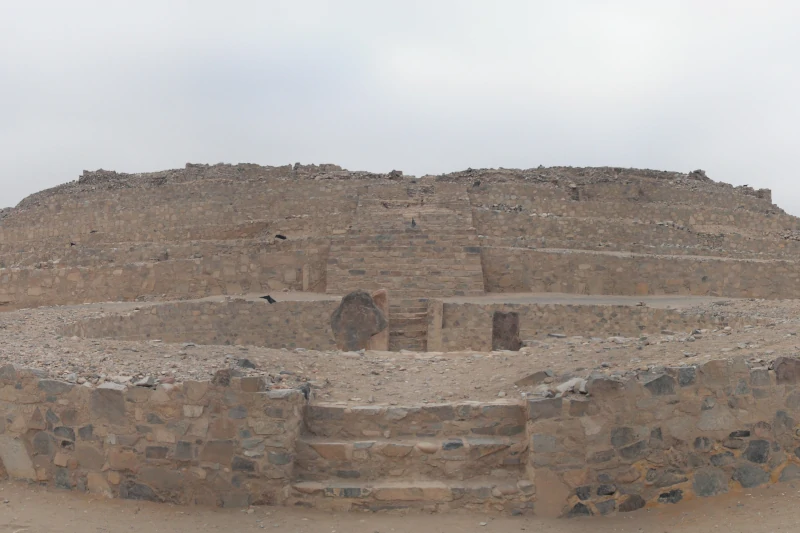
Caral, situated in the Supe Valley of central Peru, stands out among the country’s lost cities. As the oldest known city in the Americas, Caral dates back over 5,000 years. This ancient metropolis, once home to a sophisticated civilization, offers invaluable insights into the origins of Andean culture.
The Caral civilization developed independently of other early societies, such as Mesopotamia and Egypt. Its urban planning, monumental architecture, and complex social structure exemplify the ingenuity of the people. Caral’s impressive pyramids, sunken plazas, and intricate residential complexes reveal a highly developed society.
Archaeologists have been excavating Caral since the 1900s, uncovering a wealth of information about the civilization. Remarkably, the site shows no evidence of warfare or conflict. This peaceful society focused on agriculture, trade, and cultural development, setting it apart from other lost cities.
Visitors to Caral can explore the sprawling complex, encompassing over 150 acres. Highlights include the Great Pyramid, the Circular Plaza, and the Amphitheater. Caral’s ingenious irrigation systems and astronomical alignments demonstrate the civilization’s advanced knowledge of agriculture and astronomy.
As one of Peru’s lesser-known lost cities, Caral provides a unique opportunity to delve into the roots of Andean civilization. Its extraordinary age and exceptional preservation make it an essential stop for anyone interested in ancient history.
Before concluding your Peruvian adventure, consider exploring other fascinating sites. Vinicunca Rainbow Mountain, the Inca Trail to Machu Picchu, and Huayna Picchu each offer unforgettable experiences. With its diverse landscape and rich cultural heritage, Peru is a treasure trove of lost cities, ancient wonders, and breathtaking natural beauty.
The People of Cusco: Portraits and Interactions with Locals
Cusco, once the heart of the Inca Empire, is alive with a vibrant tapestry of cultures and traditions. Woven through this tapestry are the people of Cusco, whose welcoming smiles and warm hearts greet every visitor. This article offers a glimpse into their lives, as we explore through intimate portraits and memorable interactions.
The locals of Cusco are a rich blend of the ancient and the modern, interweaving tradition with the contemporary. They maintain the legacy of their ancestors, while also embracing the future. Their stories offer insights into their unique way of life, deepening our understanding of this fascinating city.
The faces of Cusco: Capturing the diversity and beauty of local portraits
The people of Cusco reveal a multitude of stories within their faces. A visit to San Pedro Market exposes the area’s rich tapestry. Cusco’s cultural diversity comes to life in the bustling stalls.
Street vendors, merchants, artisans, each bear a distinctive tale. They mirror Cusco’s historical richness, its captivating blend of past and present. Their portraits, a visual diary, beautifully capture this diversity.
Children running along cobblestone streets radiate pure joy. They play in the shadow of ancient Incan walls, history in their backdrop. Each youthful face exudes the spirit of Cusco’s future.
Older locals reflect generations of tradition. Their faces, etched with time, narrate a lifelong attachment to Cusco. These portraits evoke respect and admiration for their perseverance.
Farmers in colorful traditional attire bring rural charm to the urban landscape. Their weathered faces show their connection to the land. These hard-working individuals embody the people of Cusco’s resilience.
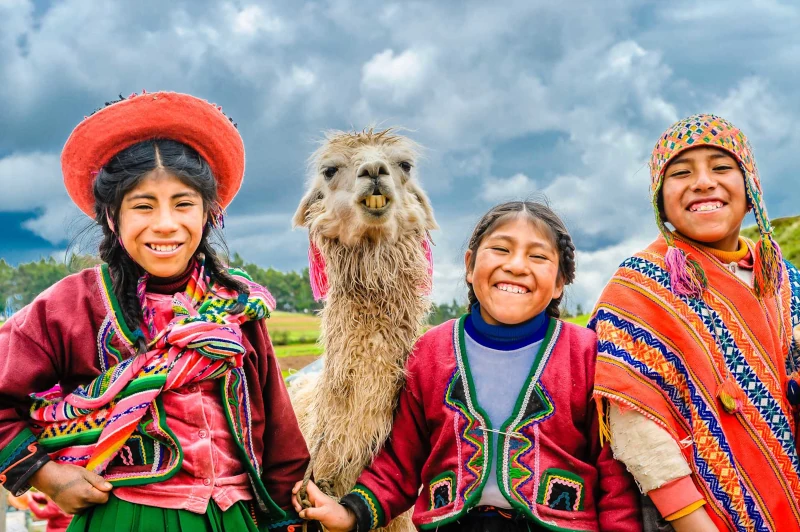
Women in vibrant clothing signify the city’s indigenous roots. The traditional Andean garb they wear is a burst of color in any frame. Their strength and grace are truly inspiring.
The people of Cusco offer an openness that resonates with visitors. They engage in conversation, often sharing unique insights about their city. These interactions enhance the depth of each portrait.
Venturing to Cusco’s outskirts reveals a different facet. Rural residents showcase a quieter, more tranquil lifestyle. Their portraits reflect a deeper connection with the Andean landscape.
Ultimately, the people of Cusco’s portraits are a visual testament to their enduring spirit. Each face tells a tale, each smile welcomes you in. In Cusco, human connection is at the heart of every experience.
Connecting with locals: Ethical and respectful interactions for authentic photography
Authentic photography depends on ethical and respectful interactions. When photographing the people of Cusco, these principles are essential. This respect fosters a meaningful exchange of cultures and ideas.
Always ask for permission before taking a photo. It acknowledges the individual’s dignity and autonomy. It also ensures that the experience is mutually respectful and comfortable.
In many cases, locals are happy to pose for a photo. They take pride in their culture and traditions. Sharing their story through photography can be a rewarding experience for both parties.
Respecting local customs and traditions is paramount. For example, visiting sites like Sacsayhuaman and Qenqo requires understanding their cultural significance. Familiarize yourself with these customs to avoid unintentional disrespect.
Consider compensating your subjects. Many locals, especially artisans, rely on tourism for their livelihood. A small compensation is a simple way to support the local economy.
Avoid interrupting daily routines or activities. Respecting the people of Cusco’s personal space and daily routines should always come first. Your photography should not be intrusive or disruptive.
Engage with locals beyond the camera. It creates a sense of trust and connection. Conversations can add depth and context to your photography.
Understand the ethical implications of your photos. They should not perpetuate stereotypes or harm the community. Photographs should celebrate and respect the people of Cusco.
Finally, appreciate the opportunity to document the vibrant life in Cusco. The people of Cusco are the city’s soul. They add color and character to this ancient city.
In essence, authentic photography is about connection. A respectful approach can transform a simple photo into a cherished memory. And, above all, it enhances the cultural richness of your experience.
Beyond the lens: Creating meaningful connections with Cusco’s local community
Meaningful connections go beyond the camera lens. They foster understanding and respect between cultures. They also enhance your travel experience in Cusco.
Engage in conversations with the people of Cusco. They have rich stories and traditions to share. They can also provide invaluable local insights and tips.
Participate in local activities. They provide an immersive experience in local culture. Whether it’s a traditional dance or a cooking class, every interaction counts.
Remember, language is more than words. A smile or a friendly nod can convey kindness and respect. Learn a few Quechua phrases to break the ice.
Invest time in understanding Cusco’s history and traditions. Knowledge enriches your interactions with the local community. It makes them more meaningful and respectful.
Support local businesses. Whether it’s a local restaurant or an artisanal shop, your support impacts the local economy. It also provides a unique souvenir from Cusco.
Donate to local charities or organizations. This supports the people of Cusco in a sustainable way. Choose organizations with a transparent and ethical approach.
And finally, take the time to just be present. The people of Cusco are warm and welcoming. Enjoy the moments of connection and camaraderie.
Your journey in Cusco can be even more enriching with these connections. Try a trekking adventure to experience Cusco’s natural beauty. The4 Day Lares Trek to Machu Picchu offers breathtaking landscapes and cultural immersion. Or, the Two Day Inca Trail to Machu Picchu is a must-do for history enthusiasts.
In Cusco, every interaction is an opportunity to learn and grow. The people of Cusco will enrich your journey with their warmth and hospitality. So, embrace these connections and immerse yourself in the vibrant life of Cusco.
New Guinea Pigs in Peru: Andean Cuisine Marvel
In the heart of the Andes, culinary traditions run deep. Every dish tells a story, echoing ancient practices. Enter the New Guinea pig, an unexpected twist on age-old recipes.
Steeped in history, Peru’s cuisine offers a tapestry of flavors. Ingredients range from ocean-fresh seafood to mountain-grown vegetables. Yet, the incorporation of New Guinea pigs presents a novel palate experience.
Travelers and food enthusiasts, prepare your taste buds. This delicacy redefines Andean gastronomy. Discover the journey of this unique addition to Peru’s rich culinary landscape.
Exploring Peru’s culinary landscape: The advent of New Guinea Pigs in Andean Cuisine
The heart of Peru beats with culinary passion. From Amazonian treasures to coastal flavors, diversity defines Peruvian Gastronomy. Yet, among these eclectic tastes, a newcomer emerges. New Guinea Pigs in Peru have recently entered the spotlight.
These animals aren’t new to the world. In fact, they’ve been domestic pets for years. But as a culinary ingredient? That’s a fresh narrative for Peru. New Guinea Pigs in Peru reflect innovation within tradition.
For the unacquainted, the idea might seem unusual. Guinea pigs, after all, are beloved pets globally. But in Peru, their cousins, called ‘cuy’, have long been menu staples. Harnessing Peru’s Ancient Cooking Method, these creatures turn into a delicious dish. Roasted over open flames, their taste is uniquely Andean.
But what differentiates New Guinea Pigs from their relatives? Size, for one. New Guinea Pigs are slightly larger, yielding more meat. Their flavor profile is also distinct, providing a twist on the traditional ‘cuy’. As these animals become more popular, chefs across the country experiment.
Reception has been mixed, but largely positive. Tourists are particularly eager to try. After all, culinary adventures form a travel’s essence. With the addition of New Guinea Pigs in Peru, the culinary landscape expands further.
Local farmers also benefit from this trend. Cultivating New Guinea Pigs offers economic opportunities. And for diners? They get to savor a new facet of an age-old tradition.
In a nation rich with flavors, new dishes keep the culinary scene vibrant. New Guinea Pigs in Peru, though a recent introduction, honor ancient tastes. They bridge the old and the new, crafting a unique gastronomic experience. It’s a testament to Peru’s ability to innovate, while cherishing its culinary roots.
From traditional dish to culinary delight: The evolution of New Guinea Pigs in Peru
The culinary scene in Peru consistently evolves. Rooted in tradition, it embraces modern touches without forsaking its essence. New Guinea Pigs in Peru exemplify this balance.
Historically, the Andean region relished in ‘cuy’, their native guinea pig. Revered for its protein-rich qualities, it’s been a dietary staple. New Guinea Pigs, however, present an intriguing twist.
Introduced recently, they’ve stirred culinary exploration. They’re larger than traditional ‘cuy’, providing more flavorful meat. This nuance hasn’t gone unnoticed by Peruvian chefs.
Incorporating them into both modern and traditional dishes, chefs showcase their versatility. Whether roasted, stewed, or grilled, the outcomes are delicious. New Guinea Pigs in Peru have expanded gastronomic horizons.
The farming approach also deserves credit. Embracing farming like the Incas, farmers ensure sustainable practices. They prioritize organic methods, reflecting age-old wisdom.
Their popularity isn’t limited to upscale restaurants. Venture to San Pedro Market in Cusco. The sight of these creatures, ready for culinary transformation, captivates.
For locals, this evolution feels natural. For tourists, it’s an enchanting culinary journey. Both groups appreciate the nuanced flavors they offer.
Farmers, sensing the rising demand, have adapted. They’ve increased their herds, ensuring consistent supply. This growth presents economic opportunities for rural communities.
From a humble traditional dish, they’ve risen. They’re now celebrated in the finest Peruvian establishments. Their journey captures the spirit of Peru’s culinary resilience.
Change and tradition coexist in Peru’s kitchens. New Guinea Pigs in Peru demonstrate this harmony. They symbolize both the past and the future of Peruvian dining.
Beyond the plate: The cultural significance of New Guinea Pigs in Peruvian Gastronomy
In Peru, food is more than sustenance. It’s a tapestry, interwoven with tales, traditions, and history. At its core, the New Guinea Pig thrives.
The Andean region has always cherished guinea pigs. Known locally as ‘cuy’, they’re deeply rooted in tradition. But New Guinea Pigs introduce a fresh chapter.
They’re not just culinary delights; they’re cultural ambassadors. Their introduction celebrates Peru’s adaptability and ingenuity. New Guinea Pigs epitomize the fusion of old and new.
Gastronomy in Peru tells stories of its people. Every dish carries memories, values, and pride. New Guinea Pigs are no exception.
They serve as reminders of agricultural triumphs. Representing innovation, they mirror Peru’s evolving landscape. Their larger size and unique taste resonate with locals and tourists alike.
For many, these creatures symbolize prosperity. Their increased presence in feasts denotes abundance. And in daily meals, they represent sustenance and familial bonds.
Local festivals often highlight them. They’re celebrated in dances, songs, and communal feasts. Such festivities underscore their cultural significance.
But why limit this experience to culinary tales? Witness the magic in its natural habitat. Dive deeper into the heart of Andean traditions.
For a comprehensive journey, consider an adventure. A 4 Day Lares Trek to Machu Picchu beckons. Witness landscapes, meet locals, and relish in Peruvian delicacies.
Alternatively, the Two Day Inca Trail to Machu Picchu offers wonders. Explore ancient ruins and soak in panoramic vistas. Along the way, taste the essence of Peru.
In conclusion, New Guinea Pigs hold profound significance. They’re not just palate pleasers; they’re emblematic. Embark on a journey to fully appreciate their cultural resonance.
Inca Trail Route: An Ancient Journey to Machu Picchu
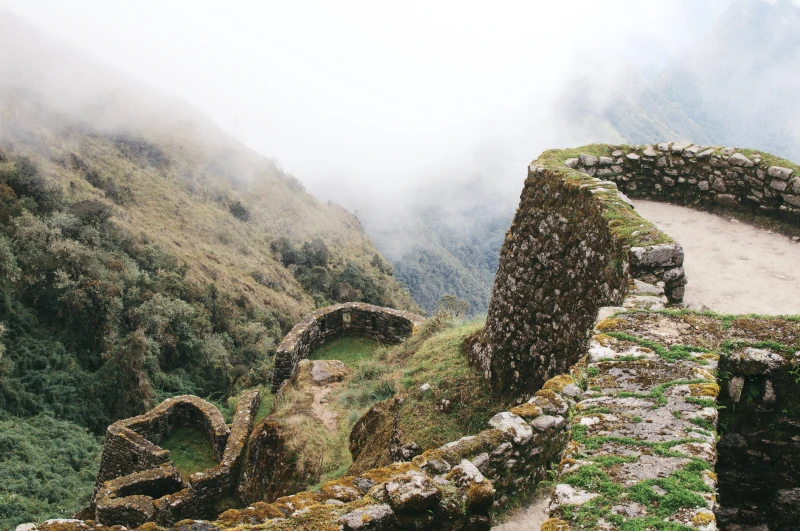
Deep in the Andes lies a timeless path. The Inca Trail Route winds through cloud forests, ancient ruins, and stone steps. This ancient route beckons travelers from across the world.
Tales of its mystique and beauty have captured imaginations for centuries. This trail offers more than just a trek; it’s a journey into Peru’s past. Every step tells a story of Inca civilization and grandeur.
Machu Picchu awaits at the trail’s end. This World Heritage site stands as a testament to Incan prowess and brilliance. Join us as we explore this enchanting route and its secrets.
Tracing the footsteps of the Incas: History of the Inca Trail Route
The Inca Trail Route holds profound historical significance. This ancient pathway was once an essential Incan roadway. It connected numerous settlements throughout the vast Inca Empire.
Crafted meticulously, the route displayed unparalleled engineering. Stonework of the trail remains largely intact today. The Incas designed this route for efficiency and religious purposes.
Pilgrimages were common along the Inca Trail Route. Hikers today mirror these ancient journeys. They experience a tangible connection to the past while hiking the Inca Trail to Machu Picchu.
But, the history extends beyond just a pilgrimage route. It was also a vital communication and transportation route. Rapid messengers called ‘chasquis’ sprinted across it, relaying important messages.
Planning the Inca Trail today is a venture into history. The path winds past ancient checkpoints, watchtowers, and ruins. Every site bears testimony to the Incan architectural and societal brilliance.
This Inca Trail Route played a role in the empire’s demise too. Spanish invaders used it to penetrate deep into Inca territory. This led to eventual conquest and colonization.
Yet, the spirit of the trail endures. It’s a journey that captivates every traveler. Today, thousands relive history, feeling the essence of an empire that once ruled South America.
To walk it is to step into a bygone era. An era defined by grandeur, ambition, and intricate engineering. The Inca Trail Route remains a living testament to that time.
Planning your expedition: Trekking the Inca Trail Route today
Trekking the Inca Trail Route is a dream for many. This ancient pathway offers history, nature, and challenge. Preparation, however, is crucial for a successful expedition.
Firstly, understand the Inca Trail elevation. The trail reaches heights above 4,200 meters or 13,780 feet. Acclimatization to altitude is essential to prevent sickness.
Next, securing Inca Trail permits is mandatory. The Peruvian government restricts daily access to preserve the trail. Booking months in advance ensures you secure a spot.
Choosing the right season plays a pivotal role. The Inca Trail Route sees two main seasons: wet and dry. May to September offers the most stable, dry weather.
However, this period is also the busiest. Those seeking solitude might prefer the shoulder months. But always be ready for unpredictable rain showers.
Ensure you equip yourself adequately. Lightweight hiking boots, rain gear, and moisture-wicking clothing are essentials. Remember, the Inca Trail Route can be challenging and unpredictable.
Guided tours dominate the trail. Reliable guides offer invaluable historical insights and logistical support. They also ensure that travelers respect local customs and archaeological site guidelines.
Regarding nutrition and hydration, plan strategically. While some tours provide meals, carrying snacks ensures sustained energy. Adequate water intake combats dehydration at high altitudes.
Lastly, physically preparing yourself is key. The trail demands stamina, especially given the Inca Trail elevation. Months of cardiovascular and strength training can make a difference.
To sum up, respect the trail’s sanctity. Understand its historical and cultural importance. By adequately preparing, you can truly appreciate the beauty and heritage of the Inca Trail Route.
Arriving at the crown jewel: Treks to Machu Picchu and the Inca Trail Route
Trekking the Inca Trail Route is a transformative experience. Every step unfolds history, every turn reveals breathtaking vistas. But the climax is undoubtedly Machu Picchu.
Perched atop the Andes, Machu Picchu mesmerizes. Its stone terraces and temples blend seamlessly with the landscape. The site embodies Inca genius and spiritual significance.
The journey through the Inca Trail Route enhances this climax. It amplifies the anticipation, making the final reveal truly special. Machu Picchu isn’t just a destination; it’s an earned reward.
Walking amid its structures, history comes alive. You can almost hear whispers of Inca priests, royals, and citizens. The site’s astronomical and architectural precision is awe-inspiring.
The Sun Gate, or Inti Punku, is a highlight. As dawn breaks, the sun illuminates the ancient city below. This magical moment encapsulates the trail’s spiritual essence.
Yet, the Inca Trail Route and Machu Picchu are just part of Peru’s wonders. The country boasts diverse ecosystems and rich biodiversity. For instance, the Amazonian marvels beckon after the Andean adventure.
Inca Trail is such a treasure. It houses countless species and pristine landscapes. A 4 Day Inca Trail to Machu Picchu offers a deep dive into the Inca’s heart.
For those craving a more exclusive experience, there’s the Rainbow Mountain Cusco. This area offers unparalleled color sightings and explorations.
In conclusion, while Machu Picchu is an undeniable highlight, don’t stop there. Dive deeper into Peru’s rich tapestry. Visit Machu Picchu and hire a Short Inca Trail Tour or Inca Trail Treks.
What Pachamama is: Rituals, Celebrations and Significance
Pachamama, the revered Earth goddess, plays a vital role in Andean culture. Understanding what Pachamama is involves exploring rituals, celebrations, and significance. This blog post delves into her importance and practices surrounding her worship.
Rituals dedicated to Pachamama connect people with nature and their heritage. These ceremonies honor the Earth and ask for her blessings. They reflect a deep respect for the environment and its cycles.
Celebrations of Pachamama often feature traditional music, dance, and offerings. These events strengthen community bonds and cultural identity. Participants express gratitude for the abundance provided by the Earth.
The significance of Pachamama extends beyond religious practices. She represents the interconnectedness of life and nature. Exploring her role helps us understand ancient wisdom and contemporary relevance.
If you are participating in our Two Day Inca Trail To Machu Picchu take this chance to immerse in the traditions. Cusco wonders have a deep connection to Mother Earth, so embark on a unique adventure!
Exploring Pachamama: An Introduction to the Earth Goddess of the Andes
Pachamama, often referred to as Mother Earth, is a central figure in Andean culture. For centuries, Andean peoples have revered her as a deity who embodies the natural world. Understanding what Pachamama is requires diving into her rich history and significance in South America.
In Andean traditions, Mother Earth represents the life-giving force behind agricultural production. She is believed to nurture the soil, ensuring bountiful harvests and fertile lands. This connection to agriculture highlights why what Pachamama is involves her role as a vital agricultural deity.
The indigenous people of the Andes celebrate Mother Earth through various rituals and ceremonies. One of the most significant rituals is the offering to Mother Earth, where coca leaves are used to communicate with her. These offerings express gratitude and seek her favor for good fortune and prosperity.
The Role of Pachamama in Andean Spirituality
August 1st is a particularly important date in Andean spirituality, known as the Feast of Pachamama. On this day, communities come together to perform ceremonies that honor Mother Earth and renew their spiritual connection to her. Celebrations include elaborate rituals and offerings, reinforcing the deep bond between the people and their Earth goddess.
Her influence extends beyond the traditional ceremonies into everyday life. The reverence for her is reflected in daily practices, from farming techniques to community rituals. Recognizing what Pachamama is provides insight into how Andean peoples integrate spiritual beliefs with their natural surroundings.
Sites like Machu Picchu, often associated with ancient Inca civilizations, have a deep connection to Pachamama. These sacred locations serve as reminders of the spiritual connection between the Earth and its inhabitants. Exploring these sites offers a tangible link to understanding what Mother Earth a represents in Andean culture.
Through her symbolism and rituals, Pachamama teaches respect for the environment and the interconnectedness of all life. Learning about Mother Earth enriches our understanding of indigenous beliefs and their profound relationship with nature. What Mother Earth is, therefore, transcends mere tradition and reflects a deeper harmony with the world.
Rituals and Offerings: How to Honor Pachamama in Daily Life
Honoring Pachamama, or Mother Earth, is integral to Andean cosmovisions and daily life. Rituals and offerings play a significant role in expressing respect for her. Understanding what Pachamama is about these practices and the connection between people and nature.
One common ritual is the “Pachamanca”, a traditional Andean ceremony where food is cooked underground. This method symbolizes the Earth’s nourishment and Pachamama’s role in sustaining life. The ceremony involves offering coca leaves and other sacred items to honor Mother Earth and seek her blessings.
Daily Practices to Honor Pachamama
In daily life, small rituals can maintain a connection with Mother Earth. Many people place a handful of coca leaves on the ground before starting any significant task. This offering to Mother Earth is a gesture of gratitude and an appeal for her support.
Another way to honor Pachamama is through sustainable practices that respect nature. Inca cosmology emphasizes living in harmony with the Earth. By adopting eco-friendly habits and preserving natural resources, individuals demonstrate their respect for Pachamama and her gifts.
A small ritual is also still present until this day. Before anyone drinks any beverage, one spills a bit to thank Mother Nature for her protection. This is a constant reminder of the deep connection to the Inca traditions and the Earth.
Celebrating Pachamama Through Community Rituals
Community gatherings often include rituals that celebrate Pachamama’s influence. During these events, participants perform traditional dances and make offerings to honor the Earth goddess. These ceremonies strengthen communal bonds and deepen the collective understanding of what Pachamama is.
The ritual of “Despacho” involves creating intricate offerings that specialists burn or bury. This ceremony represents the cycle of life and the continuous exchange between humans and Mother Earth. Each component of the offering has symbolic meaning, reflecting the importance of balance and respect.
Engaging in these rituals connects individuals to the broader Andean spiritual framework. By incorporating these practices into daily life, people honor Mother Earth and reinforce their role within the natural world. Getting to know the Mother Earth, through these rituals and offerings, enriches the relationship between humans and their environment.
Celebrations and Festivals: The Cultural Impact of Pachamama Across Communities
Celebrations and festivals honoring Pachamama hold deep cultural significance in Andean communities. These events showcase the profound respect and devotion people have for Pachamama. Knowing Mother Earth involves exploring how these festivals celebrate her vital role in their lives.
One prominent celebration is the “Día de la Pachamama,” or Pachamama Day, observed on August 1st. This festival marks the beginning of the agricultural cycle and involves elaborate rituals. Participants make offerings of coca leaves, fruits, and grains to honor Earth Mother and ensure a successful harvest.
The Role of Festivals in Strengthening Cultural Identity
Festivals dedicated to Pachamama often feature vibrant parades, music, and dance. These events are a means of preserving Andean traditions and passing them down through generations. They also foster a sense of unity and identity among the community members.
During these festivals, people often create altars adorned with symbolic items. These altars include traditional objects like corn, potatoes, and textiles, each representing different aspects of Pachamama’s influence. Understanding what Pachamama is involves recognizing how these symbols reflect her role in daily life and agricultural practices.
Community Engagement and Spiritual Connection
Community participation in Pachamama festivals reinforces spiritual connections and cultural values. Rituals performed during these events are deeply rooted in Cusco traditions and emphasize the importance of harmony with nature. Through collective celebrations, people strengthen their ties to Pachamama and to each other.
In addition to religious ceremonies, some festivals incorporate elements from other traditions, including influences from the Catholic faith. This blending often includes symbolic references to figures like the Virgin Mary, reflecting the integration of various beliefs. Understanding what Pachamama is requires acknowledging these syncretic practices and their role in shaping contemporary celebrations.
The cultural impact of Mother Earth festivals extends beyond religious observance. They serve as a reminder of the importance of respecting the Earth and maintaining cultural heritage. By participating in these celebrations, people honor what Pachamama is and ensure that her legacy continues to influence their lives and communities.
Understanding Machu Picchu Trek Costs Breakdown
Machu Picchu, a UNESCO World Heritage site, is a dream destination for many. Yet, planning a trek can be daunting, especially when it comes to Machu Picchu Trek costs.
This ancient Inca city, nestled high in the Andes, draws travelers from around the world.
In this guide, we’ll break down the Machu Picchu trek costs. We’ll cover everything from permits to porters, meals to accommodations, and much more.
Our aim is to help you budget effectively for this once-in-a-lifetime adventure.
So, whether you’re a seasoned hiker or a cultural explorer, read on to understand the cost breakdown of a trek toMachu Picchu.
Why Trek to Machu Picchu?
Trekking to Machu Picchu is more than just a hike. It’s a journey through time, tracing the steps of the ancient Incas.
TheMaoffers stunning views of snow-capped peaks, lush cloud forests, and ancient ruins. It culminates in the awe-inspiring sight of Machu Picchu at sunrise, a moment that many describe as magical.
Different Trekking Options and Their Costs
There are several trekking routes to Machu Picchu, each with its unique appeal and cost. The most popular are the Inca Trail and the Salkantay Trek.
The Inca Trail is the classic route, taking you along the path the Incas used to travel from Cusco to Machu Picchu. The Salkantay Trek, on the other hand, is a more challenging route, offering stunning views of Salkantay Mountain.
Inca Trail: $600 – $1000
Salkantay Trek: $400 – $700
The Inca Trail Experience
The Inca Trail is the most famous trek to Machu Picchu. It’s a 4-day journey through diverse landscapes, from high mountain passes to cloud forests.
The cost of the Inca Trail includes the permit, guide, porters, meals, and camping equipment. It’s a fully supported trek, making it a great option for first-time trekkers.
Salkantay Trek and Alternative Routes
The Salkantay Trek is a more challenging, less crowded alternative to the Inca Trail. It takes you closer to Salkantay Mountain, one of the most sacred peaks in Inca mythology.
The cost of the Salkantay Trek is generally lower than the Inca Trail. However, it doesn’t include a visit to as many Inca ruins. It’s a great option for adventurous trekkers seeking a less trodden path.
Booking with a Reputable Tour Company: Happy Gringo Tours
Choosing a reputable tour company is crucial for a safe and enjoyable Machu Picchu trek. These companies ensure professional guides, quality equipment, and well-planned itineraries.
In Happy Gringo, we guarantee the professionalism and experience for you to have a great adventure. The Machu Picchu hike cost is the less thing to worry about.
We also handle the logistics, such as securing permits and arranging transportation. This allows you to focus on the trek itself, rather than worrying about the details.
The Importance of Safety and Sustainability
Safety should be a top priority when trekking to Machu Picchu. Reputable tour companies employ experienced guides who are trained in first aid and high-altitude sickness prevention.
Happy Gringo Tours empathize with all the staff. This includes guides, porters, coordinators and the entire team.
Sustainability is another key factor. Choose a company that practices responsible tourism, respects local communities, and contributes to conservation efforts. This ensures your trek has a positive impact on the environment and local economy.
Detailed Breakdown of Machu Picchu Trek Costs
Understanding the Machu Picchu trek costs involves several components. These include permits, guides, porters, accommodation, meals, and equipment.
When planning your trip to Peru, it is important to consider various additional activities that can enhance your experience. For instance, you might want to visit soothing hot springs, which are popular among travelers seeking relaxation. Similarly, cultural tours can provide insightful perspectives on local traditions and history.
Engaging in these activities can enrich your journey, but it is essential to recognize that they may also contribute to the overall cost of your trip. Therefore, let’s take a closer look at these potential expenses. We can break down the costs associated with these activities to help you budget effectively for your adventure in this beautiful country.
Permits, Guides, and Porters
Permits are a significant part of the Machu Picchu cost. For the Inca Trail, permits can range from $200 to $300, depending on the season.
Guides and porters are also essential. Guides provide valuable insights into the history and culture of the region. Porters, on the other hand, carry the heavy loads, making your trek more comfortable.
Accommodation and Meals
Accommodation during the trek is usually in campsites. These are included in the trek package, along with meals.
Meals typically consist of breakfast, lunch, and dinner, prepared by a cook who accompanies the trek. Remember to check what your package includes to avoid unexpected costs.
Equipment and Additional Activities
Equipment such as tents, sleeping bags, and mats are usually provided by the tour company. However, you may need to rent or buy personal gear like hiking boots and clothing.
Additional activities, such as visiting nearby attractions or participating in cultural experiences, can also add to the overall cost. It’s best to plan for these in advance to manage your budget effectively.
Managing Your Budget: Tips and Tricks
Planning your Machu Picchu trek involves careful budgeting. Here are some tips to help you manage your costs effectively:
Book in advance to secure permits and avoid last-minute price hikes.
Consider joining a group tour to share costs.
Travel during the off-peak season for potential savings.
Understand what your trek package includes to avoid unexpected costs.
Group Tours vs. Private Treks
Group tours can be a cost-effective option. They allow you to share costs with other trekkers, reducing the overall price.
On the other hand, private treks offer a more personalized experience. However, they can be more expensive due to the individualized service.
Off-Peak Season Savings
Traveling during the off-peak season can also help you save. The dry season (May to September) is the most popular time to trek, making it more expensive.
Consider trekking during the wet season (October to April) for potential savings. However, be prepared for unpredictable weather conditions.
Additional Costs to Consider
When budgeting for your Machu Picchu trek, it’s crucial to consider additional costs. These may include:
Transportation to and from the trek starting point
Travel Insurance and Acclimatization Days
Travel insurance is a must for any adventure. It covers unforeseen circumstances like medical emergencies or trip cancellations.
Also, plan for acclimatization days in Cusco before your trek. This helps your body adjust to the high altitude, reducing the risk of altitude sickness. Remember to budget for accommodation and meals during this period.
Entrance Tickets and Transportation
Don’t forget to factor in the cost of entrance tickets to Machu Picchu. If you plan to climb Huayna Picchu or Machu Picchu Mountain, additional tickets are required.
Also, consider transportation costs. These include train and bus fares to and from the trek starting point.
Sustainable Trekking Practices
Sustainable trekking is more than just a buzzword. It’s a commitment to protect the environment and respect local cultures during your Machu Picchu trek.
Supporting Local Economy and Conservation Efforts
By hiring local guides and porters, you’re directly supporting the local economy. Purchasing goods and services from local vendors also contributes to this.
Moreover, part of your Machu Picchu cost goes towards conservation efforts. This helps preserve the site for future generations. So, remember, your trek is not just an adventure, but also a contribution to sustainability.
Preparing for Your Machu Picchu Adventure
Understanding the Machu Picchu trek costs is a crucial part of your trip planning. It helps you budget effectively and ensures a smooth and memorable journey.
Remember, the trek is more than just a physical challenge. It’s an opportunity to immerse yourself in the rich Peruvian culture, contribute to local economies, and support sustainable tourism. So, prepare well, respect the environment, and enjoy your adventure to the fullest.
The Machu Picchu trek cost involve many aspects. FInd your way to ennjoy a smooth trip. It will matter if you are caring your budget or if you are looking for a luxury experience, check on your budget.