


Soraypampa Campsite: What Sleeping at 3,900m Feels Like
Soraypampa is the kind of place that makes you feel two opposite truths at once: you’re wildly alive under a sky packed with stars—and you’re also very aware you’re trying to sleep at nearly 13,000 feet. This is Soraypampa Campsite: What Sleeping at 3, 900m Feels Like in real life: a thin-air night where your body negotiates for oxygen, your gear choices suddenly matter, and your “normal” sleep routine gets rewritten.
If you’re heading to Soraypampa Peru on the Salkantay route, this guide breaks down what the altitude does to sleep, what the Soraypampa camping experience is actually like, and how to make the night more comfortable—whether you’re in tents vs cabins Soraypampa, a Soraypampa lodge, or a Soraypampa hostel-style setup.
Where Soraypampa Sits on the Trek (and Why It Feels So High)
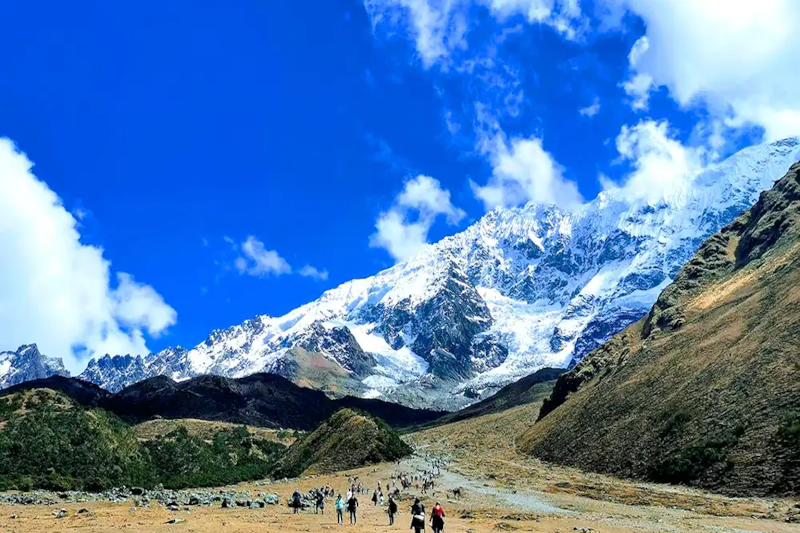
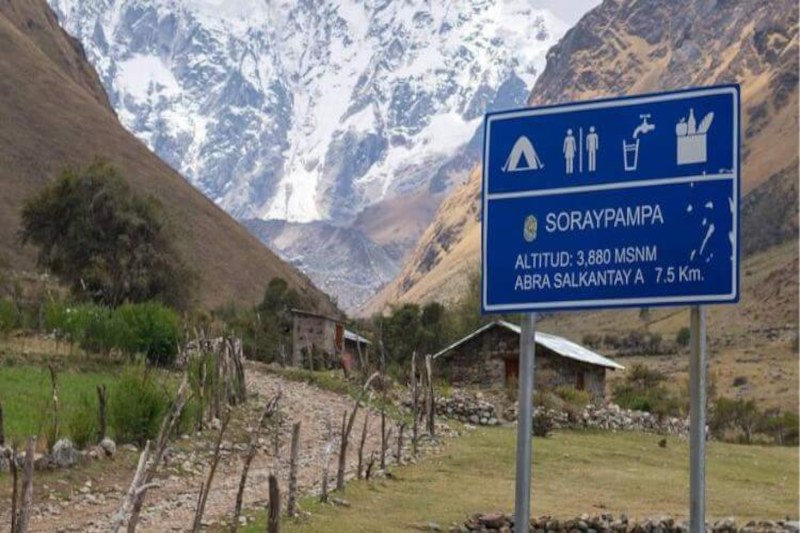
Soraypampa campsite altitude is commonly cited around 3,900 m, and you feel it fast. The campsite is a classic first-night stop for many itineraries—especially if you travel Mollepata to Soraypampa on day one—because it positions you for an early climb toward the Salkantay Pass the next morning.
What that means for sleep:
- Your body may not be fully acclimatized yet.
- You might arrive tired, slightly dehydrated, and with appetite changes.
- Nighttime cold plus low oxygen can make rest feel “light” or broken.
The Soraypampa altitude isn’t just a number; it’s the reason people lie awake thinking, “Why am I breathing like this while I’m doing nothing?”
What Sleeping at 3,900m Actually Feels Like
Sleeping high isn’t always dramatic. Often, it’s subtle—until it isn’t. Common sensations at Salkantay Trek Soraypampa camp include:
1) Weird breathing patterns
At altitude, you can experience periodic breathing: you drift off, breathe shallowly, then wake up feeling like you need a deeper breath. It’s not necessarily dangerous, but it’s unsettling if you’ve never felt it.
2) A “wired but tired” body
You’re exhausted from hiking, yet your sleep feels thin—like you’re hovering near the surface instead of dropping into deep rest.
3) Cold you notice in your bones
Even if your upper body feels warm, feet and hips can get chilled quickly. Soraypampa temperature at night often drops close to freezing (and can dip below), depending on season and wind exposure.
4) Appetite changes (and the snack dilemma)
Some people don’t feel hungry at dinner, then wake up at 2 a.m. starving. Others have the opposite: no appetite at all, which makes it harder to keep energy up.
5) Morning head pressure
Not always pain—sometimes just a “tight” forehead sensation. This is one of the classic sleeping at 3900 meters symptoms many hikers describe after a restless first night.
Altitude Symptoms vs. “Normal Discomfort”: What’s Typical?
Most people experience mild effects at Soraypampa campsite. Typical altitude sickness symptoms:
- Light headache
- Slight nausea
- Reduced appetite
- Restless sleep
- Shortness of breath on small efforts
Red flags are different:
- Severe headache not improving with rest/hydration
- Persistent vomiting
- Confusion, trouble walking straight
- Chest tightness, severe breathlessness at rest
If red flags appear, don’t try to “tough it out.” Descending is the most effective response.
Soraypampa Campsite Facilities: What to Expect on Arrival
Soraypampa campsite facilities vary by operator and season, but generally you’ll find:
- Designated camping zones with wind exposure
- Bathrooms (sometimes basic; sometimes better-managed)
- A dining tent/communal shelter with guided groups
- Limited lighting at night (headlamp required)
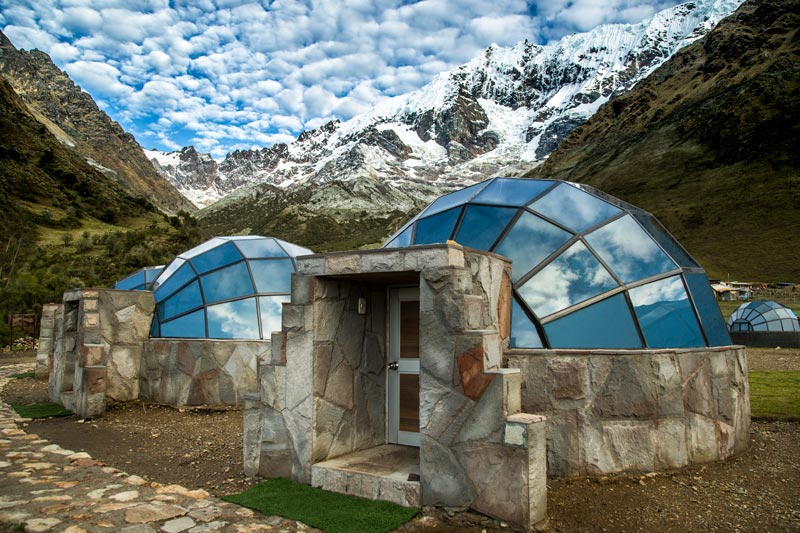
- Some sites offer cabins or domes (a big comfort upgrade)
If you’re comparing comfort levels, Soraypampa accommodation often splits into:
- Soraypampa camping in tents (most common)
- Dome-style glamping such as Sky Camp Soraypampa
- A Soraypampa lodge or cabin option (warmer, less wind, easier sleep)
- Budget-friendly “hostel-like” options (often referred to by travelers as a Soraypampa hostel experience, though the setup can be rustic)
Soraypampa Peru Weather: The Night Is the Real Test
When people search Soraypampa Peru weather, they usually want to know one thing: “How cold will it be when I’m trying to sleep?”
Key patterns:
- Afternoons can be sunny and deceptively mild.
- Wind increases chill quickly once the sun drops.
- Nights are cold year-round at this elevation.
- In wetter months, dampness plus cold can feel harsher than the temperature suggests.
Practical take: plan for freezing-adjacent conditions even if your day hike felt warm.
How to Sleep Better at High Altitude (Actionable, Field-Tested)
If you want to know how to sleep better at high altitude, focus on oxygen, warmth, hydration, and routine.
Dial in altitude sickness prevention camping basics
- Go slower than you think you need to. Arriving less “blown up” improves sleep.
- Hydrate early, not just at dinner. Clear-ish urine is a decent quick check.
- Avoid alcohol the day before and the day of sleeping at Soraypampa.
- Eat a real dinner even if you’re not hungry—carbs often sit easiest.
Use coca tea the right way
Many trekkers use coca tea for altitude sickness (or for the “altitude blah” feeling). It can be soothing and warming at night. Treat it as a comfort tool, not a cure:
- Sip it earlier in the evening so you’re not up all night peeing.
- Pair it with hydration and warmth.
Sleep system tweaks that matter
- Put tomorrow’s clothes in your sleeping bag for warmth.
- Warm your feet: dry socks + loosened laces before bed.
- Use a buff as a sleep mask and to warm your face.
- Keep a small snack accessible (nuts, chocolate, crackers) for 2 a.m. wake-ups.
Best Sleeping Bag for 4000m: What Actually Works at Soraypampa
Choosing the best sleeping bag for 4000m is less about brand and more about temperature rating, insulation type, and whether you sleep cold.
A practical target for Soraypampa:
- Comfort rating around -5°C to 0°C (23°F to 32°F) for most people
- If you sleep cold, go warmer—especially in a tent with wind
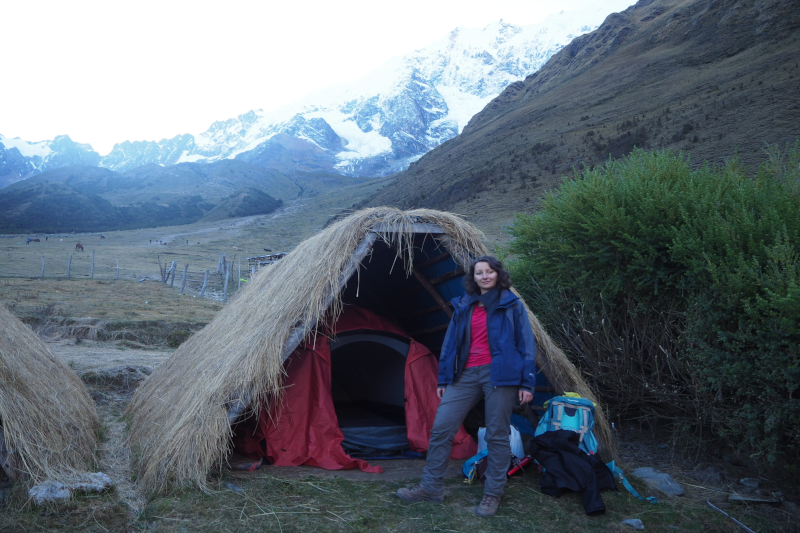
Other high-impact items:
- Insulated sleeping pad (more important than people think)
- Liner (adds warmth and keeps the bag cleaner)
- Puffy jacket + beanie reserved for camp only (stay dry)
This is where “I’ll be fine” becomes “I’m counting minutes until sunrise.” Don’t under-pack your sleep system.
Getting There: Mollepata to Soraypampa (and Transport Questions)
Most trekkers reach camp as part of a guided itinerary, often after starting in Cusco and transferring toward Mollepata before continuing uphill. If you’re researching the bus from Cusco to Soraypampa, note that independent logistics can vary by season and road conditions; many people end up using:
- Shared transport to Mollepata, then onward by car/van
- Private transfer if traveling with a group or tight timeline
Whichever route you take, the day’s elevation gain is what matters for sleep—pace yourself on the ascent from Mollepata to Soraypampa.
Soraypampa vs Huayracmachay Camp vs Chaullay: Which Sleep Is Easier?
If you’re comparing camps, here’s the honest trade-off:
Soraypampa vs Huayracmachay camp
- Soraypampa: higher, colder, more altitude impact on sleep; iconic views and a common staging point.
- Huayracmachay: typically lower than Soraypampa (depending on exact site), often slightly easier breathing and warmer sleep—but you may change your next-day pacing.
Soraypampa camp vs Chaullay
- Chaullay is much lower, usually warmer, and sleep tends to be deeper—many people feel dramatically better there.
- But if you skip Soraypampa, you may lose the classic early start rhythm for the pass, depending on itinerary.
If your top priority is sleep comfort, lower is usually easier. If your priority is the classic Salkantay staging and sunrise/alpine vibe, Soraypampa wins.
Tents vs Cabins Soraypampa: What to Choose
If you have a choice, tents vs cabins Soraypampa comes down to wind, warmth, and how sensitive you are to altitude sleep disruption.
Tents are great if:
- You have a warm bag + good pad
- You’re comfortable with temperature swings and noise
- You want the “true” Soraypampa camping experience
Cabins/domes (including Sky Camp Soraypampa) can be worth it if:
- You sleep cold
- You’re worried about restless nights at altitude
- You want faster recovery for the pass day
Either way, keep expectations realistic: altitude is altitude, even indoors.
Soraypampa Campsite Booking and What to Pack
For Soraypampa campsite booking, many travelers secure spots through a Salkantay operator who bundles meals, tents, and camp access. If you’re going independent, confirm in advance what’s included and what’s not (sleeping bag rental quality varies).
For what to pack for Soraypampa camp, prioritize sleep and warmth:
- Warm sleeping bag (see above) + insulated pad
- Down or synthetic puffy + base layers
- Beanie, gloves, thick sleep socks
- Headlamp + spare batteries
- Lip balm + moisturizer (dry air is real)
- Electrolytes + easy snacks
- Earplugs (wind + group camps)
Takeaway: A High Night You’ll Remember (and How to Make It Better)
Sleeping at Soraypampa isn’t about perfect rest—it’s about managing Soraypampa altitude so you can enjoy the landscape and still function for the next day. With the right sleep system, smart pacing, and practical altitude sickness prevention camping habits, you can turn a potentially rough night into a memorable one—stars overhead, cold air in your lungs, and the quiet satisfaction of handling Soraypampa campsite at 3,900 meters.