Your journey begins with scheduled pick-up from Cusco and transfer to our peaceful retreat center located in a quiet natural setting outside the city. The change of environment is intentional — stepping away from urban noise allows your body and mind to begin slowing down.
Upon arrival, you will be welcomed by our facilitators and ceremonial team. After settling into your accommodation, we gather for an opening circle. During this orientation session, we explain the structure of the retreat, safety guidelines, energetic preparation, and the importance of intention-setting. Each participant is invited to share (if they wish) their purpose for being here.
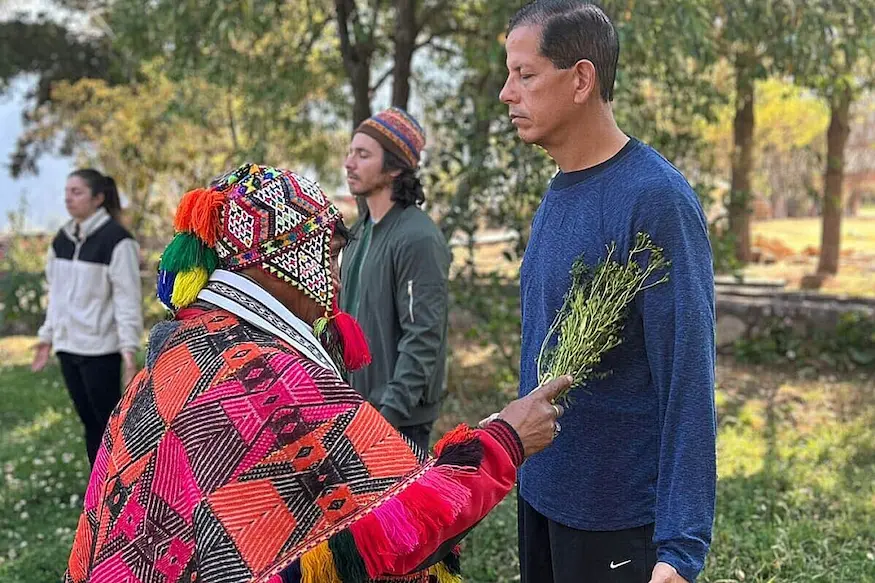
In the afternoon, we begin with a gentle cleansing ritual using medicinal water and ancestral techniques designed to prepare your energetic field. This process helps clear emotional and mental blockages before working with the plant medicine.
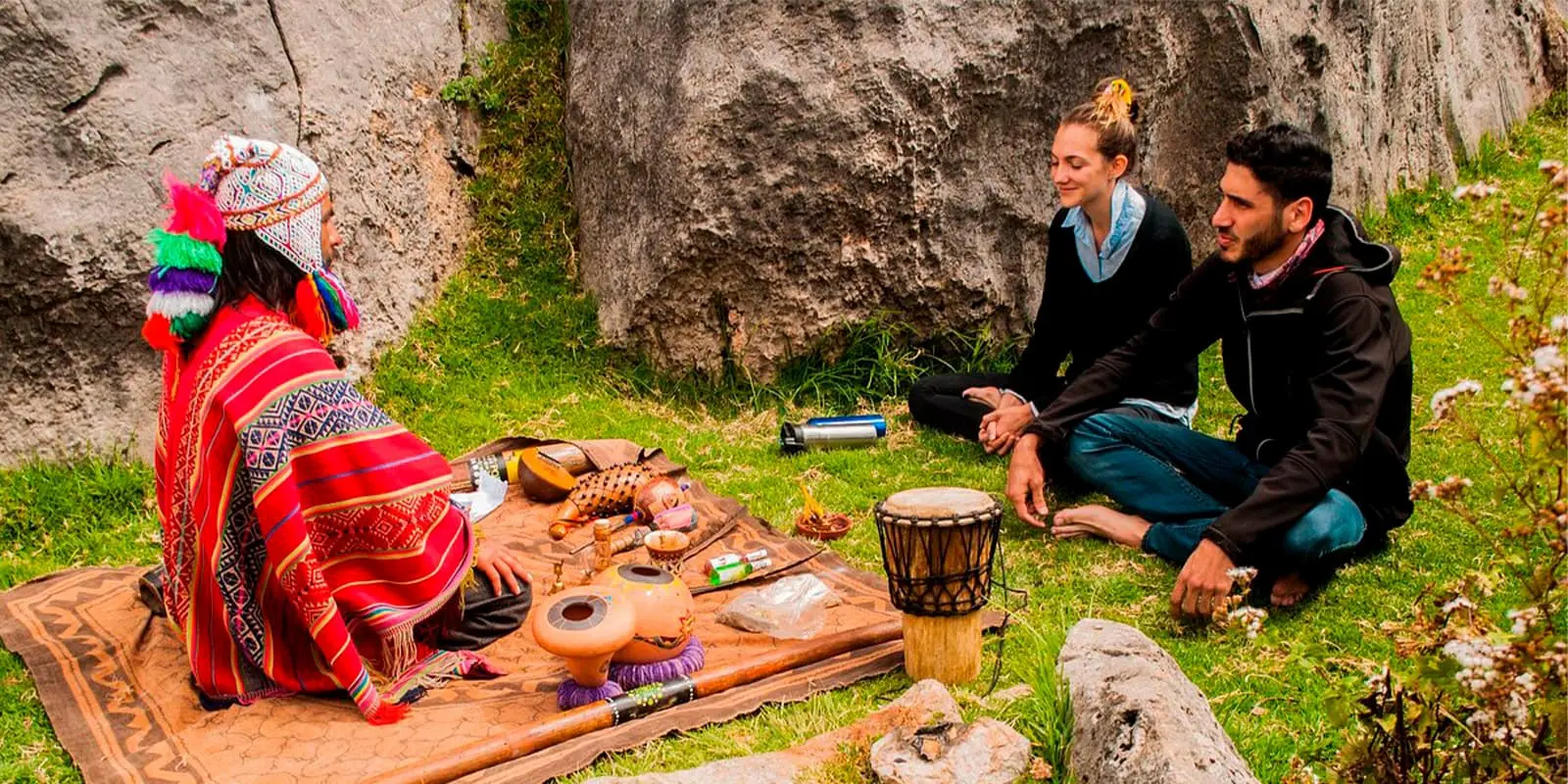
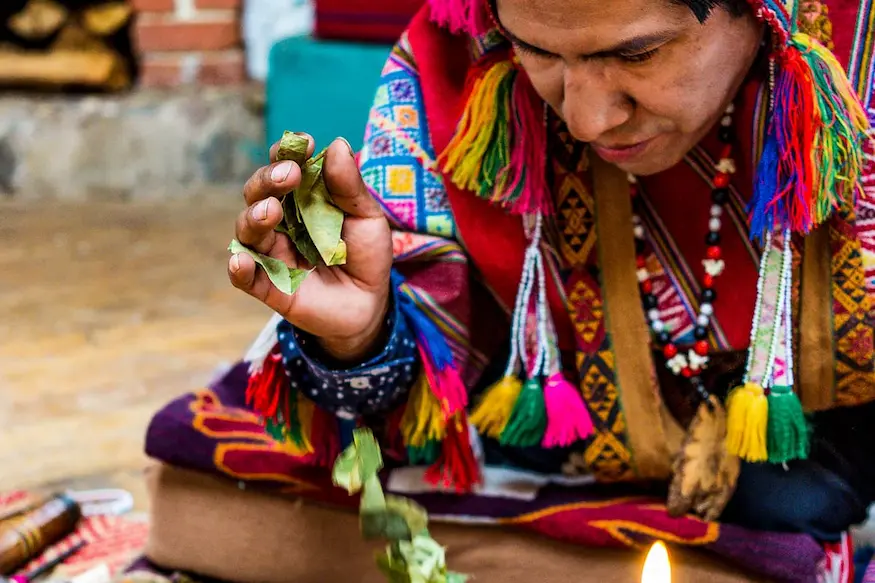
As night falls, we enter the ceremonial space for the Ayahuasca ceremony. The environment is calm, protected, and guided by experienced facilitators. The ceremony includes:
Opening prayers and energetic protection
Sacred chants (icaros)
Individual guidance throughout the experience
Support for emotional release and inner exploration
The ceremony typically lasts several hours. Participants may experience introspection, emotional cleansing, visions, or deep reflection. After the ceremony, time is given for rest and quiet integration.
Overnight at the retreat center.







 Uncategorized