


Inca Trail From Km 104: 1-Day Itinerary & Tips
Want the feeling of the classic Inca Trail… but you’ve got one day, not four? The Inca Trail from Km 104 is built for that exact scenario. You take an early train, hike about 10 km (6 miles) through cloud forest and ruins, pop out at the Sun Gate (Intipunku), and then walk into Machu Picchu like the trail was meant to be entered.
It’s a short route. And it’s not really short. The distance is modest, but the day is long, warm, and packed with logistics. If that sounds like your kind of “busy-but-worth-it” travel day, keep reading.
A quick outline (so you can see the flow)
- Early pickup in Cusco → drive to Ollantaytambo
- Morning train → get off at Km 104
- Hike through cloud forest → ruins → Wiñay Wayna
- Sun Gate first view → walk down into Machu Picchu
- Guided tour (~2 hours) → free time / optional hikes (ticket-dependent)
- Bus to Aguas Calientes → lunch → train back → transfer to Cusco
So what is the Km 104 Inca Trail, exactly?
The “short Inca Trail” with the big finale
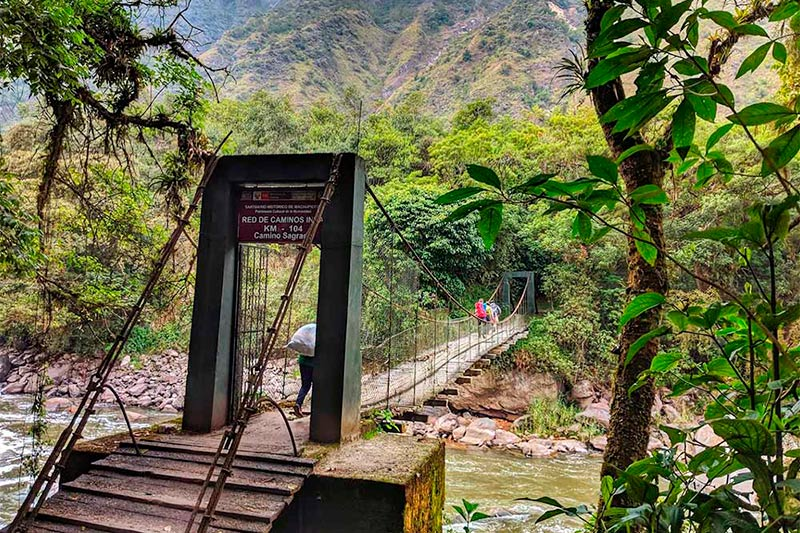
The Km 104 Inca Trail is often called the short Inca Trail because you start at a checkpoint on the rail line (that’s the “Km 104” part). From there, you hike a real chunk of the original trail and enter Machu Picchu from above. That Sun Gate entry is the headline moment. It’s why people do this version instead of a simple train-and-bus visit.
How it differs from the multi-day trek
You won’t camp. You won’t spend days ramping up to the big view. Instead, the experience is compressed into a single itinerary with tight timing—more like a well-run project schedule than a lazy day out. You still get ruins on the way (especially Wiñay Wayna), but you’ll want a steady pace and a bit of stamina.
Before you book: permits, seasons, and reality checks
Permits and operators (the non-fun but important part)
This route still uses the regulated Inca Trail system, so you’ll usually book with a licensed operator who handles permits and the checkpoint process. Think of it as the “admin work” that keeps your day moving. Bring your passport (or the document linked to your ticket). If it doesn’t match, you’ll have a bad time. No one wants that.
Weather: hot, humid… and sometimes weird
On paper, it’s “hot and humid,” and that’s often true in the cloud forest. But mountain weather has mood swings. Pack for sun and rain on the same day. If you like checking forecasts, Peru’s SENAMHI updates are a solid place to start, and your operator’s local read matters even more.
Day 1 itinerary (Cusco → Km 104 → Wiñay Wayna → Sun Gate → Machu Picchu)
This is the reference flow you shared, with a few practical notes added—the kind of small details that keep the day from feeling chaotic.
Early pickup in Cusco → drive through the Sacred Valley
You’ll get picked up early at your hotel in Cusco. Then it’s a drive through the Sacred Valley to Ollantaytambo. It’s scenic, sure, but it’s also the first “handoff” in the day: hotel → vehicle → train station. Keep your essentials where you can grab them fast.
Ollantaytambo → morning train (timing depends on availability)
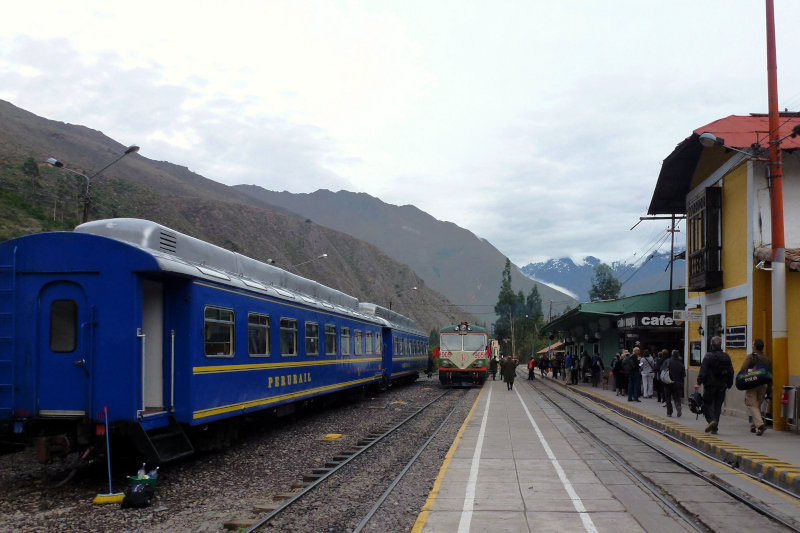
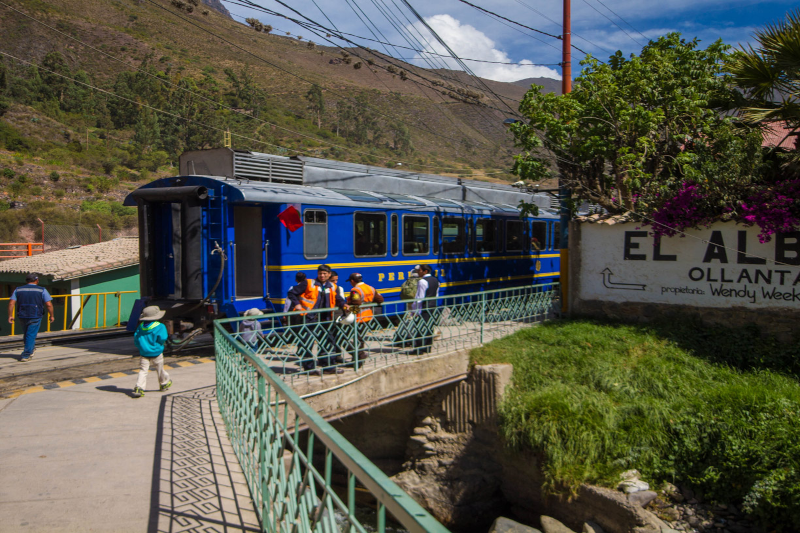
You’ll board a tourist train toward Aguas Calientes. Common options are the Expedition around 6:10 AM or a Voyager around 6:40 AM, depending on what’s available. (These are the kinds of details that change, so confirm close to departure.)
Get off at Km 104 → the trail starts in cloud forest
You’ll exit at Km 104, go through entry formalities, and then the hike begins. Right away, the vibe shifts: train noise fades, and the cloud forest takes over. Expect thick greenery, birds, and that damp warmth that makes you drink more water than you think you’ll need.
On-trail ruins → then Wiñay Wayna (the “wow” site on this route)
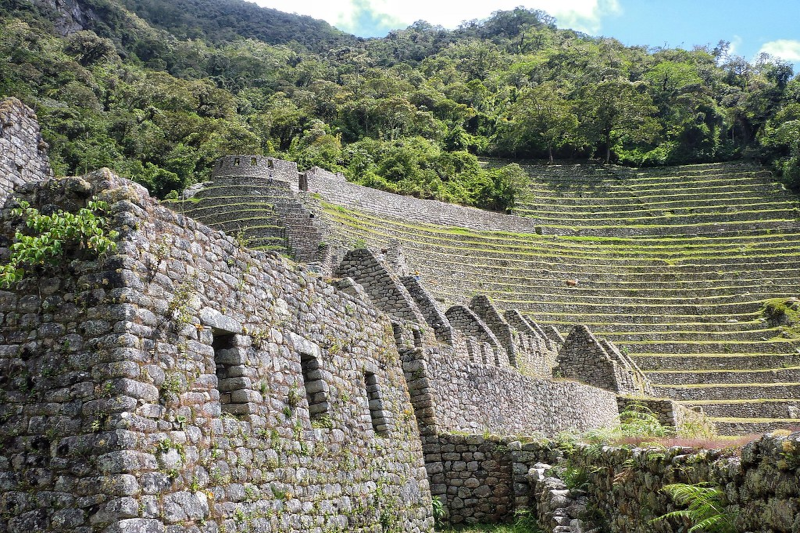
Over the next stretch, you’ll pass smaller ruins and viewpoints. Then you’ll reach Wiñay Wayna, one of the most striking sites on the short trail. Terraces stack along the hillside, stone walls hold their lines, and water channels still make sense when your guide explains them. It’s a nice reminder that Machu Picchu wasn’t a lone masterpiece—it was part of a whole system.
Wiñay Wayna → Sun Gate (Intipunku): the first Machu Picchu view
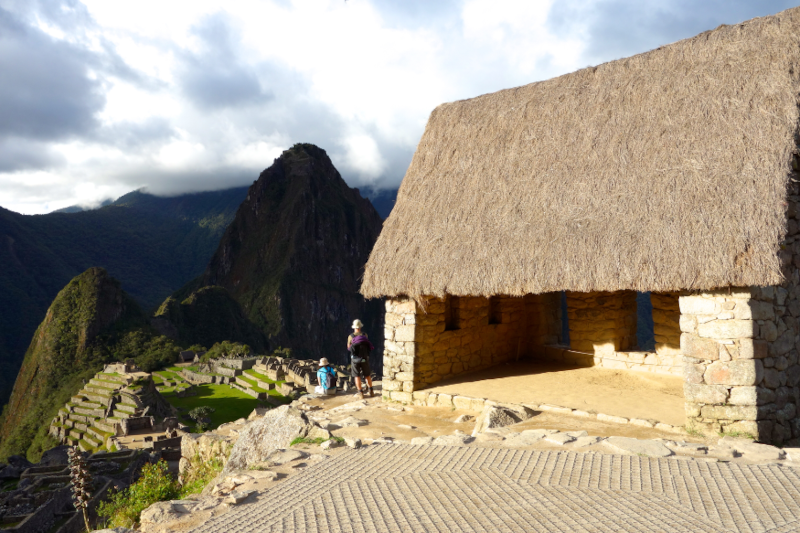
After Wiñay Wayna, you climb toward Sun Gate. This is the classic arrival point for Inca Trail hikers. When Machu Picchu finally shows up below you, it can hit hard—quietly, not like a movie scene. People compare the view to big bucket-list landmarks like the Great Wall of China, and yeah, the scale and history do scratch that same itch.
Sun Gate → Machu Picchu: guided tour, then free time
From Sun Gate you descend into Machu Picchu. The standard guided tour is about two hours. It’s part history, part navigation—your guide is also managing time windows and route rules. After that, you’ll usually have some free time, based on your ticket circuit and the day’s timing.
Bus down to Aguas Calientes → lunch → train back
When you’re done at Machu Picchu, you’ll take the bus down to Aguas Calientes. Lunch is often at a local restaurant. During the hike, travelers typically carry a box lunch, so your daypack should be comfortable. Later, you’ll catch a train back to Ollantaytambo around 4:00 PM (rough reference), then transfer by road back to Cusco, arriving around 9:30 PM.
Distance, pace, and the Km 104 Inca Trail elevation (plain-English version)
Key numbers at a glance
If you’re searching km 104 inca trail elevation, here are the main markers:
- Start (Km 104): ~2,000 m
- High point (Sun Gate): ~2,720 m
- Finish near Machu Picchu: ~1,900 m
How it actually feels on your body
Altitude here isn’t extreme, but it’s enough to notice—especially if Cusco is still “new” to your lungs. Add humidity, stone steps, and a long day, and you’ve got a hike that’s friendly… but still demanding. It’s a bit like a workday that looks fine on your calendar, then you realize it has seven meetings and no lunch break.
What to pack (keep it light, keep it smart)
You’ll enjoy the hike more if your bag doesn’t feel like a brick. Here’s a tight list that covers the real needs without turning your daypack into a storage unit:
- Water (and a plan to refill if your operator supports it)
- Sun protection: hat + sunscreen
- Rain layer (a light jacket beats a bulky poncho in wind)
- Insect repellent (the cloud forest can be bitey)
- Snacks + your box lunch
- Passport (and any permit/ticket info your operator asks for)
- Cash for small purchases in Aguas Calientes
- Phone + power bank (photos add up fast)
If you like gear that “doesn’t fight back,” trekking poles can help on steps and descents (check your operator’s rules). And yes, broken-in shoes matter. New boots on stone stairs? That’s a rookie mistake with a very real blister budget.
Keeping the day smooth: logistics, safety, and little time buffers
Hydration and altitude: boring topic, big payoff
Altitude and dehydration can team up. The fix is simple: drink early, sip often, and don’t wait until you feel wiped out. If you’re sensitive at altitude, acclimate in Cusco first. A chill day or two—walks, light hikes, good sleep—can change everything.
Stairs, knees, and pacing like a pro
This inca trail hike has plenty of steps. If your knees complain on descents, go slower and use the handrails where they exist. Your goal isn’t speed. Your goal is a clean finish, with enough energy left to enjoy Machu Picchu instead of staring at it like a tired zombie.
Train schedules: treat them like deadlines
Trains don’t run on “we’re almost there” time. They run on actual time. Build a little margin in your mindset, because delays happen: weather, crowds, checkpoint lines, bus queues. It’s not a crisis; it’s normal friction in a high-demand place.
Optional hikes after Machu Picchu (only if your ticket supports them)
Huayna Picchu
This one is famous and often limited. If you booked it, your guide will point you to the trailhead. It’s steep, and it can feel exposed, so it’s more “focus mode” than sightseeing mode.
Machu Picchu Mountain
Also a serious climb, but different in feel. It’s longer and usually less crowded than Huayna Picchu. Still, doing it after the Km 104 day is a lot. Not impossible—just a real ask.
Going back toward Sun Gate
Some routes allow a return walk toward Sun Gate (Intipunku). If it’s open and your timing works, it can be a calmer second look. And sometimes that’s the magic: the first view is exciting, the second view actually sinks in.
A few side notes you’ll be glad you knew
Maps and phone signal (a tiny tech digression)
Signal can be patchy. Download offline maps before you go—Google Maps offline areas or an app like Maps.me can help. You probably won’t need them with a guide, but it’s comforting to have a backup. Like a spare charger at an airport: you hope you won’t need it, but you’re happy when you do.
Bathrooms and small costs
Carry some coins or small bills. Bathrooms and small snacks in Aguas Calientes can be cash-only, depending on the spot. Also, keep hand sanitizer handy. Not glamorous, very useful.
Leave-no-trace, but make it realistic
This trail gets a lot of foot traffic. Pack out your trash, keep snacks secured, and follow your guide’s rules at ruins. The place feels alive because it’s cared for. That’s the deal.
Why the Inca Trail from Km 104 is a highlight (even if you’re tired)
The inca trail from km 104 gives you a full story arc in one day: Sacred Valley train ride, cloud forest hike, ruins with context, and then the big reveal at Sun Gate. You finish at the foot of Machu Picchu, not at a random endpoint, and that makes the effort feel complete.
If you can handle the early start and the long return to Cusco, this route is a strong pick. And if you catch late light on the stone at Machu Picchu—maybe even a soft sunset—well, that’s the kind of moment you replay on the flight home. You’ll be tired. You’ll also be glad you did it.