


Understanding Peru’s Dry Season: A Guide
Peru hits different from every angle, arid coast, dense jungle, frozen mountain peaks, all crammed into one country. Peru weather trips up first-time visitors constantly because what’s happening in the mountains has zero relevance to what’s happening on the coast. Worth understanding before committing to dates.
Most people end up building their whole trip around one window. Peru dry season runs roughly May to October, best setup for trekking, ruins, outdoor everything. “Dry” doesn’t automatically mean warm though, huge distinction depending on where someone actually lands.
When is the Dry Season in Peru?
When is dry season in peru is basically everyone’s first search. Two seasons, wet November to April, dry season peru May to October. That’s the whole picture in terms of big-picture planning.
South of the equator means those dry months land in astronomical winter. July in Peru is winter. Andean winter though, think blazing sunshine and bone-dry air, not snowstorms and gray skies. Completely counterintuitive if someone’s coming from the northern hemisphere.
A Country of Microclimates
Three zones, Coast, Mountains, Jungle, and weather conditions in peru shifts completely between each one. Same month, same country, wildly different experience depending on where someone’s standing. That’s the thing most people miss when planning.
Amazon stays hot and humid basically year-round, rainfall just drops a bit during these months. The Andes get a real distinct dry period, sharp sunny days, genuinely freezing nights. Lima gets la garúa instead, thick gray coastal mist sitting over the city from May to November, gloomiest time of year for the capital weirdly enough.
The Andean Highlands: The Heart of the Inca Empire
Cusco, Sacred Valley, Lake Titicaca, Arequipa, most visitors are here for this. Dry season in peru in the highlands means days of intense sunshine, nights that drop hard toward zero. Clear mountain views that the wet season clouds consistently block. That’s the whole draw.
Weather in Cusco and the Sacred Valley
May through October in Cusco, intense sun, deep blue skies, daytime temperatures hovering around 65°F to 70°F. Comfortable enough during the day, then the sun drops and everything changes fast. Elevation at 11,152 feet means the temperature swing is brutal and immediate.
June and July nights in Cusco regularly hit freezing. Sacred Valley gets almost zero rainfall during these months, hillsides going from wet-season green to that dry golden color. Snow-capped Vilcanota peaks against clear blue sky, that’s the shot everyone’s chasing and dry season in peru is the only time it’s reliably available.
Visiting Machu Picchu
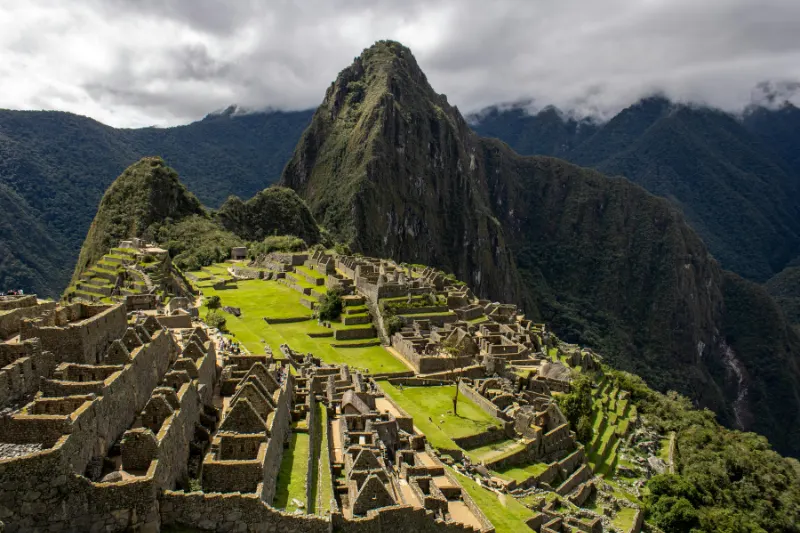
Best time to visit peru machu picchu falls squarely within the dry season, no real debate. Citadel sits lower than Cusco at around 7,970 feet, right on the edge of the cloud forest. Borders the jungle so it catches more rain year-round than the higher Andes do.
June through August though, views clear, stone steps stable, rain interruptions minimal. Morning mist burns off by mid-morning most days. That’s the window where the place actually looks like the photographs rather than a gray foggy ruin people paid a lot to see.
Trekking in the Dry Season
Peru is genuinely one of the best trekking countries on the planet. Dry season peru is when it’s safest and most comfortable to actually do that. Dry paths, clear views, conditions that reward preparation rather than punish it.
The Inca Trail and Southern Treks
Inca Trail peaks between May and September. Dry stone paths mean significantly less slipping on the steep sections like Dead Woman’s Pass. Views open up across valleys and glaciers that wet season clouds just swallow entirely.
Salkantay and Ausangate benefit equally from dry season in peru. Salkantay campsites sit above 12,000 feet, July nights there drop to 15°F (-9°C). Four-season sleeping bag isn’t optional gear at those elevations, it’s a safety item.
The Cordillera Blanca in the North
Southern Peru gets all the attention but the northern Andes are genuinely spectacular. Cordillera Blanca during dry season peru, based out of Huaraz, is the kind of landscape that doesn’t look real. Jagged ice-covered peaks, turquoise glacial lakes, the whole thing.
Santa Cruz and Huayhuash Circuit cross high mountain passes above 15,000 feet. Dry season gives the safest conditions for those crossings. Intense sun during the day, bitterly cold nights, both simultaneously true the whole time.
Into the Amazon Rainforest
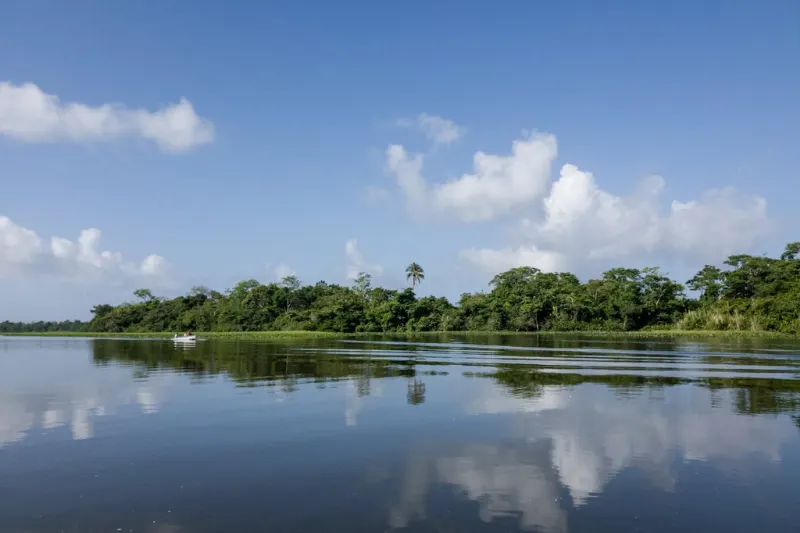
Amazon covers nearly 60% of Peru and peru dry season changes the jungle experience significantly. Water levels in Amazonian rivers drop during these months, which actually opens things up considerably:
- Jungle walks: Flooded wet-season trails become accessible, extensive terrestrial exploration possible.
- Wildlife viewing: Animals concentrate around shrinking water sources, spotting gets considerably easier.
- Macaw clay licks: Famous collpas where hundreds of macaws gather to eat mineral-rich clay are most active during dry months.
- Fewer mosquitoes: Slight reduction in mosquito populations compared to wet season, slight being the key word.
Tropical downpours still happen during dry season in peru, even here. Friajes hit occasionally too, cold fronts sweeping up from Patagonia dropping temperatures to 50°F (10°C) out of nowhere for a few days.
The Cultural Pulse: Festivals of the Dry Season
Peru dry season also lines up with the best festivals, not just the best weather. Clear skies make massive outdoor celebrations actually possible in ways the wet season doesn’t allow. Ancient Incan beliefs and Catholic traditions both driving a packed calendar.
Inti Raymi (The Festival of the Sun)
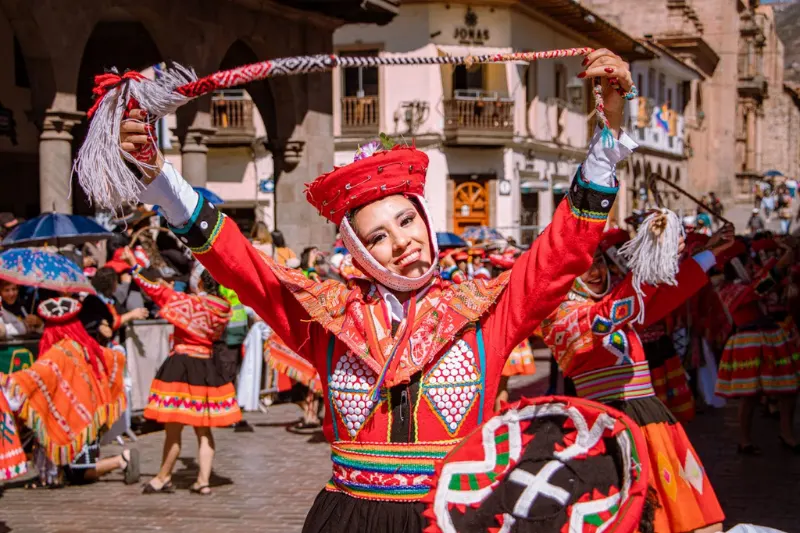
June 24th in Cusco every year, coincides with the winter solstice. Hundreds of actors in traditional costumes, music everywhere, dancing filling the streets. Starts at the Qorikancha, ends in a hours-long ceremony of Inti Raymi at Sacsayhuamán above the city. One of the biggest cultural events in South America.
Peruvian national holidays
Independence celebrated July 28th and 29th, parades and street food and music across the whole country. Peru travel tips for this specific window, book accommodation extremely early. Cusco hotel prices spike and last-minute rooms basically don’t exist.
Virgin of Carmen
Mid-July in Paucartambo, few hours from Cusco. Elaborate masked dances, indigenous and Catholic traditions mixed together in ways that feel genuinely unique. One of the more authentic things available during dry season in peru for people willing to leave the main tourist circuit.
Managing the Crowds: Peak Season vs. Shoulder Season
Dry season peru lines up with North American and European summer vacations, so peak tourism and best weather arrive together. Machu Picchu, Sacred Valley, Cusco, all busy. That’s just what comes with traveling during the optimal window.
Navigating Peak Tourism
June, July, August means crowds, accepting that upfront makes everything easier. Machu Picchu at 6am opening time or late afternoon entry is considerably quieter than the 10am to 2pm window. Sites like Choquequirao offer similar quality with a fraction of the people.
The Magic of the Shoulder Season
May and September through October sit in a genuinely sweet spot. May has the post-rain lushness, crowds not peaked yet, weather mostly clear. September and October warm slightly, the July and August crowds thinning considerably. Either shoulder month often better than peak for people with flexible schedules.
Essential Logistics and Booking
Peru travel tips for dry season peru start with one thing, don’t leave logistics late. Peak period means everything fills up fast, flights, trains, entry tickets, accommodation.
Classic Inca Trail permits need six to eight months minimum lead time. Government caps at 500 people per day total including guides and porters, May through July permits selling out by December the previous year. Machu Picchu entry and Ollantaytambo train tickets need the same advance planning, timed-entry circuits making desirable slots disappear fast.
Hotels in Cusco, Sacred Valley, Lima book out months ahead too. Peru weather being universally favorable during this window drives demand that makes short-notice bookings expensive and unrealistic. Set the itinerary, make reservations immediately after.
Health and Wellness in the Andes
High Andes during dry season in peru means managing two things most people underestimate, altitude and UV exposure. Atmosphere is significantly thinner, less protection from UV rays than anywhere at sea level. Both hit harder than expected and both require proactive management rather than reactive damage control.
Practical steps for managing altitude in sunny peru dry season conditions:
- Hydration: Arid air means losing moisture constantly with every breath. Water intake is primary altitude sickness defense.
- Sun protection: SPF 50+ sunscreen, UV-blocking sunglasses, wide-brimmed hat, every single day without exception.
- Acclimatization: Fly into Cusco, immediately head down to Sacred Valley around 9,000 feet for the first few nights before returning higher.
- Coca tea: This tea everywhere, helps stimulate the body and soothe the stomach, locals have used it at these elevations forever.
The Ultimate Packing List for the Dry Season
Multiple climate zones means packing for peru dry season needs real thought. Misty cool Lima, freezing Andean nights, humid jungle, all potentially in one trip. Layering is the concept that makes all of it manageable without overpacking.
Clothing
- Base layers: Moisture-wicking short and long-sleeved shirts, merino wool best for temperature regulation and smell management on multi-day treks.
- Mid layers: Warm fleece or alpaca wool sweater, alpaca versions available cheap in Cusco and Pisac markets.
- Outerwear: Lightweight puffer jacket for cold mornings and evenings, packable rain jacket still useful around Machu Picchu cloud forest.
- Bottoms: Lightweight trekking pants, zip-offs work well in the Andes, comfortable jeans for cities.
- Thermal underwear: Non-negotiable for trekking and camping, sleeping at high campsites requires them.
Footwear
- Hiking boots: Sturdy, broken-in, waterproof, excellent ankle support for Inca Trail or Cordillera Blanca.
- Trail runners or walking shoes: Sacred Valley ruins, Cusco cobblestones, Machu Picchu touring, these cover all of that.
- Camp shoes: Lightweight sandals, feet need actual rest after long days on steep terrain.
Accessories and Gear
- Daypack: 20 to 30 liter pack for water, camera, sunscreen, and the layers being shed as the sun rises.
- Cold weather accessories: Warm beanie, insulated gloves, thick scarf, all available locally in alpaca which makes decent souvenirs too.
- Sun protection: Wide-brimmed hat, polarized sunglasses, SPF 50+ lip balm.
- Power bank: Cold kills phone and camera batteries fast, portable charger essential.
- First aid: Blister treatments, ibuprofen, altitude medication if a doctor prescribed it before departure.
Exploring Beyond the Andes
The Coastal Desert and Lima
Lima May through October means lowering sunshine expectations considerably. Humboldt Current creates the garúa, flat gray sky sitting over the city, chilly damp air around 60°F (15°C). Peru weather on the coast during the dry season is the opposite of what the name suggests. Gloomiest window of the year for the capital.
Culinary scene makes Lima worth visiting regardless of the sky. Miraflores and Barranco restaurants serving ceviche, lomo saltado, pisco sours at world-class level. Head south to Paracas or Nazca and dry season peru conditions actually improve, skies clearing significantly once away from the Humboldt’s influence.
The Southern Highlights: Arequipa and Lake Titicaca
Arequipa, the “White City,” gets over 300 days of sunshine annually, including during winter months. Sits lower than Cusco at around 7,600 feet, making it a genuinely useful acclimatization stop before heading deeper into the Andes. Peru weather here is some of the most consistent in the country.
Lake Titicaca at 12,500 feet during dry season in peru means crystal clear skies and intense bright sunlight reflecting off the world’s highest navigable lake. Puno nights drop well below freezing though, no getting around that. Heavy thermals are necessary regardless of how the daytime temperatures feel.
Making the Most of Your Itinerary
Dry season peru itinerary requires pacing above everything else. First few days overbooked is the most common mistake, altitude and time zones both demanding rest that most travelers don’t budget for. Practical 10 to 14 day framework:
- Lima: 1 to 2 days, culinary exploration and coastal acclimatization.
- Arequipa: Optional but recommended, 2 days, Santa Catalina Monastery, lower elevation acclimatization.
- Cusco via Sacred Valley: Transfer immediately into lower elevation for first nights in Peru.
- Sacred Valley: 2 days, ruins, altitude adjustment, clear dry-season skies.
- Machu Picchu: Train or hike in, full day exploring in clear dry conditions.
- Cusco: 3 days fully acclimatized, Sacsayhuamán, San Pedro market, city exploration.
- Extension: Multi-day trek, Amazon at Puerto Maldonado, or Lake Titicaca at Puno.

Final Thoughts on Timing Your Peruvian Adventure
Inca Trail trekking, Machu Picchu under a flawless blue sky, Cordillera Blanca photography, the peru dry season is when all of that is reliably available. Trails safe, festivals running, jungle accessible, mountains clear.
Sharing the experience with more travelers, booking everything months ahead, packing for freezing nights, those are the trade-offs. Minor compared to what dry season peru actually delivers during those months.
Best time to visit peru depends on the specific trip. But for the vast majority of what draws people to Peru in the first place, the dry season in peru delivers it in a way the wet season genuinely cannot.