Tipon Pikillacta Ruins – Piquillacta Ruins and Andahuaylillas Church
Adventure

Tipon Pikillacta Ruins – Piquillacta Ruins and Andahuaylillas Church

Duration 1 days
Group size Max 10
Difficulty Moderate
Tour Overview

South Valley Cusco Tour or South Sacred Valley tour is a half-day tour to the archaeological remains in the south of Cusco. On this half day tour you will be visiting three iconic sites of Inca empire and Wari culture. Tipon Pikillacta Ruins and Andahuaylillas Church. 

This is a perfect addition to the Super Sacred Valley Tour. This would give you a complete overview of the culture and traditions of Incas and their history. 

As a safety measure to control COVID 19 pandemic, face masks are required for travelers in public places and in transport. All our vehicles are sanitized after each trip. 

Do take a moment to check our review on TripAdvisor

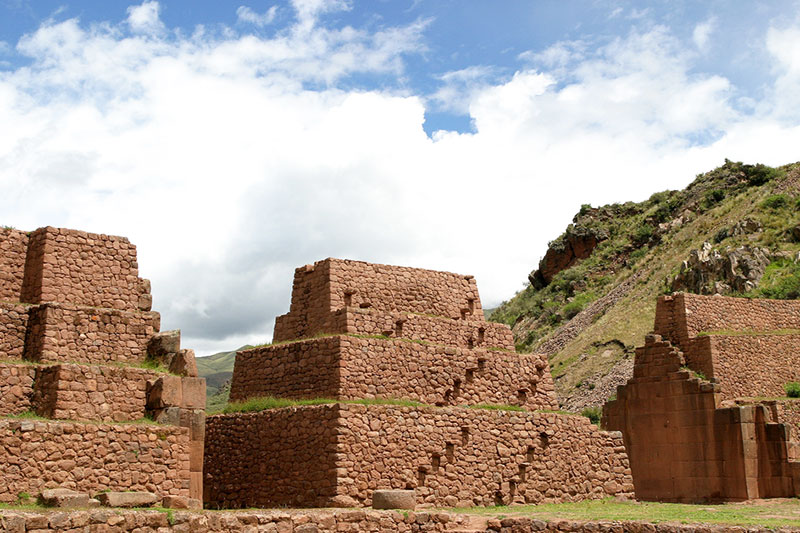
The tour starts with a pickup from your hotel in Cusco. We will then drive you to the Inca ruins of Tipon. Tipon in Quechua means Flea City. It is a site popular for water channels and agricultural terraces. It was ceremonial centre to Incas for worshipping water. 

The street below the site is popular among locals. During weekends, locals gather to savour the local delicacy guinea pig which is a popular tradition here.

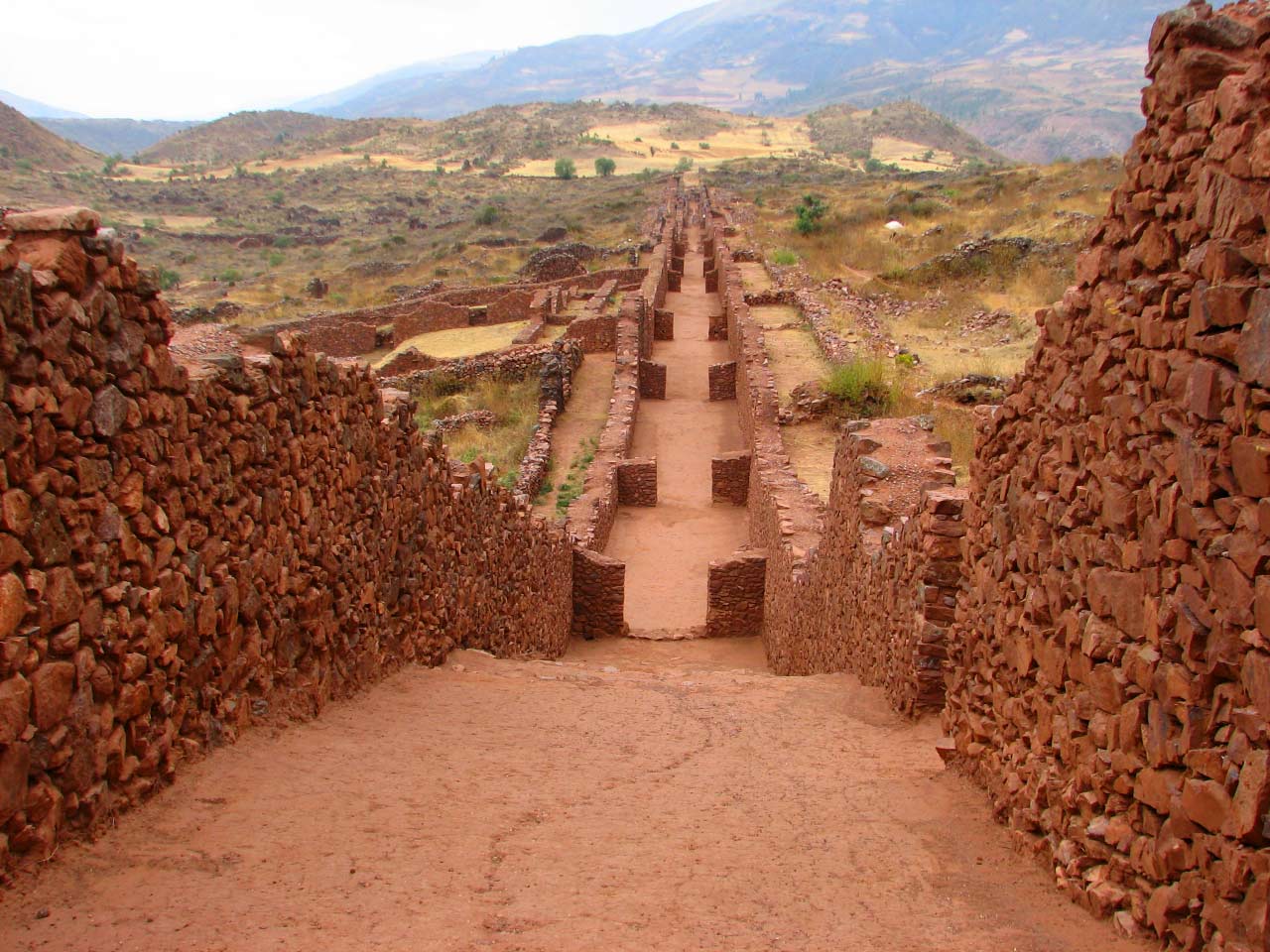
The next stop will be at the Pikillacta or Piquillacta ruins. It is the only site that exists from Pre Inca time. On the way, we will be passing through a dusky town of Oropesa. It is the “bread capital of Peru''. It houses over fifty different bakeries. 

Pikillaqta is a hilly region with small lakes in the vicinity. The complex entirely built in adobe. They once dominated the coastal and central parts of Peru. During the Wari rule and even during the Incas, maize was majorly produced here. 

Maize was so important to Waris that they painted it in their pottery along with supernaturals and deities. Back then, Pikillacta controlled the whole region through agriculture.

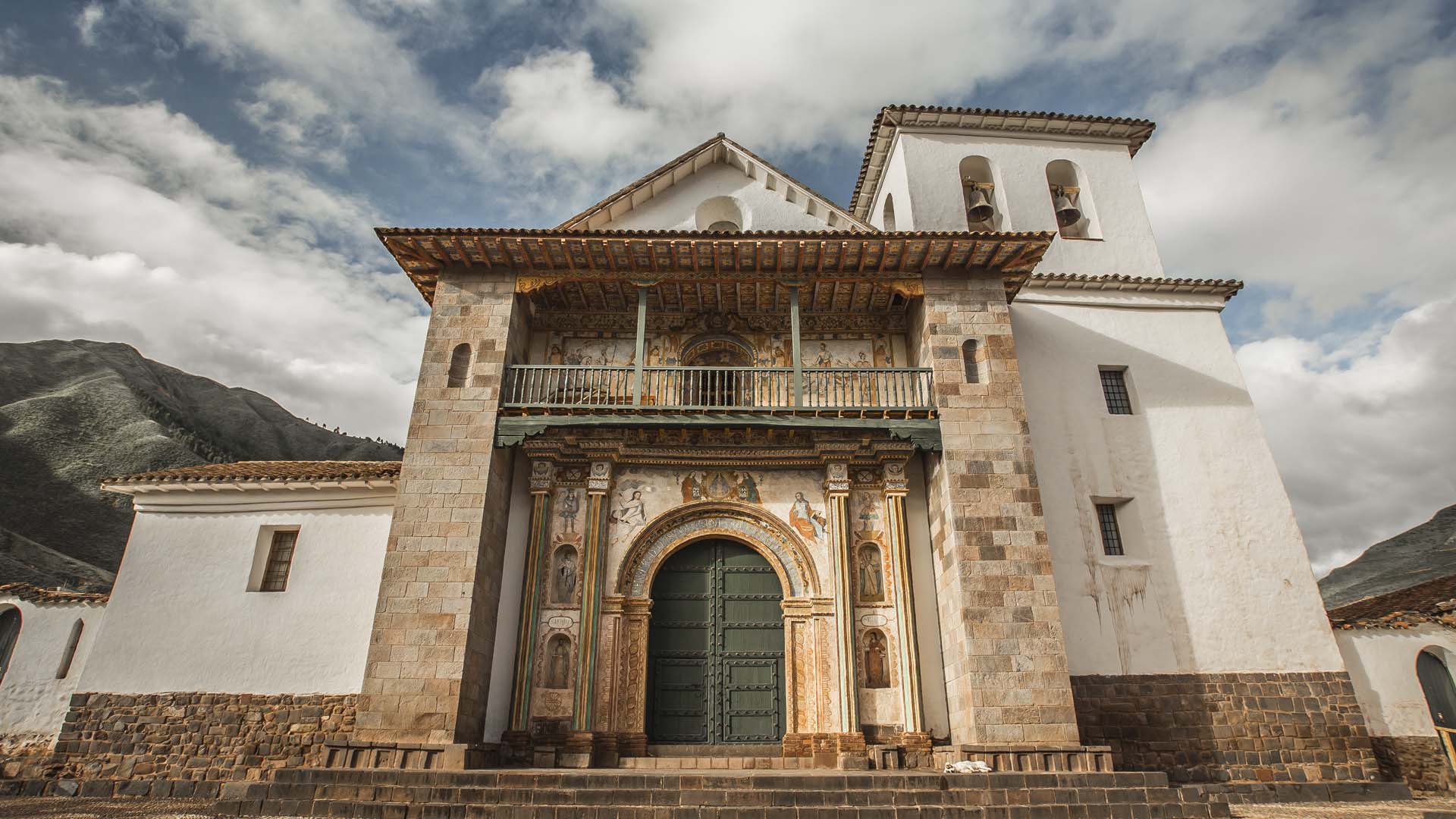
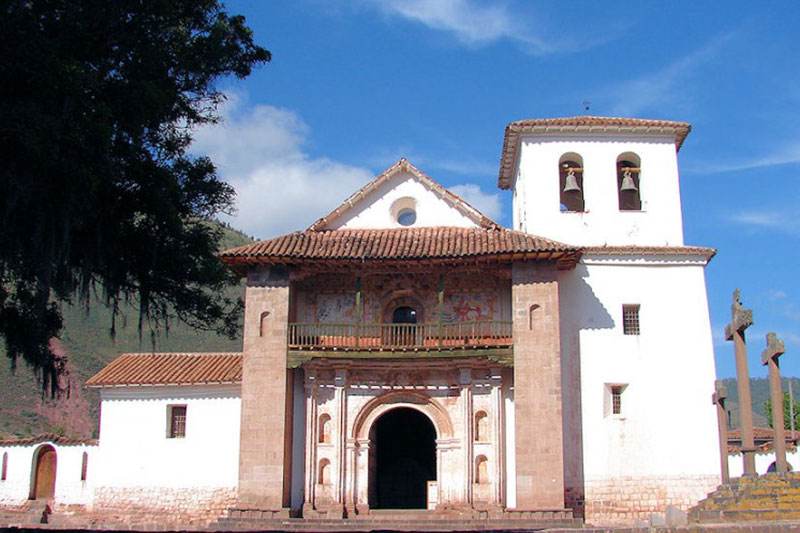
We will then visit Andahuaylillas. It is home to The Sistine Chapel of the Americas. Although from outside it may not seem so eye catching, the interiors are an eye popping kaleidoscope. It has a dazzling display of colourful murals, an ornate gold leaf altar and ceilings painted in coffered. 

San Pedro Apostol de Andahuaylillas as known by the locals, was built at the end of the 16th century. One of its murals, signed by Luis de Riaño, has a date written in it that states it is from the year 1626.

After the tour, we will be returning to the city of Cusco.

Included

Includes

  • Cusco Hotel Transfer
  • Bi-Lingual Guide (English & Spanish)
  • Transport
Not included

Excludes

  • Meals
  • Entrance Fees (Circuit ii City Tour Ticket)

Equipment

Backpack
Backpack
Sunglasses
Sunglasses

Essential

Cash
Cash
Passaport
Passaport

Clothes

Jacket
Jacket

Recommended

Sun cream
Sun cream

Explore Cusco through Our Eyes

Stories, tips & travel guides from our team on the ground

What is Machu Picchu?
Uncategorized
April 29, 2026

What is Machu Picchu?

Machu Picchu, often hailed as the “Lost City of the Incas,” is an awe-inspiring historical sanctuary located high in the rugged Andes Mountains of Peru. This ancient city is not only an architectural marvel but also a testament to the ingenuity and sophistication of the Inca civilization.  As one of the most iconic and well-preserved archaeological sites in the world, Machu Picchu captures the imagination of travelers, historians, and adventurers from all corners of the globe. In this expanded article, we delve into the rich history, profound significance, and unforgettable visitor experience of Machu Picchu, offering you a comprehensive understanding and appreciation of this extraordinary destination. Machu Picchu Unveiled: Secrets of a Lost Inca Citadel The story of Machu Picchu begins in the 15th century during the reign of the illustrious Inca emperor Pachacuti. This period marked a time of great expansion and prosperity for the Inca Empire, and the construction of Machu Picchu was a monumental project that reflected their architectural prowess. Machu Picchu’s construction is a prime example of classical Inca architectural styles, which are renowned for their precision and durability. The city was built using a technique known as ashlar, where stones are cut to fit together without the use of mortar. This method not only ensured stability but also allowed the structures to withstand the region’s frequent earthquakes. The site’s design incorporates terraces and water channels, showcasing the Incas’ advanced understanding of engineering and agriculture. The exact purpose of Machu Picchu remains a subject of debate among historians and archaeologists. While it is widely believed to have been a royal estate or sacred religious site, some theories suggest it may have served multiple functions, including as a ceremonial center and a hub for astronomical observations. The strategic location of Machu Picchu, nestled between the Andes and the Amazon Basin, further underscores its significance as a place of spiritual and cultural convergence. Despite its grandeur, Machu Picchu was abandoned in the 16th century during the Spanish Conquest and remained hidden from the outside world for centuries. It was not until 1911 that American historian Hiram Bingham brought international attention to the site. Since its rediscovery, Machu Picchu has become a symbol of the Incan civilization’s ingenuity and resilience. In 1983, it was designated as a UNESCO World Heritage Site, solidifying its status as one of the world’s most treasured cultural landmarks. Where Mountains Meet Genius: The Sustainable Marvel of Machu Picchu Machu Picchu is more than just an archaeological site; it is a cultural and historical treasure that offers a profound insight into the Inca Empire’s sophisticated understanding of various disciplines. The engineering marvels of Machu Picchu are evident in its intricate network of terraces, stairways, and aqueducts. These structures demonstrate the Incas’ mastery of land management and their ability to adapt to the challenging mountainous terrain. The precision with which the stones were cut and assembled has left modern architects and engineers in awe, as these structures have withstood the test of time. The location of Machu Picchu provided the Incas with access to diverse ecological zones, enabling them to cultivate a variety of crops. The terraces were ingeniously designed to optimize water distribution and prevent soil erosion, showcasing the Incas’ advanced agricultural techniques. This sustainable approach to farming ensured the city’s self-sufficiency and contributed to the prosperity of the Inca Empire. Machu Picchu’s alignment with celestial events highlights the Incas’ deep understanding of astronomy. Structures such as the Intihuatana Stone served as ancient astronomical clocks, allowing the Incas to track solstices and equinoxes. This connection to the cosmos was integral to their spiritual beliefs, as they revered celestial bodies as deities and used astronomical observations to guide agricultural practices and religious ceremonies. From Valley to Citadel: The Sacred Bond Between Machu Picchu and the Andes The Sacred Valley, or “Valle Sagrado” in Spanish, is a critical component in understanding Machu Picchu’s significance. This fertile region was the heart of the Incan Empire, serving as an agricultural powerhouse and spiritual center. The interconnectedness of the Sacred Valley and Machu Picchu underscores the Incas’ reverence for nature and their ability to harmonize with their environment. The proximity of the two sites highlights the seamless integration of the Inca society’s agricultural, spiritual, and cultural aspects. Machu Picchu’s breathtaking location is one of its defining characteristics, offering visitors an unparalleled view of the majestic Andes Mountains and the lush Urubamba River Valley below. Perched at an elevation of approximately 2,430 meters (7,970 feet) above sea level, Machu Picchu’s location presents both challenges and rewards for visitors. The high altitude can cause altitude sickness, which is why acclimatization is essential. Spending a few days in Cusco or the Sacred Valley, which are at slightly lower altitudes, can help travelers adjust to the thinner air and enhance their overall experience. The site is situated on a mountain ridge, providing panoramic vistas of the surrounding peaks and the verdant valley. The dramatic landscape is not only visually stunning but also served a strategic purpose for the Incas, offering natural protection and a vantage point for observing the surrounding environment. The diverse flora and fauna of the region add to its ecological richness, making it a haven for nature enthusiasts and photographers alike. Machu Picchu Unshaken: Earthquakes, Architecture, and Andean Adventure…