Saint Peter the Apostle of Andahuaylillas
Adventure

Route of the Sun Cusco to Puno 1 Day

Duration 1 days
Group size Max 10
Difficulty Moderate
Tour Overview

Experience the legendary Route of the Sun Cusco to Puno with Happy Gringo Tours — much more than just transportation between two destinations.

From colonial churches and ancient Inca ruins to breathtaking Andean mountain landscapes, this unforgettable journey along the sun route Cusco to Puno combines history, culture, and nature in one seamless experience.

Travel in comfort aboard a modern tourist bus Cusco to Puno, while our expert local guides bring each stop to life with fascinating stories and insights you won’t find in any guidebook.

This is the best way to explore the Route of the Sun Peru, turning the long journey across the Andes into a meaningful and enriching adventure.

06:40 AM – Departure from Cusco

Start your journey along the Route of the Sun Cusco to Puno.

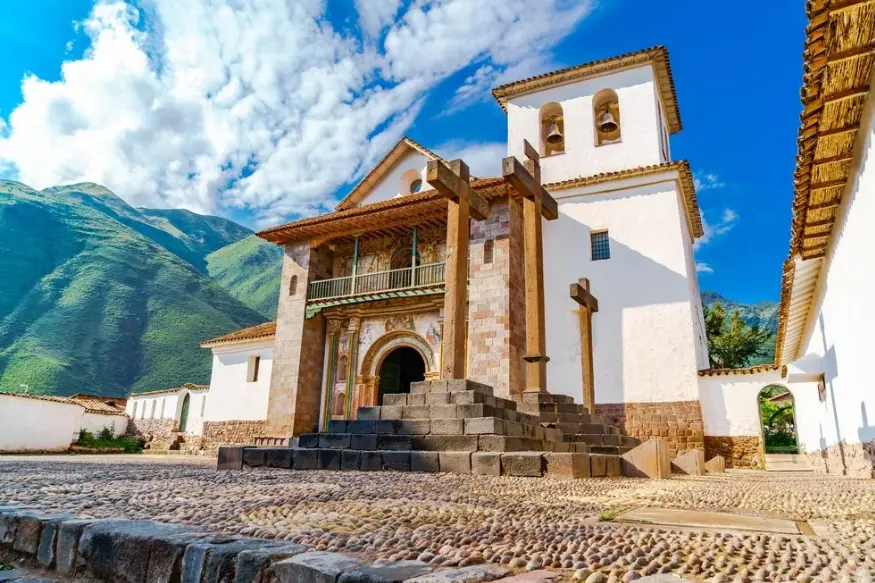
07:40 AM – Andahuaylillas (Sistine Chapel of America)

Visit the Church of Saint Peter the Apostle, a 16th-century Jesuit temple built over an ancient Inca site. Its simple exterior contrasts with a stunning interior filled with gold details, murals, and colonial art.

10:15 AM – Raqchi (Temple of Wiracocha)

Explore one of the most important Inca archaeological sites along the sun route Cusco to Puno. Discover the Temple of Wiracocha, an impressive structure with 15-meter-high walls dedicated to a superior Andean deity.

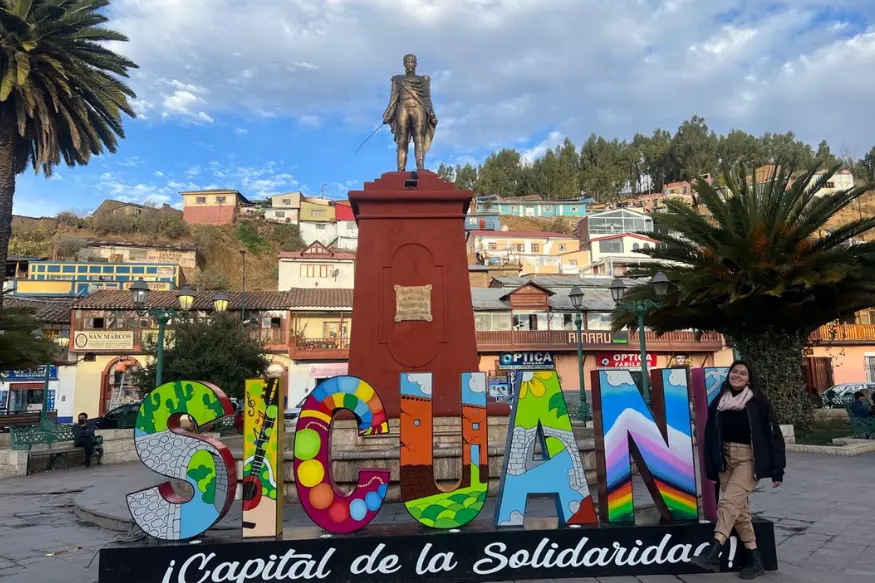
11:35 AM – Buffet Lunch in Sicuani

Enjoy a traditional Andean buffet with a variety of options including beef, chicken, fish, fresh salads, desserts, and herbal infusions, all served with panoramic views of the Andes.

02:15 PM – La Raya Pass

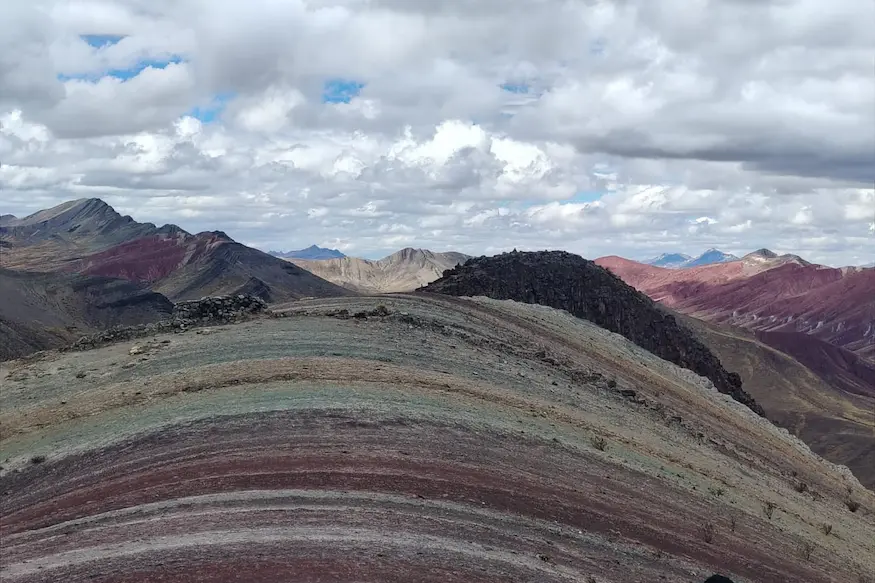
Stop at the highest point of the Cusco to Puno route (4,335 m), where you’ll enjoy breathtaking views of the Andes and the natural border between Cusco and Puno.

03:20 PM – Pucará Museum

Discover the ancient Pucará culture, known for its monolithic sculptures and colorful ceramics that reflect early Andean civilization.

05:30 PM – Arrival in Puno

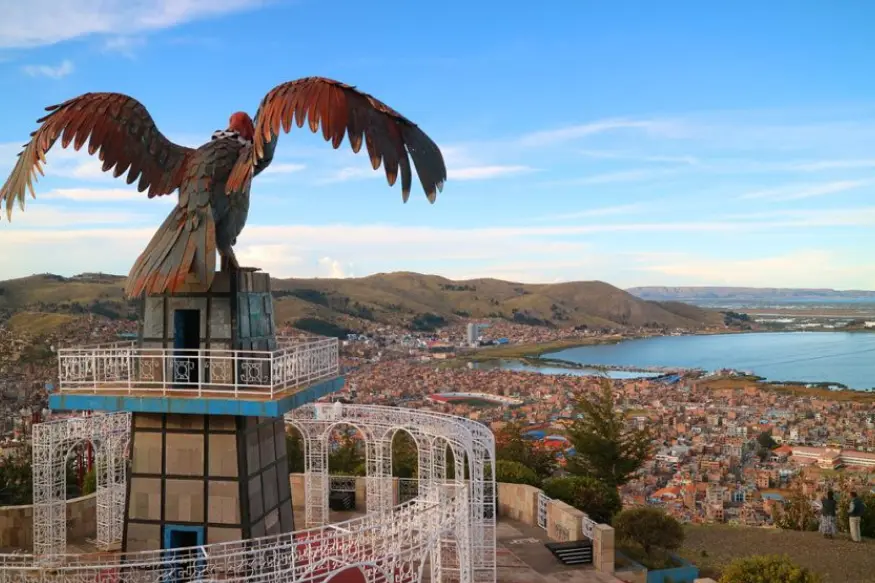
Arrive in Puno near Lake Titicaca after completing the unforgettable Route of the Sun Peru.

Included

Includes

  • Travel in a comfortable tourist bus from Cusco to Puno with reclining seats and panoramic windows.
  • Bilingual guide providing cultural insights and stories throughout the journey.
  • Guided stops at Andahuaylillas, Raqchi, La Raya viewpoint, and the Pukará Museum.
  • Free high-speed Wi-Fi available on board.
  • Buffet lunch in Sicuani with fresh local cuisine.
  • Complimentary drinks on board including coca tea, coffee, herbal infusions, soda, and water.
  • Oxygen supply and heating system for comfort at high altitude.
  • Clean onboard facilities with hygiene protocols in place.
Not included

Excludes

  • Personal Expenses: Any personal purchases such as drinks, snacks, souvenirs, or additional services are not covered by the tour.
The journey takes around 10 hours, including all guided stops along the Route of the Sun.
The distance is approximately 386 km (240 miles) across the Andes.
It is a guided experience, not just transportation. The tourist bus Cusco to Puno includes cultural stops and explanations at each site.
Main stops include Andahuaylillas, Raqchi, La Raya Pass, and the Pucará Museum.
Yes, a buffet lunch in Sicuani is included with multiple food options.
Yes, it is a safe and organized route operated by professional drivers and guides.
The route reaches high altitude (up to 4,335 m). Mild symptoms are possible if not acclimatized.
The tour ends at the bus terminal in Puno, near Lake Titicaca.
Yes, large luggage is stored below the bus, and you can carry a small backpack with essentials.
Yes, because the sun route Cusco to Puno allows you to explore cultural and historical sites instead of just traveling.

Explore Cusco through Our Eyes

Stories, tips & travel guides from our team on the ground

Lares Trek FAQs
Uncategorized
April 29, 2026

Lares Trek FAQs

Lares Trek is the third most preferred trail to Machu Picchu, and it is available in a variety…

Galapagos Islands: Explore a Natural Wonder
Uncategorized
April 29, 2026

Galapagos Islands: Explore a Natural Wonder

The Galapagos Islands, a remote archipelago in the Pacific Ocean, are a mesmerizing natural wonder that captivates the imagination. Known for their unique biodiversity and as a pivotal location in Charles Darwin’s formulation of the theory of evolution, these islands offer a unique glimpse into the power of nature and time. Journey with me as we explore the unparalleled beauty and significance of the Galapagos Islands, uncovering the rich tapestry of life that calls this place home. The Galapagos Islands are not merely a destination; they are a living laboratory of evolution. This volcanic archipelago consists of 13 main islands and numerous smaller islets, each offering a distinct array of species and landscapes. From the moment you set foot on these shores, you’ll encounter an astonishing array of wildlife, from the famous Galapagos tortoises to the elusive Galapagos shark. Galapagos: Cradle of Evolution and Living Laboratory of Nature The islands’ isolation and unique environmental conditions have given rise to a plethora of endemic species found nowhere else on Earth. It was here that Charles Darwin, aboard the HMS Beagle in 1835, was inspired to develop his groundbreaking theory of natural selection. The Galapagos remain a testament to the power of adaptation and evolution, providing an invaluable window into the processes that shape life on our planet. Darwin’s observations of finches and other animals led him to consider how species adapt to their environments. This insight was revolutionary, challenging the prevailing thought of the time. The Galapagos finches, with their varied beak shapes, demonstrated how species could evolve to exploit different ecological niches. These islands continue to be a focal point for research, offering scientists a natural laboratory to study evolution in real-time. While the natural wonders of the Galapagos are undoubtedly the main draw, the islands also boast a rich cultural and historical heritage. The islands were initially discovered by Bishop Tomás de Berlanga in 1535, and their name, “Galapagos,” is derived from the Spanish word for tortoise, reflecting the abundant population of these majestic creatures. The human history of the Galapagos adds layers of intrigue to their natural allure. Early visitors included pirates and whalers, who left their mark on the islands. The Galapagos played a strategic role during World War II as a base for the United States, further entwining their history with global events. Today, the islands are a UNESCO World Heritage site, recognized for their natural and cultural significance. Conservation efforts: Conservation…