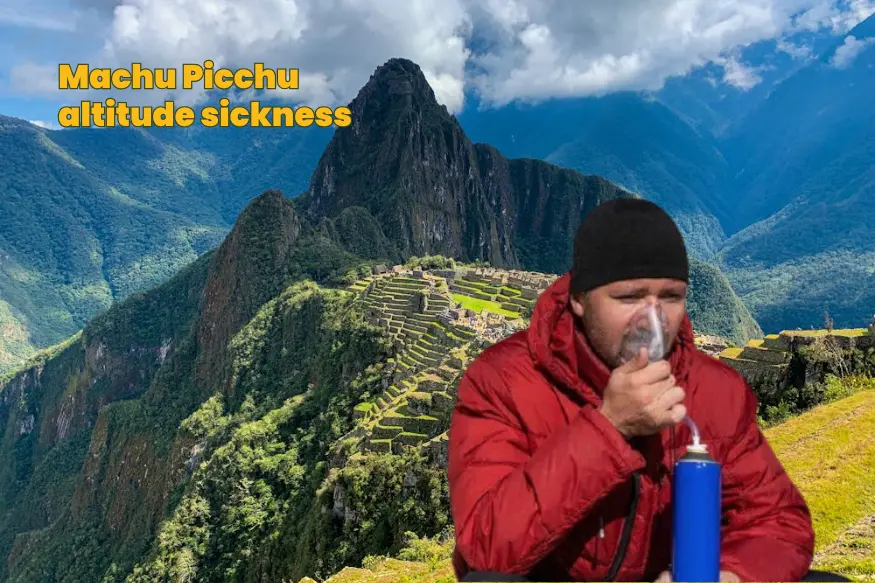
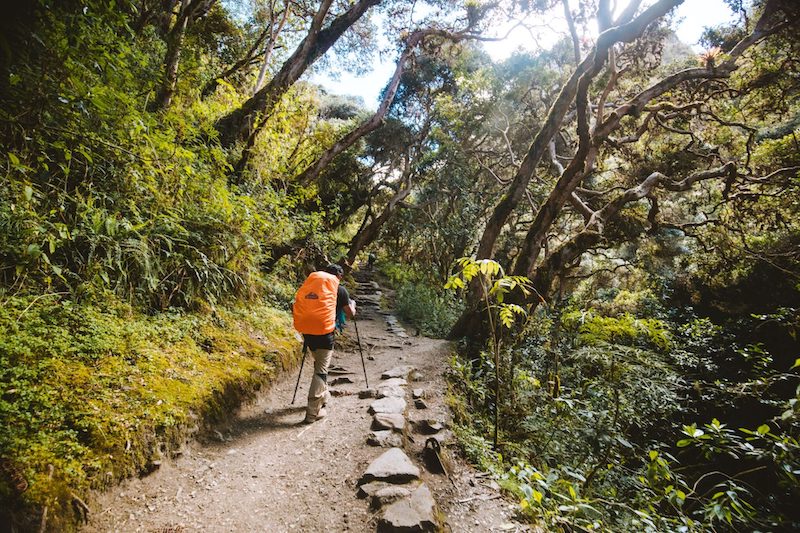
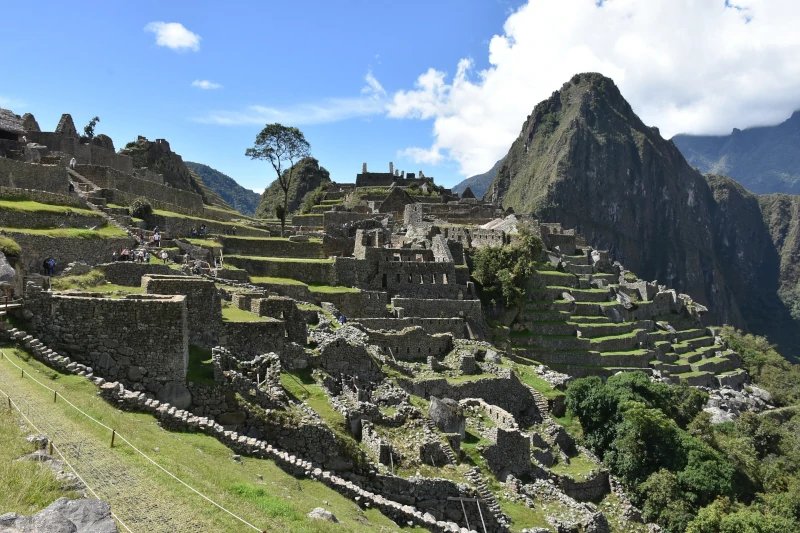
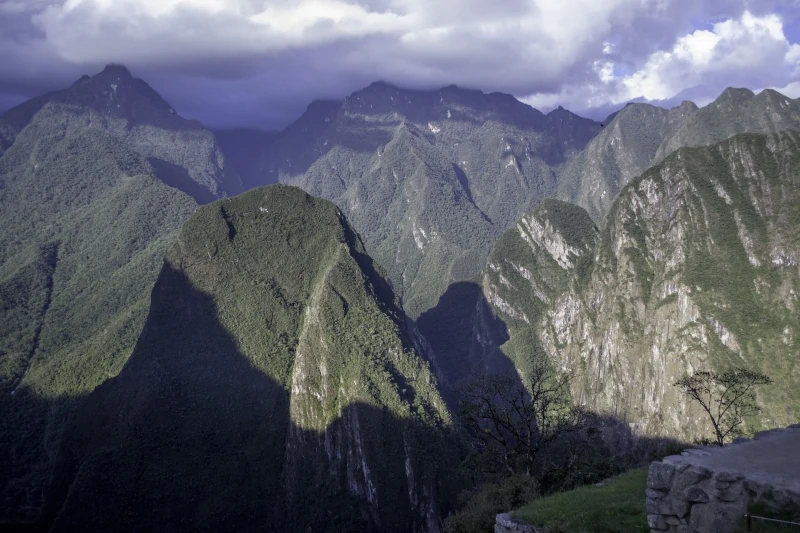
Embark on a journey to the stunning Humantay Lake, a gem nestled in the Peruvian Andes. This article offers an essential Humantay packing list for the adventure. Prepare to traverse diverse terrains and witness breathtaking landscapes.
The right gear ensures a comfortable and safe trek. From sturdy hiking boots to weather-appropriate clothing, every item counts. We’ll cover the essentials, making your packing process streamlined and efficient.
Consider the altitude and weather variations of Humantay. Layering is key for the changing temperatures. Don’t forget essential items like sunscreen and a hat for protection.
Remember, hydration is crucial at high altitudes. Bring a refillable water bottle to stay hydrated. Also, pack energy-boosting snacks to maintain your stamina throughout the hike.
Capture the beauty of Humantay Lake with a reliable camera. But, balance your pack’s weight; overpacking can hinder your trek. A well-thought-out packing list enhances your experience, focusing on enjoyment rather than discomfort.
The art of packing for Humantay: Setting the stage for adventure
Embarking on the trek to Humantay Lagoon in Cusco requires thoughtful preparation. A well-crafted Humantay packing list sets the adventure’s foundation. This guide helps you pack smartly, ensuring a memorable journey.
Firstly, check the Humantay Lake weather forecast. This step is crucial for selecting appropriate attire. Incorporate a base layer, a long-sleeved shirt, and a warm jacket in your Humantay packing list. These items protect against cold, especially as temperatures drop in the evening.
Include a reliable pair of hiking boots, designed for rugged terrain. Pair them with comfortable hiking socks to prevent blisters. Don’t bring shoes that lack proper grip or support for this challenging trek.
Carry a lightweight, durable water bottle. Staying hydrated is vital in the high-altitude environment. Alongside water, pack snacks like nuts and energy bars to maintain your energy levels.
Invest in a quality backpack, preferably from a trusted brand like North Face. Ensure it has enough space for essentials but remains easy to carry. Include a sleeping bag for overnight treks, focusing on compact and warm options.
Remember to bring trekking poles. They offer stability and reduce strain on knees during the hike. Trekking poles are especially helpful on steep or uneven paths.
Add essentials like sunscreen, sunglasses, and bug spray to your list. These protect against the sun and insects, enhancing comfort during the hike. If visiting Machu Picchu, adapt your Humantay packing list accordingly to include specific requirements for that trek.
Lastly, prepare for unexpected weather changes. A rain poncho or waterproof jacket can be a trek-saver. Pack light, but smart, balancing between preparedness and mobility. This art of packing transforms your Humantay adventure into an unforgettable experience.
Essentials for a day in the Andes: A detailed Humantay Packing List
When planning to visit Humantay Lake, a detailed Humantay packing list is essential. This list ensures a successful day in the Andes. Each item plays a crucial role in your adventure.
First on the Humantay packing list: appropriate clothing. Layering is key because of the changing weather conditions. Include a base layer, a fleece, and a waterproof jacket for versatility.
Footwear is vital for visiting Lake Humantay. Choose sturdy, comfortable hiking boots to navigate the rugged terrain. Pair them with moisture-wicking socks to keep your feet dry.
Next, focus on hydration and nutrition. Bring a durable water bottle and include snacks like nuts and fruit. Snacks and water are indispensable for maintaining energy levels throughout the hike.
A lightweight backpack is important to carry your essentials. Ensure it’s comfortable and has enough compartments for easy organization. Don’t overpack; prioritize necessities to avoid unnecessary strain.
A high-quality sun hat and sunglasses are must-haves. They provide protection against intense Andean sun rays. Similarly, apply and carry sunscreen to shield your skin.
In your Humantay packing list, include a camera or smartphone for capturing breathtaking views. A portable charger can be a lifesaver for keeping devices powered. However, focus more on the experience than electronics.
For safety, pack a small first-aid kit. Include basics like band-aids, pain relievers, and altitude sickness medication. This preparation is essential for any unforeseen issues.
Lastly, consider environmental responsibility. Bring a trash bag to carry out any waste, preserving the natural beauty. Respect local guidelines and cultural norms during your visit.
This comprehensive Humantay packing list prepares you for an unforgettable day in the Andes. Each item contributes to a safe, enjoyable, and responsible trekking experience.
Smart packing strategies: Tips and insights for a seamless excursion
Smart packing is crucial for a seamless excursion. Is about carrying essentials while maintaining comfort and mobility. This guide offers tips and insights for effective packing.
Start by listing must-have items based on your destination and activities. This approach prevents overpacking and ensures nothing vital is left behind. Research your destination to understand specific needs and restrictions.
Choose a backpack that fits your frame comfortably. It should have enough compartments for organization but not be too bulky. A good backpack distributes weight evenly, reducing strain on your shoulders and back.
For clothing, adopt the layering principle. This method allows you to adjust to changing weather conditions easily. Include lightweight, breathable fabrics that offer both warmth and ventilation.
Footwear is paramount. Select shoes suitable for the terrain and break them in before your trip. Pair them with quality socks to prevent blisters and discomfort.
Pack a compact first-aid kit. Include basic medications, band-aids, and any personal prescriptions. Always prepare for minor injuries or health issues.
Minimize electronics to essentials. A phone, camera, and possibly a GPS device should suffice. Remember chargers and power banks for longer trips.
For longer treks, pack a lightweight sleeping bag and mat. Choose ones that are compact yet offer sufficient warmth. Remember, the goal is to balance comfort with portability.
Hydration is key. Carry a reusable water bottle and consider a water purification method if necessary. Stay hydrated to maintain energy and avoid altitude sickness.
Don’t forget sun protection. Sunscreen, a hat, and sunglasses are indispensable, especially in high-altitude areas. Protecting your skin and eyes is vital for a safe trip.
Lastly, pack with respect for the environment. Use reusable containers and avoid single-use plastics. Leave no trace to preserve the natural beauty.
Now, apply these smart packing strategies for your next adventure. Consider taking a Lares Trek to Machu Picchu or a Two Day Inca Trail to Machu Picchu. Both offer unique experiences and stunning vistas, perfect for testing your packing skills.
Cusco Nightlife: Best Bars and Clubs in the City
Cusco is the heart of Peru’s nightlife. The city offers diverse bars and clubs. Each spot has its unique charm in the Cusco nightlife.
Visitors can explore ancient streets for hidden gems. Local and international drinks are plentiful. Music ranges from traditional to modern beats.
The best bars offer stunning views. Clubs pulsate with energy until dawn. There’s something for every taste.
Safety is a priority in Cusco. Tips for a great night are easy to find. Make memories in the city’s vibrant scene.
Discover the Vibrant Pulse of Cusco: Top Nightlife Spots to Experience
Cusco, a city steeped in history, transforms at night. The streets buzz with energy, inviting travelers and locals alike. Here, Cusco nightlife takes center stage, offering experiences unlike any other.
As dusk falls, the city’s ancient architecture lights up, setting the stage for unforgettable nights. Bars and clubs open their doors, each promising a unique adventure. From cozy pubs to bustling nightclubs, Cusco has it all.
Where History Meets Modern Beats
The blend of Inca heritage with contemporary entertainment defines Cusco nightlife. Pubs and bars often showcase local art and culture. Meanwhile, DJs keep the dance floors alive with global hits.
One must-visit is a bar built within Inca ruins. Here, history and modernity dance together. The ambiance is magical, making it a favorite among visitors.
Another spot offers rooftop views of Cusco’s twinkling lights. Sipping cocktails here feels like touching the stars. These venues highlight the city’s ability to marry the old with the new.
Local Flavors and Global Tunes
Cusco’s nightlife isn’t just about the locations; it’s about the experiences. Tasting local beverages becomes a journey through Peruvian culture. Pisco sours and chicha morada are must-tries.
Music plays a crucial role in setting the mood. Clubs in Cusco cater to diverse musical tastes. From Andean folk music to international electronic beats, there’s a rhythm for everyone.
Dance Till Dawn
For those who love to dance, Cusco offers clubs that stay open until the early hours. These places are where friendships are formed and memories are made. The energy is contagious, making it impossible not to join in.
Safety and Enjoyment Go Hand in Hand
While exploring Cusco’s nightlife, safety remains a priority. Well-lit streets and friendly locals help ensure a secure environment. Always stick with friends and stay in familiar areas.
Cusco nightlife is more than just partying; it’s a cultural immersion. Engaging with locals and fellow travelers enriches the experience. Each night offers a new story to tell.
Plan Your Nightlife Adventure
To fully enjoy Cusco nightlife, planning is key. Start your evening with a sunset view from a terrace bar. Then, dive into the heart of the city’s nightlife.
Exploring with a guide can also enhance the experience. They know the best spots and can share insights into Cusco’s history and culture. This way, you get the full flavor of the city’s night scene.
Cusco nightlife offers something for every traveler. Its unique blend of history, culture, and modern entertainment is captivating. Whether you seek a quiet evening or a night of dancing, Cusco welcomes you.
Remember, the best nights often start unplanned. Let the city’s energy guide you. Discover the vibrant pulse of Cusco, and create memories that will last a lifetime.
Best Time to Visit Peru: Month’s Weather and Festivals
Planning a trip to Peru? Selecting the best time to visit Peru is crucial for the perfect travel experience. Peru’s diverse climate and cultural festivities vary greatly throughout the year.
Weather patterns in Peru range from sunny days to chilly nights. Coastal regions differ markedly from highland and rainforest climates. Understanding these variations can help you choose the best month for your visit.
Moreover, Peru’s calendar is dotted with vibrant festivals. Each region boasts its unique celebrations. Timing your visit with these events can enhance your travel experience.
In this post, we’ll guide you through the best times to visit Peru, highlighting optimal weather conditions and must-see festivals. Whether you’re looking to explore ancient ruins or experience lively local traditions, we’ve got you covered. Get ready to pack your bags for the adventure of a lifetime in Peru!
Weather Patterns and Ideal Months for Visiting Peru
Peru’s geography creates varied climates across the country. The best time to visit Peru often depends on your destination within the country. From the arid coasts to the lush Amazon rainforest, timing is everything.
In the coastal regions, you’ll find a desert-like climate with very little rainfall. Lima, the capital, offers mild temperatures year-round. The dry season from April to October is generally the best time to visit Peru’s coast.
As you move inland, the Andes present a different weather scenario. Here, the dry season is also the best time to visit Peru, especially for hiking. The Inca Trail, leading to Machu Picchu, is most accessible and enjoyable from May to September.
Trekking the Inca Trail in Optimal Conditions
Hiking the Inca Trail is a bucket-list experience for many. This trek becomes challenging during the wet season. The best months to undertake this adventure are during the dry season when paths are safer.
Machu Picchu itself sits high in the mountains, where weather can change suddenly. The peak season to visit Machu Picchu is from June to August. You’ll enjoy clear skies and stunning views, making it worth the crowds.
To avoid the peak season while still enjoying good weather, consider visiting in the shoulder season. April and October typically offer good conditions with fewer tourists. This period can offer a more tranquil experience at major sites.
Exploring the Amazon Rainforest
Heading east, the Amazon rainforest covers a large part of Peru. This region experiences a very distinct rainy season. The best time to visit Peru’s Amazon is during the dry season, from June to October.
During these months, lower water levels make jungle paths more accessible. This is also an excellent time for wildlife spotting as animals frequent water sources. The weather is also more conducive to forest hikes, making it a prime time for exploration.
However, if you’re interested in riverboat tours, the wet season has its advantages. Higher water levels from November to May allow deeper penetration into the forest. Each season in the Amazon offers a unique experience, making it a year-round destination.
Shoulder Season Advantages Across Peru
Shoulder seasons in Peru bring their own set of benefits. You’ll encounter fewer tourists and often find lower prices for accommodation and tours. This makes the shoulder season a great time to explore more extensively.
Cities like Arequipa and Cusco also have their peak and off-peak seasons. Visiting these places in the shoulder season can offer a more authentic experience. You’ll enjoy the local atmosphere without the crowds.
Moreover, many cultural festivals occur outside of the peak tourist season. These events provide deep insights into the rich Peruvian culture. Attending these festivals can be the highlight of your trip.
Best Time to Visit Peru: A Comprehensive Overview
Understanding the varied climates and seasons in Peru is key to planning your trip. Whether you’re exploring ancient ruins or trekking through the rainforest, timing your visit can make a significant difference. The dry season in Peru often offers the best overall conditions for a wide range of activities.
However, the best time to visit Peru might vary depending on what you want to see and do. The Amazon rainforest and Andean highlands each have their ideal visiting times. Balancing weather preferences with your travel goals is essential.
Finally, while the dry season is generally the best time to visit Peru, don’t overlook the unique opportunities each season presents. From vibrant festivals in the shoulder season to the lush beauty of the rainy season, Peru offers rich experiences all year round.
Celebrating Peru: A Guide to Festivals and Cultural Events by Month
Peru’s cultural calendar bursts with vibrant festivals and events, reflecting its rich history and diverse communities. Each month offers unique celebrations, marking the best times to immerse yourself in Peruvian culture. Deciding on the best time to visit Peru often aligns with these colorful festivities.
Starting the Year with Color and Faith
January in Peru kicks off with the Festival de la Marinera in Trujillo. This festival showcases Peru’s national dance, la Marinera, through spirited competitions. Crowds gather in this northern city, enjoying performances and cultural exhibitions.
Come February, the Virgin of Candelaria festival transforms Puno into a vibrant spectacle. Thousands of dancers and musicians participate in this religious and cultural festivity. It is one of the largest festivals in the southern hemisphere, drawing spectators from around the globe.
In March, the wine harvest festival, or Vendimia, celebrates Peru’s wine and pisco production. Ica hosts this event, featuring grape stomping, parades, and plenty of tasting opportunities. This period marks a festive yet less crowded time to visit Peru, with a good chance of favorable weather.
Experiencing Holy Week and Beyond
April’s Holy Week, or Semana Santa, presents dramatic and solemn processions throughout Peru. Cusco’s celebrations are particularly renowned, blending Catholic and Andean traditions. It’s a profound time to visit, providing insight into the deep religious heritage of the region.
Moving into May, the Festival of the Crosses, or Fiesta de las Cruces, lights up the country with decorated crosses. In many towns, these crosses are paraded through the streets accompanied by dancers and music. This festival is a colorful testament to Peru’s syncretic religious practices.
June boasts one of the most iconic events: Inti Raymi in Cusco. This ancient Inca festival celebrates the winter solstice and the sun god, Inti. Reenactments, elaborate costumes, and large gatherings make it a peak season highlight in Peru.
Mid-Year Festivities
July continues the festive spirit with Peru’s Independence Day celebrations on July 28th. Parades, fireworks, and concerts fill every city, but Lima takes center stage. It’s a patriotic time that unites the nation in festivity and pride.
August brings the Arequipa Foundation Festival, where the city’s founding is celebrated with week-long activities. Parades, folk dances, and traditional food create a lively atmosphere. It’s another high season event that attracts both locals and tourists.
September and October offer the Lord of Miracles, a significant religious procession in Lima. This centuries-old tradition involves thousands of devotees dressed in purple carrying a revered icon through the streets. The event is a profound display of faith and community, making it a unique time to visit Lima.
Cultural Richness in the Closing Months
November’s All Saints Day sees Peruvians visiting cemeteries to honor their deceased loved ones. It’s a day of quiet reflection mixed with community gatherings. Traditional dishes are prepared and shared at grave sites, showing the blend of mourning and celebration.
December might bring a chance of rain, but it also hosts Santuranticuy in Cusco. This Christmas market, one of the largest in Peru, offers crafts, food, and holiday decorations. It’s a festive time to visit Machu Picchu and enjoy Cusco’s vibrant holiday atmosphere.
Lake Titicaca also offers unique celebrations throughout the year. Watching the sunrise during solstice events from the lake’s serene waters is unforgettable. Whether in the bustling high season or the quieter times, each month holds something special.
Why Festivals Should Influence Your Travel Plans
When planning your trip, consider how these festivals can enhance your experience. The best time to visit Peru isn’t just about weather but also about cultural immersion. Each festival offers a window into the soul of Peru, making any time a good time to travel.
However, if you want to avoid the crowds while still catching great events, aim for the shoulder months like September and October. These months still buzz with activity but with fewer tourists. This makes it a perfect time to explore more freely and perhaps even participate in local celebrations.
Lastly, remember that while the festivals are spectacular, they are just one aspect of what Peru has to offer. The landscapes, the people, and the history are equally compelling reasons to visit. Whether you come for the festivals or the natural beauty, the best year to visit Peru is the year you decide to go.
My name is Marko Andinauta, (I’m Machu Picchu & Inca Trail Guide), I have hiked more than 500 times the famous INCA TRAIL in more than ten years (2007 – 2019); and I have survived the highest point of the Inka Trail “dead woman’s pass at 4215 M – 13780 Ft”; also more than 500 times. Unfortunately, my knee cartilages could not support more to keep hiking The Legendary Inca trail to Machu Picchu. Therefore; I created Happy Gringo Tours Channel to keep working in the same industry; giving information on YOUTUBE about the Inca Trail hike and inviting you to travel to Machu Picchu with us. I got enough knowledge to give you concrete information for unforgettable tours in Peru. We are Official Inca Trail, Machu Picchu tours, and alternative treks Operator.
Art of Inca Pottery: Its History and Significance
The Inca Empire, known for its unique art and architecture, also boasted a rich tradition of pottery. These ceramic pieces were not just functional; they held cultural and religious significance. Today, Inca pottery is celebrated for its intricate designs and symbolism.
Inca artisans crafted pottery that reflected their society’s values and beliefs. Each piece was often a symbol of the owner’s status and identity. The techniques they developed have influenced many modern ceramicists.
Understanding the history and significance of Inca pottery offers insights into their advanced societal structures. It helps us appreciate the depth of Inca craftsmanship. This blog post explores the art of Inca pottery, shedding light on its historical context and lasting impact.
Some of the ceramic’s pictures shown here are pre Inca. So, this content include all types of influences.
Exploring the Techniques and Materials of Inca Ceramics
The art of Inca pottery holds a mirror to the rich tapestry of Inca culture. Inca potters employed local materials to shape vessels that were both functional and symbolic. Clay, sourced from the abundant deposits along river valleys, was the primary medium.
Inca ceramics showcase a variety of forms, each serving a specific purpose. Common shapes included bowls, cups, and large urns, often used in daily life and ceremonial contexts. The skill of Inca potters was evident in their mastery of these diverse forms.
The most iconic Inca pottery features the long neck bottles and dual-spouted vessels. These pieces often bore images of Pachamama, the earth mother, revered in Inca culture. The imagery served not only as decoration but also as a spiritual invocation.
Techniques of Craftsmanship
Inca potters utilized a coiling technique to construct their pottery. This method involved rolling clay into long, thin ropes and layering them to form the vessel’s shape. The coils were then smoothed to create a seamless surface.
Decorations were applied before the firing process, using slips of different colors. Inca pottery often featured red, black, and white hues derived from natural minerals. These colors added a vibrant contrast to the earthen backgrounds.
Firing of the pottery was conducted in open pits or simple kilns. The temperatures achieved were enough to harden the clay but varied enough to create unique effects on the finishes of each piece. This variability lent a distinctive character to Inca pottery.
Symbolism in Design
Inca pottery was deeply imbued with symbols relevant to their cosmology and social structure. Geometrical designs, representing the orderly nature of the Inca state, were common. These patterns often mirrored the precision seen in Inca architecture, like that of Machu Picchu.
Pottery also depicted scenes from daily life, emphasizing the communal and agricultural practices of the Inca. These scenes acted as a narrative thread, connecting the present with mythical and historical pasts. The human had a stylistic simplicity, yet conveyed a deep connection to community and environment.
In ceremonial contexts, pottery items were used as offerings. These offerings appease deities and ensure bountiful harvests. Such practices highlight the spiritual significance that Inca potters infused into their creations.
Materials and Their Meanings
The choice of materials in Inca pottery went beyond mere availability. Each material held specific meanings and purposes. The use of gold and silver, for example, was for pieces associated with the elite and the divine.
Clay was the most common material, cherished for its earthy qualities and its link to Pachamama. This connection underscored the Inca’s reverence for nature and their dependence on its cycles. It also reflected their sophisticated understanding of their environment.
Beyond the aesthetic and functional, the materials chosen by Inca potters reinforced the cultural and spiritual ethos of their society. The act of creating pottery was, therefore, deeply intertwined with the broader currents of Inca life. Pottery wasn’t just crafted; it was a profound act of expression.
The Legacy Continues
Today, Inca pottery remains a significant aspect of study for archaeologists and historians. It provides insight into the social structures, daily routines, and spiritual practices of the Inca. The techniques and materials used by Inca potters tell a story of a deeply interconnected society.
Museums around the world display Inca ceramics, allowing people to connect with this ancient art form. Through these exhibitions, the legacy of Inca potters continues to inspire awe and respect. Their work remains a testament to the sophistication and depth of Inca culture.
The exploration of Inca pottery techniques and materials not only illuminates the past but also enriches our understanding of this formidable civilization. As we study these artifacts, we gain a greater appreciation for the artistry and ingenuity of the Inca potters. Their legacy, captured in clay, continues to echo through the ages.
The Cultural Impact of Inca Pottery on Modern Art
The legacy of Inca pottery extends beyond ancient artifacts; it influences modern art significantly. Artists around the world draw inspiration from the geometric precision and symbolic richness of Inca designs. This cross-temporal dialogue enriches contemporary artistic expressions.
Inca pottery’s integration into modern art is present in the adoption of its motifs and techniques. For instance, the replication of Inca textile patterns in ceramic works highlights a blend of old and new artistic visions. These patterns carry the spiritual and historical narratives of the Inca into today’s aesthetic language.
The influence is also palpable in educational spheres where art students study Inca pottery for its unique form and content. They explore how the ancient potters used natural materials to achieve various textures and colors. This study promotes a deeper understanding and appreciation of Inca cultural contributions.
Bridging Times Through Art
Modern artists often reflect on how Inca pottery used the human form to convey cultural ideals. These depictions inspire contemporary works that explore identity and community through similar stylistic representations. The continuity of this thematic exploration shows the lasting relevance of Inca artistic principles.
The resurgence of traditional techniques among modern potters also underscores the influence of Inca ceramics. Many artists now employ the coiling and pit-firing methods once used by Inca artisans. This revival of ancient practices is a testament to their enduring appeal and functionality.
In galleries and exhibitions, Inca motifs contrast with modern forms and materials. This blend creates a dialogue between past and present, highlighting the timeless nature of Inca artistic innovations. Such displays attract art lovers who appreciate the fusion of historical depth with contemporary creativity.
Modern Marketplaces and Inca Inspirations
The impact of Inca pottery is visibly strong in places like the Pisac Market. Here, artisans sell modern ceramics that echo the aesthetics of ancient Inca crafts. Tourists and collectors alike seek these items, drawn by their historical and artistic value.
Souvenirs to buy in Cusco often feature replicas of Inca pottery. These pieces serve not only as mementos but also as carriers of cultural heritage. They allow individuals from different parts of the world to own a piece of the Inca legacy.
Furthermore, the Lares trek and the Inca Trail offer experiences highlighting the natural landscapes that influenced Inca pottery. Trekkers see firsthand the environments from which the clay and mineral pigments were from. This deepens their appreciation of the art form’s organic origins and inspirations.
Continuity and Change in Artistic Expressions
Contemporary Peruvian artists particularly embody the ongoing influence of Inca pottery. They meld traditional Inca styles with modern techniques and themes, creating artworks that speak to both heritage and modernity. This fusion is present in local and international art scenes.
Workshops and artistic residencies along the Inca Trail often focus on traditional ceramic techniques. These programs attract artists eager to learn about the historical context and craftsmanship of Inca pottery. Participants leave with enhanced skills and a greater respect for Inca artistic traditions.
Art festivals in Peru and abroad frequently feature sections dedicated to Inca-inspired art. These events showcase the global impact of Inca pottery and promote ongoing interest in its study and preservation. They serve as platforms for cultural exchange and artistic innovation, inspired by the Inca’s legacy.
Inca pottery remains a vibrant influence in the world of modern art. Its techniques, forms, and symbols continue to inspire artists across the globe. The cultural impact of these ancient practices is a testament to their profound significance and enduring appeal.
Through exhibitions, markets, and educational programs, the essence of Inca pottery lives on. It bridges the past and present, providing a rich source of inspiration for contemporary artists. As we explore these connections, we keep the Inca creativity alive and relevant in today’s artistic landscape.
Secure & Original Ayahuasca Retreat in Cusco, Peru
Discover the best Ayahuasca retreats in Peru for spiritual awakening and healing. Explore affordable, safe, eco-friendly options in the Andes, Sacred Valley and Amazon jungle. Learn about the Ayahuasca experience, indigenous traditions, and life-changing ceremonies with experienced shamans.
Ayahuasca Retreat Peru: A Journey of Healing and Spiritual Awakening
Ayahuasca retreats in Peru have become increasingly popular among those seeking spiritual growth, healing, and personal transformation. Rooted in the traditions of indigenous people from the Amazon, these retreats offer an immersive experience guided by experienced shamans and healers. Suppose you’re interested in embarking on an ayahuasca journey. In that case, this guide will provide you with everything you need to know about Ayahuasca retreat centers, the effects of ayahuasca, and the profound spiritual insights many participants gain.
What Is Ayahuasca?
Ayahuasca is a sacred plant brew traditionally used in ayahuasca ceremonies by indigenous communities in the Amazon rainforest. The brew is made from two key ingredients: the Banisteriopsis caapi vine and the leaves of the Chacruna plant, which contain DMT, a powerful psychoactive substance. The monoamine oxidase inhibitors (MAOIs) in Banisteriopsis caapi allow the DMT to be absorbed by the body, resulting in the ayahuasca experience, known for its intense visions, emotional release, and spiritual revelations.
The Role of Indigenous People in Ayahuasca Ceremonies
The knowledge of how to prepare and administer ayahuasca has been passed down for generations among the indigenous people of the Amazon. Shamans, or “curanderos,” play a crucial role in facilitating ayahuasca journeys, guiding participants through the experience with songs, prayers, and rituals. The connection to the spiritual world, nature, and ancestral knowledge is central to healing during an ayahuasca retreat.
Benefits of Attending an Ayahuasca Retreat in Peru
Participating in an Ayahuasca retreat in Peru can be a life-changing experience. Many people seek out these retreats to address deep emotional wounds and mental health issues or to find clarity and purpose in life. The effect of ayahuasca often includes profound insights into personal problems, emotional healing, and a deeper connection to the self and the universe.
Why Peru Is the Best Place for an Ayahuasca Retreat
Peru, particularly the Amazon jungle and the Sacred Valley, is known as the spiritual home of ayahuasca. The country is home to some of Peru’s best ayahuasca retreat centers, offering a blend of traditional ceremonies with experienced shamans, luxurious or eco-friendly accommodations, and holistic healing practices. Many people choose Peru for their ayahuasca journey due to its rich cultural heritage and deep connection to the natural environment.
Choosing the Right Ayahuasca Retreat Center
Finding a suitableayahuasca retreat in Peru can be daunting, especially with the increasing number of options. Below, we explore different types of retreats available and factors to consider when making your choice.
Safe Ayahuasca Retreats in the Amazon Jungle, Peru
Safety should be a top priority when selecting a retreat. Safe ayahuasca retreats in the Amazon jungle, Peru, are led by experienced shamans who safely guide participants through the intense spiritual journey. These retreats often include medical screenings, integration support, and a focus on creating a secure environment where participants can feel protected throughout their experience.
Affordable Ayahuasca Retreats in Peru
Not all retreats need to break the bank. There are affordable ayahuasca retreats in Peru that offer the same profound healing experiences at a lower cost. These retreats may provide shared accommodations and group ceremonies but maintain a high standard of care and professionalism. If you’re on a budget, these retreats are an excellent way to embark on your spiritual journey without compromising quality.
Luxury Ayahuasca Retreats in Peru
For those seeking a more comfortable experience, luxury ayahuasca retreats in Peru offer private accommodations, organic meals, and personalized attention. These retreats are often set in stunning locations, such as the Sacred Valley or the Amazon, providing an environment of peace and relaxation alongside the spiritual journey.
Eco-Friendly Ayahuasca Retreats in Peru
Recently, there has been a growing interest in eco-friendly ayahuasca retreats in Peru, which prioritize sustainability and respect for the environment. These retreats aim to minimize their ecological footprint by using renewable energy sources, offering organic meals, and supporting local communities. This option allows environmentally-conscious travelers to experience ayahuasca in harmony with nature.
Types of Ayahuasca Retreats in Peru
Peru has several different styles of ayahuasca retreats, each catering to various needs and preferences. Below, we explore a few of the most popular types of retreats.
Traditional Ayahuasca Retreats in the Sacred Valley, Peru
The Sacred Valley, located near Cusco, is home to many traditional ayahuasca retreats. These retreats emphasize ancient ceremonies, often blending Andean and Amazonian healing traditions. Participants are guided by indigenous shamans and take part in rituals designed to connect them with nature and their inner selves.
7-Day Ayahuasca Retreat in Peru
A 7-day ayahuasca retreat in Peru is ideal for those looking to dive deep into their healing journey. These retreats typically include multiple ayahuasca ceremonies, integration sessions, and additional healing modalities such as yoga, meditation, and plant medicine. The extended stay allows participants to process their experiences fully and gain maximum benefit from the ceremonies.
Ayahuasca and San Pedro Retreats in Peru
Some retreats offer a combination of ayahuasca and San Pedro ceremonies. San Pedro, also known as Huachuma, is another powerful plant medicine in Andean healing traditions. These ayahuasca and San Pedro retreats allow participants to experience the complementary effects of both drugs, deepening their spiritual insights and healing.
Ayahuasca Retreat for Beginners
If you’re new to plant medicine, an Ayahuasca retreat may be the best option for beginners. These retreats are designed to introduce participants to ayahuasca in a gentle, supportive environment. The focus is on providing a safe and accessible experience, often with more guidance and explanation about the ceremonies and the healing process.
Healing and Spiritual Transformation Through Ayahuasca
The ayahuasca experience is often described as transformative. Many participants report significant emotional healing, the release of trauma, and profound spiritual insights during their time at a retreat. The ceremonies provide a space to connect with deeper parts of the self, uncover hidden truths, and clarify life’s purpose.
Ayahuasca Retreat Reviews and Experiences
Reading ayahuasca retreat Peru reviews can be helpful when selecting a center. Many participants shared their experiences at the Ayahuasca Retreat Peru, providing insights into the shamans’ quality, the retreat’s safety, and the overall atmosphere. These testimonials can give you a better idea of what to expect and help you make an informed decision.
Life-Changing Ayahuasca Experiences in Peru
For many, attending an ayahuasca retreat in Peru is a life-changing experience. Participants often leave with a renewed sense of purpose, a deeper connection to their spirituality, and a clearer understanding of their emotional and mental health. These retreats offer more than just a healing experience—they provide a new perspective on life.
Conclusion
Attending an ayahuasca retreat in Peru can be a profound and transformative journey. Peru offers many retreats to suit your needs, whether seeking spiritual awakening, emotional healing, or a deeper connection with nature. From luxury retreats to eco-friendly options in the Amazon jungle, you’ll find a place that resonates with your personal goals. Take the time to research the best retreat centers, and prepare for a spiritual adventure that could change your life.
Exploring the Mystical Wonders of Peruvian Sacred Valley
Nestled between the ancient city of Cusco and the iconic Machu Picchu lies a treasure trove of history, culture, and natural beauty. This is the Peruvian Sacred Valley, a place where time seems to stand still.
The Sacred Valley of Incas was once the heartland of the Inca Empire. Its fertile lands and strategic location made it a key area for this advanced civilization. Today, it serves as a living museum, where the descendants of the Incas continue to live and work, preserving age-old customs and practices.
The valley is home to famous archaeological sites like Ollantaytambo, Pisac, and Chinchero. Each site offers a unique glimpse into the past, revealing the architectural prowess and innovative spirit of the Incas. From the well-preserved fortress town of Ollantaytambo to the extensive ruins and vibrant market of Pisac, the Sacred Valley is a history enthusiast’s dream.
But the Sacred Valley is not just about history. It’s also a place of stunning natural beauty. The Urubamba River, sacred to the Incas, winds its way through the valley, nourishing the fertile lands that produce some of Peru’s finest crops. The valley’s geography, with its towering mountains and lush fields, is a sight to behold.
For the adventure seekers, the Sacred Valley offers a plethora of activities. Trekking, mountain biking, and river rafting are just a few of the ways to explore this enchanting region. And for those seeking a more relaxed experience, the valley’s cuisine, artisan markets, and traditional weaving workshops offer a taste of Andean culture.
Sacred Valley: Embracing Responsible Tourism and Cultural Discovery
Responsible tourism is crucial in the Sacred Valley. As visitors, we have a responsibility to respect and preserve the cultural heritage and natural environment of this special place. This means being mindful of our actions, supporting local communities, and leaving no trace.
Whether you’re an aspiring travel blogger, a travel agency owner, or a history and culture enthusiast, the Sacred Valley has something for you. It’s a place that inspires, educates, and leaves a lasting impression.
So, are you ready to embark on a journey through the mystical wonders of Peru’s Sacred Valley? Let’s explore together.
The Enchantment of the Sacred Valley Peru
The Sacred Valley is often considered one of the most magical places in South America. Its allure lies not only in its breathtaking landscapes but also in the deep, rich culture that permeates every aspect of life here. Visitors find themselves entranced by the unique blend of natural wonders and cultural heritage.
A journey through the valley feels like stepping back in time. Mountains guard the horizon, their peaks often shrouded in clouds, creating an otherworldly atmosphere. The tranquility of the landscape provides a stark contrast to the bustling life in nearby Cusco, offering visitors a peaceful retreat.
The air is filled with the scent of fertile fields and blooming flowers. Each season brings its own colors and charm, making every visit to the valley a new experience. The region’s mild climate is like an everlasting spring, inviting travelers to explore its vast network of trails and sacred sites.
Local communities maintain a vibrant tapestry of traditions and practices. Their connection to the land is palpable, as they continue to honor the ancient ways of their ancestors. Whether through weaving intricate textiles or sharing their traditional music and dance, the people of the Sacred Valley embrace their cultural heritage.
Travelers to this magical region are greeted with warm hospitality and a deep sense of welcome. Each encounter is an opportunity to learn about the Andean way of life and to appreciate the sacredness of this extraordinary land. The enchantment of the Sacred Valley lies in its timeless beauty and the stories it silently shares with those who venture within.
Historical Significance of the Peruvian Sacred Valley
The Peruvian Sacred Valley stands as a testament to a civilization that was ahead of its time. It was a cradle of Inca society, playing a crucial role in agriculture, religion, and governance. The valley’s fertile soil provided abundant crops essential for sustaining the empire.
This region served as the heart of the Inca Empire, strategically positioned between the imperial city of Cusco and the famed Machu Picchu. The Sacred Valley’s unique geography and climate made it an ideal hub for the Inca’s expansive agricultural practices.
Here, the Incas mastered the art of terracing, transforming the steep mountain slopes into productive farmland. They used advanced irrigation techniques, ensuring the efficient use of water resources. These innovations reflect the Incas’ deep understanding of their environment.
The valley was more than just a breadbasket; it was a spiritual center. Many significant Inca ceremonies were held here, and the area was filled with temples and sacred spaces dedicated to their deities. It was a vital axis for cultural and religious activities.
The legacy of the Incas is apparent in the many archaeological sites scattered throughout the valley. Each site tells a story of an empire that valued precision, engineering, and spirituality. This history is alive, echoing in the wind that rustles through ancient ruins.
Understanding the historical significance of the Sacred Valley enhances any traveler’s experience. It’s not just about marveling at the ruins but appreciating the intricate society that once flourished here. Knowing the past gives depth to the landscapes and structures that remain.
The Sacred Valley today remains a thriving area, with history interwoven into daily life. The descendants of the Incas preserve many aspects of their rich heritage, providing a living history lesson for visitors. It’s an ongoing dialogue between the past and present.
The Inca Empire and the Peruvian Sacred Valley
The Inca Empire reached its zenith during the 15th and early 16th centuries, and the Sacred Valley was integral to this success. The Incas understood that this fertile land offered immense agricultural potential, which they exploited expertly.
The Incas developed an advanced system of terraces, canals, and aqueducts that stretched across the valley. These innovations allowed for effective cultivation, making the region a powerhouse of productivity. The Sacred Valley’s role in sustaining the empire cannot be overstated.
Their engineering prowess was matched by their reverence for the land. The Incas viewed the Sacred Valley as a divine space, attributing sacred qualities to its natural features. This belief manifested in elaborate temples and rituals dedicated to the sun, moon, and stars.
Key sites like Moray and Pisac illustrate the Incas’ commitment to harmonizing their spiritual lives with their environment. Each ruin holds clues about the religious practices and daily life of the Incas, offering valuable insights into their sophisticated society. The Sacred Valley was not only the Incan Empire’s heartland but also a place of profound spiritual significance, serving as a lifeline for a civilization that thrived in harmony with the land.
The Spanish Conquest and Its Impact
The arrival of the Spanish in the early 16th century marked a tumultuous period for the Sacred Valley. The Spanish conquest dramatically altered the cultural and political landscape, leading to the decline of the Inca Empire. The sacred precincts faced desecration and repurposing.
The Spanish introduced a new religion and governance structure, often forcibly. Inca sites were either destroyed or adapted into colonial symbols, such as churches. However, many of the Inca’s architectural feats endured, testifying to their advanced building techniques.
Despite the sweeping changes, the people of the Sacred Valley held onto their heritage. They fused Catholicism with indigenous traditions, creating a rich tapestry of syncretism. This mix of beliefs is still visible in the valley’s festivals and ceremonies.
The impact of Spanish rule also brought about social and economic transformations. New crops and livestock changed the agrarian landscape, while European methods influenced trade and social hierarchies. The valley adapted, yet retained its unique identity amidst external influences.
Today, the Sacred Valley serves as a vivid reminder of resilience and adaptation. It stands as a bridge between ancient Incan traditions and the lasting influences of the Spanish. The valley’s history is a testament to the enduring spirit of its people, who continue to celebrate their roots while embracing the future.
Geographical Majesty of the Peruvian Sacred Valley
The Peruvian Sacred Valley’s geography captivates all who visit. Nestled high in the Andes, it offers breathtaking views that span as far as the eye can see. Majestic mountains cradle the valley, creating a dramatic backdrop that is both awe-inspiring and humbling.
The landscape is varied and diverse, with fertile plains juxtaposed against rugged peaks. These contrasts create a visual feast, showcasing the beauty of the natural world. The abundant greenery and terraced hillsides add to the picturesque setting, inviting exploration and admiration.
As you traverse the valley, the terrain shifts from lush, verdant fields to rocky outcrops. Each turn reveals a new scene, inviting adventurers to experience the many facets of this remarkable region. It’s a place where nature’s artistry is on full display.
Steep, terraced hillsides that display Inca ingenuity.
Towering mountain ranges that frame the valley.
Fertile plains that offer an oasis of greenery amidst the rugged landscapes.
Unique geological formations sculpted over millennia.
Wildlife habitats that support diverse flora and fauna.
The geographical allure of the Sacred Valley is not just in its aesthetics. It is a land shaped by historical forces and natural processes. The terrain has been a canvas for the Inca civilization, which skillfully adapted it for agriculture and settlement.
This geographical richness offers more than scenic beauty. It presents a chance to immerse oneself in nature’s bounty and marvel at a landscape rich in history and culture. The Sacred Valley is truly a masterpiece of geographical splendor.
The Urubamba River: Lifeline of the Valley
The Urubamba River is the lifeblood of the Sacred Valley. Snaking its way through the valley, it sustains the land and its people. This river is central to the valley’s ecosystem, offering vital resources for agriculture and biodiversity.
Historically, the Urubamba was sacred to the Incas. They revered it as a spiritual entity that nourished the earth. Its waters irrigated the fertile lands, supporting crops that fed the vast empire. This river was a symbol of life and continuity for the Incas.
Today, the Urubamba River remains a crucial feature of the region. It attracts adventurers keen on exploring its meandering path. River rafting excursions offer a thrilling way to engage with this natural wonder while gaining insight into the valley’s rich past and present.
The Valley’s Unique Climate and Ecosystem
The Sacred Valley’s climate is a study in contrast. It is milder and more temperate than Cusco, making it a comfortable destination year-round. This climate has fostered an ecosystem of remarkable biodiversity, supporting various plant and animal species.
The valley’s unique elevation allows for diverse microclimates. These range from subtropical in the lower areas to more temperate zones higher up. This variation supports the cultivation of an array of crops, enhancing the valley’s agricultural output.
The region is a haven for wildlife enthusiasts. Birdwatchers may spot the Andean condor soaring above. Llamas and alpacas dot the landscape, embodying the valley’s rich natural heritage. The ecosystem here is as complex as it is captivating, offering endless opportunities for discovery.
Cultural Richness and Traditions
The Sacred Valley of the Incas Peru is a vibrant tapestry of culture and tradition. This richness is woven through the lives of the indigenous communities who call this mystical land home. Each community holds stories and customs passed down through generations.
The heartbeat of the valley lies in its cultural vibrancy. Vibrant textiles, colorful markets, and warm welcomes greet visitors eager to connect. There’s a palpable sense of history in every ritual and handshake.
Visitors have the chance to witness and partake in local life. From herding llamas to cooking traditional dishes, there’s authenticity at every turn. The valley offers a unique opportunity to learn and appreciate.
Textiles: Handwoven with intricate patterns and vibrant colors.
Music: Traditional instruments like panpipes and drums echo the past.
Cuisine: Offers delights like guinea pig and potatoes, staples of local diets.
Language: Quechua is widely spoken, preserving the ancient tongue.
Art: Pottery and crafts reflect the valley’s aesthetic expressions.
This blend of cultural elements creates an enriching experience. The Sacred Valley invites travelers to immerse themselves fully. Engaging with locals offers profound insights and an authentic appreciation of this unique region.
Andean Communities and Their Living Traditions
Andean communities in the Sacred Valley hold steadfast to their traditions. These traditions are not only cultural markers but vital aspects of daily life. From agriculture to spiritual practices, they maintain an enduring connection to their ancestral roots.
Villages like Willoq and Patacancha are renowned for their textiles. Here, bright fabrics and intricate designs are woven by skilled hands. These textiles aren’t just beautiful; they tell stories of history and community life.
These communities offer intimate glimpses into traditional Andean lifestyles. Visitors can witness communal practices like “ayni,” or reciprocity, which highlights the cooperative spirit. It’s a cultural immersion that honors ancient customs while embracing change.
Festivals and Celebrations: A Colorful Tapestry
Festivals in the Sacred Valley are vibrant celebrations of life. Rich in color and music, they reflect the valley’s diverse cultural tapestry. Each event is an opportunity to witness the fusion of Incan and Spanish influences.
One such festival is Inti Raymi, the Festival of the Sun. This grand celebration in June honors the Incan god Inti. It is filled with costumes, music, and rituals that transport attendees back in time.
These festivals encapsulate the joyous spirit of the valley’s people. They are occasions for both locals and visitors to connect with ancient traditions. Whether through dance, music, or procession, each celebration adds a lively pulse to valley life.
Archaeological Marvels of the Peruvian Sacred Valley
The Sacred Valley’s landscape is dotted with archaeological treasures. Each site tells tales of Inca ingenuity and endurance. These marvels are scattered across the valley, waiting to be explored.
The valley is a living museum of Inca engineering and architecture. With each step, travelers can trace the legacy of this bygone civilization. The seamless integration of agriculture and architecture is particularly striking.
Visitors can explore storied ruins set against breathtaking backdrops. Each site invites exploration, igniting imaginations and inspiring awe. The stones whisper stories of a civilization at its peak.
Several key sites stand out as must-see attractions. Each offers a distinct perspective on Inca history and culture. These archaeological wonders collectively showcase the valley’s significance.
Ollantaytambo: A well-preserved fortress with astonishing stonework.
Pisac: Known for its extensive ruins and vibrant market.
Chinchero: Home to a blend of Inca and colonial architecture.
Moray: Features enigmatic circular terraces.
Maras: Impressive salt flats still in use today.
Every site in the Sacred Valley invites contemplation and discovery. Together, they provide a window into Inca life and ingenuity. This profound connection is felt in every carving and terrace.
Ollantaytambo: The Inca Fortress Town
Ollantaytambo is a masterpiece of Inca architecture. It served as both a ceremonial center and military stronghold. Perched above the town, the fortress provides sweeping valley views.
Wandering its stone paths, travelers feel the weight of history. The precision of its stonework is mesmerizing. The fortress was a formidable obstacle during the Spanish conquest.
The town below retains its original Inca street plan. It’s one of the last living examples of such ancient urban design. Visitors often marvel at the ingenuity behind these enduring structures.
Pisac: Market Hub and Ruins
Pisac fuses ancient history with vibrant culture. Perched on a mountain, its ruins offer panoramic views. This site features a Temple of the Sun and terraced farms.
Below, Pisac’s bustling market is a hive of activity. Local artisans sell textiles, pottery, and silver jewelry. This market is a perfect blend of tourist hub and local commerce.
The ruins provide a quieter escape from the market’s buzz. Exploring them reveals a ceremonial center steeped in mystery. It’s a place where spirituality and commerce coexist beautifully.
Chinchero: Where History Meets Beauty
Chinchero is often described as a place where time stands still. Its colonial church rests atop an Incan palace’s foundation. This blend of eras creates a unique architectural beauty.
The village offers expansive views over the Andes and valley. Chinchero is also renowned for its weaving traditions. Artisans pass on skills that have survived for centuries, enriching the village’s heritage.
Responsible Tourism in the Peruvian Sacred Valley
The Sacred Valley is a place of profound natural and cultural importance. This significance makes responsible tourism essential. Protecting its integrity demands conscious efforts from visitors and locals alike.
Tourism supports the valley’s economy, yet can threaten its delicate balance. Responsible travel ensures the region’s heritage endures for future generations. Engaging with local communities enriches the experience, creating lasting benefits.
Tourists are encouraged to respect cultural norms and environments. By choosing sustainable options, they help preserve this unique landscape. Adopting ethical practices not only aids conservation but enhances visitor experiences.
Implementing responsible travel principles involves various actions. Here’s how:
Supporting local artisans and businesses.
Participating in guided tours that prioritize sustainability.
Being mindful of resource use and waste management.
Learning about and respecting cultural traditions.
Avoiding over-touristed sites to reduce environmental impact.
Preserving the Sacred: Community-Based Initiatives
Community-based tourism initiatives are pivotal in the Sacred Valley. These projects empower locals and protect cultural legacies. By participating, travelers contribute directly to community resilience.
Local initiatives also preserve traditional practices and crafts. Visitors can engage with these activities, gaining unique insights. Artisans often open their workshops, providing firsthand learning experiences.
Many communities also offer homestays, forging deeper connections. These immersive experiences foster mutual respect and cultural exchange. Supporting such initiatives benefits both travelers and the local populace.
Eco-Friendly Practices for Travelers
Travelers should adopt eco-friendly habits while exploring the Sacred Valley. Thoughtful actions can significantly lessen their ecological footprint.
Firstly, reduce, reuse, and recycle wherever possible. Secondly, choose accommodations that implement green practices. This conscious approach helps sustain the valley’s beauty, making future visits just as magical.
Adventure and Activities in the Peruvian Sacred Valley
The Sacred Valley offers a diverse range of exciting activities. Its stunning landscapes beckon adventurers and culture seekers alike. From ancient trails to vibrant workshops, there’s something for everyone.
Embrace the thrill of exploring the valley’s storied past. Each adventure provides a deeper connection to this extraordinary region. Whether physical or cultural, these activities enrich the traveler’s journey.
Trekking the Inca Trails
Trekking the Inca Trails is a bucket-list adventure. The trails weave through breathtaking landscapes, unveiling secrets of the past. Hikers journey through diverse terrains, from lush forests to rugged highlands.
The trails offer unparalleled views of ancient ruins and stunning vistas. Each step echoes with the whispers of the Inca Empire. This trek is both challenging and rewarding, a must for any adventure enthusiast.
River Rafting and Mountain Biking in Peruvian Sacred Valley
For thrill-seekers, the valley’s rivers and trails await. River rafting on the Urubamba offers exhilarating rapids. It’s a wild ride through Andean landscapes, perfect for adrenaline junkies.
Mountain biking provides another level of adventure. Riders traverse paths that blend breathtaking scenery with heart-pounding excitement. Both activities reveal the valley’s natural beauty from unique perspectives.
Cultural Immersion: Weaving and Cooking Workshops
Immerse yourself in the Sacred Valley’s rich culture through interactive workshops. Weaving workshops offer a hands-on experience with traditional textiles. Visitors learn ancient techniques from skilled artisans, creating pieces of Andean art.
Cooking workshops introduce participants to local culinary delights. Learn to craft traditional dishes using indigenous ingredients. These cultural activities offer profound insights into the valley’s heritage, deepening your connection to its people and traditions.
Planning Your Visit: Travel Tips and Essentials
Planning a visit to the Peruvian Sacred Valley involves a thoughtful approach. Knowing the best time to go and what to expect can enhance your trip. Being well-prepared ensures a fulfilling and memorable experience.
When planning, consider both the seasons and your interests. The valley offers something unique year-round, accommodating all types of travelers. Anticipate diverse experiences depending on when you visit.
Here are essential tips to keep in mind:
Research: Familiarize yourself with the sites you wish to visit.
Respect: Be mindful of local customs and traditions.
Sustainability: Opt for eco-friendly practices and accommodations.
Planning also includes choosing the right accommodation, one that fits your budget and style. From opulent resorts to charming local stays, options are plentiful. Each offers distinct benefits and experiences.
Whether you’re hiking ancient trails or exploring bustling markets, preparation is key. Planning ahead maximizes both enjoyment and ease during your visit. The Sacred Valley welcomes travelers who are keen to discover its wonders.
Best Time to Visit Peruvian Sacred Valley and Weather Considerations
The Sacred Valley enjoys a mild climate year-round, making it an attractive destination at any time. However, timing your visit according to your interests can enhance your experience.
June to August is the peak tourist season, offering clear skies and cooler weather. These months are ideal for trekking and outdoor exploration, though they attract larger crowds.
The rainy season, from December to March, brings lush landscapes and fewer visitors. However, some trails may be slippery, and certain activities limited. Plan accordingly, keeping both advantages and potential challenges in mind.
Peruvian Sacred Valley Accommodations: From Luxury to Local
Accommodation options in the Sacred Valley cater to all budgets and tastes. Luxurious resorts offer exceptional service and stunning views, providing a lavish retreat after busy days. These often include amenities like spas, gourmet dining, and guided tours.
For those seeking a more authentic experience, local guesthouses or bed-and-breakfasts offer cozy stays. Interacting with hosts adds a personal touch, enhancing cultural understanding.
Eco-lodges provide a sustainable alternative, blending comfort with a minimal environmental footprint. Regardless of the choice, each stay in the valley promises comfort and a warm welcome.
Conclusion: Peruvian Sacred Valley Awaits
As you stand on the brink of adventure, the Peruvian Sacred Valley beckons with its rich tapestry of history, culture, and natural beauty. Every corner whispers tales of the Incas, inviting you to delve deeper into its mysteries. Whether you seek adventure, tranquility, or enlightenment, the valley offers a captivating experience that stays with you long after you leave.
Embrace the warmth of its people and the grandeur of its landscapes. Experience traditions that have endured through centuries. The Sacred Valley of Peru awaits your discovery, ready to etch its story into your travel memories.
Call to Action
Prepare to embark on a journey through a land where past meets present. Plan your visit to the Sacred Valley and immerse yourself in its enchanting world. Let the mysteries of the Incas unfold as you explore this mesmerizing region. Your adventure in the Sacred Valley starts now—begin planning today!
Exploring the History of Cathedral of Cusco Peru
The Inca Heartland: Huacaypata’s Historical Significance
The Cathedral of Cusco, known locally as “La Catedral,” is situated prominently on the Plaza de Armas, Cusco’s historic center. This iconic square was once the heart of the Inca Empire, known as Huacaypata. It was here that the Inca people celebrated their victories and performed sacred rituals. The square symbolized the power and unity of the Inca civilization. It serves as a focal point for their most important events and ceremonies.
This is the main cathedral in Cusco Peru.
Spanish Conquest and Cultural Imposition
With the arrival of Spanish conquistadors in the 16th century, the landscape of Cusco began to change dramatically. The construction of the Cusco Peru Cathedral began in 1559 on the foundations of the Inca temple of Viracocha. This was a deliberate act by the Spanish to impose their religious and cultural dominance. The Spaniards sought to establish their presence and authority. They used architecture as a tool of colonization and transformation.
Architectural Fusion: Gothic, Renaissance, and Baroque Influences
The structure of the cathedral embodies a blend of Gothic, Renaissance, and Baroque architectural styles. It reflecting the varied influences that shaped its creation. The construction process itself was a colossal undertaking, requiring nearly a century to complete, finally finishing in 1654. The result was a building that seamlessly integrated the artistry of two worlds, standing today as a fusion of the Inca and Spanish worlds.
Architectural Mastery: A Testament to Time
Intricate Interiors: A Tapestry of Art and Faith
Walking through the doors of the Cusco Cathedral Peru is akin to stepping into a time capsule. The grandeur of the interiors is awe-inspiring. It is adorned with an array of artworks and intricate woodwork. The altarpiece is carved from cedar and covered in gold leaf. It is a striking example of the artistic prowess of the era. Each element within the cathedral’s walls tells a story of devotion and craftsmanship. They blend religious themes with local artistry.
Colonial Art Collection: The Unique Andean Twist
The cathedral is home to an impressive collection of colonial art, including the famous “Last Supper” painting by Marcos Zapata. This unique depiction of the biblical scene features a traditional Andean twist—a guinea pig as the main course, showcasing the blend of local culture with European religious themes. Such artworks are a testament to the cultural dialogue that took place, where European techniques merged with indigenous perspectives.
The Choral Legacy: Sacred and Secular Narratives
The cathedral’s choir is another highlight, with exquisitely carved stalls that tell stories of both sacred and secular life in Cusco. Each detail within the cathedral speaks volumes of the skilled craftsmanship and the cultural interplay that defined its creation. The choir stalls are more than just architectural elements. They are narrative vessels that capture the essence of Cusco’s multifaceted history and the lives of its people.
The Chapel of Triumph: A Symbol of Victory
The Suntur Wasi Foundation: A Ceremonial Prelude
Adjacent to the main cathedral is the Chapel of Triumph, a structure with its own storied past. This chapel is built on the site of the Suntur Wasi. It was an Inca ceremonial building. It was here that the Spanish held their first Christian mass in Cusco in 1533, marking the beginning of a new era. The site symbolizes the transition from Inca rituals to Christian ceremonies, a pivot point in Cusco’s spiritual landscape.
The Spanish Conquest: Commemorating Victory and Change
The Chapel of Triumph stands as a poignant reminder of the city’s turbulent history. Its name commemorates the Spanish victory over the last Inca emperor, Tupac Amaru. The chapel’s architecture, merging Inca stonework with Spanish design, symbolizes the complex layers of conquest and adaptation, as well as the resilience of the local spirit in the face of change.
Enduring Spirit: The Andean Legacy of Resilience
Yet, the fusion of Inca stonework with Spanish architecture within the chapel serves as a silent testament to the enduring spirit of the Andean people. This architectural blend is not merely a relic of the past but a continuing narrative of cultural survival and adaptation. It stands as a symbol of the Andean capacity to absorb, transform, and thrive amidst adversity.
Beyond the Beaten Path: Hidden Gems of the Cathedral
The Sacred Crypt: Resting Place of Legends
While the grandeur of the main cathedral draws many visitors, there are lesser-known treasures that await the intrepid explorer. One such gem is the crypt, where the remains of prominent figures such as Garcilaso de la Vega, the mestizo chronicler of Inca history, are interred. This crypt is a place of reverence, offering a quiet moment of reflection amidst the bustling city. It serves as a connection to the past, inviting visitors to ponder the legacies of those who shaped Cusco’s history.
The Bell Tower Ascent: A Panoramic Reward
Another hidden marvel is the Cathedral’s bell tower, accessible via a narrow staircase that rewards the adventurous with panoramic views of Cusco. From this vantage point, one can see the sprawling cityscape framed by the majestic Andes, a sight that captures the essence of Cusco’s enduring allure. The climb is not just a physical ascent but a journey through time, offering a perspective on how Cusco’s landscape has evolved over centuries.
Unveiling Lesser-Known Artifacts: A Journey Through Time
Beyond the main attractions, the cathedral houses an array of lesser-known artifacts that tell the untold stories of Cusco’s past. These hidden treasures offer insights into the daily lives, beliefs, and artistic expressions of its people. Exploring these artifacts is akin to unearthing the layers of history that continue to shape the identity of Cusco and its cathedral.
The Legacy of the Cusco Cathedral
A Living Monument: Resilience Across Centuries
The Cathedral of Cusco is more than just an architectural wonder; it is a living testament to the resilience and adaptability of a city that has weathered centuries of change. It stands as a beacon of cultural synthesis, where the echoes of the Inca civilization harmonize with the influences of Spanish colonialism. The cathedral is a dynamic entity, continually reflecting the evolving identity of Cusco and its people.
An Immersive Journey: Walking Through History
For the modern traveler, the Cusco Cathedral offers an immersive journey through time, inviting you to explore its hallowed halls and uncover the stories etched into its very stones. Each visit is an opportunity to connect with the past and gain insights into the cultural dynamics that have shaped Peru. Whether you are a travel blogger seeking to craft vivid narratives or an outdoor adventure guide looking to inspire with tales of distant lands, the Cathedral of Cusco is a source of endless fascination.
A Gateway to Understanding: Embracing Peru’s Rich Heritage
As you wander through the cathedral and its surroundings, remember that each stone, each painting, and each carving is a chapter in the story of Cusco—a city where history is not just preserved but lived. Let the Cusco Cathedral be your gateway to a deeper understanding of Peru’s rich and vibrant past, a journey that will leave you with a profound appreciation for the timeless beauty of this Andean gem.
The cathedral is not just a destination but a starting point for anyone seeking to comprehend the intricate tapestry of history and culture that defines Cusco.
Alternative Treks to Machu Picchu
Want to explore Machu Picchu? Enjoy its natural beauty and internal satisfaction with your soulmates. Just go through this site and make negativity far away from you and enjoy yourself. Refresh your mind and remove stress from your life.
You will get shocked when the peak seasons of Machu Picchu are there. Tickets will be unavailable and if you get a chance to get there, the crowd will ruin your enjoyment. This situation is because the majority of people are going through the Inca Trail. This route is quite common and always crowded.
If you want to explore Machu Picchu with some loneliness and hassle-free. You have to check alternative treks to Machu Picchu. Alternative treks will help you to get a fantastic journey. Alternative options will get you to a new experience in trekking.
Let us check alternative treks to Machu Picchu in this article. This article will discuss alternative options or ways to make our trip more enjoyable.
Explore More in Choquequirao Trek
Choquequirao Trek will be the longest trek to Machu Picchu, but you will enjoy the best here. It takes almost seven days to reach the destination. Also, the trek is more dangerous and challenging compared to other treks.
Cloud forests, cloudy mountains, and wonderful archaeological sites will make you feel amazing. Apurimac river will be a gift to your journey. Natural resources, enormous steep, climb ruins will amaze you.
Lares Trek
You want to communicate with locals, want to get close to their lifestyle. Then Lares Trek is a great choice. It takes around 4 days to reach Machu Picchu through this trek.
This trek is very simple to explore. But, you will enjoy the accompaniment of locals. You will explore villages, farms, and other archeological sites. What else do you want? This trip will give you an unforgettable experience with new challenges.
Salkantay Trek
Salkantay Trek is one of the most famous Trek in this area. You will get a thrilling experience on your way. Forests cover mountains, high lagoons, and naturally abundant forests. Rich biodiversity and fresh positives reset your thoughts.
You can also enjoy horse riding. Also, staying in hotels is a better option to keep you fresh and calm through the trek.
These are some alternative treks to Machu Picchu that will add new knowledge and thrilling experience to your life. Natural abundance and a traditional lifestyle will make your trip incredible.
If you need additional information, you can also read our detailed blog about the Lares Trek.
Happy and Safe Trekking!
Hiking the Sun Gate at Machu Picchu
Who Should Hike to the Sun Gate?
When to Hike the Sun Gate at Machu Picchu?
Guide to the Inti Punku
Conclusion
Huayna Picchu Hike: The Machu Picchu Stairs Of Death
If you’re planning a visit to the majestic Machu Picchu, a Huayna Picchu hike should definitely be on your bucket list. This iconic peak is located just behind the famous ancient citadel. It offers breathtaking views of the surrounding Andean mountains and valleys. However, be prepared for an adventurous and challenging trek, as this steep climb is not for the faint-hearted.
Why is the route to Huayna Picchu called ‘the Machu Picchu stairs of death’?
Huayna Picchu hike is often referred to as the “Machu Picchu stairs of death” due to its steep incline and narrow, uneven paths. The hike requires a good level of fitness and agility. You’ll have to climb up more than 1,000 stairs carved into the mountain’s rocky surface. The path also includes several sections of steep slopes and exposed drop-offs. These features can be nerve-wracking for those afraid of heights.
Despite the challenging terrain, Huayna Picchu hike is a popular attraction among adventurous travelers. Thousands of visitors scale the peak each year. The trek takes about 2-3 hours round-trip. However, the trekking time depends on your fitness level and pace. Also, the Huayna Picchu hike is only allowed with a valid Machu Picchu entrance ticket and a separate Huayna Picchu permit. Both permits must be purchased in advance.
The rewards of reaching the summit are well worth the effort, as you’ll be rewarded with panoramic views of Machu Picchu and the surrounding Andean landscape. From the top, you can see the sprawling ruins of the ancient citadel, the snaking Pacaymayo River, and the surrounding valleys and peaks. You can even spot the Sacred Valley of the Incas at the distance.
Some tips for the hike
To ensure a safe and enjoyable Huayna Picchu hike, it’s important to come prepared. Wear sturdy hiking boots with good grip, and bring plenty of water, sunscreen, and snacks for the trek. Also, you will need to hire a guide to lead you up the peak.
Tour guides will provide helpful tips and insights about the history and culture of the area. Also, it’s important to listen to the tour guide’s instructions and advice throughout the trek. They can warn you about potential hazards and help you navigate the challenging sections of the hike.
Another important tip is to acclimatize properly before attempting the Huayna Picchu hike. Machu Picchu is located at a high altitude, and altitude sickness is a common problem for visitors. To avoid getting sick, spend a few days in Cusco or other nearby towns to allow your body to adjust to the altitude. It’s also recommended to drink plenty of water and avoid alcohol.
It’s also important to be respectful of the fragile ecosystem and cultural heritage of Machu Picchu and its surroundings. Stick to designated trails and avoid littering or disturbing the wildlife and ruins. Remember that Huayna Picchu hike is a privilege and an opportunity to connect with the beauty and history of this UNESCO World Heritage Site.
Huayna Picchu hike is an unforgettable experience that should not be missed on a visit to Machu Picchu. It may be challenging, but the rewards of reaching the summit are well worth it. So, lace up your hiking boots and get ready to conquer the “Machu Picchu stairs of death” for an adventure of a lifetime.
Discover the Inca ruins of Huayna Picchu
During your Huayna Picchu hike, you will encounter many ancient Inca ruins. The most famous of them is the mysterious Temple of the Moon. The Temple of the Moon is an ancient Inca ceremonial temple located on Huayna Picchu. This site is an incredible example of the Inca’s advanced architectural skills and spiritual beliefs.
The Temple of the Moon was constructed using stone masonry, which is typical of Inca architecture. The site is built into the natural rock formation of Huayna Picchu. The temple consists of a shallow cave that faces an open space. The cave’s walls are lined with niches that may have once held sacred objects.
Although the temple is called the Temple of the Moon, it is not known for certain why it was named so. In fact, like many of the other sites at Machu Picchu, the name was likely chosen arbitrarily by archaeologists or explorers who visited the site in more recent times.
Despite the uncertain origin of its name, the Temple of the Moon is an important site for understanding the Inca religious beliefs. The Inca worshiped a pantheon of gods, including the sun, moon, and stars. The temple is located on a high peak overlooking Machu Picchu. So, its location suggests that it may have been an important site for observing astronomical events and for performing rituals to honor the moon and stars.