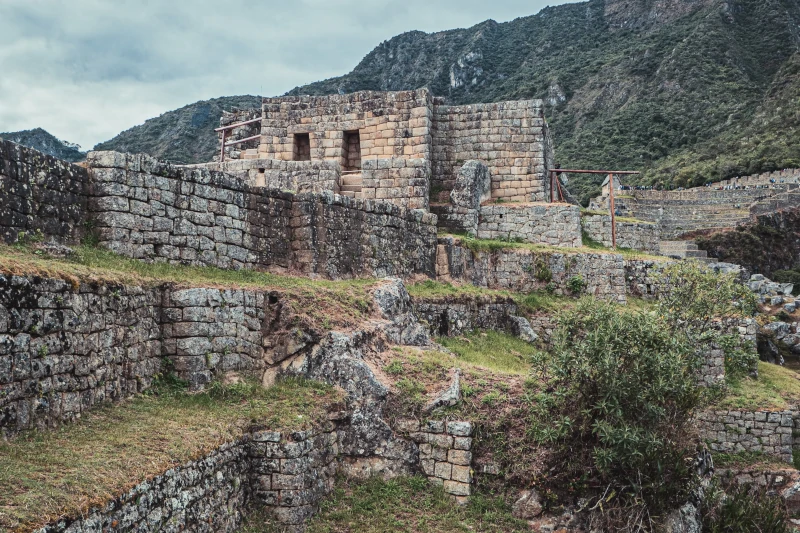
The Moray Terraces Peru are an enduring symbol of the Inca’s sophisticated understanding of agriculture and ecology. Each terrace represents a unique microcosm. They demonstrate the Incas’ ability to manipulate their surroundings to meet their needs. Visiting Moray is akin to stepping into a living museum where the past comes alive. It offers insights into how ancient societies thrived in harmony with nature. It’s a reminder of the timelessness of human innovation and the impact of cultural legacy on modern society.

Exploring the Ancient Moray Terraces Peru

The Enigma of Moray Peru

The Moray Terraces are a collection of circular agricultural terraces that descend into the earth in concentric circles. They resemble a giant amphitheater carved into the ground. The site comprises three large natural depressions. The largest one reaching a depth of about 30 meters. These terraces were ingeniously crafted by the Incas to create diverse microclimates, allowing for the cultivation of a wide variety of crops. The design is both aesthetically pleasing and functionally advanced. They represent a perfect balance between form and function.

The terraces’ circular design has intrigued historians and archaeologists for decades. It’s believed that the layout was not only practical but also held spiritual significance, possibly representing the Inca’s cosmological beliefs. The precision with which these terraces were constructed suggests that they were of great importance, serving as a focal point for both agricultural and ceremonial activities. The enigmatic nature of Moray continues to inspire research and debate. Scholars strive to unravel the mysteries of this ancient wonder.

Historical Significance of Moray Terraces Peru

The Incas were masterful engineers, and the Moray Terraces stand as a testament to their remarkable agricultural prowess. Each terrace was constructed with a different soil type, ensuring optimal growing conditions for each crop. The temperature difference between the top and bottom terraces can be as much as 15 degrees Celsius, a feature that allowed the Incas to experiment with different crops and enhance their agricultural techniques. This sophisticated method of climate control provided a year-round growing season, crucial for sustaining a large empire.

The purpose of these terraces remains a subject of intrigue and speculation. Some experts believe they served as an agricultural research station, where the Incas could study the effects of different climatic conditions on crops. Others suggest that Moray was a ceremonial center, a place where agricultural rituals and offerings were performed to ensure bountiful harvests. The terraces may have also played a role in teaching and training new generations of farmers, reflecting the Incas’ deep commitment to agricultural excellence and sustainability.

The Journey to Moray Cusco

Located just 50 kilometers from Cusco, the journey to Moray is an adventure in itself. As you leave the bustling city behind, the road winds through the picturesque landscapes of the Sacred Valley, offering glimpses of snow-capped mountains, lush fields, and quaint villages. The drive takes you through the heart of Peru’s Andean region, where the air is crisp and the scenery is nothing short of spectacular. Along the way, you’ll encounter vibrant local culture and traditions, adding layers of richness to your journey.

For those seeking a more immersive experience, hiking to Moray is an option worth considering. The trek takes you through winding trails, past vibrant fields and serene highland meadows, eventually leading you to the terraces themselves. This route allows for a deeper connection with the landscape, offering a chance to appreciate the stunning vistas and the tranquility of the Andean countryside. The hike also provides an opportunity to observe the diverse flora and fauna of the region, enhancing your understanding of the environmental context in which the Incas operated.

Exploring the Ancient Moray Terraces Peru

Exploring the Moray Terraces Peru

Upon arriving at Moray, the sheer scale and precision of the terraces is awe-inspiring. Descending into the circular depressions, you can almost feel the echoes of ancient footsteps, as if the past is just a whisper away. Each terrace is a marvel of engineering, with stone retaining walls and intricate drainage systems that have withstood the test of time. The craftsmanship on display speaks volumes about the Incas’ understanding of both structural integrity and agricultural efficiency.

The terraces invite exploration and contemplation. Walking among them, you can ponder the lives of those who once labored here, their hands shaping the land in a dance of innovation and tradition. Each step down into the terraces is a step back in time, offering a tangible connection to the ingenuity and resilience of the Inca civilization. The site encourages visitors to reflect on the universal human quest for progress and adaptation, resonating with lessons that remain relevant today.

Practical Tips for Visitors

  • Best Time to Visit: The dry season, from May to September, is ideal for visiting Moray. The weather is pleasant, and the trails are less muddy, allowing for a more comfortable exploration of the site. During this time, the clear skies provide excellent visibility, enhancing the panoramic views of the Sacred Valley.
  • What to Bring: Given the high altitude, it’s essential to carry plenty of water, sunscreen, and a hat to protect yourself from the sun. Comfortable walking shoes are also a must, especially if you plan to hike. A camera or smartphone is recommended to capture the stunning vistas and intricate details of the terraces.
  • Guided Tours: Hiring a local guide can enrich your experience, offering insights into the history and significance of the terraces, as well as the surrounding landscape. Guides can also share stories and legends associated with Moray, providing a more nuanced understanding of its cultural and spiritual dimensions.
Exploring the Ancient Moray Terraces Peru

The Surrounding Attractions

Moray is just one of many fascinating sites in the Sacred Valley. Nearby, you’ll find the Salinas de Maras. It is a stunning array of salt pans cascading down the mountainside. These salt mines, dating back to pre-Inca times, are still in use today. They offer a glimpse into the region’s rich history and traditions. The sight of thousands of glistening salt ponds is both visually striking and historically intriguing. They reflect a legacy of resourcefulness and adaptation.

The charming town of Ollantaytambo is also worth a visit, with its well-preserved Inca ruins and cobblestone streets. As one of the few remaining Inca towns, it provides a unique perspective on ancient urban planning and architecture. The town’s strategic location and formidable fortress demonstrate the Incas’ military acumen and their ability to integrate natural features into their defensive strategies. Exploring Ollantaytambo allows visitors to experience the vibrant intersection of past and present.

Embracing the Culture

No visit to Moray and the Sacred Valley is complete without experiencing the vibrant local culture. The Andean communities are known for their warm hospitality. Visitors are often welcomed with open arms. Take the time to explore local markets, where you can find beautifully crafted textiles, traditional pottery, and other artisanal treasures. Engaging with the locals offers a deeper understanding of the region’s cultural heritage and traditions.

Participating in cultural events and festivals can further enhance your experience. These gatherings often feature traditional music, dance, and culinary delights, providing a window into the soul of Andean culture. By embracing these experiences, visitors can forge meaningful connections with the people and their stories, enriching their journey through the Sacred Valley. The cultural tapestry of the region is as intricate and colorful as its landscapes, offering endless opportunities for exploration and discovery.

Exploring the Ancient Moray Terraces Peru

Conclusion

Exploring the ancient Moray Terraces Peru is a journey through time. They offer a glimpse into the brilliance of Inca civilization. The combination of stunning landscapes, rich history, and cultural immersion makes Moray a must-visit destination for any adventurer or history enthusiast. Whether you’re marveling at the engineering feats of the terraces or soaking in the breathtaking views of the Sacred Valley, a visit to Moray promises an unforgettable experience. It is a place where the echoes of the past meet the present. They create a timeless dialogue that speaks to the enduring nature of human achievement.

As you stand amidst these ancient formations, you can’t help but feel a profound connection to the past and a renewed appreciation for the ingenuity of those who came before us. Embrace the adventure, and let the mysteries of Moray inspire your own journey. The lessons embedded in the terraces are a testament to the enduring power of human creativity, resilience, and respect for the natural world, offering inspiration for future generations to cherish and learn from.

Hiking the Inca Trail in April

Hiking the Inca Trail to Machu Picchu is a dream adventure for many travellers. If you’re planning this trek in April, you’re choosing a smart time: a sweet spot between the rainy season and the full dry season. In this guide you’ll discover everything you need to know: weather, trail conditions, logistics, pros and cons, tips, and key preparation for the Inca Trail in April.

Inca Trail in April

Why April Could Be One of the Best Months

April is often described as a transition month—the heavy rains of the earlier months are tapering off, and the dry season is about to begin. The vegetation is still lush and green, skies start clearing up more often, and though there may be rain, it’s much less intense than in the peak wet months. Also, crowds haven’t peaked yet, so it can be a smarter, more relaxed time to go.

Weather & Trail Conditions in April

Rain and humidity

In April, rainfall drops notably compared to January-March. Though you may still encounter light showers, they tend to be less frequent and less dramatic. The trail is coming out of its rainy phase, meaning fewer muddy stretches (though some remain) and more opportunities for clearer views.

Temperature

Daytime temperatures on the trail in April tend to hover around 18-20 °C (64-68 °F) in lower sections, while higher camps and mountain passes will feel colder, especially at dawn or night (down to approximately 0-5 °C / 32-41 °F). The key: expect variability.

Trail surface & visibility

Because April follows the rains, the landscape is vibrant green, which is great for photos and atmosphere. However, because the ground has been wet for months, some trail sections may still be muddy or slippery. Visibility tends to be better compared to peak rainy months, but fog and clouds are still possible especially early morning.

Permit availability

April is ahead of the very peak months (June-August), so you may find slightly better permit availability—but that doesn’t mean we can wait until last minute. The Inca Trail is still highly popular and the limited permits fill up fast.

[tour_ad id=”6055″]

Advantages of Trekking the Inca Trail in April

  • Lush landscapes: The trail will be freshly green and alive from the recent rains.

  • Better weather balance: Less rain than earlier months and cooler than peak dry season.

  • Less crowded: Not quite low season, but still fewer hikers than the busiest months.

  • Good visual conditions: With fewer heavy storms, you may enjoy more clear views and sunrise opportunities.

  • Premature dry season benefit: You’re entering a period where the trail becomes drier and more stable.

Disadvantages & Things to Consider

  • Residual wetness: Some parts of the trek may still be wet, muddy, or slippery.

  • Rain risk remains: Occasional rain is still part of the game—so gear must be waterproof.

  • Temperature swings: Warm days may be followed by very cold nights or dawns—especially at high camps.

  • Permit competition rising: As word spreads that April is great, the demand increases—book early.

  • Altitude challenge: Regardless of month, the altitude remains a key factor—prepare accordingly.

Packing & Preparation Tips for April

  • Waterproof jacket and pants; good boots with grip for damp/muddy sections.

  • Layers: moisture-wicking base, fleece mid-layer, wind/rain shell outer.

  • Sleeping bag rated to at least 0 °C (32 °F) for high camps.

  • Trekking poles—helpful in slippery terrain.

  • Sun protection: even if cloudy, UV still strong at altitude.

  • Gloves, beanie for early mornings/cold nights.

  • Backpack rain cover and plastic liners for electronics.

  • Arrive in Cusco 1-2 days ahead to adjust to altitude.

  • Ensure your tour operator is properly licensed with good camping equipment—wet season residues demand gear quality.

How to Choose April vs Other Months

When April works well

  • You want a mix of good weather and fewer crowds.

  • You don’t mind bringing rain gear and dealing with some residual wet trail.

  • You want fresh green landscapes and clear morning views.

When you might pick another month

  • If you want the driest possible trail with minimal risk of rain, you might choose May or later.

  • If you prefer the absolute lowest cost and can tolerate more weather risk, very early (March) is possible—though more rain.

  • If you want the earliest clear skies and are fine with more people, June/July are peak—but they bring crowds and colder nights.

Frequently Asked Questions (FAQ)

Is the Inca Trail closed in April?

No. The trail closes in February for maintenance. In April it’s fully open.

Do I need to worry about altitude?

Yes. The highest point crosses ~4,200 m. Acclimatise in Cusco or the Sacred Valley before starting.

How far ahead should I book permits?

Even in April you should book months ahead. Demand is high and spots fill fast.

Will it rain every day in April?

No—rain is less frequent than earlier months, but occasional showers remain possible.

Trekking the Inca Trail in April offers a nearly ideal blend of lush scenery, improving weather conditions and fewer crowds. If you book early, pack wisely, and acclimatise properly, you’re setting yourself up for one of the most memorable treks in Peru.

While you must still prepare for rain, altitude and variable temperatures, the payoff is significant: vivid green landscapes, clearer skies, and the magic of Machu Picchu along one of history’s most iconic trails.

Embarking on a trek through the Andes is an adventure that marries breathtaking landscapes with rich cultural history. Peru, a country teeming with natural wonders and ancient legacies, offers two of the most popular trekking routes: the Ausangate Trek vs Salkantay Trek.

Each trail presents unique experiences tailored for adventure seekers and cultural enthusiasts alike. However, the choice between them isn’t always straightforward. To guide your decision, let’s explore each trek in detail and diving into their elevation. Taking the chance to meet it’s cultural significance, and natural beauty to help you make an informed choice.

Comparing High-Altitude Challenges

Ausangate vs Salkantay

Both the Ausangate and Salkantay treks navigate high-altitude terrains, yet they offer distinct challenges and scenic rewards. Understanding these differences is key to selecting the right trek for your adventure.

Ausangate Trek: A Rugged High-Altitude Adventure

The Ausangate Trek is renowned for its demanding routes, reaching elevations of up to 5,200 meters (17,060 feet). Such heights can pose significant challenges, especially for those unacquainted with high altitudes. Trekkers must prepare for the thin air and the physical demands it imposes. Acclimatization is crucial, and a good level of fitness is non-negotiable.

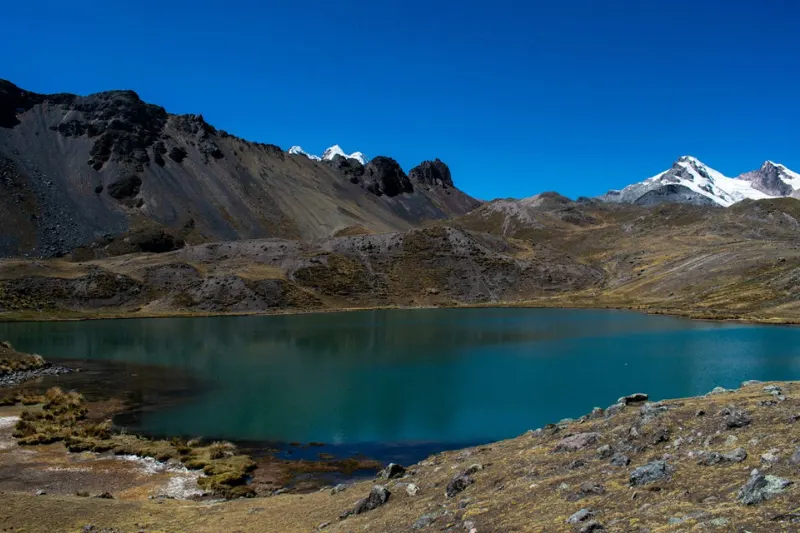
The trek is characterized by rugged terrain that is both challenging and rewarding. Snow-capped peaks tower over the landscape, and glaciers carve their way through the mountains. The path is dotted with turquoise lakes, each offering a moment of tranquility amid the demanding journey.

One of the trek’s most appealing aspects is its remoteness. Over five to six days, trekkers traverse a wilderness largely untouched by tourism. The solitude here is profound, offering an escape into nature’s raw beauty far from the bustling tourist paths.

Salkantay Trek: Accessible Adventure with Diverse Landscapes

Ausangate vs Salkantay

While the Salkantay Trek is also challenging, it offers a slightly less strenuous path, peaking at an elevation of 4,600 meters (15,092 feet). This makes it a more accessible option for those concerned about altitude sickness, providing a balance between adventure and comfort.

The trek’s route is a tapestry of diverse landscapes. Trekkers journey through lush cloud forests, ascend into alpine tundra, and witness the transition from verdant greenery to stark, rugged highlands. This diversity keeps the trek engaging, with each day presenting a new natural spectacle.

Serving as an alternative to the crowded Inca Trail, the Salkantay Trek offers a quieter path to the Machu Picchu route. Despite its popularity, the trail maintains a sense of intimacy with nature. In effect  allows trekkers to connect deeply with the environment and the journey itself. So you will be ready to choose the tour that suits better for you between Aunsagate vs Salkantay trek.

Cultural Insights Along the Treks

Both treks provide a window into the rich cultural tapestry of the Andean civilizations, though each offers a distinct focus and experience.

Ausangate: Traditional Andean Life and Spiritual Significance

The Ausangate region is a bastion of traditional Andean culture. Trekkers encounter Quechua-speaking communities that preserve their ancestral ways of life. These encounters are not mere observations but opportunities to engage with traditions that have endured for centuries.

Beyond cultural interactions, the Ausangate Trek is steeped in spiritual significance. The mountain is revered as a sacred Apu in Incan mythology. Pilgrims and trekkers alike find a deeper connection to the spiritual legacy of the Andes, walking paths that have been trodden by generations seeking divine communion.

Llama and alpaca herding are integral to the Andean lifestyle and are prominently featured along the trek. These practices offer insight into the symbiotic relationship between the people and their environment, showcasing sustainable living that has thrived for centuries.

Ausangate vs Salkantay

Salkantay: Incan Legacy and Vibrant Local Communities

Rich with connections to the Incas, the Salkantay Trek offers an indirect route to the legendary Machu Picchu. The journey is imbued with Incan history, with ancient trails and ruins providing glimpses into the once-mighty civilization.

The trek’s cultural richness is further enhanced by vibrant local communities. These communities not only maintain their cultural heritage but also share it generously with trekkers, offering stories and insights into the enduring legacy of the Incan empire.

Historical intrigue is a constant companion on the Salkantay Trek. From the ruins to the stories passed down through generations, the trek is a journey through time, allowing trekkers to walk in the footsteps of the Incas and experience their world.

Logistics and Accessibility

Understanding the logistics and accessibility of each trek is crucial for a seamless adventure.

Ausangate Trek: Off-the-Beaten-Path Experience

The Ausangate Trek is ideal for those seeking solitude and an off-the-beaten-path adventure. Its circuit is less commercialized, providing a raw and authentic experience far removed from the bustling tourist trails. This solitude, however, requires self-reliance or the hiring of experienced local guides to navigate the challenging terrain.

Due to its remoteness, the trek offers fewer amenities and support services. Trekkers must be prepared for basic accommodations and the possibility of camping, embracing the simplicity that comes with such an adventure.

Hiring an experienced guide is highly recommended for the Ausangate Trek. These guides not only navigate the challenging terrain but also enhance the experience with their knowledge of the landscape, culture, and history.

Salkantay Trek: Guided Comfort and Flexibility

Ausangate vs Salkantay

The Salkantay Trek boasts well-established routes with ample support services. This makes it a popular choice for those who prefer a guided experience, complete with pre-arranged accommodations and meals, ensuring comfort along with adventure.

One of the trek’s key advantages is its flexibility. Trekkers can customize their itineraries to include additional sites such as the stunning Humantay Lake or the rejuvenating hot springs of Cocalmayo, tailoring the experience to their preferences.

For those who appreciate a balance between adventure and comfort, the Salkantay Trek offers guided tours that ensure safety and convenience. With knowledgeable guides leading the way, trekkers can focus on enjoying the journey and the breathtaking scenery.

  • Well-established routes with support services for a comfortable trekking experience.


  • Guided tours with knowledgeable guides to enhance safety and enjoyment.


  • Pre-arranged accommodations and meals, combining comfort with adventure.


  • Flexible itineraries allowing visits to additional sites like Humantay Lake Trip or the hot springs of Cocalmayo.


Flora and Fauna Highlights

The biodiversity along these treks is as varied as the landscapes themselves, offering nature enthusiasts a feast for the senses.

Wildlife and Scenery on Ausangate vs Salkantay trek

The Ausangate Trek is a haven for nature lovers, with its array of unique wildlife. High-altitude grasslands are home to herds of alpacas and llamas, their presence a testament to the enduring relationship between humans and animals in this region.

Birdwatchers will delight in the sight of native birds, including the majestic Andean condor soaring above the peaks. These avian wonders add an extra layer of enchantment to the trek, their presence a reminder of the region’s ecological richness.

The flora along the trek is adapted to the harsh conditions, with resilient grasses and hardy flowering plants dotting the landscape. These resilient species bring splashes of color to the rugged terrain, showcasing nature’s adaptability and beauty.

Ecological Diversity on Salkantay vs Ausangate

The Salkantay Trek offers an ecological tapestry that transitions from subtropical cloud forests to alpine environments. This diversity supports a wide array of plant and animal species, making each day of the trek a new exploration of nature’s marvels.

Trekkers can encounter a rich variety of plant species, including vibrant orchids and unique bromeliads. These botanical wonders thrive in the varied climates, offering a colorful and fragrant backdrop to the journey.

The trek’s diverse ecosystems are home to fascinating wildlife, from the elusive spectacled bear to the vibrant parrots that flit through the trees. These encounters with wildlife add excitement and wonder to the trekking experience, creating memorable moments for nature enthusiasts.

Choosing the right Trek for You

Ausangate vs Salkantay

Choosing between the Ausangate circuit and the Salkantay hike ultimately depends on personal preferences and the type of adventure you seek.

If you’re looking for a challenging, remote trek with profound cultural and spiritual significance, the Ausangate Trek is a rewarding choice. It offers a deep dive into traditional Andean life, with breathtaking landscapes that provide a sense of solitude and connection to nature.

If you prefer a trek that balances challenge with accessibility, providing rich cultural insights and diverse natural beauty, the Salkantay Trek is ideal. It offers the allure of Machu Picchu mountain, vibrant ecosystems, and a glimpse into the Incan legacy.

Both treks promise unforgettable experiences, each with its unique appeal. Whether you’re drawn by the call of the sacred Ausangate or the historical path to Machu Picchu. The Andean treks offer journeys that enrich the soul and invigorate the spirit. Choose your path, and let the Andes reveal their magic.

El Perú es uno de los países con mayor diversidad frutal del mundo. Su geografía única —Costa, Sierra y Selva— ofrece microclimas que permiten cultivar más de 700 variedades de frutas, desde especies nativas y exóticas hasta frutas altamente exportadas a todo el planeta.

En esta guía completa encontrarás:

  • Listas de frutas peruanas por región

  • Clasificación por colores

  • Frutas de temporada por mes

  • Frutas nativas y endémicas

  • Las frutas más baratas, más caras, más consumidas y más exportadas

  • Frutas de la Costa, Sierra y Selva con ejemplos

  • Frutas exóticas, cítricas, tropicales, amazónicas y andinas

  • Ideas para ensaladas, jugos, postres y bebidas

  • Mercados de frutas del Perú destacados

  • Cuadros comparativos fáciles de leer

  • Explicaciones para búsquedas como fruta del dragón Perú, frutas amarillas, frutas de estación, frutas por región, frutas de la selva peruana dibujo, fotos, nombres, etc.

Frutas del Perú por Regiones

A continuación, una clasificación principal de Costa, Sierra y Selva, con cuadros para que lo uses tal cual en tu blog.

Frutas de la Costa Peruana

La Costa es cálida, seca y perfecta para frutas dulces, tropicales y cítricas. Es la región que más aporta a la exportación de frutas del Perú.

Lista completa de frutas de la Costa:

Frutas de la Sierra Peruana

Aquí nacen las frutas andinas, muchas de ellas nativas, resistentes al frío y supernutritivas.

Lista de frutas de la Sierra:

Frutas de la Selva Peruana

La región con mayor variedad, hogar de frutas amazónicas exóticas.

Lista de frutas de la Selva:

Clasificación de Frutas por Colores

Útil para búsquedas como:
frutas amarillas Perú, frutas moradas Perú, frutas verdes Perú, frutas rojas Perú, frutas naranjas Perú, etc.

Frutas rojas del Perú

  • Fresa

  • Saúco

  • Camu camu

  • Capulí

  • Cereza peruana

  • Sandía

  • Granada

  • Tumbo rojo

Frutas naranjas del Perú

  • Maracuyá

  • Papaya

  • Arazá

  • Zapote

  • Mandarina

  • Naranja

  • Pitahaya amarilla

  • Níspero

Frutas amarillas del Perú

  • Aguaymanto

  • Plátano

  • Mango

  • Cocona

  • Limón peruano

  • Granadilla

  • Tumbo

  • Aguaje (pulpa amarilla)

Frutas verdes del Perú

  • Palta

  • Tuna verde

  • Guaba

  • Limón

  • Chirimoya

  • Pepino dulce

  • Lúcuma sin madurar

Frutas moradas del Perú

  • Uva borgoña

  • Higo morado

  • Maíz morado (usado para chicha morada)

  • Saúco

  • Tumbo morado

Frutas de Temporada (Mes por Mes)

Perfecto para búsquedas como:
frutas de temporada abril Perú, frutas de temporada julio Perú, etc.

Enero – Marzo (Verano)

  • Sandía

  • Melón

  • Mango

  • Uvas

  • Durazno

  • Ciruela

  • Papaya

Abril – Junio (Otoño)

  • Chirimoya

  • Granadilla

  • Fresa

  • Aguaymanto

  • Tuna

Julio – Septiembre (Invierno)

  • Mandarina

  • Naranja

  • Membrillo

  • Pitahaya

  • Plátano

Octubre – Diciembre (Primavera)

  • Palta Hass

  • Maracuyá

  • Piña

  • Melón

  • Mango inicia temporada

Frutas Nativas, Endémicas y Autóctonas del Perú

Frutas nativas del Perú:

  • Lúcuma

  • Chirimoya

  • Camu camu

  • Aguaje

  • Cocona

  • Arazá

  • Tumbo

  • Guayaba serrana

  • Capulí

  • Pacay (guaba)

Frutas endémicas (solo crecen en Perú):

  • Aguaymanto peruano

  • Camu camu originario del Amazonas peruano

  • Lúcuma (símbolo nacional)

Exportación de Frutas del Perú

El Perú es líder mundial en exportación de:

Ensalada de Frutas Peruana (Ingredientes Típicos)

  • Papaya

  • Piña

  • Plátano

  • Fresa

  • Mango

  • Manzana

  • Naranja

  • Jugo de naranja natural

  • Miel opcional

  • Granola para topping

Mercados de Frutas en Perú

Los más grandes:

  • Mercado Mayorista de Frutas de La Parada – Lima

  • Mercado de Frutas Nº 2 – La Victoria

  • Mercado Belén – Iquitos (frutas amazónicas)

  • Mercado San Pedro – Cusco

  • Mercado Modelo – Chiclayo

Las Mejores Frutas del Perú (Top Favoritas)

  1. Lúcuma

  2. Mango Kent

  3. Chirimoya

  4. Camu camu

  5. Aguaje

  6. Uva borgoña

  7. Fresa peruana

  8. Maracuyá

Jabones Artesanales de Frutas del Perú

Muy comunes:

  • Jabón de aguaymanto (rejuvenecedor)

  • Jabón de lúcuma (hidratante)

  • Jabón de maracuyá (limpieza profunda)

  • Jabón de camu camu (vitamina C natural)

  • Jabón de aguaje (regenerador)

Frutas del Perú para Dibujar (para niños)

Recomendadas para colorear:

  • Lúcuma

  • Aguaje

  • Plátano

  • Papaya

  • Mango

  • Pitahaya

  • Uva

  • Fresa

Si quieres, te las genero en dibujos listos para imprimir.

frutas de la selva para colorear

Frutas Exóticas del Perú

  • Charichuelo

  • Copoazú

  • Cocona

  • Camu camu

  • Pitahaya amarilla

  • Aguaje

  • Pacay gigante

People land in Cusco thinking about one thing. Machu Picchu. The train, the citadel, the photos. Nobody blames them. But there’s a morning, usually the first clear one, where someone looks up from their coffee and sees something on the horizon that doesn’t quite register. A white mass sitting above everything else, catching light that hasn’t hit the city yet. That’s Ausangate mountain. Most people who see it have no idea what they’re looking at.

6,384 meters. Highest peak in the Cusco region and it’s not close. Stack twenty Eiffel Towers and you’re somewhere in the neighborhood. It anchors the Vilcanota range, which is not gentle terrain by any stretch. And unlike the ruins an hour away by train, almost nobody comes here on purpose. That’s honestly most of what makes it worth the effort. Why you should trek to Ausangate trek comes down to one simple thing: it’s the version of the Andes that hasn’t been packaged yet.

ausangate mountain

Summary

Ausangate mountain hits 6,384 meters and carries real spiritual weight in Andean tradition as a major Apu. Trek options go from a single day at the Seven Lakes to a full 5 or 6 day circuit around the massif. Rainbow Mountain sits inside the same landscape. Acclimatize in Cusco before starting, hire local guides, layer for serious weather swings, and plan the trip between May and September.

What the mountain means to people who live near it

For Quechua communities around Ausangate Peru, this peak is not a backdrop for photos. It’s a living entity. One of the most powerful Apus in Andean spiritual tradition, a mountain spirit that protects water, livestock, the whole chain of survival at this altitude. That’s not poetic language. The glacier feeds the rivers, the rivers feed the animals, the animals feed the people. The relationship is literal and people here understand it better than any guidebook explains it.

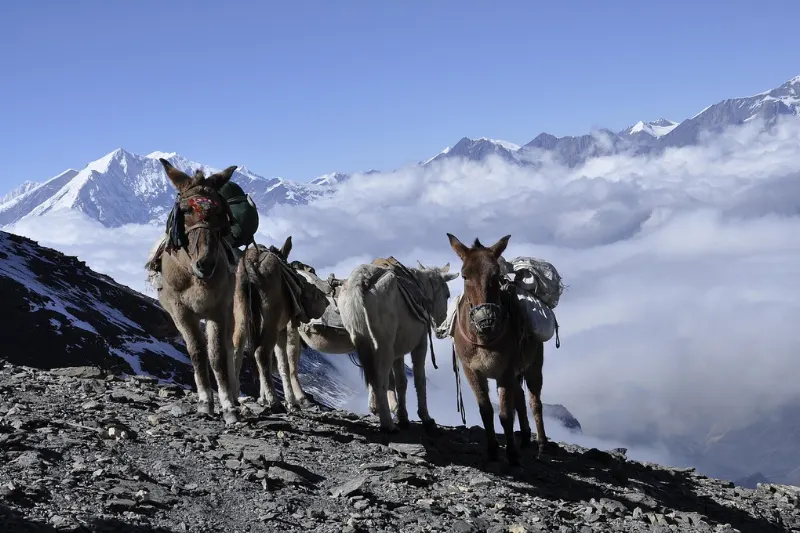
The arrieros are the ones who carry that knowledge most practically. Local muleteers who have worked these trails their whole lives. Before any journey starts they do three things, every single time, not for the tourists watching:

  • Building an Apacheta: Stones stacked at high passes, a quiet request for safe crossing.
  • Offering a K’intu: Three coca leaves arranged with care, breath blown softly toward the peak.
  • Pouring a Tribute: A few drops of traditional drink onto the ground. Thanks to Pachamama. Always done.

Watching that happen on the first morning changes how the rest of the trek feels. Hard to explain exactly, but it does.

Rainbow Mountain and the lakes

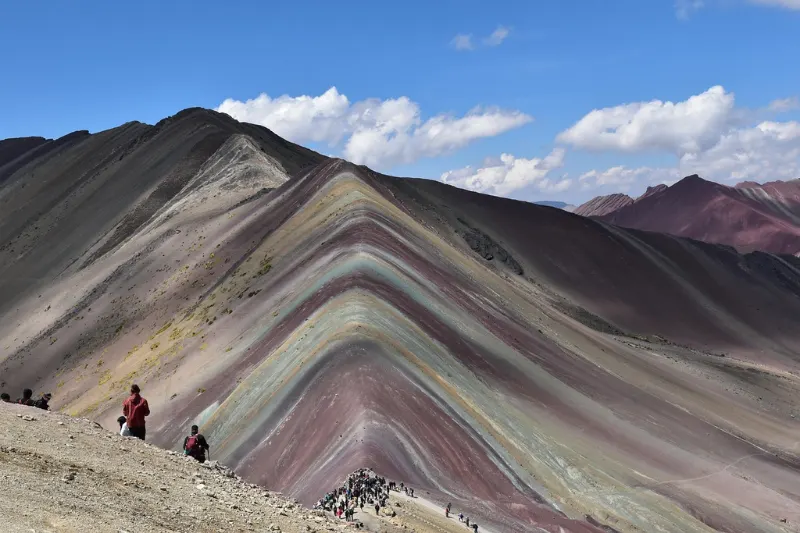
The striped ridge photos go viral regularly. Rainbow Mountain is the one formation everyone recognizes, but almost nobody realizes it sits inside a much larger landscape. The ausangate and rainbow mountain trek covers both because they occupy the same massif. Vinicunca is not a separate attraction that got discovered. It’s one piece of something older and bigger that most visitors never see beyond.

Can you see Ausangate from the Rainbow Mountain? On a clear dry season morning, yes. Ausangate mountain sits on the horizon past Vinicunca, unmistakable, bigger than everything around it. The geology that painted the ridges produced everything else out here too.

Down in the valleys below those ridges sit the Seven Lakes. Each one holds a different color because glacial melt carries fine rock powder into the water and minerals catch light differently depending on what’s dissolved. Walking between them is a strange experience in the best possible sense:

  • Laguna Puca Cocha: Reddish-brown from iron bleeding out of the clay banks surrounding it.
  • Laguna Azul Cocha: Deep blue, mirrors the sky so cleanly the surface reads wrong at first glance.
  • Laguna Otorongo: Emerald green from copper and algae, named after the jaguar for reasons that make sense once someone sees it.
ausangate mountain

The altitude and what it actually does

Nobody adjusts to 16,000 feet right away. Fitness level is largely irrelevant at first. The pressure drops, each breath delivers about half the expected oxygen, and a mild incline starts feeling like something considerably worse. The body needs time to produce more red blood cells. That’s acclimatization, and it can’t be forced or skipped without paying for it later.

Altitude sickness hits differently depending on the person. Locals call it soroche. The distinction between normal exhaustion and soroche matters practically. Burning legs and heavy breathing on a steep section is just physics. A headache that won’t let up, nausea, dizziness, that’s soroche and the answer is to stop ascending. How to acclimatize in Cusco before the trek is straightforward: three full days minimum, gentle walks, no alcohol, drink coca tea consistently because it genuinely helps with the adjustment at elevation, and sleep as much as possible those first nights.

On the trail three daily habits cover most of the risk:

  • Hydrate constantly: Three to four liters minimum. Altitude pulls moisture out faster than the body signals thirst.
  • Pace deliberately: Slow, rhythmic, half-steps on steep sections. Managing heart rate matters more than covering distance quickly.
  • Fuel smartly: Carbohydrates digest with less oxygen than protein. That difference matters at this elevation more than it sounds like it should.

Which route makes sense

A good Ausangate guide asks early how many days someone actually has and how honest they’re being with themselves about fitness. The routes cover a genuine range:

  • Day Trip (1 day): Tops out around 15,000 feet. Moderate. Seven Lakes, serious views, achievable for most people who’ve spent a few days in Cusco first.
  • Pacchanta Hot Springs (2 to 3 days): Around 16,000 feet. Challenging. Shorter alpine loop finishing at the Pacchanta hot springs, a natural thermal bath in a remote village that earns its place completely after two days at altitude.
  • Full Circuit (5 to 6 days): Up to 17,000 feet. Strenuous. Complete loop around the massif, multiple high passes. This is the Ausangate trek people mean when they’re talking seriously about it.

For travelers weighing how much time to commit, the tour Ausangate trek 4 days covers the essential highlights including the Seven Lakes and base camp views without the full physical demand of the complete circuit. Those with more flexibility find the tour Ausangate trek 7 days covers everything, Rainbow Mountain, the lakes, the high passes, the Pacchanta thermal finish, and leaves enough buffer for weather delays or slower acclimatization days.

The Ausangate trek vs Salkantay trek debate comes up often among people planning a longer Peru trip. Salkantay is more established, more trafficked, better infrastructure along the route. Ausangate is rawer, higher, less visited, and the cultural layer runs deeper. Neither is the wrong choice but they’re genuinely different experiences.

Going independent means carrying everything. Tent, food, safety gear over every pass. Hiring arrieros means mules take the weight and the walk stays enjoyable. It also puts money into Quechua communities directly, which matters more than it reads as a footnote.

ausangate mountain

What to actually pack

Mornings start cold in a way that surprises people who read about it but still weren’t quite expecting it. By midday the sun at this elevation is doing real damage because thin air filters almost nothing in terms of UV. By late afternoon the temperature has dropped again sharply. This cycle runs daily without exception. The layering system isn’t a recommendation, it’s just the only approach that works.

Moisture-wicking base layer. Fleece for insulation. Waterproof shell for wind and rain. Five things that go in the bag regardless:

  • High-SPF sunscreen and polarized UV-blocking sunglasses
  • Sleeping bag rated to 15°F or lower
  • Wide-brimmed hat covering face and neck
  • Waterproof boots broken in before arriving, not during the trek
  • Trekking poles for the descents, which punish the knees more than the climbs

Timing

May through September. Dry season, clear skies, stable conditions, visible glaciers, safe passes. Ausangate mountain in those months looks like what it actually is. The photography works, the logistics cooperate, the risk profile drops to something manageable.

December through March the rain arrives heavy and stays. Trails go to mud, fog covers everything worth seeing, lightning hits exposed passes regularly enough that no local guide puts clients on them during a storm. The rainy season isn’t a slightly worse version of the dry season. It’s a different situation entirely.

ausangate mountain

Three things before leaving Cusco

  1. Build endurance: Long walks with a weighted pack at home before flying. Consistent, not intense.
  2. Allow time: Extra acclimatization days in Cusco built into the schedule from the start, not cut when things get tight.
  3. Connect locally: A Quechua guide who understands the mountain traditions is a meaningfully different experience than someone handling logistics. Worth finding the right one before booking anything.

Q&A

Best time to go? 

May through September. Dry season, clear conditions. Skip December through March without exception.

Altitude sickness? 

Three days in Cusco minimum before starting. Hydrate, slow the pace, eat carbs. Know what soroche feels like before it becomes a real problem on trail.

Which route? 

Day trip for moderate fitness. Pacchanta loop for two to three days. Full circuit for five to six days and genuine commitment.

Guide or independent? 

Arrieros carry the weight. Local guides know the land and the traditions. Worth it on every practical level.

What to pack? 

Layering system, UV protection, cold-rated sleeping bag, broken-in waterproof boots, trekking poles.


The narrow cobbled streets of San Blas are one of the most charming places in the whole of Peru. The artisan quarter of Cusco, San Blas requires a bit of lung exercise to reach here. It is beautiful, simple, and humble, a location for inquisitive travellers and skilful souls, and a place that draws gives you real bliss.

Curled up on a steep hillside after the centre of the town, San Blas is situated within walking distance of Cusco’s Plaza de Armas. To discover more about San Blas Cusco, read ahead!

San Blas Cusco

San Blas Boutiques

When you reach the top of Cuesta San Blas, you will get views of the Iglesia de San Blas. It looks simple on the outside, houses an exquisitely-carved baroque alter inside, wrapped in gold leaf. 

The attractive Plaza San Blas is flanked by white-washed houses with red-tiled roofs. The blue-painted doors and balconies look alluring.

San Blas Cusco

Plaza San Blas

During the weekends, the plaza is a centre of recreation as tourists and locals gather around the small market stalls. For the rest of the time, it stays as a tranquil spot to unwind, relax and chit-chat with friends.

San Blas Weekend Market

Cobbled, narrow and traffic-free alleys come around Plaza San Blas, which are attached by a sequel of ancient stone steps. You do not require a map around here. Only bring a camera, a willing eye for detail and a joyful taste of adventure.

The back streets of San Blas Cusco are beautiful, devoid of tourists and peaceful. Because of their height, they have some stunning views down to the city below.

San Blas Cusco

Final Words

Life definitely strides at a sluggish pace through San Blas. The development and modernity of central Cusco will surely reach this neighbourhood very soon. However, the city currently remains a soothing retreat from the rush of the 21st century.

If you are vigilant enough throughout your journey, you will also discover a few cafes, art galleries, shops, museums and restaurants dotted around. If you wish to get some really extraordinary gifts in Cusco, San Blas is the spot to get them.

It’s simple, humble and beautiful, a place for curious wanderers and creative souls, and somewhere that draws you back – time and time again.

Get ready to schedule your visit to the most favourite neighbourhood in the city and Cusco’s artisan quarter. Get lost in the mystery of the cobbled, narrow streets of San Blas Cusco.

Peru is a country with a rich history and culture evident in the art and architecture of its cities and the lifestyle of its people. If you’re looking for unique gifts and souvenirs to bring home from your trip to Peru, we’ve got you covered.

From Traditional Peruvian Handicrafts To Popular Local Foods, Here Are 10 Of The Best Gifts And Souvenirs To Buy In Peru:

1. Jewellery

Peru is world-renowned for its stunningly intricate and colorful jewelry. From delicate necklaces and earrings to bold bracelets and rings, you’ll find a dizzying array of options.

Jewelry gifts in Peru
2. Alpaca Clothing

If you’re looking for a unique and authentic souvenir to take home from your trip to Peru, look no further than alpaca clothing. Alpacas are native to South America and produce some of the finest wool in the world.

3. Textiles

Peru is world-famous for its colorful and intricate textiles. From traditional woven blankets to delicately embroidered shawls, there’s something for everyone. There are many different textiles indigenous to Peru, so it’s important to know what you’re buying.

Textile Market in Peru
4. Pisco

There are a lot of unique gifts and souvenirs to be found in Peru, but our top pick has to be pisco. This unique brand of brandy is distilled from grapes, and it’s made all over the country.

Pisco bottles in Peru
5. Paintings

Paintings are an art form that has been around for centuries, and the Peruvian culture is known for its beautiful and intricate paintings. If you’re looking for a unique gift or souvenir from Peru, a painting is a perfect option.

Traditional paintings in Cusco
6. Artisan Products

Countless artisan products can be found throughout Peru. From beautiful pottery and textiles to intricate carvings and jewelry, these one-of-a-kind items make perfect souvenirs and gifts for friends and loved ones. Artisan Products are an ideal option.

Traditional souvenirs in Cusco
7. Iconic Clothing

Peru is a country rich in culture and tradition, which is evident in the clothing worn by its people. Sweaters, shawls, and blankets are all popular items, as well as the iconic alpaca wool. Iconic Clothing is a perfect option.

8. Coffee

If you’re a coffee-lover, you’ll be ecstatic with the coffee options in Peru. From rich and creamy cafe con Leche to solid and sweet espresso, there’s something for everyone. Coffee is always a good option.

9. Chocolate

As the saying goes, “chocolate is the food of the gods.” And it’s no wonder, with its sweet and earthy flavor. Peruvian chocolate is among the world’s most extraordinary. If you’re looking for a unique and delicious gift, chocolate is always a good option.

10. Coca Candy

Coca candy is a traditional Peruvian candy that is made from coca leaves. It is chewy and has a fruity taste. It is often eaten as a snack or as part of other desserts.

Final Words

If you’re looking for the best Peru has to offer, start browsing our list of the best gifts and souvenirs from Peru. With so many beautiful items to choose from, you’re sure to find the perfect thing to bring home with you. From stunning jewelry to cozy alpaca clothing, there’s something for everyone on this list.

Climbing Huayna Picchu – Get The Best View Of Machu Picchu

Huayna Picchu, Quechua for “Young Peak,” is one of Machu Picchu’s most renowned vistas, noted for its steep staircases known as  the “Stairs of Death.” Huayna Picchu often called Wayna Picchu is one of two hilltop ranges that surround the Machu Picchu citadel.

As a result, it is a must-do for trekkers and thrill-seekers both who want to make their trip to Machu Picchu more exciting and unforgettable. To get the best view, read the following tips to plan your trip accordingly. 

Best Time To Hike And Climb Huayna Picchu

Starting point: 

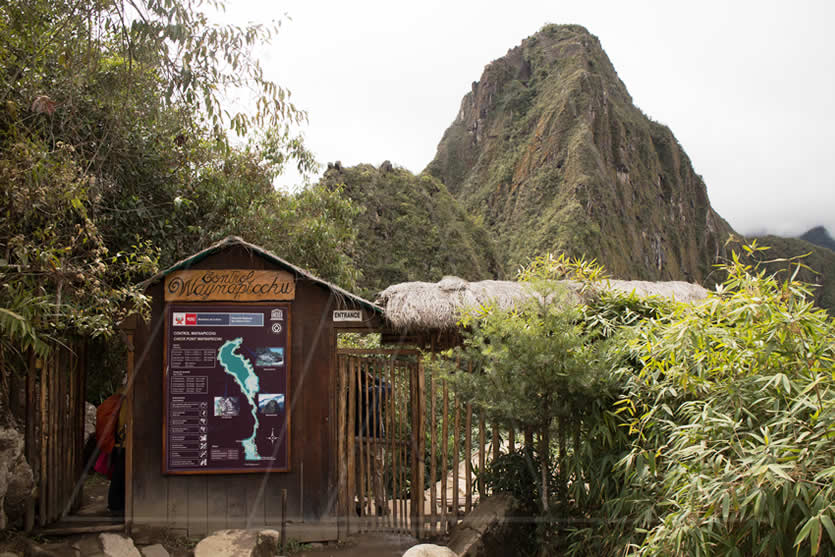
Climbing Huayna Picchu starts at the gate from the far end of the Machu Picchu citadel, adjacent to the sacred stone (Wank’a Quechua). You book the tickets and check in at the designated time before beginning your stroll along the trail. It starts off plain, but rapidly transitions to winding highs and lows over rough ground and lush greenery.

Machu Picchu in One Day

The climb:

As you get closer to the peak, the trail becomes steeper with bends. You’ll almost certainly be walking along or close to other teams. So be kind on the path and allow others past you when they want to, or gently request to cross if you would like to go faster. After navigating the slopes, you’ll arrive at the famed stairwell.

Machu Picchu in One Day

The staircase of death:

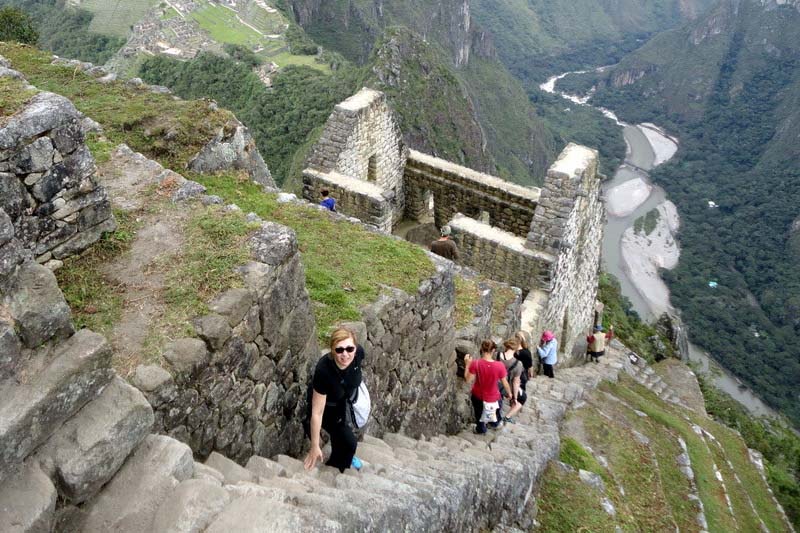
Due to their stunning beautiful architecture, the “Death Steps” or “Stairway of Death” at Huayna Picchu merit its subsection. These high steps trace back to the 1400s and were erected by the Incas. But don’t let it discourage you. The Incas were experts in their architecture. They created splendor that is more sturdy than many current structures.

Looking up is scary, but gazing down is scarier, so maintain your eyes on the goal. Also, remember to use the rails and cables to constantly move ahead. If you get sick or need a breather, simply walk to one of the decks on the side and take a rest on flat ground.

Machu Picchu in One Day

The ruins:

You’ve made it over the hardest portion and arrived at the peak, where ruins begin to appear everywhere around you. This is an excellent opportunity to go exploring and take your initial shots. That’s also the point at which you must decide whether to proceed on the main trail or detour to the Temple of the Moon.

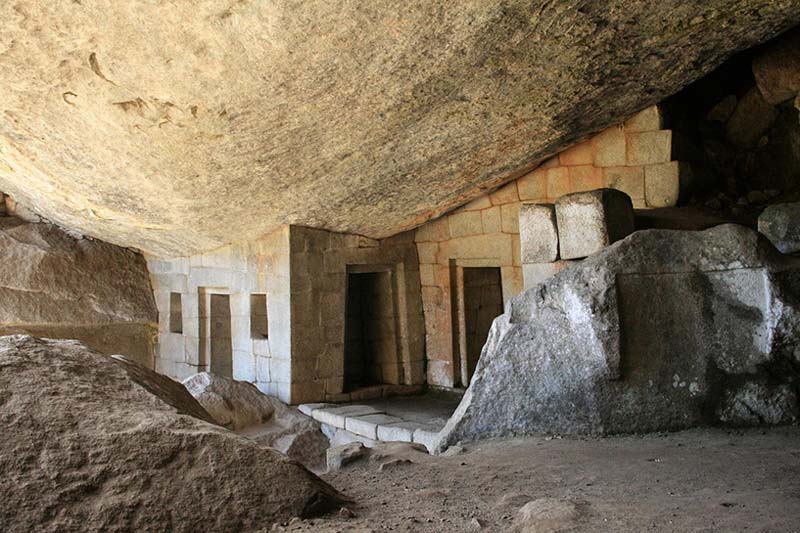
The second alternative adds 45 minutes to the overall time, but it is definitely worth watching. The purpose of this 1,500-year-old temple erected beneath caverns is unknown to modern historians, but it may have been utilized for ceremonies, tributes, or moon worshipping.

To get to this place, take the side path down and across the side of the hill, ultimately winding up to the primary path, which will lead one back towards the entryway.

Best Time To Hike And Climb Huayna Picchu

The amazing view:

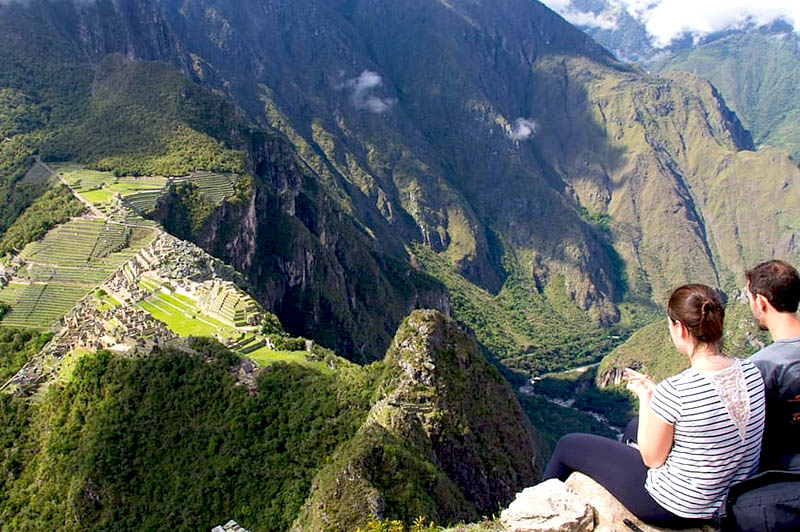
If you stick to the main road, you may admire the sights from the “Crown of the Inca,” which offers a panoramic perspective of Machu Picchu. This stone structure is ideal for shooting photographs and admiring the natural features of the region.

The magnificent vistas of mountain peaks, antiquities, and the meandering river below will take your breath away. But don’t stay too long because the other trekkers will be following you and would only be able to go in one direction.

To avoid traffic gridlock, you must keep going. Go down a level under the “Throne” to start the descent from the viewpoint.

If you are planning a trip to Peru, hiking to the Sun Gate, or Inti Punku, is a must-do activity. This stone structure marks the entrance to the Inca citadel of Machu Picchu. Also, it provides a breathtaking view of the Inca ruins. However, the hike to Inti Punku can be challenging, so it’s important to be prepared. In this guide, we’ll take you through everything you need to know to make the most of your Inti Punku hike.

Getting to Inti Punku

The hike to Inti Punku starts at Km 82, which is the starting point of the Classic Inca Trail. The Inca Trail to Machu Picchu is one of the most iconic hikes in the world. This ancient trail winds through the Andes Mountains. It passes through lush forests, crossing streams, and climbing steep steps carved into the mountainside. This hike usually takes 4 days to complete.

The trail leads to the Sun Gate, which marks the entrance to the Inca citadel of Machu Picchu. Along the way, hikers will encounter stunning views, fascinating Inca ruins, and a sense of adventure that can’t be found anywhere else. The Inca Trail is a challenging endeavor. However, for those who are willing to take on the challenge, it is an unforgettable experience that will stay with them for a lifetime.

A Guide to Hiking to the Sun Gate (Inti Punku)

Preparing for the Hike

Before embarking on your Inti Punku hike, it’s important to be prepared physically and mentally. The trail is steep and can be strenuous, so it’s a good idea to do some physical training beforehand. You should also acclimate to the altitude, as Machu Picchu is located at 7,972 feet (2,430 meters) above sea level. Finally, it’s important to bring sunscreen, a hat, insect repellent, and adequate trekking gear.

Hiking to Inti Punku

The hike to Inti Punku is an unforgettable experience. Along the way, you’ll pass through lush forests and climb steep stone steps. You’ll also encounter other hikers from around the world, making the journey a shared experience. As you approach the Sun Gate, you’ll see a stunning view of Machu Picchu, with its terraces, temples, and palaces spread out before you.

A Guide to Hiking to the Sun Gate (Inti Punku)

Arriving at Inti Punku

When you arrive at Inti Punku, take a moment to catch your breath and admire the stunning view. The Sun Gate itself is a simple stone structure, but its historical significance cannot be overstated. This entrance to Machu Picchu was once used by the Inca rulers, and it’s easy to imagine them passing through here on their way to the citadel.

Exploring Machu Picchu

After admiring the view from Inti Punku, you’ll descend into Machu Picchu itself. Here, you’ll have the opportunity to explore the ruins, including the Temple of the Sun, the Temple of the Three Windows, and the Sacred Plaza. You can also visit the Huayna Picchu mountain, which offers another breathtaking view of Machu Picchu.

A Guide to Hiking to the Sun Gate (Inti Punku)

Conclusion

Before embarking on your Inti Punku hike, it’s also important to respect the rules and regulations of the Machu Picchu site. For example, you need to purchase a permit to enter the site and hike the Inca Trail. Also, there are restrictions on the number of people who can enter each day. Additionally, it’s important to follow the “leave no trace” principles and avoid leaving any trash or litter behind.

While the hike to Inti Punku is a challenging endeavor, it is definitely worth the effort. The stunning views, the sense of accomplishment, and the opportunity to explore Machu Picchu make it an unforgettable experience. As you hike through the mountains, surrounded by the natural beauty of Peru, you’ll feel a sense of connection to the ancient Inca civilization and the history of the Andes.

Hiking to Inti Punku is a once-in-a-lifetime experience that should not be missed. From the challenging hike to the stunning view of Machu Picchu, this journey is a true adventure. With the right preparation and mindset, anyone can hike to Inti Punku and experience the wonder of this ancient Inca citadel. So pack your bags, lace up your hiking boots, and prepare for an unforgettable journey to the Sun Gate.

A Guide to Hiking to the Sun Gate (Inti Punku)

The cosmos played a pivotal role in the ancient Inca civilization. The Incas found divine connection through careful observation of the stars, planets, and natural phenomena. This article explores Inca cosmology, unraveling the rich tapestry of their universe views.

The Inca civilization attributed a specific purpose to each element in the cosmos. Their culture wove intricate beliefs around celestial bodies, weather, and geography. Understanding these beliefs can offer us unique insights into their daily lives and rituals.

The Incas left no written records; their beliefs were passed down orally. Despite this, a fascinating picture of Inca cosmology has emerged.

In this article, we aim to delve deeper into this intriguing and complex realm of Inca cosmology. We’ll explore their understanding of the celestial sphere and its influence on their lives. We’ll also delve into how these ancient views impact modern Andean communities.

Let’s journey together into the heart of Inca cosmology, the unique Inca understanding of the universe.

The Inca Worldview: A Holistic perspective on the universe

The ancient Inca civilization held a unique, holistic perspective on the universe. This worldview, a reflection of Inca cosmology, saw the cosmos and Earth as one interconnected entity. Everything had its place, its purpose, and was deeply respected.

Central to Inca cosmology was the city of Cusco. According to Inca beliefs, Cusco was the “navel of the universe”. Here, the spiritual and physical realms interconnected, a significant aspect of their holistic worldview.

Three realms existed in Inca cosmology: Hanan Pacha, Kay Pacha, and Uku Pacha. Hanan Pacha, the upper world, was home to celestial beings. Kay Pacha, the middle world, was where humans lived. Uku Pacha, the underworld, was a realm of the dead and fertility.

These realms weren’t separate; they coexisted, influenced each other, and formed an integral part of the Inca worldview.

Inca cosmology influenced every aspect of their lives. They believed that a harmonious balance between all elements of the cosmos was essential. This balance guided their social, agricultural, and political life.

In the Inca worldview, celestial bodies played significant roles.

In Inca cosmology, geographical features like mountains and rivers also held immense spiritual value. Mountains were “Apu”, spirits or gods, protectors of the people. Rivers, too, were sacred entities, their flowing waters symbolizing life and continuity.

The legacy of Inca cosmology endures even today in Andean communities. Traditional rituals, festivals, and beliefs reveal strong traces of this cosmology. It’s an enduring testament to a civilization that saw the universe as a holistic, interconnected entity. 

By understanding Inca cosmology, we gain valuable insights into a culture that celebrates the interconnectivity of all things. It’s a view that continues to resonate with modern holistic philosophies.

Inca Cosmology


The elements of Inca Cosmology: Gods, forces, and sacred connections

The elements of Inca cosmology encompassed various gods, forces, and sacred connections. They regarded their surroundings with deep reverence, viewing each element as a divine entity. Such connections permeated all aspects of their daily lives.

The paramount god in Inca cosmology was Inti, the Sun god. They saw him as the ancestral father, the giver of warmth and light. Inti held a central place in their rituals and festivities.

The Moon, or Mama Quilla, was another significant deity. They related her with marriage, the menstrual cycle, and time-keeping. Mama Quilla, as Inti’s wife, complemented his power and played an essential role in the Inca pantheon.

Pachamama, the Earth mother, was the goddess of fertility and agriculture. The Incas revered her for all the living things of the Earth. This respect for Pachamama remains prevalent in Andean communities today.

Huayna Picchu, the towering mountain behind Machu Picchu, held considerable significance in Inca cosmology. As an Apu, Huayna Picchu provided protection and blessings to the Incas.

Qorikancha, the Temple of the Sun in Cusco, stood as a testament to the Incas’ astronomical prowess. This temple was a focal point for their cosmological studies, rituals, and religious gatherings.

In Inca cosmology, natural phenomena were not mere atmospheric events, but messages from the gods. Forces like thunder, lightning, and rainbows were all considered divine expressions. They believed these forces had direct influences on their lives.

Other elements of Inca cosmology included animals, rivers, and stars. Animals like the condor, puma, and snake symbolized the three realms of their cosmology. They saw the rivers as life-givers, and stars were guides for agriculture and navigation.

The Incas’ recognition of these elements and their sacred connections shaped their way of life. These beliefs present a vivid picture of a culture deeply intertwined with its natural environment.

Inca Cosmology


Inca Rituals and Practices: Honoring the cosmic order and maintaining balance

Inca rituals and practices were an essential part of their cosmological beliefs. They  performed these to honor the cosmic order and to maintain balance in their lives. Rituals served as a bridge, connecting the Incas with their celestial gods.

Key among Inca rituals was the Inti Raymi, or Festival of the Sun. This was a grand celebration dedicated to Inti, the sun god. It was a time for communal gatherings, feasts, and renewing social bonds.

The Incas also practiced divination, a crucial component of their rituals. Diviners read the signs from coca leaves or the flight of birds. They believed these signs indicated the gods’ will or predicted future events.

Rituals often involved offerings or sacrifices to appease the gods. These included llamas, food, flowers, or even pottery. The Incas believed these offerings ensured the gods’ favor and maintained the balance of nature.

The Inca reflected their reverence for celestial bodies in their architectural prowess. They aligned their structures, such as the Sun Temple at Machu Picchu, with the sun, moon, and stars. These served as observatories, guiding their agricultural and ceremonial calendars.

Inca rituals were a testament to their deep respect for the cosmos. They believed these practices maintained harmony between humans, nature, and the divine. It’s a remarkable illustration of a culture deeply connected to the cosmos.

To experience the magic of the Inca world firsthand, consider taking a Machu Picchu Full Day. If you’re an adventurous spirit, explore the Vinicunca Rainbow Mountain Tour. These journeys offer a glimpse into the mystical world of Inca cosmology and rituals. Embrace the opportunity to connect with the echoes of this ancient civilization in a truly profound way.

Inca Cosmology