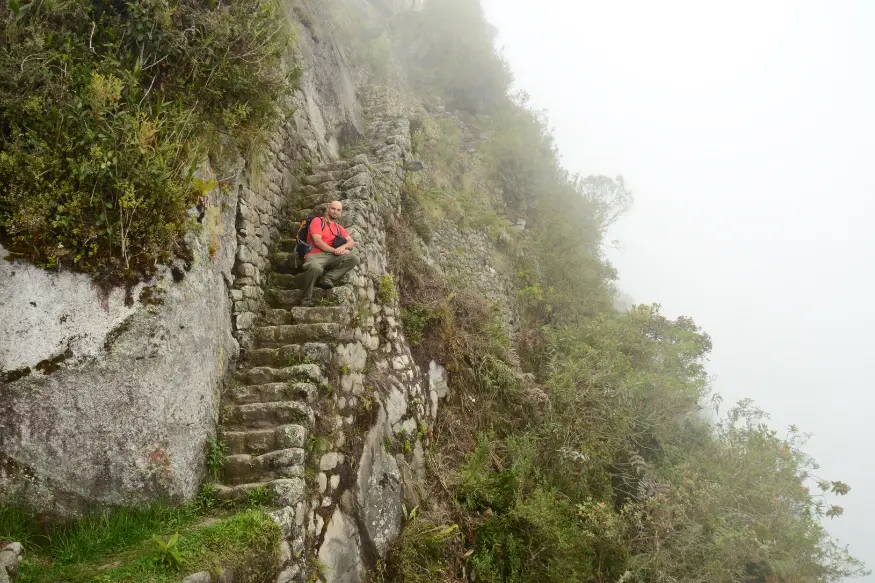
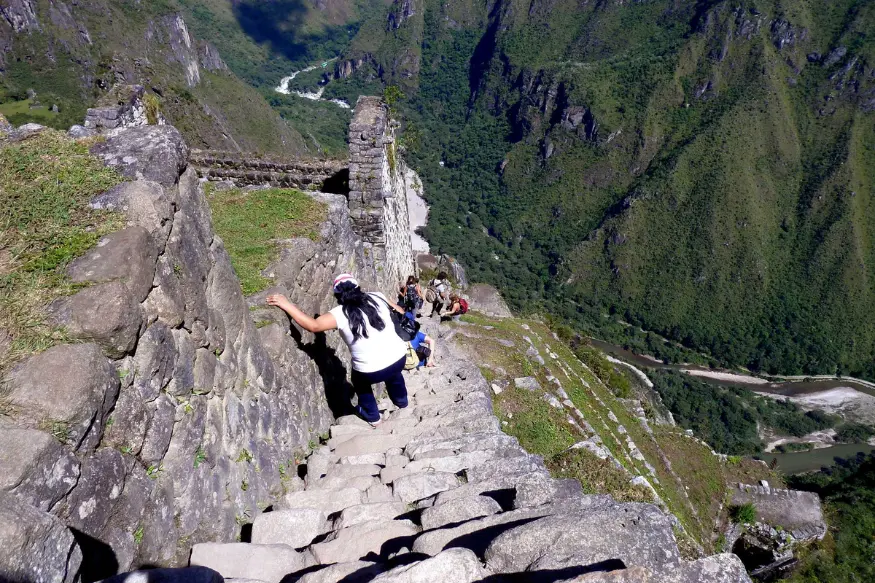
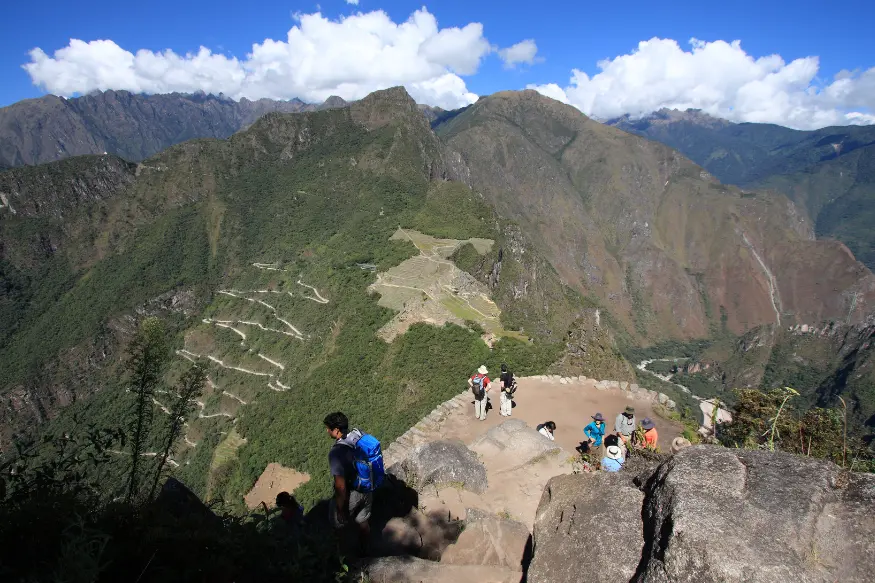
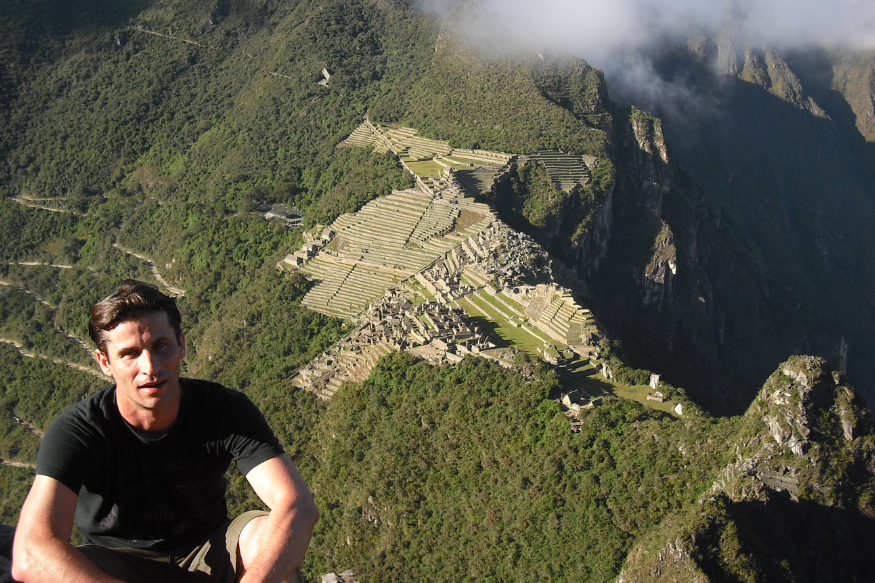
The archaeological sites of the Inca Trail are one of the most fascinating networks of ruins found along the legendary Inca Trail to Machu Picchu.

This historic route, known as Qhapaq Ñan in Quechua, connects numerous archaeological sites built by the Inca civilization, blending ancient architecture, engineering, and spirituality with the breathtaking natural landscapes of the Peruvian Andes.

Each ruin along the trail tells a unique story about the empire’s brilliance, its connection to nature, and its sacred path leading to the mystical citadel of Machu Picchu.

The Historical Significance of the Inca Trail Archaeological Sites

The Inca Trail archaeological sites were more than mere resting points — they were vital nodes in a sophisticated network of communication, trade, and pilgrimage routes that spanned across the Inca Empire.

Built over 500 years ago during the reign of Emperor Pachacutec, the Inca Trail served religious, administrative, and military purposes.

Each archaeological site had a strategic and symbolic purpose:

  • Strategic: They functioned as military checkpoints and administrative centers.
  • Agricultural: Many contained terraces for farming, ensuring food supply for travelers.
  • Religious: Some were sacred shrines dedicated to deities such as the sun (Inti) or the mountains (Apus).

Today, hiking the Inca Trail is not just an adventure but a spiritual and cultural journey that allows travelers to follow the same footsteps once taken by Inca nobles and priests on their sacred pilgrimage to Machu Picchu.

Inca Trail Archaeological Sites – 4-Day Route

The Classic Inca Trail typically takes four days to complete, covering approximately 43 kilometers (26 miles) from Km 82 near Ollantaytambo to the Sun Gate (Inti Punku) overlooking Machu Picchu. Along this journey, trekkers encounter several well-preserved

archaeological sites, each offering a glimpse into Inca history, architecture, and cosmology.

Let us explore the main archaeological sites along the Inca Trail, organized by day and location.

Day 1 – From Cusco to Wayllabamba

Kilometer 82 (Start Point)

The trail begins at Km 82, located near the village of Piskacucho at 2,700 meters above sea level. This starting point marks the beginning of the ancient pilgrimage route. The surrounding landscape introduces trekkers to traditional Andean villages, fertile valleys, and

Inca terraces are still used by local farmers today.

piscacucho km 82 inca trail 4 days

Llactapata (Patallacta)

The first significant Inca Trail archaeological site is Llactapata, also known as Patallacta. The name means “High Town” in Quechua, and the site is believed to have served as an agricultural and administrative hub for travelers heading to Machu Picchu.

Llactapata is distinguished by:

  • Extensive agricultural terraces descend the mountainside.
  • Residential structures built with finely cut stones.
  • A strategic position overlooking the convergence of the Cusichaca and Urubamba rivers.

Archaeologists believe Llactapata played a key role in managing food production and controlling access to the Sacred Valley.

llactapata (patallacta) inca trail 4 days

Wayllabamba (First Campsite)

Wayllabamba, meaning “grassy plain,” was an Inca village that offered rest and food for travelers. It sits at 3,000 meters and serves as the first campsite for modern trekkers. Though few visible ruins remain, its historical importance lies in its role as a crossroads

between valleys and ecological zones, symbolizing the Inca mastery of mountain adaptation.

wayllabamba inca trail 4 days
wayllabamba campsite inca trail 4 days

Day 2 – The Challenge of Dead Woman’s Pass

Llulluchapampa

On the ascent toward the highest point of the Inca Trail, hikers pass through Llulluchapampa, a scenic area surrounded by cloud forest vegetation and hummingbirds. While it does not contain major ruins, its landscape represents the spiritual connection the Incas

maintained with Pachamama (Mother Earth).

llulluchapampa inca trail 4 days

Warmiwañusca (Dead Woman’s Pass)

At 4,215 meters, Warmiwañusca, or “Dead Woman’s Pass,” is the highest point of the Inca Trail. Although it lacks built structures, the area has enormous symbolic significance. The Incas considered mountain passes sacred, believing they were portals connecting the

physical world (Kay Pacha) to the spiritual realm (Hanan Pacha). The breathtaking views and thin air make this section both a physical challenge and a moment of reflection for all travelers.

dead womans pass inca trail 4 days

Pacaymayo Valley

Descending from Warmiwañusca, hikers reach the Pacaymayo Valley, a place where Inca travelers would rest and perform rituals to honor the mountains. Today, it serves as the second campsite and a gateway to some of the most impressive archaeological sites on the trail.

pacaymayo valley inca trail 4 days

Day 3 – The Heart of the Inca Trail Ruins

Day three is often described as the most spectacular segment of the Inca Trail archaeological journey, as it includes multiple ruins connected by well-preserved stone staircases and cloud forest vistas.

Runkurakay

Runkurakay is a small circular ruin perched at 3,800 meters above sea level. Its semi-circular design is unique in Inca architecture and is believed to have been a tambo — a rest lodge or checkpoint for messengers (chasquis) and nobles.

Key features:

  • Curved walls aligned with celestial points.
  • Niches are used for storing ritual objects or food.
  • Panoramic views of nearby valleys.

Runkurakay is a prime example of how the Incas harmonized construction with natural landscapes, symbolizing their philosophy of unity between humans and nature.

runkurakay inca trail 4 days

Sayacmarca

After crossing the Runkurakay Pass, trekkers reach Sayacmarca, meaning “Inaccessible Town.” This impressive ruin, built on a steep mountain ridge, is accessible only by a narrow stone staircase. It features a combination of ritual and residential structures, including:

  • Temples and ceremonial platforms.
  • Water channels and fountains.
  • Stone stairways connecting terraces and observation points.

Sayacmarca served as both a spiritual and strategic lookout, offering stunning views of the Aobamba Valley. Its inaccessibility may have also served a defensive function during Inca times.

sayacmarca inca trail 4 days

Phuyupatamarca

Translating to “Town Above the Clouds,” Phuyupatamarca is one of the most remarkable Inca Trail archaeological sites. It sits at 3,650 meters, often enveloped in mist, giving it a mystical aura.

This complex features:

  • Ceremonial baths and ritual fountains.
  • Terraced farming areas.
  • Astrological observation platforms aligned with solstices.

Phuyupatamarca likely served as a place for purification ceremonies before entering the sacred city of Machu Picchu, emphasizing the spiritual transformation inherent in the pilgrimage.

phuyupatamarca inca trail 4 days

Day 4 – The Final Descent to Machu Picchu

Wiñay Wayna

The last major ruin before Machu Picchu is Wiñay Wayna, meaning “Forever Young” in Quechua. This is one of the most beautiful and extensive archaeological sites along the Inca Trail, located at an elevation of 2,650 meters.

Wiñay Wayna showcases the quintessential Inca architectural genius:

  • Steep terraces: Over 40 agricultural terraces cascade down the hillside.
  • Ceremonial fountains: Water channels still flow today, symbolizing renewal and life.
  • Residential areas: Carefully aligned houses and stairways demonstrate advanced urban planning.

Historians believe Wiñay Wayna was both a ceremonial and agricultural center used to prepare pilgrims spiritually before reaching Machu Picchu.

winay wayna inca trail 4 days

Inti Punku (The Sun Gate)

The Sun Gate, or Inti Punku, marks the grand finale of the Inca Trail archaeological sites. This monumental stone gateway served as the main ceremonial entrance to Machu Picchu. Positioned perfectly to frame the rising sun over the citadel during the solstices, Inti Punku represents the culmination of the Inca pilgrimage.

From this point, trekkers get their first glimpse of Machu Picchu, a view that remains one of the most emotional and rewarding moments of the journey.

inti punku (the sun gate of machu picchu) inca trail 4 days

Machu Picchu Sanctuary

The journey along the Inca Trail reaches its sacred destination at Machu Picchu, the most iconic archaeological sanctuary of the Inca Empire. Hidden among the mountains at 2,430 meters, this UNESCO World Heritage Site represents the spiritual and architectural pinnacle of Inca civilization.

Explorers enter the citadel after passing through the Sun Gate, following the same path once taken by priests, astronomers, and nobles more than 500 years ago. Inside the sanctuary, visitors discover the Temple of the Sun, the Intihuatana (Sun Clock), the Temple of the Condor, and dozens of finely carved stone structures aligned with celestial events.

Machu Picchu is not only an engineering marvel but also a cosmic temple that unites heaven and earth. For the Incas, it was a place of connection between the human world (Kay Pacha) and the divine realm (Hanan Pacha). For modern travelers, it remains a symbol of mystery, discovery, and the eternal legacy of the Andean spirit.

machu picchu sanctuary inca trail 4 days

Inca Trail Archaeological Sites – 2-Day Route

Day 1 – From Cusco to Wiñay Wayna

Starting Point: Cusco – Ollantaytambo – Km 104

The 2-Day Inca Trail begins with an early transfer from Cusco to Ollantaytambo, followed by a scenic train ride to Kilometer 104, the official starting point. After crossing a small bridge over the Urubamba River, the hike officially begins — a shorter but equally magical route.

km 104 inca trail 2 days

Chachabamba

The first archaeological site, Chachabamba, lies just after the control gate. It consists of altars, fountains, and ceremonial platforms dedicated to the worship of water and fertility. The site was likely used for ritual cleansing before entering sacred territory.

chachabamba inca trail 2 days

Wiñay Wayna

Continuing uphill through lush vegetation, trekkers reach the magnificent Wiñay Wayna, the most impressive ruin on the short Inca Trail.

Its name means “Forever Young,” symbolizing eternal life.

  • More than 40 terraces stretch along the mountain.

  • Stone stairways connect residential and ceremonial areas.

  • Water channels still flow through ritual baths and fountains.
    Wiñay Wayna was a spiritual stop for pilgrims preparing to reach Machu Picchu, where purification and meditation took place before entering the sanctuary.

winay wayna inca trail 2 days

Day 2 – Arrival at the Sacred City of Machu Picchu

Inti Punku (The Sun Gate)

The second day begins early with a steady ascent through the misty cloud forest toward Inti Punku, the Sun Gate.

This iconic stone structure offers the first unforgettable view of Machu Picchu, as the morning sunlight slowly reveals the citadel below. The moment feels timeless, echoing the emotions of ancient pilgrims who first witnessed the same view centuries ago.

inti punku (the sun gate of machu picchu) inca trail 2 days

Machu Picchu Sanctuary

After passing through Inti Punku, travelers descend to the heart of the Machu Picchu Sanctuary, exploring the temples, terraces, and plazas of this extraordinary site.

Highlights include the Temple of the Sun, Royal Tomb, Sacred Plaza, and the Intihuatana, where the Incas tracked celestial movements.

The short trail may take only two days, but it encapsulates the full spiritual essence and grandeur of the Inca civilization.

machu picchu sanctuary inca trail 2 days

The Architectural Marvel of the Inca Trail Sites

The Inca Trail archaeological sites display the architectural ingenuity of the Inca civilization. Key characteristics include:

  • Perfect stone masonry: Stones were cut and fitted without mortar.
  • Terracing: Engineered for both agriculture and erosion control.
  • Water systems: Sophisticated canals and fountains used for irrigation and rituals.
  • Astronomical alignment: Temples and windows aligned with solar events like solstices and equinoxes.

These elements reveal the Incas’ deep understanding of astronomy, hydrology, and engineering — as well as their profound respect for nature.

Religious and Cultural Importance

The Inca Trail was not simply a road but a spiritual journey. Pilgrims followed this path as part of rituals dedicated to the sun god (Inti) and the sacred mountains. The ruins along the route were ceremonial stations where offerings were made and purification rites performed before reaching Machu Picchu — considered the “spiritual center of the world.”

Today, modern trekkers experience echoes of this sacred pilgrimage, walking through the same landscapes and feeling the same connection between earth, sky, and spirit that inspired the Inca people centuries ago.

Preservation and Modern Exploration

Preserving the Inca Trail archaeological sites is a collaborative effort involving the Peruvian government, archaeologists, and local communities. Due to its popularity, access is regulated:

  • Only 500 people (including guides and porters) are allowed to start the trail per day.
  • A licensed guide and official permit are required.
  • The trail closes every February for conservation work.

Ongoing restoration ensures that future generations can continue to experience these ancient wonders while maintaining their historical integrity.

Cusco, once the flourishing capital of the Inca Empire, stands as a testament to the ingenuity and resilience of its people. Nestled in the Peruvian Andes at an elevation of about 3,400 meters, Cusco presents travelers with both breathtaking vistas and the unique challenge of acclimatizing to its high altitude. The city’s altitude is not just a geographical feature but an integral part of its identity that shapes the experiences of those who visit.

Understanding how to adapt to the elevation in Cusco is crucial for anyone visiting the region. This guide provides tips on how to adjust smoothly while exploring the historical and cultural richness of this ancient city. By preparing for the altitude, you can fully enjoy the vibrant culture and breathtaking landscapes that Cusco offers.

Understanding Altitude Sickness

elevation in Cusco


High altitude can affect anyone, regardless of fitness level or age. The air pressure is lower, meaning there is less oxygen available for your body. This can lead to symptoms of altitude sickness, which include headaches, dizziness, nausea, and fatigue. It’s a condition that can catch even the most seasoned travelers off guard.

Cusco’s elevation poses a unique challenge, as its thin air requires visitors to acclimate to avoid discomfort. Travelers must take proactive steps to ease their adjustment to the high elevation. The process involves understanding your body’s needs and giving it time to adapt, which can vary from person to person.

Visitors often underestimate the effects of high altitude, assuming that physical fitness will shield them. However, altitude sickness can affect anyone, making it essential to listen to your body and act accordingly. Planning for a gradual acclimatization can make a significant difference in your comfort and enjoyment of Cusco.

Cusco’s Elevation and Historical Significance

Cusco’s elevation has played a significant role in shaping its history and culture. The Incas believed the city was the “navel of the world,” a spiritual and political center. Its altitude not only provided a natural fortress but also symbolized closeness to the gods. The Incas thrived in these heights, building a civilization that adapted and flourished in such challenging conditions.

In modern times, the elevation continues to draw those who seek to understand the legacy of the Inca Empire and explore the Sacred Valley as ancient wonders. The altitude is a reminder of the resilience and innovation of the Incas, who mastered agriculture and architecture in this rugged terrain. Visitors are often inspired by the ingenuity displayed in the construction of terraces and temples that have stood the test of time.

The elevation also influences contemporary cultural practices, from traditional festivals to daily life. High-altitude life in Cusco is a living link to the past, where ancient traditions continue to thrive alongside modern influences. Understanding this aspect of Cusco’s culture enhances the visitor’s experience, offering insights into how geography shapes human history.

elevation in Cusco

Practical Tips for Acclimatizing

  • Take it slow on arrival: Spend the first day at a relaxed pace. Avoid strenuous activities, and allow your body to acclimatize naturally. 
  • Listen to your body: Prioritize rest and take leisurely walks to help your body adjust to lower oxygen levels. 
  • Plan demanding activities later: Schedule your most physically intensive activities after a day or two of acclimatization. 

Hydration and Diet Tips

Tips to avoid altitude sickness are specifically to avoid dehydration, as the air is drier and your body loses water more quickly. Drink plenty of fluids, particularly water and herbal teas, to stay hydrated. Proper hydration is one of the most effective ways to combat altitude sickness.

Avoid excessive caffeine and alcohol, and focus on electrolyte-rich fluids. Herbal teas, especially coca tea, can be both hydrating and soothing, offering relief from altitude symptoms.

Eating light, carbohydrate-rich meals supports your body’s adaptation to the high altitude. Focus on fresh fruits, vegetables, and whole grains, and avoid overeating. Smaller, frequent meals maintain energy and reduce digestive strain.

Natural Remedies: Coca Leaves

Coca leaves have been used by Andean cultures for centuries to combat the effects of high altitude. Chewing coca leaves or sipping coca tea can alleviate symptoms of altitude sickness. They improve oxygen uptake and provide a sense of relief and energy.

While safe and legal in Peru, be aware of their legal status in other countries. Enjoy them responsibly and embrace this traditional remedy as part of your acclimatization process.

elevation in Cusco

Breathing and Relaxation Techniques

Practicing deep breathing exercises can increase oxygen intake and reduce dizziness. Inhale deeply through your nose, expand your diaphragm, and exhale slowly through your mouth. Mindfulness or meditation practices emphasizing controlled breathing also enhance acclimatization while promoting calm and presence.

Medication for Altitude Adjustment

Consult a healthcare professional if you are concerned about altitude sickness. Medications like acetazolamide can aid acclimatization and reduce the severity of symptoms. They should complement, not replace, strategies such as rest, hydration, and gradual activity.

elevation in Cusco

Exploring Cusco: Historical and Cultural Highlights

  • Qorikancha Temple: Once the richest temple in the Inca Empire, it now offers insights into Incan and colonial architecture. 
  • Sacred Valley of the incas: Explore Pisac, Ollantaytambo, and Chinchero for terraces, salt mines, and traditional villages. 
  • Local Culture: Engage with communities preserving Andean crafts, customs, and festivals. 

Weather Considerations in Cusco

  • Dry Season (May–September): Ideal for trekking and sightseeing with mild temperatures and clear skies. Pack layers for chilly evenings. 
  • Wet Season (November–March): Expect frequent rains. Bring waterproof gear, and plan indoor activities during heavy rainfall. 

Conclusion: Enjoy Cusco Safely and Fully

Visiting Cusco is more than just a trip; it is an exploration of culture, history, and human resilience. By understanding the challenges of high altitude and preparing with rest, hydration, diet, and natural remedies, travelers can enjoy the city comfortably.

Whether wandering markets or standing before ancient temples, Cusco offers a profound glimpse into Andean civilization. With mindful preparation, you can adjust to the elevation and fully appreciate the enduring spirit of the Inca Empire, creating memories that last a lifetime.


El Camino Inca en junio es considerado por muchos como uno de los mejores momentos del año para recorrer la legendaria ruta hacia Machu Picchu.

Junio marca el punto álgido de la estación seca en los Andes peruanos, con cielos despejados, temperaturas diurnas suaves, pocas precipitaciones y una visibilidad excepcional, condiciones ideales para recorrer el Camino Inca Clásico de 4 días. Para muchos viajeros, junio ofrece el equilibrio perfecto entre un clima estupendo, paisajes impresionantes y el animado ambiente cultural que se respira en Cuzco durante este mes.

Camino Inca en Enero

Senderismo por el Camino Inca en junio

Esta guía detallada cubre todo lo que necesitas saber sobre el senderismo por el Camino Inca en junio, incluyendo las condiciones meteorológicas, las temperaturas diarias, la dificultad, recomendaciones sobre qué llevar, la experiencia día a día, la disponibilidad de permisos, eventos culturales y consejos de expertos para ayudarte a prepararte y sacar el máximo partido a tu ruta.

¿Por qué elegir el Camino Inca en junio?

Condiciones meteorológicas extremas

Junio es parte del período más seco del año. Las precipitaciones son mínimas y se pueden esperar varios días consecutivos de sol, una de las principales razones por las que los excursionistas prefieren este mes.

Impresionantes paisajes andinos

Con aire fresco y excelente visibilidad, junio ofrece unas vistas panorámicas inigualables de:

  • Montañas cubiertas de nieve

  • Valles profundos

  • Bosques de gran altitud

  • Antiguas ruinas incas perfectamente iluminadas por la luz del sol.

El tiempo y el clima en el Camino Inca en junio

El clima a lo largo del Camino Inca en junio es extremadamente estable, lo que mejora significativamente la seguridad y la comodidad del trekking.

Temperaturas diurnas

  • De 14 °C a 20 °C (de 57 °F a 68 °F)
    Clima templado y soleado, perfecto para practicar senderismo sin calor extremo.

Temperaturas nocturnas

  • De 0 °C a 5 °C (de 32 °F a 41 °F)
    Las noches pueden ser frías, especialmente en campamentos a gran altitud como Llulluchapampa o Pacaymayo.

Rainfall

Junio es uno de los meses menos lluviosos del año.
Probabilidad de lluvia: muy baja.
Humedad: baja.

Esto significa:

  • Sin senderos embarrados

  • Menos insectos

  • Mejor agarre en escalones de piedra

  • Días de trekking más cómodos

Visibility

Junio tiene algunos de los cielos más despejados del año, lo que ofrece condiciones fotográficas perfectas durante el amanecer, el atardecer y en miradores panorámicos como Phuyupatamarca e Inti Punku.

¿Es junio una buena época para hacer senderismo por el Camino Inca?

Por supuesto, junio se considera uno de los tres mejores meses para recorrer la ruta.

Ventajas de hacer senderismo en junio

  • Clima y visibilidad perfectos.

  • Bajo riesgo de lluvias intensas

  • Largas horas de luz solar

  • Condiciones cómodas para caminar

  • Hay muchas posibilidades de ver Machu Picchu bajo un cielo despejado.

Desventajas de hacer senderismo en junio

  • Temporada alta turística

  • Los permisos se agotan entre 6 y 8 meses antes.

  • Los campings pueden estar más concurridos.

  • Machu Picchu está más concurrido.

A pesar de las multitudes, la experiencia general en junio es excelente debido a las condiciones superiores para practicar senderismo.

Permisos para el Camino Inca en junio

El Camino Inca tiene límites estrictos: 500 personas por día, incluyendo guías y porteadores.
Esto significa que solo entre 200 y 250 excursionistas recorren realmente el camino cada día.

¿Cuándo se agotan los permisos de junio?

Junio es uno de los meses en los que más se vende.

Disponibilidad habitual:

  • 6-8 meses antes → Suele agotarse.

  • Hace 4-6 meses → Quedan muy pocas plazas disponibles

  • Reservas de última hora → Casi imposible

Si los viajeros desean asegurar sus fechas en junio, es esencial planificar con antelación.

Condiciones del Camino Inca en junio

Terreno seco y firme

La estación seca significa:

  • Caminos estables

  • Menor riesgo de resbalones

  • Navegación más fácil en descensos pronunciados

  • Mayor comodidad durante largas jornadas de senderismo.

Mañanas y noches frías

Aunque los días son cálidos, las mañanas pueden ser muy frías. Una buena estrategia de vestirse por capas es fundamental para mantenerse cómodo.

Ríos y arroyos

Los niveles de agua bajan en junio, por lo que los cruces son más fáciles y menos húmedos.

Consejos para recorrer el Camino Inca en junio

1. Aclimatarse antes de la caminata

Arrive in Cusco 2–3 days early to avoid altitude sickness.

Recommended acclimatization hikes:

  • Sacsayhuamán
  • Cristo Blanco
  • Cusco City viewpoints

2. Protect Yourself From the Sun

UV radiation is intense.
Essential items:

  • Sunscreen (SPF 50+)
  • Sunglasses
  • Sun hat
  • Lip balm with SPF

3. Prepare for Cold Nights

While days are pleasant, nights can be freezing. Bring:

  • Thermal layers
  • Gloves
  • Warm sleeping bag
  • Insulated jacket

4. Book Your Tour Early

June is not suitable for last-minute trips. Always plan ahead.

5. Carry Cash

Small purchases like snacks, drinks, or donations cannot be made with cards.

Packing List for the Inca Trail in June

Clothing

  • Thermal base layers
  • Fleece jacket
  • Insulated down jacket
  • Waterproof shell
  • Quick-dry shirts
  • Trekking pants
  • Warm hat and gloves
  • Comfortable hiking socks

Footwear

  • Broken-in trekking boots
  • Sandals for camp

Gear

  • Sleeping bag rated for 0°C or below
  • Trekking poles
  • Headlamp
  • 30–40L daypack
  • Hydration system

Toiletries & Accessories

  • Sunscreen
  • Bug repellent
  • Wet wipes
  • Hand sanitizer
  • Power bank
  • Toothbrush and toothpaste

Optional Items

  • Camera
  • Gaiters
  • Extra snacks
  • Lightweight towel

Difficulty Level of the Inca Trail in June

The Inca Trail is a moderate to challenging trek. June’s dry weather reduces difficulty slightly, but hikers must still prepare for:

  • Steep ascents
  • Thousands of stone steps
  • Altitude above 4,000 m
  • Cold nights

Strong mental and physical preparation is key.

Frequently Asked Questions About the Inca Trail in June

Does it rain on the Inca Trail in June?

Very rarely. June is part of the dry season.

Is June too crowded?

It is busy, but the permit system controls the number of hikers.

How cold does it get at night?

Temperatures can drop to freezing at high camps.

Is June a good month for beginners?

Yes—weather is stable, making it safer for first-time trekkers.

How far in advance do I need to book?

At least 6 months before traveling.

Can I see sunrise at Machu Picchu in June?

Yes—June offers excellent sunrise visibility from the Sun Gate.

Peru is a country of diverse landscapes and rich history, offering travelers a unique blend of experiences. From the soaring peaks of the Andes to the lush Amazon rainforest and the arid plains of the coastal regions, Peru is a destination that can be visited year-round. However, understanding the optimal seasons for exploring its wonders, especially iconic sites like Machu Picchu, can enhance your travel experience and help you choose the best time to visit Peru.

In this guide, we will delve into the best time to visit Peru, with a focus on the prime conditions for exploring Machu Picchu and other breathtaking locations across the country.

Best Time to Visit Peru

Understanding Peru’s Climate

Peru’s climate is influenced by its varied geography, resulting in three distinct climate zones: the coastal region, the Andean highlands, and the Amazon rainforest. Each region has its own weather patterns, which can affect travel plans.

Coastal Region

The coastal region, including the capital city Lima, experiences a mild climate with little rainfall. The best time to visit this area is during the summer months from December to March when temperatures are warm, and the skies are clear.

Best Time to Visit Peru

Andean Highlands

The Andean highlands, home to Cusco and Machu Picchu, have a more varied climate with a wet and dry season. The dry season, from May to September, is the most popular time for tourists due to the pleasant weather and clear skies.

Amazon Rainforest

The Amazon rainforest in Peru is hot and humid year-round, with a rainy season from November to March. The dry season, from April to October, is generally considered the best time to visit for wildlife viewing and jungle treks.

Best Time to Visit Peru

When planning your trip to Peru, consider the climate of each region and your personal preferences for weather and activities.

The Dry Season: May to September

The dry season is considered the best time to visit Peru, particularly if you plan to explore the Andean highlands and Machu Picchu. During these months, the weather is stable with minimal rainfall, making it ideal for hiking and outdoor adventures.

Why Visit During the Dry Season?

  •   Clear Skies: The dry season offers clear skies, perfect for capturing stunning photographs of the landscapes and ancient ruins.
  •   Comfortable Trekking Conditions: With less rain, trails are more accessible, and hiking conditions are favorable.
  •   Cultural Festivals: Many cultural festivals take place during this period, providing an opportunity to experience Peru’s vibrant traditions.
Best Time to Visit Peru

The Wet Season: November to March

While the wet season is less popular among tourists, it offers its own unique advantages for those looking to explore Peru.

Benefits of Visiting in the Wet Season

  •   Lush Landscapes: The rainy season transforms the landscapes into vibrant greens, offering a different perspective of Peru’s natural beauty.
  •   Fewer Crowds: With fewer tourists, you can enjoy a more intimate experience at popular sites.
  •   Reduced Costs: Travel and accommodation costs are typically lower during the wet season.

Best Time to Visit Machu Picchu

Machu Picchu is one of the most iconic destinations in Peru, and timing your visit can greatly impact your experience.

Peak Season: June to August

The peak season for visiting Machu Picchu aligns with the dry season, from June to August. During these months, the weather is most reliable, and the views are spectacular. However, it is also the busiest time, so expect larger crowds.

Shoulder Seasons: April to May and September to October

For those looking to avoid the peak season crowds while still enjoying favorable weather, the shoulder seasons are ideal. April to May and September to October offer a balance of good weather and fewer tourists.

Considerations for Visiting Machu Picchu

  •   Permits and Tickets: Due to the popularity of Machu Picchu, it’s important to book permits and tickets well in advance, especially during the peak season.
  •   Acclimatization: If you’re traveling to the Andean highlands, allow time to acclimate to the altitude before visiting Machu Picchu.
Best Time to Visit Peru

Exploring Other Peruvian Wonders

While Machu Picchu is a highlight, Peru offers a wealth of other attractions worth exploring.

The Sacred Valley

The Sacred Valley, located near Cusco, is a region rich in history and culture. The best time to visit is during the dry season when you can explore ancient ruins, vibrant markets, and traditional villages.

Lake Titicaca

Lake Titicaca, the world’s highest navigable lake, is best visited from May to September. The clear skies and calm waters make it an ideal time for boat tours and visiting the floating islands.

Best Time to Visit Peru

The Nazca Lines

The Nazca Lines, mysterious geoglyphs etched into the desert floor, can be visited year-round. However, the cooler months from May to October offer more comfortable conditions for viewing these ancient wonders.

Conclusion

Choosing the best time to visit Peru depends on your interests and the experiences you seek. Whether you’re drawn to the ancient mysteries of Machu Picchu, the cultural richness of the Sacred Valley, or the natural beauty of the Amazon, understanding Peru’s seasonal variations will help you plan an unforgettable journey.

Remember to consider the climatic conditions, crowd levels, and personal preferences as you prepare for your adventure. By doing so, you’ll ensure a rewarding experience exploring the wonders of Peru.

Welcome to WordPress. This is your first post. Edit or delete it, then start writing!

Humantay Lake is one of the most breathtaking natural attractions near Cusco. Famous for its brilliant turquoise waters and spectacular mountain scenery, it attracts thousands of travelers every year looking for an unforgettable day hike in the Peruvian Andes.

If you’re wondering how to get to Humantay Lake from Cusco, there are several options available depending on your budget, travel style, and the level of comfort you’re looking for. In this guide, we’ll explain every transportation option, estimated travel times, costs, and which alternative is best for your trip.


Where Is Humantay Lake?

Humantay Lake is located approximately 125 kilometers (78 miles) northwest of Cusco in the Vilcabamba Mountain Range. The lake sits at an altitude of approximately 4,200 meters (13,780 feet) above sea level near the snowy Humantay Mountain.

To reach the lake, you’ll first travel to Soraypampa, where the hiking trail begins.


Transportation Options from Cusco to Humantay Lake

There are four main ways to reach Humantay Lake from Cusco.

1. Join an Organized Tour

The easiest option is booking a guided day tour.

Most tours include:

  • Hotel pickup
  • Tourist transportation
  • Breakfast
  • Lunch
  • Professional guide
  • Return transportation

This option is ideal for first-time visitors who prefer everything organized.


2. Travel by Public Transportation

Budget travelers can reach Humantay Lake using local transportation.

The journey usually involves:

  • Bus or shared van from Cusco to Mollepata
  • Shared taxi from Mollepata to Soraypampa
  • Hiking to Humantay Lake

Although inexpensive, this option requires multiple transfers and careful planning because return transportation may be limited.


3. Hire a Taxi

A private taxi can take you directly from Cusco to Soraypampa.

Advantages include:

  • Flexible schedule
  • Direct transportation
  • Comfortable trip

However, taxis can be expensive, especially for solo travelers.


4. Direct Transportation

For travelers who want to explore Humantay Lake independently without dealing with public transportation, direct transportation is often the most convenient solution.

Instead of following a tour schedule, you’ll travel directly from your hotel in Cusco to Soraypampa in a comfortable tourist vehicle and return at the agreed time after completing your hike.


Explore Humantay Lake at Your Own Pace

If you’re looking for the freedom of independent travel without the stress of changing buses or negotiating transportation in Mollepata, our transportation service from Cusco to Soraypampa is the perfect option.

We provide comfortable round-trip transportation directly from your hotel to Soraypampa, allowing you to enjoy the hike on your own schedule.

Our service includes:

  • Hotel pickup and drop-off in Cusco
  • Comfortable tourist vehicle
  • Professional local driver
  • Flexible departure and return times
  • Direct transportation to Soraypampa
  • Perfect for couples, families, photographers, and independent travelers

Whether you’re hiking alone or with friends, our transportation service lets you enjoy the experience without worrying about logistics.

👉 Learn more about our Private Transportation to Humantay Lake and enjoy a hassle-free journey.


Hiking from Soraypampa to Humantay Lake

Once you arrive at Soraypampa, you’ll begin the hike to the lake.

Trail information:

  • Distance: approximately 2 kilometers (1.2 miles)
  • Hiking time: 1 to 1.5 hours uphill
  • Difficulty: Moderate
  • Maximum altitude: 4,200 meters

Although the distance is relatively short, the high altitude makes the hike physically demanding.


Travel Time from Cusco

Approximate travel times:

  • Cusco to Mollepata: 2 hours
  • Mollepata to Soraypampa: 1 hour
  • Hike to Humantay Lake: 1 to 1.5 hours

Total one-way travel time is around 4 hours, depending on your transportation choice.


Entrance Fee

Visitors must pay an entrance fee managed by the local community.

Bring cash, as electronic payments are generally unavailable.


Best Time to Visit

The best months to visit Humantay Lake are during Peru’s dry season.

May to September

  • Sunny weather
  • Better mountain views
  • Dry hiking trails
  • Ideal photography conditions

October to April

  • Greener landscapes
  • Higher chance of rain
  • Cloudier afternoons

Early departures are recommended year-round.


What to Bring

For a comfortable visit, pack:

  • Hiking shoes
  • Warm jacket
  • Waterproof layer
  • Hat
  • Sunglasses
  • Sunscreen
  • Water
  • Snacks
  • Cash
  • Camera

Weather conditions in the Andes can change quickly.


Altitude Tips

Since Humantay Lake is located above 4,200 meters, altitude sickness can affect some visitors.

Helpful recommendations:

  • Spend at least one day acclimatizing in Cusco.
  • Drink plenty of water.
  • Avoid alcohol before your trip.
  • Walk slowly during the hike.
  • Rest if necessary.

Frequently Asked Questions

Can I drive directly to Humantay Lake?

No. Vehicles can only reach Soraypampa. From there, you must hike to the lake.


Is public transportation available every day?

Yes, although schedules are limited and may change depending on the season.


How long is the hike?

The uphill hike usually takes between 1 and 1.5 hours, while the descent takes around 45 minutes.


Is private transportation worth it?

Yes. It allows you to travel comfortably, avoid multiple transfers, and enjoy complete flexibility without joining a large group tour.


Can beginners visit Humantay Lake?

Absolutely. While the hike is moderately challenging due to the altitude, most travelers in good physical condition can complete it at a steady pace.


Final Thoughts

Knowing how to get to Humantay Lake from Cusco is the first step toward planning an unforgettable adventure in the Andes. Whether you choose public transportation, a guided tour, or private transportation, you’ll be rewarded with one of Peru’s most spectacular alpine landscapes.

If you prefer traveling independently while avoiding the inconvenience of buses and complicated transfers, our private transportation service to Humantay Lake offers the perfect combination of comfort, flexibility, and convenience, allowing you to focus on enjoying the experience instead of worrying about transportation.

Humantay Lake on Your Own: Everything You Need to Know Before You Go

Humantay Lake is one of the most spectacular natural attractions in the Cusco region. Its intense turquoise waters, surrounded by towering snow-capped peaks, make it a dream destination for hikers, photographers, and nature lovers. While many travelers choose an organized tour, it is also possible to visit Humantay Lake on your own.

Planning an independent trip requires more preparation, but it offers greater flexibility and the opportunity to travel at your own pace. In this guide, you’ll learn exactly how to reach the lake, transportation options, costs, hiking information, safety tips, and whether visiting independently is the right choice for you.


Where Is Humantay Lake?

Humantay Lake is located in the Vilcabamba Mountain Range, approximately 125 kilometers (78 miles) northwest of Cusco. The lake sits at an altitude of about 4,200 meters (13,780 feet) above sea level, near the base of the majestic Humantay Mountain, which rises above 5,400 meters.

The journey takes visitors through the small Andean towns of Limatambo, Mollepata, and Soraypampa before reaching the hiking trail.


Can You Visit Humantay Lake Without a Tour?

Yes.

Humantay Lake can be visited independently by using public transportation or hiring a private taxi. Many backpackers choose this option because it allows them to avoid large tour groups and spend more time at the lake.

However, unlike an organized tour, you’ll need to arrange:

  • Transportation
  • Entrance fees
  • Meals
  • Hiking schedule
  • Return transportation

This requires careful planning since public transportation is limited.


How to Get to Humantay Lake on Your Own

Step 1: Travel from Cusco to Mollepata

Early in the morning, take public transportation from Cusco to Mollepata.

Buses and shared vans usually depart from the Arcopata area between 4:00 and 6:00 AM.

Travel time:

Approximately 2 hours.


Step 2: Mollepata to Soraypampa

Once in Mollepata, continue toward Soraypampa.

Options include:

  • Shared taxi
  • Collective transportation
  • Private taxi

Travel time:

About 1 hour.

Soraypampa sits at approximately 3,900 meters (12,795 feet).

This is where the hike begins.


Step 3: Hike to Humantay Lake

The trail from Soraypampa to the lake is approximately:

  • 2 kilometers (1.2 miles)
  • 1 to 1.5 hours uphill
  • Moderate to challenging difficulty

The altitude makes the hike considerably harder than the distance suggests.

Most visitors spend around one hour at the lake before returning.


Step 4: Return to Cusco

Walk back to Soraypampa.

Then arrange transportation back to Mollepata and finally return to Cusco.

Because transportation is limited during the afternoon, many travelers prefer hiring a taxi for the return trip.


Transportation Options

Public Transportation

Pros:

  • Cheapest option
  • Authentic local experience

Cons:

  • Limited schedules
  • Multiple transfers
  • Longer travel time
  • Less reliable return transportation

If you want the freedom of visiting Humantay Lake on your own without dealing with public transportation or joining a large group tour, our transportation service from Cusco to Soraypampa is the ideal option.

We pick you up directly from your hotel in Cusco and take you comfortably to the trailhead, allowing you to hike at your own pace and return whenever you’re ready. It’s the perfect choice for couples, families, photographers, and independent travelers who value flexibility, comfort, and safety.

With our private transportation, you can enjoy:

  • Hotel pickup and drop-off in Cusco
  • Comfortable tourist vehicle
  • Professional local driver
  • Flexible departure and return times
  • No shared transportation or fixed group schedules
  • Direct service to Soraypampa

If you’re planning to explore Humantay Lake independently, our private transfer offers the easiest and most comfortable way to get there.

👉 Check our Humantay Lake Transportation Service to book your transfer and travel worry-free.


Private Taxi

Pros:

  • Flexible schedule
  • Faster
  • More comfortable
  • Ideal for groups

Cons:

  • Higher cost

Organized Tour

Many travelers eventually choose a tour because it includes:

  • Hotel pickup
  • Tourist transportation
  • Breakfast
  • Lunch
  • Professional guide
  • Return to Cusco

For many visitors, it becomes the most convenient option.


Entrance Fee

Visitors must pay an entrance fee managed by the local community.

Prices may change, but typically include:

  • Foreign visitors
  • Peruvian visitors

Bring cash, as card payments are generally unavailable.


How Difficult Is the Hike?

The trail is considered moderate, but the altitude makes it much more demanding.

Main challenges include:

  • Steep ascent
  • Thin air
  • Rocky terrain
  • Cold weather

No technical climbing experience is required.

Walking slowly and staying hydrated makes the hike much easier.


Can You Rent a Horse?

Yes.

Local residents offer horses for visitors who prefer not to hike the steepest section.

Keep in mind:

  • Horses do not reach the lake itself.
  • You’ll still need to walk the final section.

Hiring a horse also supports the local community.


Best Time to Visit

The dry season offers the best conditions.

May to September

  • Sunny skies
  • Better mountain views
  • Less rain
  • Ideal hiking conditions

October to April

  • Greener landscapes
  • Afternoon rain is common
  • Trails can become muddy

Morning departures are recommended throughout the year.


What to Pack

Bring:

  • Hiking shoes
  • Warm jacket
  • Rain jacket
  • Sunscreen
  • Sunglasses
  • Hat
  • Water
  • Snacks
  • Cash
  • Camera

Layered clothing is highly recommended because temperatures change quickly.


Altitude Tips

Humantay Lake reaches over 4,200 meters, making altitude sickness a possibility.

To reduce symptoms:

  • Spend at least one day in Cusco before visiting.
  • Drink plenty of water.
  • Avoid alcohol the night before.
  • Walk slowly.
  • Consider coca tea if recommended locally.

If symptoms become severe, descend immediately.


Photography Tips

Humantay Lake offers incredible photography opportunities.

For the best light:

  • Arrive before midday.
  • Visit during the dry season.
  • Use a polarizing filter if available.
  • Walk around different viewpoints near the lake.

The surrounding glacier creates a dramatic backdrop unlike anywhere else in Peru.


Is It Safe to Visit Independently?

Yes, provided you prepare properly.

Safety recommendations:

  • Start early.
  • Check the weather forecast.
  • Carry enough cash.
  • Wear appropriate hiking shoes.
  • Tell someone your itinerary.
  • Avoid hiking after dark.

The trail is popular, so you’ll usually encounter other hikers throughout the day.


Organized Tour vs Independent Visit

Visit on Your Own

Best for:

  • Experienced travelers
  • Backpackers
  • Flexible schedules
  • Budget-conscious visitors

Advantages:

  • Freedom to travel at your own pace
  • Flexible timing
  • Independent experience

Disadvantages:

  • Transportation logistics
  • No guide
  • More planning required

Organized Tour

Best for:

  • First-time visitors
  • Families
  • Travelers with limited time
  • Anyone seeking convenience

Advantages:

  • Everything organized
  • Meals included
  • Professional guide
  • Hotel pickup
  • Easier logistics

Frequently Asked Questions

Can I visit Humantay Lake without a guide?

Yes. A guide is not mandatory.


Is public transportation available every day?

Generally yes, but schedules are limited and may vary.


How long is the hike?

Approximately 1 to 1.5 hours uphill and about 45 minutes downhill.


Can beginners complete the hike?

Yes, although the altitude makes it physically demanding.


Is there food available?

Small restaurants are available in Mollepata and Soraypampa, but it’s recommended to bring snacks.


Are bathrooms available?

Basic restrooms are available near the parking area in Soraypampa.


Is Humantay Lake worth visiting independently?

Absolutely. Travelers who enjoy planning their own adventures often appreciate the freedom of visiting independently. However, for those who prefer a hassle-free experience with transportation, meals, and a guide included, joining an organized tour is usually the more convenient option.


Final Thoughts

Visiting Humantay Lake on your own is entirely possible and can be an unforgettable adventure for independent travelers. With proper planning, an early start, and some preparation for the altitude, you’ll be rewarded with one of Peru’s most breathtaking alpine landscapes.

Whether you choose public transportation, a private taxi, or decide that an organized tour better suits your travel style, Humantay Lake remains one of the most rewarding day trips from Cusco and an experience that should not be missed.