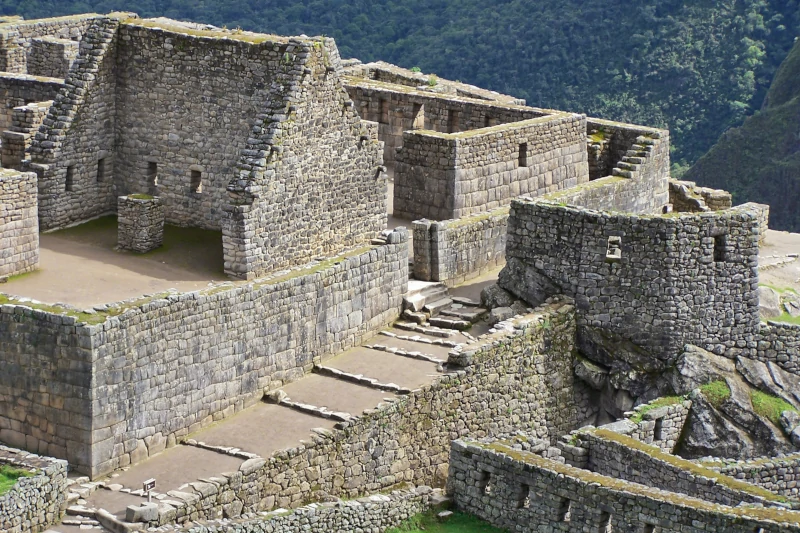
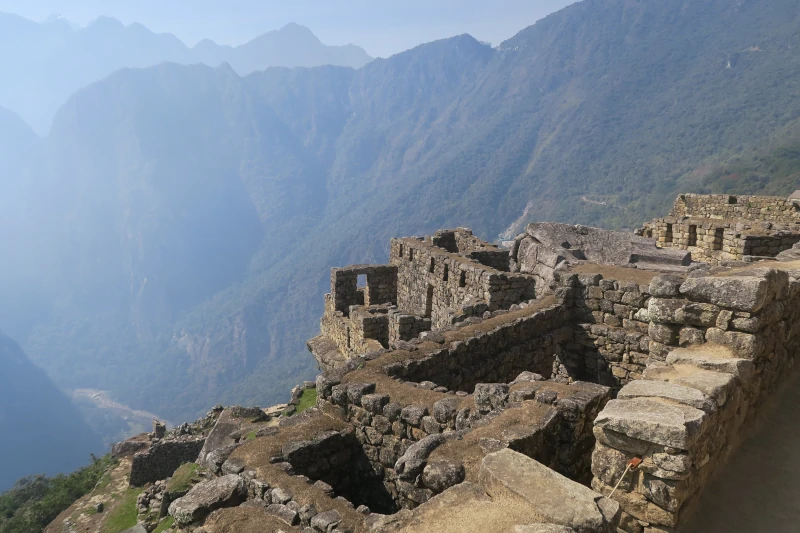
Visiting Machu Picchu in January offers a unique and mystical experience. With lush green mountains, shifting clouds, warm temperatures, and fewer crowds, this time of year reveals a different side of the Inca citadel—one that’s peaceful, dramatic, and deeply atmospheric. While January also brings frequent rain and fog, travelers who prepare properly can enjoy an unforgettable trip with beautiful landscapes and more flexibility compared to peak season.

This complete guide explains everything you need to know: weather patterns, what to expect each day, crowd levels, entrance circuits, train and transport conditions, packing recommendations, safety tips, and how to make the most of your visit during this rainy but stunning month.

machu picchu in january

What Is Machu Picchu Like in January?

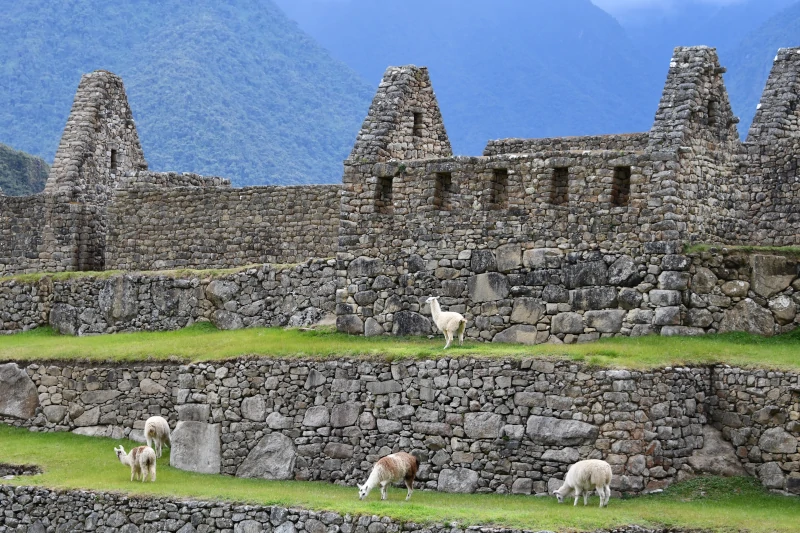
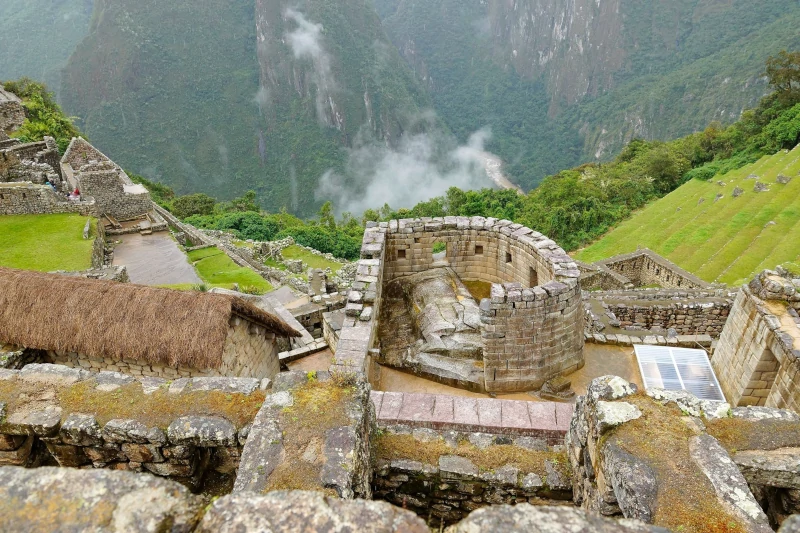
January is one of the rainiest months in the Andes, yet Machu Picchu remains fully open and operational. Rain showers are common but usually come in waves—they rarely last all day. Clouds move quickly, revealing dramatic openings with incredible light, making January a favorite for photographers.

Travelers visiting this month will find:

  • Deep green vegetation and vibrant landscapes

  • Warm, humid weather

  • Cloudy mornings and clearer afternoons

  • Quieter pathways and less crowd pressure

  • Lower prices for accommodations and tours

Even with rain, Machu Picchu retains its magic—sometimes even more intensely than during the dry season.

Weather in Machu Picchu in January

Temperatures

  • Daytime: 18°C–22°C (64°F–72°F)

  • Nighttime: 10°C–13°C (50°F–55°F)

The combination of warm temperatures and high humidity makes the environment feel tropical.

Rainfall

  • January brings frequent rain, sometimes heavy.

  • Drizzles, short storms, and occasional downpours are normal.

  • Rain is more intense during early morning or late afternoon.

Despite this, long intervals with no rain are very common.

Humidity

Humidity levels range between 70% and 90%, creating a jungle-like atmosphere.

Cloud Coverage

  • Early mornings often bring fog

  • Clouds usually lift mid-morning

  • After rain, the air becomes sharp and clear—perfect for photos

Is January a Good Time to Visit Machu Picchu?

For many travelers, yes—as long as they understand the conditions. January is ideal for people who prioritize peace, nature, and affordability over perfect blue skies.

Pros of Visiting Machu Picchu in January

  • Fewer tourists: A calmer, more intimate atmosphere inside the ruins.

  • Greenest landscapes of the year: Mountains turn intensely lush and vibrant.

  • Lower prices: Hotels, trains, and tours often offer discounts.

  • More availability: Easier to secure last-minute tickets and train spaces.

  • Warm temperatures: Comfortable climate despite the rain.

Cons of Visiting Machu Picchu in January

  • Heavy and unpredictable rain

  • Foggy views, especially early in the morning

  • Possible train delays due to landslides or storms

  • Slippery paths and stone steps

  • More mosquitoes due to humidity

Crowd Levels at Machu Picchu in January

January is one of the quietest months to visit.

  • Morning entries (6–10 AM) still attract visitors, but nothing compared to June–August.

  • Afternoon entries (12–2 PM) are extremely calm.

  • Fewer lines at shuttle buses, train stations, and popular viewpoints.

For many travelers, this is one of the biggest advantages of visiting in January.

Machu Picchu Entrance Circuits in January

All entrance circuits remain open during this month.

Circuit 1 – Panoramic Upper Terrace

Great for wide panoramas, but fog is more common early in the morning.

Circuit 2 – Classic Route

The most complete and recommended circuit, January or not.
Includes the main temples, terraces, plazas, and classic views.

Circuit 3 – Lower Part + Huayna Picchu

Better visibility in rainy season because it sits lower and fog clears earlier.

Circuit 4 – Lower Part + Huchuy Picchu

Shorter hiking option with fewer steep sections.

Are Huayna Picchu and Machu Picchu Mountain Open in January?

Yes, both require separate tickets and remain fully open.

Huayna Picchu

  • Very steep

  • Narrow pathways

  • Extremely slippery during rain

  • Fog may block views in the morning

Recommended only for physically prepared and confident hikers.

Machu Picchu Mountain

  • Longer but safer and wider

  • Great views when clouds lift

  • Very slippery when wet

Both hikes require good shoes and caution.

Train Travel to Machu Picchu in January

Trains operate normally during January, though weather can cause occasional delays.

What to Expect

  • More space and better prices than in high season

  • Some reduced speeds during storms

  • Possible schedule modifications if landslides occur (rare but possible)

  • The route remains safe and reliable overall

Booking trains 2–4 weeks in advance is recommended.

Morning vs. Afternoon Visit: Which Is Better in Machu Picchu in January?

Morning Visit (6–10 AM)

Pros

  • Beautiful mystical atmosphere

  • Cool temperatures

  • Clouds lifting slowly across the mountains

Cons

  • Fog may block classic viewpoints

  • Trails are slippery from overnight rain

Afternoon Visit (12–2 PM)

Pros

  • Fewer visitors

  • Fog usually clears

  • Better photo visibility

Cons

  • Higher chance of afternoon rain

  • Stronger humidity

Best recommendation for January:
Entry between 9 AM and 12 PM—best visibility + moderate crowds + stable weather.

Photography in January

January lighting is unpredictable—but beautiful. Clouds move quickly, giving photographers multiple moods in minutes.

Tips for Better Photos

  • Capture ruins before, during, and after rain—colors change dramatically.

  • Use microfiber cloths to handle droplets.

  • Take advantage of cloud breaks; they are golden moments.

  • Fog can create magical, mystical effects around temples.

Best times:
9:30 AM – 12 PM, and after any rain shower.

Trekking to Machu Picchu in January

Inca Trail

Open but muddy and slippery. Still safe with proper gear.

Salkantay Trek

Not recommended—heavy rain, mud, storms, and snow near the pass.

Lares Trek

A better alternative in rainy season, focused on culture and lower altitudes.

Choquequirao & Ausangate

Dangerous during heavy rain; not recommended in January.

What to Pack for Machu Picchu in January

Clothing

  • Waterproof rain jacket or poncho

  • Waterproof hiking shoes

  • Quick-dry pants and shirts

  • Fleece or light jacket

  • Extra pair of dry socks

Gear

  • Backpack with rain cover

  • Insect repellent

  • Sunscreen even on cloudy days

  • Hat (sun + rain protection)

  • Reusable water bottle

Useful Extras

  • Hiking poles with rubber tips

  • Ziplock bags for electronics

  • Small towel

  • Extra T-shirt for after the tour

Safety Tips for January Travelers

  • Walk slowly—wet stones are very slippery.

  • Stick to marked paths at all times.

  • Avoid getting too close to terrace edges.

  • Protect phones and cameras from rain.

  • Carry a power bank (humidity drains batteries faster).

  • Bring cash in case card terminals lose connection during storms.

  • If your train is delayed, follow staff instructions calmly—they’re highly experienced with rainy season protocols.

Visiting Aguas Calientes (Machu Picchu Pueblo) in January

The town is fully operating and actually cozy during rainy months.

You will Experience:

  • Warm, humid tropical-like climate

  • Coffee shops perfect for drying off

  • Lower prices on hotels and massages

  • Open hot springs

  • Rain showers throughout the day

It’s a relaxing base before or after Machu Picchu.

How Far in Advance Should You Book for January?

January allows more flexibility than dry season months.

  • Machu Picchu entrance tickets: 2–4 weeks in advance

  • Huayna Picchu / Machu Picchu Mountain: 1–2 months in advance

  • Trains: 2–4 weeks

  • Hotels: 1–2 weeks

You can often find last-minute options, except for the mountain hikes.

Best Tips for Visiting Machu Picchu in January

  • Choose an entry between 9 AM and 12 PM for the best chance of clear views.

  • Wear waterproof, slip-resistant shoes—they make a huge difference.

  • Carry a poncho or rain jacket because rain is common and unpredictable.

  • Take photos throughout the visit, as clouds move quickly.

  • Bring dry clothes to change into after the tour.

  • Use a backpack rain cover to protect your belongings.

  • Book with experienced operators who know rainy-season logistics.

  • Stay one night in Aguas Calientes to reduce travel stress.

  • Check train status during heavy rain periods.

  • Protect electronics with waterproof bags or ziplocks.

A person steps onto a street paved with rounded stones – clear water runs in gutters carved from the same stones five centuries ago. The channels still work and people still live here. The place is Ollantaytambo, a town in Peru that never stopped being used since Inca times.

Ollantaytambo Ruins

Many visitors leave the train, walk to the ruins and leave again. They pass the town itself plus miss the last complete Inca street plan on earth. Every block, every lane, every drainage slit remains where the original surveyors set it. The layout still guides foot traffic and rainwater exactly as planned.

The Inca chose this narrow valley mouth for two reasons – first, the spot commands the only sensible route from the high capital of Cusco down toward the Amazon. The steep slopes give a natural defence. A fortress rose on the cliffs, a temple rose higher still and the town filled the flat ground between.

Above the roofs, the Sun Temple sits on a ridge of pink granite. Each block weighs many tons but no mortar holds them together. The joints are so tight a razor blade will not slide in. Stonemasons cut the joints once, lifted the pieces with ramps but also ropes and locked them forever.

Mastering Your Visit: The Best Way to Reach Ollantaytambo and How Long to Stay

The city of Cusco lies behind you – your next step is to reach the Sacred Valley. To travel from Cusco to Ollantaytambo you must choose between price and comfort. Those are the usual ways

  • Colectivo (Shared Van): The most cost-effective choice (around $4 USD). You share the ride with locals and other travelers, departing only when the vehicle is full.
  • Private Taxi: Offers maximum comfort and the freedom to stop for photos along the mountain roads (around $40 USD).
  • Train: A premium, highly scenic route primarily used by travelers heading directly toward Machu Picchu ($50+ USD).

You must buy the Cusco Tourist Ticket (Boleto Turístico) before you enter. One pass opens every site in the region. Allow at least three hours for the ruins. This gives you time to walk the whole archaeological zone and then reach the old town market below.

The terraces climb in giant steps – a “climb-rest” plan helps – stop after every third level to look around – the pause lowers the risk of altitude sickness. When you stand on the top terrace you see the whole valley and you face the Sun Temple, where stones of fifty tons rest.

The Mystery of the Sun Temple’s 50-Ton Stones

Ollantaytambo Ruins

At the highest point the Wall of the Six Monoliths waits – each slab is pink granite and weighs as much as four school buses. The rock did not come from this hill. Workers brought it from the Kachiqhata quarry on the far side of the valley. They crossed the river and pulled the stones up the same slope you just climbed.

Look closely at how these Sun Temple megalithic stone walls fit together. Look closely at those slender stone strips wedged between huge blocks. Craftsmen shaped each piece of ashlar so perfectly, mortar became unnecessary. Those narrow inserts act like shock absorbers when the ground shakes. Built to let heavy stones shift slightly then return, they prevent collapse during quakes.

Maneuvering such heavy materials into place highlights the sheer genius of Incan engineering. Scanning the bottom edges of the blocks, you will notice large, unpolished bumps sticking out of the smooth surface. These “protuberances” acted as built-in stone handles, allowing thousands of workers using thick ropes to lever the massive giants into perfect position before chiseling them flat.

This immense effort served a vital civic purpose rooted in the Temple of the Sun’s astronomical alignment. Lacking paper calendars, the Inca angled this structure to catch the exact first light of the winter solstice. This giant celestial clock signaled when to begin planting crops, a reminder that survival meant mastering the mountain landscape—a skill beautifully mirrored by the cascading agricultural steps directly below.

Engineering the Andes: How Incan Terraces Fed an Empire

Up top near the temple, those giant green stairs at Ollantaytambo seem built for enormous beings. Each platform rises fifteen feet, forming what’s known as Andenes – clever stone barriers shaped to handle sharp mountain angles. Though used now for crops stacked upward, their main role was support, holding rocky terrain firm against slips, yet giving farmers more ground to plant on.

The true genius of these structures lies hidden beneath the dirt. To engineer a flawless Incan agricultural terrace irrigation system that survived heavy seasonal rains, builders constructed each platform using three carefully planned layers:

  • Base: Massive boulders at the bottom let excess water drain quickly.
  • Middle: A thick band of sandy gravel filtered moisture and stopped mud from washing away.
  • Top: Rich topsoil, carried up from the valley floor, provided a fertile bed for crops.

This ingenious stratified design did more and managed water; it physically reshaped the weather. The tall stone faces absorbed the sun by day, emitting trapped heat at night to create warm microclimates that made it possible for delicate corn to thrive without fear of frost. By coupling this thermal engineering with a web of tunnels, designed to direct pure snowmelt from mountain tops through the town square, builders transformed Sacred Valley agriculture. Having established themselves with bumper harvests, their next task was storage and preservation, which brings us to climbing Pinkuylluna: how the Inca created high-altitude “fridges.”

Climbing Pinkuylluna: Why the Inca Built High-Altitude ‘Refrigerators’

Ollantaytambo Ruins

High on Pinkuylluna’s rugged slopes, stone storehouses seem to balance against gravity itself. Though the climb tests your legs, reaching the Incan grain rooms costs nothing – no pass needed at all. Perched above, the land unfolds beneath you: patchwork fields stretch into mist while the old town lies neatly laid out just underfoot.

These high-altitude structures were not temples, but qollcas—massive agricultural storehouses. Unlike the perfectly polished, mortarless stones of the religious sites, these walls utilized rough fieldstones and clay to prioritize pure function. Builders positioned them high on the mountain to act as natural refrigerators. Chilly winds funneled through the narrow valley continuously cooled the buildings, naturally preserving surplus crops so the empire’s population could survive years of harsh droughts.

Guarding these precious supplies is a colossal face etched into the adjacent mountain rock, representing the creator deity Tunupa. Tracing his stern stone profile, it becomes obvious why the Inca viewed this rugged landscape as a divine fortress. That natural advantage would soon face a brutal test when a rebel emperor used these exact mountains to block European invaders.

The Battle of 1537: How Manco Inca Defeated the Spanish Cavalry

From out of nowhere, European forces stormed across the Andes, turning the once quiet spiritual site at Ollantaytambo into a stronghold overnight – shifting Peru’s fate. After that first wave of takeover, resistance sparked under Emperor Manco Inca, who broke away to form what became known as the Neo-Inca State. Because those high farming steps offered more than crops – they stood like giant barriers – he pulled back to this place. Standing below them today, you can easily imagine the impossibility of climbing these massive stone steps while defenders rained down boulders from the sky.

Water did the real work when it came to protection. Back in 1537, Spanish horsemen showed up ready for an easy win – only to step straight into a clever setup built in three brutal stages

  • The Confident Arrival: The Spanish rode onto the flat plains below the terraces, relying entirely on their horses for superior speed and power.
  • The Tactical Flooding: Using their mastery of the valley’s water channels, the Inca deliberately flooded the plain, turning the firm battlefield into an inescapable swamp.
  • The Desperate Retreat: Bogged down in deep mud, the paralyzed cavalry forced the exhausted conquistadors to flee under heavy fire.

Victory here marked a rare moment when native fighters fully pushed back against Spanish troops. Though the win stood strong, fresh enemy groups were expected soon after. Because of that risk, Manco Inca left the fortress behind, moving farther into dense forest cover. The trail once used for escape now guides travelers from Ollantaytambo toward Machu Picchu.

Your Roadmap from Ollantaytambo to Machu Picchu

Ollantaytambo Ruins


You no longer just see ancient rubble; you see a masterclass in Inca engineering. When you transition toward Aguas Calientes, carry this perspective with you. The monumental terracing and precision masonry you witnessed here are the exact architectural foundations that made the famous citadel in the clouds possible.

Before leaving, double-check your Boleto Turístico to ensure you have explored all included Sacred Valley sites. Staying overnight here is a brilliant strategy, granting you quiet mornings free from heavy day-trip crowds. This peaceful pause also lets you effortlessly coordinate your morning train to Machu Picchu, located just down the road.

Take one last stroll through the village grid before departing. Look closer past the modern doorways to spot the traditional canchas—ancient communal courtyards where families still live together exactly as they did five centuries ago. The true magic of this valley isn’t just in the fortress towering above, but in the enduring Inca heartbeat still echoing beneath your feet.

Marko Andinauta’s Hiking Story

INCA TRAIL

THE INCA TRAIL VIDEO TO MACHU PICCHU

WHAT IS THE INCA TRAIL?

  • The good thing is that it’s a lot shorter than you can expect at only 45 Kms or 26 miles. On the other hand; there is a significant chunk of which is 45 km up steep, narrow Andean mountain trails at altitude.

WHY IS IT SO FAMOUS & POPULAR HIKE?

Hiking the Inca Trail to Machu Picchu with a locally tour company, you won’t regret it.

WHO BUILT THE LEGENDARY INCA TRAIL?

BOOKING THE INCA TRAIL HIKE

WHAT ARE INCA TRAIL PERMITS & DOES HIKER NEED A GUIDE?

Marko recommends everyone who is interested to do the hiking to obtain the permits months in advance.

WHAT IS THE BEST TIME OF YEAR TO HIKE THE INCA TRAIL?

May to October (Dry Season).

Advantages 

Disadvantages

Advantage

Disadvantage

DO TRAVELLERS NEED TO BOOK THE INCA TRAIL TOUR IN ADVANCE?

Llactapata Inca Trail

ARE THERE AGE RESTRICTIONS?

Marko Andinauta advice the following recommendations:

  • Not good for travelers with back problems
  • Not recommended for pregnant travelers
  • I do not recommend to hikers with heart problems or other serious medical conditions
  • All  traveler children under 17 years old must be accompanied by an adult and we do not have age requirements

HOW MUCH DOES THE INCA TRAIL COST?

Recommendations

HOW EXACTLY IS THE INCA TRAIL FOOD?

Breakfast

Drinkable Water to Refill Up

Snacks

Lunch

Teatime or Happy Hour

Dinner 

DOES HAPPY GRINGO TOURS PROVIDE DRINKABLE WATER ON THE INCA TRAIL?

PREPARE FOR HIKING THE INCA TRAIL

HOW FIT DOES HIKER NEED TO BE?

Also, you must be mentally prepared. It is just as very important as physical preparation when it comes to hiking the legendary Inca trail to conquer Machu Picchu.

WHAT DO YOU NEED TO PACK FOR THE INCA TRAIL?

WHAT IS THE INCA TRAIL ALTITUDE?

WHY IS IT CALLED DEAD WOMAN’S PASS?

DO YOU NEED SPECIAL INCA TRAIL INSURANCE?

HIKING THE GREAT INCA TRAIL

INCA TRAIL ROUTE AND MAP

In this article, we’ll explore the many reasons why Peru is a good travel destination. Additionally, we’ll discuss some considerations to keep in mind when planning your trip. Peru has something to offer everyone, whether you’re an adventurer seeking thrilling outdoor experiences or a history buff fascinated by ancient civilizations.

Peru is the land of the ancient Inca civilization and the majestic Andes mountains. This country has captured the imaginations of travelers for centuries with its rich cultural heritage and stunning natural landscapes.

From Machu Picchu, one of the world’s most famous archaeological sites, to the vibrant city of Lima, Peru offers a unique blend of history, culture, and natural beauty. However, with so many travel destinations around the world, one may wonder whether Peru is a good travel destination. 

Peru’s cultural and historical attractions

Peru’s rich cultural and historical heritage make it a good travel destination. It’s particularly attractive to those interested in exploring the ancient civilizations that once thrived in the region. Machu Picchu, the most famous of Peru’s archaeological sites, is a must-see for anyone interested in Inca culture. The site’s stunning location on a mountaintop makes it one of the world’s most impressive feats of engineering. Additionally, its intricate stone architecture adds to its awe-inspiring beauty.

In addition to Machu Picchu, Peru is home to many other sites that offer a glimpse into the country’s fascinating history. Moreover, these sites provide a unique insight into Peru’s rich cultural heritage. The Nazca Lines, a series of enormous geoglyphs etched into the desert sands, are believed to have been created by the Nazca culture between 500 BCE and 500 CE. They offer a fascinating glimpse into ancient Peruvian civilization.

The city of Cusco, once the capital of the Inca empire, is now a bustling city with a unique blend of ancient and modern culture. Additionally, it’s a popular destination for travelers seeking to immerse themselves in Peruvian history and culture.

Peru’s modern culture is just as vibrant and fascinating as its ancient history. Lima, the country’s capital, is a good travel destination for foodies and nightlife enthusiasts. This is because of its world-renowned culinary scene and lively nightlife. The city’s historic center, a UNESCO World Heritage site, is also worth exploring for its beautiful architecture and rich history.

Peru’s cultural and historical attractions make it a good travel destination for anyone interested in exploring the ancient civilizations that once thrived in the region. Additionally, it’s a good destination for experiencing modern Peruvian culture.

Is Peru a good travel destination?

Peru’s natural wonders

Peru’s natural wonders make it a good travel destination for those seeking to experience stunning landscapes and unique ecosystems. The country is home to the Andes mountain range, the world’s second-highest mountain range. Furthermore, it offers some of the most breathtaking scenery in South America. Trekking in the Andes is a popular activity for adventurous travelers, with options ranging from day hikes to multi-day expeditions.

Peru is also home to the Amazon rainforest, one of the most biodiverse regions on the planet. The Peruvian Amazon is an excellent destination for nature lovers. There are a range of activities available such as wildlife spotting, birdwatching, and exploring indigenous communities. The Tambopata National Reserve and the Manu Biosphere Reserve are two of the most popular areas to visit in the Peruvian Amazon.

Another natural wonder that makes Peru a good travel destination is Lake Titicaca, the highest navigable lake in the world. Located on the border between Peru and Bolivia, the lake is surrounded by stunning scenery. Additionally, traditional Andean communities that have maintained their way of life for centuries can be found in the area. Visitors can take boat tours of the lake and visit the islands, including the famous Uros floating islands.

Peru’s natural wonders offer a unique and unforgettable travel experience. This is especially true for those seeking to explore stunning landscapes and unique ecosystems. From the Andes to the Amazon and beyond, Peru is a good travel destination for nature lovers and adventure seekers alike.

Is Peru a good travel destination?

Safety, budgeting, and navigating Peru’s tourism industry

While Peru is a good travel destination with a wealth of cultural and natural attractions, it’s important to keep some practical considerations in mind. This will help you plan your trip effectively and make the most of your experience. Safety is a top concern for many travelers, and Peru is no exception. It’s always a good idea to research the safety situation in the areas you plan to visit. Additionally, taking precautions accordingly can help ensure a safe and enjoyable trip. It’s also important to be aware of common scams and take steps to protect your belongings while traveling.

Budgeting is another important consideration when planning a trip to Peru. While the country is generally affordable compared to many other travel destinations, costs can vary widely depending on the type of travel you’re planning. For example, hiking in Peru can be a great but expensive way to see the country’s stunning landscapes. It’s important to do your research and plan your trip accordingly to make sure you’re staying within your budget.

Navigating Peru’s tourism industry can also be a challenge for travelers. While there are many reputable tour operators and accommodations in the country, there are also many scams and less-than-reputable businesses to be aware of. It’s important to read reviews, do your research, and book with reputable companies to ensure a safe and enjoyable trip.

With some practical considerations in mind, Peru can be a good travel destination for those seeking adventure, culture, and natural beauty. Whether you’re planning a trek to Machu Picchu or exploring the Peruvian Amazon, taking the time to plan your trip carefully can help ensure a safe and memorable experience.

Is Peru a good travel destination?

In the heart of the Peruvian Andes, among verdant mountains and ethereal cloud forests, sits the remarkable archaeological site of Machu Picchu. This iconic Inca citadel attracts explorers, history enthusiasts, and wanderlust-filled travelers from all corners of the globe. Among the many captivating sites within this mountain-top sanctuary, one monument, in particular, stands out for its unique position and symbolic resonance – the Intipunku, more commonly known as the “Sun Gate at Machu Picchu”. 

Constructed in the 15th century, Intipunku beckons the rising sun each day, marking the dawn of a new cycle. As we delve deeper into this intriguing monument’s construction, purpose, and symbolic significance, we will unearth the sophisticated wisdom of a culture deeply connected with the cosmos, revealing a tantalizing glimpse into the world of the Incas. Let’s embark on a journey through time and space, unveiling the secrets behind the celestial doorway of the Incas.

The historical significance of Intipunku: Understanding its role in the Inca Civilization

The Sun Gate at Machu Picchu is an emblematic part of the heritage of the Inca Empire. It holds significant historical importance in Inca civilization. This striking monument served many essential functions.

As an architectural masterpiece, the Sun Gate marked the end of the Inca Trail. Pilgrims and messengers used this route for religious and communication purposes. Therefore, the gateway signaled a ceremonial entry into the sacred city of Machu Picchu. 

The Sun Gate at Machu Picchu was also a strategic vantage point. From this altitude, Incas could observe the entire citadel. Thus, it served as an effective lookout spot. Furthermore, it offered a prime view of the Urubamba River Valley, providing essential insights into the surrounding environment.

The positioning of the Sun Gate was not accidental. It was carefully aligned with the winter solstice sunrise. During this event, the sun would rise directly over the gate. This showcased the Incas’ precise understanding of astronomical phenomena and their integration of this knowledge into their architecture.

Intipunku’s role transcended its functional utility. It had profound cultural and spiritual significance for the Incas. It symbolized the welcoming of Inti, their revered sun god. Hence, the gateway was a tangible manifestation of their deep cosmological beliefs.

In essence, the Sun Gate at Machu Picchu was an integral part of the Inca Empire’s cultural and historical fabric. It was a symbol of their architectural prowess, astronomical wisdom, and religious devotion. Today, it serves as a tangible link to the glorious past of the Inca civilization.

Intipunku or Sun Gate at Machu Picchu

The design and construction of the Sun Gate at Machu Picchu

The Sun Gate at Machu Picchu showcases the Inca’s architectural ingenuity and craftsmanship. It was not merely built but meticulously engineered. The design, orientation, and location all had specific purposes.

Strategically located at a high altitude, the Sun Gate overlooks the Sacred Valley. It offers breathtaking views of the Machu Picchu ruins and the surrounding mountains. Moreover, the gate was placed at the end of the famous Inca Trail, making it an important strategic and ceremonial checkpoint for those entering the sacred city.

The construction of the Sun Gate at Machu Picchu required significant labor and skills. Despite the technological limitations of the time, the Inca builders achieved a remarkable feat. Using local materials and simple tools, they built a structure that has withstood the test of time.

One of the striking features of the Sun Gate is its precise alignment with the sun during the winter solstice. This architectural precision reflects the Incas’ advanced understanding of astronomy. The Sun Gate, therefore, was not only a gateway but also an observatory.

Furthermore, the Sun Gate at Machu Picchu is built in the classic Inca architectural style. This style is characterized by the use of finely cut and fitted stones. Similar techniques were used in other Inca structures, including the renowned Temple of the Three Windows.

The Intipunku is a testament to Inca’s architectural mastery. It is a marvel that embodies the culture’s ingenuity, spirituality, and deep connection with nature. Its construction techniques continue to captivate architects and historians alike.

Intipunku or Sun Gate at Machu Picchu

Cosmology and spirituality: The Sun Gate as a symbol of Inca beliefs

The Sun Gate at Machu Picchu is deeply intertwined with Inca cosmology and spirituality. It symbolizes the Inca’s profound connection with the cosmos. The Sun Gate was not just an architectural wonder; it was a celestial portal.

In Inca cosmology, the sun god, Inti, was considered the highest deity. The Sun Gate at Machu Picchu was built as a spiritual tribute to Inti. Every year, during the winter solstice, the sun rises directly above the gate. This celestial alignment was thought to symbolize the sun god entering the sacred city through the Sun Gate.

This phenomenon, therefore, was a significant spiritual event for the Incas. They believed that the Sun Gate at Machu Picchu was where the sun was reborn each day. Thus, the gate served as a spiritual link between the cosmos and the terrestrial realm.

Additionally, the Sun Gate’s design reflects the Inca’s intricate cosmological understanding. The Incas believed in a harmonious relationship between the earthly and celestial realms. This belief is well encapsulated in the Sun Gate’s design and orientation.

Thus, the Sun Gate at Machu Picchu is a profound symbol of Inca beliefs. It embodies their cosmological wisdom, spiritual reverence for the sun, and their intricate understanding of the celestial cycles.

After experiencing the Sun Gate’s splendors, extend your Peruvian adventure. Consider a visit to the magnificent Vinicunca Rainbow Mountain or embark on the enchanting Lares Trek to Machu Picchu. These captivating experiences provide further glimpses into the rich culture and breathtaking natural beauty of Peru.

Intipunku or Sun Gate at Machu Picchu

Peru’s Maras Salt Pans create a striking tableau. This ancient saline system unfolds like a patchwork quilt across the mountain slopes. Here, a mineral-rich spectacle of pink-hued salt ensues. 

Thousands of salt pans, geometric and glistening, carpet the landscape. These have been harvested for centuries using methods passed down through generations. Today, the Maras Salt Pans remain a remarkable testament to the Inca ingenuity.

Each pan produces a unique shade of pink salt, distinct in its mineral composition and flavor. These subtle variations make Maras salt a coveted culinary asset worldwide. Yet, its beauty and usefulness belie a complex ecosystem worthy of exploration.

This article takes you on a journey through this stunning terraced landscape. We delve into the intricate network of channels that feed each pan with mineral-rich spring water. It’s a tale of tradition, geography, and surprising biological diversity within these crystalline pools.

Unveiling Maras Salt Pans: A journey into the pink-Hued salt’s unique system

Perched at high altitude, the Maras Salt Pans stand majestic. Tucked in the Sacred Valley of the Incas, they captivate with their distinctive pink hue. This extraordinary panorama is a testament to time-tested techniques.

The Maras Salt Pans comprise thousands of shallow pools. Fed by mineral-rich spring water, they offer a spectacle of pink-hued crystals. Each pan reveals a story of labor, patience, and legacy.

Each individual pool connects to others via a complex system. This network efficiently harnesses the salty spring water. 

The location of the Maras is no coincidence. Close by lies the Inca “agricultural laboratory” of Moray. This suggests a deep understanding of the land by the Incas.

The distinct color of the salt indicates its mineral richness. The altitude influences the composition and the color of the salt. This lends the Maras Salt their distinctive pink color.

The Maras Salt Pans exemplify a harmonious balance. They blend tradition, environment, and livelihood seamlessly. Each grain of salt is a tribute to this symbiosis.

Through the Maras Salt Pans, a unique journey unfolds. It’s an exploration into the past, tinged with pink. Here, nature and culture coexist in a delicate, salty balance.

Maras Salt Pans

The science behind the pink: Exploring the formation and extraction of Maras Salt

The Maras Salt Pans offer a remarkable geological wonder. Within these pools, a vibrant dance of nature and chemistry unfolds. It’s the ballet of pink salt formation, perfected over centuries.

The formation of the Maras Salt begins with spring water. This water carries dissolved salts and minerals from the Andean mountains. It finds its way into the Maras Salt Pans.

Within the pans, the intense Andean sun plays a crucial role. It triggers evaporation, leaving behind a concentration of salts. These then crystallize to form the coveted pink salt.

The color of the salt derives from its mineral content. It’s the presence of these minerals that give the salt its pink hue. It’s also these minerals that lend the salt its distinctive flavor.

The salt’s extraction process follows a rhythm attuned to nature. Harvesting typically occurs during the dry season. Here, the Maras Salt Pans become a bustling hive of activity.

Harvesters scrape the surface of the pans, collecting the crystallized salt. They follow techniques passed down through generations. This ensures the delicate structure of the salt remains intact.

Once harvested, the salt undergoes minimal processing. It maintains its raw, mineral-rich quality. It’s this that sets the Maras Salt apart on the global culinary stage.

The Maras Salt Pans are not just an enchanting visual spectacle. They embody a fascinating journey of salt formation and extraction. This makes them a truly unique destination for science and salt enthusiasts alike.

We witness the human ingenuity that harnesses this geological wonder. It’s a testament to the power of tradition and the allure of pink salt.

Maras Salt Pans

Cultural significance and sustainability: Balancing tradition and preservation in Maras

The Maras Salt Pans, a crucial part of Peru’s cultural heritage, have a deep historical resonance. They signify the continuity of ancient Inca techniques in modern times. Each pan embodies tradition, perseverance, and communal effort.

These pans are a source of livelihood for many local families. Ownership of the pans passes down through generations, preserving age-old practices.

Moreover, the Maras Salt Pans support local tourism. They provide an enchanting landscape for visitors, sharing a story of history and perseverance. This aids in maintaining the economic balance of the region.

However, this ancient system faces challenges. Modern development and climate change threaten the pans’ sustainability. It’s a delicate balance between tradition and preservation that requires careful management.

Conservation efforts strive to protect the pans from these threats. They aim to sustain the cultural significance and the unique ecosystem of the Maras Salt Pans. These initiatives ensure the salt pans’ survival for future generations.

In addition, supporting responsible tourism plays a crucial role. Visitors learn about the pans’ cultural significance and contribute to local economies. They leave with a richer understanding of this extraordinary place.

This timeless landscape, resplendent with the Maras Salt Pans, awaits your exploration. A Lares Trek to Machu Picchu can be an excellent start. It combines breathtaking natural beauty with historical significance.

Alternatively, consider the 4 Day Inca Trail to Machu Picchu. It will take you through diverse Andean landscapes and ancient ruins. Both treks offer unique opportunities to appreciate the rich culture and traditions of Peru.

Maras Salt Pans

Discover the heart of the Inca Empire in Cusco, Peru. This city is a blend of history, culture, and mystery with its must-visit sites in Cusco. Explore ancient ruins, vibrant streets, and stunning landscapes.

Cusco is your gateway to iconic Machu Picchu. But there’s more to see beyond these famous ruins. We’ve curated a list of top 10 must-visit sites.

From the cobblestone alleys of the historic center to the sacred Valley of the Incas. Each site tells a part of Cusco’s rich story. Immerse yourself in the beauty and history of this ancient city.

Whether you’re an adventurer or a history buff, Cusco has something for you. Our guide ensures you don’t miss the city’s treasures. Get ready to explore the best of Cusco with us beyond our Machu Picchu Tour.

List of the Top 10 Must-Visit Sites in Cusco

  1. Machu Picchu – The iconic symbol of the Inca Empire, accessible via train or the Inca Trail.
  2. Sacsayhuaman – A massive Inca fortress with impressive stone walls, overlooking the city of Cusco.
  3. Qorikancha (Temple of the Sun) – A prime example of Inca architecture, originally covered in gold.
  4. Plaza de Armas – The heart of Cusco, surrounded by historical buildings and vibrant life.
  5. San Blas Neighborhood – Known for its artisan shops, bohemian vibe, and narrow, steep streets.
  6. Ollantaytambo – A living Inca town and archaeological site, gateway to Machu Picchu.
  7. Pisac Archaeological Park – Home to Inca ruins and a traditional market, set in the Sacred Valley.
  8. Moray and the Maras Salt Mines – Showcases Inca agricultural experimentation and ancient salt pans.
  9. Cusco Cathedral – A colonial cathedral with intricate interiors and religious art, located in the Plaza de Armas.
  10. Tipon Archaeological Site – Features elaborate Inca terraces and a sophisticated irrigation system.
Top 10 Must-Visit Sites in Cusco

Exploring the Ancient Heart of the Inca Empire: Cusco’s Unmissable Attractions

Cusco, once the capital of the Inca Empire, beckons with its ancient allure and breathtaking landscapes. Here, history whispers from the cobblestone streets and grandeur ruins. Every corner in this city promises an adventure, making it a must-visit destination for travelers.

The Plaza de Armas, Cusco’s vibrant heart, offers a glimpse into the city’s colonial and Inca past. Framed by the imposing Cusco Cathedral and the Church of La Compañía de Jesús, it’s a hub of cultural activity. Visitors can start their journey here, soaking in the lively atmosphere.

Just a short walk from the plaza, the San Blas neighborhood unfolds with its artistic vibe. Artisans display their crafts, perfect for unique souvenirs. The area is also home to the famed Twelve Angled Stone, showcasing the Inca’s architectural precision.

A Journey Through Time: Cusco’s Archaeological Sites

Cusco serves as a gateway to numerous archaeological sites, each telling a story of the ancient Inca. Sacsayhuaman, with its colossal walls, stands as a testament to Inca engineering. Not far, the Cristo Blanco (White Christ) statue watches over the city, offering panoramic views.

The Sacred Valley, a short trip from Cusco, reveals the rich agricultural heritage of the Inca. Sites like Pisac and Ollantaytambo highlight the advanced terracing and irrigation techniques. These spots are essential for understanding the Inca’s connection to the land.

For those drawn to the mysteries of the past, a visit to the Qorikancha, beneath the Santo Domingo church, is a must. This site was the Inca Empire’s religious center, dedicated to the Sun God. The blend of Inca and colonial architecture here is striking.

Cultural Immersion and Natural Wonders

The San Pedro Market offers a taste of local life, from colorful textiles to the traditional guinea pig dish. It’s a place to immerse oneself in the flavors and crafts of the region. Exploring this market provides insight into the daily lives of Cusco’s residents.

No visit to Cusco is complete without venturing to the Rainbow Mountain. This natural wonder, with its striated hues, is a sight to behold. The trek there showcases the region’s natural beauty and the enduring spirit of the Andes.

For trekkers, the Inca Trail presents a once-in-a-lifetime journey. It leads to the world-renowned Machu Picchu, traversing stunning landscapes and lesser-known Inca sites. This path offers a profound connection to the ancient Inca’s world.

Top 10 Must-Visit Sites in Cusco

Preserving History: Cusco’s Commitment to Its Past

Cusco not only celebrates its Inca heritage but also its pre-Inca history. Sites around the city reveal layers of cultural development before the Inca’s rise. This depth of history enriches every visit, offering a broader perspective of the Andean civilizations.

The city’s museums and cultural institutions play a crucial role in preserving this heritage. They offer detailed exhibits on the Inca’s life, achievements, and the region’s biodiversity. These resources are invaluable for those looking to delve deeper into Cusco’s past.

As the ancient heart of the Inca Empire, Cusco stands as a testament to the ingenuity and spirit of its people. From the majestic ruins of Sacsayhuaman to the sacred paths of the Inca Trail, the city offers a journey through time. Its streets, markets, and valleys are filled with stories waiting to be discovered.

For anyone planning to visit Cusco, these must-visit sites in Cusco offer a comprehensive experience of the city’s historical and cultural wealth. Each site, from the bustling Plaza de Armas to the serene Sacred Valley, contributes to the mosaic that is Cusco. This city, rich in history and brimming with life, awaits to share its secrets and wonders with the world.

Cusco’s Hidden Gems: Beyond Machu Picchu

While Machu Picchu often steals the spotlight, Cusco’s hidden gems reveal the depth of its cultural and historical wealth. These lesser-known sites invite travelers to explore the soul of the ancient Inca Empire. Each one offers a unique glimpse into the past and present of this enchanting city.

Among these must-visit sites in Cusco, the Inca site of Q’enqo stands out. This ceremonial complex, carved into rock, showcases Inca’s spiritual connection to the land. Visitors marvel at its intricate carvings and the mysterious underground chambers.

Another treasure, the Tambomachay ruins, known as the “Bath of the Inca,” feature aqueducts, canals, and waterfalls. This site highlights the Inca’s advanced water engineering and their reverence for natural elements. It’s a serene spot, perfect for contemplation.

Top 10 Must-Visit Sites in Cusco

A Journey Through Cusco’s Living Culture

Venturing into Cusco’s San Pedro Market, you’ll find more than just souvenirs. This bustling market is a kaleidoscope of colors, flavors, and aromas. Here, locals shop for fresh produce, textiles, and traditional medicines. It’s an authentic experience of daily life in Cusco.

The Andean Baroque Route is another must-visit for those looking to delve deeper into Cusco’s colonial history. This route includes stunning churches like Andahuaylillas, often referred to as the “Sistine Chapel of the Americas.” Its exquisite interior is a hidden gem worth exploring.

For a peaceful escape, the ChocoMuseo offers a sweet diversion. Visitors learn about chocolate’s journey from bean to bar. They even get to make their own chocolate. It’s a fun and educational experience that delights all ages.

Discovering Cusco’s Natural Wonders

Beyond the city, the Humantay Lake provides a breathtaking natural escape. This turquoise lake, set against the backdrop of snowy peaks, is accessible via a scenic hike. It’s a serene spot for nature lovers and photographers alike.

Lastly, the Apurimac River offers thrilling white-water rafting experiences. These rapids promise adventure for those seeking an adrenaline rush. The river’s stunning canyon scenery adds to the excitement.

Cusco’s hidden gems extend beyond Machu Picchu, offering visitors a richer, more diverse experience. From ancient ruins tucked away in the mountains to vibrant local markets in the city center, these must-visit sites in Cusco showcase the city’s multifaceted charm. They invite travelers to explore, learn, and connect with the spirit of the ancient Inca Empire and the vibrant culture that thrives in Cusco today.

Top 10 Must-Visit Sites in Cusco

Cusco, a city rich in culture, awaits you. Nestled in the Peruvian Andes, it’s a traveler’s paradise. Explore its timeless charm, vibrant streets and what to do in Cusco.

The city offers an array of activities. From ancient ruins to lively markets, there’s something for everyone. Dive into our top 10 must-do activities.

Embrace adventure and history in Cusco. Experience the local cuisine and colorful traditions. Make unforgettable memories in this magical city.

Our guide ensures you don’t miss out. Each activity promises a unique glimpse of Cusco’s heart. Ready to explore? Let’s dive in.

Top 10 Must-Do Activities in Cusco

Cusco is a gateway to many unforgettable experiences, blending historical sites, natural beauty, and cultural richness. Here’s a curated list of the top 10 must-do activities in Cusco:

  1. Tour the Sacsayhuamán Fortress – Marvel at the Incan architectural genius and enjoy panoramic views of Cusco.
  2. Visit the Sacred Valley of the Incas – Explore the picturesque villages, terraced fields, and ancient ruins.
  3. Stroll through the San Pedro Market – Experience the bustling local life and sample traditional Peruvian foods.
  4. Explore the Historic Center of Cusco – Walk the cobblestone streets, visit colonial churches, and see the Plaza de Armas.
  5. Day Trip to Machu Picchu – Witness the iconic Incan citadel set high in the Andes Mountains.
  6. Hike the Inca Trail – Embark on this epic trek through breathtaking landscapes to Machu Picchu.
  7. Visit the Qorikancha (Temple of the Sun) – Delve into this ancient Incan temple. Is a fusion of Incan and Spanish architecture.
  8. Experience a Traditional Weaving Demonstration – Learn about the Andean weaving process in nearby Quechua villages.
  9. Enjoy a Pisco Sour in a Local Bar – Savor Peru’s national drink. Dive in the lively atmosphere of Cusco’s bars.
  10. Take a Cooking Class – Immerse yourself in Peruvian cuisine by learning to prepare traditional dishes with a local chef.

These activities offer a mix of adventure, culture, and history, ensuring a well-rounded experience of Cusco’s unique charm.

Exploring the Heart of the Inca Empire: Unforgettable Experiences in Cusco

Nestled in the Andean mountains, Cusco serves as the gateway to the past. Its streets whisper tales of Inca and colonial history. Here, adventurers and historians find common ground.

The city’s energy captivates all who wander its ancient paths. Every corner tells a story, every stone steeped in history. It’s where the past and present blend seamlessly.

Among the myriad activities, knowing what to do in Cusco can seem daunting. Yet, the city reveals its secrets to those who venture. Let’s embark on this journey together.

What to Do in Cusco: Top 10 Must-Do Activities

Ancient Foundations: The Must-Visit Landmarks

The Cusco Cathedral stands as a testament to religious art and history. Its imposing structure dominates the Plaza de Armas. Inside, art and faith intertwine beautifully.

Adjacent, Santo Domingo church reveals layers of history. Built atop the Qorikancha, it showcases Incan architecture’s resilience. This blend of cultures fascinates visitors.

San Blas, known as the artisans’ district, offers a colorful maze of creativity. Its streets brim with handmade treasures. Every shop tells a different story.

Embracing Culture and Nature

A day trip from Cusco can lead you to awe-inspiring sights. The Sacred Valley awaits with its lush landscapes and ancient ruins. It’s a journey back in time.

For those pondering what to do in Cusco, a city tour unravels mysteries. From the Sacsayhuaman fortress to lesser-known gems, the city’s heritage astonishes. Guides bring history to life, making each site memorable.

The ultimate adventure, however, is to visit Machu Picchu. This day trip from Cusco is a pilgrimage to the past. The lost city of the Incas remains an enigma.

Culinary Delights and Artisan Crafts

Cusco’s cuisine reflects its rich cultural tapestry. Local markets offer a feast for the senses. Each dish tells a story of fusion and tradition.

Artisan markets in San Blas showcase the region’s craftsmanship. Here, textiles and pottery blend art with history. Every piece holds a piece of the Andean spirit.

In the evening, Cusco transforms. Its squares and cafes buzz with life. The city’s vibrant nightlife invites guests to linger.

Connecting with Tradition

Cusco offers more than just landmarks; it offers experiences. Workshops on traditional weaving reveal age-old techniques. They bridge generations, connecting visitors with Andean culture.

Music and dance performances in the streets bring folklore to life. They invite onlookers to partake in the celebration. This cultural immersion enriches the soul.

Finally, participating in ancient rituals offers a profound connection. It’s a reminder of the deep spirituality that permeates this place. Such moments stay with visitors forever.

Venturing Beyond

For the adventurous, Cusco is just the beginning. The Rainbow Mountain awaits with its stunning hues. It’s a challenging trek, but the views reward the brave.

Another day trip from Cusco leads to the serene Humantay Lake. Its turquoise waters contrast sharply with the rugged Andes. It’s a sight to behold.

These excursions offer glimpses into Peru’s natural wonders. They complement the historical exploration, offering a holistic experience. Each journey reveals a different facet of the Andean world.

What to Do in Cusco: Top 10 Must-Do Activities

What to Do in Cusco: Final Thoughts

Cusco, the heart of the Inca Empire, beckons with its blend of history, culture, and nature. Its streets, markets, and ruins offer endless exploration. This city, vibrant and alive, welcomes all who seek to uncover its mysteries.

From the majestic Cusco Cathedral to the remote wonders of Machu Picchu, every experience enriches. The city’s essence lies in its ability to connect past with present. It invites travelers to not just visit but to immerse and belong.

So, when contemplating what to do in Cusco, remember: it’s not just about the places you visit. It’s about the connections you make, the stories you hear, and the memories you create. Cusco is not just a destination; it’s a journey into the heart of an ancient empire. Let its spirit guide you.

Cultural Immersion and Adventure: Your Ultimate Guide to Cusco’s Treasures

Cusco, the historic heart of the Incan Empire, offers more than meets the eye. Its cobblestone streets whisper ancient tales. Each turn reveals a new adventure, waiting to be discovered.

For those seeking what to do in Cusco, cultural immersion stands as a cornerstone experience. The city, alive with traditions, warmly welcomes every visitor. Here, the past is not just remembered; it’s celebrated daily.

The vibrancy of the local markets encapsulates the spirit of Cusco. Colors, flavors, and sounds meld into a tapestry of culture. These markets are not just places to shop but to learn and engage.

Dive into History and Art

The Museo de Arte Precolombino (Pre-Columbian Art Museum) is a must-visit for art lovers. It houses a vast collection of artifacts. Each piece tells a story of life before the Spanish conquest.

Exploring an Inca site is to touch the very soul of Cusco. Sites like Ollantaytambo and Pisac stand as sentinels of history. They offer a glimpse into the architectural genius of the Incas.

In the centre of Cusco lies the Qorikancha, once the richest temple in the Inca Empire. Its walls, once covered in gold, reflect the sun’s rays. This site embodies the Incan reverence for the sun.

Adventure Awaits Beyond the City

If you don’t fancy crowded tours, Cusco offers alternatives. Trekking paths lead to secluded ruins and breathtaking landscapes. These trails offer solitude and connection with nature.

For those wary of altitude sickness, Cusco presents manageable day tour options. The Sacred Valley, lower in elevation, offers respite and stunning scenery. Here, the air is easier to breathe, and adventures abound.

A visit to Maras and Moray on a day tour from Cusco blends history with striking visuals. The salt pans and agricultural terraces are marvels of Incan innovation. They illustrate the harmony between the Incas and their environment.

What to Do in Cusco: Top 10 Must-Do Activities

Gastronomy and Nightlife: Taste the Local Flavors

Cusco’s culinary scene is a fusion of tradition and innovation. Restaurants serve dishes that tell the story of Peru’s biodiversity. Each meal is an adventure in taste.

The nightlife in Cusco offers a different kind of adventure. From cozy pubs to vibrant dance clubs, the city comes alive at night. It’s a chance to mingle with locals and fellow travelers.

Sampling the local brew, chicha, is an experience in itself. This traditional corn beer has been a staple for centuries. It connects visitors with the Andean way of life.

Cultural Workshops and Experiences

Cusco offers workshops that dive deep into Andean culture. Pottery, textile weaving, and cooking classes are available. They offer hands-on experience with traditional crafts and cuisine.

Participating in a traditional Andean ceremony offers spiritual insight. These ceremonies, led by local shamans, seek harmony with nature. They provide a profound sense of connection and understanding.

Photography tours around Cusco capture the essence of the city. Guided by local photographers, they reveal the city’s hidden gems. These tours are an invitation to see Cusco through the eyes of its inhabitants.

Embracing the Great Outdoors

Adventure seekers wondering what to do in Cusco find their answer in the surrounding Andes. Mountain biking and horseback riding offer thrilling perspectives of the landscape. These activities blend adrenaline with natural beauty.

The Vinicunca, or Rainbow Mountain, is a spectacle of color. A challenging trek rewards hikers with surreal views. It’s a highlight for those seeking unique natural phenomena.

Lake Humantay offers serene beauty and a peaceful hiking experience. Its turquoise waters contrast the rugged mountain backdrop. This day trip from Cusco refreshes the spirit.

What to Do in Cusco?

Cusco is a city that invites exploration, offering a blend of cultural immersion and outdoor adventure. Its streets and landscapes tell stories of ancient civilizations and thriving traditions. Here, every visitor finds a path that resonates.

From the bustling markets to the quiet ruins, Cusco’s treasures are manifold. Whether indulging in local cuisine, participating in traditional ceremonies, or trekking to hidden Inca sites, the experiences are rich and varied.

So, when considering what to do in Cusco, let curiosity be your guide. Embrace the adventures that await in this ancient city. Cusco is not just a destination; it’s an experience that enriches the soul and ignites the wanderlust in us all.

What to Do in Cusco: Top 10 Must-Do Activities

Embarking on a journey through the Sacred Valley is like stepping back in time. While exploring this fascinating region, you’ll learn tales of ancient civilizations and understand why it’s one of Peru’s most valued treasures.

This article will lead you through the history of the Sacred Valley, its cultural richness, and offer practical advice to ensure your visit is unforgettable.

Sacred Valley Peru

The Historical Tapestry of the Sacred Valley Peru

The Inca Empire’s Heartland

The Sacred Valley, known in Quechua as “Willka Qhichwa,” was a vital center for the Inca Empire. Its fertile lands and strategic location along the Urubamba River made it an ideal area for agriculture and settlement. The Incas skillfully used terraces and irrigation methods to grow crops such as maize, potatoes, and quinoa. These advanced agricultural techniques helped support their empire’s population.

The ingenuity of these agricultural methods is still admired today. Many modern agricultural practices are drawing inspiration from these ancient techniques.

Beyond its agricultural significance, the Sacred Valley was a spiritual hub for the Incas. The region was dotted with ceremonial sites and temples that harnessed the perceived sacred energy of the land. These spiritual centers were not just places for worship. They were important in festivals and rituals that helped strengthen the social and cultural bonds of Inca society.

The valley’s strategic importance extended to military and administrative functions. Fortresses and government centers were built to manage travel through the valley and keep the Inca Empire’s large territory under control.

These sites served as logistical and military hubs. They ensured the swift movement of troops and resources, showcasing the Inca’s sophisticated statecraft and military prowess.

Sacred Valley Peru

Archaeological Marvels

The Sacred Valley is home to a wealth of archaeological sites that offer a glimpse into the Inca’s rich history and culture. While Machu Picchu is undoubtedly the crown jewel, the valley itself boasts numerous other gems worthy of exploration.

  • Pisac:

Perched high on a hilltop, the ruins of Pisac are a testament to Inca ingenuity. The site’s impressive terraces and stone structures provide panoramic views of the valley below. The vibrant Pisac Market in the town below offers a chance to engage with local artisans and purchase traditional handicrafts. Pisac’s blend of history and living culture makes it a must-visit for those seeking to understand the daily lives of the Incas and their descendants.

Known as the “Living Inca Town,” Ollantaytambo is a remarkable blend of ancient and modern life. Its massive stone fortifications and temples showcase the Inca’s architectural mastery. Wander through the cobblestone streets and experience the town’s vibrant atmosphere, where the past seamlessly mingles with the present. The town’s layout, virtually unchanged since Inca times, offers a unique glimpse into the urban planning of the era.

  • Moray and Maras:

Moray’s circular terraces, believed to have been an agricultural laboratory, demonstrate the Inca’s advanced understanding of microclimates. Nearby, the Maras salt mines, with their dazzling white pools, have been harvested since pre-Inca times. They continue to produce salt using traditional methods. These sites highlight the Inca’s innovative spirit and their ability to adapt to and harness the natural environment for their needs.

  • Chinchero:

Often overlooked, Chinchero is a hidden gem with its own archaeological treasures. It is known as the “birthplace of the rainbow”.. Chinchero features a colonial church built on Inca foundations, offering a unique blend of Inca and Spanish influences. The town is also famous for its vibrant weaving community. Ancient techniques are preserved and shared with visitors.

  • Machu Picchu:

While technically at the edge of the Sacred Valley, no exploration of the region would be complete without mentioning Machu Picchu. This iconic site, perched high in the Andes, remains one of the most enigmatic and awe-inspiring legacies of the Inca civilization. The site’s precise construction and stunning natural backdrop continue to captivate scholars and tourists alike.

Sacred Valley Peru

Embracing the Culture and Traditions

The Spirit of the Andes

The Sacred Valley is not only a journey through history but also an immersion into the vibrant culture of the Andes. The region’s inhabitants, many of whom are descendants of the Incas, continue to uphold their ancestral traditions and way of life. These traditions are often expressed through vibrant festivals, music, dance, and crafts that have been passed down through generations, providing a living link to the past.

During your visit, take the opportunity to interact with local communities and participate in cultural activities. From traditional weaving demonstrations to music and dance performances, you’ll gain a deeper appreciation for the rich tapestry of Andean culture. Engaging with these traditions offers a unique insight into the values and beliefs that have sustained these communities for centuries.

The spiritual beliefs of the Andean people are deeply intertwined with their daily lives. Many locals still practice rituals and ceremonies that honor Pachamama, or Mother Earth. This reflects a profound respect for nature and the interconnectedness of all living things. Participating in or witnessing these ceremonies can be a deeply moving experience, offering a rare glimpse into the spiritual heart of the Andes.

The culinary traditions of the Sacred Valley are another rich aspect of its culture. The local cuisine, heavily influenced by Inca agriculture. They feature ingredients like quinoa, potatoes, and corn, prepared using age-old recipes. Sampling these dishes provides not only a taste of the region’s history but also a sensory connection to the land and its people.

Responsible Tourism in the Sacred Valley

As you explore the Sacred Valley, it’s important to approach your journey with respect for the environment and local communities. Responsible tourism practices ensure that the valley’s natural beauty and cultural heritage are preserved for future generations. Conscious travelers can make a positive impact by choosing sustainable travel options and supporting local businesses.

Support local artisans by purchasing handmade crafts and goods, and consider staying in family-run accommodations that contribute directly to the community. These choices help sustain local economies and preserve traditional crafts that might otherwise be lost. Additionally, engaging with local guides provides authentic insights into the region’s history and culture, enriching your travel experience.

Minimizing your environmental footprint is crucial in preserving the valley’s fragile ecosystems. Simple actions, such as reducing waste, respecting wildlife, and staying on designated paths, can make a significant difference. By treading lightly, you help ensure that the Sacred Valley remains a pristine haven for future travelers and local inhabitants alike.

Education and awareness are key components of responsible tourism. Taking the time to learn about the valley’s history, culture, and current challenges enhances your understanding and respect for the region. Sharing this knowledge with others can inspire more people to visit responsibly and contribute positively to the Sacred Valley’s preservation.

Sacred Valley Peru

Planning Your Journey

When to Visit

The Sacred Valley can be visited year-round, but the best time to experience its wonders is during the dry season, from May to September. During these months, the weather is generally clear and sunny, ideal for exploring the valley’s archaeological sites and hiking trails. The dry season also coincides with several local festivals, offering a vibrant glimpse into the region’s cultural life.

The wet season, from October to April, brings lush landscapes and fewer tourists, providing a more tranquil experience. While rain can occasionally disrupt travel plans, it also brings the valley’s flora to life, creating a stunning backdrop for exploration. Those who enjoy photography or simply wish to experience the valley in its verdant glory may find this time particularly rewarding.

Regardless of the season, it’s important to be prepared for the valley’s varied climate. Temperatures can fluctuate significantly between day and night, so packing layers is advisable. A good pair of walking shoes, sun protection, and rain gear are also essential for a comfortable and enjoyable visit.

Getting There

The gateway to the Sacred Valley is the city of Cusco, a UNESCO World Heritage Site in its own right. From Cusco, you can embark on a scenic drive or take a train ride to the valley. The train journey offers spectacular views of the Andean landscapes, setting the stage for the adventure ahead. This journey is not just about reaching the destination but also about immersing yourself in the stunning vistas and cultural richness along the way.

For those who prefer a more flexible travel experience, renting a car provides the freedom to explore at your own pace. This option allows for spontaneous detours and deeper exploration of lesser-known sites that might be missed on a structured tour. However, driving in the Andes requires caution and confidence, as roads can be winding and challenging.

Alternatively, guided tours are available for travelers seeking a more structured experience. These tours often include knowledgeable guides who can provide valuable insights and context for the sites visited.

Whether traveling independently or with a group, the journey to the Sacred Valley is an integral part of the overall experience. It offers a taste of the region’s allure even before you arrive.

Crafting a Memorable Itinerary

To make the most of your Sacred Valley experience, consider a multi-day itinerary that allows you to explore the region’s highlights at a leisurely pace. Here is a sample itinerary to inspire your journey:

  1. Day 1: Pisac – Visit the Pisac archaeological site and explore the bustling market in the town below. Take part in a traditional weaving workshop to learn about the intricate patterns and techniques used by local artisans.
  2. Day 2: Ollantaytambo – Discover the impressive ruins and enjoy a stroll through the charming streets of the “Living Inca Town.” Consider an evening visit to a local family for a home-cooked meal and cultural exchange.
  3. Day 3: Moray and Maras – Marvel at the circular terraces of Moray and the salt mines of Maras. In the afternoon, visit Chinchero to experience its vibrant market and weaving traditions.
  4. Day 4: Machu Picchu – Conclude your journey with a visit to the iconic Machu Picchu. Consider an early morning visit to witness the sunrise over the ancient citadel, followed by a guided tour to uncover its mysteries.
  5. Day 5: Cultural Immersion – Spend your final day participating in a community project or attending a local festival. This day offers a chance to give back and immerse yourself fully in the region’s cultural heartbeat.
Sacred Valley Peru

Conclusion

The Sacred Valley of the Incas is a destination that captivates the imagination and leaves an indelible mark on the soul. With its rich history, stunning landscapes, and vibrant culture, it offers a travel experience like no other.

Whether you’re an aspiring travel blogger, a travel agency owner, or a history and culture enthusiast, the Sacred Valley offers something special for everyone. It’s a destination filled with rich history, breathtaking landscapes, and cultural wonders. Embark on a journey of discovery and inspiration.

As you embark on this adventure, remember to tread lightly, respect the local culture, and embrace the beauty of the Andes. The Sacred Valley of the Incas awaits, ready to share its timeless stories and breathtaking vistas with those who seek to explore its wonders. Every step you take in this magical landscape is a step back into a world where history, culture, and nature intertwine, creating memories that will last a lifetime.

Hiking the Inca Trail in March

The Inca Trail in March marks the beginning of the trekking season in Peru, reopening after the annual maintenance closure in February. This month offers a unique mix of lush green landscapes, moderate weather, and fewer tourists compared to the high season. Whether you are planning to hike the Classic 4-Day Inca Trail or the Short 2-Day version, March provides one of the most authentic experiences on this legendary route to Machu Picchu.

In this detailed guide, you’ll find everything you need to know about the Inca Trail in March — including weather conditions, trail permits, preparation tips, packing essentials, and reasons why this month could be the best time to hike the most famous trail in South America.
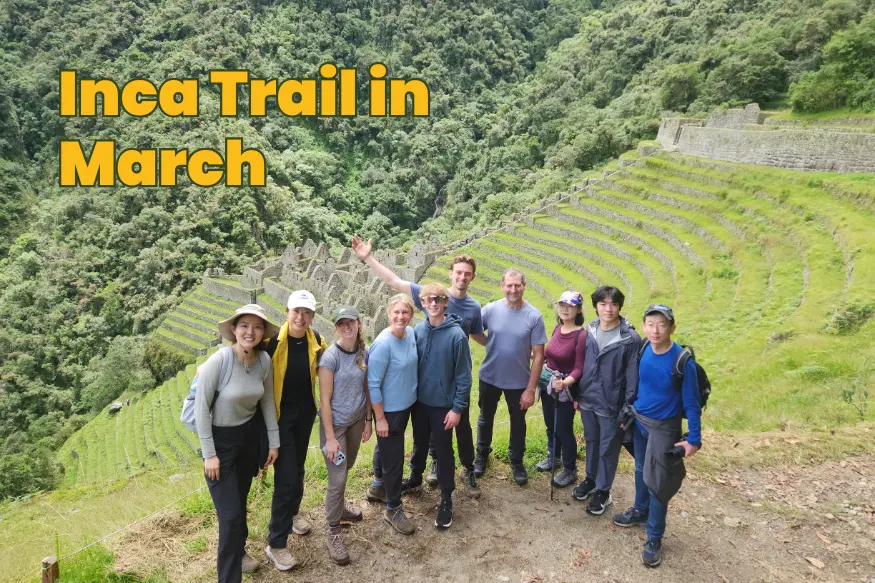
inca trail in march

Why Choose March for the Inca Trail?

The Trail Reopens After the Annual Closure

The Inca Trail is closed every February for environmental maintenance and conservation. In March, it reopens fresh and renewed, with clean campsites, repaired paths, and restored infrastructure. Trekking in March means being among the first hikers to enjoy a rejuvenated trail.

Fewer Crowds Compared to High Season

March is still considered the shoulder season — before the busy months of May through August. This means fewer people on the trail and at Machu Picchu, allowing for a more peaceful experience.

Lush, Green Landscapes

Because March follows the rainy season, the Andean vegetation is at its most vibrant. The hills are covered with wildflowers, and the air feels fresh and pure. For photographers and nature lovers, this month offers spectacular color contrasts and clear morning views after light rains.

Affordable Prices and Better Availability

Permits for the Inca Trail sell out fast, but in March you’ll usually find more availability for both the 4-day and 2-day Inca Trail tours. Some tour operators even offer early-season discounts.

[tour_ad id=”6055″]

Inca Trail Weather in March

March is a transition month between the rainy and dry seasons. You can expect mild temperatures and a mix of sunshine and occasional rain showers.

Despite the rain, March weather is far from extreme. A light rain jacket and good hiking boots are usually enough to stay comfortable.

Permit Availability and Regulations

The Peruvian government strictly limits the number of people allowed on the Inca Trail to 500 per day — including guides, porters, and cooks. This means only about 200–250 trekkers can start the trail daily.

Important Points:

  • Book early: Even in March, permits can sell out weeks in advance.

  • Non-transferable: Permits are issued in your name and linked to your passport number.

  • Tour required: Only licensed operators can sell Inca Trail packages. Independent trekking is not allowed.

  • Passport updates: If you renew your passport after booking, bring both the old and new passports for verification.

What to Pack for the Inca Trail in March

Packing smart is essential for variable March weather. Here’s a checklist:

Clothing:

  • Waterproof jacket or poncho

  • Quick-dry shirts and pants

  • Warm fleece or jacket for nights

  • Comfortable hiking boots (water-resistant)

  • Extra socks and underwear

  • Hat, gloves, and sun cap

Gear:

  • Rain cover for backpack

  • Sleeping bag (rated to 0°C or below)

  • Trekking poles (recommended for slippery sections)

  • Headlamp with spare batteries

  • Refillable water bottle or hydration bladder

  • Sunscreen and insect repellent

Documents & Essentials:

  • Passport (original)

  • Inca Trail permit and Machu Picchu ticket

  • Cash in Peruvian soles (for tips, snacks, etc.)

  • Small first-aid kit

Health and Safety Tips

  • Acclimatize in Cusco for at least 2 days before starting the trek to prevent altitude sickness.

  • Stay hydrated: Drink plenty of water throughout the hike.

  • Use walking poles: They reduce knee strain on steep descents.

  • Follow your guide’s instructions: The Inca Trail has strict regulations for safety and preservation.

  • Avoid plastic bottles: Bring a reusable bottle to support sustainability.

Photography and Scenery Highlights in March

March is ideal for photographers: the landscape is at its greenest, rivers are flowing, and early morning mist gives the mountains a mystical atmosphere. Some of the best spots for photos include:

  • Llactapata terraces (Day 1)

  • Dead Woman’s Pass (Day 2)

  • Phuyupatamarca viewpoint (Day 3)

  • Sun Gate (Inti Punku) at sunrise on Day 4

For the best shots, carry a waterproof camera bag and microfiber cloth to protect your lens from humidity.

Machu Picchu After the Inca Trail

At the end of your trek, you’ll reach the Sun Gate, your first magical glimpse of Machu Picchu. Most tours include a guided visit through the main sectors:

  • Temple of the Sun

  • Intihuatana (Sun Dial)

  • Temple of the Condor

  • Sacred Plaza

Optional hikes like Huayna Picchu or Machu Picchu Mountain can be added (extra ticket required). In March, availability for these hikes is usually better than in peak months.

Sustainable Trekking

March is a great month to promote responsible tourism. Trails are freshly maintained, and environmental efforts are visible. When hiking:

  • Leave no trace: Carry all waste back to designated collection points.

  • Support local porters: Choose operators who provide fair wages and proper equipment.

  • Avoid single-use plastics.

Tips for Booking the Inca Trail in March

  1. Book 2–3 months in advance to secure permits.

  2. Verify operator licenses with the Peruvian Ministry of Culture.

  3. Choose a reputable agency offering oxygen tanks, quality camping gear, and experienced guides.

  4. Consider travel insurance covering altitude trekking.

  5. Bring both digital and printed copies of your booking confirmation.

Alternatives if Inca Trail Permits Are Sold Out

If you can’t find Inca Trail permits for March, don’t worry — several scenic alternatives lead to Machu Picchu:

  • Salkantay Trek (5 days) – High-altitude route with glaciers and jungle landscapes.

  • Lares Trek (4 days) – Cultural trek through Andean villages and hot springs.

  • Inca Jungle Trek (4 days) – Combines biking, hiking, and ziplining adventures.

  • Choquequirao Trek (8 days) – A remote archaeological alternative for experienced trekkers.

Is March a Good Time for the Inca Trail?

Absolutely. The Inca Trail in March combines the best of both worlds: post-rain greenery and fewer crowds. You’ll walk through freshly restored paths, encounter vibrant wildlife, and experience Machu Picchu under softer sunlight.

Just remember to prepare for variable weather — a little rain, a lot of beauty, and the timeless spirit of the Andes.

Whether you’re an experienced trekker or a first-time adventurer, March is a beautiful month to rediscover the magic of the Inca Trail.