Tambomachay Complex: Unveiling the Cusco’s Water Temple
Nestled in the Peruvian Andes lies Tambomachay. This ancient Incan site sparks intrigue and wonder. Yet, its mysteries remain elusive.
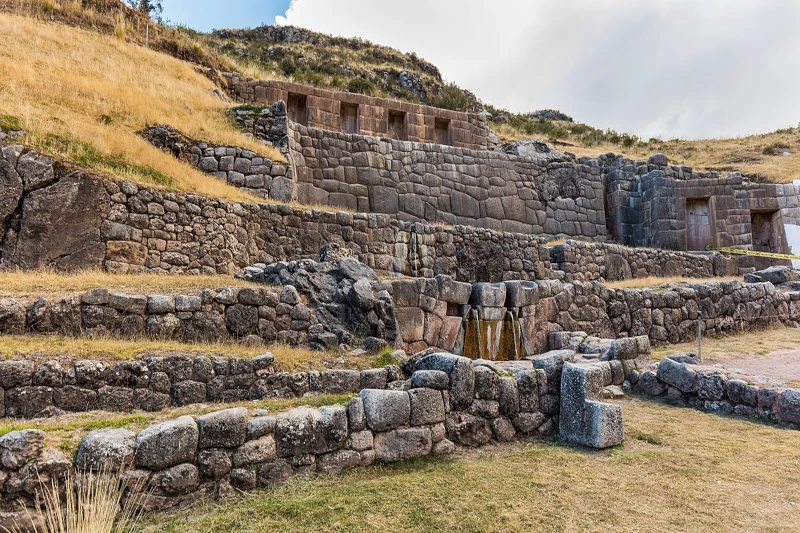
Often referred to as the “Bath of the Inca”, its precise purpose is debated. The intricate water channels and ceremonial niches hint at significant rituals. Delving deep, we strive to uncover its secrets.
Cusco is rich with archaeological gems, and Tambomachay stands out. Its connection to water is unparalleled. Let’s embark on this journey to the past.
Journey to the past: An introduction to the historical significance of Tambomachay Complex
Tambomachay Complex, nestled in Peru’s Andes Mountains, exudes historical significance. A remnant of the Inca Empire, it stands timeless. Its structures tell tales of an era long gone.
The complex offers a glimpse into Inca civilization. Historians often compare it to the Inca Terraces of Tipon. Both sites reveal aspects of ancient life and ingenuity.
Inca Agriculture and Sustainability, vital to the empire, finds representation here. The intricate water channels are a testament. They showcase the Inca’s profound understanding of nature.
Tambomachay Complex, importantly, emphasizes water’s role. Many consider it the “Bath of the Inca”. Ceremonial rites and rituals likely took place here.
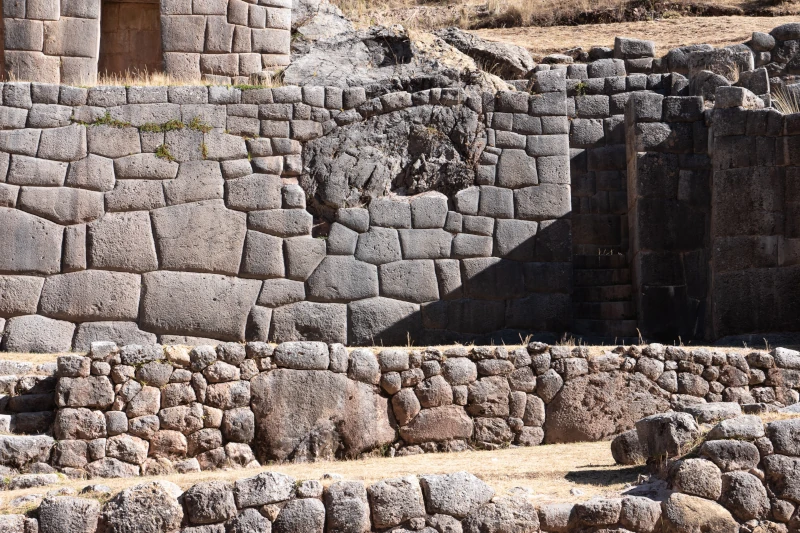
However, beyond rituals, Tambomachay Complex demonstrates Incan architectural brilliance. The stone constructions, without mortar, defy time. Their precision still leaves modern architects in awe.
Its location is strategic, overlooking vast valleys. Its elevation served both defense and sacred purposes. Mysteries of its full purpose persist today.
Tambomachay Complex isn’t just stone and water. It’s a relic of Inca aspirations and knowledge. Delving into it is journeying into the Incan past.
Aquatic marvels of Incan Architecture: Unraveling the mysteries of Tambomachay’s Water Temple
The Inca Empire, spanning much of South America, showcased architectural genius. In this legacy, Tambomachay Complex stands prominent. It’s a testament to Inca’s understanding of water and stone.
Historians often regard the site as an “aquatic marvel”. Tambomachay Complex boasts intricate channels and niches. These features imply both ritualistic and functional purposes.
Its location near The Inca Trail highlights its significance. Pilgrims once tread this path towards the complex. Their aim is to partake in ceremonies at this Inca Sacred Site.
So, what makes the Tambomachay Complex uniquely captivating? The answer lies in its fluid architecture. Water doesn’t just flow; it dances, celebrates, and sings.
Streams cascade through perfectly carved stone channels. They converge, split, and reunite with deliberate artistry. This design wasn’t just for aesthetics; it held deeper meaning.
To the Incas, water symbolized purity and rebirth. Tambomachay Complex became a place of cleansing and renewal. It wasn’t merely functional; it was profoundly spiritual.
Yet, mysteries shroud this ancient water temple. Why did the Incas invest such effort here? Was it solely spiritual, or were there other motives?
Some historians speculate about agricultural experimentation. The channels might have supported sustainable water management. Others, however, emphasize its ceremonial role.
Regardless of its exact purpose, one fact remains clear. Tambomachay Complex is an architectural masterpiece. It embodies the Inca’s reverence for nature’s elements.
Today, as we explore the ruins, echoes of the past resonate. Whispers of rituals, chants, and celebrations fill the air. The waters, still flowing, bear witness to a bygone era.
Tambomachay Complex isn’t just a relic. It’s a living testament to Incan ingenuity and spirituality. It invites us to marvel and reflect.
Sacred springs and ritual spaces: Exploring the spiritual dimensions of Tambomachay Complex
Tambomachay Complex whispers tales from the Inca past. Set amid the Andes, its springs and stones hold sacred stories. This site beckons with spiritual allure.
To the Incas, water symbolized more than life. It signified purity, renewal, and spiritual vitality. At Tambomachay, these beliefs flow vividly.
The complex boasts meticulously carved water channels. Springs feed these, turning stone into a living tapestry. Each droplet narrates spiritual traditions and ceremonies.
It’s believed the Incas held purification rites here. The cascading waters cleansed both body and spirit. They bridged the mortal realm with the divine.
Spaces within the complex exude sanctity. Niches carved into rocks likely held ceremonial offerings. They connected the people to their gods and ancestors.
One can almost hear ancient chants echoing. Imagine priests performing rituals, invoking rain or blessings. The energy here is palpable, even today.
Amidst these springs and stones, history intertwines with spirituality. Tambomachay isn’t just an archaeological wonder. It’s a spiritual compass pointing to Incan beliefs.
While the precise rituals remain a mystery, one thing’s certain. This site was integral to Inca spirituality. The harmonious blend of nature and architecture attests to this.
Now, imagine tracing the footsteps of Inca pilgrims. Would you wish to explore more such mystical sites? The journey doesn’t end at Tambomachay.
For a deeper connection, consider embarking on an adventure. A Two Day Inca Trail to Machu Picchu awaits. Experience the breathtaking sights, steeped in history and spirituality.
Alternatively, a Machu Picchu Day Trip from Cusco offers wonders. Marvel at another pinnacle of Inca civilization. Dive deeper into a world of sacred springs and rituals.
In essence, Tambomachay Complex is a spiritual gateway. It beckons us to discover, learn, and feel. Will you heed its call?
Museums in Cusco’s Historic Center: A Cultural Walk
Cusco, once the heart of the Inca Empire, beckons with its rich history. Its streets echo tales of ancient civilizations. Today, it offers a journey through the Museums in Cusco’s Historic Center.
The historic center stands as a testament to this legacy. Museums are the windows to Cusco’s vibrant past. Join us on a cultural walk, unveiling these treasures.
Every corner has a story. Every artifact whispers secrets. Dive in, and let Cusco’s museums guide you.
Embarking on a Museum Adventure: Navigating Cusco’s Historic Center
Cusco is more than just ancient ruins and vibrant markets. Museums in Cusco’s Historic Center reveal its profound history. Each museum beckons with tales of bygone eras.
To fully experience this, consider purchasing the Cusco Tourist Ticket. This pass grants access to multiple cultural sites. It’s a key to unlocking the city’s heritage.
Walking the cobbled streets, you’ll encounter traces of Inca brilliance. There’s a blend of colonial architecture too. These stories come alive in the Museums in Cusco’s Historic Center.
A must-visit is Cusco’s Cathedral. Not just a religious marvel, it’s a historical masterpiece. Within its walls, you’ll find art, history, and faith intertwined.
As you navigate, note the intricate stonework of buildings. The Inca’s architectural genius is evident throughout. Modern establishments stand alongside ancient structures harmoniously.
Your adventure is more than just viewing artifacts. It’s about feeling the spirit of a civilization. And the Museums in Cusco’s Historic Center offer just that.
Engage with knowledgeable guides. They illuminate tales of powerful Inca kings and Spanish conquests. Their stories transport you to a time of majesty and intrigue.
Every artifact has its own story. Each painting and sculpture whispers of times past. They’re tokens of a culture that thrived and evolved.
When the sun sets, the city dons a different charm. The Museums in Cusco’s Historic Center glow under the starlit sky. They invite you to return, explore, and discover more.
To sum up, navigating Cusco’s heart is a journey. A journey through time, art, and tradition. Embark on this adventure, and treasure every moment.
Treasures along the way: A guided tour of Cusco’s Central Museums
Cusco, a city draped in history, beckons every traveler. Museums in Cusco’s Historic Center are its heartbeats. They resonate with tales of times long gone.
Before embarking on this journey, be prepared for Cusco Region Weather. Layers are your best friend here. Comfortable shoes ensure a smooth museum tour.
Our first stop should be a place showcasing the vibrant Cusco Flag. This emblem represents the region’s indigenous heritage. Learn about its history, symbols, and cultural significance.
Navigating these museums, you’ll realize the depth of Inca civilization. It was not just about Machu Picchu. The entire region thrived with life and innovation.
Our guides emphasize interactive experiences. Touch replica artifacts, read ancient scripts, and relive historical moments. Museums in Cusco’s Historic Center make history tangible.
Beyond the Inca tales, there’s colonial history too. Spanish conquistadors left their mark in architecture and art. They intertwined their legacy with indigenous roots.
But museums aren’t just indoor experiences. Plaza de armas, courtyards, gardens, and open spaces display artifacts too. They present history under the vast Peruvian sky.
Pre-hispanic Museums in Cusco’s Historic Center also host events. Traditional dances, music performances, and craft workshops occur regularly. They breathe life into the static past.
Our guides, passionate and knowledgeable, become your time-travel companions. They decode mysteries, share legends, and entertain with anecdotes. They make this journey memorable.
Your visit will cultivate appreciation for the region. From pottery to tapestries, every artifact speaks. Listen, engage, and immerse yourself.
As the tour concludes, memories remain. Museums in Cusco’s Historic Center leave an indelible mark. They’re more than just buildings; they’re time capsules.
In the end, it’s more than a museum tour. It’s a rendezvous with the past. It’s a dance with Cusco’s soul.
Cultural heritage at your feet: Exploring Cusco’s Historic Center Museums
Nestled amidst the Andes, the city of Cusco is a gem. Its historic center holds tales of ancient civilizations. Every cobblestone whispers of bygone times.
Each museum serves as a time portal. They transport you back to the glorious Inca empire. Here, history is not just read; it is felt.
Magnificent artifacts adorn the museum halls. From intricate pottery to regal garments, the displays mesmerize. Each item holds significance and tales of yore.
Stroll through art galleries showcasing colonial influence. Witness the melding of Inca tradition with Spanish culture. Such a blend creates a unique Cusco identity.
Interactive exhibits engage every visitor. Touch, feel, and interact with the past. Dive deep into stories, rituals, and ancient celebrations.
The museums aren’t just indoor affairs. Open-air exhibits breathe under the Peruvian sky. Gardens and courtyards brim with sculptures and relics.
But Cusco doesn’t stop at its museums. The city itself is an open-air museum. Observe the architecture, streets, and everyday life.
Each corner narrates a chapter of its history. From Inca stonework to colonial churches, it’s all there. A walk here is a journey through epochs.
But museums and streets are just the beginning. The region offers even more immersive experiences. Adventures that weave through nature and history await.
For the spirited traveler, consider a challenge. The 4 Day Inca Trail to Machu Picchu calls. It’s a hike through history, leading to the iconic ruins.
If you desire something mystical, another journey beckons. The Rainbow Mountain Tour is sheer magic. Its colors dance, reflecting nature’s beauty and grandeur.
In conclusion, Cusco offers a cultural feast. Dive into its museums, streets, and trails. A tapestry of experiences awaits every curious soul.
Vinicunca for Beginners: How to Prepare
Embarking on a journey to Vinicunca, known as the Rainbow Mountain, is a thrilling adventure. This guide offers essential tips for the Vinicunca for beginners. Learn how to prepare effectively for this unique experience.
Firstly, understand the physical demands of this high-altitude trek. Acclimatizing in Cusco or similar altitudes is crucial. This reduces the risk of altitude sickness.
Next, pack appropriately for variable weather conditions. Layered clothing is key for the changing mountain climate. Don’t forget essentials like sunscreen and hats.
Moreover, consider your fitness level seriously. Regular exercise prior to the trip enhances endurance. Hiking or altitude training can be particularly beneficial.
Lastly, research the best times to visit Vinicunca. Aim for clear weather to enjoy the vibrant colors. Be prepared for possible crowds during peak seasons.
With these tips, Vinicunca is an attainable dream for beginners. Embrace the challenge and enjoy the journey. Remember, preparation is the key to a memorable adventure.
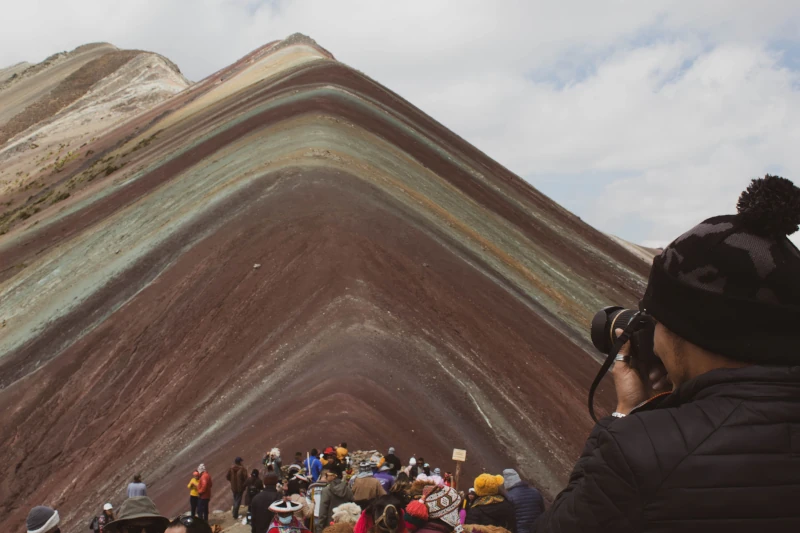
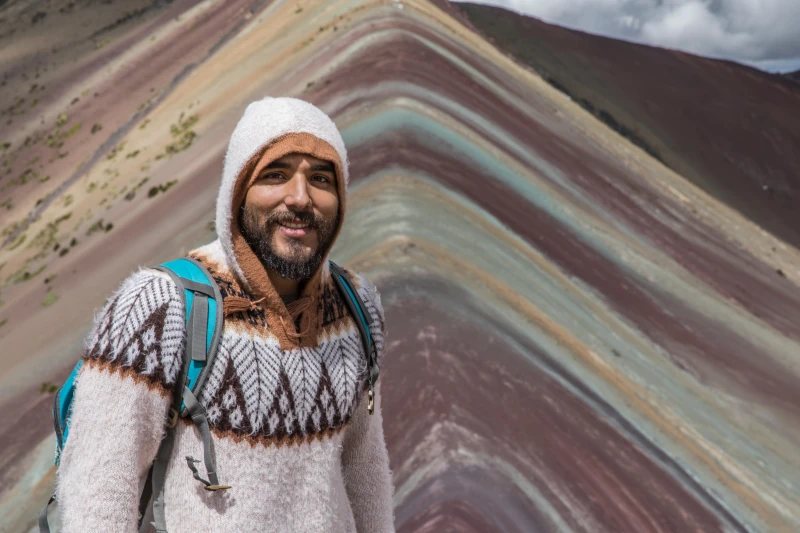
When you visit Rainbow Mountain, you’ll be greeted by a breathtaking tapestry of colors unlike anywhere else on Earth. Take a Vinicunca Rainbow Mountain tour now with Happy Gringo.
Essential Tips for a Successful Trek to Rainbow Mountain
Venturing to Vinicunca, known as the Rainbow Mountain, captivates countless adventurers annually. Its stunning colors create a surreal landscape. This blog post aims to guide beginners on their journey.
Preparing for the Trek
Vinicunca for beginners starts with understanding the trek’s physical demands. Situated above 5,000 meters, altitude affects everyone differently. Acclimatizing in Cusco or similar altitudes for a few days is essential. This step reduces the risk of altitude sickness, a common issue for many trekkers.
Packing appropriately is crucial for the unpredictable weather. The mountain’s climate can change rapidly. Essentials include layered clothing, sturdy hiking boots, sunscreen, hats, and sunglasses. This attire protects against both cold and intense sun.
Considering your fitness level is also vital. The hike to Rainbow Mountain is challenging. Start a regular exercise regime weeks before your trip. Focus on activities that enhance endurance, such as hiking or jogging.
Best Time to Visit
Timing your visit is key to a pleasant experience. The dry season, from May to September, offers clearer paths and better views. However, it’s also the busiest time. For a more solitary experience, consider the shoulder months.
Every time is the best time to visit, but you’ll have different experiences.
The Trek Itself
The hike to Rainbow Mountain Vinicunca usually starts early in the morning. Many opt for a rainbow mountain tour, which includes transportation and guides. These tours often leave from Cusco, reaching the trailhead after a few hours.
The trail itself is breathtaking but demanding. It winds through stunning landscapes, with views of the Red Valley. Remember to take regular breaks and stay hydrated. Also, respect the local environment and communities.
If you’re not confident in your hiking abilities, consider renting a horse. Local guides offer this service, aiding those who need assistance. However, the last part of the trek requires walking.
Capturing the Beauty
Once at the summit, the view is unparalleled. The colored mountain stretches out in a panorama of hues. Take time to absorb the view and capture photos. But remember to be mindful of others trying to do the same.
Descending is often faster but requires caution. The path can be slippery, especially after rain. Use trekking poles for added stability.
Post-trek, reflect on the experience. Vinicunca Rainbow Mountain is more than a physical challenge. Is a journey that connects you with nature and local culture.
Vinicunca for beginners is an achievable dream with the right preparation. Respect the mountain, the culture, and your limits. Remember, the journey to Rainbow Mountain is as important as the destination itself.
Navigating the Altitudes: Smart Planning for Vinicunca for Beginners
Vinicunca, also known as Rainbow Mountain, is a mesmerizing tourist attraction in Peru. Its vibrant hues draw thousands annually. This blog aims to help beginners navigate this high-altitude adventure with ease.
Before the Trek: Essential Preparations
Vinicunca for beginners starts with thorough preparation. Once you’ve arrived in Cusco, give yourself time to adjust. The city sits over 3,400 meters above sea level, offering a perfect acclimatization environment. Spend a few days exploring local attractions and adjusting to the altitude.
Selecting the right gear is crucial for your journey. Invest in quality hiking boots that provide comfort and support. The terrain can be challenging, and good footwear makes a significant difference. Also, pack weather-appropriate clothing and a reliable backpack.
Plan your nutritional needs wisely. Opt for meals rich in carbohydrates and proteins for sustained energy. Include snacks like nuts and energy bars in your backpack. Staying hydrated is also essential, so carry enough water.
Choosing the Best Time for Your Trek
The dry season, from May to September, is ideal for visiting Vinicunca. Trails are more navigable, and the weather is generally clearer. However, it’s also the peak season, meaning more crowds. The rainy season, from October to April, offers solitude but tougher hiking conditions.
Understanding the Trek and Its Challenges
The journey to Vinicunca is not just a day trip; it’s a test of endurance. Starting early is advisable, as the trek takes about 20 minutes to several hours. Most tours include breakfast and lunch, catering to your energy needs throughout the day.
Pay the entrance fee at the trailhead. Is a small price for the unforgettable experience ahead. The trail offers varied landscapes, each presenting its own challenge and beauty.
Altitude Sickness: A Reality to Consider
Altitude sickness is a real concern at Vinicunca. Symptoms include headache, nausea, and dizziness. If you feel unwell, it’s crucial to descend or rest immediately. Always prioritize your health over reaching the summit.
The Trek Experience: A Step-by-Step Guide
Starting the Trek: The trail begins with a gradual ascent. Pace yourself and take short breaks every 20 minutes or so.
Midway Point: Here, the terrain becomes more challenging. Continue at a steady pace, mindful of your breathing.
Approaching the Summit: The final stretch is the most strenuous. Push through, but listen to your body’s signals.
At the Summit: Once you reach the top, embrace the accomplishment. The view of the colored mountain is breathtaking.
The Descent: Returning can be quicker but requires caution. The path can be slippery, especially after rain.
Post-Trek Recovery and Reflection
After the trek, give your body time to recover. A good meal and rest are essential. Reflect on the experience and what it taught you about yourself and nature.
Vinicunca for beginners is an adventure that requires careful planning and respect for nature. Is a journey that tests limits and offers rewards beyond imagination. Embrace the challenge, and let Vinicunca’s colors inspire you.
Understanding the Peru Currency: A Sol Guide
Navigating a foreign country’s currency can be a challenge. For travelers heading to Cusco, understanding the Peru currency, the Peruvian Sol, is crucial.
This guide aims to demystify the Peru currency. It will provide essential information about the Sol, its significance, and practical tips for handling it.
Whether you’re planning a trip to Peru this guide will enhance your understanding of the Peruvian Sol currency.
The Basics of Peru Currency
The official currency of Peru is the Peruvian Sol. It’s the lifeblood of the Peruvian economy and the medium for all local transactions.
The currency code for the Peruvian Sol is PEN. This code is present in international banking and business transactions.
The symbol for the Sol is S/. It’s a common sight in Peru, from price tags in markets to restaurant menus.
Official currency: Peruvian Sol
Currency code: PEN
Symbol: S/.
Banknotes and Coins
Peruvian Sol banknotes come in denominations of 10, 20, 50, 100, and 200 soles. Each note features iconic national symbols and historical figures, reflecting Peru’s rich cultural heritage.
Coins are available in 1, 2, and 5 soles, as well as 10, 20, and 50 céntimos. Céntimos are the equivalent of cents, with 100 céntimos making up one Sol.
Banknotes: 10, 20, 50, 100, 200 soles
Coins: 1, 2, 5 soles and 10, 20, 50 céntimos
Having small denominations is crucial for everyday purchases. Many small businesses and vendors prefer cash, especially in smaller denominations. If you are going to buy souvenirs in Cusco, make sure you have cash with you.
Using Money in Peru
In Peru, US dollars are widely accepted, especially in tourist areas and major cities. However, local transactions are typically conducted in soles. It’s advisable to carry some local currency for smaller purchases and in areas where dollars may not be accepted.
ATMs are readily available throughout Peru. They dispense both soles and sometimes US dollars. Be aware that fees may apply when using ATMs, especially those not affiliated with your home bank.
Credit cards are also widely accepted in Peru, particularly in larger cities and tourist areas. However, in smaller towns and markets, cash is king.
Remember, understanding the Peru currency and its usage is key to a smooth travel experience. So, if you are taking the Lares Trek you need to understand these aspects.
The Economic Context of the Peruvian Sol
The Peruvian economy is traditionally based on agriculture, mining, fishing, and tourism. These sectors significantly influence the value of the Peruvian Sol.
The Sol’s value can fluctuate, impacting prices and exchange rates. This fluctuation is influenced by various factors, including global economic trends and domestic economic policies.
As a traveler, knowing about price changes can help you budget. This will help you manage your spending in Peru.
Travel Tips: Managing Your Soles
When planning your trip to Peru, it’s crucial to budget according to current exchange rates. This will help you avoid overspending and ensure a smooth travel experience.
Be aware of the customs regulations regarding the amount of currency you can bring into and out of Peru. This will help you avoid any potential legal issues with the Peru currency.
The Fascinating History of Peruvian Guinea Pigs
In the heart of the Andes, the humble guinea pig, or “cuy” as the locals call it, holds a revered place. Beyond its adorable appearance, the Peruvian guinea pig carries a rich cultural legacy that dates back thousands of years. This small animal is important in Peru’s cooking and culture. It is interesting for people who love history and animals.
Origins and Early Domestication
The story of the Peruvian guinea pig begins long before the Incan Empire rose to prominence. Archaeological evidence suggests that these small rodents were first domesticated around 5000 B.C. in the Andean region. Unlike their wild counterparts, domesticated guinea pigs were bred for specific traits, leading to the various breeds we see today.
Ancient Beginnings
In the Andean highlands, early societies recognized the guinea pig’s potential as a domesticated animal. These early domestication efforts were likely driven by the guinea pig’s ease of care and rapid reproduction rate. As guinea pigs became integral to Andean life, their breeding was refined to enhance favorable characteristics, such as size and temperament.
The Role of Guinea Pigs in Pre-Incan Societies
Before the rise of the Incan Empire, guinea pigs played a crucial role in the daily lives of pre-Incan societies. They served not only as a food source but also as a form of currency in bartering systems. Their economic importance is evidenced by their presence in archaeological sites, indicating their widespread use across different cultures in the region.
A Sacred Animal
In ancient Andean societies, the guinea pig Peru was more than just a food source. It held a sacred status and was often used in religious ceremonies. Rituals often involved the sacrifice of guinea pigs as offerings to gods, believed to ensure prosperity and protection for the community. This spiritual significance is evident in many archaeological sites where guinea pig remains have been found alongside human burials.
Ritualistic Uses
The guinea pig’s role in spiritual practices was deeply ingrained in Andean belief systems. In many ceremonies, they were seen as mediators between the human and divine realms. Their sacrifice was thought to appease deities and bring about favorable conditions for agriculture and health.
Symbolism in Art and Mythology
Artistic depictions from ancient times frequently feature guinea pigs, underscoring their importance in mythology and religious iconography. These representations were not merely decorative but were imbued with symbolic meanings, reflecting the guinea pig’s revered status.
Archaeological Discoveries
Excavations in the Andean region have uncovered numerous guinea pig remains, often found in ceremonial contexts. These findings provide insight into the animal’s historical significance and the deep-rooted traditions that have persisted through centuries.
The Culinary Role of Guinea Pigs in Peru
In contemporary Peru, guinea pigs remain a staple in traditional cuisine. Known locally as “cuy,” these creatures are prepared in various ways, each method reflecting the diverse culinary traditions of the country.
A Traditional Delicacy
Cuy is often roasted or grilled, served whole, and is a must-try for adventurous eaters visiting Peru. The dish is typically accompanied by potatoes and corn, staples of the Andean diet. While it may be an acquired taste for some, the experience of eating cuy offers a unique insight into Peruvian culture.
Regional Variations
Each region in Peru boasts its own unique method of preparing cuy, reflecting the country’s rich culinary diversity. From the spicy “picante de cuy” in the south to the herb-infused “cuy al horno” in the north, these variations highlight local tastes and traditional cooking techniques.
Cuy in Celebrations
Cuy often features prominently in celebrations and family gatherings, symbolizing abundance and hospitality. Its presence on the table during special occasions underscores its cultural significance and the communal bonds it fosters.
Culinary Expertise
Preparing cuy requires skill and knowledge passed down through generations. Cooks take pride in their ability to create dishes that honor traditional flavors while showcasing their personal culinary flair.
Nutritional Benefits
Apart from their cultural significance, guinea pigs are valued for their nutritional benefits. Peruvian Guinea Pig Food are a rich source of protein and have lower fat content compared to other meats. This makes them an attractive option for health-conscious consumers.
Protein Powerhouse
Guinea pigs Peru provide a high-quality source of protein, essential for maintaining muscle mass and supporting overall health. Their lean meat is particularly beneficial for those seeking nutritious alternatives to conventional meats.
Low in Fat
Compared to other meats, guinea pigs have a lower fat content, making them an ideal choice for those looking to reduce their dietary fat intake. This aspect makes cuy an appealing option for individuals focusing on heart health and weight management.
Vitamins and Minerals
In addition to protein and low fat, guinea pigs offer essential vitamins and minerals. Consuming cuy can contribute to a balanced diet, providing nutrients that support various bodily functions, including immune health and energy production.
Guinea Pigs in Modern Peruvian Culture
Despite the modernization of Peru, the cultural importance of guinea pigs endures. They are frequently featured in festivals and celebrations, symbolizing prosperity and good fortune.
Festivals and Traditions
One notable festival is the annual “Festival del Cuy,” where communities come together to celebrate their beloved animal. The event includes contests for the largest and fastest guinea pigs, as well as cooking competitions showcasing innovative cuy dishes. Such festivals highlight the ongoing cultural relevance of guinea pigs in Peruvian society.
Community Celebrations
These festivals are not just about competition; they are community gatherings that strengthen social bonds. Through shared activities and celebrations, participants express their cultural identity and pride in their heritage.
Culinary Showcases
The Festival del Cuy is also a platform for culinary innovation, where chefs and home cooks alike display their creativity. Participants experiment with new recipes while honoring traditional preparation methods, reflecting the dynamic nature of Peruvian cuisine.
Cultural Significance
By celebrating guinea pigs, these festivals reinforce their role as cultural icons. They serve as a reminder of the historical and social significance of guinea pigs, ensuring their legacy continues in modern times.
Guinea Pigs as Pets
With increasing Western influence, keeping guinea pigs as pets has become popular in urban areas. However, this does not diminish their culinary and cultural roles, as many Peruvians continue to honor traditional practices.
Urban Adaptation
In Peru’s bustling cities, guinea pigs have found a place as beloved household pets. Their friendly nature and manageable size make them ideal companions, particularly in smaller urban living spaces.
Cultural Duality
The dual role of guinea pigs as both pets and food reflects Peru’s ability to balance tradition with modernity. This cultural duality highlights the adaptability of Peruvian society and its openness to diverse influences.
Education and Awareness
As guinea pigs become more prevalent as pets, efforts are made to educate owners about their care. Initiatives focus on promoting responsible pet ownership, ensuring that these animals are treated with the respect they deserve.
The Global Influence of Peruvian Guinea Pigs
The appeal of Peruvian guinea pigs has transcended borders, capturing the interest of animal enthusiasts worldwide. Their role as both pets and cultural icons contributes to their global popularity.
Export and Conservation
Peru exports guinea pigs to various countries, where they are primarily kept as pets. Efforts are also underway to preserve the genetic diversity of native breeds, ensuring their survival for future generations.
International Demand
The global demand for guinea pigs as pets has led to increased exportation from Peru. Their gentle nature and unique appearance have made them favorites among pet enthusiasts worldwide.
Genetic Preservation
Conservation programs focus on maintaining the genetic diversity of Peruvian guinea pigs, safeguarding their heritage. These efforts are crucial for preserving the unique traits of native breeds and ensuring their continued existence.
Breeding Programs
Breeding initiatives in Peru and abroad aim to sustain healthy guinea pig populations. By focusing on responsible breeding practices, these programs contribute to the preservation of these culturally significant animals.
Cultural Exchange
As guinea pigs become more popular globally, they serve as ambassadors of Peruvian culture. Cultural exchange programs and educational initiatives help spread awareness about the historical and cultural significance of these animals, fostering greater appreciation and understanding.
Educational Outreach
Schools and cultural institutions around the world incorporate guinea pig-related content into their curricula. These programs educate students about Peruvian culture, highlighting the historical connections between people and guinea pigs.
Cross-Cultural Connections
Guinea pigs facilitate cross-cultural exchanges by bringing together people with shared interests. Through international events and online communities, enthusiasts connect to discuss the care, breeding, and cultural significance of guinea pigs.
Promoting Cultural Awareness
By highlighting the role of guinea pigs in Peruvian culture, these initiatives foster greater cultural understanding. They encourage people to appreciate the richness of Peru’s heritage and the enduring bond between its people and these small animals.
Environmental and Ethical Considerations
While guinea pigs play an essential role in Peruvian culture, their farming and consumption raise important ethical and environmental questions.
Sustainable Farming Practices
Peru is making strides towards sustainable guinea pig farming. By implementing eco-friendly practices, farmers aim to reduce the environmental impact of guinea pig agriculture. This includes improving waste management and utilizing renewable energy sources.
Eco-Friendly Initiatives
Farmers are adopting innovative practices to minimize their environmental footprint. These include the use of sustainable feed and the implementation of waste recycling systems, contributing to more sustainable guinea pig farming.
Renewable Energy Use
The integration of renewable energy sources, such as solar panels, is becoming increasingly common in guinea pig farming. This shift not only reduces energy costs but also supports environmental conservation efforts.
Community Collaboration
Local communities play a vital role in promoting sustainable farming practices. By working together, farmers and community members share resources and knowledge, driving environmental sustainability in guinea pig agriculture.
Ethical Concerns
The ethical treatment of guinea pigs in farming and culinary contexts is a topic of ongoing debate. Advocates call for humane farming practices, ensuring that guinea pigs are raised and harvested ethically.
Humane Treatment
Efforts are being made to ensure that guinea pigs are raised in humane conditions. This includes providing adequate living spaces, proper nutrition, and humane handling practices, ensuring their well-being throughout their lives.
Animal Welfare Advocacy
Advocacy groups are raising awareness about the importance of ethical treatment in guinea pig farming. These organizations work to influence policy changes and promote higher welfare standards within the industry.
Consumer Awareness
Educating consumers about the origins of their food is crucial in promoting ethical farming practices. By making informed choices, consumers can support humane treatment and encourage more ethical farming practices.
Preserving Cultural Heritage
As Peru continues to evolve, preserving the cultural heritage associated with guinea pigs becomes increasingly important. Efforts to maintain traditional practices while embracing modernity reflect the dynamic nature of Peruvian culture.
Educational Initiatives
Educational programs aimed at younger generations emphasize the historical significance of guinea pigs. By teaching children about their cultural heritage, Peru ensures that the legacy of the cuy continues.
School Programs
Schools across Peru incorporate lessons about guinea pigs into their curricula, covering topics such as history, cultural significance, and animal care. These programs foster a sense of pride and connection to their cultural heritage.
Interactive Workshops
Interactive workshops offer hands-on experiences, allowing children to engage with guinea pigs and learn about their care. These activities provide practical knowledge while reinforcing cultural values and traditions.
Cultural Storytelling
Storytelling sessions focus on sharing traditional tales and legends involving guinea pigs. Through these narratives, children learn about the historical and mythical roles of guinea pigs, preserving their cultural significance.
Community Involvement
Local communities play a crucial role in preserving guinea pig-related traditions. Community-led initiatives and workshops encourage the sharing of knowledge and skills, fostering a sense of pride and continuity.
Knowledge Sharing
Community gatherings provide opportunities for individuals to share traditional practices and skills. These events facilitate the exchange of knowledge, ensuring that cultural traditions related to guinea pigs are passed down through generations.
Skill Development
Workshops and training sessions focus on developing skills related to guinea pig care, cooking, and breeding. By equipping community members with practical knowledge, these initiatives support the preservation of cultural practices.
Cultural Pride
Community involvement fosters a sense of pride in cultural heritage, reinforcing the importance of preserving guinea pig-related traditions. Through collective efforts, communities ensure the continuity of these practices for future generations.
Conclusion
The history of Peruvian guinea pigs is a testament to the deep cultural connections between people and animals. From their sacred status in ancient rituals to their role in modern cuisine, guinea pigs are an integral part of Peruvian identity. By exploring the rich history and cultural significance of these creatures, we gain a deeper appreciation for the diverse traditions that define Peru. Whether you’re a history enthusiast, a culinary adventurer, or an animal lover, the story of the Peruvian guinea pig offers something for everyone.
Stunning Machu Picchu Photos to Inspire Travel
Perched 2,430 meters above sea level in the heart of the Peruvian Andes, Machu Picchu stands as one of humanity’s most extraordinary achievements. This 15th-century Incan citadel doesn’t just offer stunning views, it offers one of the best experiences in South America.The Lost City of the Incas, Machu Picchu is more than just another destination to check off your bucket list, it’s the right place for Photography enthusiasts. Whether you’re stealing away from boardroom meetings for a transformative escape, chasing that once in a lifetime to take the best Machu picchu photos.
The Enchantment of Machu Picchu
Machu Picchu stands as one of the most enigmatic and captivating sites in the world. Located high in the Andes Mountains, this ancient Incan city is a testament to the ingenuity and architectural prowess of its builders. Its rugged terrain and mystical ambiance make it a dream destination for adventurers and history enthusiasts alike. It is not for nothing that the citadel was named a UNESCO world heritage site.
Historical Significance and Discovery
The historical significance of the ruins of Machu Picchu is immense, as it was one of the major cultural centers of the Inca civilization. Discovered by American historian Hiram Bingham in 1911, the site has since captured the world’s imagination. The city is believed to have been a royal estate or sacred religious site for Inca leaders, and exploring its ruins offers a glimpse into the past.
The architecture of Machu Picchu is a marvel of precision and design, featuring structures that harmonize perfectly with the surrounding landscape. The intricate stonework, without the use of mortar, showcases the advanced engineering skills of the Incas. Structures like the Temple of the Sun and the Intihuatana stone serve as prime examples of their architectural ingenuity and inca cosmology of the inca translated into stone.
Spiritual and Mystical Appeal
Beyond its historical and architectural significance, Machu Picchu holds a spiritual and mystical appeal for many visitors. The site’s high altitude and secluded location contribute to its aura, making it a place of reflection and introspection. Many travelers report feeling a profound connection to nature and history while exploring its ancient paths.
Capturing the Magic: Machu Picchu Photography
Adventure photography at Machu Picchu is an experience like no other. The play of light and shadow on the ruins, the vibrant hues of the surrounding landscape, and the sheer magnitude of the site create endless opportunities for stunning shots.
The Art of Composition
Capturing the essence of Machu Picchu requires an understanding of composition, where the alignment of elements within the frame is crucial. Photographers often use the rule of thirds to create balanced and engaging images. This involves placing the main subject off-center to draw the viewer’s eye naturally through the photo, creating a dynamic and interesting composition. A tip for taking the best photos and getting everything in the frame is to climb Huayna Picchu to have the best views of Machu Picchu.
Utilizing Natural Light
The light at Machu Picchu changes all day long. Each hour gives you different photo chances. Early morning brings soft, gentle light. Perfect for peaceful shots when everything feels calm and quiet.
As the sun climbs higher, shadows get sharper. Now you can capture every stone detail and texture in the ruins. The contrast makes everything pop. Warm golden light makes the whole place glow. Your photos will look like they belong in a travel magazine.
Pro tip: Stay all day if you can. Morning gives you mystery. Midday shows the details. Evening delivers that Instagram-worthy golden hour everyone loves.
Experimenting with Angles
Experimenting with angles is key to capturing the grandeur of Machu Picchu. From low-angle shots that emphasize the towering peaks to high vantage points that showcase the site’s sprawling layout, varying your perspective can lead to more compelling images. Don’t hesitate to explore different viewpoints, as each angle offers a new way to appreciate the site’s beauty.
Aerial Photos: A Bird’s Eye View
For those who have the opportunity to capture aerial photos, the view from above is nothing short of awe-inspiring. The intricate layout of the ruins, framed by lush green terraces and jagged peaks, reveals the full grandeur of Machu Picchu.
The Impact of Drone Technology
Drones totally changed how we see Machu Picchu from above. Now you can get shots that nobody could take before.These flying cameras show just how huge and detailed this place really is. You see patterns in the ruins that you’d never notice from the ground.
Those sweeping aerial views help you understand the full picture. How big it is. How the Incas built it to fit the mountain perfectly.
Capturing the Landscape
Aerial photos of Machu Picchu not only highlight the ruins but also the stunning natural landscapes, the mountains and the Urubamba river. The Andes Mountains, with their dramatic peaks and lush valleys, provide a breathtaking backdrop. Photographers capturing these scenes from above can convey the harmony between the ancient city and its natural environment.
Planning Your Visit: What You Need to Know
Visiting Machu Picchu requires careful planning to ensure a smooth and enjoyable experience. Understanding the logistics and preparing in advance can enhance your journey.
May through September is prime time for Machu Picchu mountain. You get clear skies and great weather, perfect for taking photos and exploring.But here’s the catch: everyone else knows this too. The dry season brings crowds. Lots of them.
Book everything early if you want to visit during these months. We’re talking tickets, hotels, trains, the whole package. Popular dates sell out fast so planning is important.
Dry Season: Ideal Conditions
The dry season provides optimal conditions for exploring Machu Picchu, with minimal rainfall and pleasant temperatures. Visitors can expect clear views of the site and comfortable trekking conditions on the surrounding trails. Planning your visit during this time increases the likelihood of experiencing Machu Picchu in all its glory.
Navigating the Inca Trail
For those with a spirit of adventure, the Inca Trail offers a challenging yet rewarding trek to the ancient city. The trail winds through diverse ecosystems, showcasing both natural beauty and cultural landmarks. Be prepared for a multi-day journey with varying altitudes and weather conditions.
Trail Highlights
This famous trail gives you amazing views and tons of history. You’ll walk past old inca ruins, through misty cloud forests, and see mountains that go on forever.
Every day brings something new. One day you’re climbing high mountain passes. Next you’re exploring ancient sites that make you wonder how people lived here centuries ago.
Preparing for the Trek
Proper preparation is the major essential tip for a successful trek on the Inca Trail. This includes physical training, acclimatization to high altitudes, and packing appropriate gear. Trekkers should also ensure they have the necessary inca trail permits, as access to the trail is limited to preserve its integrity.
Cultural Insights: Understanding Machu Picchu
Machu Picchu is more than just a collection of ruins; it’s a cultural treasure that provides a window into the life and beliefs of the Inca civilization. Engaging with local guides can enhance your understanding of the site’s historical significance and the traditions that have been preserved over the centuries.
The Inca Civilization
Understanding Machu Picchu requires an appreciation for the Inca Empire, which was one of the most advanced societies in pre-Columbian America. The Incas were skilled architects, astronomers, and agriculturists, and their cultural practices are still evident in the region today.
Photography Tips for Machu Picchu
Capturing the beauty of Machu Picchu requires more than just a camera; it involves understanding the site’s unique characteristics and preparing for the conditions you’ll encounter.
Timing Is Everything
The soft morning light and the golden glow of sunset are perfect for capturing the essence of Machu Picchu. Arriving early or staying late not only allows for better lighting but also helps you avoid the crowds, giving you more freedom to explore and compose your shots. Taking the Salkantay Trek or the Lares Trek will allow you to reach sunrise through Sun Gate, giving you one of the best photography opportunities.
Golden Hours of Photography
The golden hours, shortly after sunrise and before sunset, provide ideal lighting conditions for photography. The warm, diffused light during these times enhances the colors and textures of the ruins, creating a magical atmosphere. Photographers should plan their visit around these times to capture the best Machu picchu photos.
Patience and Persistence
Patience is key when photographing Machu Picchu. The changing light and weather conditions can require waiting for the perfect moment to capture a shot. Persistence pays off, as the site offers endless possibilities for stunning images, and being patient allows you to take advantage of these opportunities.
Essential Equipment
Investing in quality equipment can significantly enhance your photography at Machu Picchu. A DSLR or mirrorless camera with interchangeable lenses offers versatility, allowing you to switch between wide angle and zoom lenses as needed. A polarizing filter can also help reduce glare and enhance colors, particularly in bright daylight.
The Importance of a Tripod
A tripod is an essential tool for capturing sharp, detailed images, especially in low-light conditions. It provides stability for long exposures, allowing you to experiment with different shutter speeds and capture the movement of clouds or water. A lightweight, portable tripod is ideal for navigating the site’s terrain.
Capturing the Mist
The mist and fog that often envelop Machu Picchu create a mystical atmosphere, adding depth and drama to photographs. Embracing these conditions can lead to unique and evocative images that capture the essence of the site. Adjusting your camera settings to account for low light and using a higher ISO can help capture these moody scenes.
The Beauty of Imperfection
Embracing the imperfect inca trail weather conditions to Machu Picchu can result in some of the most memorable photographs. The interplay of light and shadow, rain and sunshine, creates dynamic and compelling images. Allowing the natural elements to influence your photography can lead to more authentic and captivating results.
Experiencing the Surroundings
While Machu Picchu is the main attraction, the surrounding region offers additional experiences that enrich your visit. Exploring these areas provides a deeper connection to the culture and natural beauty of the Andes.
Hot Springs Near Machu Picchu
After a day of exploration, soaking in the nearby hot springs is a delightful way to relax and unwind. These natural thermal baths provide a perfect setting to reflect on your journey while enjoying the stunning Andean scenery.
Explore Aguas Calientes
The town of Aguas Calientes, located at the base of Machu Picchu, serves as the gateway to the ruins. It’s worth spending some time here to enjoy local cuisine, visit the markets, and immerse yourself in the vibrant culture. From the Sacred Valley to Aguas Calientes you have a
Culinary Adventures
This little town packs serious flavor. You’ll find everything from fresh ceviche to sizzling lomo saltado. Plus international food if you need a break from local dishes.
Don’t just see Machu Picchu, taste Peru too. The restaurants here serve up authentic flavors that tell the country’s food story.
Whether you want street food or fancy dining, exploring the wonders of Aguas Calientes has you covered. Part of your Machu Picchu trip should definitely involve eating your way through town.
Vibrant Markets
The markets in Aguas Calientes are vibrant and bustling, offering a glimpse into the local culture and way of life. Visitors can explore stalls filled with handmade crafts, textiles, and souvenirs, providing an opportunity to support local artisans. The colorful displays and lively atmosphere make the markets a must-visit destination.
Cultural Immersion
Spending time in Aguas Calientes allows for cultural immersion and interaction with the local community. Engaging with residents, learning about their traditions, and participating in local events enrich the travel experience. This connection to the people and culture of the area adds depth to your journey to Machu Picchu.
Your Machu Picchu Adventure Awaits
Machu Picchu is a destination that promises adventure, discovery, and inspiration. Whether you’re capturing the perfect photograph, delving into the site’s rich history, or simply soaking in the breathtaking views, your journey to Machu Picchu will be an unforgettable experience. Don’t forget to take in consideration the altitude sickness in Cusco, get prepared beforehand.
By planning ahead and embracing the unique opportunities this site offers, you can ensure a fulfilling and enriching travel experience. Researching the site’s history, understanding the logistics, and preparing for the ther weather are crucial steps in making the most of your visit. With careful preparation, you’ll be ready to embark on a journey that combines adventure and education.
Inca Trail in September
The Inca Trail in September marks the transition between the dry season and the early beginning of the rainy season in the Andes. This combination makes September a unique and highly favorable time to hike the famous route to Machu Picchu. The weather is still predominantly dry, the landscapes begin turning greener, crowds slowly decrease compared to the peak months of June, July, and August, and trekking permits become slightly easier to secure. More info about: Inca Trail in June, Inca Trail in July and Inca Trail in August
This comprehensive guide covers everything you need to know about hiking the Inca Trail in September, including weather, trail conditions, altitude considerations, packing lists, preparation tips, advantages, disadvantages, and essential information for travelers planning their adventure.
September is one of the most balanced months of the year for trekking:
Weather remains mostly dry.
Visibility is excellent.
Crowds begin to thin out.
Temperatures are milder than mid-winter months.
The landscape becomes greener as humidity increases.
Sunrise conditions at Machu Picchu remain clear.
Many travelers consider September the ideal month because it offers the beauty of the dry season without the overwhelming crowds typical of the previous months.
Weather on the Inca Trail in September
General Climate Overview
September is a transitional month. While it is still considered part of the dry season, light showers begin to appear in the afternoons toward the end of the month.
Expect:
Mostly sunny mornings
Mild afternoons
Occasional light rain late in the month
Warmer nights compared to July–August
Temperature Range
Daytime: 18°C to 23°C (64°F to 73°F)
Nighttime: 5°C to 9°C (41°F to 48°F)
Early mornings: Cool but not freezing
Rainfall
Early September: almost no rain
Mid to late September: sporadic drizzle or light afternoon showers
No heavy storms (those start in November–December)
Rain gear is recommended, but full waterproof winter equipment is not necessary.
Sun Exposure
UV radiation is still high. Trekkers should wear:
Sunscreen SPF 50+
UV-protective sunglasses
A sun hat
What to Expect When Hiking the Inca Trail in September
1. Fewer Crowds
September feels calmer compared to high-season months. Campsites and viewpoints have more space, and the trail atmosphere is more relaxed.
2. Great Weather for Trekking
Mornings are fresh and clear, perfect for long hiking hours. Afternoon temperatures are comfortable.
3. Slight Chance of Rain
A light drizzle may appear toward the end of the day, especially near Wiñay Wayna and the cloud forest.
4. More Vegetation
The landscape begins transitioning from the brown tones of the dry season to greener, fresher colors.
5. Excellent Photography Conditions
Clear skies, soft sunlight, and greener valleys make September perfect for photos.
Difficulty of Hiking the Inca Trail in September
The Inca Trail retains its moderate to difficult classification throughout the year.
September is often perceived as one of the easiest months due to:
Mild temperatures
Dry mornings
Good visibility
Stable trail conditions
Major challenges include:
High altitude
Long hiking hours
Steep stone staircases
Altitude Along the Inca Trail in September
Regardless of the month, altitude affects hikers. September’s mild weather makes acclimatization easier.
Key Elevation Points
Cusco: 3,400 m
KM 82: 2,700 m
Dead Woman’s Pass: 4,215 m
Runkurakay Pass: 3,950 m
Phuyupatamarca: 3,600 m
Machu Picchu: 2,430 m
Acclimatization Tips
Spend 2–3 days in Cusco or Sacred Valley.
Stay hydrated.
Avoid heavy meals before the trek.
Coca tea can help with mild symptoms.
Permits for the Inca Trail in September
Although September is not as competitive as June–August, permits still sell out quickly.
Booking Recommendations
Reserve 4–6 months in advance.
Group tours sell out first due to lower prices.
Private tours may remain available longer.
Why Permits Are Limited
The Peruvian government caps the number of daily entries to:
500 people total
Only 200–250 trekkers
The rest are porters and guides
Permits are date-specific and cannot be changed or refunded.
Trail Conditions in September
Terrain
Mostly dry
Stone paths stable and safe
Rare moments of mud in cloud forest zones
Good grip on uphill and downhill sections
Water Sources
Streams run at normal levels. Your trekking agency will provide boiled or filtered water daily.
Wildlife
September offers good chances to see:
Andean hummingbirds
Llamas and alpacas
Spectacled bears (rare but possible)
Orchids in early bloom
Packing List for the Inca Trail in September
Clothing
Lightweight trekking shirts
Quick-dry pants
Convertible pants/shorts
Fleece jacket
Warm layer for nights
Compact rain jacket
Hat for sun
Buff or neck gaiter
Footwear and Equipment
Waterproof hiking boots (well broken-in)
Trekking poles
Sleeping bag rated to –5°C
Comfortable daypack
Headlamp
Reusable water bottle (1–2 liters)
Other Essentials
Sunscreen SPF 50+
Lip balm with SPF
Insect repellent (for lower zones)
Personal medications
Camera or GoPro
Snacks (nuts, chips, chocolate, granola bars)
Advantages of Hiking the Inca Trail in September
Milder temperatures compared to July–August
Fewer crowds
Excellent sunrise conditions
Greener landscapes
Still part of the dry season
Easier to book permits and hotels
Disadvantages of Hiking the Inca Trail in September
Slight chance of afternoon showers
Humidity increases toward the end of the month
Clouds may appear during sunrise (less common)
Some mosquitoes in cloud forest areas
Tips for Hiking the Inca Trail in September
1. Start Early Each Morning
Maximize sunlight hours and avoid any chance of late afternoon drizzle.
2. Keep a Light Rain Jacket Ready
Weather is mostly dry, but short showers can happen.
3. Train Before the Trek
Focus on endurance, leg strength, and stair climbing.
4. Use Trekking Poles
They help protect knees during long downhill sections.
5. Acclimatize Properly
Spend time in Cusco before starting to prevent altitude sickness.
6. Protect Yourself From the Sun
Even with mild temperatures, UV radiation remains strong in the Andes.
Alternative Treks if Inca Trail in September Is Fully Booked
Salkantay Trek (5 Days)
A high-altitude adventure, great weather in September.
Excellent in September due to clearer skies and dry paths.
Frequently Asked Questions About the Inca Trail in September
Is September a good month to hike the Inca Trail?
Yes, one of the best months due to mild weather, fewer crowds, and excellent visibility.
Does it rain in September?
Light showers are possible toward the end of the month, but heavy rain is rare.
Are there fewer crowds compared to August?
Yes, the number of hikers drops significantly in September.
Is Machu Picchu clear in September?
Most of the month offers excellent visibility, especially in the mornings.
Do I need to book in advance?
Yes, but not as early as high season. A 4–6 month window is usually enough.
Is the Inca Trail dangerous in September?
No, trail conditions are dry and stable, making it a safe month for trekking.
Machu Picchu in December
Visiting Machu Picchu in December offers a unique and often underestimated experience. December marks the beginning of the rainy season in the Peruvian Andes. This brings greener landscapes, fewer crowds, and humid conditions. It also creates a more peaceful atmosphere around the famous Inca citadel. Even though it rains more than in previous months, Machu Picchu is open every day. With the proper preparation, December can be a great time to visit.
This guide covers everything you need to know about visiting Machu Picchu in December. It includes weather, crowd levels, and the best times to visit. You will find information on ticket demand, train schedules, and trekking conditions. There are also photography tips, packing lists, and pros and cons. Plus, you will get traveler recommendations to make your visit unforgettable.
Is December a Good Month to Visit Machu Picchu?
Yes—December is a good month to visit Machu Picchu if you prefer fewer crowds, lush green mountains, and a calmer atmosphere. Even though December is one of the rainiest months, you can still enjoy the site. Mornings are often more stable for better weather.
Why Some Travelers Prefer December
Significantly fewer tourists
Cheaper hotels and more train availability
Green, vibrant landscapes
Photographic opportunities with mist and clouds
A peaceful atmosphere at the ruins
With proper clothing and planning, December becomes a rewarding month for exploration.
Weather in Machu Picchu in December
General Climate Overview
December is part of the peak rainy season in the Andes, bringing:
Frequent showers
High humidity
Cloudy skies
Occasional storms
Warm tropical conditions in Aguas Calientes
However, December is not the month with the most extreme rain—that happens in January and February.
Temperatures in December
Rainfall in December
Average rainfall: 150–200 mm
The rainiest days are often after December 20
Showers can be heavy but usually intermittent
Full-day rain is possible but not constant
Fog and Visibility
Fog is frequent, especially early morning
Clouds create dramatic, mystical landscapes
Clear windows appear throughout the day
Views of Huayna Picchu can come and go quickly
Crowds and Tourism Levels in December
One of the Quietest Months of the Year
December is among the least crowded months to visit Machu Picchu, especially early December. In the last week of the month—during Christmas and New Year—tourism increases again, but not to peak-season levels.
Benefits of fewer crowds:
No long lines for shuttle buses
Easy movement inside the citadel
More flexibility in choosing circuits
Better photos without large groups
Who Visits in December?
Adventurous travelers
Couples seeking misty, romantic landscapes
Budget travelers
Photographers
Slow travelers
December offers a calmer and more intimate experience.
Machu Picchu Tickets in December
Ticket Availability
December has better ticket availability compared to May–October. However:
Circuit 2 can still sell out
Huayna Picchu and Machu Picchu Mountain require advance booking
Holiday week (Dec 24–31) sees higher demand
When to Book
Standard circuits: 1–3 weeks in advance
Huayna Picchu: 4–6 weeks
Machu Picchu Mountain: 4–6 weeks
Best Ticket Options for December
Circuit 2 – Classic Panoramic Route
Circuit 1 – Upper Terraces
Circuit 3 – Lower Platforms
Circuit 4 – Agricultural Route
Machu Picchu + Huayna Picchu
Machu Picchu + Mountain
Which Ticket Should You Choose?
For best views → Circuit 2 or Machu Picchu Mountain
For adventure → Huayna Picchu (but trails can be slippery)
For light rain conditions → Circuits 1 or 3
For photography → Circuit 1
Best Time of Day to Visit Machu Picchu in December
Early Morning (6 AM – 9 AM)
Lower chance of rain
Foggy but atmospheric
Cooler temperatures
Peaceful atmosphere
Midday (9 AM – 1 PM)
Warmest period
Fog often lifts
Good visibility windows
Moderate chance of showers
Afternoon (1 PM – 5 PM)
Highest probability of rain
Fewer tourists
Dramatic skies for photos
Soft lighting conditions
Tip: Early morning is the best time in December due to lower rainfall.
Train Travel to Machu Picchu in December
Train Companies
PeruRail: Expedition, Vistadome, Hiram Bingham
Inca Rail: Voyager, 360°, First Class
When to Reserve
December is flexible—1–3 weeks ahead is sufficient
High-end trains may sell out during holiday week
Best Train Times
For morning visits:
5:05 AM
6:10 AM
7:45 AM
For afternoon visits:
10:00 AM – 1:00 PM departures
Return trains:
3:20 PM
4:20 PM
7:00 PM
Tips for Train Travel in December
Bring a waterproof backpack cover
Wear layers for temperature changes
Arrive 30 minutes before departure
Keep all your tickets safely stored
Trekking to Machu Picchu in December
December is still acceptable for trekking, but more caution is required due to:
Slippery trails
Cloudy viewpoints
Wet vegetation
Occasional storms
Inca Trail Conditions
Open all December
Muddy or slippery steps
Foggy mornings
Warm temperatures
Less crowded than dry season
Salkantay Trek in December
Very wet near Soraypampa
Green landscapes
Misty mountain views
Slippery jungle sections
Lares Trek in December
Rainy high passes
Beautiful Andean villages
Easier than Salkantay
Very quiet month on the route
Choquequirao Trek in December
Hot in canyon sections
Increased rain
Challenging but very scenic
Short Inca Trail (2-Day)
This is the best trekking option in December because:
Less exposure to heavy rain
Shorter duration
Good balance of scenery and comfort
What to Pack for Machu Picchu in December
December requires proper preparation for rain and humidity.
Clothing
Waterproof jacket (essential)
Quick-dry shirts
Waterproof hiking boots
Lightweight fleece
Breathable pants
Rain poncho
Hat for sun and rain
Accessories
Waterproof backpack cover
Sunscreen
Insect repellent
Reusable water bottle
Snacks
Portable charger
Important Documents
Passport
Entry ticket
Train tickets
Reservation confirmations
Pros and Cons of Visiting Machu Picchu in December
Pros
Very few crowds
Green and vibrant scenery
Peaceful atmosphere
Good availability of trains and tickets
Lower hotel prices
Unique misty landscapes
Cons
Frequent rain, especially afternoons
Slippery trails
Cloudy visibility at times
Humid conditions
Tips for a Smooth Visit in December
Pack Waterproof Gear
A proper rain jacket, poncho and waterproof shoes are essential.
Arrive Early
Mornings offer the best chance for clear weather.
Stay in Aguas Calientes
Staying overnight gives you:
More time flexibility
Opportunity to enter early
Reduced travel stress
Choose Flexible Plans
Allowing weather-based adjustments improves your experience.
Machu Picchu in December for Different Travelers
Families
Mild temperatures for children
Bring rain gear
Circuits 1 and 3 are easiest
Couples
Romantic mist and clouds
Beautiful soft lighting
Great for relaxed exploration
Solo Travelers
Good hostels and availability
Easy to meet other travelers
Lower costs than peak season
How Many Days Do You Need?
Recommended Duration
1 day: Quick visit
2 days: Best overall experience
3–5 days: Combine with Sacred Valley or short hike
Sample 2-Day Itinerary
Day 1: Cusco → Aguas Calientes
Day 2: Machu Picchu early morning visit
Frequently Asked Questions About Machu Picchu in December
Does it rain a lot in December?
Yes—December has frequent showers, but mornings are usually manageable.
Is Machu Picchu crowded in December?
No—it’s one of the quietest months of the year.
Can I hike Huayna Picchu in December?
Yes, but the trail may be slippery.
Is the Inca Trail open in December?
Yes, it’s open the entire month.
Are trains affected by rain?
Rarely—train services usually operate normally.
Is December a Good Time to Visit Machu Picchu?
Yes—Machu Picchu in December offers a peaceful, lush and magical experience, perfect for travelers who don’t mind rain and want to enjoy the citadel without heavy crowds. While weather conditions change frequently, the beauty of the clouds, mist and green mountains creates one of the most atmospheric versions of Machu Picchu.
With the right preparation—rain gear, early entry and flexible plans—you can fully enjoy this mystical Andean treasure even during the rainy season.
Temple of the Sun in Machu Picchu
The Temple of the Sun is one of the most important, sacred, and architecturally advanced structures within the Inca citadel. Built with extraordinary precision and astronomical purpose, this temple reflects the deep spiritual connection the Incas had with the Sun, the cosmos, and the natural world.
For archaeologists, historians, and travelers alike, the Temple of the Sun represents the religious heart of Machu Picchu and a powerful symbol of Inca cosmology and engineering mastery.
What Is the Temple of the Sun in Machu Picchu?
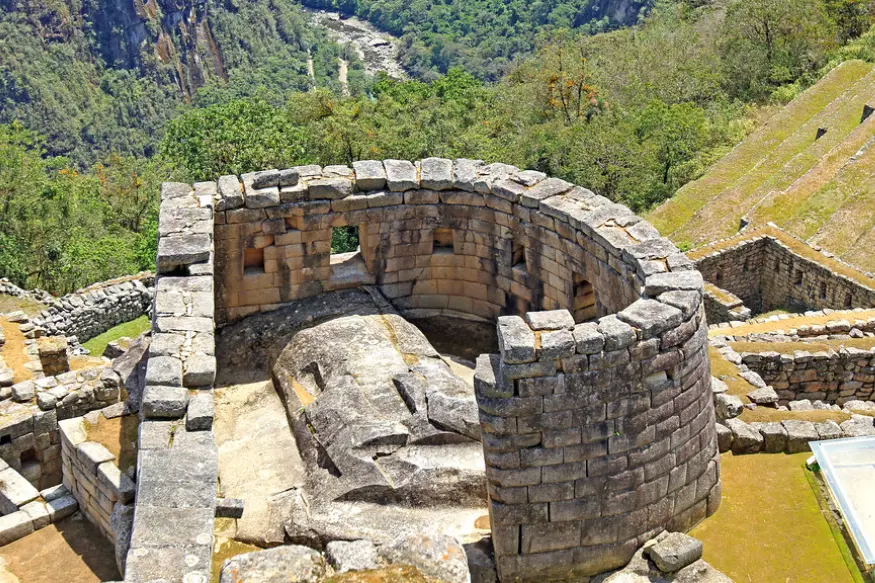
The Temple of the Sun (also known as Torreón) is a semicircular stone structure located in the religious sector of Machu Picchu. It was dedicated to Inti, the Sun god, the most revered deity in the Inca Empire.
Unlike rectangular Inca buildings, the Temple of the Sun features a curved outer wall, perfectly carved stones, and ceremonial windows aligned with key astronomical events. Its design confirms that it was not a residential building but a highly sacred ceremonial space reserved for priests and Inca elites.
Location of the Temple of the Sun in Machu Picchu
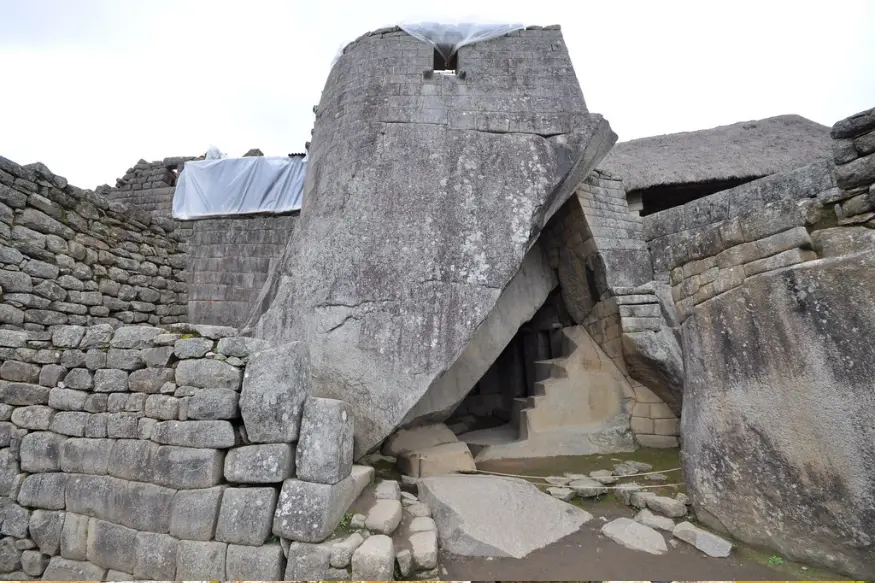
The Temple of the Sun is strategically positioned in the lower religious sector, directly above the Royal Tomb and near the Temple of the Condor.
Sector: Sacred / Religious Sector
Elevation: approx. 2,430 meters (7,970 ft)
Accessibility: Visible from main circuits, interior access restricted
The placement of the temple is not accidental—it overlooks the Urubamba River and is aligned with surrounding sacred mountains (apus).
Historical Background of the Temple of the Sun
The Temple of the Sun was constructed during the reign of Pachacuti Inca Yupanqui in the 15th century, at the height of the Inca Empire. Pachacuti ordered Machu Picchu to be built as a royal estate and ceremonial sanctuary, and the Temple of the Sun was one of its most important religious buildings.
The Incas believed the sun was their divine ancestor. As such, this temple functioned as
A place for solar worship
A site for astronomical observation
A ceremonial center for elite rituals
Its construction reflects state-level planning and advanced scientific knowledge.
Architectural Design and Construction
Curved Stone Wall
The semicircular wall of the Temple of the Sun is one of the finest examples of Inca ashlar masonry. Each stone was precisely cut and fitted without mortar, demonstrating:
Earthquake resistance
Structural durability
Artistic perfection
This curved design is extremely rare in Inca architecture, emphasizing the building’s ceremonial importance.
Astronomical Windows
The Temple of the Sun contains two trapezoidal windows, each aligned with specific solar events:
June Solstice Window: aligned with the sunrise during the winter solstice
December Solstice Window: aligned with the summer solstice
During these events, sunlight enters the temple in a controlled and symbolic manner, illuminating specific interior points used for ritual observation.
This confirms the temple’s role as an astronomical observatory.
Relationship Between the Temple of the Sun and Inca Cosmology
In Inca belief, the universe was divided into three realms:
Hanan Pacha (upper world—gods, Sun, stars)
Kay Pacha (earthly world – humans)
Uku Pacha (inner world – ancestors, death)
The Temple of the Sun symbolically connects these realms:
The upper temple honors Inti (Sun god)
The Royal Tomb below represents Uku Pacha
The surrounding city reflects Kay Pacha
This vertical alignment makes the structure one of the most spiritually complex in Machu Picchu.
The Royal Tomb Beneath the Temple of the Sun
Directly beneath the Temple of the Sun lies the Royal Tomb, a carved cave-like chamber with symbolic niches and altars.
Although no mummy was found, archaeologists believe it was used for
Elite burials
Ritual offerings
Ancestor worship ceremonies
The Royal Tomb strengthens the theory that the Temple of the Sun served both solar worship and funerary rituals, linking life, death, and rebirth.
Religious Ceremonies at the Temple of the Sun
The Temple of the Sun was likely used for:
Solstice ceremonies
Rituals led by high priests (Willac Umu)
Offerings of food, textiles, chicha, and sacred objects
Only select individuals—priests, nobles, and possibly members of the royal family—were allowed inside. Common people would have participated from surrounding plazas.
Why Was the Temple of the Sun Sacred to the Incas?
The Sun was central to Inca identity:
The emperor (Sapa Inca) was considered the son of the Sun
Agricultural cycles depended on solar observation
Political authority was legitimized through solar lineage
As a result, the Temple of the Sun functioned as a religious, political, and cosmic center.
Can You Enter the Temple of the Sun Today?
Today, visitors cannot enter the interior of the Temple of the Sun due to preservation efforts. However:
The exterior is clearly visible from Circuit 2 and other main routes
Windows, curvature, and stonework can be admired from multiple angles
Restricted access helps protect one of the most fragile and valuable structures in Machu Picchu.
Temple of the Sun vs Other Sacred Structures in Machu Picchu
The Temple of the Sun stands out for its precision, location, and celestial alignment.
Best Time to See the Temple of the Sun
Dry season (May–September): clearer views and light
Early morning: softer light highlights stone curvature
Solstice dates (June & December): maximum symbolic value
While interior access is restricted, exterior views are spectacular year-round.
Interesting Facts About the Temple of the Sun
One of the only curved Inca temples ever built
Perfectly aligned with solstices
Built directly above a sacred cave
Combines astronomy, religion, and royal symbolism
Importance of the Temple of the Sun in Machu Picchu
The Temple of the Sun in Machu Picchu represents:
The pinnacle of Inca stone engineering
Advanced astronomical knowledge
The spiritual authority of the Inca state
It is a physical expression of how the Incas understood the universe and their place within it.
The Best Carnivals in Peru
Celebration of Carnivals Starts during Which Month of the Year in Peru?